Tag: wellness journey

  • How to Stabilize Insulin Levels with Low-GI Foods

    How to Stabilize Insulin Levels with Low-GI Foods

    In my previous blog, I explored the causes, effects, and essential tips regarding insulin spikes. In this installment, I’ll illuminate one of the strategies to effectively manage insulin levels—embracing a low-Glycemic diet. This approach plays a key role in stabilizing blood sugar. It is also crucial for minimizing insulin surges. Additionally, it enhances long-term health. Join me as we examine the details of a low-Glycemic diet. We will explore its mechanics and provide actionable steps. You can take these steps to adopt this lifestyle for natural insulin spike control. Below is the link for the previous article.

    Understanding Insulin Spikes: Causes and Management
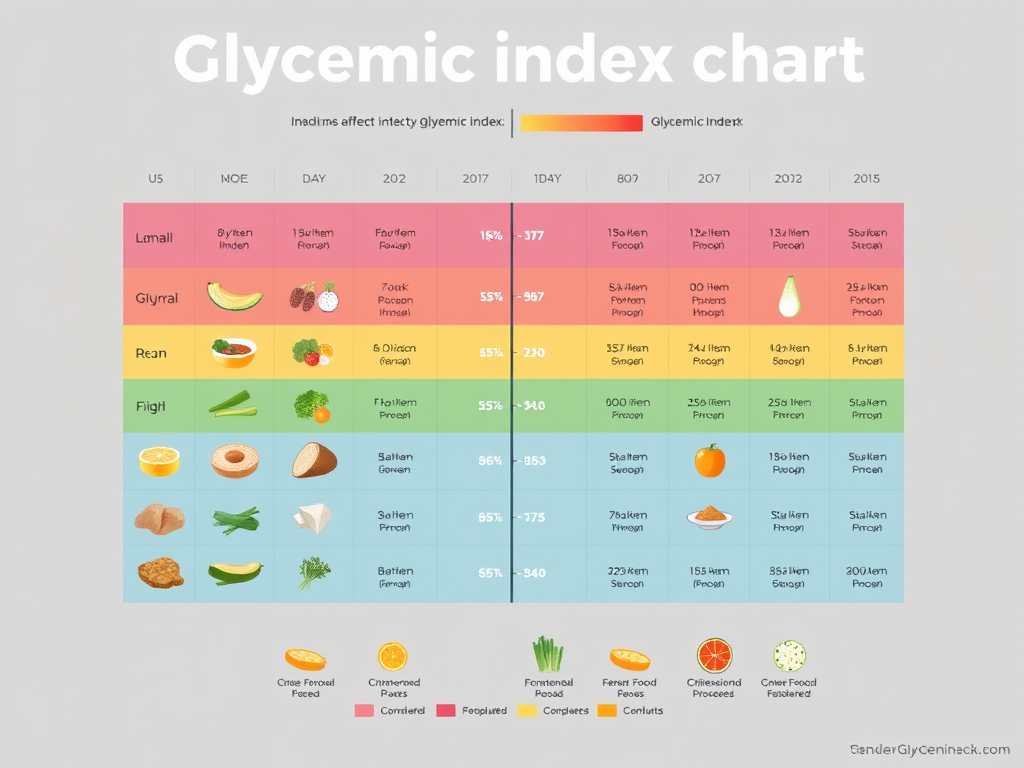
    What Is the Glycemic Index (GI)?

    The Glycemic index (GI) is an essential ranking system that evaluates how rapidly a particular food elevates blood sugar levels. Foods are assigned scores ranging from 0 to 100, with lower scores indicating a slower impact on blood sugar. By prioritizing low-GI foods, you can effectively manage your blood sugar levels. You can also significantly reduce the risk of insulin spikes. This practice promotes overall health and well-being.

    • Low Glycemic Index (GI) Foods (0 – 55): Experience the benefits of slow digestion and minimal blood sugar impact! Incorporate wholesome options like yeast-based products, fermented delicacies, nutritious broccoli, and energizing nuts into your diet for sustained energy and optimal health.
    • Medium Glycemic Index (56 – 69): It provides a moderate blood sugar response. It features nutrient-rich options like whole grain rice, deliciously sweet sweet potatoes, and heart-healthy steel cut oats.
    • High Glycemic Index (70+): Experience rapid digestion with foods such as white bread, candy, and sugary cereals. These foods lead to sharp insulin spikes. This also happens with those fried in vegetable oils.

    Benefits of a Low-Glycemic Diet for Insulin Control

    • Stabilized Blood Sugar: Enjoy the benefits of Low-Glycemic Index (GI) foods. These foods effectively prevent sudden glucose spikes and crashes. They promote a more stable and balanced energy level throughout the day.
    • Enhanced Insulin Sensitivity: Maintaining consistently lower insulin levels strengthens your body’s response to glucose. This promotes optimal health and enhances metabolic efficiency.
    • Sustained Energy Levels: Nutrient-dense, slow-digesting foods deliver consistent energy. They fuel your day with enduring vitality and prevent those pesky energy crashes.
    • Weight Management: Embrace the power of a low-GI diet. It effectively curbs hunger and cravings. This approach paves the way for sustainable fat loss and a healthier lifestyle.
    • Significantly Lowered Risk of Chronic Diseases: Enhanced blood sugar management helps reduce the risk of developing diabetes. It also lowers the chances of encountering serious cardiovascular complications.
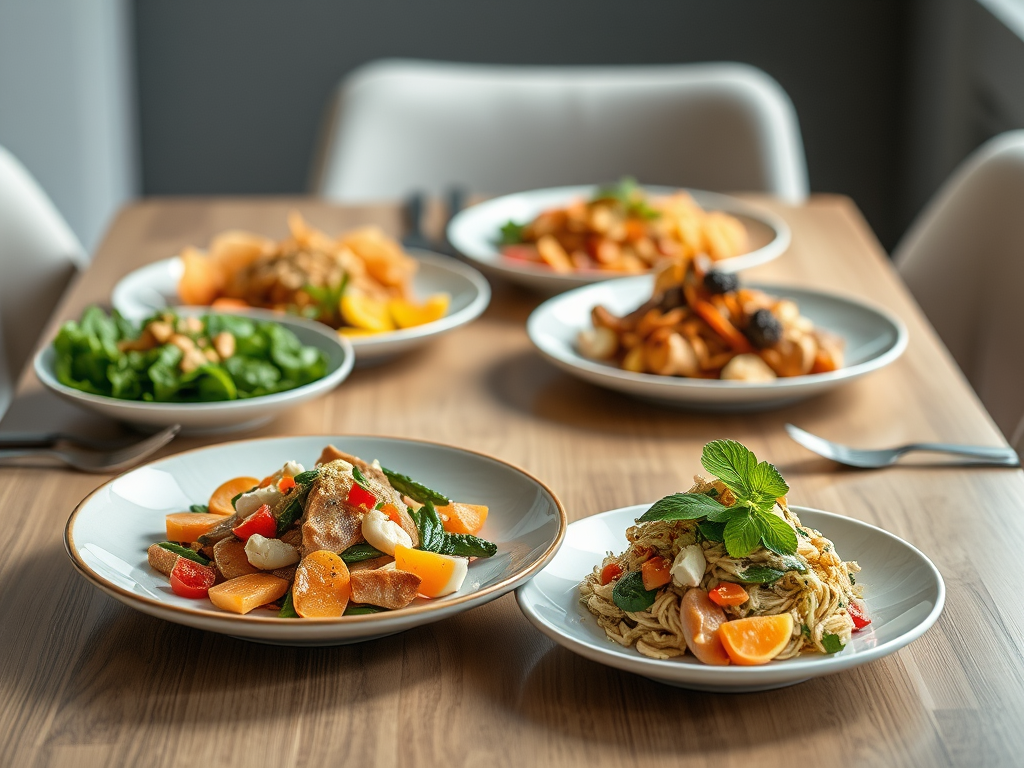
    Low-Glycemic Diet Strategies to Control Insulin Spikes

    • opt for Low-GI Carbohydrates – Transition from high-Glycemic carbs to nutritious low-GI alternatives for a healthier lifestyle. Key options include:
      • Whole Grains: Embrace wholesome choices like steel-cut oats, quinoa, and barley. Add a touch of fermented yeast for added benefits!
      • Nutritious Non-Starchy Vegetables: Load up on vibrant veggies like broccoli, spinach, cauliflower, and zucchini for essential nutrients and fiber.
      • Delicious Low-GI Fruits: Indulge in nature’s candy with antioxidant-rich berries, succulent cherries, and juicy pears.
      • Avoid These: Steer clear of white bread, sugary cereals, and tempting processed snacks for optimal well-being.
    • Elevate Your Meals – Pair Carbs with Protein and Healthy FatsCombining carbohydrates with protein or healthy fats slows down digestion. This combination also significantly reduces their Glycemic impact. It promotes sustained energy levels and overall health.
        • Delicious Example Meals:
          • Whole-Grain Toast – Freshly baked or homemade, topped with creamy avocado and nutrient-rich eggs for a powerhouse breakfast.
          • Lentil Soup – Rich and hearty, drizzled with ghee or butter, paired with grilled chicken or paneer for a protein-packed delight.
      • Prioritize Fiber-Rich Foods for Better Blood Sugar Control – Fiber significantly slows down glucose absorption, promoting stable blood sugar levels. Focus on incorporating the following nutrient-dense options into your diet:
        • Diverse Choices Include:
          • Vegetables: Leafy greens like spinach and kale, crunchy carrots, and refreshing cucumbers.
          • Seeds and Nuts: Nutrient-packed sesame seeds, omega-3 rich flaxseeds, crunchy pecans, and buttery macadamia nuts.
      • Enhance Your Meals with Vinegar or Lemon Juice – Numerous studies highlight how vinegar and lemon juice can significantly lower the Glycemic response of high-carbs meals, leading to better blood sugar management. For example:
        • Drizzle a refreshing splash of vinegar over salads for a zesty kick.
        • Squeeze bright lemon juice over grilled vegetables or meats to elevate flavors and boost nutritional benefits.

      Low-Glycemic Meal Plan for Insulin Control

      • Breakfast: Steel-cut oats topped with, a sprinkle of cinnamon, and a handful of berries & whey isolate for protein.
      • Lunch: Grilled salmon/chicken/mutton/paneer served with steamed veggies drizzled with ghee/butter.
      • Dinner: Lentil soup with a side of leafy green salad (olive oil and lemon dressing).
      Key Tips for Success on a Low-Glycemic Diet

      • Read Labels: Steer clear of processed foods that contain hidden sugars and refined carbohydrates. Prioritize whole, natural ingredients for a healthier lifestyle!
      • Cook at Home: Embrace the art of creating delicious, whole, unprocessed meals that empower you to control every ingredient. Unlock your culinary potential while enjoying the benefits of healthier eating!
      • Stay Hydrated: Optimal hydration is crucial for maintaining balanced blood sugar levels. Dehydration not only disrupts glucose regulation but can also lead to fatigue and decreased energy. Keep your body in peak form by ensuring you drink enough water throughout the day!
      • Engage in Consistent Exercise: Regular physical activity significantly boosts insulin sensitivity, empowering your body to utilize glucose more efficiently and enhancing overall metabolic health.

      Final Thoughts

      Embracing a low-Glycemic diet is a powerful strategy to manage insulin levels, sustain energy, and enhance your overall wellness. By prioritizing nutrient-rich, slow-digesting foods, you can effectively avoid blood sugar crashes and significantly lower your risk of insulin resistance and chronic health issues.

      Take the First Step

      Start today by substituting high-GI foods with nourishing, low-GI alternatives and witness a remarkable transformation in your energy, cravings, and overall health!

      Are you ready to take charge of your blood sugar levels naturally? Share this informative blog with someone who would greatly benefit and connect with us for customized nutrition plans specifically designed to meet your unique health goals! In my next blog, I will be unveiling powerful insights into how the ketogenic diet effectively helps in controlling insulin spikes for improved overall health.

    • Essential Guide to Vitamins: Types and Usage

      Essential Guide to Vitamins: Types and Usage

      In my previous blog, I explored the pivotal topic of who should use vitamins and when to incorporate them into your routine. In this blog, we will delve into the essential usage of different vitamins and reveal how to supplement them effectively for maximum benefits. Discover which vitamins are fat-soluble (these get absorbed better with fats) and which ones are water-soluble. Unlock the secrets to enhancing your health by understanding these vital nutrients! Below is the link for my previous blog.

      When to Use Vitamins: Myths vs. Facts

      Types of Vitamins:

      1. Fat Soluble Vitamins: A, D, E & K
        • These vitamins are found in foods containing fats as a macronutrient.
        • These get better absorbed in the body with dietary fats.
        • Fat soluble vitamin requires protein carriers to transport them from bloodstream to the cells.
      2. Water Soluble Vitamins: B-complex & Vitamin C
        • Food sources like fish, meat, poultry and eggs are rich in B vitamins.
        • After absorption they get transported via the bloodstream to the various body cell.
        • They are generally not stored in the body. Except Vitamin B-12.

      Optimizing Vitamin Use: Key Selection Tips and Dosage Guidelines:-

      1. Vitamin E– A potent antioxidant as it can fight the damaging effects of the hydroxyl radicals.
        • It comes in 8 different variants, the most biological & digestible is Alpha-Tocopherol.
        • Immune cell membranes are always at high risk of oxidative damage. Vitamin E plays an important role in maintaining the immune system.
        • Suggested Dosage: 600 – 800 Iu per day, Post workout or Bed Time.
      2. Vitamin C– It is found in the water filled parts of the body. These parts include plasma fluid, intracellular space, and white blood cells of the immune system.
        • It is an effective antioxidant and protect against hydroxyl, superoxide & hydrogen peroxide.
        • Build up immune system against upper respiratory infection (cold & cough).
        • Helps recycle Vitamin E.
        • Suggested Dosage: 200 – 400 mg per day (always check that it should contain bioflavonoids & rose hip extract.)
      3. Calcium: Technically calcium is a mineral not a vitamin. It is naturally found in both bone & teeth as calcium hydroxyapatite.
        • It is linked with the formation & metabolism of bone.
        • To bone & teeth, it provides hard tissue with its strength.
        • It is important for certain physiological functions such as muscle contraction, nerve transmission and more.
        • Lower Level of Blood Calcium: Can lead to muscle cramps, spasms or tingling sensation. The body starts taking the calcium from bones and weakens the bone. Severe low calcium can cause irregular heartbeats or confusion.
        • High Level of Blood Calcium: It makes it harder for nerves and muscles to work properly. This leads to muscle weakness, tiredness, or confusion. It can also get stores in Kidney as Kidney stones.
        • Suggested Dosage: 500 mg of calcium citrate malate twice per day with Vitamin K2 – Mk7 (200mcg twice a day).
      4. Vitamin D: It is an important vitamin. It is also one of the easiest vitamins to absorb in the body. To do this, one should go out in the sun regularly during sunrise.
        • It helps in the absorption of calcium & phosphorus in intestine.
        • Osteomalacia in adults, leading to poor bone density and muscular weakness.
        • Impaired wound healing.
        • Slow down the absorption of carbohydrate in body.
        • Suggested Dosage: 70k iu per week inject-able dosage by medical professional.
      5. Vitamin K: Originally identified for its role in the process of blood clot formation. There are two forms of it:-
        • Vitamin K1 (Phylloquinone): Assist in Blood Clotting.
        • Vitamin K2 (Menaquinone): Promote calcium deposition in the bones. Menaquinones are generally synthesized by body but are not that bioavailable in market.

      Except for all the terms mentioned above, when purchasing vitamins, always ensure to closely examine the key ingredients list to confirm that what you’re buying is truly a vitamin. Many local and international brands offer vitamins that may contain unnecessary additives like starch, gelatin, corn syrup, rice extracts, sugar, and artificial colors. I strongly encourage everyone to invest a little more in order to choose high-quality, essential products that truly benefit your health. For further information, please feel free to reach out to me at my email: msbedi3@gmail.com.

    • Easy Ways to Start Eating Healthier Today

      Easy Ways to Start Eating Healthier Today

      Starting a journey to better health can be overwhelming with so much conflicting advice. Yet, simple changes can make a big difference. In this post, I’m sharing 5 easy nutrition tips to help you start your wellness journey, no matter your starting point.

      Start Your Day with Hydration: Kickstart your morning by indulging in a refreshing glass or two of water. This simple yet powerful habit not only awakens your metabolism but also aids in flushing out the toxins accumulated overnight. For an extra boost, elevate your hydration experience by adding a slice of zesty lemon and a pinch of Himalayan salt to replenish your body’s vital electrolytes. Enjoy this revitalizing ritual and set a positive tone for the day ahead!

      Prioritize Whole, Nutrient-Dense Foods: Embrace the power of whole foods like vibrant fruits, crisp vegetables, nourishing nuts, lean poultry, fresh seafood, and wholesome meats. These foods are packed with essential vitamins, minerals, and fiber—nutrients often stripped away in processed options. Challenge yourself to replace just one processed snack with a vibrant whole food each day, such as a perfectly boiled egg or a handful of crunchy nuts. Your body will thank you for this delicious and healthful swap!

      Eat Mindfully: Take the time to savor each bite of your meal. By fully engaging with your food, you can more effectively recognize your hunger and fullness cues, which is essential for curbing overeating. Create a habit of setting aside your phone and other electronic devices during meals; studies indicate that distractions from screens can divert your attention, leading to overeating and diminishing your enjoyment of food. Embrace the moment and truly appreciate what you eat.

      Don’t Skip Meals: Skipping meals can trigger insulin crashes and lead to excessive overeating later. Strive for 2-3 well-balanced meals throughout the day. If you lead an active lifestyle, consider incorporating 1 or 2 nutritious snacks on occasion to sustain your energy levels and keep your metabolism thriving.

      Plan Your Meals Ahead of Time: Take the stress out of mealtime by planning your meals in advance. Investing just 30 minutes each weekend to map out your meals for the week can save you time and help you avoid unhealthy impulse decisions. Create a detailed grocery list based on the meals you’re excited to prepare and enjoy. This proactive approach not only simplifies your week but also enhances your culinary experience!

      I hope these simple tips helps you get started on your wellness journey. Remember the key to success is {Consistency, Not Perfection}.

      Share your personal Stories which you are following to improve your health on day-to-day basis.