Tag: weight-loss

  • Healthy Fats vs. Excess Body Fat: Key Health Insights

    Healthy Fats vs. Excess Body Fat: Key Health Insights

    As a nutritionist, it’s crucial to clarify the significant distinction between dietary fat and body fat, two concepts that are frequently misunderstood. While dietary fat plays a vital role in our health and is beneficial when consumed in appropriate amounts, excess body fat—especially when concentrated in certain areas—can lead to serious health risks.

    Let’s dive deeper into this important topic:

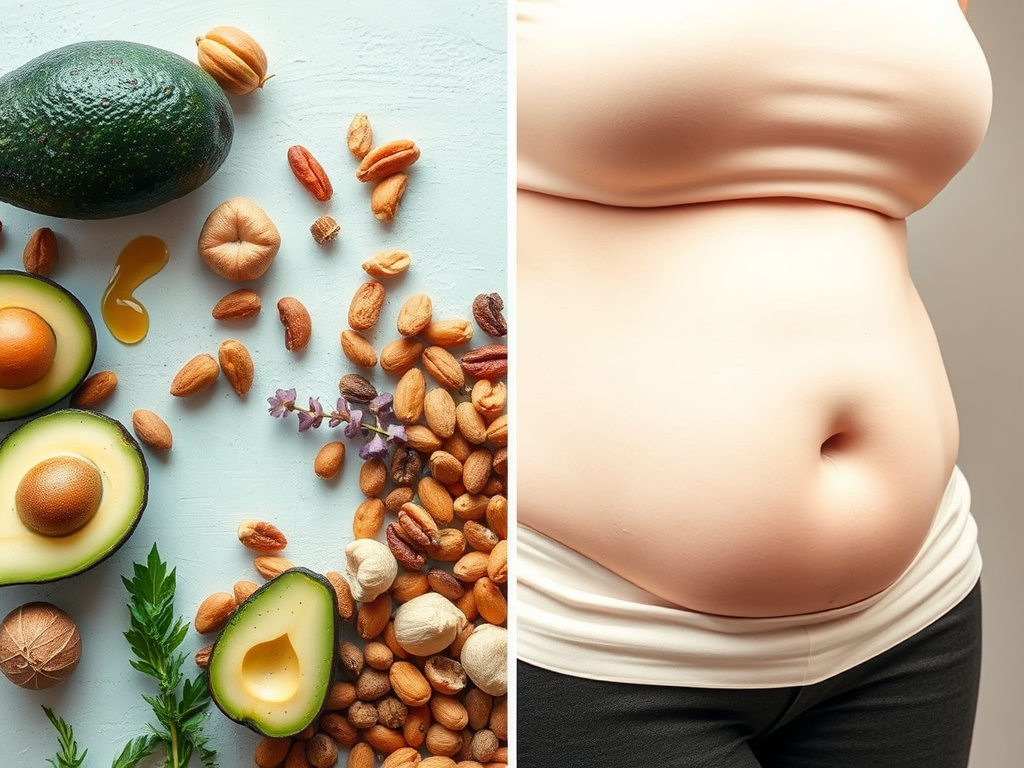
    • Dietary Fat: This is essential for our bodies. It aids in the absorption of fat-soluble vitamins (A, D, E, and K), provides a source of energy, and is critical for cell structure and hormone production. Emphasizing healthy sources, like avocados, nuts, butter and olive oil, can enrich your diet and promote overall well-being.
    • Body Fat: While a certain level of body fat is necessary for various bodily functions, excess body fat can be detrimental to your health. It is associated with increased risks for diseases such as diabetes, heart disease, and certain cancers. Understanding where body fat accumulates can help in assessing health risks—typically, fat stored around the abdomen is of greater concern than fat stored elsewhere.

    By differentiating these two types of fat, we can better understand their roles in our health journey and make informed dietary choices. Let’s explore how to manage these effectively for better health outcomes!

    Why Eating Dietary Fat is Healthy?

    Consuming dietary fat helps your body function optimally in several ways:

    • Boosts Energy Levels: Dietary fat stands out as the most energy-dense nutrient, delivering an impressive 9 calories per gram. In contrast, protein and carbohydrates offer only 4 calories per gram. This remarkable energy contribution makes healthy fats a vital component of your diet!
    • Enhances Hormonal Harmony: Healthy fats are crucial for the optimal production of hormones such as estrogen and testosterone, along with various steroid hormones. These vital hormones play a key role in regulating essential bodily functions, including metabolism, reproductive health, and overall vitality.
    • Enhances Nutrient Absorption: Dietary fat is essential for the optimal absorption of fat-soluble vitamins (A, D, E, K). Without adequate dietary fat, these vital nutrients go unused, resulting in potential deficiencies and adverse health effects. Embrace healthy fats to unlock the full benefits of these crucial vitamins!
    • Boosts Satiety: Dietary fats are digested slowly, ensuring you feel satisfied and full for longer periods, which effectively curbs overeating. This powerful benefit is especially advantageous for effective weight management.
    • Enhances Brain and Heart Vitality: Omega-3 fatty acids, abundant in nutrient-rich fatty fish, flaxseeds, and walnuts, play an essential role in optimizing brain function and fortifying heart health. These powerful fatty acids are renowned for their ability to combat inflammation and significantly diminish the risk of chronic diseases, making them crucial allies in maintaining overall well-being.
    • Crucial for Cell Integrity: Fats are essential components of cell membranes, playing a vital role in maintaining cellular functionality and ensuring that cells operate smoothly and efficiently.

    Why Excess Body Fat is Harmful

    While dietary fat plays a crucial role in our health, excessive body fat—especially visceral fat, the harmful fat that accumulates around vital internal organs—can severely jeopardize your well-being. Here’s why you should take this seriously:

    • Elevated Risk of Chronic Diseases: Excess body fat is significantly associated with severe health conditions, including:
      • Heart Disease: High levels of body fat can result in dangerously elevated cholesterol, increased blood pressure, and the formation of plaque in the arteries, heightening the risk of heart-related ailments.
      • Type 2 Diabetes: Surplus body fat drastically impairs insulin sensitivity, resulting in troubling blood sugar imbalances that can lead to diabetes.
      • Certain Cancers: Obesity is a known catalyst for various cancers, notably escalating the risk of breast and colon cancer, making weight management crucial for overall health.
    • Disrupts Metabolic Health: Excess body fat severely compromises essential metabolic functions, potentially triggering metabolic syndrome—a concerning cluster of conditions characterized by elevated blood pressure, increased blood sugar levels, and an accumulation of visceral fat around the abdomen.
    • Inflammation: Adipose tissue, particularly visceral fat, unleashes a cascade of inflammatory molecules known as cytokines. These potent substances ignite chronic inflammation, a critical contributor to severe diseases such as arthritis and heart disease, highlighting the crucial link between body fat and overall health.
    • Hormonal Imbalances: Excess body fat can significantly disrupt hormonal balance, resulting in critical issues such as estrogen dominance, irregular menstruation, and diminished testosterone levels in men. Achieving a healthier weight can restore hormonal harmony and enhance overall well-being.
    • Strain on Vital Organs: Excess body fat significantly overloads essential organs, such as the heart, liver, and kidneys, leading to impaired functionality and increasing the risk of serious health issues over time.
    • Significant Impact on Mental Health: Obesity plays a crucial role in shaping negative body image, often leading to depression and a marked decrease in overall quality of life. The psychological effects can be profound, affecting self-esteem and social interactions.

    Practical Tips: Choosing the Right Fats

    To unleash optimal health advantages and dramatically reduce body fat accumulation:

    • Embrace Nutrient-Packed Healthy Fats:
      • Omega-3 Fatty Acids: Boost your wellness with fatty fish like salmon and sardines, along with flaxseeds, walnuts, and rich egg yolk.
      • Monounsaturated Fats for Heart Health: Enjoy the creamy richness of avocados, drizzle on some extra virgin olive oil, and snack on a variety of nuts and seeds.
      • Saturated Fats (in moderation): Enhance your dishes with coconut oil, savor the taste of eggs, and indulge in grass-fed butter for a wholesome experience.
    • Ditch Trans Fats and Processed Foods for a Healthier You: Say goodbye to fried foods, margarine, and processed snacks! These unhealthy fats contribute to unwanted body fat and elevate inflammation levels. Choose whole, nutrient-rich foods that fuel your body and promote overall wellness!
    • Balance Calories: Healthy fats are essential, but they’re also calorie-dense! Overindulging on calories from any macronutrient—whether it’s fats, carbs, or protein—can trigger body fat storage. Strive for moderation to maintain a healthy balance and fuel your body effectively!
    • Master the Power of Combining Fats, Protein, and Fiber: Unlock the secret to sustained fullness, enhance your muscle health, and boost your energy levels with this powerful trio!

    Conclusion: Balance is Key

    Dietary fat is crucial for your overall health, whereas excess body fat can lead to significant risks for your well-being. By incorporating the right types of fats into your diet and ensuring a balanced nutritional approach, you can:

    • Support energy production.

    • Improve hormonal health.

    • Reduce inflammation.

    • Enhance fat loss and body composition.

    Remember, consuming healthy fats does not lead to weight gain—overeating and making poor food choices do. Embrace nutritious fats in moderation as a vital component of a well-rounded nutrition plan, paving the way for lasting health and wellness.

    Need guidance on incorporating healthy fats into your diet? Reach out for a personalized nutrition plan tailored to your goals!


  • Ketogenic vs Low-Glycemic: Which Diet is Best for Blood Sugar Management?

    Ketogenic vs Low-Glycemic: Which Diet is Best for Blood Sugar Management?

    In my transformative journey as a dedicated nutritionist, I’ve delved into an array of dietary approaches, both for my personal wellness and the betterment of my clients. Two prominent strategies designed to effectively manage blood sugar and insulin levels are the low-Glycemic diet and the powerful ketogenic lifestyle. While both methodologies boast their own distinct advantages, I have decisively embraced the ketogenic lifestyle. In this blog, I’ll illuminate the compelling reasons why I firmly believe it stands as a superior and more sustainable approach compared to the low-Glycemic diet, revolutionizing health and vitality.

    Low-Glycemic Diet: Benefits and Limitations

    A low-Glycemic diet focuses on consuming carbohydrates that have a lower Glycemic index (GI). Foods with a low GI cause a slower rise in blood sugar and insulin levels. This makes it a valuable approach for individuals with insulin resistance or diabetes. It is also useful for those looking to keep steady energy levels.

    Nonetheless, as someone who actively tracks nutrition and lifestyle outcomes, I noticed some inherent limitations in this approach:

    • Carbohydrate Over-consumption: Even on a low-Glycemic diet, it’s surprisingly easy to unintentionally overindulge in carbohydrates. This happens because the Glycemic Index (GI) doesn’t consider the total carbohydrate load, and portion sizes can escalate rapidly. Over time, this excess may trigger insulin spikes, sabotaging the efforts of those striving to lower insulin levels or achieve weight loss objectives. To maximize your results, it’s essential to remain vigilant about carbohydrate intake and portion control.
    • Limited Energy Production: Carbohydrates, irrespective of their Glycemic index, are metabolized to generate ATP (Adenosine Triphosphate), the body’s primary energy currency. However, the metabolism of glucose yields a mere 2 ATP molecules per molecule of glucose through the anaerobic process of Glycolysis. This inefficiency often leads to diminished energy levels, particularly among individuals with active lifestyles, as their energy reserves can be rapidly depleted.

    Why the Ketogenic Lifestyle Works Better for Me

    In stark contrast to a low-Glycemic diet, the ketogenic diet is a high-fat, moderate-protein, and extremely low-carbohydrate regimen that catapults the body into a powerful metabolic state known as ketosis. In this transformative state, the body predominantly depends on fats for fuel rather than carbohydrates, generating ketones as a vital alternative energy source. Here are the compelling reasons why I’ve wholeheartedly embraced this life-changing approach:

    • Enhanced Energy Efficiency: Unlike glucose metabolism, the oxidation of fats produces a remarkable amount of ATP—up to 36 ATP molecules per fat molecule. This makes fat a superior energy source. Thanks to this exceptional energy yield, I’ve been able to maintain a vibrant level of energy throughout the day, completely avoiding the energy crashes and fatigue that often plague carbohydrate-based diets.
    • Elimination of carbs Counting and Overeating: On a ketogenic diet, the extremely low intake of carbohydrates removes the need to track carbs constantly. Unlike a low-Glycemic approach where you must monitor both carbs quality and quantity, a well-planned ketogenic diet eliminates the risk of “hidden carbs” and excessive intake.
    • Natural Appetite Regulation: The delectable foods embraced in a ketogenic diet—such as creamy avocados, succulent fatty fish, crunchy nuts, nourishing seeds, and wholesome oils (ghee, butter, olive oil, and coconut oil)—are not only rich in essential nutrients but also brimming with healthy fats. These nutrient-dense foods naturally enhance feelings of fullness and efficiently balance hunger hormones like ghrelin and Leptin. Personally, I’ve witnessed how the body’s innate signals guide me in recognizing when to pause eating, significantly minimizing the need for meticulous calorie counting and restrictive portion sizes.
    • Enhanced Insulin Sensitivity: Embracing a low-carbohydrate lifestyle through the ketogenic diet dramatically reduces insulin secretion, empowering body to become more insulin-sensitive over time. This pivotal shift offers extraordinary benefits for individuals battling insulin resistance, transcending mere weight loss—it significantly boosts overall metabolic health and vitality.
    • Enhanced Mental Clarity and Laser-Sharp Focus: One of the most compelling benefits of embracing the ketogenic lifestyle is the remarkable boost in cognitive function. Ketones, especially the powerful beta-hydroxybutyrate (BHB), act as a superior fuel source for our brains. As a result, I experience a significant enhancement in focus, a surge in productivity, and a dramatic reduction in energy slumps throughout my day.

    Key Takeaways

    For me, the ketogenic lifestyle is not merely a dietary choice—it’s a transformative and empowering journey to optimal health. It provides a clear framework, simplifies nutrition tracking, and harmonizes with the body’s natural processes for energy and nutrient utilization. If you’re contemplating a transition to a ketogenic diet, I highly recommend seeking expert guidance to ensure you meet your nutritional needs while fully embracing the remarkable benefits of this dynamic lifestyle.

    Final Thoughts

    By sharing my personal journey and expert insights, I aim for this blog to inspire you to discover the dietary approach that aligns perfectly with your unique goals and dynamic lifestyle. Remember, the cornerstone of achieving lasting success lies in maintaining consistency, embracing balance, and selecting the choices that empower you to feel your healthiest and most vibrant self!

  • Keto Diet for Insulin Control: Strategies to Stabilize Blood Sugar

    Keto Diet for Insulin Control: Strategies to Stabilize Blood Sugar

    In my previous blog, I shared my insights on how a low-Glycemic diet can effectively help control insulin spikes. In this post, I’ll explore the transformative benefits of the Ketogenic Diet. I will also explain how it can enhance your health and well-being.

    Introduction of Ketogenic Diet

    The ketogenic diet, characterized by its low-carbs, high-fat approach, has surged in popularity as a powerful strategy for effectively managing blood sugar and stabilizing insulin levels. By significantly reducing carbohydrate consumption, this revolutionary diet propels the body into a metabolic state known as ketosis, wherein fat becomes the primary energy source, supplanted over glucose. This transformative technique not only dramatically decreases blood sugar levels but also effectively minimizes insulin spikes, leading to a more balanced and energetic lifestyle.

    Key Benefits of Keto for Insulin Control:

    • Reduced Carbs Intake: By dramatically limiting your carbohydrate intake to just 20-50 grams per day, you effectively prevent sharp blood sugar spikes that lead to insulin surges. This powerful dietary strategy not only stabilizes energy levels but also promotes effective weight management and enhances overall metabolic health.
    • Sustained Energy from Healthy Fats: Nourishing fats deliver a reliable energy source, ensuring you stay energized throughout the day without the disruptive spikes in blood sugar levels.
    • Enhanced Insulin Sensitivity: Reducing carbohydrate intake and achieving weight loss significantly boost your body’s ability to utilize insulin more effectively, leading to improved metabolic health and vitality.
    • Enhanced Appetite Control: Ketosis effectively stabilizes crucial hormones like ghrelin and insulin, drastically reducing cravings and minimizing the risk of overeating.

    Ketogenic Strategies to Control Insulin Spikes

    • Prioritize Low-Carbs, High-Fat Foods – Structure your meals around keto-friendly options for optimal health:
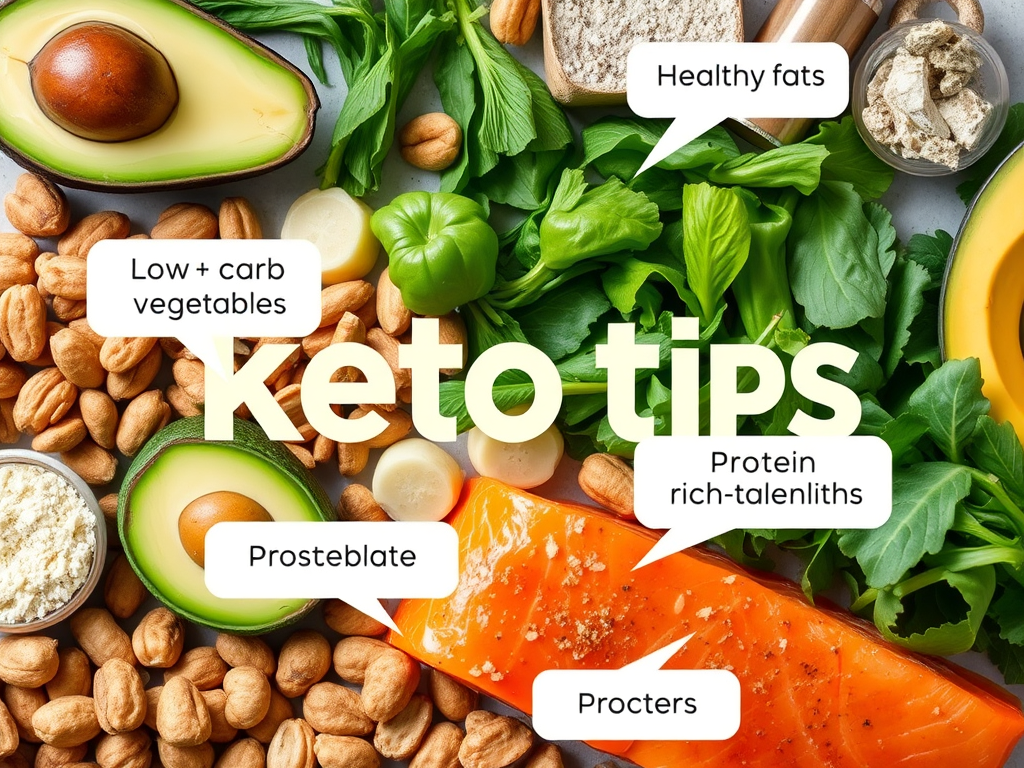
      • Healthy Fats: Include rich sources like creamy avocado, nutrient-dense coconut oil, extra virgin olive oil, and rich grass-fed butter.
      • Proteins: Choose flavorful fatty fish, farm-fresh eggs, premium grass-fed meat, succulent poultry, and delicious Indian and Italian cheeses.
      • Non-Starchy Vegetables: Load up on vibrant spinach, crunchy broccoli, fluffy cauliflower, and zesty zucchini.
      • Keto Snacks: Satisfy your cravings with essential nuts, nourishing seeds, and delicious berries.
    • Dodge Hidden Sugars and High-Glycemic Foods – Even minute sugar intake can trigger a significant insulin surge. Stay vigilant for:
      • Sweetened beverages, sauces, and those deceptive “low-fat” products packed with hidden sugars.
      • High-carbs fruits like bananas, apples, and grapes. Instead, choose low-Glycemic delights like berries—consume them in moderation for a smart, health-conscious snack!
    • Stay ActiveExercise is a powerful ally in your ketosis journey, significantly enhancing insulin sensitivity.
      • Resistance Training: Sculpt lean muscle, accelerating your metabolism and optimizing glucose uptake.
      • Cardio: Ignite your endurance, while effectively stabilizing blood sugar levels for peak performance.
    • Hydrate Effectively and Optimize Electrolytes – Fighting dehydration and fixing electrolyte imbalances are crucial to enhancing your body’s ability to maintain stable insulin levels. Boost your keto journey by incorporating sodium, potassium, and magnesium-rich foods or supplements into your daily regimen for maximum health benefits.

    Sample Keto-Friendly Meal Plan for Insulin Control

    • Breakfast: Creamy scrambled eggs or paneer sauteed with fresh spinach, cooked to perfection in rich coconut oil, ghee, or butter. Served alongside vibrant avocado slices for a nutritious and flavorful start to your day.
    • Lunch: Succulent grilled salmon, tender chicken, or rich mutton paired with a vibrant, large leafy green salad drizzled with zesty olive oil and fresh lemon dressing. Enhance your meal by adding a delightful sprinkle of crunchy seeds or nuts for that perfect texture!
    • Dinner: Indulge in a savory grass-fed paneer or chicken burger (sans bun) crowned with melted cheese and sauteed mushrooms. Elevate your meal with a side of roasted broccoli, generously drizzled with rich butter for that perfect finishing touch!
    • Snack Option: A delightful handful of rich macadamia nuts or a vibrant mix of juicy berries for a burst of flavor and energy!

    Conclusion

    Adopting a ketogenic lifestyle offers a powerful strategy to stabilize blood sugar levels and elevate your overall wellness. By focusing on nutrient-dense, low-carbs, high-fat meals, effectively managing stress, and nurturing an active lifestyle, you can achieve sustainable blood sugar stability while significantly reducing your risk of chronic diseases like diabetes and heart disease. Embrace this transformative approach to unleash your body’s potential for optimal health and vitality!

    Take the First Step

    Ready to revolutionize your health with the powerful ketogenic diet? Begin your journey with simple yet impactful changes to your eating habits. Don’t hesitate to consult with me for tailored, personalized guidance that suits your unique needs. If you’re eager to discover how keto can seamlessly integrate into your lifestyle, reach out for customized keto meal plans and expert coaching. Share this blog with anyone who wants to take charge of their blood sugar levels naturally and embark on a healthier future together!

    In my third and final blog post on insulin resistance, I am excited to share my personal insights. I will discuss the effective diet strategies I embrace. These strategies help me manage my insulin levels. They also enhance my overall well-being.

  • Who’s in Charge: Your Body or Your Metabolism?

    Who’s in Charge: Your Body or Your Metabolism?

    Often, we hear advice like, “If you want to get fit or healthy, boost your metabolism.” But is that really the right approach? Can your metabolism truly dictate your body’s shape? Or does your body shape have a stronger influence on whether your metabolism is low or high?

    The truth is that both are interdependent, but your body composition holds the upper hand. If you carry more muscle mass, your metabolic rate will naturally be higher. Muscle is metabolically active tissue. It requires more energy (calories) to maintain compared to fat.

    Metabolism’s primary role is to ensure your body absorbs and utilizes nutrients effectively, but it does not function in isolation.

    Lifestyle factors such as: diet, sleep quality, alcohol or smoking habits, and body composition—all play significant roles in shaping how well your metabolism functions. Studies show that individuals with higher fitness levels, even if they’re not extremely active, tend to have more efficient metabolisms than those who are overweight.

    However, it’s important to clarify that metabolism is not as simple as “fast” or “slow.” For example:

    • Muscle holds more water, facilitating efficient nutrient transport, while fat is denser and metabolically less active, which can indirectly slow nutrient utilization and energy expenditure.
    • Excess fat, especially visceral fat, can lead to inflammation and metabolic dysfunction, impairing processes like insulin sensitivity and energy regulation.
    • Larger bodies (with more fat or muscle) often have higher absolute energy requirements because they have more tissue to maintain. This means “slow metabolism” may not always be the issue but rather an imbalance between energy intake and expenditure.

    In essence, while metabolism plays a crucial role in maintaining energy balance, body composition—particularly muscle mass—often has the upper hand in determining how effectively metabolism functions. Building muscle not only burns more calories but also sets the stage for better metabolic health overall.

    So, while boosting metabolism sounds appealing, the real focus should be on building a fitter, healthier body through balanced nutrition, strength training, quality sleep, and active lifestyle choices. Because ultimately, a well-shaped body lays the foundation for a better-functioning metabolism—and not the other way around.

    Transform Your Body: Simple Tips to Enhance Metabolism!

    1. Transform Your Nutrition: Adopt a high-protein diet with premium sources, such as:
      • Lean meats
      • Eggs
      • Fish
      • Dairy products
    2. Incorporate Healthy Fats: Embrace clarified butter (ghee) or rich butter for your cooking needs. Don’t shy away from essential fats, as they are vital for the absorption of key vitamins such as Vitamin E, D, A, and K. By including these healthy fats in your diet, you enhance your body’s ability to utilize nutrients effectively and support overall wellness.
    3. Incorporate Resistance Training: Engaging in resistance training just three times a week for 45 minutes can yield significantly better results than spending countless hours on cardio. Unlock your potential with strength-building workouts that enhance metabolism, build muscle, and promote fat loss efficiently!

    For a more personalized and effective nutrition plan that suits your unique needs, feel free to reach out to me at msbedi3@gmail.com. Let’s embark on your wellness journey together!

  • Why Dieting Fails: A Sustainable Weight Loss Guide

    Why Dieting Fails: A Sustainable Weight Loss Guide

    Whenever we ponder shedding those extra pounds, the thought of diet plans immediately pops up. But let’s face it: do these diets truly deliver lasting results, or are they just fleeting fixes? Can anyone realistically maintain such a regimen for the long haul? In today’s digital age, a quick search for “weight loss” unveils a dazzling array of diet options—some championing non-vegetarian meals, others vehemently opposing them, and even a few boldly suggesting the complete elimination of dairy! The overwhelming choices can leave us dizzy, yet the quest for the perfect plan continues to captivate and challenge us.

    Personal Experience

    Until a couple of years ago, I was in the same boat as you, desperately trying to shed unwanted pounds and following every diet I stumbled upon. While some yielded positive results, many left me with unpleasant experiences. I can confidently say that dieting, in the traditional sense, is a misguided strategy. So, the pressing question you may be asking yourself is: if dieting isn’t the solution, what truly is?

    Why Dieting Is Not the Right Approach?

    When a person decides to embark on a diet without the guidance of a qualified professional well-versed in nutrition, several challenges can arise that make long-term adherence difficult. While initial results may be encouraging, as one continues with the regimen, the anticipated progress often stalls. Below are some examples that illustrate why this phenomenon occurs.

    Calories Focused Plan: When embarking on a diet, many individuals often fixate on drastically reducing their calorie intake. While this approach may yield quick results—since they consume significantly less than before—the body eventually acclimates to this lower caloric intake. As a result, to continue seeing progress, they must further decrease their calories, leading to an endless cycle of restriction. However, there’s a critical threshold to consider; going below a certain level not only becomes increasingly difficult but can also pose serious health risks. It’s essential to pursue a balanced strategy that promotes sustainable wellness rather than quick fixes.

    Missing Out on Nutrition: Following a low-calorie diet or specific restrictive diets can hinder your intake of vital nutrients necessary for your body’s proper functioning, making it challenging to combat inflammation and maintain optimal brain health. Many people, in their quest to cut calories, neglect to seek out nutritious alternatives like protein, essential fats, and vitamins. This oversight can lead to fatigue, diminished performance in daily activities, and increased susceptibility to illness. Prolonged deficiencies in critical nutrients may ultimately lead to severe health issues. Nourishing your body is not just about restriction; it’s about embracing a balanced approach to wellness that fuels your life.

    Lack of Results Breeds Negativity: When individuals hit a plateau and cease to see progress, it’s all too common for negativity to creep in, causing them to revert to old habits. This regression not only sabotages their previous efforts but can also lead to gaining even more weight than before. Embracing resilience and seeking fresh motivation is crucial to breaking this cycle and achieving lasting success.

    The ultimate strategy for achieving your health and wellness goals—be it weight loss, enhanced vitality, or something else entirely—is to partner with a qualified nutritionist who can guide you on your journey. However, if you’re eager to take charge of your nutrition adventure solo, it’s crucial to design a dynamic and personalized plan that encompasses the importance of both macro-nutrients and micro-nutrients. Begin by zeroing in on the essential building blocks of your diet, and keep it exciting! Your journey to a healthier lifestyle can be sparked by an array of delicious, nutrient-rich foods that excite your taste buds. Ready to transform your eating habits? Check out the invaluable link below to propel yourself towards a vibrant, healthier future!

    Read more: Why Dieting Fails: A Sustainable Weight Loss Guide

    Easy Ways to Start Eating Healthier Today