Tag: water

  • Comparing Ordinary, Alkaline, and Hydrolyzed Water

    Comparing Ordinary, Alkaline, and Hydrolyzed Water

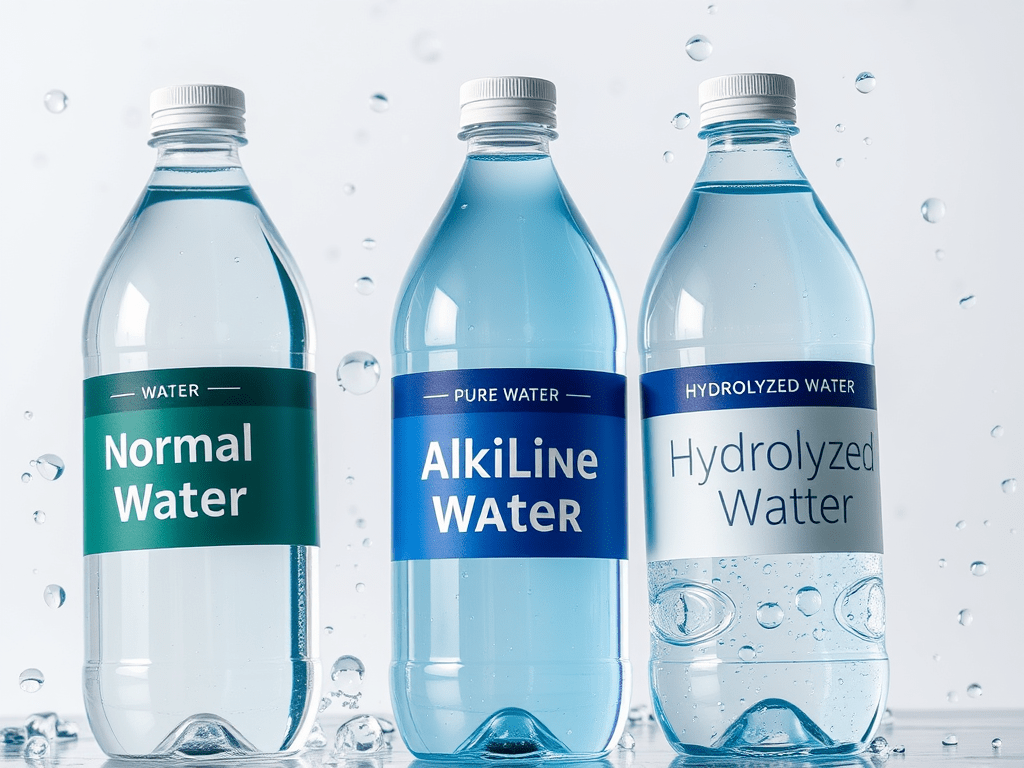
    Water is the foundation of life, yet not all water offers the same advantages. In recent years, the market has seen a surge of specialized waters, including alkaline water and hydrolyzed water, each boasting distinct health benefits. Although these options are labeled as “superior” to regular water, the truth about their efficacy is often misunderstood or overstated. This blog delves into the key differences between ordinary water, alkaline water, and hydrolyzed water, dispelling the prevalent myths about alkaline water while shining a light on the remarkable benefits of hydrolyzed water, especially in its role in enhancing carbon dioxide elimination and promoting overall well-being.

    • Pure Water (Tap or Bottled): – Pure water, whether drawn from the tap or sourced in bottled form, boasts:
      • H2O Molecules: The essence of life!
      • Natural Minerals: Enriched with essential minerals like calcium, magnesium, and potassium, varying by source.
      • Optimal pH Level: Achieves a neutral pH around 7, crucial for maintaining balance (with slight variations depending on origin).
      • Incredible Benefits:
        • Hydration Power: Keeps your body optimally hydrated.
        • Physiological Support: Vital for all bodily functions, including digestion, nutrient absorption, and temperature regulation.
        • Electrolyte Balance: Perfectly complements mineral intake to keep electrolytes in check.
      • Who Should Enjoy It? Everyone can thrive on pure water, provided it’s clean and free from harmful contaminants like heavy metals or microbes.
    • Alkaline Water: Characterized by a pH level above 7, typically ranging from 8 to 9, alkaline water is frequently enhanced through the addition of essential minerals such as calcium, magnesium, and potassium, or via an ionization process.
      • Claimed Benefits:
        • Neutralizes Excess Stomach Acid: Aids in maintaining digestive balance.
        • Reduces Acidity in the Body: Potentially supports overall wellness.
        • Acts as an Antioxidant: Helps combat harmful free radicals.
      • Reality Check: Despite the promotion of alkaline water for its power to balance the body’s pH and combat serious illnesses such as cancer, scientific evidence supporting these claims is weak:
        • Self-Regulating Body: Your blood maintains a tight pH range of 7.35 to 7.45, controlled by the kidneys and lungs. Consuming alkaline water does little to influence this equilibrium.
        • Digestive Neutralization: Strong stomach acid (pH 1.5–3.5) neutralizes alkaline water almost instantly, minimizing its potential benefits.
        • Marketing Over Science: Alkaline water often comes with a hefty price tag, yet it rarely offers significant health advantages beyond those provided by regular water.
      • Why It’s Not Worth the Hype:
        • The body is equipped with effective mechanisms to sustain acid-alkaline balance naturally.
        • There is no solid research supporting claims that alkaline water can prevent or cure chronic diseases.
    • Hydrolyzed Water: Often hailed as a revolutionary element in wellness, hydrolyzed water—also known as electrolyzed-reduced water (ERW)—is water that undergoes a transformative process of electrolysis, splitting it into hydrogen and oxygen. This remarkable procedure amplifies its molecular hydrogen (H2) content, empowering it as a potent antioxidant that combats oxidative stress.
      • pH Level: The pH of hydrolyzed water can vary, presenting itself as neutral, acidic, or alkaline depending on the specifics of the electrolysis process.
      • Unique Benefits:
        • Carbon Dioxide Removal:
          • The presence of molecular hydrogen in hydrolyzed water actively counters oxidative stress by binding with reactive oxygen species (ROS). This vital interaction indirectly aids the body in eliminating carbon dioxide, a natural byproduct of cellular metabolism.
          • Enhanced management of oxidative stress positively contributes to overall metabolic efficiency, promoting optimal CO2 removal during respiration.
        • Antioxidant Properties:
          • Hydrolyzed water’s abundant molecular hydrogen is adept at neutralizing free radicals while preserving essential redox reactions.
          • This powerful action diminishes oxidative damage to cells, a process intricately linked to aging, inflammation, and various chronic diseases.
        • Enhanced Cellular Function: Research indicates that molecular hydrogen in hydrolyzed water can significantly boost mitochondrial function, thereby supporting energy production and fostering metabolic health.

    Research Backing

    • A study published in Scientific Reports showed that molecular hydrogen acts as a selective antioxidant, protecting cells and tissues from oxidative damage.
    • Research in Nature Medicine highlights its role in reducing inflammation and oxidative stress markers.

    Who Benefits the Most?

    Individuals with high oxidative stress, such as athletes, older adults, or those with chronic conditions, may experience improved recovery and health outcomes.

    Comparison of Normal, Alkaline, and Hydrolyzed Water

    Feature Comparison: Normal Water vs. Alkaline Water vs. Hydrolyzed Water

    FeatureNormal WaterAlkaline WaterHydrolyzed Water
    pH LevelPerfectly Neutral (pH 7)Slightly Alkaline (pH 8–9)Varies (can be neutral, acidic, or alkaline)
    Key BenefitsEssential Hydration & Overall WellnessClaimed Acid-Neutralizing Effects (unproven)Powerful Antioxidant, Supports Oxidative Stress Reduction
    Scientific ValidityExtensive Research Supports Health BenefitsLimited Scientific EvidenceRobust Evidence for Molecular Hydrogen Benefits
    CostAffordable & AccessibleTypically ExpensiveModerate to High Cost
    Recommended UseDaily Hydration for AllNo Proven Added Benefits Over Normal WaterTargeted Use for Specific Oxidative Stress-Related Health Concerns

    Elevate your hydration knowledge! Dive deeper into the benefits and characteristics of each water type to make informed choices for your health. Whether it’s the reliable essence of normal water, the trendy allure of alkaline water, or the powerful properties of hydrolyzed water, hydrate wisely!

    Conclusion

    • Normal Water: Your go-to hydration source. As long as it’s clean and mineral-rich, normal water is sufficient for most people.
    • Alkaline Water: A marketing trend rather than a necessity. The body already manages pH balance efficiently, making alkaline water an unnecessary expense for most individuals.
    • Hydrolyzed Water: Offers scientifically-backed benefits, particularly for those with oxidative stress. While not essential for everyone, it may be worth considering for athletes or individuals with chronic conditions looking to reduce inflammation and improve recovery.

    Ultimately, the best water is clean, safe, and suited to your needs. Investing in proper hydration and a balanced diet is far more impactful than spending money on overpriced water with exaggerated claims.
  • How Hydration Boosts Physical and Mental Performance

    How Hydration Boosts Physical and Mental Performance

    I often emphasize macronutrients like proteins, carbohydrates, and fats, along with micronutrients such as vitamins and minerals. However, one essential nutrient that is frequently overlooked is water. Despite its calorie-free nature and seemingly simple characteristics, water is the cornerstone of life and is absolutely vital for achieving optimal health. Many underestimate the crucial role hydration plays, often unaware of its profound effects on physical performance, mental clarity, metabolism, digestion, and overall well-being. Let’s explore why water is indispensable, determine how much you truly need, and discover effective strategies to ensure you remain properly hydrated.

    Why is Water So Important?

    Water constitutes a remarkable 60–70% of your body weight and is essential for a multitude of vital physiological functions, such as:

    • Regulating Body Temperature: Water plays a crucial role in maintaining a stable internal temperature by effectively dissipating heat through the processes of sweating and evaporation, ensuring your body remains cool and balanced during physical activity and extreme heat.
    • Vital Role of Water in Nutrient and Oxygen Transport: Water serves as the essential lifeblood of our circulatory system, facilitating the delivery of oxygen and nutrients to every cell in the body. It also plays a crucial role in efficiently removing waste products, ensuring our bodies function optimally.
    • Boost Your Digestion: Water is essential for effectively breaking down food and dissolving vital nutrients for optimal absorption. It also plays a crucial role in preventing constipation by keeping stools soft and manageable, promoting overall digestive health.
    • Lubricating Joints and Tissues: Synovial fluid, the essential lubricant for your joints, is primarily water-based. Ensuring proper hydration is crucial, as it significantly reduces joint stiffness and enhances mobility, allowing for smoother movement and improved overall joint health.
    • Detoxification: Hydration is crucial! Water empowers the kidneys to effectively filter out waste products and harmful toxins from the bloodstream, promoting their excretion through urine. By staying well-hydrated, you support your body’s natural detox process and enhance overall well-being.
    • Revitalize Your Energy and Sharpen Your Mental Clarity: Even mild dehydration can drain your vitality, causing fatigue, persistent headaches, and struggles with focus. Stay hydrated to unleash your full potential!

    How Much Water Do You Really Need?

    The essential amount of water you require varies significantly based on critical factors such as age, gender, activity level, climate, and overall health. A widely accepted guideline suggests:

    • Men: 3.7 liters (125 oz) per day
    • Women: 2.7 liters (91 oz) per day

    These figures encompass water from all beverages and food sources. Remarkably, around 20% of our daily hydration usually derives from nutrient-rich foods, particularly juicy fruits and vibrant vegetables such as cucumbers, watermelon, oranges, and lettuce.

    Factors Influencing Water Needs

    • Stay Hydrated with Physical Activity: Engaging in regular exercise, particularly in hot and humid conditions, leads to significant water loss through sweat. It’s crucial to boost your hydration and replenish lost fluids effectively to maintain peak performance and well-being!
    • Climate: Hot, arid, or high-altitude climates significantly heighten water demands, leading to increased rates of evaporation and dehydration. Understanding these conditions is crucial for effective water management and ensuring hydration in extreme environments.
    • Health Conditions: Common ailments such as fever, diarrhea, and vomiting significantly elevate the risk of fluid loss. Moreover, pregnant and breastfeeding women have heightened hydration requirements, emphasizing the importance of adequate water intake for their well-being.
    • Diet: High-Protein Diet: Boost your hydration! Increased water intake is essential for effectively metabolizing protein, ensuring optimal muscle growth and recovery.
      • High-fiber diets: More water helps with digestion and prevents bloating.
      • Salty or sugary foods: These can increase thirst and water requirements.

    Signs of Dehydration

    Recognizing dehydration is vital for sustaining optimal health and well-being. Key warning signs to be aware of include:

    • Intense Thirst
    • Persistent dry mouth and parched skin
    • Deep and Dark Yellow Urine:
    • Profound fatigue or debilitating dizziness
    • Muscle cramps
    • Headaches

    Severe dehydration can result in life-threatening complications, such as acute kidney damage, debilitating heatstroke, and dangerous electrolyte imbalances that disrupt bodily functions.

    Tips to Stay Hydrated

    • Kick-start Your Morning with Hydration: Begin your day by recharging your body with a revitalizing glass of water, infused with a pinch of salt and potassium. This simple yet powerful ritual helps you re-hydrate after a long night’s sleep, boosting your energy levels and awakening your senses!
    • Stay Hydrated with a Reusable Water Bottle: Always have a stylish, Eco-friendly water bottle by your side to quench your thirst and boost your energy levels throughout the day. Drink up and feel your best!
    • Elevate Your Hydration with Natural Flavors: Infuse your water with refreshing slices of lemon, cucumber, mint, or berries to transform hydration into a delightful experience!
    • Watch Your Urine Color: Strive for a pale yellow hue—a clear sign of optimal hydration. Staying adequately hydrated can enhance your energy levels and overall well-being!

    The Risks of Over-hydration

    Staying adequately hydrated is crucial for overall health, but it’s important to recognize the risks of over-hydration, or hyponatremia. This condition arises when an excess of water disrupts the delicate balance of sodium levels in the blood, resulting in alarming symptoms such as nausea, confusion, and, in severe cases, life-threatening seizures. Understanding the balance between proper hydration and potential over-consumption is essential for maintaining optimal wellness.

    To avoid over-hydration:

    • Stay hydrated to quench your thirst, particularly during low-intensity activities for optimal performance.
    • Optimize hydration by incorporating electrolyte-rich fluids, such as those in salt and potassium, to enhance performance during prolonged or intense exercise.

    Hydration Myths and Misconceptions

    • Myth: You Must Drink 8 Glasses a Day: This one-size-fits-all rule is a myth that overlooks the unique hydration needs of each individual. Hydration is not just about a number; it significantly varies based on factors like personal activity levels, climate, and health conditions. Recognizing your body’s signals and adjusting your water intake accordingly is key to maintaining optimal hydration.
    • Myth: Coffee and Tea Dehydrate You: Contrary to popular belief, while caffeine does possess a slight diuretic effect, coffee and tea significantly contribute to your overall hydration. Enjoying these aromatic beverages not only delights the senses but also enhances your fluid intake throughout the day!
    • Myth: Crystal Clear Urine Means Ultimate Hydration: While pale urine usually signifies good hydration levels, completely transparent urine might actually signal over-hydration. Understanding this nuanced balance is crucial for maintaining optimal health!

    Water and Weight Loss

    • Supercharge Your Metabolism: Research indicates that staying hydrated by drinking water can significantly boost your metabolic rate, helping you ignite fat-burning and optimize calorie expenditure!
    • Mastering Your Appetite: Hydrating with a refreshing glass of water before meals can significantly curb your cravings and help manage portion sizes by inducing a satisfying feeling of fullness.
    • Revamping Your Beverage Choices: Ditching sugary drinks in favor of refreshing water not only slashes empty calories but also elevates your overall health and vitality!

    Final Thoughts

    Water is the simplest, yet most essential nutrient for maintaining health. While it may lack the glamour of trendy super-foods or supplements, its impact on your body is profound and irreplaceable.

    By staying mindful of your hydration habits and customizing your water intake to align with your lifestyle and specific needs, you can significantly boost your energy levels, enhance mental clarity, support digestion, and optimize your overall wellness.

    Remember, water isn’t just a drink; it’s life itself. So, grab your water bottle and start hydrating today—your body will thank you!

    Have questions about hydration or overall nutrition? Let’s connect and work together to create a plan tailored to your needs.