
While skincare routines and products certainly contribute to a radiant appearance, the true magic starts from within. Your skin is a mirror of your internal health, and the foods you consume can either nourish or damage it. In this blog, we’ll dive deep into the powerful connection between a vibrant diet and skin vitality, uncover key supplements that promote healthy skin, and identify the foods and habits you should absolutely steer clear of for optimal skin health.
How Diet Impacts Skin Health
Your skin, the body’s largest organ, is in a perpetual state of regeneration. To keep it healthy and glowing, it depends heavily on the nutrients you ingest. A deficient diet can result in dullness, dryness, acne, premature aging, and inflammation, whereas a rich array of nutrients fosters vibrant elasticity, deep hydration, and a radiant complexion.
Key Nutrients for Healthy Skin
- Vitamin C:
- Significantly boosts collagen production, ensuring your skin remains firm and youthful.
- Powerful antioxidant that effectively protects against oxidative stress from harmful UV rays and pollution.
- Rich sources include: Citrus fruits, strawberries, vibrant bell peppers, and nutrient-packed broccoli.
- Vitamin E:
- An extraordinary antioxidant that defends skin cells from harmful damage and promotes accelerated healing.
- Rich Sources Include: Nuts, seeds, spinach, and avocados.
- Omega-3 Fatty Acids:
- Hydrates the skin and significantly reduces inflammation, proving to be especially effective for skin conditions such as eczema and acne.
- Rich Sources: Fatty fish (like salmon and mackerel), walnuts, and flaxseeds.
- Zinc:
- Essential for Skin Health: Regulates oil production, promotes rapid wound healing, and significantly reduces acne and scarring for a clearer complexion.
- Rich Sources Include: Pumpkin seeds, lentils, and shellfish, all packed with this vital mineral.
- Vitamin A:
- Boosts skin cell turnover and combats acne effectively by preventing clogged pores.
- Rich Sources Include: Sweet potatoes, vibrant carrots, eggs, almonds, and leafy green.
- Collagen:
- The most abundant protein in the skin, collagen is vital for providing structure, firmness, and elasticity to your complexion.
- Prominent Sources: Enjoy nutrient-rich bone broth or boost your intake with high-quality collagen supplements for glowing, youthful skin.
- Probiotics:
- A vibrant and healthy gut Microbiome is crucial for reducing inflammation and combating skin issues such as acne and rosacea.
- Rich Sources: Delight your taste buds with yogurt, Kefir, sauerkraut, and Probiotics supplements.
What to Avoid for Healthy Skin
- Sugar and Refined Carbs: Consuming high-Glycemic foods such as white bread, pasta, and sugary snacks can cause significant spikes in insulin levels. This increase can trigger acne and promote inflammation, impacting your skin’s health and overall well-being. Be mindful of your choices to maintain a clearer complexion and reduce inflammation.
- Dairy Products: Consuming dairy can significantly contribute to acne breakouts in some individuals due to the presence of hormones and inflammatory compounds that can disrupt skin health. If they are Lactose Intolerant.
- Processed Foods: Loaded with chemical preservatives, unhealthy trans fats, and artificial additives, processed foods not only compromise your health but also contribute to oxidative stress, resulting in lackluster skin. Choosing whole, nutrient-rich alternatives can revitalize your complexion and support overall well-being.
- Excessive Alcohol Consumption: Significantly dehydrates the skin, stripping away essential nutrients such as vitamin A, leading to dullness and premature aging.
- Fried and Trans Fats: Known for triggering inflammation, these unhealthy fats can significantly elevate the risk of acne breakouts and lead to a lackluster complexion. Prioritize healthier fat sources for radiant skin!
- Over-Consumption of Salt: Excessive salt intake can trigger significant water retention, resulting in unsightly puffiness and detrimental dehydration. Prioritize sodium moderation to maintain optimal health and a refreshed appearance!
Lifestyle Habits for Healthy Skin
- Stay Hydrated for Radiant Skin: Ensure you drink a minimum of 2–3 liters of water each day to keep your skin deeply hydrated and looking plump and youthful. Hydration is the secret to a glowing complexion!
- Prioritize Quality Sleep: Sleep is a vital period when your body rejuvenates and revitalizes skin cells. Strive for 7–8 hours of restorative slumber each night to achieve glowing, healthy skin.
- Engage in Regular Exercise: Elevates circulation, effectively delivering oxygen and essential nutrients to your skin, enhancing its vitality and radiance.
- Ultimate Sun Protection: Apply broad-spectrum sunscreen every single day to safeguard your skin from premature aging and the harmful effects of UV rays. Don’t underestimate the power of sun protection – your future self will thank you!
- Master Your Stress: Chronic stress not only triggers unwelcome breakouts but also exacerbates skin conditions such as eczema and psoriasis. Taking proactive steps to manage stress is essential for achieving clear, healthy skin.
The Truth About “Miracle” Skin Products
The skincare industry is overwhelmingly saturated with products that promise to revolutionize your skin overnight. Although certain options may provide temporary relief, most neglect to tackle the fundamental underlying issues of skincare: your diet and lifestyle choices. Emphasizing the importance of holistic approaches can lead to lasting transformation that truly enhances your skin’s health and vitality.
- Quick Fixes Don’t Work: Achieving beautiful, radiant skin demands dedicated, long-term care and balanced nutrition. Relying on a magic cream or pill won’t provide lasting results; true skin health comes from commitment and consistency.
- • Misleading Marketing Hype: Numerous products are laden with unverified claims and dubious ingredients, often lacking crucial scientific validation.
- Natural vs. Synthetic Ingredients: Embrace the debate! While natural ingredients can offer significant benefits, they aren’t always the top choice. Prioritize evidence-based skincare and nutrition to achieve optimal results. Make informed decisions to elevate your beauty and health regimen!
Supplements for Skin Health
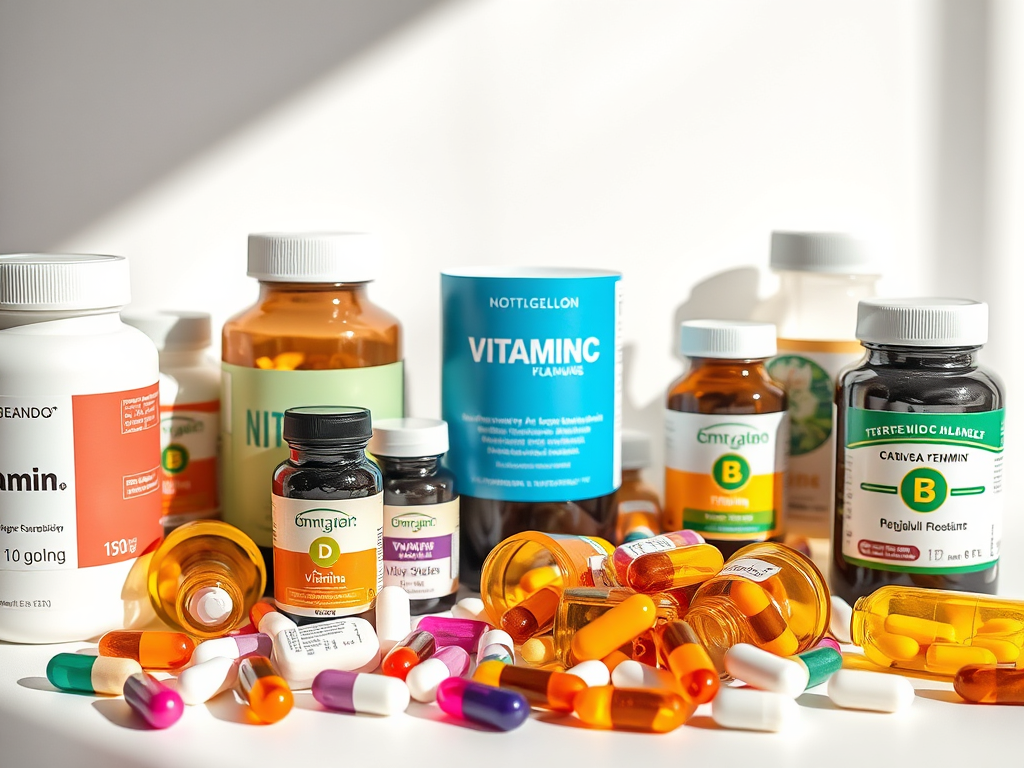
When diet alone falls short, high-quality supplements can effectively bridge the nutritional gaps and deliver targeted support for radiant skin. Always consult with a qualified healthcare provider before embarking on any new supplement regimen to ensure optimal results and safety.
- Vitamin C: A powerful antioxidant that brightens skin, boosts your radiance, and is essential for collagen synthesis. opt for liposomal or esterified formulations to enhance absorption and maximize your glow!
- Collagen Peptides: Boosts skin elasticity, enhances hydration, and significantly reduces the appearance of wrinkles for a more youthful and radiant complexion.
- Hyaluronic Acid: A powerful hydration booster that penetrates deep into the skin, dramatically reducing dryness and visibly smoothing fine lines for a more youthful, radiant complexion.
- Probiotics: A powerhouse for your gut-skin connection, enhancing skin vitality and significantly reducing inflammation for a radiant, healthy complexion.
- Astaxanthin: An exceptionally powerful antioxidant that not only safeguards your skin from harmful sun damage but also combats premature aging, enhancing your skin’s natural vitality and radiance.
Can Diet Reverse Skin Damage?
The exciting news is that a nutrient-packed diet, paired with optimal hydration and targeted supplements, can dramatically enhance your skin’s health over time. Although it may not entirely reverse every sign of aging or damage, it can:
- Diminish inflammation and soothe redness effectively.
- Enhance skin hydration and boost elasticity for a youthful, plump appearance.
- Revitalize dull skin and achieve a radiant, even skin tone.
Conclusion
Healthy, radiant skin isn’t merely a result of external applications; it’s intricately linked to the nourishment you provide your body. By embracing a well-rounded diet brimming with skin-loving nutrients, complementing it with specific, high-quality supplements, and steering clear of detrimental foods and harmful habits, you can truly unleash your skin’s inherent luminosity. Remember, there’s no shortcut to great skin. It’s a reflection of your overall health, so nurture your body from the inside out, and your skin will thank you.
Need help designing a diet plan for better skin health? Let’s work together to create a personalized approach to support your beauty from within.

 Simplify Your Wellness Journey