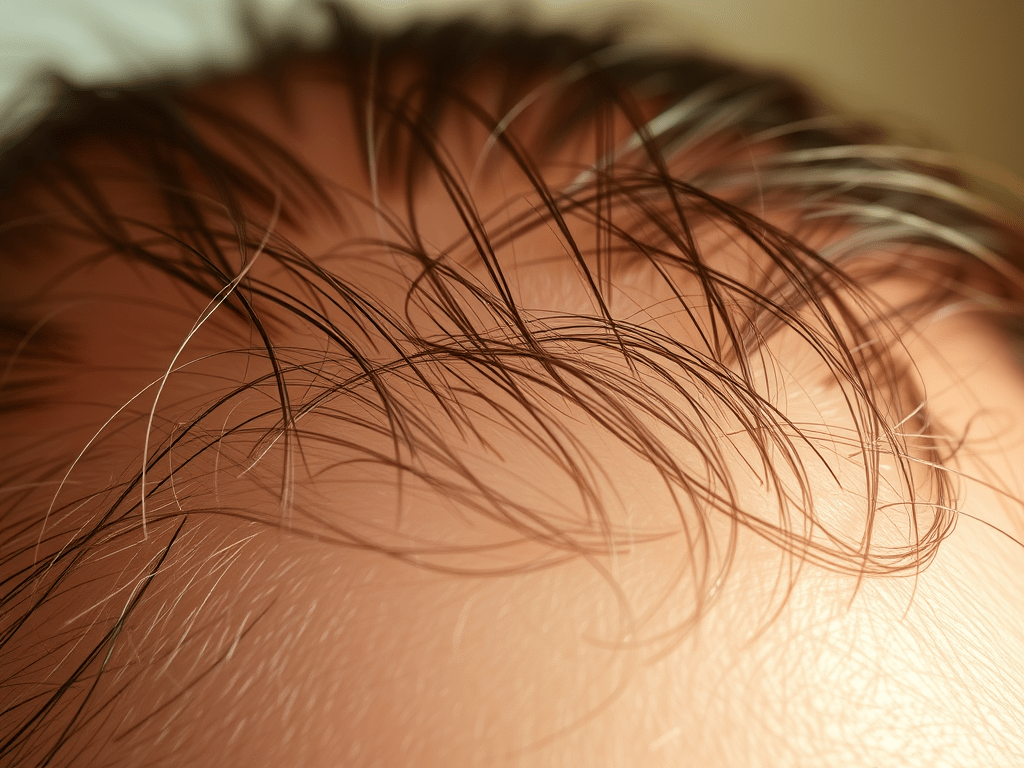
Hair fall can be an incredibly distressing experience, heavily impacting confidence and self-esteem. While factors like genetics, stress, and hormonal imbalances play pivotal roles, the vital link between your diet and hair health cannot be overlooked. As a nutritionist, I frequently encounter individuals desperate for a miracle remedy to reverse hair loss, only to be lured in by products boasting unrealistic promises. In this blog, we’ll dive deep into the powerful correlation between nutrition and vibrant hair health, uncover effective supplements that promote hair growth, and determine whether regrowing lost hair is genuinely within reach.
The Correlation Between Diet and Hair Fall
Your hair is primarily composed of a vital protein known as keratin, and just like every other component of your body, it demands optimal nutrition to flourish and remain vibrant. When you face nutritional deficiencies, it can compromise your hair follicles, resulting in hair thinning and ultimately, excessive hair loss. Prioritizing your diet is essential for promoting healthy, luscious locks!
Key Nutrients for Healthy Hair
- Protein Power: Hair is predominantly composed of protein, making it essential for robust hair growth. Insufficient dietary protein can hinder hair development and contribute to increased shedding. To boost your hair’s vitality, incorporate excellent sources of protein into your meals, such as lean meats, fatty fish, nutritious eggs, creamy cheese, and premium whey protein isolate.
- Iron: Iron deficiency is a leading culprit behind hair loss, especially in women. This vital mineral is essential for delivering oxygen to hair follicles, and when levels are low, it causes them to weaken and ultimately fall out. To combat this, incorporate iron-rich foods into your diet, such as red meat, spinach, lentils. Ensure you’re meeting your iron needs for luscious, healthy locks!
- Biotin (Vitamin B7): Biotin is essential for vibrant keratin production and robust hair follicle health. A deficiency in this vitamin can result in fragile, brittle hair. You can boost your biotin intake by enjoying nourishing sources such as eggs, almonds, macadamia nuts, Brazil nuts, and sweet potatoes. Embrace biotin for luscious, resilient hair!
- Vitamin D: Research shows a strong connection between vitamin D deficiency and Alopecia, a notable form of hair loss. This essential vitamin plays a vital role in stimulating the growth of new hair follicles. Embrace sunshine, consume Di-fortified foods, and indulge in fatty fish to ensure your levels are optimal!
- Zinc: Essential for vibrant hair health, Zinc plays a crucial role in supporting the oil glands surrounding hair follicles. A deficiency can lead to significant hair loss and various scalp issues. Boost your intake through nutrient-rich sources like oysters, pumpkin seeds, and whole grains for optimal hair vitality.
- Omega-3 Fatty Acids: Abundant in rich, fatty fish such as salmon, omega-3 are essential for revitalizing hair and promoting robust follicle health. These powerful nutrients not only enhance shine and strength but also help to reduce hair loss and foster a lush, vibrant mane.
- Vitamin C: Vitamin C is a powerhouse nutrient that boosts iron absorption and collagen production, both crucial for achieving strong, vibrant hair. Elevate your diet by incorporating citrus fruits, blueberries, strawberries, and colorful bell peppers to support your hair’s health and shine.

Supplements That Support Hair Health
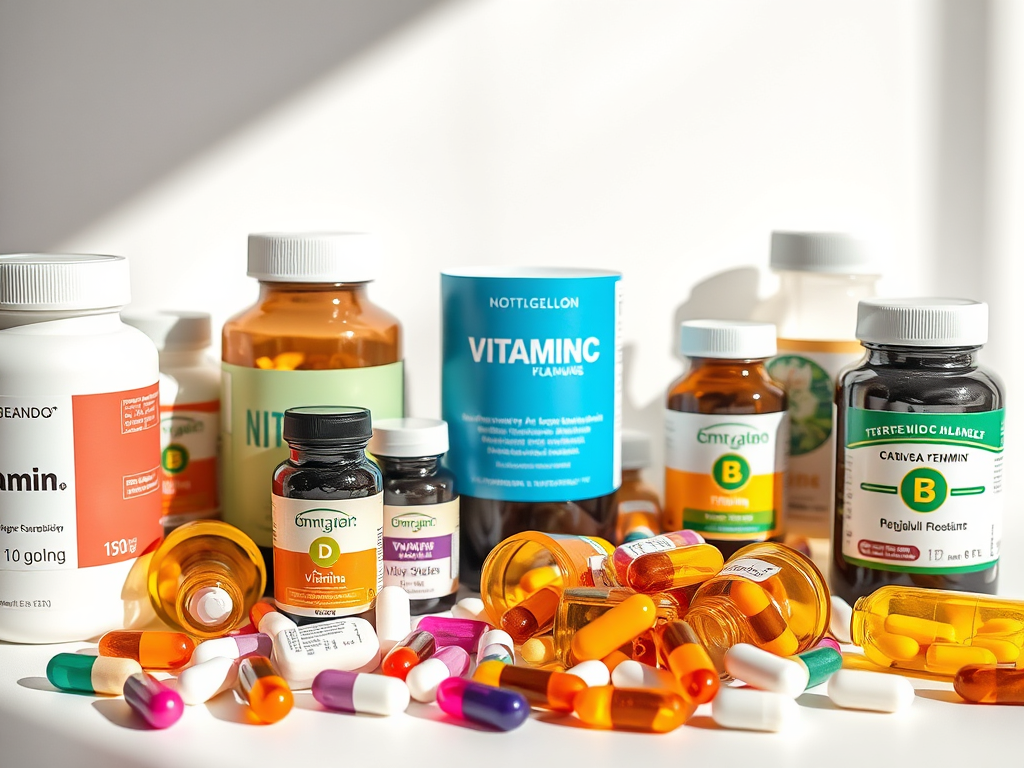
When diet alone isn’t sufficient, supplements can fill nutritional gaps. However, it’s essential to use them under the guidance of a healthcare professional.
- Vital Vitamins for Hair Health: Essential vitamins, such as biotin, zinc, iron, and vitamin D, play a crucial role in combating deficiencies that can lead to hair loss. Prioritizing these nutrients can significantly enhance hair strength and promote luscious growth.
- Collagen Peptides: Unlock the secret to luscious locks with collagen supplements! These powerful peptides not only strengthen your hair but also enhance its texture, providing essential amino acids vital for robust keratin production. Elevate your hair health and experience the transformation!
- Omega-3 Fatty Acid Supplements: Fish oil or flaxseeds oil supplements to enhance scalp health and diminish inflammation, promoting a thriving environment for vibrant hair growth.
- Iron Supplements: Essential for those battling iron-deficiency anemia, iron supplements serve as a powerful ally in revitalizing hair growth and boosting overall vitality.
- Biotin: Biotin supplements! Not only do they promote enhanced hair strength, but their remarkable effects are especially noticeable for those who may be deficient in this essential nutrient. Embrace fuller, healthier hair with the right support!
Is Regrowing Lost Hair Possible?
- Temporary Hair Loss (Telogen Effluvium): This type of hair loss, often caused by stress, illness, or nutritional deficiencies, is usually reversible. Once the underlying cause is addressed, hair regrowth typically occurs.
- Pattern Baldness (Androgenetic Alopecia): This is a genetic condition commonly seen in men and women. While treatments like minoxidil and finasteride can slow the progression, regrowing hair in completely bald areas is unlikely.
- Scarring Alopecia: Conditions that damage hair follicles permanently, such as scarring Alopecia, do not allow for natural regrowth.
- Hair Loss Due to Illness or Hormonal Changes: Hair loss related to pregnancy, menopause, or thyroid disorders often resolves with proper treatment and hormone balance.
Why Most “Hair Regrowth” Products Are a Waste of Money
The market is saturated with an overwhelming array of shampoos, oils, and pills boldly promising to regrow lost hair. Yet, the reality is that most of these products provide little more than fleeting scalp hydration or superficial shine enhancement. Here’s the truth behind their ineffectiveness:
- Hair Follicles Cannot Be Revived Once Dead: If hair follicles have become inactive or scarred (as in advanced baldness), no topical product can bring them back to life.
- Unregulated Ingredients: Many products contain unverified or poorly studied ingredients that have no proven effects on hair regrowth.
- Marketing Hype: These products rely heavily on emotional marketing, often exploiting the vulnerability of individuals struggling with hair loss.
- No Address of Root Causes: Most products don’t address the underlying causes of hair loss, such as hormonal imbalances or nutritional deficiencies.
The Role of Lifestyle in Hair Health
- Reduce Stress: Chronic stress can push hair follicles into a resting phase, causing shedding. Practice mindfulness, yoga, or meditation to manage stress.
- Avoid Harsh Treatments: Limit the use of heat styling tools, chemical treatments, and tight hairstyles that can damage hair.
- Stay Hydrated: Proper hydration is crucial for maintaining scalp health and preventing brittle hair.
- Exercise Regularly: Physical activity improves circulation, ensuring that hair follicles receive adequate nutrients and oxygen.
The Bottom Line
Hair fall is often a clear indicator of underlying imbalances within the body. Unfortunately, there is no miracle product or quick fix that can substitute the crucial role of a balanced diet, a healthy lifestyle, and targeted supplementation. While regrowing lost hair may be achievable under specific conditions, you can always take proactive steps to enhance the health of your existing hair and prevent further loss.
Instead of falling for the allure of miracle solutions, prioritize nourishing your body from the inside out. Remember, vibrant, luscious hair begins with a healthier you. Embrace the journey of self-care and let it shine through your beautiful locks!

 Simplify Your Wellness Journey