Tag: type2 diabetes

  • How to Stabilize Insulin Levels with Low-GI Foods

    How to Stabilize Insulin Levels with Low-GI Foods

    In my previous blog, I explored the causes, effects, and essential tips regarding insulin spikes. In this installment, I’ll illuminate one of the strategies to effectively manage insulin levels—embracing a low-Glycemic diet. This approach plays a key role in stabilizing blood sugar. It is also crucial for minimizing insulin surges. Additionally, it enhances long-term health. Join me as we examine the details of a low-Glycemic diet. We will explore its mechanics and provide actionable steps. You can take these steps to adopt this lifestyle for natural insulin spike control. Below is the link for the previous article.

    Understanding Insulin Spikes: Causes and Management
    What Is the Glycemic Index (GI)?

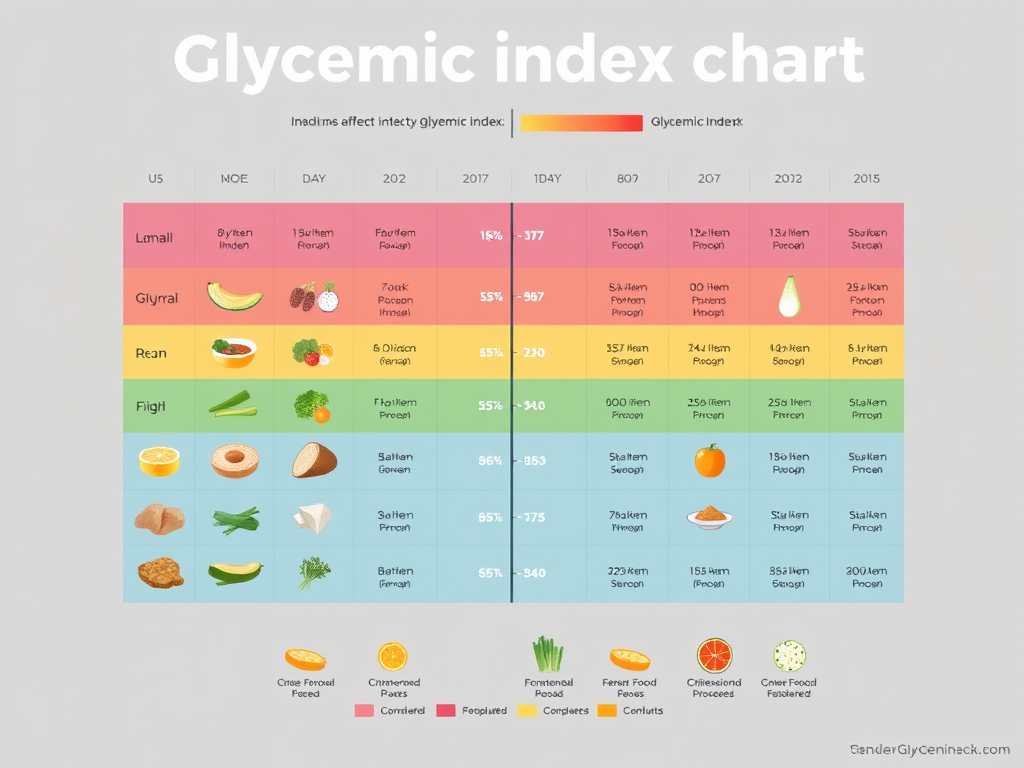
    The Glycemic index (GI) is an essential ranking system that evaluates how rapidly a particular food elevates blood sugar levels. Foods are assigned scores ranging from 0 to 100, with lower scores indicating a slower impact on blood sugar. By prioritizing low-GI foods, you can effectively manage your blood sugar levels. You can also significantly reduce the risk of insulin spikes. This practice promotes overall health and well-being.

    • Low Glycemic Index (GI) Foods (0 – 55): Experience the benefits of slow digestion and minimal blood sugar impact! Incorporate wholesome options like yeast-based products, fermented delicacies, nutritious broccoli, and energizing nuts into your diet for sustained energy and optimal health.
    • Medium Glycemic Index (56 – 69): It provides a moderate blood sugar response. It features nutrient-rich options like whole grain rice, deliciously sweet sweet potatoes, and heart-healthy steel cut oats.
    • High Glycemic Index (70+): Experience rapid digestion with foods such as white bread, candy, and sugary cereals. These foods lead to sharp insulin spikes. This also happens with those fried in vegetable oils.

    Benefits of a Low-Glycemic Diet for Insulin Control

    • Stabilized Blood Sugar: Enjoy the benefits of Low-Glycemic Index (GI) foods. These foods effectively prevent sudden glucose spikes and crashes. They promote a more stable and balanced energy level throughout the day.
    • Enhanced Insulin Sensitivity: Maintaining consistently lower insulin levels strengthens your body’s response to glucose. This promotes optimal health and enhances metabolic efficiency.
    • Sustained Energy Levels: Nutrient-dense, slow-digesting foods deliver consistent energy. They fuel your day with enduring vitality and prevent those pesky energy crashes.
    • Weight Management: Embrace the power of a low-GI diet. It effectively curbs hunger and cravings. This approach paves the way for sustainable fat loss and a healthier lifestyle.
    • Significantly Lowered Risk of Chronic Diseases: Enhanced blood sugar management helps reduce the risk of developing diabetes. It also lowers the chances of encountering serious cardiovascular complications.

    Low-Glycemic Diet Strategies to Control Insulin Spikes

    • opt for Low-GI Carbohydrates – Transition from high-Glycemic carbs to nutritious low-GI alternatives for a healthier lifestyle. Key options include:
      • Whole Grains: Embrace wholesome choices like steel-cut oats, quinoa, and barley. Add a touch of fermented yeast for added benefits!
      • Nutritious Non-Starchy Vegetables: Load up on vibrant veggies like broccoli, spinach, cauliflower, and zucchini for essential nutrients and fiber.
      • Delicious Low-GI Fruits: Indulge in nature’s candy with antioxidant-rich berries, succulent cherries, and juicy pears.
      • Avoid These: Steer clear of white bread, sugary cereals, and tempting processed snacks for optimal well-being.
    • Elevate Your Meals – Pair Carbs with Protein and Healthy FatsCombining carbohydrates with protein or healthy fats slows down digestion. This combination also significantly reduces their Glycemic impact. It promotes sustained energy levels and overall health.
        • Delicious Example Meals:
          • Whole-Grain Toast – Freshly baked or homemade, topped with creamy avocado and nutrient-rich eggs for a powerhouse breakfast.
          • Lentil Soup – Rich and hearty, drizzled with ghee or butter, paired with grilled chicken or paneer for a protein-packed delight.
      • Prioritize Fiber-Rich Foods for Better Blood Sugar Control – Fiber significantly slows down glucose absorption, promoting stable blood sugar levels. Focus on incorporating the following nutrient-dense options into your diet:
        • Diverse Choices Include:
          • Vegetables: Leafy greens like spinach and kale, crunchy carrots, and refreshing cucumbers.
          • Seeds and Nuts: Nutrient-packed sesame seeds, omega-3 rich flaxseeds, crunchy pecans, and buttery macadamia nuts.
      • Enhance Your Meals with Vinegar or Lemon Juice – Numerous studies highlight how vinegar and lemon juice can significantly lower the Glycemic response of high-carbs meals, leading to better blood sugar management. For example:
        • Drizzle a refreshing splash of vinegar over salads for a zesty kick.
        • Squeeze bright lemon juice over grilled vegetables or meats to elevate flavors and boost nutritional benefits.

      Low-Glycemic Meal Plan for Insulin Control

      • Breakfast: Steel-cut oats topped with, a sprinkle of cinnamon, and a handful of berries & whey isolate for protein.
      • Lunch: Grilled salmon/chicken/mutton/paneer served with steamed veggies drizzled with ghee/butter.
      • Dinner: Lentil soup with a side of leafy green salad (olive oil and lemon dressing).

      Key Tips for Success on a Low-Glycemic Diet

      • Read Labels: Steer clear of processed foods that contain hidden sugars and refined carbohydrates. Prioritize whole, natural ingredients for a healthier lifestyle!
      • Cook at Home: Embrace the art of creating delicious, whole, unprocessed meals that empower you to control every ingredient. Unlock your culinary potential while enjoying the benefits of healthier eating!
      • Stay Hydrated: Optimal hydration is crucial for maintaining balanced blood sugar levels. Dehydration not only disrupts glucose regulation but can also lead to fatigue and decreased energy. Keep your body in peak form by ensuring you drink enough water throughout the day!
      • Engage in Consistent Exercise: Regular physical activity significantly boosts insulin sensitivity, empowering your body to utilize glucose more efficiently and enhancing overall metabolic health.

      Final Thoughts

      Embracing a low-Glycemic diet is a powerful strategy to manage insulin levels, sustain energy, and enhance your overall wellness. By prioritizing nutrient-rich, slow-digesting foods, you can effectively avoid blood sugar crashes and significantly lower your risk of insulin resistance and chronic health issues.

      Take the First Step

      Start today by substituting high-GI foods with nourishing, low-GI alternatives and witness a remarkable transformation in your energy, cravings, and overall health!

      Are you ready to take charge of your blood sugar levels naturally? Share this informative blog with someone who would greatly benefit and connect with us for customized nutrition plans specifically designed to meet your unique health goals! In my next blog, I will be unveiling powerful insights into how the ketogenic diet effectively helps in controlling insulin spikes for improved overall health.
    • Understanding Insulin Spikes: Causes and Management

      Understanding Insulin Spikes: Causes and Management

      Insulin is an essential hormone. It plays a pivotal role in controlling blood sugar levels. Insulin acts as a key regulator of glucose utilization for energy. However, frequent insulin spikes can trigger serious health issues. These issues include insulin resistance. They also pose a heightened risk of developing type 2 diabetes. But what exactly causes these spikes, and how can you effectively manage them? Let’s explore the fascinating science behind insulin and discover practical strategies to maintain optimal insulin levels for better health.

      What Is Insulin and Why Does It Spike?

      Insulin is a vital hormone secreted by the pancreas. It plays a crucial role in transporting glucose from your bloodstream into cells. Glucose is used for energy or storage. An insulin spike happens when insulin levels surge suddenly. It occurs dramatically, often triggered by a rapid increase in blood glucose levels. Understanding this process is essential for managing energy levels and overall health.

      Causes Of Insulin Spike

      • High-Glycemic Foods: Strikingly, foods such as sugary drinks, white bread, pastries, and processed snacks can cause a rapid spike in blood sugar levels. This spike leads to energy crashes and cravings. Beware of these culprits that can disrupt your health and well-being!
      • Overeating Carbohydrates: Indulging in excessive carbs intake can be harmful. Particularly from refined sources, it can significantly surpass the body’s glucose tolerance. This can lead to unwanted health consequences.
      • Skipping Meals: Prolonged periods without nourishment can trigger excessive hunger, often leading to overeating during later meals. This behavior not only results in increased calorie intake but also provokes a more significant insulin response, which can disrupt your body’s natural metabolic balance. Prioritizing regular, balanced meals can help maintain steady energy levels and foster overall health.
      • Stress: Chronic stress acts as a catalyst for cortisol release, disrupting glucose metabolism and leading to significant insulin fluctuations. Managing stress effectively is crucial for maintaining stable blood sugar levels and overall health.
      • Insufficient Physical Activity: A sedentary lifestyle significantly diminishes insulin sensitivity. This results in the body needing to produce more insulin. This is necessary to effectively process glucose. Embracing regular exercise is crucial for maintaining optimal metabolic health and preventing insulin resistance.

      The Impact of Frequent Insulin Spikes

      • Insulin Resistance: Cells become increasingly resistant to insulin. This leads to persistently elevated blood sugar levels. This condition is a critical factor in the development of Type 2 Diabetes and related metabolic disorders.
      • Weight Gain: High levels of insulin significantly accelerate fat accumulation, particularly in the abdominal area. This hormonal imbalance can lead to increased waist circumference, contributing to a higher risk of metabolic diseases.
      • Hormonal Imbalances: Elevated insulin levels can significantly disrupt the delicate balance of other hormones. This disruption can lead to serious conditions such as Polycystic Ovary Syndrome (PCOS).
      • Elevated Risk of Chronic Diseases: This includes serious conditions like type 2 diabetes, cardiovascular disease, and metabolic syndrome. These conditions can significantly impact overall health. They also affect quality of life.

      Mastering Insulin Control: Effective Strategies to Prevent Spikes

      • Focus on Low-Glycemic Foods for Optimal Health: Embrace foods that maintain stable blood sugar levels, such as:
        • Nutrient-Rich Non-Starchy Vegetables: These colorful veggies are overflowing with essential vitamins and minerals. They are incredibly low in calories. Yet, they are high in fiber. This makes them a vital part of a nutritious diet. Incorporate powerhouse favorites like spinach, kale, broccoli, and bell peppers to supercharge your health and invigorate your meals!
        • Wholesome Healthy Fats: Include nutrient-dense options. Choose ghee, butter, avocado, and a variety of nuts. These foods support heart health and keep you satiated.
        • Protein Powerhouses: Fuel your body with high-quality sources. Eat eggs, fish, chicken, lamb, and paneer. These foods promote muscle health and overall well-being.
      • Master Portion Control: Oversize meals can trigger a significant insulin response, especially when loaded with carbs. Choose nutrient-dense, high-protein meals, and practice mindful eating to effectively prevent overeating.
      • Stay Active: Energize your life with regular exercise! Embrace activities like:
        • Aerobic Adventures: Dive into walking, cycling, or swimming to supercharge your insulin sensitivity and elevate your mood.
        • Power Up with Resistance Training: Build lean muscle to enhance glucose storage and boost your overall vitality!
      • Master Your Stress Levels: Embrace powerful stress-relief techniques such as yoga, meditation, and breathing exercises. These transformative practices not only reduce cortisol levels, but also significantly stabilize blood sugar levels, enhancing your overall well-being and vitality.
      • Ditch Sugary Beverages for Vibrant Hydration: Say goodbye to sugary sodas and energy drinks! Choose refreshing water, or opt for soothing herbal teas. Try zesty sparkling water infused with lemon to invigorate your body and boost your wellness.
      • Track Your Blood Sugar Levels: Regularly monitoring your blood glucose is crucial for those at risk of diabetes. This practice helps you identify food patterns that may cause insulin spikes. It enables you to make informed dietary choices for better health.

      Conclusion:-

      Insulin spikes are a natural aspect of metabolism, yet effectively managing them is crucial for sustaining long-term health. Make conscious dietary choices to nourish your body. Stay active through regular exercise and prioritize stress management techniques. By maintaining stable insulin levels, you can significantly reduce the risk of chronic diseases. Even small adjustments in your daily habits can lead to remarkable improvements in your overall well-being. Embrace these changes to enhance your quality of life!

      Call to Action:-

      If you found this information valuable, don’t hesitate to share it with someone who could benefit from improved insulin management! For personalized insights on regulating your blood sugar levels, consider scheduling a consultation with me.

      In my next blog post, I will explore essential dietary changes. These changes can help you prevent insulin spikes. They also can help maintain a healthier lifestyle. Stay tuned for expert tips and strategies to achieve optimal blood sugar control!