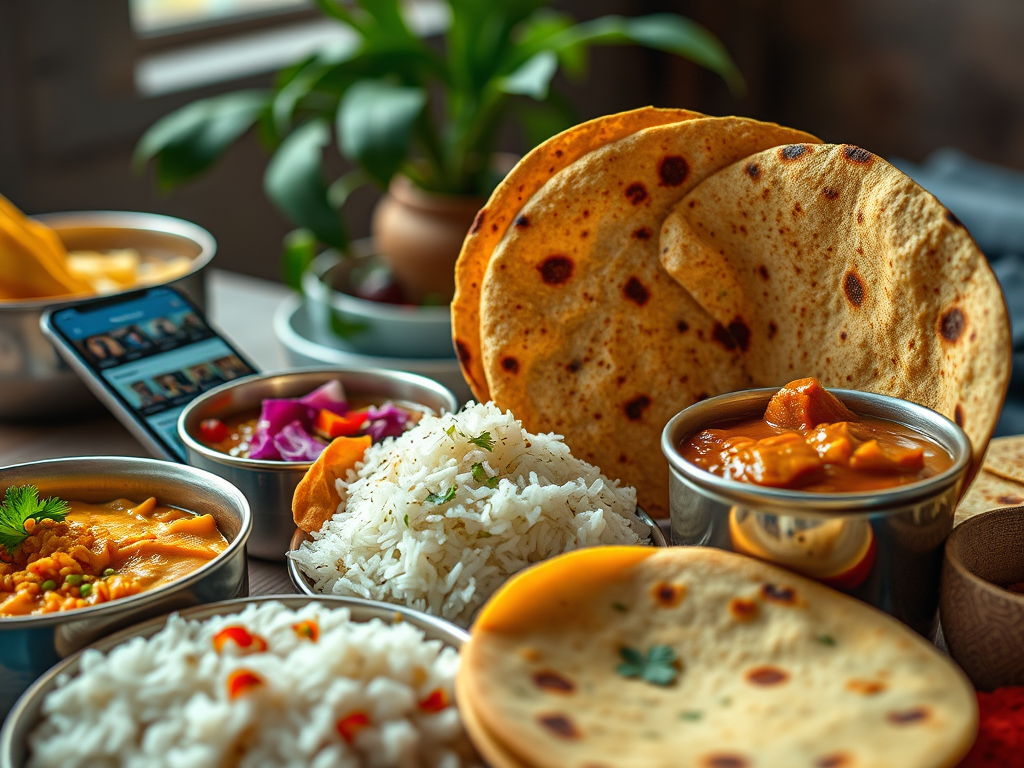
Think Indian cuisine is a protein powerhouse? Think again. Here’s the shocking reality behind the social media frenzy and how influencers are peddling a fantasy for likes and profits. Discover the truth beneath the glamour of food posts. See how the narrative surrounding Indian food might not be as nutritious as it seems.
The Great Protein Myth: Why the “High-Protein Indian Diet” Is the Biggest Lie on Social Media
Let’s rip the bandage off right away:
The notion that a typical Indian diet is “high in protein” is misleading. It is one of the most significant, audacious, and dangerous myths circulating on social media today.
This is more than mere misinformation; it’s a deliberate manipulation, fueled by a rising tide of Instagram and YouTube “influencers” who exploit emotions, cultural identities, and even religious beliefs to peddle misleading narratives. They sell you a false sense of hope, all under the guise of wellness and health. It’s time to uncover the truth behind these claims and reclaim our understanding of nutrition!
The Harsh Truth: Indian Diets Are Not Protein-Rich
Let’s start with the data.
A typical Indian vegetarian diet— rotis, rice, dal, sabzi, curd—might feel comforting and wholesome, but in terms of protein, it’s shockingly insufficient for muscle building, fat loss, or even basic metabolic health.
Here’s why:–
- Dal (lentils): Only ~6-9g of protein per 100g cooked.
- Paneer: Decent source, but most people eat just 50-100g, which gives 10–20g protein max.
- Milk & curd: Moderate protein, but not enough to carry your day.
- Roti and rice? High in carbs, barely 2–3g protein per serving.
- Nuts and seeds? Mostly fats with a little protein—not sustainable in the amounts you’d need.
Now compare that to your body’s actual needs
- For a sedentary adult, protein needs start at 0.8g per kg of body weight.
- For someone active, it can go up to 1.6–2g/kg.
For a 70 kg adult, that’s 84–140 grams of protein per day. Most Indian diets barely reach 40–60g—unless you’re being extremely mindful and deliberate.
So, Why Are Influencers Claiming Indian Food Is Protein-Rich?
Because outrage sells. Emotions sell. Religion sells. And they know exactly how to play the game. You’ve seen the reels:
- “Indian food is all you need for gains.”
- “Our ancestors didn’t need meat or whey.”
- “Stop demonizing Indian food. It’s the healthiest on Earth.”
It sounds powerful. It sounds cultural. But it’s not nutritional. Behind the camera? Most of these influencers:
- Use whey protein daily
- Eat meat secretly
- Supplement with eggs or even imported products
- And some? On PEDs, steroids, and fat burners while pretending to stay “all natural and all Indian.”
Because pretending to be “100% desi” gets likes, brand deals, sympathy—and most importantly—money.
It’s All a Business, Not a Belief
Let’s not be naive. This is how it works:-
- Tap into your emotions – Culture, nostalgia, pride.
- Create controversy – “Why do people hate Indian food?”
- Sell a dream – “Look, I got ripped eating only Indian meals!”
- Monetize your trust – Courses, PDFs, consultations, and affiliate codes.
What Should You Do Instead?
- Stop idolizing influencers. Reels aren’t research. Start asking real questions.
- Track your food. Use apps like MyFitnessPal or Cronometer. See the protein gaps yourself.
- Diversify your protein. Eggs, chicken, Greek yogurt, tempeh, whey protein, or even quality plant protein blends.
- Respect your roots—but not blindly. Our lifestyles have changed. Your nutrition should, too.
- Consult professionals, not trendsetters. The ones selling ₹3000 workout plans from their iPhone often don’t live the lifestyle they promote.
Final Thought
You are being misled—intentionally, persistently, and for profit. The so-called high-protein Indian diet is a facade. It’s time to break free from the illusion and embrace authenticity. Prioritize your health by grounding your choices in science rather than emotions. Get informed. Get empowered, and transform your wellness journey today!
 Simplify Your Wellness Journey