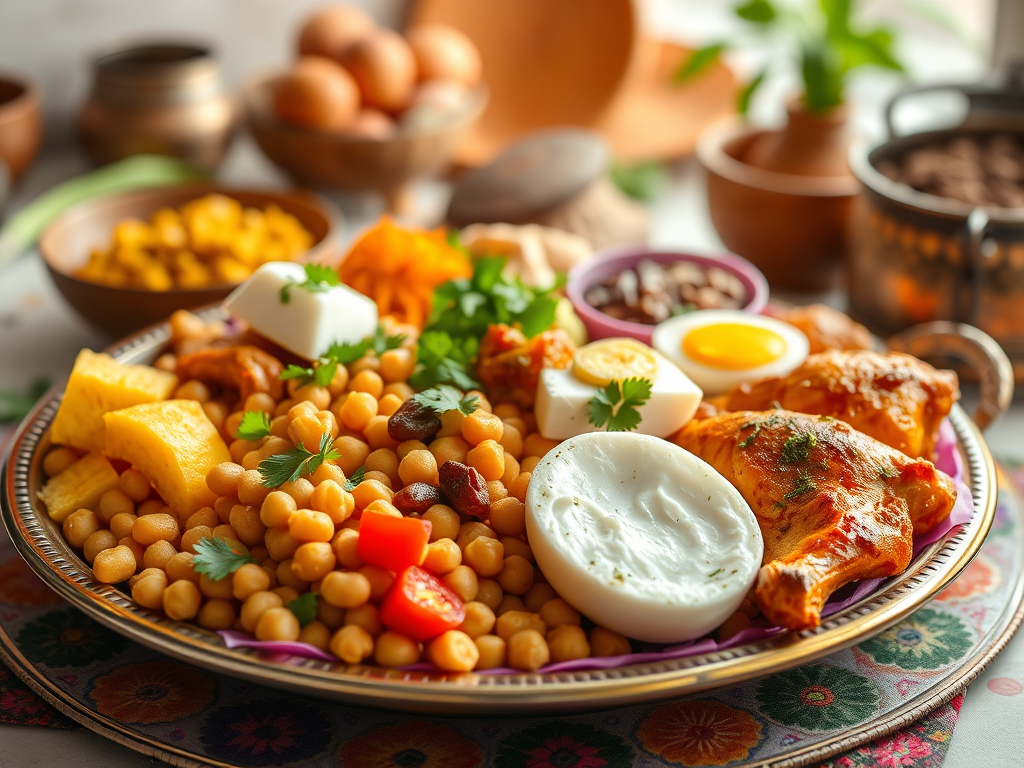
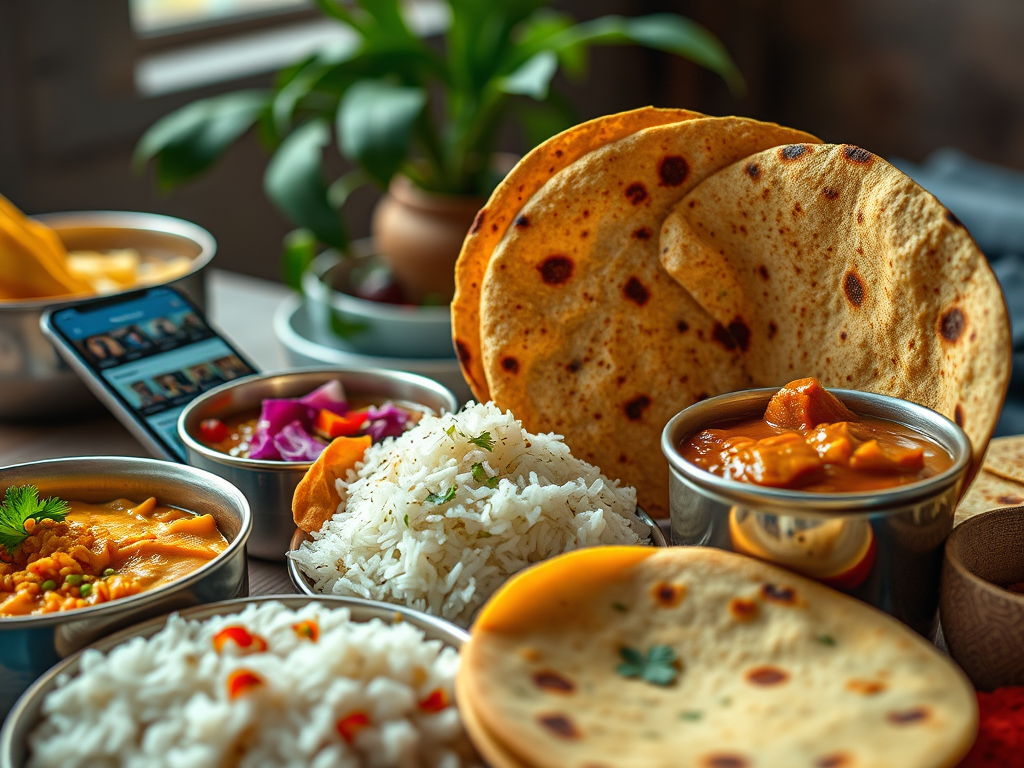
Tag: quality proteins

  • Part 2: How to Actually Eat Right – Building a Real High-Protein Diet Around Indian Culture (Not Instagram Fads)

    Part 2: How to Actually Eat Right – Building a Real High-Protein Diet Around Indian Culture (Not Instagram Fads)

    Forget what social media told you—here’s how to build a truly protein-rich Indian diet, whether you’re veg or non-veg. Backed by real nutrition, not fake influencers hype.

    If you’ve read Part 1, you already know the truth:

    The so-called “high-protein Indian diet” that influencers romanticize is a myth. Most of them don’t practice what they preach. They’re banking on your emotion, pride, and cultural attachment to sell you half-truths.

    But here’s the good news:

    You can build a powerful, protein-rich Indian diet—without falling for the noise. Whether you’re vegetarian or non-vegetarian, your heritage has plenty to offer. It has a lot to give when you actually understand what your body needs.

    The Foundation: Start With Protein Goals, Not Food Myths

    Before diving into what to eat, let’s set your baseline.

    • Goal: 1.2–2 grams of protein per kg of body weight (depending on activity level).
    • Example: For a 70 kg adult aiming to build or preserve muscle, target 90–120 grams/day.

    Now, let’s see how to build that the right way—with Indian foods that actually deliver.

    For Vegetarians: You Can Get There, But Not With Roti-Sabzi Alone:-

    Always prioritize consuming dairy products first for a rich source of protein, then shift your focus to grains. Remember, grains alone do not provide all the essential amino acids needed to be considered a complete protein source. Enhance your diet by balancing these elements effectively!

    • Paneer (100g): 18g protein
    • Tempeh (100g): 10g protein
    • Moong Dal (1 cup cooked): 14g protein
    • Chickpeas/Rajma (1 cup cooked): 10-12g protein
    • Greek Yogurt (300g): ~20g protein
    • Whey Protein Shake (1 scoop): 20–25g protein

    Sample Vegetarian Day Plan:

    • Breakfast: Greek yogurt + 1 scoop whey + handful of soaked almonds
    • Lunch: Paneer bhurji + 1 roti + mixed veg
    • Snack: Tempeh stir-fry
    • Dinner: Moong dal + curd + stir-fried veggies

    You don’t need to abandon culture—you need to choose strategically within it.

    For Non-Vegetarians: The Indian Diet Is a Protein Powerhouse—If Used Right

    Here’s where the real game changes. Indian cuisine includes plenty of protein-rich, affordable, accessible non-veg options—but influencers won’t highlight them because they don’t trend that much.

    • Eggs (1 large): 6g protein
    • Chicken breast (100g cooked): 20-25g protein
    • Fish (Rohu, Tilapia, etc. – 100g cooked): 20–25g protein
    • Liver (Goat/Chicken): High in protein + iron + B12
    • Prawns, mutton, organ meats: All excellent when not deep-fried

    Sample Non-Veg Day Plan:

    • Breakfast: 3 boiled eggs + Greek yogurt
    • Lunch: Grilled chicken breast + dal + salad
    • Snack: Omelets with 2 whole eggs + 2 whites
    • Dinner: Fish curry + sauteed veggies + 1 roti

    Combine that with even basic supplementation (like 1 scoop of whey), and you’re easily above 100g/day.

    Why This Works (And Influencers Diets Don’t)

    1. Real food > fancy fads: You’re not relying on overpriced “protein khakhras” or ₹3,000 PDF diet plans.
    2. Sustainable: These meals exist in your home, your neighborhood, your culture.
    3. Balanced nutrition: You’re not going extreme—no 0-carbs, no detox juice-only nonsense.
    4. Flexible: Whether veg or non-veg, there are options at every level.
    5. You’re not being emotionally manipulated. You’re following science, not sympathy reels.

    Final Takeaway: Culture Should Empower You, Not Limit You

    Stop blindly following individuals who lack genuine authenticity, promote empty trends, or fail to inspire meaningful change; seek out those who ignite passion, encourage critical thinking, and foster a community of growth.

    • Hide their supplements
    • Lie about their diet
    • Sell you overpriced “desi shred” courses & products.

    Real nutrition honors your roots while dynamically evolving to meet your unique needs. Indian cuisine can powerfully support your health goals. Whether you’re a passionate vegetarian or a devoted non-vegetarian, you must approach it strategically. Embrace a mindset free from nostalgia and emotion, focusing instead on logic, balance, and candid honesty for optimal results.

  • The Truth About Indian Diets and Protein Needs

    The Truth About Indian Diets and Protein Needs

    Think Indian cuisine is a protein powerhouse? Think again. Here’s the shocking reality behind the social media frenzy and how influencers are peddling a fantasy for likes and profits. Discover the truth beneath the glamour of food posts. See how the narrative surrounding Indian food might not be as nutritious as it seems.

    The Great Protein Myth: Why the “High-Protein Indian Diet” Is the Biggest Lie on Social Media

    Let’s rip the bandage off right away:

    The notion that a typical Indian diet is “high in protein” is misleading. It is one of the most significant, audacious, and dangerous myths circulating on social media today.

    This is more than mere misinformation; it’s a deliberate manipulation, fueled by a rising tide of Instagram and YouTube “influencers” who exploit emotions, cultural identities, and even religious beliefs to peddle misleading narratives. They sell you a false sense of hope, all under the guise of wellness and health. It’s time to uncover the truth behind these claims and reclaim our understanding of nutrition!

    The Harsh Truth: Indian Diets Are Not Protein-Rich

    Let’s start with the data.

    A typical Indian vegetarian diet— rotis, rice, dal, sabzi, curd—might feel comforting and wholesome, but in terms of protein, it’s shockingly insufficient for muscle building, fat loss, or even basic metabolic health.

    Here’s why:

    • Dal (lentils): Only ~6-9g of protein per 100g cooked.
    • Paneer: Decent source, but most people eat just 50-100g, which gives 10–20g protein max.
    • Milk & curd: Moderate protein, but not enough to carry your day.
    • Roti and rice? High in carbs, barely 2–3g protein per serving.
    • Nuts and seeds? Mostly fats with a little protein—not sustainable in the amounts you’d need.

    Now compare that to your body’s actual needs

    • For a sedentary adult, protein needs start at 0.8g per kg of body weight.
    • For someone active, it can go up to 1.6–2g/kg.

    For a 70 kg adult, that’s 84–140 grams of protein per day. Most Indian diets barely reach 40–60g—unless you’re being extremely mindful and deliberate.

    So, Why Are Influencers Claiming Indian Food Is Protein-Rich?

    Because outrage sells. Emotions sell. Religion sells. And they know exactly how to play the game. You’ve seen the reels:

    • “Indian food is all you need for gains.”
    • “Our ancestors didn’t need meat or whey.”
    • “Stop demonizing Indian food. It’s the healthiest on Earth.”

    It sounds powerful. It sounds cultural. But it’s not nutritional. Behind the camera? Most of these influencers:

    • Use whey protein daily
    • Eat meat secretly
    • Supplement with eggs or even imported products
    • And some? On PEDs, steroids, and fat burners while pretending to stay “all natural and all Indian.”

    Because pretending to be “100% desi” gets likes, brand deals, sympathy—and most importantly—money.

    It’s All a Business, Not a Belief

    Let’s not be naive. This is how it works:-

    1. Tap into your emotions – Culture, nostalgia, pride.
    2. Create controversy – “Why do people hate Indian food?”
    3. Sell a dream – “Look, I got ripped eating only Indian meals!”
    4. Monetize your trust – Courses, PDFs, consultations, and affiliate codes.

    What Should You Do Instead?

    1. Stop idolizing influencers. Reels aren’t research. Start asking real questions.
    2. Track your food. Use apps like MyFitnessPal or Cronometer. See the protein gaps yourself.
    3. Diversify your protein. Eggs, chicken, Greek yogurt, tempeh, whey protein, or even quality plant protein blends.
    4. Respect your roots—but not blindly. Our lifestyles have changed. Your nutrition should, too.
    5. Consult professionals, not trendsetters. The ones selling ₹3000 workout plans from their iPhone often don’t live the lifestyle they promote.

    Final Thought

    You are being misled—intentionally, persistently, and for profit. The so-called high-protein Indian diet is a facade. It’s time to break free from the illusion and embrace authenticity. Prioritize your health by grounding your choices in science rather than emotions. Get informed. Get empowered, and transform your wellness journey today!

  • The Hidden Cost of Modern Living: How Our Lifestyle Choices Are Destroying Fertility

    The Hidden Cost of Modern Living: How Our Lifestyle Choices Are Destroying Fertility

    In today’s fast-paced world, we tirelessly chase success, push our limits, and indulge in convenience. Yet, in this relentless pursuit, we risk losing something profoundly vital—our ability to conceive and nurture life. The rising rates of miscarriages and alarmingly low sperm counts should make us pause and reflect: What is driving this crisis?

    It’s convenient to attribute these issues to genetics or mere bad luck, but the reality is far more complex. Our modern lifestyle—including our dietary choices, daily habits, persistent stress, and even the air pollution we contend with—is subtly undermining our reproductive health.

    As a nutritionist, I have witnessed this phenomenon firsthand. I encounter women in their late 20s and early 30s—seemingly vibrant and healthy—grappling with miscarriages. Meanwhile, men experience troubling declines in sperm quality, despite being at their peak. As we delve deeper, the culprits become clear: a poor diet, chronic stress, insufficient physical activity, and harmful environmental toxins.

    The scientific evidence is compelling. A 2022 study published in Human Reproduction Update reveals that global sperm counts have plummeted by over 50% in the past four decades. Additionally, the American Journal of Obstetrics & Gynecology highlights that lifestyle-related stress raises the risk of miscarriage by a staggering 42%. These numbers aren’t just statistics—they signify real lives, profound grief, and heartfelt struggles.

    So, what exactly is happening?

    • The Modern Diet (From Nourishment to Poison): Food has transformed from essential fuel to a source of slow destruction. Ultra-processed foods, sugar-laden snacks, trans fats, and pesticide-drenched produce have infiltrated our everyday meals. Instead of nourishing our bodies, these items wreak havoc on our hormones and jeopardize reproductive health.
      • Consider high sugar intake. It sends insulin levels skyrocketing. This leads to Polycystic Ovary Syndrome (PCOS) in women. It also negatively impacts sperm quality in men. Groundbreaking studies from Harvard T.H. Chan School of Public Health substantiate this alarming connection.
      • I once collaborated with a 34-year-old woman who had endured two heartbreaking miscarriages. Her diet was deemed “normal” by many. It was filled with cereals, bread, fast food, and sugary coffee beverages. However, it was transformed when we shifted her to a nutrient-rich, whole-food approach. Her new diet was loaded with omega-3s, antioxidants, and high-quality proteins. Miraculously, her hormones stabilized, and just six months later, she conceived naturally and carried to full term.
      • For men, the dangers of pesticides and chemicals in food are equally concerning. A pivotal 2018 study published in JAMA Network Open revealed significant findings. Men consuming high-pesticide foods experienced a 49% reduction in sperm counts. This is compared to those opting for organic choices.
    • What Can We Do?
      • Embrace whole, unprocessed foods—revitalize your diet with vibrant fruits, fresh vegetables, and quality proteins.
      • Eliminate excessive sugar and trans fats—they unleash chaos on hormonal balance.
      • opt for organic whenever possible—consciously reducing pesticide exposure for a healthier future.
    • Stress (The Silent Killer of Fertility): In our fast-paced world, stress is often celebrated as a sign of dedication. The long hours, relentless corporate pressure, and overwhelming social expectations create an exhausting race where the finish line remains elusive. The harsh reality? Chronic stress floods the body with cortisol, wreaking havoc on reproductive hormones. For women, this can lead to disrupted ovulation and a heightened risk of miscarriage. For men, elevated stress levels diminish testosterone and impair sperm motility, undermining fertility potential.
      • Take the story of a friend, a driven 32-year-old finance professional who dedicated years to ascending the corporate ladder. Countless late nights, high-stakes meetings, and the nagging stress of “what’s next?” overshadowed her personal aspirations. When she finally chose to embark on the journey to motherhood, she faced the terrifying reality of infertility. After a year filled with heartache from repeated failed attempts, she courageously re-assessed her lifestyle. By reducing work stress, prioritizing her health, and embracing mindfulness practices, she transformed her life. Within mere months, she joyfully conceived naturally, demonstrating the powerful link between stress management and fertility.
    • What Can We Do?
      • Set boundaries at work—your health is more valuable than a paycheck.
      • Engage in stress-reducing activities—yoga, meditation, walks in nature.
      • Prioritize sleep—a rested body is a fertile body.
    • The Sedentary Lifestyle (Moving Less, Reproducing Less): Our ancestors thrived by walking miles each day, embracing an active existence. Today, we often find ourselves sitting for hours—whether at desks, in cars, or on couches. It’s important to understand that exercise is not merely about weight loss; it plays a vital role in reproductive health. Movement enhances blood circulation, regulates hormones, and diminishes inflammation, all of which are essential to fertility. A groundbreaking study from the British Journal of Sports Medicine revealed that men who engaged in regular exercise boasted 33% higher sperm counts compared to their sedentary counterparts. Moreover, women partaking in moderate physical activity experience better ovulation cycles and significantly higher pregnancy success rates.
      • What Can We Do?
        • Move daily—even a simple 30-minute walk can spark positive changes.
        • Incorporate strength training—this builds muscle and balances hormones.
        • Combat prolonged sitting—take frequent breaks, stretch, and stay actively engaged.
    • Environmental Toxins (The Invisible Enemy): We are constantly bombarded by hazardous chemicals that sabotage our hormones and fertility—lurking in everyday plastic containers, personal care products, polluted air, and even our tap water.
      • Endocrine-disrupting chemicals (EDCs), prevalent in plastics and cosmetics, mimic estrogen and wreak havoc on our hormonal balance.
      • Air pollution has been alarmingly linked to declining sperm counts and increased miscarriage rates, threatening reproductive health.
      • Microplastics have made their way into human placentas, igniting concerns over their potentially devastating effects on fetal development.
    • What Can We Do?
      • Ditch plastic containers, especially for heating food.
      • Choose natural personal care products, free of parabens and phthalates.
      • Invest in an air purifier, especially in polluted cities.
    • The Pressure to Succeed: When Career Ambitions Come at a Cost: Society relentlessly urges us to work harder, push further, and climb higher. But at what cost to our well-being? Many couples today postpone family planning to chase career aspirations, only to face heart-wrenching fertility challenges down the line. While ambition fuels our success, we must recognize that fertility operates on a biological timeline that waits for no one.
      • What Can We Do?
        • Re-evaluate Your Priorities — Career success means little if it jeopardizes your health and happiness.
        • Plan Ahead — Gain a deeper understanding of your body’s fertility window to make informed choices.
        • Make Health a Non-negotiable Priority — Elevate your health to the forefront of your journey, rather than treating it as an afterthought.

    Final Thoughts: It’s Time to Take Back Control

    Miscarriages and declining sperm counts are not mere coincidences—they are clear indicators of the repercussions of our modern lifestyle. The empowering truth? We hold the keys to change.

    By embracing simple yet transformative choices, we can rejuvenate our fertility. These choices include consuming whole, nutritious foods, effectively managing stress, and staying physically active. Additionally, minimizing exposure to harmful toxins and re-evaluating our work-life balance are important steps. These actions safeguard the well-being of future generations.

    Fertility transcends the mere act of having children; it encompasses health, vitality, and the capacity to truly thrive. If we begin to regard it as such, we won’t just bring new life into the world. We will enhance our own quality of life in the process.

    Your health is invaluable. Your choices carry weight. The moment to take action is now.