Tag: qatarnutritionist

  • The Truth About Cholesterol: What Doctors Don’t Tell You

    The Truth About Cholesterol: What Doctors Don’t Tell You

    Cholesterol has long been demonized as the primary culprit behind heart disease and a host of other health concerns. For decades, the prevailing wisdom dictated that we should steer clear of foods rich in cholesterol, as we believed they would block our arteries and hasten our demise. However, recent breakthroughs in research and a nuanced understanding of cholesterol paint a much more complex picture—one that not only challenges the conventional narrative pushed by certain industries but also uncovers the significant benefits of cholesterol in our diets.

    In this enlightening blog, we will delve into the pivotal role of cholesterol in our bodies, clarify the crucial distinction between dietary cholesterol and blood cholesterol, and explain why total cholesterol levels are not the definitive marker of health we once thought they were. Moreover, we’ll expose the myths and misinformation propagated by corporate interests to promote their products at the expense of our health.

    Join us as we explore the cutting-edge research demonstrating that cholesterol is not the villain it has been made out to be, but rather a vital nutrient essential for achieving optimal health. Prepare to rethink everything you thought you knew about cholesterol; it might just be the key to unlocking a healthier you!
    What is Cholesterol and Its Role in the Body?

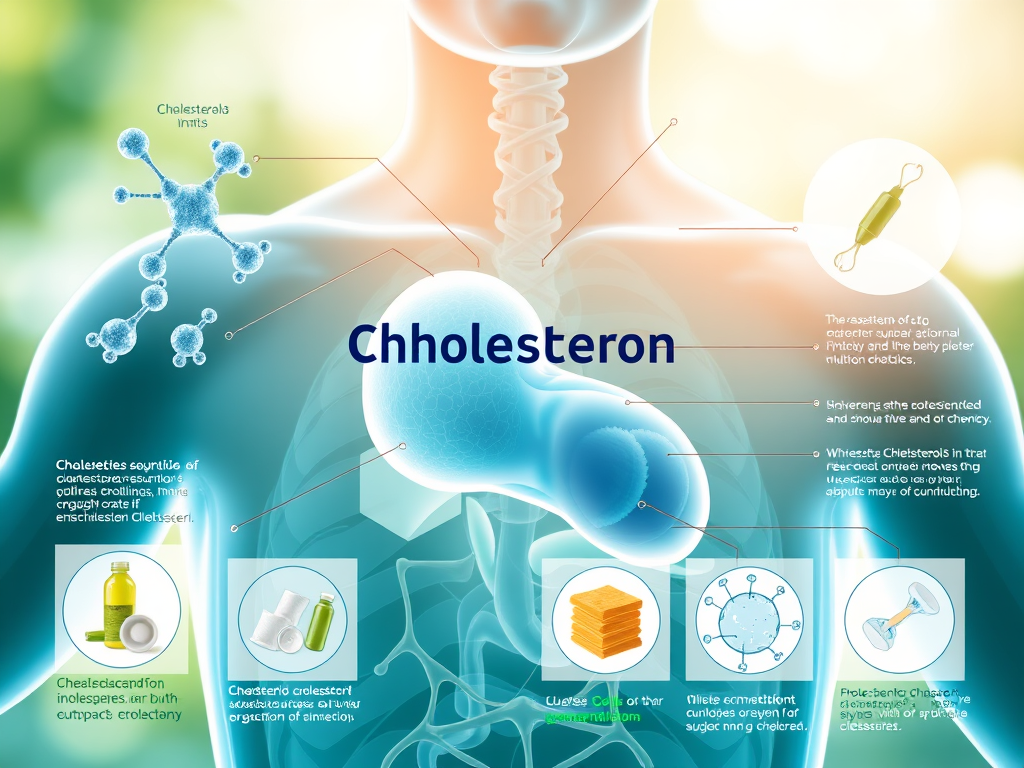
    Cholesterol is a waxy, fat-like substance. It plays essential roles in the body. It supports cell membrane structure. Cholesterol aids in hormone production and facilitates the absorption of vital nutrients.

    • Hormone Production: Essential for the synthesis of critical hormones, such as testosterone, estrogen, and cortisol, this precursor plays a pivotal role in maintaining overall hormonal balance and supporting vital bodily functions.
    • Boost Your Vitamin D Levels: Cholesterol plays a crucial role in the synthesis of vitamin D when your skin is kissed by sunlight. Embrace the sun’s rays to enhance your wellness and optimize your health!
    • Bile Production: Cholesterol is crucial for liver bile production. Bile is vital for effectively digesting and absorbing dietary fats.
    • Brain Health: Cholesterol plays a vital role in maintaining optimal brain function, as it is essential for the health and performance of neurons and memory. Astonishingly, 25% of the body’s cholesterol resides in the brain, highlighting its crucial importance for overall cognitive health and mental clarity.

    Clearly, cholesterol is not the villain it’s often portrayed to be; in fact, it’s a vital substance that plays a crucial role in numerous essential bodily functions, ensuring our overall health and vitality. Without adequate levels of cholesterol, our bodies would struggle to maintain proper hormone production, cell membrane integrity, and numerous other critical processes.

    Body Cholesterol vs. Dietary Cholesterol: Understanding the Difference

    • Body Cholesterol (Endogenous)
      • Most of the cholesterol in your body (about 75–80%) is produced by the liver and other cells.
      • The body tightly regulates cholesterol production to maintain balance, increasing production when dietary intake is low and decreasing it when dietary intake is high.
    • Dietary Cholesterol (Exogenous)
      • Found in foods like eggs, red meat, shellfish, and full-fat dairy.
      • Dietary cholesterol has a minimal impact on blood cholesterol levels for most people.
    • The Misconception: For years, dietary cholesterol was blamed for raising blood cholesterol levels and increasing heart disease risk. However, numerous studies have shown that the body adjusts its cholesterol production based on intake, making dietary cholesterol far less impactful than previously believed.

    The Hidden Agenda: How Cholesterol Became a Scapegoat

    In the mid-20th century, the demonization of cholesterol gained momentum due to flawed research and corporate interests:

    • Ancel Keys’ Flawed Research:
      • The “Seven Countries Study” by Ancel Keys linked dietary fat (and cholesterol) to heart disease. However, it selectively used data from countries that supported the hypothesis while ignoring others that contradicted it.
      • This study led to decades of low-fat dietary guidelines.
    • Industry-Funded Misinformation:
      • In the 1960s, the sugar industry paid researchers to downplay sugar’s role in heart disease and shift the blame to dietary fat and cholesterol.
      • This was revealed in a 2016 JAMA Internal Medicine report, exposing how corporations influenced public health policies to benefit their products.
    • Cholesterol-Lowering Drug Industry:
      • The pharmaceutical industry capitalized on the fear of cholesterol, promoting statins as a one-size-fits-all solution.
      • Statins lower cholesterol levels but do not address the root causes of heart disease, such as inflammation and metabolic dysfunction.

    Why Doctors Hide the Truth About Cholesterol

    The persistent misinformation surrounding cholesterol can be traced back to significant gaps in medical education and the overwhelming influence of powerful industries. Many medical professionals receive insufficient training in nutrition during their education, which leaves them overly dependent on outdated guidelines that drastically oversimplify cholesterol’s complex role in health. Moreover, the immense power of the pharmaceutical industry cannot be overlooked. Cholesterol-lowering medications, such as statins, generate billions of dollars annually, creating a hefty financial incentive to perpetuate the narrative that high cholesterol is inherently harmful. By emphasizing the need to lower cholesterol levels instead of tackling underlying issues like inflammation and insulin resistance, the healthcare system frequently opts for mere symptom management over genuine prevention. This toxic blend of limited nutritional knowledge and vested financial interests fuels the ongoing demonization of cholesterol, which in turn keeps patients misinformed and reliant on medications, rather than empowering them with effective dietary and lifestyle strategies for long-term health.

    The Myth of “High Cholesterol” and the Hidden Truth

    • Why Total Cholesterol Numbers Don’t Tell the Whole Story:
      • Understanding LDL vs. HDL:
        • LDL (Low-Density Lipoprotein), often referred to as “bad cholesterol,” isn’t inherently dangerous. Issues occur when LDL particles become oxidized or small and dense, which can significantly contribute to the buildup of arterial plaque and increase heart disease risk.
        • In contrast, HDL (High-Density Lipoprotein), known as “good cholesterol,” plays a crucial role in clearing excess cholesterol from the bloodstream, acting as a protector against cardiovascular issues.
        • Relying solely on total cholesterol is misleading. A more insightful approach involves examining the HDL to LDL ratio, alongside monitoring triglyceride levels and inflammatory markers such as C-reactive protein (CRP) to accurately assess heart disease risk.
    • Identifying the True Risk Factors for Heart Disease: It’s essential to recognize that chronic inflammation, insulin resistance, and oxidative stress, coupled with unhealthy lifestyle habits (like smoking and a sedentary lifestyle), are the real culprits behind cardiovascular disease—not cholesterol itself.

    Research Supporting Cholesterol as Beneficial

    • Cholesterol and Longevity: A 2013 study published in The American Journal of Clinical Nutrition found that higher cholesterol levels in older adults were associated with increased longevity and reduced risk of infections.
    • Cholesterol and Brain Health: Research in Frontiers in Aging Neuroscience highlights the importance of cholesterol in preventing neuron-degenerative diseases like Alzheimer’s.
    • Dietary Cholesterol and Heart Disease: A 2015 meta-analysis in BMJ concluded that there is no significant link between dietary cholesterol and cardiovascular disease in healthy individuals.

    The Path Forward: Embracing Cholesterol-Rich Foods

    • Focus on Whole Foods: Replace processed foods and refined carbohydrates with nutrient-dense, whole foods, including cholesterol-rich options. Kindly consult with professional for right amount of fats required as per your daily intake.
    • Address Inflammation: Prioritize anti-inflammatory foods like fatty fish, nuts, seeds, and leafy greens.
    • Avoid Refined Sugars and Trans Fats: These are the real culprits behind heart disease and should be minimized.
    • Balance Your Lifestyle: Exercise regularly, manage stress, and get adequate sleep to support overall cardiovascular health.

    Final Thoughts and Key Takeaways

    Cholesterol Isn’t the Enemy: Embrace This Essential Nutrient for Optimal Health

    Cholesterol plays a vital role in maintaining your overall health—it’s not the villain we’ve been led to believe. The long-standing war on cholesterol has been fueled by flawed research and influenced by corporate agendas. To promote better health, it’s crucial to understand the distinction between dietary cholesterol and that produced by your body.

    Instead of fearing cholesterol, focus on the real risk factors that impact your well-being. Embrace a diet rich in whole, nutrient-dense foods that nourish your body and support your health goals.

    It’s time to rethink cholesterol. Break free from outdated myths and trust the science that underscores its importance in a balanced, healthy diet.

    Don’t navigate this journey alone: consult with a knowledgeable professional who can guide you on how fats function in your body, determine the right quantities based on your lifestyle, and identify the best food combinations for an effective nutrition plan. Your path to understanding cholesterol starts now—let’s make informed choices together!


  • The Truth About Commercial Baby Food

    The Truth About Commercial Baby Food

    As parents, our greatest wish is to ensure the optimal development of our children during their crucial formative years. The nutritional choices we make play a vital role in shaping their physical and mental growth. However, much of what’s advertised as “healthy” baby food in supermarkets often lacks essential nutrients. Research reveals that many commercial baby foods are linked to alarming long-term health issues, such as obesity, poor cognitive development, and chronic diseases. This blog delves into the hidden truths behind store-bought baby food, its significant impact on children’s health, and provides invaluable insights on how parents can choose wholesome alternatives like high-quality isolate whey protein and nutrient-rich real foods to bolster their child’s growth and well-being.

    The Problems with Commercial Baby Food

    • Excessive Sugar Levels: A shocking number of baby foods, even those proudly labeled as “organic” or “natural,” are loaded with added sugars and concentrated fruit ingredients.
      • Stunning Research Findings: A groundbreaking study published in The Lancet revealed that an alarming 70% of commercial baby foods exceed safe sugar thresholds, fostering an early preference for sweet tastes and heightening the risk of childhood obesity and diabetes.
    • Nutritionally Deficient: Many commercial baby foods undergo excessive processing, sacrificing essential nutrients like vitamins, minerals, and enzymes crucial for healthy growth and development.
      • Concerning Research Insights: A 2020 report from the World Health Organization (WHO) emphasized that a significant number of baby foods fall short of nutritional standards, delivering empty calories devoid of vital protein and healthy fats.
    • Hazardous Contaminants: Troubling levels of heavy metals—including arsenic, lead, cadmium, and mercury—are present in a variety of store-bought baby foods. These dangerous toxins are linked to developmental delays, cognitive impairment, and long-lasting health complications.
      • Disturbing Research Findings: A 2021 investigation by the U.S. House of Representatives uncovered that numerous well-known baby food brands harbor unacceptably high concentrations of heavy metals.
    • Deceptive Marketing Practices: Terms such as “all-natural,” “organic,” and “fortified” can mislead parents into mistakenly believing these products are substantially healthier than reality.

    Impact on Children’s Physical and Mental Development

    • Impaired Brain Development
      • Poor Nutrition: Insufficient nutrition during early childhood severely impacts cognitive function, memory retention, and overall learning ability. Diets that are excessively high in sugars while lacking essential fats and proteins deprive the brain of the vital nutrients it requires for optimal growth and development.
      • Omega-3 Deficiency: Essential fatty acids, particularly DHA and EPA, play a crucial role in brain development. Unfortunately, these vital nutrients are often missing from most commercial baby foods, hindering cognitive and emotional growth in young children.
    • Compromised Immune System: Over-processed foods are stripped of essential immune-boosting nutrients such as zinc, vitamin C, and Probiotics, which puts children at greater risk of infections and health issues. Prioritizing whole, nutrient-rich foods is vital for strengthening their defenses and promoting overall well-being.
    • Inadequate Protein Hinders Muscle and Bone Development: Insufficient protein levels in baby foods can severely impede optimal muscle and skeletal growth, resulting in weaker physical development during critical formative years.

    Healthy Alternatives to Commercial Baby Food

    • Premium Quality Isolate Whey Protein: Experience the power of whey protein isolate, an exceptional source of complete protein packed with essential amino acids that are crucial for the healthy development of growing children. Its easy digestibility makes it an ideal choice for active lifestyles.
      • Key Benefits:
        • Maximizes Muscle Growth and Repair: Fuel your child’s physical activities and recovery with this essential nutrient.
        • Boosts Immune System Function: Fortified with immunoglobulins and lactoferrin, it helps strengthen your child’s defenses against illness.
        • Enhances Brain Development: Rich in amino acids like tryptophan, it supports cognitive functions and overall brain health.
      • How to Use: Simply add a small amount (following age-appropriate dosage guidelines) to delicious homemade smoothies or purees, effortlessly boosting their protein intake for optimal growth!
    • Nourishing Homemade Baby Food: Crafting fresh, nutrient-packed meals empowers your child with wholesome goodness, free from preservatives and additives. Here are some vibrant options to consider:
      • Vegetable Purees: Include colorful choices like spinach, sweet potatoes, carrots, and nutrient-rich broccoli.
      • Fruit Combinations: Blend avocado with antioxidant-rich berries (naturally low in sugar) for a delightful treat.
      • Protein Powerhouses: Introduce cooked lentils soup, wholesome eggs, and nutritious salmon (loaded with omega-3 fatty acids) for balanced nutrition.
    • Healthy Fats: Include healthy fats like ghee, coconut oil, and avocado to support brain development and energy needs.
    • Iron-Rich Foods: Iron is essential for cognitive function and energy. Incorporate iron-rich foods like pureed meats, spinach, and fortified cereals.
    • Probiotics Foods: Probiotics strengthen gut health and immunity. Introduce foods like yogurt (unsweetened) or Kefir gradually.

    Research Findings Supporting Real Food Nutrition

    • Breastfeeding and Protein Needs
      • Research in The American Journal of Clinical Nutrition underscores the importance of high-quality protein during infancy and toddler-hood to support brain and muscle growth.
      • Whey protein, a key component of breast milk, can be supplemented through isolate whey as children transition to solid foods.
    • Whole Foods vs. Processed Foods: A study published in Pediatrics found that children who consumed whole foods instead of processed baby food had higher IQ scores, better immunity, and lower rates of obesity.
    • Omega-3 and Brain Development: DHA (a type of omega-3) has been shown to improve learning, memory, and behavior in children. Fatty fish, flaxseeds are excellent natural sources.
    • Impact of Heavy Metals: The Environmental Defense Fund found that children exposed to heavy metals in early life had lower cognitive scores and a higher risk of developmental delays, emphasizing the importance of avoiding contaminated baby food.

    How to Transition to Healthier Options

    • Gradual Introduction: If switching from store-bought baby food, introduce new foods one at a time to monitor for allergies and acceptance.
    • Involve a Nutritionist: Consult a certified nutritionist to ensure your child’s diet meets their specific needs for growth and development.
    • Read Labels Carefully: If buying pre-packaged foods, choose brands with no added sugar, low sodium, and minimal ingredients.
    • Educate Yourself: Learn to prepare simple, nutrient-dense meals at home. There are numerous recipes available for homemade baby food that are easy to make and store.

    Conclusion

    The so-called “healthy” baby foods flooding the market often fail to deliver the essential nutrition your child truly needs. In fact, some of these options can potentially jeopardize their health over time. As loving parents, prioritizing real, whole foods is crucial; steering clear of heavily processed alternatives packed with sugars and harmful toxins is a must.

    Opt for nutrient-dense alternatives like isolate whey protein, wholesome healthy fats, and natural purees. These options are not just safer for your little one but are also vastly superior in promoting both physical and mental growth.

    As your devoted nutritionist, my advice is crystal clear: Emphasize quality, seek guidance from professionals when necessary, and make informed, thoughtful choices. Remember, the nurturing foundation you establish today will significantly influence your child’s health and development in the future!

  • Why Dieting Fails: A Sustainable Weight Loss Guide

    Why Dieting Fails: A Sustainable Weight Loss Guide

    Whenever we ponder shedding those extra pounds, the thought of diet plans immediately pops up. But let’s face it: do these diets truly deliver lasting results, or are they just fleeting fixes? Can anyone realistically maintain such a regimen for the long haul? In today’s digital age, a quick search for “weight loss” unveils a dazzling array of diet options—some championing non-vegetarian meals, others vehemently opposing them, and even a few boldly suggesting the complete elimination of dairy! The overwhelming choices can leave us dizzy, yet the quest for the perfect plan continues to captivate and challenge us.

    Personal Experience

    Until a couple of years ago, I was in the same boat as you, desperately trying to shed unwanted pounds and following every diet I stumbled upon. While some yielded positive results, many left me with unpleasant experiences. I can confidently say that dieting, in the traditional sense, is a misguided strategy. So, the pressing question you may be asking yourself is: if dieting isn’t the solution, what truly is?

    Why Dieting Is Not the Right Approach?

    When a person decides to embark on a diet without the guidance of a qualified professional well-versed in nutrition, several challenges can arise that make long-term adherence difficult. While initial results may be encouraging, as one continues with the regimen, the anticipated progress often stalls. Below are some examples that illustrate why this phenomenon occurs.

    Calories Focused Plan: When embarking on a diet, many individuals often fixate on drastically reducing their calorie intake. While this approach may yield quick results—since they consume significantly less than before—the body eventually acclimates to this lower caloric intake. As a result, to continue seeing progress, they must further decrease their calories, leading to an endless cycle of restriction. However, there’s a critical threshold to consider; going below a certain level not only becomes increasingly difficult but can also pose serious health risks. It’s essential to pursue a balanced strategy that promotes sustainable wellness rather than quick fixes.

    Missing Out on Nutrition: Following a low-calorie diet or specific restrictive diets can hinder your intake of vital nutrients necessary for your body’s proper functioning, making it challenging to combat inflammation and maintain optimal brain health. Many people, in their quest to cut calories, neglect to seek out nutritious alternatives like protein, essential fats, and vitamins. This oversight can lead to fatigue, diminished performance in daily activities, and increased susceptibility to illness. Prolonged deficiencies in critical nutrients may ultimately lead to severe health issues. Nourishing your body is not just about restriction; it’s about embracing a balanced approach to wellness that fuels your life.

    Lack of Results Breeds Negativity: When individuals hit a plateau and cease to see progress, it’s all too common for negativity to creep in, causing them to revert to old habits. This regression not only sabotages their previous efforts but can also lead to gaining even more weight than before. Embracing resilience and seeking fresh motivation is crucial to breaking this cycle and achieving lasting success.

    The ultimate strategy for achieving your health and wellness goals—be it weight loss, enhanced vitality, or something else entirely—is to partner with a qualified nutritionist who can guide you on your journey. However, if you’re eager to take charge of your nutrition adventure solo, it’s crucial to design a dynamic and personalized plan that encompasses the importance of both macro-nutrients and micro-nutrients. Begin by zeroing in on the essential building blocks of your diet, and keep it exciting! Your journey to a healthier lifestyle can be sparked by an array of delicious, nutrient-rich foods that excite your taste buds. Ready to transform your eating habits? Check out the invaluable link below to propel yourself towards a vibrant, healthier future!

    Read more: Why Dieting Fails: A Sustainable Weight Loss Guide

    Easy Ways to Start Eating Healthier Today