Tag: psychological factors

  • Part 2: How to Actually Eat Right – Building a Real High-Protein Diet Around Indian Culture (Not Instagram Fads)

    Part 2: How to Actually Eat Right – Building a Real High-Protein Diet Around Indian Culture (Not Instagram Fads)

    Forget what social media told you—here’s how to build a truly protein-rich Indian diet, whether you’re veg or non-veg. Backed by real nutrition, not fake influencers hype.

    If you’ve read Part 1, you already know the truth:

    The so-called “high-protein Indian diet” that influencers romanticize is a myth. Most of them don’t practice what they preach. They’re banking on your emotion, pride, and cultural attachment to sell you half-truths.

    But here’s the good news:

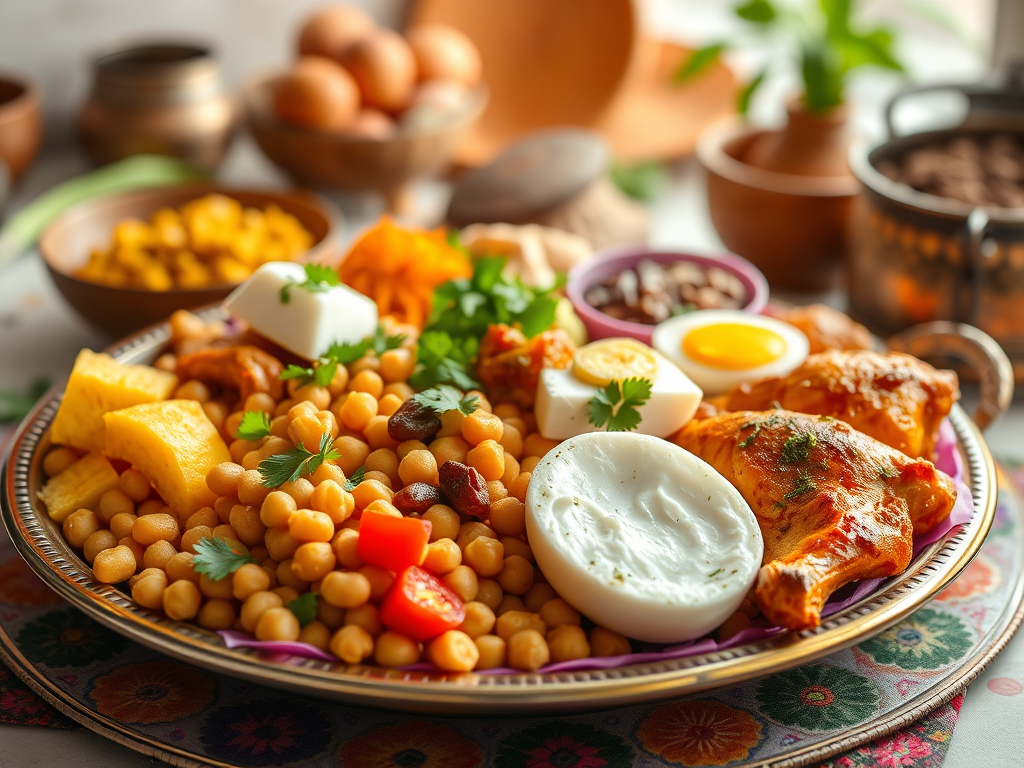
    You can build a powerful, protein-rich Indian diet—without falling for the noise. Whether you’re vegetarian or non-vegetarian, your heritage has plenty to offer. It has a lot to give when you actually understand what your body needs.

    The Foundation: Start With Protein Goals, Not Food Myths

    Before diving into what to eat, let’s set your baseline.

    • Goal: 1.2–2 grams of protein per kg of body weight (depending on activity level).
    • Example: For a 70 kg adult aiming to build or preserve muscle, target 90–120 grams/day.

    Now, let’s see how to build that the right way—with Indian foods that actually deliver.

    For Vegetarians: You Can Get There, But Not With Roti-Sabzi Alone:-

    Always prioritize consuming dairy products first for a rich source of protein, then shift your focus to grains. Remember, grains alone do not provide all the essential amino acids needed to be considered a complete protein source. Enhance your diet by balancing these elements effectively!

    • Paneer (100g): 18g protein
    • Tempeh (100g): 10g protein
    • Moong Dal (1 cup cooked): 14g protein
    • Chickpeas/Rajma (1 cup cooked): 10-12g protein
    • Greek Yogurt (300g): ~20g protein
    • Whey Protein Shake (1 scoop): 20–25g protein

    Sample Vegetarian Day Plan:

    • Breakfast: Greek yogurt + 1 scoop whey + handful of soaked almonds
    • Lunch: Paneer bhurji + 1 roti + mixed veg
    • Snack: Tempeh stir-fry
    • Dinner: Moong dal + curd + stir-fried veggies

    You don’t need to abandon culture—you need to choose strategically within it.

    For Non-Vegetarians: The Indian Diet Is a Protein Powerhouse—If Used Right

    Here’s where the real game changes. Indian cuisine includes plenty of protein-rich, affordable, accessible non-veg options—but influencers won’t highlight them because they don’t trend that much.

    • Eggs (1 large): 6g protein
    • Chicken breast (100g cooked): 20-25g protein
    • Fish (Rohu, Tilapia, etc. – 100g cooked): 20–25g protein
    • Liver (Goat/Chicken): High in protein + iron + B12
    • Prawns, mutton, organ meats: All excellent when not deep-fried

    Sample Non-Veg Day Plan:

    • Breakfast: 3 boiled eggs + Greek yogurt
    • Lunch: Grilled chicken breast + dal + salad
    • Snack: Omelets with 2 whole eggs + 2 whites
    • Dinner: Fish curry + sauteed veggies + 1 roti

    Combine that with even basic supplementation (like 1 scoop of whey), and you’re easily above 100g/day.

    Why This Works (And Influencers Diets Don’t)

    1. Real food > fancy fads: You’re not relying on overpriced “protein khakhras” or ₹3,000 PDF diet plans.
    2. Sustainable: These meals exist in your home, your neighborhood, your culture.
    3. Balanced nutrition: You’re not going extreme—no 0-carbs, no detox juice-only nonsense.
    4. Flexible: Whether veg or non-veg, there are options at every level.
    5. You’re not being emotionally manipulated. You’re following science, not sympathy reels.

    Final Takeaway: Culture Should Empower You, Not Limit You

    Stop blindly following individuals who lack genuine authenticity, promote empty trends, or fail to inspire meaningful change; seek out those who ignite passion, encourage critical thinking, and foster a community of growth.

    • Hide their supplements
    • Lie about their diet
    • Sell you overpriced “desi shred” courses & products.

    Real nutrition honors your roots while dynamically evolving to meet your unique needs. Indian cuisine can powerfully support your health goals. Whether you’re a passionate vegetarian or a devoted non-vegetarian, you must approach it strategically. Embrace a mindset free from nostalgia and emotion, focusing instead on logic, balance, and candid honesty for optimal results.

  • Understanding Anorexia Nervosa: Symptoms and Treatments

    Understanding Anorexia Nervosa: Symptoms and Treatments

    Eating disorders represent intricate mental health challenges that profoundly affect both physical health and overall quality of life. As a dedicated nutritionist, I am excited to launch a comprehensive blog series aimed at illuminating the multifaceted nature of various eating disorders, delving into their root causes, significant effects, and effective treatment options. Kicking off this series is an in-depth exploration of Anorexia Nervosa, a notably severe and well-documented eating disorder that poses life-threatening risks.

    What is Anorexia Nervosa?

    Anorexia Nervosa is a severe psychiatric disorder marked by extreme food restriction, an overwhelming fear of gaining weight, and a profoundly distorted body image. People affected by this disorder often perceive themselves as overweight, despite being dangerously underweight. This condition is not merely a choice or a fleeting phase; it is a critical, life-threatening illness that demands immediate medical intervention and compassionate care.

    How Anorexia Nervosa Affects the Body?

    Anorexia Nervosa can have devastating effects on multiple organ systems due to prolonged malnutrition. Some of the major consequences include:

    • Cardiovascular Issues: Low heart rate, irregular heartbeat, and even heart failure due to lack of essential nutrients.
    • Gastrointestinal Problems: Severe constipation, bloating, and slowed digestion.
    • Endocrine Disruptions: Women may experience amenorrhea (absence of menstruation), and both genders suffer from hormone imbalances.
    • Bone Health: Increased risk of osteoporosis due to calcium and vitamin D deficiencies.
    • Weakened Immune System: Greater susceptibility to infections and slower wound healing.
    • Mental Health Decline: Anxiety, depression, and even suicidal thoughts often accompany anorexia.

    Causes of Anorexia Nervosa

    The exact cause of anorexia is not fully understood, but research suggests a combination of biological, psychological, and environmental factors:

    • Genetics: Studies indicate a hereditary component, with a higher risk among those with a family history of eating disorders.
    • Psychological Factors: Perfectionism, low self-esteem, and obsessive-compulsive traits are common in individuals with anorexia.
    • Societal Pressure: The media’s portrayal of thinness as the ideal body type significantly influences body dissatisfaction, especially in teenagers.
    • Trauma & Stress: Childhood trauma, bullying, or stressful life events can trigger disordered eating behaviors.

    Symptoms of Anorexia Nervosa

    • Physical Symptoms:
      • Extreme weight loss
      • Fatigue and weakness
      • Dry skin, brittle nails, and hair thinning
      • Dizziness and fainting
      • Growth of fine hair (lanugo) on the body
    • Behavioral Symptoms:
      • Intense fear of gaining weight
      • Restricting food intake drastically
      • Obsessive calorie counting
      • Avoiding eating in social settings
      • Excessive exercising despite exhaustion
    • Psychological Symptoms:
      • Distorted body image
      • Anxiety and depression
      • Mood swings and irritability
      • Feeling of guilt after eating

    Who is at Risk?

    While anyone can develop anorexia Nervosa, certain populations are particularly at risk:

    • Adolescents and young adults, especially females (though males are also affected).
    • Athletes, dancers, models, and those in professions that emphasize body weight.
    • People with a family history of eating disorders or mental health conditions.
    •  Individuals with high levels of perfectionism and self-criticism.

    How Can Anorexia Nervosa Be Treated?

    Early diagnosis and timely intervention dramatically enhance recovery outcomes. Embracing a multidisciplinary approach is crucial, which encompasses:

    • Nutritional Rehabilitation:
      • Collaborating with a certified dietitian/nutritionist to revitalize and restore healthy eating patterns.
      • Implementing a strategic gradual caloric increase to safeguard against re-feeding syndrome.
    • Therapy & Counseling:
      • Cognitive Behavioral Therapy (CBT) stands out as the most effective treatment method for challenging negative thought patterns and fostering healthier mindsets.
      • Family-Based Therapy provides invaluable support for adolescents, empowering them through the active involvement of parents and strengthening family bonds.
    • Comprehensive Medical Supervision:
      • In critical cases, hospitalization may be essential to manage life-threatening complications effectively.
      • Hormonal therapy is often crucial to restore bone health and promote menstrual recovery.
    • Empowering Support Groups & Comprehensive Long-Term Care:
      • Eating disorder support groups create a nurturing environment for open recovery conversations and emotional healing.
      • Mindfulness practices and stress management strategies play a crucial role in sustaining progress and enhancing overall well-being.

    Research on Anorexia Nervosa

    • Studies from the National Eating Disorders Association (NEDA) highlight that genetics account for 50-80% of the risk factors.
    • Neuro-scientific research shows abnormal activity in brain regions related to hunger and body image perception.
    • The World Health Organization (WHO) has classified anorexia Nervosa as one of the leading causes of disability among young women.
    • A Harvard study found that early intervention within the first three years significantly increases recovery rates.

    Final Thoughts

    Anorexia Nervosa is more than just an eating issue; it’s a multifaceted disorder shaped by a mix of biological, psychological, and social influences. Recognizing the early warning signs, seeking professional intervention, and creating a nurturing supportive environment are crucial steps that can be lifesaving. If you or someone you care about is facing this challenge, taking the initiative to reach out for help is a vital first step toward healing and recovery.

    This article marks the beginning of my Eating Disorders Awareness Series, aimed at shedding light on these important issues. Stay tuned for the next installment, where I’ll delve into Bulimia Nervosa—another hidden struggle with food that deserves our attention.

    Do you have questions or personal stories to share? Let’s spark a conversation in the comments below!