Forget what social media told you—here’s how to build a truly protein-rich Indian diet, whether you’re veg or non-veg. Backed by real nutrition, not fake influencers hype.
If you’ve read Part 1, you already know the truth:
The so-called “high-protein Indian diet” that influencers romanticize is a myth. Most of them don’t practice what they preach. They’re banking on your emotion, pride, and cultural attachment to sell you half-truths.
But here’s the good news:
You can build a powerful, protein-rich Indian diet—without falling for the noise. Whether you’re vegetarian or non-vegetarian, your heritage has plenty to offer. It has a lot to give when you actually understand what your body needs.
The Foundation: Start With Protein Goals, Not Food Myths
Before diving into what to eat, let’s set your baseline.
Goal: 1.2–2 grams of protein per kg of body weight (depending on activity level).
Example: For a 70 kg adult aiming to build or preserve muscle, target 90–120 grams/day.
Now, let’s see how to build that the right way—with Indian foods that actually deliver.
For Vegetarians: You Can Get There, But Not With Roti-Sabzi Alone:-
Always prioritize consuming dairy products first for a rich source of protein, then shift your focus to grains. Remember, grains alone do not provide all the essential amino acids needed to be considered a complete protein source. Enhance your diet by balancing these elements effectively!
You don’t need to abandon culture—you need to choose strategically within it.
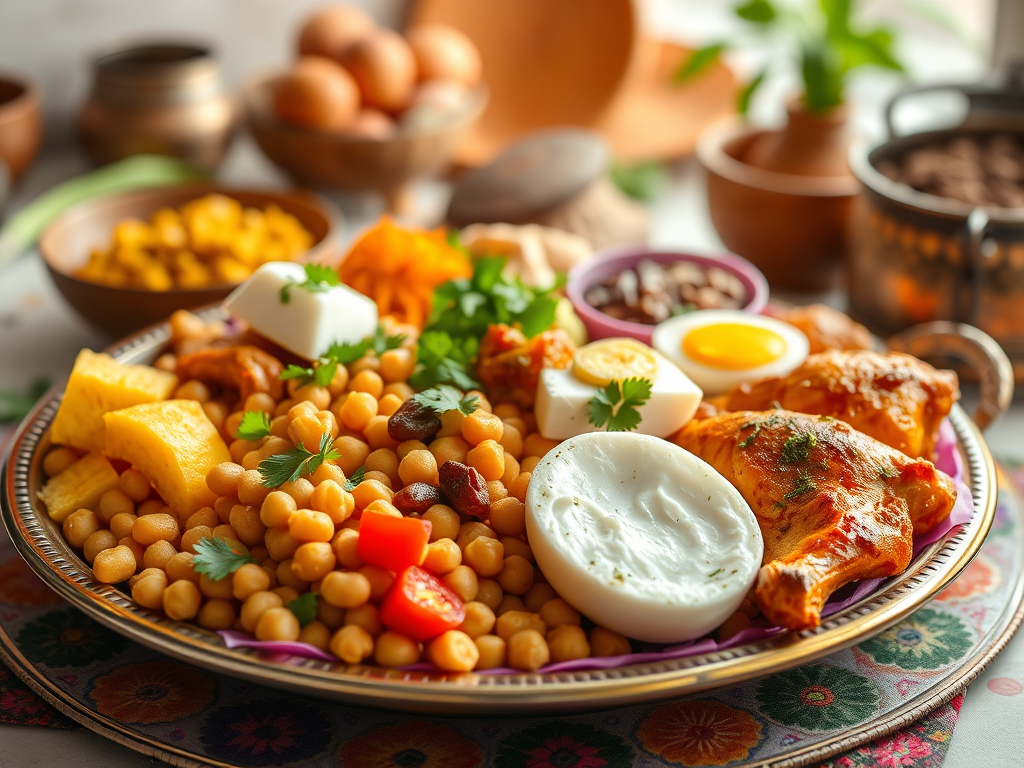
For Non-Vegetarians: The Indian Diet Is a Protein Powerhouse—If Used Right
Here’s where the real game changes. Indian cuisine includes plenty of protein-rich, affordable, accessible non-veg options—but influencers won’t highlight them because they don’t trend that much.
Eggs (1 large): 6g protein
Chicken breast (100g cooked): 20-25g protein
Fish (Rohu, Tilapia, etc. – 100g cooked): 20–25g protein
Liver (Goat/Chicken): High in protein + iron + B12
Prawns, mutton, organ meats: All excellent when not deep-fried
Sample Non-Veg Day Plan:
Breakfast: 3 boiled eggs + Greek yogurt
Lunch: Grilled chicken breast + dal + salad
Snack: Omelets with 2 whole eggs + 2 whites
Dinner: Fish curry + sauteed veggies + 1 roti
Combine that with even basic supplementation (like 1 scoop of whey), and you’re easily above 100g/day.
Why This Works (And Influencers Diets Don’t)
Real food > fancy fads: You’re not relying on overpriced “protein khakhras” or ₹3,000 PDF diet plans.
Sustainable: These meals exist in your home, your neighborhood, your culture.
Balanced nutrition: You’re not going extreme—no 0-carbs, no detox juice-only nonsense.
Flexible: Whether veg or non-veg, there are options at every level.
You’re not being emotionally manipulated. You’re following science, not sympathy reels.
Final Takeaway: Culture Should Empower You, Not Limit You
Stop blindly following individuals who lack genuine authenticity, promote empty trends, or fail to inspire meaningful change; seek out those who ignite passion, encourage critical thinking, and foster a community of growth.
Hide their supplements
Lie about their diet
Sell you overpriced “desi shred” courses & products.
Real nutrition honors your roots while dynamically evolving to meet your unique needs. Indian cuisine can powerfully support your health goals. Whether you’re a passionate vegetarian or a devoted non-vegetarian, you must approach it strategically. Embrace a mindset free from nostalgia and emotion, focusing instead on logic, balance, and candid honesty for optimal results.
Think Indian cuisine is a protein powerhouse? Think again. Here’s the shocking reality behind the social media frenzy and how influencers are peddling a fantasy for likes and profits. Discover the truth beneath the glamour of food posts. See how the narrative surrounding Indian food might not be as nutritious as it seems.
The Great Protein Myth: Why the “High-Protein Indian Diet” Is the Biggest Lie on Social Media
Let’s rip the bandage off right away:
The notion that a typical Indian diet is “high in protein” is misleading. It is one of the most significant, audacious, and dangerous myths circulating on social media today.
This is more than mere misinformation; it’s a deliberate manipulation, fueled by a rising tide of Instagram and YouTube “influencers” who exploit emotions, cultural identities, and even religious beliefs to peddle misleading narratives. They sell you a false sense of hope, all under the guise of wellness and health. It’s time to uncover the truth behind these claims and reclaim our understanding of nutrition!
The Harsh Truth: Indian Diets Are Not Protein-Rich
Let’s start with the data.
A typical Indian vegetarian diet— rotis, rice, dal, sabzi, curd—might feel comforting and wholesome, but in terms of protein, it’s shockingly insufficient for muscle building, fat loss, or even basic metabolic health.
Here’s why:–
Dal (lentils): Only ~6-9g of protein per 100g cooked.
Paneer: Decent source, but most people eat just 50-100g, which gives 10–20g protein max.
Milk & curd: Moderate protein, but not enough to carry your day.
Roti and rice? High in carbs, barely 2–3g protein per serving.
Nuts and seeds? Mostly fats with a little protein—not sustainable in the amounts you’d need.
Now compare that to your body’s actual needs
For a sedentary adult, protein needs start at 0.8g per kg of body weight.
For someone active, it can go up to 1.6–2g/kg.
For a 70 kg adult, that’s 84–140 grams of protein per day. Most Indian diets barely reach 40–60g—unless you’re being extremely mindful and deliberate.
So, Why Are Influencers Claiming Indian Food Is Protein-Rich?
Because outrage sells. Emotions sell. Religion sells. And they know exactly how to play the game. You’ve seen the reels:
“Indian food is all you need for gains.”
“Our ancestors didn’t need meat or whey.”
“Stop demonizing Indian food. It’s the healthiest on Earth.”
It sounds powerful. It sounds cultural. But it’s not nutritional. Behind the camera? Most of these influencers:
Use whey protein daily
Eat meat secretly
Supplement with eggs or even imported products
And some? On PEDs, steroids, and fat burners while pretending to stay “all natural and all Indian.”
Because pretending to be “100% desi” gets likes, brand deals, sympathy—and most importantly—money.
It’s All a Business, Not a Belief
Let’s not be naive. This is how it works:-
Tap into your emotions – Culture, nostalgia, pride.
Create controversy – “Why do people hate Indian food?”
Sell a dream – “Look, I got ripped eating only Indian meals!”
Monetize your trust – Courses, PDFs, consultations, and affiliate codes.
What Should You Do Instead?
Stop idolizing influencers. Reels aren’t research. Start asking real questions.
Track your food. Use apps like MyFitnessPal or Cronometer. See the protein gaps yourself.
Diversify your protein. Eggs, chicken, Greek yogurt, tempeh, whey protein, or even quality plant protein blends.
Respect your roots—but not blindly. Our lifestyles have changed. Your nutrition should, too.
Consult professionals, not trendsetters. The ones selling ₹3000 workout plans from their iPhone often don’t live the lifestyle they promote.
Final Thought
You are being misled—intentionally, persistently, and for profit. The so-called high-protein Indian diet is a facade. It’s time to break free from the illusion and embrace authenticity. Prioritize your health by grounding your choices in science rather than emotions. Get informed. Get empowered, and transform your wellness journey today!
Cheese, one of the oldest and most versatile dairy treasures, has long been a beloved staple in diets across the globe. From the bold, sharp tang of aged cheddar to the decadently creamy richness of decadent brie, cheese boasts an astonishing array of varieties, each offering its own distinct flavor, texture, and nutritional benefits. But how does cheese seamlessly integrate into a balanced diet? Which types are the healthiest champions for your well-being, and which should be approached with caution? Let’s dive into the delicious world of cheese and uncover the answers.
The Making of Cheese: What Sets Them Apart?
Cheese is a delightful culinary creation primarily made from milk—whether from cows, goats, sheep, or buffalo’s—combined with essential ingredients like salt, enzymes, and beneficial bacteria. The true charm of cheese lies in its incredible variety, which stems from the nuanced differences in:
Milk Source: The source of your milk dramatically influences the flavor profile and fat content. Choosing the right milk—whether it’s fresh, organic, or artisans—can elevate your dish to new heights!
Aging Process: Extended aging enhances and intensifies flavors, resulting in richer textures and more complex sensory experiences.
Enhanced Ingredients: Aromatic herbs, vibrant spices, aged molds, and delightful smoke can elevate your culinary creations, adding layers of complexity and flavor.
Texture and Moisture: Indulge in the delightful contrast of fresh cheeses, such as creamy ricotta with its luscious moisture, compared to the robust, dry texture of aged cheeses like savory Parmesan. Experience the incredible diversity in your cheese selection!
Highlights: Packed with calcium and protein, cheddar is an incredibly versatile cheese, offering a delightful spectrum of flavors from mild to sharp, depending on its aging process.
Consumption Tip: Enjoy 2–3 slices (40–50 g) per serving to savor its rich flavor without piling on excess calories.
Highlights: Boasting lower calories and less fat than many cheeses, mozzarella is the perfect choice for vibrant salads, delectable cooking, or delightful snacking.
Consumption Tip: Indulge in fresh mozzarella (30–40 g per serving) for a healthier option over processed string cheese, ensuring you savor both flavor and health benefits.
Brie and Camembert:
Ingredients: Creamy pasteurized milk, luscious cream, live cultures, and a sprinkle of salt.
Highlights: Decadent soft-ripened cheeses boasting a velvety interior and a delightful edible rind. High in fats yet bursting with rich, mouthwatering flavor.
Consumption Tip: Enjoy in moderation (50-70 g) per serving, keeping an eye on saturated fat content for a balanced diet.
Parmesan:
Ingredients: Fresh, creamy milk, high-quality salt, and natural rennet.
Highlights: Aged to perfection for months or years, Parmesan boasts an intense umami flavor and is an excellent source of calcium and phosphorus for your health.
Consumption Tip: Grate a touch (1-2 slices) over your favorite dishes to elevate flavors while keeping calories in check!
Feta:
Ingredients: Authentic sheep or goat milk, premium salt, natural enzymes.
Highlights: A delightfully tangy, crumbly cheese boasting lower fat content, essential in vibrant Mediterranean diets.
Consumption Tip: Elevate your dishes by using (50 – 75 g) in refreshing salads or mouthwatering wraps. Choose lower-sodium variations for a healthier twist!
Ricotta:
Ingredients: Whey, milk, salt, and occasionally a splash of vinegar or zesty lemon for that extra zing.
Highlights: Bursting with protein and calcium, ricotta is a luxuriously creamy cheese that’s wonderfully light in fat. Ideal for delectable desserts or savory inspirations.
Consumption Tip: Embrace the versatility! Use (100–160 g) as a delightful substitute for richer cheeses, enhancing your dishes without the extra heaviness.
Cheeses to Avoid in Your Diet
Processed Cheeses (e.g., American Cheese, Cheese Spreads):
Reasons to Avoid:
Frequently crafted from a blend of low-quality dairy, artificial emulsifiers, and a cocktail of preservatives and synthetic flavors.
Alarmingly high in sodium and unhealthy fats, while being devoid of essential nutrients.
Alternatives: opt for vibrant, natural cheeses such as sharp cheddar or creamy mozzarella for an irresistible flavor boost!
Flavored Cheeses:
Why You Should Think Twice:
Many flavored cheeses contain undesirable ingredients such as added sugars, artificial flavors, and unhealthy oils, which can significantly reduce their nutritional benefits.
Better Choices: Choose plain, high-quality cheeses and enhance their flavor naturally by incorporating your own fresh herbs or spices for a more wholesome experience.
High-Sodium Cheeses
Examples: Feta, Halloumi, and processed varieties—delicious but salty!
Why to Avoid: Excessive sodium can lead to high blood pressure and uncomfortable bloating.
Alternatives: opt for lower-sodium options or enjoy these treats in moderation to maintain your health!
How Much Cheese Should You Consume?
Cheese is incredibly nutrient-dense, making portion control essential for maintaining a balanced diet:
General Guideline: Aim for 35 to 150 grams of cheese each day! This range varies based on your caloric requirements, the type of cheese you choose, and your activity level. Enjoy cheese as a flavorful source of protein while tailoring your intake to support your wellness goals!
Pair rich, creamy cheese with nutritious whole-grain options, succulent chicken, or vibrant vegetables to elegantly balance its indulgence with a burst of fiber and essential vitamins for a delightful culinary experience.
Health Benefits of Cheese
When enjoyed in moderation, cheese not only enhances flavor but also provides a plethora of health benefits: rich in essential nutrients, it supports bone health, boosts immune function, and contributes to overall well-being.
Packed with Essential Calcium: Crucial for robust bone health, it actively prevents osteoporosis and strengthens your skeletal system.
Powerful Protein Boost: Essential for building and repairing tissues, especially muscles, fueling your body’s growth and recovery.
Rich in Probiotics: Certain cheeses, such as Gouda, are packed with beneficial live cultures that promote a healthy gut and enhance digestive wellness.
Essential Fat-Soluble Vitamins: Delight in the richness of aged cheeses, which are packed with vital vitamins A, D, E, and K, supporting your overall health and wellness!
Potential Risks of Over-consumption
Weight Gain: Linked to its rich calorie density and significant fat content, leading to increased body mass.
Digestive Distress: Individuals with lactose intolerance often suffer from uncomfortable symptoms such as bloating and abdominal pain, making it essential to identify and manage these digestive challenges effectively.
High Sodium Intake: Consuming excessive sodium, particularly from high-sodium cheeses, may significantly elevate blood pressure and increase the risk of heart disease. Prioritize low-sodium alternatives for better heart health!
Tips for Choosing the Best Cheese
Read Labels Carefully: Steer clear of cheeses laden with artificial additives and excessive sodium levels for a healthier choice. Choose natural options rich in flavor and nutrients instead!
Indulge in Aged Cheeses: Aged cheeses, rich in flavor and texture, are often lower in lactose, making them a deliciously digestible option for cheese lovers!
Pair Wisely: Strategically balance indulgent cheese with fiber-packed foods to enhance digestion and effortlessly reduce calorie intake.
Embrace Organic Bliss: Delight your taste buds with organic cheeses crafted from superior-quality milk and minimal additives, ensuring a healthier and more flavorful experience.
Conclusion
Cheese can be a delightful and nutritious addition to your diet when enjoyed in moderation. opt for natural varieties, while being mindful of your portion sizes. Elevate your meals by pairing cheese with a healthy, whole-foods-based diet. Steer clear of processed or overly salty cheeses, and keep in mind that not all cheeses are created equal—choose wisely to maximize the benefits and enhance your overall well-being without compromising your health.
Need help incorporating cheese into your diet without overdoing it? Let’s create a personalized nutrition plan that suits your taste and health goals.
In a world saturated with fitness influencers and self-proclaimed experts, the prevalence of misinformation surrounding supplements, especially whey protein, has reached alarming levels. Many individuals approach whey protein with skepticism, worrying that it’s “unnatural” or even harmful. This widespread uncertainty arises from a combination of inadequate education and deceptive marketing strategies within the health and fitness industry. As a passionate nutritionist, I strive to deliver a comprehensive, evidence-based understanding of whey protein—exploring its diverse types, numerous benefits, potential drawbacks, and essential guidelines for safe consumption.
What is Whey Protein?
Whey protein, a remarkable byproduct of cheese production, is derived from high-quality milk. Renowned for being one of the most exceptional protein sources, it boasts all nine essential amino acids that the body craves for optimal muscle growth, efficient recovery, and enhanced overall health.
Packed with leucine, a powerhouse amino acid essential for muscle protein synthesis, whey protein stands as a cornerstone for athletes, bodybuilders, and fitness aficionados. Its advantages reach well beyond mere muscle growth—it’s a vital ally in weight management, bolstering immunity, and enhancing overall wellness. Experience the transformative benefits of whey protein as you elevate your fitness journey!
Types of Whey Protein
Whey Protein Concentrate (WPC):
Protein Content: 70–80% of high-quality protein.
Advantages:
Nutrient-Rich: Contains essential fats and carbs, providing you with crucial energy benefits.
Health Boost: Preserves key nutrients like immunoglobulins and lactoferrin, supporting your immune system.
Cost-Effective: A more affordable option compared to other whey protein types, perfect for budget-conscious consumers.
Disadvantages:
Lactose Warning: Contains lactose, which may lead to digestive issues for those who are lactose intolerant.
Lower Protein Concentration: Offers slightly lower protein content compared to isolate or hydrolysate variants.
Best For: Beginners or casual fitness enthusiasts who seek a budget-friendly protein option without stringent dietary limitations.
Whey Protein Isolate (WPI):
Protein Content: 90–95% – A powerhouse of protein!
Advantages:
Ultra-Low in Lactose, Fats, and carbs: Perfect for low-carbs or ketogenic diets.
Rapid Absorption: High protein purity promotes swift recovery and muscle repair post-workout.
Disadvantages: Higher Price Point than whey concentrate, but worth every penny!
Best For:Athletes, individuals with lactose intolerance, and anyone committed to a strict low-carbs or low-fat diet.
Whey Protein Hydrolysate (WPH)
Protein Content: 80–90% – A power-packed choice for protein enthusiasts!
Advantages:
Predigested formula ensures ultra-fast absorption, making it the quickest option available.
Gentle on your digestive system, great for those with sensitive tummies.
Disadvantages:
Considered the most expensive protein choice on the market.
Often less palatable, with a tendency towards a bittersweet taste.
Best For: Perfect for individuals with sensitive digestion, those recovering from surgery, or athletes in need of rapid recovery after intense workouts.
Unlocking the Power of Whey Protein: Proven Health Benefits
Muscle Growth and Recovery: Research demonstrates that whey protein is exceptionally powerful for maximizing muscle protein synthesis—the vital process by which muscles repair and grow following intense exercise. A groundbreaking 2019 study published in the Journal of the International Society of Sports Nutrition revealed that consuming whey protein after workouts significantly enhances muscle recovery and fosters lean muscle mass development. Emphasizing the importance of timing and quality, this nutrient stands out as a game-changer for fitness enthusiasts aiming for optimal results.
Effective Weight Management: Whey protein is a powerful ally in the quest for weight loss, enhancing feelings of fullness and protecting lean muscle mass during calorie deficits. Research published in The American Journal of Clinical Nutrition demonstrates that individuals who incorporated whey protein into their diet achieved significantly greater fat loss and muscle preservation.
Enhanced Immune Function: Whey protein is packed with powerful immunoglobulins and lactoferrin, vital components that significantly elevate the immune system’s response. Research published in the Journal of Dairy Science highlights that whey protein supplementation can remarkably enhance the body’s defense mechanisms, particularly benefiting those with compromised immune systems. Boosting your immunity with whey protein is a smart strategy for maintaining optimal health and resilience.
Blood Sugar Regulation: Whey protein is a powerful ally in stabilizing blood sugar levels by effectively slowing down the absorption of glucose. A groundbreaking study published in Nutrients in 2018 revealed that incorporating whey protein into your pre-meal routine significantly reduces postprandial blood sugar spikes, especially among individuals battling Type 2 diabetes.
Enhanced Athletic Performance: A groundbreaking study published in the International Journal of Sport Nutrition and Exercise Metabolism revealed that whey protein supplementation dramatically enhances performance in both resistance and endurance training, significantly outpacing results observed in placebo groups.
When and Why Should You Consume Whey Protein?
Whey protein is not exclusively for bodybuilders or elite athletes; it offers remarkable benefits for a wide range of individuals, catering to diverse health and fitness goals.
Post-Workout Recovery: Whey protein, especially in its isolate or hydrolysate forms, is the ultimate choice for post-exercise nourishment. With its rapid absorption, it provides crucial essential amino acids directly to your muscles, significantly enhancing recovery speed and minimizing soreness. Fuel your body effectively after every workout!
Boosting Dietary Protein Intake: For those leading a hectic lifestyle or facing dietary restrictions, whey protein serves as a fantastic solution to effortlessly fulfill daily protein requirements without the hassle of cooking elaborate meals. However, it’s crucial to remember that whey protein is not a meal replacement; instead, it should be utilized as a valuable resource to support and effectively meet the body’s protein demands.
Transform Your Weight Loss Journey with Whey Protein: Substitute those high-calorie snacks with a delicious whey protein shake to effectively curb hunger, boost satiety, and take control of your calorie intake. Experience the difference today!
Medical Recovery: Individuals on the path to recovery—from surgeries, illnesses, or injuries—experience significant benefits from the highly digestible and nutrient-rich whey protein. This protein source not only enhances recovery but also supports overall health and vitality during the healing process.
How Much Whey Protein Do You Need?
Protein requirements can significantly differ based on various factors such as age, gender, activity level, and individual health goals. As a fundamental guideline:
Sedentary individuals: 0.8–1.0 g/kg of body weight.
Active individuals or athletes: 1.2–2.0 g/kg of body weight.
During weight loss or muscle gain phases: Up to 2.2 g/kg of body weight.
For example, a 70 kg individual striving for muscle growth may require 105–140 g of protein daily. While whey protein can effectively supplement your diet, it’s crucial to prioritize whole foods such as eggs, fish, chicken, lean meats, full-fat dairy (if lactose intolerant), and cheese as your primary sources of protein.
What to Look for When Buying Whey Protein
Protein Content: Ensure to inspect the label for a minimum of 20–25 g of protein per serving. For optimal results, consider opting for isolated whey protein – it’s highly effective for muscle recovery and overall performance!
Essential Ingredients: Embrace products that are free from artificial sugars, fillers, and questionable additives, ensuring a healthier choice for you and your loved ones. Opt for natural, wholesome ingredients that nourish your body and promote overall wellness.
Third-Party Testing: Seek out reputable certifications such as NSF Certified for Sport or Informed Choice to ensure the integrity and quality of your products. These certifications provide assurance that the items have undergone rigorous testing for safety and efficacy, giving you peace of mind in your purchasing decisions.
Digestibility: For those who are lactose-intolerant, choosing isolate or hydrolysate protein is crucial. These options are specifically designed for optimal absorption, ensuring you get the nutrients you need without discomfort.
Myths About Whey Protein: Debunked
Whey Protein and Kidney/Liver Health: Contrary to common misconceptions, there is no scientific evidence that whey protein damages healthy kidneys or liver. For individuals with pre-existing conditions, it is crucial to consult a healthcare provider prior to incorporating whey protein into your regimen to ensure safety and well-being.
Whey Protein: Misconception as a Steroid: Contrary to common myths, whey protein is not a performance-enhancing drug but a powerful dietary supplement. Derived naturally from high-quality milk, it is essential for muscle recovery and growth, making it a favorite among fitness enthusiasts and athletes.
Whey Protein and Fat Gain: Separating Fact from Fiction: Weight gain is predominantly influenced by total calorie intake rather than whey protein alone. When consumed in moderation and within your daily calorie limits, whey protein can actually accelerate fat loss and promote lean muscle development. Embrace whey protein as a tool for achieving your fitness goals, rather than fearing it as a contributor to weight gain.
Final Thoughts:
Whey protein is an effective and scientifically supported supplement for improving health, fitness, and overall well-being. However, it’s not a substitute for a balanced diet. Whole foods should always form the foundation of your nutrition, and supplements like whey protein should fill in the gaps.
For tailored advice, consult a qualified nutritionist or dietitian to identify the best whey protein type, quantity, and timing for your unique needs. With the right knowledge, whey protein can be a game-changer for your health and fitness journey.
Have questions about whey protein or other supplements? Let’s connect—I’m here to help you navigate the world of nutrition with evidence-based insights.




 Simplify Your Wellness Journey