Tag: pcos

  • The Hidden Cost of Modern Living: How Our Lifestyle Choices Are Destroying Fertility

    The Hidden Cost of Modern Living: How Our Lifestyle Choices Are Destroying Fertility

    In today’s fast-paced world, we tirelessly chase success, push our limits, and indulge in convenience. Yet, in this relentless pursuit, we risk losing something profoundly vital—our ability to conceive and nurture life. The rising rates of miscarriages and alarmingly low sperm counts should make us pause and reflect: What is driving this crisis?

    It’s convenient to attribute these issues to genetics or mere bad luck, but the reality is far more complex. Our modern lifestyle—including our dietary choices, daily habits, persistent stress, and even the air pollution we contend with—is subtly undermining our reproductive health.

    As a nutritionist, I have witnessed this phenomenon firsthand. I encounter women in their late 20s and early 30s—seemingly vibrant and healthy—grappling with miscarriages. Meanwhile, men experience troubling declines in sperm quality, despite being at their peak. As we delve deeper, the culprits become clear: a poor diet, chronic stress, insufficient physical activity, and harmful environmental toxins.

    The scientific evidence is compelling. A 2022 study published in Human Reproduction Update reveals that global sperm counts have plummeted by over 50% in the past four decades. Additionally, the American Journal of Obstetrics & Gynecology highlights that lifestyle-related stress raises the risk of miscarriage by a staggering 42%. These numbers aren’t just statistics—they signify real lives, profound grief, and heartfelt struggles.

    So, what exactly is happening?

    • The Modern Diet (From Nourishment to Poison): Food has transformed from essential fuel to a source of slow destruction. Ultra-processed foods, sugar-laden snacks, trans fats, and pesticide-drenched produce have infiltrated our everyday meals. Instead of nourishing our bodies, these items wreak havoc on our hormones and jeopardize reproductive health.
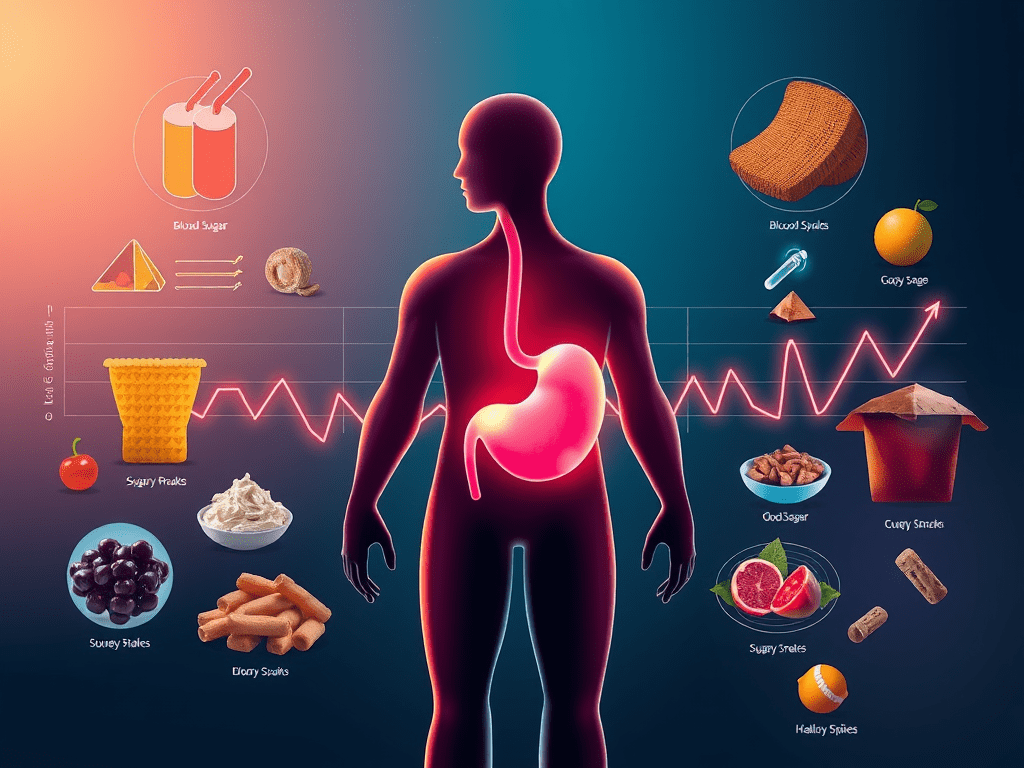
      • Consider high sugar intake. It sends insulin levels skyrocketing. This leads to Polycystic Ovary Syndrome (PCOS) in women. It also negatively impacts sperm quality in men. Groundbreaking studies from Harvard T.H. Chan School of Public Health substantiate this alarming connection.
      • I once collaborated with a 34-year-old woman who had endured two heartbreaking miscarriages. Her diet was deemed “normal” by many. It was filled with cereals, bread, fast food, and sugary coffee beverages. However, it was transformed when we shifted her to a nutrient-rich, whole-food approach. Her new diet was loaded with omega-3s, antioxidants, and high-quality proteins. Miraculously, her hormones stabilized, and just six months later, she conceived naturally and carried to full term.
      • For men, the dangers of pesticides and chemicals in food are equally concerning. A pivotal 2018 study published in JAMA Network Open revealed significant findings. Men consuming high-pesticide foods experienced a 49% reduction in sperm counts. This is compared to those opting for organic choices.
    • What Can We Do?
      • Embrace whole, unprocessed foods—revitalize your diet with vibrant fruits, fresh vegetables, and quality proteins.
      • Eliminate excessive sugar and trans fats—they unleash chaos on hormonal balance.
      • opt for organic whenever possible—consciously reducing pesticide exposure for a healthier future.
    • Stress (The Silent Killer of Fertility): In our fast-paced world, stress is often celebrated as a sign of dedication. The long hours, relentless corporate pressure, and overwhelming social expectations create an exhausting race where the finish line remains elusive. The harsh reality? Chronic stress floods the body with cortisol, wreaking havoc on reproductive hormones. For women, this can lead to disrupted ovulation and a heightened risk of miscarriage. For men, elevated stress levels diminish testosterone and impair sperm motility, undermining fertility potential.
      • Take the story of a friend, a driven 32-year-old finance professional who dedicated years to ascending the corporate ladder. Countless late nights, high-stakes meetings, and the nagging stress of “what’s next?” overshadowed her personal aspirations. When she finally chose to embark on the journey to motherhood, she faced the terrifying reality of infertility. After a year filled with heartache from repeated failed attempts, she courageously re-assessed her lifestyle. By reducing work stress, prioritizing her health, and embracing mindfulness practices, she transformed her life. Within mere months, she joyfully conceived naturally, demonstrating the powerful link between stress management and fertility.
    • What Can We Do?
      • Set boundaries at work—your health is more valuable than a paycheck.
      • Engage in stress-reducing activities—yoga, meditation, walks in nature.
      • Prioritize sleep—a rested body is a fertile body.
    • The Sedentary Lifestyle (Moving Less, Reproducing Less): Our ancestors thrived by walking miles each day, embracing an active existence. Today, we often find ourselves sitting for hours—whether at desks, in cars, or on couches. It’s important to understand that exercise is not merely about weight loss; it plays a vital role in reproductive health. Movement enhances blood circulation, regulates hormones, and diminishes inflammation, all of which are essential to fertility. A groundbreaking study from the British Journal of Sports Medicine revealed that men who engaged in regular exercise boasted 33% higher sperm counts compared to their sedentary counterparts. Moreover, women partaking in moderate physical activity experience better ovulation cycles and significantly higher pregnancy success rates.
      • What Can We Do?
        • Move daily—even a simple 30-minute walk can spark positive changes.
        • Incorporate strength training—this builds muscle and balances hormones.
        • Combat prolonged sitting—take frequent breaks, stretch, and stay actively engaged.
    • Environmental Toxins (The Invisible Enemy): We are constantly bombarded by hazardous chemicals that sabotage our hormones and fertility—lurking in everyday plastic containers, personal care products, polluted air, and even our tap water.
      • Endocrine-disrupting chemicals (EDCs), prevalent in plastics and cosmetics, mimic estrogen and wreak havoc on our hormonal balance.
      • Air pollution has been alarmingly linked to declining sperm counts and increased miscarriage rates, threatening reproductive health.
      • Microplastics have made their way into human placentas, igniting concerns over their potentially devastating effects on fetal development.
    • What Can We Do?
      • Ditch plastic containers, especially for heating food.
      • Choose natural personal care products, free of parabens and phthalates.
      • Invest in an air purifier, especially in polluted cities.
    • The Pressure to Succeed: When Career Ambitions Come at a Cost: Society relentlessly urges us to work harder, push further, and climb higher. But at what cost to our well-being? Many couples today postpone family planning to chase career aspirations, only to face heart-wrenching fertility challenges down the line. While ambition fuels our success, we must recognize that fertility operates on a biological timeline that waits for no one.
      • What Can We Do?
        • Re-evaluate Your Priorities — Career success means little if it jeopardizes your health and happiness.
        • Plan Ahead — Gain a deeper understanding of your body’s fertility window to make informed choices.
        • Make Health a Non-negotiable Priority — Elevate your health to the forefront of your journey, rather than treating it as an afterthought.

    Final Thoughts: It’s Time to Take Back Control

    Miscarriages and declining sperm counts are not mere coincidences—they are clear indicators of the repercussions of our modern lifestyle. The empowering truth? We hold the keys to change.

    By embracing simple yet transformative choices, we can rejuvenate our fertility. These choices include consuming whole, nutritious foods, effectively managing stress, and staying physically active. Additionally, minimizing exposure to harmful toxins and re-evaluating our work-life balance are important steps. These actions safeguard the well-being of future generations.

    Fertility transcends the mere act of having children; it encompasses health, vitality, and the capacity to truly thrive. If we begin to regard it as such, we won’t just bring new life into the world. We will enhance our own quality of life in the process.

    Your health is invaluable. Your choices carry weight. The moment to take action is now.

  • Amenorrhea: How Diet and Lifestyle Affect Menstrual Health

    Amenorrhea: How Diet and Lifestyle Affect Menstrual Health

    Amenorrhea, a term that may be unfamiliar to many, represents a critical health issue that profoundly impacts women’s reproductive health. This condition is not merely characterized by the absence of a menstrual cycle; it often serves as a warning sign of deeper health complications, especially those tied to nutrition and lifestyle habits. As a dedicated nutritionist, I strive to illuminate the complexities of amenorrhea, exploring its myriad causes and emphasizing the necessity of a comprehensive, informed approach to weight loss for optimal well-being.
    Amenorrhea, signifying the absence of menstruation, can drastically influence a woman’s overall health. What may initially appear to be a minor inconvenience is often a red flag for serious underlying health concerns, particularly those associated with dietary choices and lifestyle factors. This article embarks on a thorough exploration of amenorrhea, examining its causes, symptoms, and the crucial importance of adopting a well-rounded approach to weight loss.

    What is Amenorrhea?

    Amenorrhea is defined as the absence of menstrual periods and is classified into two distinct types:

    • Primary Amenorrhea: This condition manifests when a girl has not experienced her first menstruation by the age of 15 or 16, raising concerns about puberty progression and reproductive health.
    • Secondary Amenorrhea: This condition arises when a woman who previously experienced regular menstrual cycles misses her periods for three or more consecutive months. It can be a significant indicator of underlying health issues, requiring attention and often leading to further assessments to uncover potential causes such as hormonal imbalances, stress, or significant weight changes.

    While certain instances of amenorrhea are perfectly natural—such as during pregnancy, breastfeeding, or menopause—other cases may signal underlying health concerns that warrant immediate attention.

    Symptoms of Amenorrhea

    The primary symptom is the absence of a menstrual cycle. However, women may experience additional symptoms depending on the underlying cause, such as:

    • Vaginal dryness
    • Mood disorders
    • Frequently feeling cold
    • Hair loss or thinning
    • Weight changes
    • Acne or unusual hair growth (hirsutism)
    • Headaches or vision changes
    • Pelvic pain
    • Fatigue and decreased energy levels

    Several factors can contribute to the development of amenorrhea:

    • Hormonal Imbalances: Conditions like Polycystic Ovary Syndrome (PCOS) and thyroid disorders significantly disrupt the delicate hormonal balance essential for maintaining regular menstruation. Understanding these conditions is crucial for effective management and restoring menstrual health.
    • Stress: Chronic stress affects the hypothalamus the brain region responsible for regulating menstrual cycles leading to disruptions.
    • Low Body Weight or Eating Disorders: Significant weight loss, anorexia, or bulimia can halt menstrual periods due to insufficient energy availability.
    • Excessive Exercise: Intense physical activity without adequate caloric intake can lead to energy deficits, causing menstrual irregularities.
    • Nutritional Deficiencies: Lack of essential nutrients can impair hormone production and menstrual function.

    The Impact of Crash Diets and Severe Calorie Restriction

    In the pursuit of swift weight loss, countless individuals turn to crash diets or extreme calorie cuts. Although these approaches may deliver immediate results on the scale, they often come at a significant cost to menstrual health:

    • Energy Deficiency: The human body necessitates a specific amount of energy to sustain essential physiological functions, including reproduction. Severe calorie restriction can push the body into a state of energy deficiency, leading it to conserve energy by suppressing reproductive functions. This can culminate in the occurrence of amenorrhea, a significant disruption in the menstrual cycle that signals deeper health concerns.
    • Hormonal Disruption: Adequate fat intake is crucial for the production of estrogen, a vital hormone in regulating the menstrual cycle. Low-calorie diets often lack sufficient healthy fats, which can lead to decreased estrogen levels and menstrual irregularities. Prioritizing the right fats is essential for maintaining hormonal balance and overall reproductive health.
    • Stress Response Activation: A drastic calorie reduction can trigger the body’s stress response, leading to a surge in cortisol levels. Elevated cortisol can significantly disrupt the hypothalamic-pituitary-ovarian axis, resulting in irregular menstrual cycles.

    These factors combined can lead to amenorrhea, impacting not just menstrual health but also long-term fertility and bone health. Research indicates that women who engage in restrictive diets and excessive exercise are at a higher risk of developing amenorrhea.

    A Long-Term Health Consequences of Amenorrhea

    While missing a period might seem benign, prolonged amenorrhea can lead to significant health issues:

    • Bone Density Loss: Estrogen is crucial for maintaining strong bones. When estrogen levels drop significantly due to amenorrhea, it can result in a notable decline in bone density, which significantly elevates the risk of osteoporosis and fractures. Prioritizing hormone health is essential to safeguard your skeletal integrity.
    • Infertility: The absence of regular ovulation significantly hampers conception, resulting in potential fertility challenges that can impact one’s journey to parenthood.
    • Cardiovascular Health Risks: Hormonal imbalances linked to amenorrhea can significantly threaten your heart health over time, leading to increased vulnerability to serious cardiovascular diseases. It’s crucial to address these hormonal issues to safeguard your circulatory system and maintain overall wellness.
    • Psychological Effects: The stress and anxiety stemming from missed periods can profoundly impact mental well-being, leading to heightened emotional distress and challenges in daily life.

    A study published in the Journal of Clinical Endocrinology & Metabolism emphasizes the importance of addressing amenorrhea promptly to mitigate these risks.

    Adopting a Balanced Approach to Weight Loss

    Achieving and maintaining a healthy weight is a commendable goal, but it’s essential to approach weight loss sustainably to prevent adverse health effects like amenorrhea. Here are strategies to consider:

    • Ensure Sufficient Caloric Intake: Steer clear of drastic calorie cuts! Instead, aim for a moderate calorie deficit that promotes steady weight loss while delivering ample energy for optimal bodily functions. Prioritize nourishing your body with nutrient-dense foods to support your health journey!
    • Maintain Nutritional Balance: Embrace a vibrant, balanced diet packed with nutritious whole foods! Prioritize lean proteins, healthy fats, and complex carbohydrates. This essential balance not only fuels your body but also enhances your overall health and hormonal harmony.
    • Monitor Exercise Intensity: While regular physical activity is undeniably beneficial, it’s vital to balance your workouts with adequate rest and proper nutrition. Over-exercising without sufficient fueling can lead to energy deficits and may contribute to menstrual irregularities. Ensure you listen to your body and prioritize recovery to maintain a healthy balance!
    • Seek Expert Guidance: Connect with healthcare professionals such as registered dietitians, nutritionist and physicians to craft a tailored nutrition and exercise strategy that not only aligns with your health goals but also effectively prevents potential complications like amenorrhea. Embrace the journey to optimal health with a specialized plan designed just for you!

    A groundbreaking review published in the Journal of Clinical Medicine underscores the crucial role of enhanced caloric intake in effectively restoring menstrual function in women suffering from amenorrhea caused by energy deficits.

    Final Thoughts and Key Takeaways

    Amenorrhea is a preventable condition, and women can embrace their health by prioritizing proper nutrition and informed weight-loss strategies. While crash diets and extreme calorie restrictions may promise rapid results, they often jeopardize long-term health. Instead, aim to focus on a balanced diet. Pay attention to your body’s signals. Consult with professionals to achieve your fitness goals and sustain holistic well-being. Women can reach their health and fitness aspirations by understanding the causes and consequences of amenorrhea. They can make informed lifestyle adjustments.

    Remember, your health is an investment, not an expense. Treat your body with the care it rightfully deserves!

  • Understanding Insulin Spikes: Causes and Management

    Understanding Insulin Spikes: Causes and Management

    Insulin is an essential hormone. It plays a pivotal role in controlling blood sugar levels. Insulin acts as a key regulator of glucose utilization for energy. However, frequent insulin spikes can trigger serious health issues. These issues include insulin resistance. They also pose a heightened risk of developing type 2 diabetes. But what exactly causes these spikes, and how can you effectively manage them? Let’s explore the fascinating science behind insulin and discover practical strategies to maintain optimal insulin levels for better health.

    What Is Insulin and Why Does It Spike?

    Insulin is a vital hormone secreted by the pancreas. It plays a crucial role in transporting glucose from your bloodstream into cells. Glucose is used for energy or storage. An insulin spike happens when insulin levels surge suddenly. It occurs dramatically, often triggered by a rapid increase in blood glucose levels. Understanding this process is essential for managing energy levels and overall health.

    Causes Of Insulin Spike

    • High-Glycemic Foods: Strikingly, foods such as sugary drinks, white bread, pastries, and processed snacks can cause a rapid spike in blood sugar levels. This spike leads to energy crashes and cravings. Beware of these culprits that can disrupt your health and well-being!
    • Overeating Carbohydrates: Indulging in excessive carbs intake can be harmful. Particularly from refined sources, it can significantly surpass the body’s glucose tolerance. This can lead to unwanted health consequences.
    • Skipping Meals: Prolonged periods without nourishment can trigger excessive hunger, often leading to overeating during later meals. This behavior not only results in increased calorie intake but also provokes a more significant insulin response, which can disrupt your body’s natural metabolic balance. Prioritizing regular, balanced meals can help maintain steady energy levels and foster overall health.
    • Stress: Chronic stress acts as a catalyst for cortisol release, disrupting glucose metabolism and leading to significant insulin fluctuations. Managing stress effectively is crucial for maintaining stable blood sugar levels and overall health.
    • Insufficient Physical Activity: A sedentary lifestyle significantly diminishes insulin sensitivity. This results in the body needing to produce more insulin. This is necessary to effectively process glucose. Embracing regular exercise is crucial for maintaining optimal metabolic health and preventing insulin resistance.

    The Impact of Frequent Insulin Spikes

    • Insulin Resistance: Cells become increasingly resistant to insulin. This leads to persistently elevated blood sugar levels. This condition is a critical factor in the development of Type 2 Diabetes and related metabolic disorders.
    • Weight Gain: High levels of insulin significantly accelerate fat accumulation, particularly in the abdominal area. This hormonal imbalance can lead to increased waist circumference, contributing to a higher risk of metabolic diseases.
    • Hormonal Imbalances: Elevated insulin levels can significantly disrupt the delicate balance of other hormones. This disruption can lead to serious conditions such as Polycystic Ovary Syndrome (PCOS).
    • Elevated Risk of Chronic Diseases: This includes serious conditions like type 2 diabetes, cardiovascular disease, and metabolic syndrome. These conditions can significantly impact overall health. They also affect quality of life.

    Mastering Insulin Control: Effective Strategies to Prevent Spikes

    • Focus on Low-Glycemic Foods for Optimal Health: Embrace foods that maintain stable blood sugar levels, such as:
      • Nutrient-Rich Non-Starchy Vegetables: These colorful veggies are overflowing with essential vitamins and minerals. They are incredibly low in calories. Yet, they are high in fiber. This makes them a vital part of a nutritious diet. Incorporate powerhouse favorites like spinach, kale, broccoli, and bell peppers to supercharge your health and invigorate your meals!
      • Wholesome Healthy Fats: Include nutrient-dense options. Choose ghee, butter, avocado, and a variety of nuts. These foods support heart health and keep you satiated.
      • Protein Powerhouses: Fuel your body with high-quality sources. Eat eggs, fish, chicken, lamb, and paneer. These foods promote muscle health and overall well-being.
    • Master Portion Control: Oversize meals can trigger a significant insulin response, especially when loaded with carbs. Choose nutrient-dense, high-protein meals, and practice mindful eating to effectively prevent overeating.
    • Stay Active: Energize your life with regular exercise! Embrace activities like:
      • Aerobic Adventures: Dive into walking, cycling, or swimming to supercharge your insulin sensitivity and elevate your mood.
      • Power Up with Resistance Training: Build lean muscle to enhance glucose storage and boost your overall vitality!
    • Master Your Stress Levels: Embrace powerful stress-relief techniques such as yoga, meditation, and breathing exercises. These transformative practices not only reduce cortisol levels, but also significantly stabilize blood sugar levels, enhancing your overall well-being and vitality.
    • Ditch Sugary Beverages for Vibrant Hydration: Say goodbye to sugary sodas and energy drinks! Choose refreshing water, or opt for soothing herbal teas. Try zesty sparkling water infused with lemon to invigorate your body and boost your wellness.
    • Track Your Blood Sugar Levels: Regularly monitoring your blood glucose is crucial for those at risk of diabetes. This practice helps you identify food patterns that may cause insulin spikes. It enables you to make informed dietary choices for better health.

    Conclusion:-

    Insulin spikes are a natural aspect of metabolism, yet effectively managing them is crucial for sustaining long-term health. Make conscious dietary choices to nourish your body. Stay active through regular exercise and prioritize stress management techniques. By maintaining stable insulin levels, you can significantly reduce the risk of chronic diseases. Even small adjustments in your daily habits can lead to remarkable improvements in your overall well-being. Embrace these changes to enhance your quality of life!

    Call to Action:-

    If you found this information valuable, don’t hesitate to share it with someone who could benefit from improved insulin management! For personalized insights on regulating your blood sugar levels, consider scheduling a consultation with me.

    In my next blog post, I will explore essential dietary changes. These changes can help you prevent insulin spikes. They also can help maintain a healthier lifestyle. Stay tuned for expert tips and strategies to achieve optimal blood sugar control!

  • Understanding PCOS: Symptoms and Management Tips

    Understanding PCOS: Symptoms and Management Tips

    Polycystic Ovary Syndrome (PCOS) is an increasingly prevalent hormonal disorder impacting women of reproductive age, with World Health Organization (WHO) statistics revealing that 8-13% of women are affected by this complex condition, while up to 70% remain undiagnosed. PCOS can disrupt the body’s natural hormonal balance, leading to irregular menstrual cycles, significant weight gain, unwanted facial hair, and male pattern baldness, all of which may pose challenges to fertility. This blog will explore the defining characteristics of PCOS, emphasizing its key symptoms and exploring underlying causes such as genetics and lifestyle factors. Additionally, we will provide actionable insights on managing PCOS naturally through dietary changes, regular exercise, and holistic approaches. Join us on this empowering journey as we equip you with knowledge and practical strategies to thrive while living with PCOS.

    What is PCOS?

    PCOS, or Polycystic Ovary Syndrome, is a prevalent hormonal disorder characterized by a woman’s body producing elevated levels of androgen, including male hormones like testosterone. This disruption leads to an imbalance in essential female hormones, such as estrogen and progesterone. The result? The ovaries may develop small, fluid-filled sacs, popularly referred to as cysts, which can significantly hinder regular ovulation and contribute to challenges in fertility and menstrual irregularities. Understanding PCOS is crucial for effective management and improving health outcomes.

    Key Symptoms of PCOS

    • Irregular Menstrual Cycles: Experience longer-than-normal gaps between periods or even missed periods? Recognize the importance of tracking your cycle for potential underlying health issues. Key factors to consider include stress levels, hormonal imbalances, and lifestyle changes that could be influencing your menstrual health. Seeking professional advice can provide clarity and support on this critical aspect of women’s health.
    • Excessive Androgen Levels: Acne, unwanted facial or body hair (hirsutism), and thinning scalp hair.
    • Difficulty with Fertility: Trouble conceiving due to irregular ovulation.
    • Weight Gain or Difficulty Losing Weight: Especially around the abdomen.
    • Insulin Resistance: Leading to increased risk of diabetes and other metabolic issues.

    What Causes PCOS?

    While the exact cause of Polycystic Ovary Syndrome (PCOS) remains elusive, several key factors contribute to its development:

    1. Lifestyle Choices: Poor nutrition, sedentary behavior, and high-stress levels can significantly exacerbate PCOS symptoms.
    2. Genetic Predisposition: PCOS often has familial ties, suggesting a genetic link. If PCOS is found in your family, awareness and early intervention can be beneficial.
    3. Insulin Resistance: A significant number of women affected by PCOS struggle with insulin resistance. This condition may lead to elevated androgen production, further complicating symptoms. Understanding and addressing insulin sensitivity is vital for effective management.

    Can You Prevent or Manage PCOS?

    PCOS may not be entirely preventable, but with proactive health management and significant lifestyle adjustments, individuals can effectively reduce its symptoms and complications, leading to a healthier and more empowered life.

    Effective Ways to Manage PCOS Naturally

    1. Focus on a Balanced Nutrition:

    Your nutrition plays a major role in managing PCOS.

    Avoid High Glycemic Index (GI) Foods: Stay away from white and refined flours, as well as processed legumes and starchy vegetables like potatoes, corn, green peas, and pumpkin. Instead, embrace nutrient-dense whole grains and complex carbohydrates that sustain your energy. Swap out corn flour and traditional pasta for wholesome alternatives, opt for more nutritious options like sweet potatoes, bottle gourd, steel-cut oats, and ferment foods to nourish your body while keeping your energy levels high.

    Incorporate Premium Protein Sources: Elevate your diet with nutrient-rich choices such as farm-fresh eggs, sustainable seafood (especially varieties low in mercury), and lean cuts of meat & wholesome poultry to fuel your body and support overall health.

    For Vegetarians: Centering your meals around nutrient-dense full-fat milks, creamy yogurt, and cheese (if lactose tolerance isn’t an issue) can greatly enhance your health. To boost your protein intake, consider adding half a scoop of high-quality whey protein isolate to your daily regimen. This strategy not only elevates your nutritional profile but also introduces a delightful variety to your vegetarian diet, keeping your meals both interesting and satisfying.

    Replace vegetable oils with ghee or butter for a healthier cooking option: Embracing healthy fats is essential for optimal health, as they carry key vitamins (A, D, E & K). Instead of avoiding fats altogether, consider the benefits of switching from vegetable oils to ghee and butter. These traditional fats are not only rich in flavor but also loaded with essential nutrients that promote digestive health. By making this simple switch, you can enhance the taste of your dishes while enjoying higher smoke points that offer superior cooking stability. Delight in the buttery goodness and discover the transformative benefits of these natural fats in your culinary creations!

    Lower Your Sugar Intake: Consuming high amounts of sugars or sugary products leads to insulin spikes, causing insulin resistance and disrupting your body’s natural hormonal balance. tI strongly recommend preparing sweets at home with healthier alternatives like Stevia or monk fruit, allowing you to satisfy your sweet tooth while avoiding the adverse effects linked to refined sugar. Embrace these natural sweeteners to keep your health without sacrificing flavor!

    2. Maintain a Healthy Weight: Achieving and maintaining a healthy weight is crucial for overall well-being and hormonal balance. Both overweight and severely underweight women are at risk of developing Polycystic ovary syndrome (PCOS). For those who are overweight, excess body fat can disrupt hormone levels, while underweight individuals may face similar risks as their bodies prioritize survival, leading to a shutdown of essential functions.

    3. Exercise Regularly: Engaging in regular physical activity is crucial for your overall health and well-being. You don’t need to commit to lengthy, exhausting workouts every week; striving for just 3-4 sessions lasting 30-40 minutes can make a significant difference. Incorporating resistance training is beneficial—not limited to traditional weightlifting; even playing sports that engage your entire body can enhance your fitness level. These activities not only boost metabolism but also support hormonal health, leading to improved vitality and mood.

    4. Manage Stress Levels: Elevated stress can significantly exacerbate PCOS symptoms. To combat this, embrace effective stress-reduction techniques such as Yoga, Meditation, and deep breathing exercises. Prioritizing mental well-being through these practices not only promotes relaxation but also empowers your body to better manage hormonal balances and alleviate discomfort. Incorporate these calming rituals into your daily routine to enhance both your physical and emotional health.

    Conclusion: Take Charge of Your PCOS Journey

    While PCOS can present significant challenges, adopting a healthy lifestyle coupled with early intervention can truly transform your experience. By prioritizing balanced nutrition, regular exercise, and effective stress management, you can empower yourself to take charge of your health and embrace a more vibrant, fulfilling life. Begin your journey today by implementing small, sustainable changes to reclaim control over your hormonal health and enhance your overall well-being.

    For any inquiries regarding PCOS—whether you’re seeking ways to prevent it or strategies for reversing its effects—please don’t hesitate to connect with me at msbedi3@gmail.com. Together, let’s embark on a transformative wellness journey tailored to your needs!