Tag: organic

  • The Hidden Cost of Modern Living: How Our Lifestyle Choices Are Destroying Fertility

    The Hidden Cost of Modern Living: How Our Lifestyle Choices Are Destroying Fertility

    In today’s fast-paced world, we tirelessly chase success, push our limits, and indulge in convenience. Yet, in this relentless pursuit, we risk losing something profoundly vital—our ability to conceive and nurture life. The rising rates of miscarriages and alarmingly low sperm counts should make us pause and reflect: What is driving this crisis?

    It’s convenient to attribute these issues to genetics or mere bad luck, but the reality is far more complex. Our modern lifestyle—including our dietary choices, daily habits, persistent stress, and even the air pollution we contend with—is subtly undermining our reproductive health.

    As a nutritionist, I have witnessed this phenomenon firsthand. I encounter women in their late 20s and early 30s—seemingly vibrant and healthy—grappling with miscarriages. Meanwhile, men experience troubling declines in sperm quality, despite being at their peak. As we delve deeper, the culprits become clear: a poor diet, chronic stress, insufficient physical activity, and harmful environmental toxins.

    The scientific evidence is compelling. A 2022 study published in Human Reproduction Update reveals that global sperm counts have plummeted by over 50% in the past four decades. Additionally, the American Journal of Obstetrics & Gynecology highlights that lifestyle-related stress raises the risk of miscarriage by a staggering 42%. These numbers aren’t just statistics—they signify real lives, profound grief, and heartfelt struggles.

    So, what exactly is happening?

    • The Modern Diet (From Nourishment to Poison): Food has transformed from essential fuel to a source of slow destruction. Ultra-processed foods, sugar-laden snacks, trans fats, and pesticide-drenched produce have infiltrated our everyday meals. Instead of nourishing our bodies, these items wreak havoc on our hormones and jeopardize reproductive health.
      • Consider high sugar intake. It sends insulin levels skyrocketing. This leads to Polycystic Ovary Syndrome (PCOS) in women. It also negatively impacts sperm quality in men. Groundbreaking studies from Harvard T.H. Chan School of Public Health substantiate this alarming connection.
      • I once collaborated with a 34-year-old woman who had endured two heartbreaking miscarriages. Her diet was deemed “normal” by many. It was filled with cereals, bread, fast food, and sugary coffee beverages. However, it was transformed when we shifted her to a nutrient-rich, whole-food approach. Her new diet was loaded with omega-3s, antioxidants, and high-quality proteins. Miraculously, her hormones stabilized, and just six months later, she conceived naturally and carried to full term.
      • For men, the dangers of pesticides and chemicals in food are equally concerning. A pivotal 2018 study published in JAMA Network Open revealed significant findings. Men consuming high-pesticide foods experienced a 49% reduction in sperm counts. This is compared to those opting for organic choices.
    • What Can We Do?
      • Embrace whole, unprocessed foods—revitalize your diet with vibrant fruits, fresh vegetables, and quality proteins.
      • Eliminate excessive sugar and trans fats—they unleash chaos on hormonal balance.
      • opt for organic whenever possible—consciously reducing pesticide exposure for a healthier future.
    • Stress (The Silent Killer of Fertility): In our fast-paced world, stress is often celebrated as a sign of dedication. The long hours, relentless corporate pressure, and overwhelming social expectations create an exhausting race where the finish line remains elusive. The harsh reality? Chronic stress floods the body with cortisol, wreaking havoc on reproductive hormones. For women, this can lead to disrupted ovulation and a heightened risk of miscarriage. For men, elevated stress levels diminish testosterone and impair sperm motility, undermining fertility potential.
      • Take the story of a friend, a driven 32-year-old finance professional who dedicated years to ascending the corporate ladder. Countless late nights, high-stakes meetings, and the nagging stress of “what’s next?” overshadowed her personal aspirations. When she finally chose to embark on the journey to motherhood, she faced the terrifying reality of infertility. After a year filled with heartache from repeated failed attempts, she courageously re-assessed her lifestyle. By reducing work stress, prioritizing her health, and embracing mindfulness practices, she transformed her life. Within mere months, she joyfully conceived naturally, demonstrating the powerful link between stress management and fertility.
    • What Can We Do?
      • Set boundaries at work—your health is more valuable than a paycheck.
      • Engage in stress-reducing activities—yoga, meditation, walks in nature.
      • Prioritize sleep—a rested body is a fertile body.
    • The Sedentary Lifestyle (Moving Less, Reproducing Less): Our ancestors thrived by walking miles each day, embracing an active existence. Today, we often find ourselves sitting for hours—whether at desks, in cars, or on couches. It’s important to understand that exercise is not merely about weight loss; it plays a vital role in reproductive health. Movement enhances blood circulation, regulates hormones, and diminishes inflammation, all of which are essential to fertility. A groundbreaking study from the British Journal of Sports Medicine revealed that men who engaged in regular exercise boasted 33% higher sperm counts compared to their sedentary counterparts. Moreover, women partaking in moderate physical activity experience better ovulation cycles and significantly higher pregnancy success rates.
      • What Can We Do?
        • Move daily—even a simple 30-minute walk can spark positive changes.
        • Incorporate strength training—this builds muscle and balances hormones.
        • Combat prolonged sitting—take frequent breaks, stretch, and stay actively engaged.
    • Environmental Toxins (The Invisible Enemy): We are constantly bombarded by hazardous chemicals that sabotage our hormones and fertility—lurking in everyday plastic containers, personal care products, polluted air, and even our tap water.
      • Endocrine-disrupting chemicals (EDCs), prevalent in plastics and cosmetics, mimic estrogen and wreak havoc on our hormonal balance.
      • Air pollution has been alarmingly linked to declining sperm counts and increased miscarriage rates, threatening reproductive health.
      • Microplastics have made their way into human placentas, igniting concerns over their potentially devastating effects on fetal development.
    • What Can We Do?
      • Ditch plastic containers, especially for heating food.
      • Choose natural personal care products, free of parabens and phthalates.
      • Invest in an air purifier, especially in polluted cities.
    • The Pressure to Succeed: When Career Ambitions Come at a Cost: Society relentlessly urges us to work harder, push further, and climb higher. But at what cost to our well-being? Many couples today postpone family planning to chase career aspirations, only to face heart-wrenching fertility challenges down the line. While ambition fuels our success, we must recognize that fertility operates on a biological timeline that waits for no one.
      • What Can We Do?
        • Re-evaluate Your Priorities — Career success means little if it jeopardizes your health and happiness.
        • Plan Ahead — Gain a deeper understanding of your body’s fertility window to make informed choices.
        • Make Health a Non-negotiable Priority — Elevate your health to the forefront of your journey, rather than treating it as an afterthought.

    Final Thoughts: It’s Time to Take Back Control

    Miscarriages and declining sperm counts are not mere coincidences—they are clear indicators of the repercussions of our modern lifestyle. The empowering truth? We hold the keys to change.

    By embracing simple yet transformative choices, we can rejuvenate our fertility. These choices include consuming whole, nutritious foods, effectively managing stress, and staying physically active. Additionally, minimizing exposure to harmful toxins and re-evaluating our work-life balance are important steps. These actions safeguard the well-being of future generations.

    Fertility transcends the mere act of having children; it encompasses health, vitality, and the capacity to truly thrive. If we begin to regard it as such, we won’t just bring new life into the world. We will enhance our own quality of life in the process.

    Your health is invaluable. Your choices carry weight. The moment to take action is now.

  • The Truth About Commercial Baby Food

    The Truth About Commercial Baby Food

    As parents, our greatest wish is to ensure the optimal development of our children during their crucial formative years. The nutritional choices we make play a vital role in shaping their physical and mental growth. However, much of what’s advertised as “healthy” baby food in supermarkets often lacks essential nutrients. Research reveals that many commercial baby foods are linked to alarming long-term health issues, such as obesity, poor cognitive development, and chronic diseases. This blog delves into the hidden truths behind store-bought baby food, its significant impact on children’s health, and provides invaluable insights on how parents can choose wholesome alternatives like high-quality isolate whey protein and nutrient-rich real foods to bolster their child’s growth and well-being.

    The Problems with Commercial Baby Food

    • Excessive Sugar Levels: A shocking number of baby foods, even those proudly labeled as “organic” or “natural,” are loaded with added sugars and concentrated fruit ingredients.
      • Stunning Research Findings: A groundbreaking study published in The Lancet revealed that an alarming 70% of commercial baby foods exceed safe sugar thresholds, fostering an early preference for sweet tastes and heightening the risk of childhood obesity and diabetes.
    • Nutritionally Deficient: Many commercial baby foods undergo excessive processing, sacrificing essential nutrients like vitamins, minerals, and enzymes crucial for healthy growth and development.
      • Concerning Research Insights: A 2020 report from the World Health Organization (WHO) emphasized that a significant number of baby foods fall short of nutritional standards, delivering empty calories devoid of vital protein and healthy fats.
    • Hazardous Contaminants: Troubling levels of heavy metals—including arsenic, lead, cadmium, and mercury—are present in a variety of store-bought baby foods. These dangerous toxins are linked to developmental delays, cognitive impairment, and long-lasting health complications.
      • Disturbing Research Findings: A 2021 investigation by the U.S. House of Representatives uncovered that numerous well-known baby food brands harbor unacceptably high concentrations of heavy metals.
    • Deceptive Marketing Practices: Terms such as “all-natural,” “organic,” and “fortified” can mislead parents into mistakenly believing these products are substantially healthier than reality.

    Impact on Children’s Physical and Mental Development

    • Impaired Brain Development
      • Poor Nutrition: Insufficient nutrition during early childhood severely impacts cognitive function, memory retention, and overall learning ability. Diets that are excessively high in sugars while lacking essential fats and proteins deprive the brain of the vital nutrients it requires for optimal growth and development.
      • Omega-3 Deficiency: Essential fatty acids, particularly DHA and EPA, play a crucial role in brain development. Unfortunately, these vital nutrients are often missing from most commercial baby foods, hindering cognitive and emotional growth in young children.
    • Compromised Immune System: Over-processed foods are stripped of essential immune-boosting nutrients such as zinc, vitamin C, and Probiotics, which puts children at greater risk of infections and health issues. Prioritizing whole, nutrient-rich foods is vital for strengthening their defenses and promoting overall well-being.
    • Inadequate Protein Hinders Muscle and Bone Development: Insufficient protein levels in baby foods can severely impede optimal muscle and skeletal growth, resulting in weaker physical development during critical formative years.

    Healthy Alternatives to Commercial Baby Food

    • Premium Quality Isolate Whey Protein: Experience the power of whey protein isolate, an exceptional source of complete protein packed with essential amino acids that are crucial for the healthy development of growing children. Its easy digestibility makes it an ideal choice for active lifestyles.
      • Key Benefits:
        • Maximizes Muscle Growth and Repair: Fuel your child’s physical activities and recovery with this essential nutrient.
        • Boosts Immune System Function: Fortified with immunoglobulins and lactoferrin, it helps strengthen your child’s defenses against illness.
        • Enhances Brain Development: Rich in amino acids like tryptophan, it supports cognitive functions and overall brain health.
      • How to Use: Simply add a small amount (following age-appropriate dosage guidelines) to delicious homemade smoothies or purees, effortlessly boosting their protein intake for optimal growth!
    • Nourishing Homemade Baby Food: Crafting fresh, nutrient-packed meals empowers your child with wholesome goodness, free from preservatives and additives. Here are some vibrant options to consider:
      • Vegetable Purees: Include colorful choices like spinach, sweet potatoes, carrots, and nutrient-rich broccoli.
      • Fruit Combinations: Blend avocado with antioxidant-rich berries (naturally low in sugar) for a delightful treat.
      • Protein Powerhouses: Introduce cooked lentils soup, wholesome eggs, and nutritious salmon (loaded with omega-3 fatty acids) for balanced nutrition.
    • Healthy Fats: Include healthy fats like ghee, coconut oil, and avocado to support brain development and energy needs.
    • Iron-Rich Foods: Iron is essential for cognitive function and energy. Incorporate iron-rich foods like pureed meats, spinach, and fortified cereals.
    • Probiotics Foods: Probiotics strengthen gut health and immunity. Introduce foods like yogurt (unsweetened) or Kefir gradually.

    Research Findings Supporting Real Food Nutrition

    • Breastfeeding and Protein Needs
      • Research in The American Journal of Clinical Nutrition underscores the importance of high-quality protein during infancy and toddler-hood to support brain and muscle growth.
      • Whey protein, a key component of breast milk, can be supplemented through isolate whey as children transition to solid foods.
    • Whole Foods vs. Processed Foods: A study published in Pediatrics found that children who consumed whole foods instead of processed baby food had higher IQ scores, better immunity, and lower rates of obesity.
    • Omega-3 and Brain Development: DHA (a type of omega-3) has been shown to improve learning, memory, and behavior in children. Fatty fish, flaxseeds are excellent natural sources.
    • Impact of Heavy Metals: The Environmental Defense Fund found that children exposed to heavy metals in early life had lower cognitive scores and a higher risk of developmental delays, emphasizing the importance of avoiding contaminated baby food.

    How to Transition to Healthier Options

    • Gradual Introduction: If switching from store-bought baby food, introduce new foods one at a time to monitor for allergies and acceptance.
    • Involve a Nutritionist: Consult a certified nutritionist to ensure your child’s diet meets their specific needs for growth and development.
    • Read Labels Carefully: If buying pre-packaged foods, choose brands with no added sugar, low sodium, and minimal ingredients.
    • Educate Yourself: Learn to prepare simple, nutrient-dense meals at home. There are numerous recipes available for homemade baby food that are easy to make and store.

    Conclusion

    The so-called “healthy” baby foods flooding the market often fail to deliver the essential nutrition your child truly needs. In fact, some of these options can potentially jeopardize their health over time. As loving parents, prioritizing real, whole foods is crucial; steering clear of heavily processed alternatives packed with sugars and harmful toxins is a must.

    Opt for nutrient-dense alternatives like isolate whey protein, wholesome healthy fats, and natural purees. These options are not just safer for your little one but are also vastly superior in promoting both physical and mental growth.

    As your devoted nutritionist, my advice is crystal clear: Emphasize quality, seek guidance from professionals when necessary, and make informed, thoughtful choices. Remember, the nurturing foundation you establish today will significantly influence your child’s health and development in the future!

  • The Importance of Omega-3 vs Omega-6 in Your Diet

    The Importance of Omega-3 vs Omega-6 in Your Diet

    As a passionate nutritionist, I emphasize the crucial balance between essential fatty acids, Omega-3 and Omega-6. While both play vital roles in our overall health, contemporary diets are excessively loaded with Omega-6, which can lead to a variety of adverse health effects. Conversely, Omega-3 fatty acids pack a powerful punch, offering an array of extraordinary benefits that not only combat inflammation but also enhance heart health and boost brain function.

    In this blog, I’ll delve deep into the fundamental differences between Omega-3 and Omega-6, elucidate the pressing need for more Omega-3 in your diet, explore their natural food sources, and outline the serious consequences of an overabundance of Omega-6. Join me on this journey to uncover how to achieve optimal health through dietary balance!

    What are Omega-3 and Omega-6 Fatty Acids?

    Both Omega-3 and Omega-6 are critical types of polyunsaturated fatty acids (PUFAs) that play a vital role in our health. Often referred to as essential fats, these nutrients are crucial because our body cannot synthesize them independently—we must actively incorporate them into our diet to reap their numerous benefits.

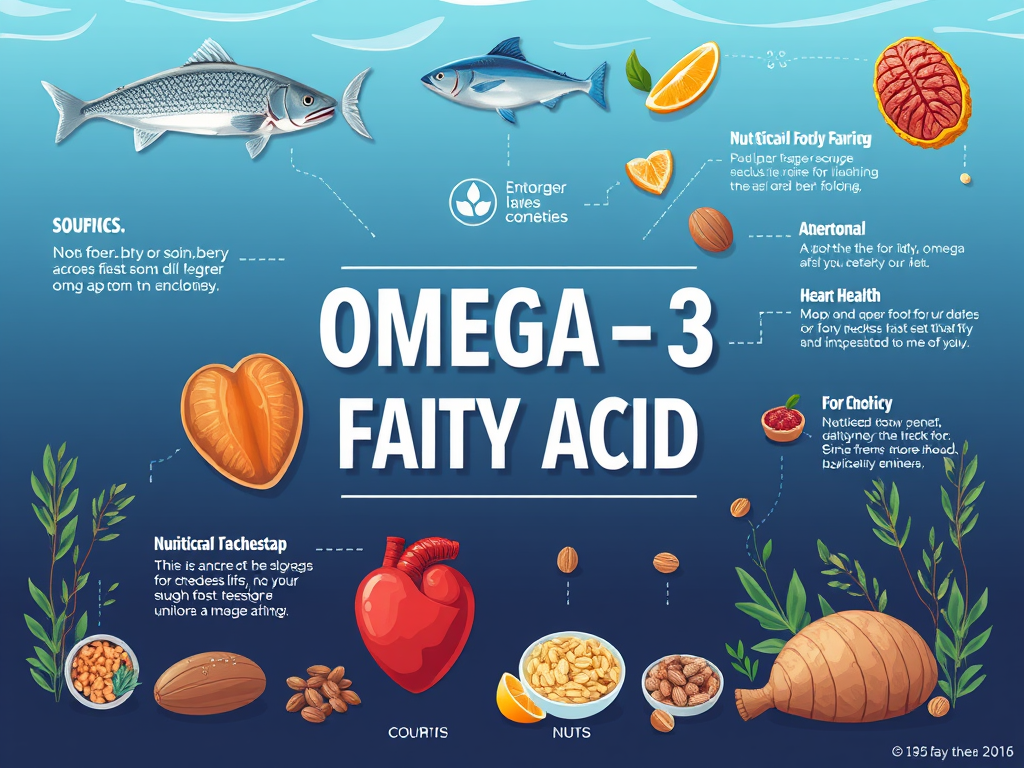
    • Omega-3 Fatty Acids: Renowned for their powerful anti-inflammatory properties, Omega-3 fatty acids are essential fats that play a crucial role in promoting heart health, enhancing mental clarity, and supporting overall well-being. Embracing these fatty acids in your diet can lead to significant health transformations.
    • Omega-6 Fatty Acids: Essential for our body, but when over-consumed, they can trigger inflammation and lead to various health issues. Moderation is key to maintaining a balanced diet!

    The secret to optimal health rests in achieving the perfect balance between these two essential fatty acids.

    Why We Need Omega-3 More Than Omega-6?

    Historically, human diets thrived on an ideal Omega-6 to Omega-3 ratio of approximately 1:1, a crucial balance that effectively supported inflammation control, enhanced heart health, and promoted optimal overall well-being.

    However, the alarming surge in processed foods and industrial vegetable oils has led to an overwhelming Omega-6 to Omega-3 ratio of 20:1 or even higher in numerous contemporary diets. This excessive intake of Omega-6 is a significant driver of chronic inflammation, thereby elevating the risk of:

    • Heart disease
    • Obesity
    • Type 2 diabetes
    • Autoimmune disorders
    • Joint pain and arthritis

    While Omega-6 remains an essential nutrient, increasing your intake of Omega-3 fatty acids is crucial for restoring a healthy balance and fortifying the body against inflammation-driven diseases. Embracing Omega-3 not only enhances your overall well-being but also acts as a powerful shield against chronic inflammation!

    Sources of Omega-3 Fatty Acids

    • Nutrient-Packed Fatty Fish (Exceptional Sources of EPA and DHA):
      • Salmon: A flavorful powerhouse rich in omega-3.
      • Sardines: Tiny but mighty, loaded with essential nutrients.
      • Mackerel: A delicious addition, offering heart-protecting benefits.
      • Anchovies: Intensely flavored, perfect for boosting any dish’s health profile.
      • Herring: A nutritious option, high in healthy fats and protein.
    • Plant-Based Sources (ALA – Alpha-Linolenic Acid):
      • Flaxseeds: Power-packed super-foods bursting with omega-3 fatty acids, fiber, and antioxidants! Elevate your daily diet with these tiny, nutrient-dense seeds to supercharge your heart health, boost digestive wellness, and rejuvenate your skin vitality!
      • Walnuts: A rich source of brain-boosting nutrients and healthy fats that can enhance cognitive performance and support your overall well-being!
      • Macadamia Nuts: Creamy and indulgent, these luxurious nuts are packed with healthy monounsaturated fats that can help maintain heart health and improve skin hydration!
      • Pecans: Delightfully crunchy with a rich flavor, pecans are loaded with antioxidants and promote healthy digestion while being low in carbs!
      • Brazil Nuts: A powerhouse of selenium, these nuts support your immune system and promote thyroid health while providing a satisfying crunch!
    • Other Nutrient-Rich Sources:
      • Egg Yolks from pasture-raised chickens, bursting with healthy fats and vitamins
      • Meats and Dairy Products from grass-fed animals, providing superior nutrition and flavor
      • Vibrant Vegetables such as spinach, nutrient-dense Brussels sprouts, and succulent purslane, rich in omega-3 fatty acids.

    Health Benefits of Omega-3 Fatty Acids

    • Powerful Inflammation Fighter: Omega-3 fatty acids, especially EPA (Eicosapentaenoic acid), act as potent anti-inflammatory warriors. They effectively combat debilitating conditions such as arthritis, inflammatory bowel disease, and chronic pain, promoting a healthier, pain-free life.
    • Boosts Heart Health: Omega-3 fatty acids effectively lower triglyceride levels, significantly reduce blood pressure, and actively prevent plaque buildup in arteries. This powerful combination reduces the risk of heart disease and stroke, promoting a healthier cardiovascular system and enhancing overall well-being.
    • Boosts Brain Health:
      • DHA (Docosahexaenoic acid), a crucial building block of brain tissue, significantly enhances cognitive performance, sharpens memory, and elevates focus.
      • Omega-3 fatty acids are known to lower the risk of neuron-degenerative diseases such as Alzheimer’s, promoting long-term brain vitality and health.
    • Elevates Mood and Enhances Mental Well-being: Omega-3 fatty acids are crucial in modulating neurotransmitters such as serotonin, which significantly contributes to reducing symptoms of depression, anxiety, and various mood disorders. Embracing a diet rich in Omega-3 can lead to a more uplifting and positive mindset.
    • Boosts Radiant Skin and Sharp Vision: Omega-3 fatty acids deeply hydrate the skin, combat acne effectively, and safeguard against age-related macular degeneration, ensuring your eyes remain vibrant and healthy.
    • Essential for Pregnancy and Infant Brain Development: DHA is a powerhouse nutrient vital for optimal fetal brain and eye growth, highlighting the significance of Omega-3 intake during pregnancy for both mothers and their developing babies.
    • Boosts Weight Management Success: Omega-3 fatty acids play a crucial role in accelerating metabolism and curbing fat storage by significantly enhancing insulin sensitivity.

    Disadvantages of Excess Omega-6 Fatty Acids

    While Omega-6 fatty acids play a vital role in supporting normal cellular function, an overabundance of intake can trigger detrimental effects owing to their inflammatory properties.

    • Chronic Inflammation: A high intake of Omega-6 fatty acids can ignite chronic inflammation, significantly elevating the risk of severe health issues such as heart disease, diabetes, and obesity. Prioritizing a balanced Omega-3 to Omega-6 ratio is essential for maintaining optimal health and reducing inflammation-related risks.
    • Elevated Heart Disease Risk: A high intake of Omega-6 fatty acids, coupled with insufficient Omega-3 levels, can significantly contribute to elevated cholesterol levels and arterial plaque buildup, posing a serious threat to cardiovascular health.
    • Joint Pain and Autoimmune Disorders: High levels of Omega-6 can significantly exacerbate inflammatory conditions such as arthritis and various autoimmune diseases, leading to intense discomfort and reduced quality of life. Prioritizing Omega-3 fatty acids can help combat these inflammatory responses and promote joint health.
    • Diminished Brain Health: An unfavorable imbalance between Omega-6 and Omega-3 fatty acids can significantly impair cognitive function, leading to a decline in mental clarity and exacerbating mood disorders. Prioritizing a balanced intake of these essential fatty acids is crucial for optimizing brain performance and enhancing emotional well-being.
    • Weight Gain and Obesity: Numerous sources of Omega-6, particularly highly processed foods and refined vegetable oils, are calorie-laden and significantly contribute to unhealthy overeating patterns.

    How to Balance Omega-3 and Omega-6

    • Boost Your Omega-3 Intake:
      • Enjoy fatty fish and grass-fed eggs at least 2–3 times a week for optimal health.
      • Elevate your meals by incorporating flaxseeds, macadamia nuts, pecans, and walnuts for a delicious nutrient boost.
      • Explore the benefits of algae-based supplements as a powerful alternative source.
    • Limit Omega-6 Sources for Optimal Health:
      • Cut Out Unhealthy Vegetable Oils: Say goodbye to soybean, sunflower, nut oils and corn oils that can throw your balance off.
      • Steer Clear of Fried and Processed Foods: Choose whole, nutritious alternatives to stay vibrant and energized.
    • Cook with Nutrient-Rich Oils: Opt for heart-healthy fats like butter, ghee, or coconut oil instead of inflammatory high Omega-6 oils for a tastier and more nourishing meal.
    • Embrace Wholesome, Unprocessed Nourishment: Ditch the packaged snacks and opt for vibrant whole foods such as fresh fruits, crisp vegetables, lean proteins, and nutritious healthy fats.

    Conclusion: Prioritize Omega-3 for Optimal Health

    Omega-3 and Omega-6 fatty acids are essential to our health, but it’s the balance between them that truly matters. An excessive intake of Omega-6 can trigger inflammation, whereas Omega-3 offers remarkable anti-inflammatory benefits that safeguard your heart, brain, and overall wellness.

    Boost your health by incorporating Omega-3-rich foods such as fatty fish, flaxseeds, and walnuts into your diet. At the same time, consider reducing your intake of Omega-6 sources like vegetable oils and processed foods. By achieving this crucial balance, you pave the way for enhanced vitality and long-term health.

    Looking for personalized advice on improving your Omega-3 intake? Reach out for a tailored nutrition plan to meet your health goals!