Tag: omega 3

  • The Rising Risk of Heart Attacks and Cardiac Diseases: The Role of Cooking Oils, Fats, and Carbohydrates

    The Rising Risk of Heart Attacks and Cardiac Diseases: The Role of Cooking Oils, Fats, and Carbohydrates

    Heart attacks and cardiac diseases are alarmingly prevalent across the globe, affecting even younger demographics. According to the World Health Organization (WHO), cardiovascular diseases (CVDs) are the foremost cause of death worldwide. They result in nearly 18 million fatalities each year. Genetics and lifestyle choices certainly influence our heart health. However, the daily foods we consume are significant culprits in this crisis. Especially problematic are low-quality cooking oils, unhealthy fats, and excessive carbohydrates. In this insightful exploration, we will examine how these dietary components affect heart health. Our findings are supported by compelling research.
    The Role of Bad-Quality Cooking Oils and Seed Oils in Heart Disease

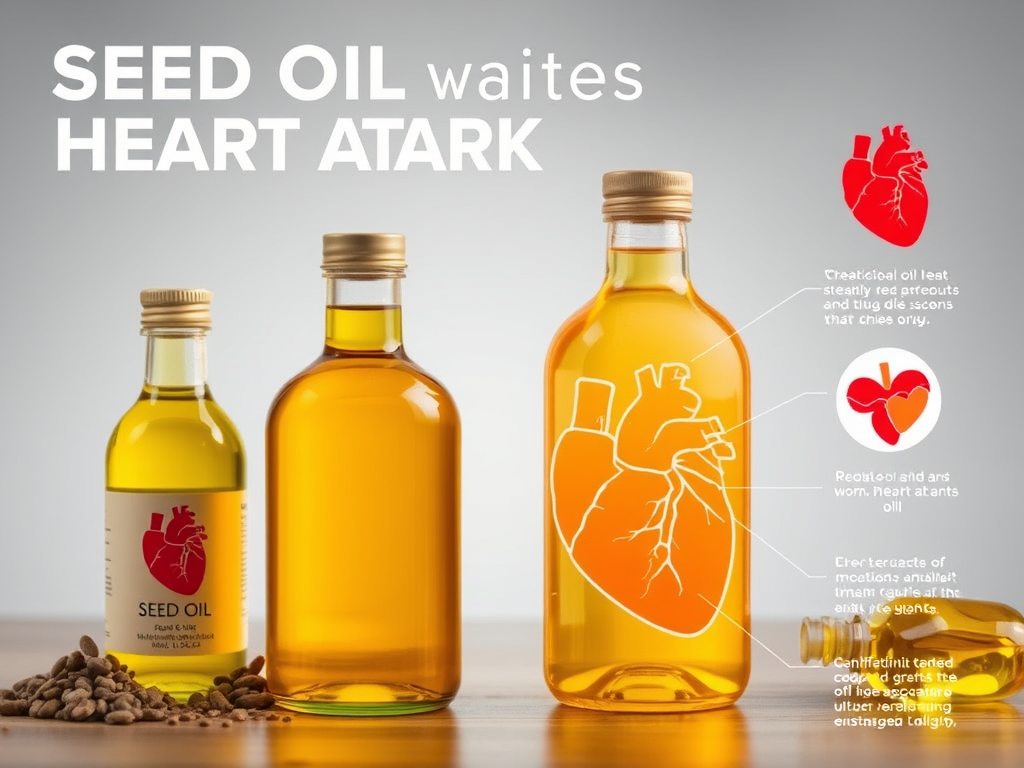
    • Elevated Omega-6 Fatty Acid Levels: Many commonly used seed oils, including soybean, corn, sunflower, and canola oil, are particularly high in omega-6 fatty acids. While omega-6 is crucial for health in moderation, excessive intake disrupts the critical omega-6 to omega-3 balance, leading to increased inflammation—a major contributor to the onset of heart disease.
      • Compelling Research Findings: A study published in BMJ underscored the serious consequences of imbalanced omega-6 and omega-3 fatty acids, linking this disproportion to elevated cardiovascular risk due to increased inflammation and oxidative stress.
    • Toxic Compounds from Heating: When seed oils are heated at high temperatures, they undergo oxidation, resulting in the formation of toxic aldehydes and trans fats. These detrimental compounds not only harm blood vessels but also significantly increase LDL cholesterol while simultaneously reducing HDL cholesterol.
      • Research Evidence: According to the Journal of Food Science, heating vegetable oils at elevated temperatures generates harmful oxidation products that are linked to an increased risk of heart disease.
    • Highly Refined and Chemically Processed Seed Oils: Numerous seed oils undergo intensive chemical extraction using harmful solvents such as hexane, followed by extensive refining processes that strip away essential nutrients. This industrial approach not only eliminates beneficial compounds but also generates toxic byproducts that can significantly increase oxidative stress and promote chronic inflammation in the body.

    The Danger of Unhealthy Fats

    • Trans Fats: Present in margarine, shortening, and numerous processed foods, trans fats pose a significant threat to heart health. These harmful fats not only elevate LDL cholesterol but also diminish HDL cholesterol, exacerbating the risk of arterial plaque buildup, which can ultimately lead to severe cardiovascular issues.
      • Research Evidence: The New England Journal of Medicine highlights a staggering statistic: trans fats are linked to approximately 500,000 preventable deaths each year, underlining their devastating impact on heart health and overall well-being.
    • Saturated Fats in Processed Foods: Saturated fats from unhealthy sources, including processed meats, deep-fried delights, and sugary baked goods, significantly contribute to cholesterol imbalances and dangerous arterial blockages. In contrast, saturated fats sourced from natural ingredients, like nutrient-rich coconut oil and wholesome grass-fed butter, can be enjoyed safely when consumed in moderation, promoting better overall health without the associated risks.

    The Role of High-Carbohydrate Diets in Heart Disease

    • Elevated Blood Sugar and Insulin Resistance: Diets rich in refined carbohydrates—including white bread, pastries, sugary beverages, and processed snacks—trigger rapid surges in blood sugar and insulin levels. Over time, this chronic elevation can lead to insulin resistance, inflammation, and unwanted weight gain—all significant risk factors for heart disease.
      • Compelling Research Evidence: A pivotal study published in The Lancet revealed a robust association between high carbohydrate intake and a heightened risk of heart disease, particularly in populations that consume refined carbs as dietary staples.
    • Triglyceride Levels: Excessive carbohydrate consumption can lead to significantly elevated triglyceride levels—these are harmful fats in your bloodstream that promote the formation of arterial plaque. This buildup not only heightens the risk of heart attacks but also poses a substantial threat to overall cardiovascular health.
    • Chronic Inflammation: Highly processed carbohydrates and sugary delights fuel systemic inflammation, wreaking havoc on blood vessel walls and significantly accelerating the progression of atherosclerosis (dangerous artery hardening).

    Research Findings on Diet and Heart Health

    • PURE Study (Prospective Urban Rural Epidemiology): This groundbreaking study investigated the intricate relationship between diverse dietary patterns and their profound effects on health across 18 countries.
      • Key Findings: A striking correlation was observed where elevated carbohydrate intake significantly increased the risk of total mortality, while a higher intake of fats (including saturated fats) was intriguingly linked to a reduced risk of stroke and heart disease.
    • Harvard Health Study on Omega-6 and Omega-3 Ratios: The groundbreaking research revealed that contemporary diets, heavily influenced by seed oils, exhibit an alarming omega-6 to omega-3 ratio of up to 20:1. This stark contrast to the ideal ratio of 4:1 or lower significantly contributes to inflammation, raising the risk of heart disease and other chronic health issues.
    • Framingham Heart Study: Revealed that diets rich in refined carbohydrates and dangerous trans fats dramatically elevate LDL cholesterol and triglyceride levels, significantly heightening the risk of heart disease.

    Practical Steps to Reduce Heart Disease Risk

    • Select Nutrient-Dense, Heart-Healthy Fats
      • Swap out harmful seed oils for superior, heart-healthy alternatives such as, coconut oil, ghee and grass-fed butter to elevate your cooking and health.
      • Boost your omega-3 levels by incorporating fatty fish like salmon, mackerel, and sardines into your meals, or consider high-quality supplements for an additional health boost.
    • Significantly Cut Refined Carbohydrates
      • Ditch white bread, sugary snacks, and heavily processed foods.
      • Embrace whole, low-Glycemic carbohydrates like organic lentils, nutritious sweet potatoes, and fiber-rich legumes.
    • Embrace Powerful Anti-Inflammatory Foods: Elevate your diet by incorporating a vibrant array of colorful vegetables, nutritious fruits (especially antioxidant-rich berries), crunchy nuts, wholesome seeds, and aromatic spices like turmeric and ginger to effectively fight inflammation and boost your overall health.
    • Steer Clear of Harmful Trans Fats: Always scrutinize food labels for “partially hydrogenated oils” and eliminate products that contain these dangerous fats from your diet. Your health deserves better!
    • Master Portion Control for a Healthier You: Overeating—even nutritious foods—can trigger weight gain and disrupt your metabolism. This is especially true when indulging in carbohydrate-rich options like lentils and legumes. Embrace mindful eating to maintain balance and nourish your body effectively!
    • Stay Physically Active: Engaging in regular exercise is vital for enhancing heart health. It effectively lowers triglyceride levels, elevates HDL (good) cholesterol, and helps you maintain a healthy weight for a vibrant, energetic life. Prioritize movement daily to unlock the incredible benefits for your cardiovascular system!

    Compelling Conclusion: Key Insights and Final Thoughts

    The alarming increase in heart attacks and cardiac diseases can be primarily linked to poor dietary choices, especially the excessive consumption of low-quality cooking oils, unhealthy trans fats, and high-carbohydrate diets. Research highlights the critical need to eliminate inflammatory foods, swap out harmful fats for nutritious alternatives, and prioritize low-Glycemic carbohydrates to safeguard heart health. By making empowered and informed dietary choices, individuals can dramatically lower their risk of heart disease and enhance their overall well-being, paving the way for a healthier future.


  • Healthy Skin Starts with Your Plate: The Link Between Diet and Skin Health

    Healthy Skin Starts with Your Plate: The Link Between Diet and Skin Health

    While skincare routines and products certainly contribute to a radiant appearance, the true magic starts from within. Your skin is a mirror of your internal health, and the foods you consume can either nourish or damage it. In this blog, we’ll dive deep into the powerful connection between a vibrant diet and skin vitality, uncover key supplements that promote healthy skin, and identify the foods and habits you should absolutely steer clear of for optimal skin health.

    How Diet Impacts Skin Health

    Your skin, the body’s largest organ, is in a perpetual state of regeneration. To keep it healthy and glowing, it depends heavily on the nutrients you ingest. A deficient diet can result in dullness, dryness, acne, premature aging, and inflammation, whereas a rich array of nutrients fosters vibrant elasticity, deep hydration, and a radiant complexion.

    Key Nutrients for Healthy Skin

    • Vitamin C:
      • Significantly boosts collagen production, ensuring your skin remains firm and youthful.
      • Powerful antioxidant that effectively protects against oxidative stress from harmful UV rays and pollution.
      • Rich sources include: Citrus fruits, strawberries, vibrant bell peppers, and nutrient-packed broccoli.
    • Vitamin E:
      • An extraordinary antioxidant that defends skin cells from harmful damage and promotes accelerated healing.
      • Rich Sources Include: Nuts, seeds, spinach, and avocados.
    • Omega-3 Fatty Acids:
      • Hydrates the skin and significantly reduces inflammation, proving to be especially effective for skin conditions such as eczema and acne.
      • Rich Sources: Fatty fish (like salmon and mackerel), walnuts, and flaxseeds.
    • Zinc:
      • Essential for Skin Health: Regulates oil production, promotes rapid wound healing, and significantly reduces acne and scarring for a clearer complexion.
      • Rich Sources Include: Pumpkin seeds, lentils, and shellfish, all packed with this vital mineral.
    • Vitamin A:
      • Boosts skin cell turnover and combats acne effectively by preventing clogged pores.
      • Rich Sources Include: Sweet potatoes, vibrant carrots, eggs, almonds, and leafy green.
    • Collagen:
      • The most abundant protein in the skin, collagen is vital for providing structure, firmness, and elasticity to your complexion.
      • Prominent Sources: Enjoy nutrient-rich bone broth or boost your intake with high-quality collagen supplements for glowing, youthful skin.
    • Probiotics:
      • A vibrant and healthy gut Microbiome is crucial for reducing inflammation and combating skin issues such as acne and rosacea.
      • Rich Sources: Delight your taste buds with yogurt, Kefir, sauerkraut, and Probiotics supplements.

    What to Avoid for Healthy Skin

    • Sugar and Refined Carbs: Consuming high-Glycemic foods such as white bread, pasta, and sugary snacks can cause significant spikes in insulin levels. This increase can trigger acne and promote inflammation, impacting your skin’s health and overall well-being. Be mindful of your choices to maintain a clearer complexion and reduce inflammation.
    • Dairy Products: Consuming dairy can significantly contribute to acne breakouts in some individuals due to the presence of hormones and inflammatory compounds that can disrupt skin health. If they are Lactose Intolerant.
    • Processed Foods: Loaded with chemical preservatives, unhealthy trans fats, and artificial additives, processed foods not only compromise your health but also contribute to oxidative stress, resulting in lackluster skin. Choosing whole, nutrient-rich alternatives can revitalize your complexion and support overall well-being.
    • Excessive Alcohol Consumption: Significantly dehydrates the skin, stripping away essential nutrients such as vitamin A, leading to dullness and premature aging.
    • Fried and Trans Fats: Known for triggering inflammation, these unhealthy fats can significantly elevate the risk of acne breakouts and lead to a lackluster complexion. Prioritize healthier fat sources for radiant skin!
    • Over-Consumption of Salt: Excessive salt intake can trigger significant water retention, resulting in unsightly puffiness and detrimental dehydration. Prioritize sodium moderation to maintain optimal health and a refreshed appearance!

    Lifestyle Habits for Healthy Skin

    • Stay Hydrated for Radiant Skin: Ensure you drink a minimum of 2–3 liters of water each day to keep your skin deeply hydrated and looking plump and youthful. Hydration is the secret to a glowing complexion!
    • Prioritize Quality Sleep: Sleep is a vital period when your body rejuvenates and revitalizes skin cells. Strive for 7–8 hours of restorative slumber each night to achieve glowing, healthy skin.
    • Engage in Regular Exercise: Elevates circulation, effectively delivering oxygen and essential nutrients to your skin, enhancing its vitality and radiance.
    • Ultimate Sun Protection: Apply broad-spectrum sunscreen every single day to safeguard your skin from premature aging and the harmful effects of UV rays. Don’t underestimate the power of sun protection – your future self will thank you!
    • Master Your Stress: Chronic stress not only triggers unwelcome breakouts but also exacerbates skin conditions such as eczema and psoriasis. Taking proactive steps to manage stress is essential for achieving clear, healthy skin.

    The Truth About “Miracle” Skin Products

    The skincare industry is overwhelmingly saturated with products that promise to revolutionize your skin overnight. Although certain options may provide temporary relief, most neglect to tackle the fundamental underlying issues of skincare: your diet and lifestyle choices. Emphasizing the importance of holistic approaches can lead to lasting transformation that truly enhances your skin’s health and vitality.

    • Quick Fixes Don’t Work: Achieving beautiful, radiant skin demands dedicated, long-term care and balanced nutrition. Relying on a magic cream or pill won’t provide lasting results; true skin health comes from commitment and consistency.
    • • Misleading Marketing Hype: Numerous products are laden with unverified claims and dubious ingredients, often lacking crucial scientific validation.
    • Natural vs. Synthetic Ingredients: Embrace the debate! While natural ingredients can offer significant benefits, they aren’t always the top choice. Prioritize evidence-based skincare and nutrition to achieve optimal results. Make informed decisions to elevate your beauty and health regimen!

    Supplements for Skin Health

    When diet alone falls short, high-quality supplements can effectively bridge the nutritional gaps and deliver targeted support for radiant skin. Always consult with a qualified healthcare provider before embarking on any new supplement regimen to ensure optimal results and safety.

    • Vitamin C: A powerful antioxidant that brightens skin, boosts your radiance, and is essential for collagen synthesis. opt for liposomal or esterified formulations to enhance absorption and maximize your glow!
    • Collagen Peptides: Boosts skin elasticity, enhances hydration, and significantly reduces the appearance of wrinkles for a more youthful and radiant complexion.
    • Hyaluronic Acid: A powerful hydration booster that penetrates deep into the skin, dramatically reducing dryness and visibly smoothing fine lines for a more youthful, radiant complexion.
    • Probiotics: A powerhouse for your gut-skin connection, enhancing skin vitality and significantly reducing inflammation for a radiant, healthy complexion.
    • Astaxanthin: An exceptionally powerful antioxidant that not only safeguards your skin from harmful sun damage but also combats premature aging, enhancing your skin’s natural vitality and radiance.

    Can Diet Reverse Skin Damage?

    The exciting news is that a nutrient-packed diet, paired with optimal hydration and targeted supplements, can dramatically enhance your skin’s health over time. Although it may not entirely reverse every sign of aging or damage, it can:

    • Diminish inflammation and soothe redness effectively.
    • Enhance skin hydration and boost elasticity for a youthful, plump appearance.
    • Revitalize dull skin and achieve a radiant, even skin tone.

    Conclusion

    Healthy, radiant skin isn’t merely a result of external applications; it’s intricately linked to the nourishment you provide your body. By embracing a well-rounded diet brimming with skin-loving nutrients, complementing it with specific, high-quality supplements, and steering clear of detrimental foods and harmful habits, you can truly unleash your skin’s inherent luminosity. Remember, there’s no shortcut to great skin. It’s a reflection of your overall health, so nurture your body from the inside out, and your skin will thank you.

    Need help designing a diet plan for better skin health? Let’s work together to create a personalized approach to support your beauty from within.

  • Nutrition Tips for Preventing Hair Loss

    Nutrition Tips for Preventing Hair Loss

    Hair fall can be an incredibly distressing experience, heavily impacting confidence and self-esteem. While factors like genetics, stress, and hormonal imbalances play pivotal roles, the vital link between your diet and hair health cannot be overlooked. As a nutritionist, I frequently encounter individuals desperate for a miracle remedy to reverse hair loss, only to be lured in by products boasting unrealistic promises. In this blog, we’ll dive deep into the powerful correlation between nutrition and vibrant hair health, uncover effective supplements that promote hair growth, and determine whether regrowing lost hair is genuinely within reach.

    The Correlation Between Diet and Hair Fall

    Your hair is primarily composed of a vital protein known as keratin, and just like every other component of your body, it demands optimal nutrition to flourish and remain vibrant. When you face nutritional deficiencies, it can compromise your hair follicles, resulting in hair thinning and ultimately, excessive hair loss. Prioritizing your diet is essential for promoting healthy, luscious locks!

    Key Nutrients for Healthy Hair

    • Protein Power: Hair is predominantly composed of protein, making it essential for robust hair growth. Insufficient dietary protein can hinder hair development and contribute to increased shedding. To boost your hair’s vitality, incorporate excellent sources of protein into your meals, such as lean meats, fatty fish, nutritious eggs, creamy cheese, and premium whey protein isolate.
    • Iron: Iron deficiency is a leading culprit behind hair loss, especially in women. This vital mineral is essential for delivering oxygen to hair follicles, and when levels are low, it causes them to weaken and ultimately fall out. To combat this, incorporate iron-rich foods into your diet, such as red meat, spinach, lentils. Ensure you’re meeting your iron needs for luscious, healthy locks!
    • Biotin (Vitamin B7): Biotin is essential for vibrant keratin production and robust hair follicle health. A deficiency in this vitamin can result in fragile, brittle hair. You can boost your biotin intake by enjoying nourishing sources such as eggs, almonds, macadamia nuts, Brazil nuts, and sweet potatoes. Embrace biotin for luscious, resilient hair!
    • Vitamin D: Research shows a strong connection between vitamin D deficiency and Alopecia, a notable form of hair loss. This essential vitamin plays a vital role in stimulating the growth of new hair follicles. Embrace sunshine, consume Di-fortified foods, and indulge in fatty fish to ensure your levels are optimal!
    • Zinc: Essential for vibrant hair health, Zinc plays a crucial role in supporting the oil glands surrounding hair follicles. A deficiency can lead to significant hair loss and various scalp issues. Boost your intake through nutrient-rich sources like oysters, pumpkin seeds, and whole grains for optimal hair vitality.
    • Omega-3 Fatty Acids: Abundant in rich, fatty fish such as salmon, omega-3 are essential for revitalizing hair and promoting robust follicle health. These powerful nutrients not only enhance shine and strength but also help to reduce hair loss and foster a lush, vibrant mane.
    • Vitamin C: Vitamin C is a powerhouse nutrient that boosts iron absorption and collagen production, both crucial for achieving strong, vibrant hair. Elevate your diet by incorporating citrus fruits, blueberries, strawberries, and colorful bell peppers to support your hair’s health and shine.

    Supplements That Support Hair Health

    When diet alone isn’t sufficient, supplements can fill nutritional gaps. However, it’s essential to use them under the guidance of a healthcare professional.

    • Vital Vitamins for Hair Health: Essential vitamins, such as biotin, zinc, iron, and vitamin D, play a crucial role in combating deficiencies that can lead to hair loss. Prioritizing these nutrients can significantly enhance hair strength and promote luscious growth.
    • Collagen Peptides: Unlock the secret to luscious locks with collagen supplements! These powerful peptides not only strengthen your hair but also enhance its texture, providing essential amino acids vital for robust keratin production. Elevate your hair health and experience the transformation!
    • Omega-3 Fatty Acid Supplements: Fish oil or flaxseeds oil supplements to enhance scalp health and diminish inflammation, promoting a thriving environment for vibrant hair growth.
    • Iron Supplements: Essential for those battling iron-deficiency anemia, iron supplements serve as a powerful ally in revitalizing hair growth and boosting overall vitality.
    • Biotin: Biotin supplements! Not only do they promote enhanced hair strength, but their remarkable effects are especially noticeable for those who may be deficient in this essential nutrient. Embrace fuller, healthier hair with the right support!

    Is Regrowing Lost Hair Possible?

    • Temporary Hair Loss (Telogen Effluvium): This type of hair loss, often caused by stress, illness, or nutritional deficiencies, is usually reversible. Once the underlying cause is addressed, hair regrowth typically occurs.
    • Pattern Baldness (Androgenetic Alopecia): This is a genetic condition commonly seen in men and women. While treatments like minoxidil and finasteride can slow the progression, regrowing hair in completely bald areas is unlikely.
    • Scarring Alopecia: Conditions that damage hair follicles permanently, such as scarring Alopecia, do not allow for natural regrowth.
    • Hair Loss Due to Illness or Hormonal Changes: Hair loss related to pregnancy, menopause, or thyroid disorders often resolves with proper treatment and hormone balance.

    Why Most “Hair Regrowth” Products Are a Waste of Money

    The market is saturated with an overwhelming array of shampoos, oils, and pills boldly promising to regrow lost hair. Yet, the reality is that most of these products provide little more than fleeting scalp hydration or superficial shine enhancement. Here’s the truth behind their ineffectiveness:

    • Hair Follicles Cannot Be Revived Once Dead: If hair follicles have become inactive or scarred (as in advanced baldness), no topical product can bring them back to life.
    • Unregulated Ingredients: Many products contain unverified or poorly studied ingredients that have no proven effects on hair regrowth.
    • Marketing Hype: These products rely heavily on emotional marketing, often exploiting the vulnerability of individuals struggling with hair loss.
    • No Address of Root Causes: Most products don’t address the underlying causes of hair loss, such as hormonal imbalances or nutritional deficiencies.

    The Role of Lifestyle in Hair Health

    • Reduce Stress: Chronic stress can push hair follicles into a resting phase, causing shedding. Practice mindfulness, yoga, or meditation to manage stress.
    • Avoid Harsh Treatments: Limit the use of heat styling tools, chemical treatments, and tight hairstyles that can damage hair.
    • Stay Hydrated: Proper hydration is crucial for maintaining scalp health and preventing brittle hair.
    • Exercise Regularly: Physical activity improves circulation, ensuring that hair follicles receive adequate nutrients and oxygen.

    The Bottom Line

    Hair fall is often a clear indicator of underlying imbalances within the body. Unfortunately, there is no miracle product or quick fix that can substitute the crucial role of a balanced diet, a healthy lifestyle, and targeted supplementation. While regrowing lost hair may be achievable under specific conditions, you can always take proactive steps to enhance the health of your existing hair and prevent further loss.

    Instead of falling for the allure of miracle solutions, prioritize nourishing your body from the inside out. Remember, vibrant, luscious hair begins with a healthier you. Embrace the journey of self-care and let it shine through your beautiful locks!

  • The Importance of Omega-3 vs Omega-6 in Your Diet

    The Importance of Omega-3 vs Omega-6 in Your Diet

    As a passionate nutritionist, I emphasize the crucial balance between essential fatty acids, Omega-3 and Omega-6. While both play vital roles in our overall health, contemporary diets are excessively loaded with Omega-6, which can lead to a variety of adverse health effects. Conversely, Omega-3 fatty acids pack a powerful punch, offering an array of extraordinary benefits that not only combat inflammation but also enhance heart health and boost brain function.

    In this blog, I’ll delve deep into the fundamental differences between Omega-3 and Omega-6, elucidate the pressing need for more Omega-3 in your diet, explore their natural food sources, and outline the serious consequences of an overabundance of Omega-6. Join me on this journey to uncover how to achieve optimal health through dietary balance!

    What are Omega-3 and Omega-6 Fatty Acids?

    Both Omega-3 and Omega-6 are critical types of polyunsaturated fatty acids (PUFAs) that play a vital role in our health. Often referred to as essential fats, these nutrients are crucial because our body cannot synthesize them independently—we must actively incorporate them into our diet to reap their numerous benefits.

    • Omega-3 Fatty Acids: Renowned for their powerful anti-inflammatory properties, Omega-3 fatty acids are essential fats that play a crucial role in promoting heart health, enhancing mental clarity, and supporting overall well-being. Embracing these fatty acids in your diet can lead to significant health transformations.
    • Omega-6 Fatty Acids: Essential for our body, but when over-consumed, they can trigger inflammation and lead to various health issues. Moderation is key to maintaining a balanced diet!

    The secret to optimal health rests in achieving the perfect balance between these two essential fatty acids.

    Why We Need Omega-3 More Than Omega-6?

    Historically, human diets thrived on an ideal Omega-6 to Omega-3 ratio of approximately 1:1, a crucial balance that effectively supported inflammation control, enhanced heart health, and promoted optimal overall well-being.

    However, the alarming surge in processed foods and industrial vegetable oils has led to an overwhelming Omega-6 to Omega-3 ratio of 20:1 or even higher in numerous contemporary diets. This excessive intake of Omega-6 is a significant driver of chronic inflammation, thereby elevating the risk of:

    • Heart disease
    • Obesity
    • Type 2 diabetes
    • Autoimmune disorders
    • Joint pain and arthritis

    While Omega-6 remains an essential nutrient, increasing your intake of Omega-3 fatty acids is crucial for restoring a healthy balance and fortifying the body against inflammation-driven diseases. Embracing Omega-3 not only enhances your overall well-being but also acts as a powerful shield against chronic inflammation!

    Sources of Omega-3 Fatty Acids

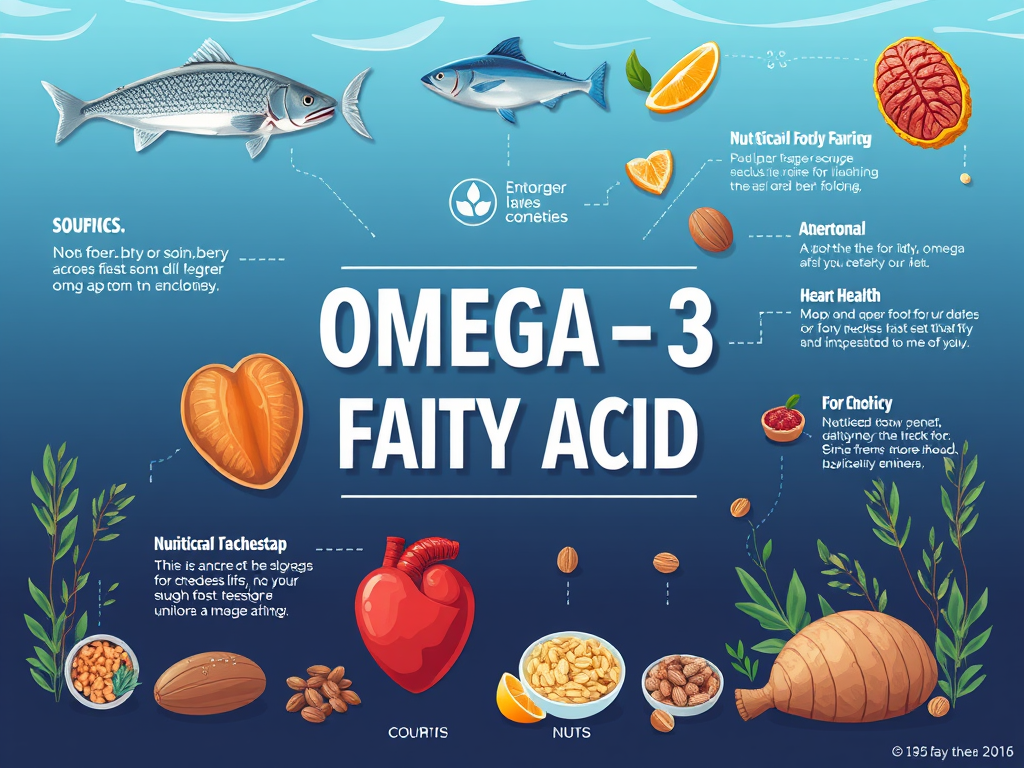
    • Nutrient-Packed Fatty Fish (Exceptional Sources of EPA and DHA):
      • Salmon: A flavorful powerhouse rich in omega-3.
      • Sardines: Tiny but mighty, loaded with essential nutrients.
      • Mackerel: A delicious addition, offering heart-protecting benefits.
      • Anchovies: Intensely flavored, perfect for boosting any dish’s health profile.
      • Herring: A nutritious option, high in healthy fats and protein.
    • Plant-Based Sources (ALA – Alpha-Linolenic Acid):
      • Flaxseeds: Power-packed super-foods bursting with omega-3 fatty acids, fiber, and antioxidants! Elevate your daily diet with these tiny, nutrient-dense seeds to supercharge your heart health, boost digestive wellness, and rejuvenate your skin vitality!
      • Walnuts: A rich source of brain-boosting nutrients and healthy fats that can enhance cognitive performance and support your overall well-being!
      • Macadamia Nuts: Creamy and indulgent, these luxurious nuts are packed with healthy monounsaturated fats that can help maintain heart health and improve skin hydration!
      • Pecans: Delightfully crunchy with a rich flavor, pecans are loaded with antioxidants and promote healthy digestion while being low in carbs!
      • Brazil Nuts: A powerhouse of selenium, these nuts support your immune system and promote thyroid health while providing a satisfying crunch!
    • Other Nutrient-Rich Sources:
      • Egg Yolks from pasture-raised chickens, bursting with healthy fats and vitamins
      • Meats and Dairy Products from grass-fed animals, providing superior nutrition and flavor
      • Vibrant Vegetables such as spinach, nutrient-dense Brussels sprouts, and succulent purslane, rich in omega-3 fatty acids.

    Health Benefits of Omega-3 Fatty Acids

    • Powerful Inflammation Fighter: Omega-3 fatty acids, especially EPA (Eicosapentaenoic acid), act as potent anti-inflammatory warriors. They effectively combat debilitating conditions such as arthritis, inflammatory bowel disease, and chronic pain, promoting a healthier, pain-free life.
    • Boosts Heart Health: Omega-3 fatty acids effectively lower triglyceride levels, significantly reduce blood pressure, and actively prevent plaque buildup in arteries. This powerful combination reduces the risk of heart disease and stroke, promoting a healthier cardiovascular system and enhancing overall well-being.
    • Boosts Brain Health:
      • DHA (Docosahexaenoic acid), a crucial building block of brain tissue, significantly enhances cognitive performance, sharpens memory, and elevates focus.
      • Omega-3 fatty acids are known to lower the risk of neuron-degenerative diseases such as Alzheimer’s, promoting long-term brain vitality and health.
    • Elevates Mood and Enhances Mental Well-being: Omega-3 fatty acids are crucial in modulating neurotransmitters such as serotonin, which significantly contributes to reducing symptoms of depression, anxiety, and various mood disorders. Embracing a diet rich in Omega-3 can lead to a more uplifting and positive mindset.
    • Boosts Radiant Skin and Sharp Vision: Omega-3 fatty acids deeply hydrate the skin, combat acne effectively, and safeguard against age-related macular degeneration, ensuring your eyes remain vibrant and healthy.
    • Essential for Pregnancy and Infant Brain Development: DHA is a powerhouse nutrient vital for optimal fetal brain and eye growth, highlighting the significance of Omega-3 intake during pregnancy for both mothers and their developing babies.
    • Boosts Weight Management Success: Omega-3 fatty acids play a crucial role in accelerating metabolism and curbing fat storage by significantly enhancing insulin sensitivity.

    Disadvantages of Excess Omega-6 Fatty Acids

    While Omega-6 fatty acids play a vital role in supporting normal cellular function, an overabundance of intake can trigger detrimental effects owing to their inflammatory properties.

    • Chronic Inflammation: A high intake of Omega-6 fatty acids can ignite chronic inflammation, significantly elevating the risk of severe health issues such as heart disease, diabetes, and obesity. Prioritizing a balanced Omega-3 to Omega-6 ratio is essential for maintaining optimal health and reducing inflammation-related risks.
    • Elevated Heart Disease Risk: A high intake of Omega-6 fatty acids, coupled with insufficient Omega-3 levels, can significantly contribute to elevated cholesterol levels and arterial plaque buildup, posing a serious threat to cardiovascular health.
    • Joint Pain and Autoimmune Disorders: High levels of Omega-6 can significantly exacerbate inflammatory conditions such as arthritis and various autoimmune diseases, leading to intense discomfort and reduced quality of life. Prioritizing Omega-3 fatty acids can help combat these inflammatory responses and promote joint health.
    • Diminished Brain Health: An unfavorable imbalance between Omega-6 and Omega-3 fatty acids can significantly impair cognitive function, leading to a decline in mental clarity and exacerbating mood disorders. Prioritizing a balanced intake of these essential fatty acids is crucial for optimizing brain performance and enhancing emotional well-being.
    • Weight Gain and Obesity: Numerous sources of Omega-6, particularly highly processed foods and refined vegetable oils, are calorie-laden and significantly contribute to unhealthy overeating patterns.

    How to Balance Omega-3 and Omega-6

    • Boost Your Omega-3 Intake:
      • Enjoy fatty fish and grass-fed eggs at least 2–3 times a week for optimal health.
      • Elevate your meals by incorporating flaxseeds, macadamia nuts, pecans, and walnuts for a delicious nutrient boost.
      • Explore the benefits of algae-based supplements as a powerful alternative source.
    • Limit Omega-6 Sources for Optimal Health:
      • Cut Out Unhealthy Vegetable Oils: Say goodbye to soybean, sunflower, nut oils and corn oils that can throw your balance off.
      • Steer Clear of Fried and Processed Foods: Choose whole, nutritious alternatives to stay vibrant and energized.
    • Cook with Nutrient-Rich Oils: Opt for heart-healthy fats like butter, ghee, or coconut oil instead of inflammatory high Omega-6 oils for a tastier and more nourishing meal.
    • Embrace Wholesome, Unprocessed Nourishment: Ditch the packaged snacks and opt for vibrant whole foods such as fresh fruits, crisp vegetables, lean proteins, and nutritious healthy fats.

    Conclusion: Prioritize Omega-3 for Optimal Health

    Omega-3 and Omega-6 fatty acids are essential to our health, but it’s the balance between them that truly matters. An excessive intake of Omega-6 can trigger inflammation, whereas Omega-3 offers remarkable anti-inflammatory benefits that safeguard your heart, brain, and overall wellness.

    Boost your health by incorporating Omega-3-rich foods such as fatty fish, flaxseeds, and walnuts into your diet. At the same time, consider reducing your intake of Omega-6 sources like vegetable oils and processed foods. By achieving this crucial balance, you pave the way for enhanced vitality and long-term health.

    Looking for personalized advice on improving your Omega-3 intake? Reach out for a tailored nutrition plan to meet your health goals!