Think Indian cuisine is a protein powerhouse? Think again. Here’s the shocking reality behind the social media frenzy and how influencers are peddling a fantasy for likes and profits. Discover the truth beneath the glamour of food posts. See how the narrative surrounding Indian food might not be as nutritious as it seems.
The Great Protein Myth: Why the “High-Protein Indian Diet” Is the Biggest Lie on Social Media
Let’s rip the bandage off right away:
The notion that a typical Indian diet is “high in protein” is misleading. It is one of the most significant, audacious, and dangerous myths circulating on social media today.
This is more than mere misinformation; it’s a deliberate manipulation, fueled by a rising tide of Instagram and YouTube “influencers” who exploit emotions, cultural identities, and even religious beliefs to peddle misleading narratives. They sell you a false sense of hope, all under the guise of wellness and health. It’s time to uncover the truth behind these claims and reclaim our understanding of nutrition!
The Harsh Truth: Indian Diets Are Not Protein-Rich
Let’s start with the data.
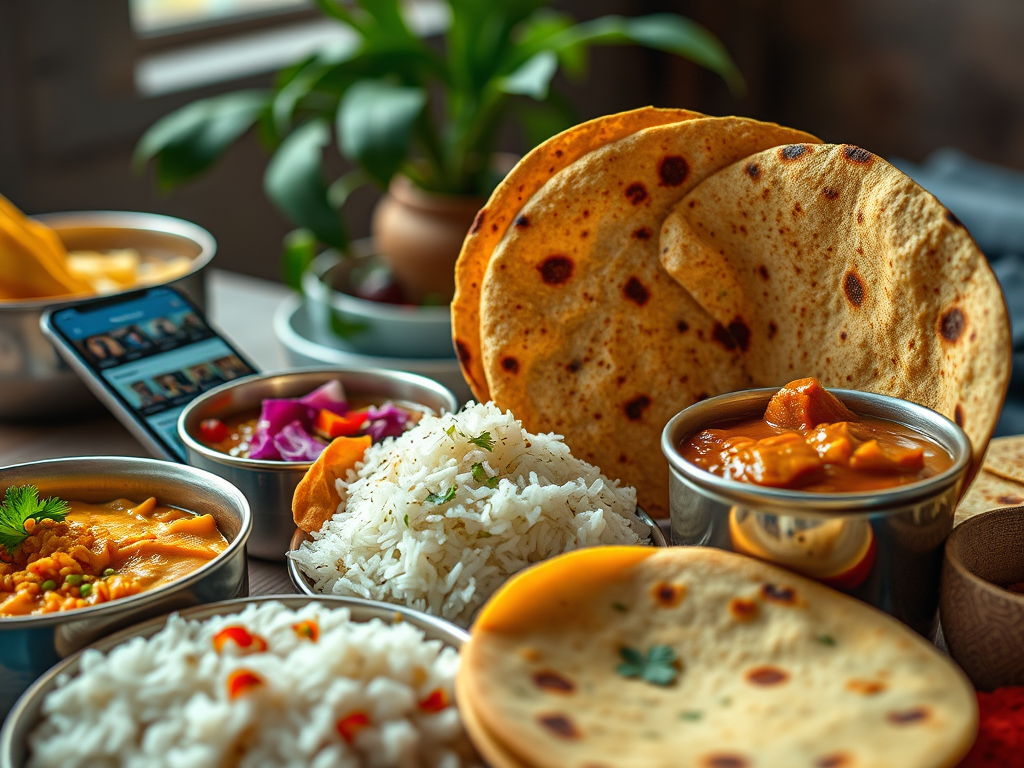
A typical Indian vegetarian diet— rotis, rice, dal, sabzi, curd—might feel comforting and wholesome, but in terms of protein, it’s shockingly insufficient for muscle building, fat loss, or even basic metabolic health.
Here’s why:–
Dal (lentils): Only ~6-9g of protein per 100g cooked.
Paneer: Decent source, but most people eat just 50-100g, which gives 10–20g protein max.
Milk & curd: Moderate protein, but not enough to carry your day.
Roti and rice? High in carbs, barely 2–3g protein per serving.
Nuts and seeds? Mostly fats with a little protein—not sustainable in the amounts you’d need.
Now compare that to your body’s actual needs
For a sedentary adult, protein needs start at 0.8g per kg of body weight.
For someone active, it can go up to 1.6–2g/kg.
For a 70 kg adult, that’s 84–140 grams of protein per day. Most Indian diets barely reach 40–60g—unless you’re being extremely mindful and deliberate.
So, Why Are Influencers Claiming Indian Food Is Protein-Rich?
Because outrage sells. Emotions sell. Religion sells. And they know exactly how to play the game. You’ve seen the reels:
“Indian food is all you need for gains.”
“Our ancestors didn’t need meat or whey.”
“Stop demonizing Indian food. It’s the healthiest on Earth.”
It sounds powerful. It sounds cultural. But it’s not nutritional. Behind the camera? Most of these influencers:
Use whey protein daily
Eat meat secretly
Supplement with eggs or even imported products
And some? On PEDs, steroids, and fat burners while pretending to stay “all natural and all Indian.”
Because pretending to be “100% desi” gets likes, brand deals, sympathy—and most importantly—money.
It’s All a Business, Not a Belief
Let’s not be naive. This is how it works:-
Tap into your emotions – Culture, nostalgia, pride.
Create controversy – “Why do people hate Indian food?”
Sell a dream – “Look, I got ripped eating only Indian meals!”
Monetize your trust – Courses, PDFs, consultations, and affiliate codes.
What Should You Do Instead?
Stop idolizing influencers. Reels aren’t research. Start asking real questions.
Track your food. Use apps like MyFitnessPal or Cronometer. See the protein gaps yourself.
Diversify your protein. Eggs, chicken, Greek yogurt, tempeh, whey protein, or even quality plant protein blends.
Respect your roots—but not blindly. Our lifestyles have changed. Your nutrition should, too.
Consult professionals, not trendsetters. The ones selling ₹3000 workout plans from their iPhone often don’t live the lifestyle they promote.
Final Thought
You are being misled—intentionally, persistently, and for profit. The so-called high-protein Indian diet is a facade. It’s time to break free from the illusion and embrace authenticity. Prioritize your health by grounding your choices in science rather than emotions. Get informed. Get empowered, and transform your wellness journey today!
As a nutritionist, I frequently encounter misconceptions surrounding fats. With countless diet trends unfairly demonizing these vital nutrients, it’s crucial to emphasize that not all fats are detrimental. In fact, fats are an essential macronutrient that plays a pivotal role in fostering optimal health and well-being.
Let’s delve into the world of essential fats, uncover the various types of fats, explore their multitude of health benefits, and discuss the consequences of a diet deficient in dietary fat. Understanding these elements will empower you to make informed dietary choices that promote long-term health and vitality.
What Are Essential Dietary Fats?
Essential dietary fats are vital components that your body can’t produce on its own, making it crucial to obtain them through your diet. These indispensable fats include:
Omega-3 Fatty Acids
Omega-3 is renowned for their powerful benefits in promoting brain health, supporting heart function, and reducing inflammation. Foods rich in omega-3, such as fatty fish, walnuts, egg yolk and flaxseeds, are essential for maintaining optimal wellness.
Omega-6 Fatty Acids
Omega-6 play a crucial role in cell growth, hormone production, and overall health. Common sources include, nuts, and seeds, which contribute to maintaining a balanced diet when consumed in moderation.
These polyunsaturated fats are essential for numerous bodily functions, and incorporating them into your daily meals can lead to improved overall health and well-being. Prioritizing these fats in your diet helps ensure your body operates effectively and maintains optimal health.
Types of Dietary Fats
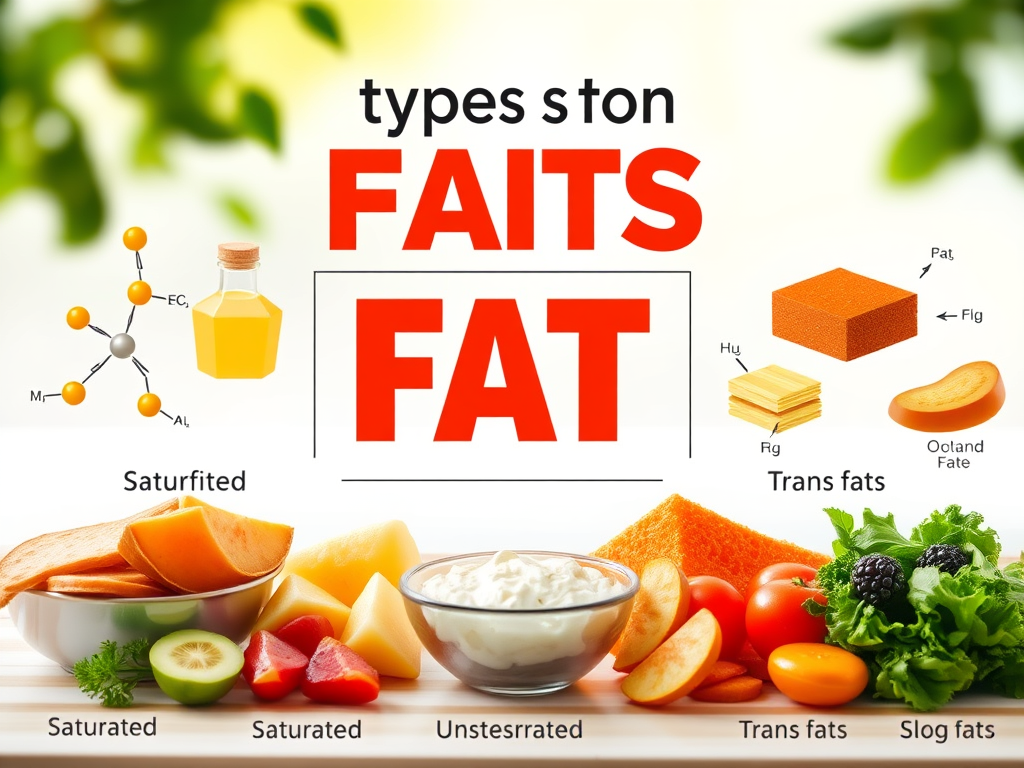
Dietary fats are divided into four main types:
Unsaturated Fats (The Heart-Healthy Fats):
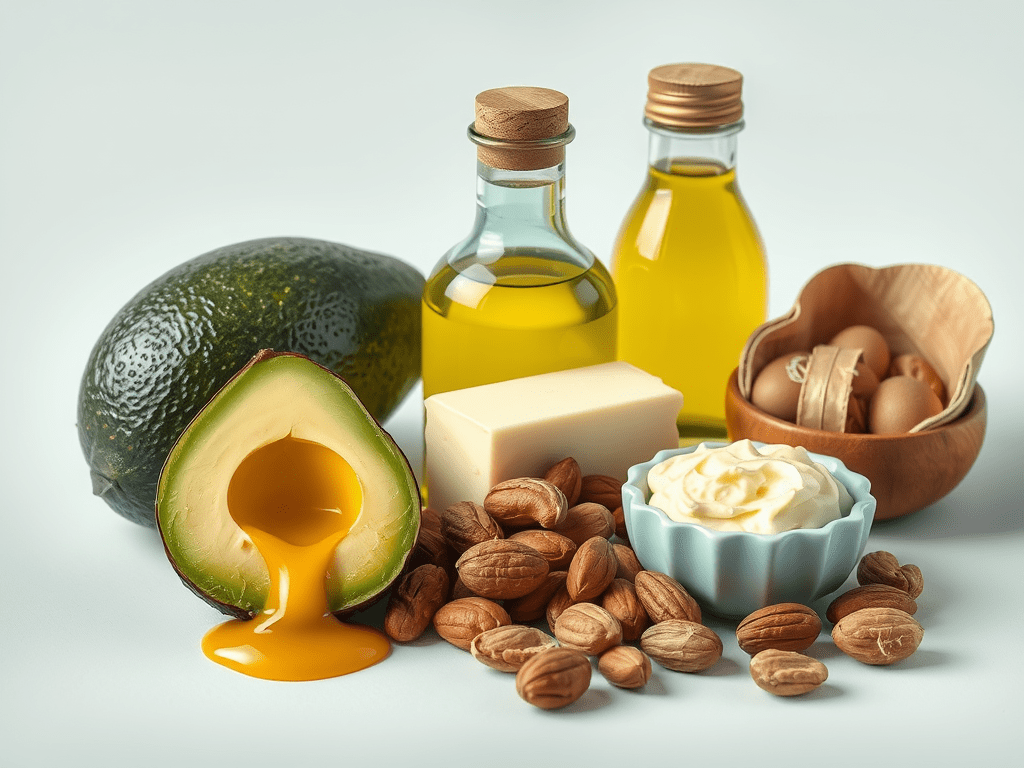
Monounsaturated Fats: Discover the power of monounsaturated fats, abundant in olive oil, avocados, and nuts. These beneficial fats can help lower bad cholesterol levels!
Polyunsaturated Fats: Embrace the diverse world of polyunsaturated fats, which include Omega-3 and Omega-6 fatty acids. These essential nutrients are eager to support your health and are found in wild-caught fish, nutty flaxseeds, brain-boosting walnuts, and oils like sunflower and soybean oil.
Saturated Fats (Moderation is Key!): Predominantly sourced from animal products such as rich butter, hearty red meat, and creamy cheese, saturated fats also come from tropical oils like coconut oil. While not inherently “bad,” it’s crucial to enjoy these flavorful fats in moderation for cooking purposes because of their high burning temperature.
Trans Fats (The Unhealthy Fats to Avoid): Trans fats are artificially created during the food processing phase, primarily found in hydrogenated oils prevalent in many fried and processed foods. These harmful fats significantly raise the risk of heart disease, making it crucial to limit their intake for a healthier lifestyle. Avoiding trans fats is a vital step towards maintaining your heart health and overall well-being.
Why Do We Need Dietary Fat?
Fats are not merely a source of calories; they are essential allies in promoting your overall health and vitality. Here’s how healthy fats can transform and revitalize your body:
Energy Source: Fats deliver an impressive 9 calories per gram, positioning them as the most energy-dense macronutrient available. This sustained energy is vital, particularly in diets like keto, where healthy fats serve as the primary fuel, supporting endurance and overall vitality.
Crucial for Brain Health: Did you know your brain is composed of nearly 60% fat? Essential fatty acids, particularly Omega-3 (DHA), are indispensable for optimal brain function, enhancing memory, and boosting cognitive performance. Prioritize your brain health with these vital nutrients!
Essential Hormone Production: Fats are crucial for the synthesis of vital hormones, including testosterone and estrogen, as well as a host of other powerful steroid hormones that regulate numerous bodily functions and enhance overall health.
Nutrient Absorption: The powerful role of fat-soluble vitamins A, D, E, and K cannot be overstated; these essential nutrients require fats for optimal absorption in your body. Without an adequate intake of healthy fats, your body may face challenges in absorbing these crucial vitamins, potentially impacting your overall health and well-being.
Cell Structure: Fats play a crucial role in the formation and stability of cell membranes, ensuring their integrity and optimal function in sustaining cellular health and communication.
Powerful Inflammation Fighter: Omega-3 fatty acids are renowned for their exceptional anti-inflammatory properties. They play a crucial role in promoting heart health, alleviating joint pain, and significantly lowering the risk of chronic diseases.
What Happens When You Don’t Get Enough Fat?
A deficiency in dietary fat can trigger a range of serious health issues, such as impaired nutrient absorption, hormone imbalances, and increased risk of chronic diseases.
Revitalize Your Skin and Hair: Essential fats play a crucial role in nourishing your skin and hair, preventing dryness and flakiness. A deficiency in these vital fats can result in irritating eczema and brittle hair, leading to lackluster appearance. Prioritize healthy fats to unlock vibrant skin and luscious locks!
Hormonal Imbalances: Insufficient fat intake can severely disrupt hormone production, leading to alarming menstrual irregularities, unpredictable mood swings, and diminished libido. Prioritizing healthy fats is crucial for maintaining hormonal balance and overall well-being.
Vitamin Deficiencies: Insufficient fat intake hampers your body’s ability to absorb essential fat-soluble vitamins—namely A, D, E, and K. This deficiency can result in serious health issues such as night blindness due to a lack of vitamin A or fragile bones caused by inadequate vitamin D levels. Prioritizing healthy fats is crucial for maintaining optimal vitamin absorption and overall health.
Impaired Cognitive Performance: Insufficient Omega-3 fatty acids can lead to debilitating brain fog, memory lapses, and heightened susceptibility to mental health challenges, such as depression and anxiety. Prioritizing Omega-3 intake is vital for bolstering mental clarity and emotional resilience.
Weakened Immune System: Vital fats are crucial for empowering your immune system. A deficient intake can severely diminish your capacity to combat infections effectively. Prioritize these essential nutrients to fortify your defenses and maintain robust health!
Sources of Healthy Dietary Fats
To truly nourish your body and optimize your health, incorporate these essential, nutrient-dense, fat-rich foods into your diet:
Powerful Omega-3 Sources: Savory fatty fish like salmon, sardines, and mackerel; nutrient-dense flaxseeds; and delicious walnuts. Discover the health benefits they bring to your diet!
Omega-6 Fatty Acid Powerhouses: Unleash the health benefits of nutritious nuts and vibrant seeds packed with essential Omega-6 fatty acids!
Monounsaturated Fats: Unlock the health benefits of heart-friendly fats found in extra virgin olive oil, luscious avocados, crunchy almonds, and satisfying peanuts. Incorporate these nutritious treasures into your diet for a boost in overall well-being!
Nourishing Saturated Fats: Unlock the power of coconut oil, indulge in grass-fed butter (in moderation for optimal health), and enjoy the goodness of pasture-raised eggs for a balanced diet rich in healthy fats.
Conclusion: Embrace Fats Wisely
Dietary fats play a vital role in maintaining a healthy body and sharp mind. Steer clear of harmful processed trans fats, moderate your intake of saturated fats, and prioritize heart-healthy unsaturated fats, especially Omega-3 and Omega-6 fatty acids. By embracing a diverse range of nutritious fats in your diet, you can enhance energy production, promote hormonal balance, boost brain function, and elevate your overall well-being. Remember, fat is not your enemy—it’s a crucial ally in your journey toward a healthy, vibrant life.
Looking for tailored nutrition advice or personalized meal planning? Reach out today to transform your diet and achieve your unique health goals with expert guidance!

 Simplify Your Wellness Journey