
In my transformative journey as a dedicated nutritionist, I’ve delved into an array of dietary approaches, both for my personal wellness and the betterment of my clients. Two prominent strategies designed to effectively manage blood sugar and insulin levels are the low-Glycemic diet and the powerful ketogenic lifestyle. While both methodologies boast their own distinct advantages, I have decisively embraced the ketogenic lifestyle. In this blog, I’ll illuminate the compelling reasons why I firmly believe it stands as a superior and more sustainable approach compared to the low-Glycemic diet, revolutionizing health and vitality.

Low-Glycemic Diet: Benefits and Limitations
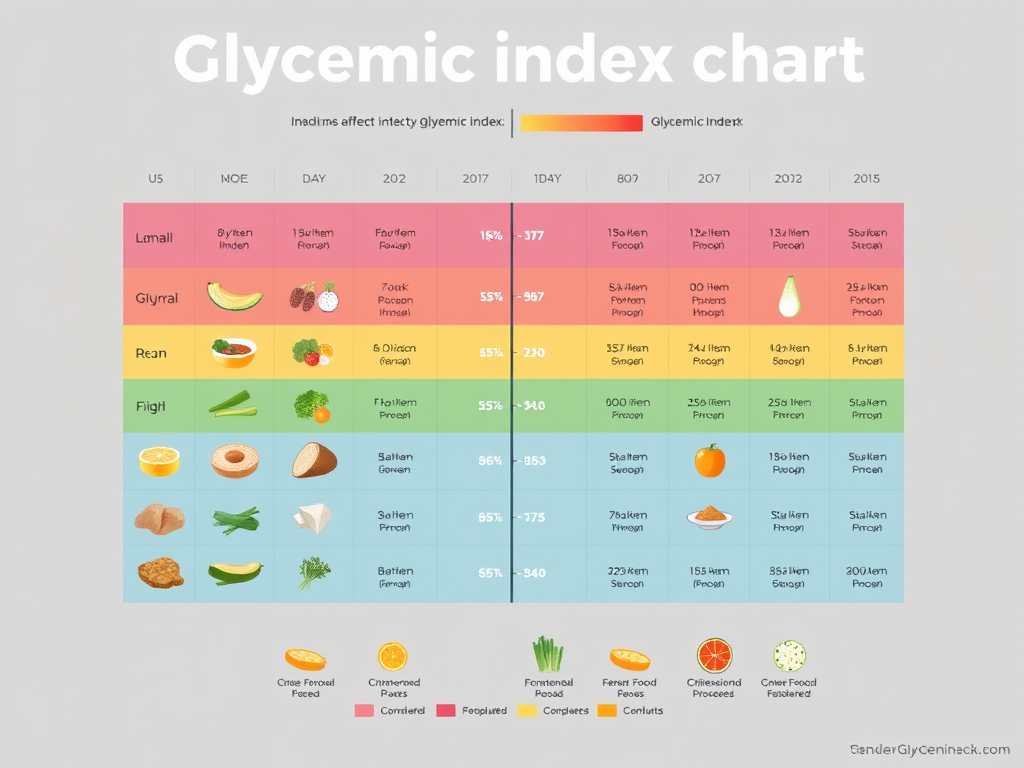
A low-Glycemic diet focuses on consuming carbohydrates that have a lower Glycemic index (GI). Foods with a low GI cause a slower rise in blood sugar and insulin levels. This makes it a valuable approach for individuals with insulin resistance or diabetes. It is also useful for those looking to keep steady energy levels.
Nonetheless, as someone who actively tracks nutrition and lifestyle outcomes, I noticed some inherent limitations in this approach:
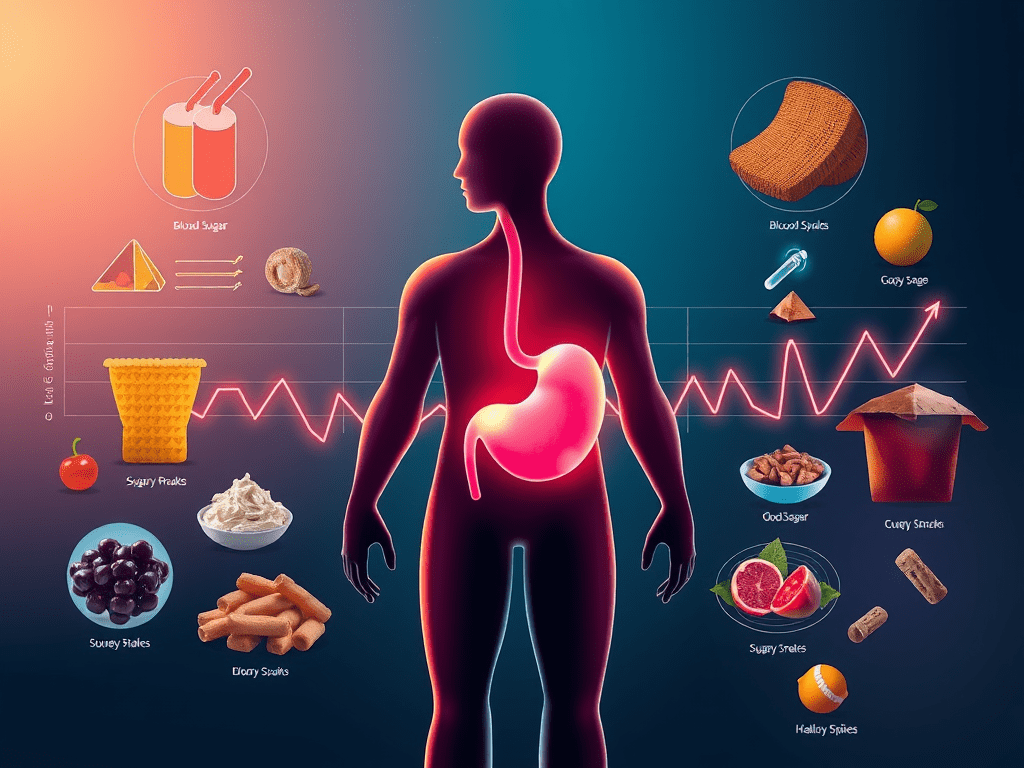
- Carbohydrate Over-consumption: Even on a low-Glycemic diet, it’s surprisingly easy to unintentionally overindulge in carbohydrates. This happens because the Glycemic Index (GI) doesn’t consider the total carbohydrate load, and portion sizes can escalate rapidly. Over time, this excess may trigger insulin spikes, sabotaging the efforts of those striving to lower insulin levels or achieve weight loss objectives. To maximize your results, it’s essential to remain vigilant about carbohydrate intake and portion control.
- Limited Energy Production: Carbohydrates, irrespective of their Glycemic index, are metabolized to generate ATP (Adenosine Triphosphate), the body’s primary energy currency. However, the metabolism of glucose yields a mere 2 ATP molecules per molecule of glucose through the anaerobic process of Glycolysis. This inefficiency often leads to diminished energy levels, particularly among individuals with active lifestyles, as their energy reserves can be rapidly depleted.

Why the Ketogenic Lifestyle Works Better for Me
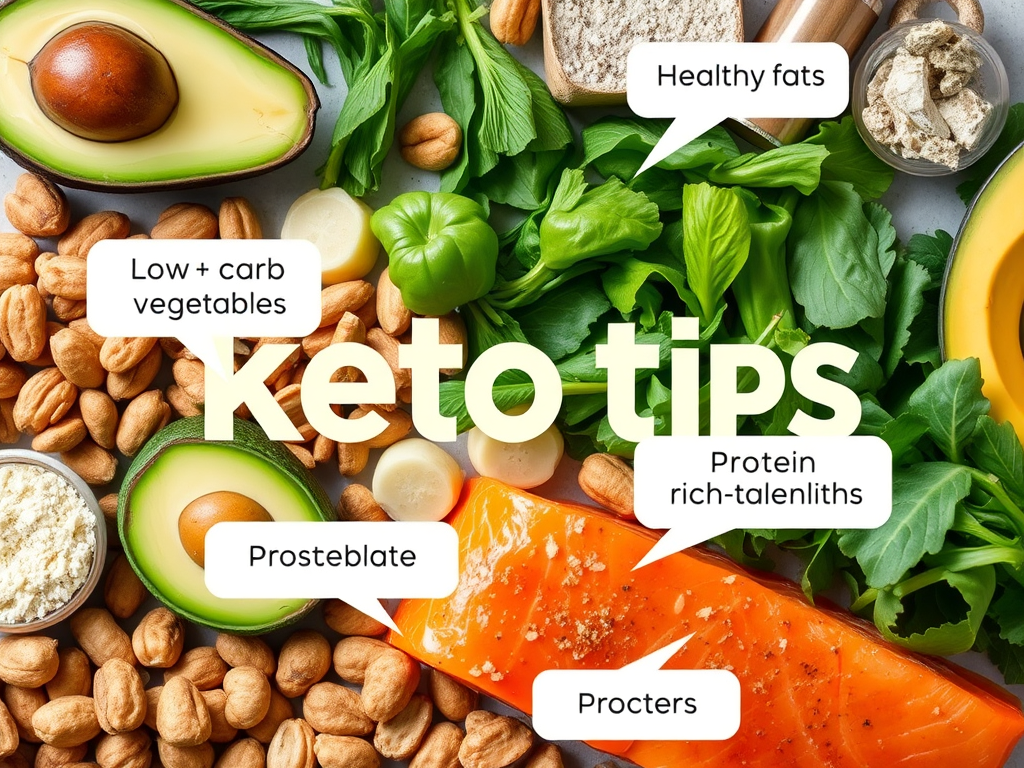
In stark contrast to a low-Glycemic diet, the ketogenic diet is a high-fat, moderate-protein, and extremely low-carbohydrate regimen that catapults the body into a powerful metabolic state known as ketosis. In this transformative state, the body predominantly depends on fats for fuel rather than carbohydrates, generating ketones as a vital alternative energy source. Here are the compelling reasons why I’ve wholeheartedly embraced this life-changing approach:
- Enhanced Energy Efficiency: Unlike glucose metabolism, the oxidation of fats produces a remarkable amount of ATP—up to 36 ATP molecules per fat molecule. This makes fat a superior energy source. Thanks to this exceptional energy yield, I’ve been able to maintain a vibrant level of energy throughout the day, completely avoiding the energy crashes and fatigue that often plague carbohydrate-based diets.
- Elimination of carbs Counting and Overeating: On a ketogenic diet, the extremely low intake of carbohydrates removes the need to track carbs constantly. Unlike a low-Glycemic approach where you must monitor both carbs quality and quantity, a well-planned ketogenic diet eliminates the risk of “hidden carbs” and excessive intake.
- Natural Appetite Regulation: The delectable foods embraced in a ketogenic diet—such as creamy avocados, succulent fatty fish, crunchy nuts, nourishing seeds, and wholesome oils (ghee, butter, olive oil, and coconut oil)—are not only rich in essential nutrients but also brimming with healthy fats. These nutrient-dense foods naturally enhance feelings of fullness and efficiently balance hunger hormones like ghrelin and Leptin. Personally, I’ve witnessed how the body’s innate signals guide me in recognizing when to pause eating, significantly minimizing the need for meticulous calorie counting and restrictive portion sizes.
- Enhanced Insulin Sensitivity: Embracing a low-carbohydrate lifestyle through the ketogenic diet dramatically reduces insulin secretion, empowering body to become more insulin-sensitive over time. This pivotal shift offers extraordinary benefits for individuals battling insulin resistance, transcending mere weight loss—it significantly boosts overall metabolic health and vitality.
- Enhanced Mental Clarity and Laser-Sharp Focus: One of the most compelling benefits of embracing the ketogenic lifestyle is the remarkable boost in cognitive function. Ketones, especially the powerful beta-hydroxybutyrate (BHB), act as a superior fuel source for our brains. As a result, I experience a significant enhancement in focus, a surge in productivity, and a dramatic reduction in energy slumps throughout my day.
Key Takeaways
For me, the ketogenic lifestyle is not merely a dietary choice—it’s a transformative and empowering journey to optimal health. It provides a clear framework, simplifies nutrition tracking, and harmonizes with the body’s natural processes for energy and nutrient utilization. If you’re contemplating a transition to a ketogenic diet, I highly recommend seeking expert guidance to ensure you meet your nutritional needs while fully embracing the remarkable benefits of this dynamic lifestyle.
Final Thoughts
By sharing my personal journey and expert insights, I aim for this blog to inspire you to discover the dietary approach that aligns perfectly with your unique goals and dynamic lifestyle. Remember, the cornerstone of achieving lasting success lies in maintaining consistency, embracing balance, and selecting the choices that empower you to feel your healthiest and most vibrant self!
























 Simplify Your Wellness Journey