Tag: nutrients

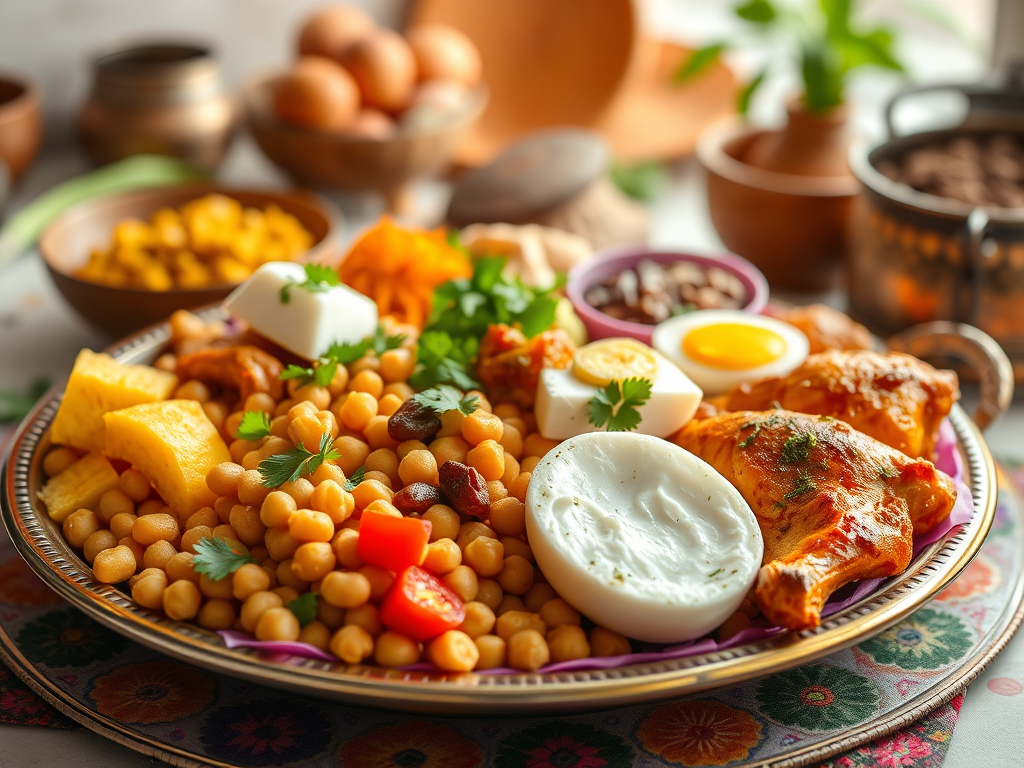
  • Part 2: How to Actually Eat Right – Building a Real High-Protein Diet Around Indian Culture (Not Instagram Fads)

    Part 2: How to Actually Eat Right – Building a Real High-Protein Diet Around Indian Culture (Not Instagram Fads)

    Forget what social media told you—here’s how to build a truly protein-rich Indian diet, whether you’re veg or non-veg. Backed by real nutrition, not fake influencers hype.

    If you’ve read Part 1, you already know the truth:

    The so-called “high-protein Indian diet” that influencers romanticize is a myth. Most of them don’t practice what they preach. They’re banking on your emotion, pride, and cultural attachment to sell you half-truths.

    But here’s the good news:

    You can build a powerful, protein-rich Indian diet—without falling for the noise. Whether you’re vegetarian or non-vegetarian, your heritage has plenty to offer. It has a lot to give when you actually understand what your body needs.

    The Foundation: Start With Protein Goals, Not Food Myths

    Before diving into what to eat, let’s set your baseline.

    • Goal: 1.2–2 grams of protein per kg of body weight (depending on activity level).
    • Example: For a 70 kg adult aiming to build or preserve muscle, target 90–120 grams/day.

    Now, let’s see how to build that the right way—with Indian foods that actually deliver.

    For Vegetarians: You Can Get There, But Not With Roti-Sabzi Alone:-

    Always prioritize consuming dairy products first for a rich source of protein, then shift your focus to grains. Remember, grains alone do not provide all the essential amino acids needed to be considered a complete protein source. Enhance your diet by balancing these elements effectively!

    • Paneer (100g): 18g protein
    • Tempeh (100g): 10g protein
    • Moong Dal (1 cup cooked): 14g protein
    • Chickpeas/Rajma (1 cup cooked): 10-12g protein
    • Greek Yogurt (300g): ~20g protein
    • Whey Protein Shake (1 scoop): 20–25g protein

    Sample Vegetarian Day Plan:

    • Breakfast: Greek yogurt + 1 scoop whey + handful of soaked almonds
    • Lunch: Paneer bhurji + 1 roti + mixed veg
    • Snack: Tempeh stir-fry
    • Dinner: Moong dal + curd + stir-fried veggies

    You don’t need to abandon culture—you need to choose strategically within it.

    For Non-Vegetarians: The Indian Diet Is a Protein Powerhouse—If Used Right

    Here’s where the real game changes. Indian cuisine includes plenty of protein-rich, affordable, accessible non-veg options—but influencers won’t highlight them because they don’t trend that much.

    • Eggs (1 large): 6g protein
    • Chicken breast (100g cooked): 20-25g protein
    • Fish (Rohu, Tilapia, etc. – 100g cooked): 20–25g protein
    • Liver (Goat/Chicken): High in protein + iron + B12
    • Prawns, mutton, organ meats: All excellent when not deep-fried

    Sample Non-Veg Day Plan:

    • Breakfast: 3 boiled eggs + Greek yogurt
    • Lunch: Grilled chicken breast + dal + salad
    • Snack: Omelets with 2 whole eggs + 2 whites
    • Dinner: Fish curry + sauteed veggies + 1 roti

    Combine that with even basic supplementation (like 1 scoop of whey), and you’re easily above 100g/day.

    Why This Works (And Influencers Diets Don’t)

    1. Real food > fancy fads: You’re not relying on overpriced “protein khakhras” or ₹3,000 PDF diet plans.
    2. Sustainable: These meals exist in your home, your neighborhood, your culture.
    3. Balanced nutrition: You’re not going extreme—no 0-carbs, no detox juice-only nonsense.
    4. Flexible: Whether veg or non-veg, there are options at every level.
    5. You’re not being emotionally manipulated. You’re following science, not sympathy reels.

    Final Takeaway: Culture Should Empower You, Not Limit You

    Stop blindly following individuals who lack genuine authenticity, promote empty trends, or fail to inspire meaningful change; seek out those who ignite passion, encourage critical thinking, and foster a community of growth.

    • Hide their supplements
    • Lie about their diet
    • Sell you overpriced “desi shred” courses & products.

    Real nutrition honors your roots while dynamically evolving to meet your unique needs. Indian cuisine can powerfully support your health goals. Whether you’re a passionate vegetarian or a devoted non-vegetarian, you must approach it strategically. Embrace a mindset free from nostalgia and emotion, focusing instead on logic, balance, and candid honesty for optimal results.

  • The Hidden Risks of Death in Healthy People While Working Out: A Reality Check

    The Hidden Risks of Death in Healthy People While Working Out: A Reality Check

    In recent years, alarming reports of seemingly fit individuals collapsing or tragically dying during workouts have ignited widespread concern. While physical activity is undeniably vital for our health, these incidents provoke critical questions: Is exercise inherently risky? The answer is a definitive no. Instead, these unfortunate deaths often arise from factors unrelated to exercise. Poor dietary choices contribute to the problem. Undetected steroid use is another factor. A lack of proper nutrition guidance also plays a role. This blog delves into the underlying causes of these incidents. It also stresses the essential role of staying active for sustained health and vitality.

    Exercise: Your Ultimate Lifesaver, Not a Risk Factor

    Regular exercise is an incredibly powerful tool for dramatically improving cardiovascular health, elevating mental well-being, and warding off chronic diseases. The transformative benefits of physical activity encompass:

    • Improved heart and lung function.
    • Reduced risk of obesity, diabetes, and hypertension.
    • Enhanced mood and cognitive function through endorphin release.
    • Better muscle strength, bone density, and flexibility.

    However, when combined with unhealthy lifestyle habits or misinformation, even exercise can become risky.

    How a Poor Diet Can Lead to Workout-Related Injuries

    • Nutritional Deficiencies: A Hidden Crisis
      • Many individuals unknowingly sabotage their health. They succumb to fad diets. They excessively depend on processed foods. They remain oblivious to the principles of balanced nutrition.
      • Critical deficiencies in essential nutrients—such as electrolytes, iron, and vital vitamins (like B12 and D)—can trigger debilitating fatigue. They can cause irregular heart rhythms and painful muscle cramps during exercise. These deficiencies significantly heighten the risk of serious cardiac events.
    • Over-consumption of Energy Drinks and Supplements: Pre-workouts and energy drinks packed with caffeine and potent stimulants are frequently relied upon for that extra “boost.” However, the dangers of excessive stimulant intake can lead to serious health issues such as arrhythmia’s, palpitations, and significantly elevated blood pressure, especially during intense physical exertion. It’s crucial to prioritize safety and be mindful of the potential consequences that come with these popular performance enhancers.
    • Carbohydrate Mismanagement
      • A low-carbs or poorly managed keto diet can lead to hypoglycemia (low blood sugar). This condition results in dizziness, fainting, or even cardiac distress during workouts.
      • Conversely, excessive refined carbohydrate consumption can lead to insulin resistance and long-term cardiovascular issues.

    The Hidden Dangers of Steroid Use

    • Steroids Among Social Media Influencers
      • The rise of social media has glorified “perfect” physiques, leading many influencers and their followers to turn to Anabolic steroids for faster results.
      • Steroids artificially enhance muscle growth but come at a significant cost to heart health, including:
        • Hypertension: Steroids elevate blood pressure, increasing strain on the heart.
        • Arrhythmia’s: Steroid use disrupts normal heart rhythms.
        • Heart Muscle Damage: Long-term use can lead to cardiomyopathy (weakened heart muscle) and heart failure.

    These substances are often used in secret, with influencers promoting an unrealistic image of “natural” fitness that pressures others to follow unsafe paths.

    The Importance of Proper Nutrition and Counseling

    • Personalized Nutrition Plans
      • A certified nutritionist thoroughly analyzes an individual’s health history, fitness aspirations, and current dietary practices. This comprehensive evaluation informs the creation of a dynamic, sustainable meal plan tailored specifically to enhance well-being and performance.
      • Optimal nutrition is crucial for achieving peak electrolyte balance. It helps in stabilizing blood sugar levels. It also fosters effective recovery. These factors significantly diminish exercise-related risks and promote overall health.
    • Education on Safe Supplementation
      • Nutrition counseling provides essential knowledge on the responsible and effective use of dietary supplements. This includes high-quality protein powders, energizing pre-workouts, and comprehensive multivitamins.
      • By avoiding dangerous stimulants and unverified compounds, individuals can significantly reduce their risk of heart-related incidents. They can also enhance their overall health.
    • Essential Guidance for Athletes and Gym Enthusiasts: Athletes and dedicated gym-goers need tailored macronutrient plans and hydration strategies to optimize performance and fuel intense workouts, ensuring that they achieve their fitness goals while maintaining overall health.

    How to Stay Safe While Staying Active

    • Embrace Balanced Eating for Optimal Performance
      • Prioritize a vibrant mix of lean proteins, heart-healthy fats, and nutrient-dense complex carbohydrates to energize your workouts and enhance recovery.
      • Boost your heart health by incorporating essential nutrients. Include magnesium-rich foods such as nuts, seeds, and leafy greens. Add omega-3 fatty acids from sources like salmon, flaxseeds, and walnuts.
    • Stay Hydrated, Stay Strong: Dehydration can put immense strain on your heart during exercise. Prioritize hydration by drinking plenty of water and incorporating electrolyte-packed beverages into your routine, especially for those intense, prolonged workouts. Your body will thank you!
    • Steer Clear of Quick Fixes: Reject the lure of steroids and dubious supplements. Embrace steady, sustainable progress through natural means for lasting results!
    • Understand Your Limits: Pushing too hard can lead to injury and put unnecessary strain on your heart. Embrace a well-rounded workout regimen that prioritizes adequate recovery and incorporates rest days for optimal performance.
    • Engage Expert Guidance: Collaborate with certified trainers and nutritionists to create personalized and effective exercise and dietary strategies that cater to your unique health goals and enhance your overall well-being.
    • Essential Health Checkups: Routine screenings for blood pressure, cholesterol levels, and heart function are crucial for your well-being, especially if you engage in intensive exercise or have a family history of heart disease. Prioritizing these checkups can empower you to take control of your health and prevent potential issues before they arise.

    Final Thoughts: Key Takeaways and Insights

    Exercise is a cornerstone of a thriving, healthy lifestyle and should never be viewed with fear. However, pitfalls like poor dietary habits, hidden steroid use, and a lack of professional guidance can transform workouts into potential risks. By focusing on balanced nutrition, steering clear of shortcuts like steroids, and seeking expert advice, individuals can confidently embrace the countless benefits of physical activity.

    Staying active is not just beneficial for your heart—it’s crucial for overall health. When you couple regular exercise with informed dietary choices and a steadfast commitment to authenticity over quick fixes, you’re not only building a stronger body but also paving the way for a longer, healthier life. Embrace the journey and let your commitment lead to lasting wellness!

  • The Truth About Commercial Baby Food

    The Truth About Commercial Baby Food

    As parents, our greatest wish is to ensure the optimal development of our children during their crucial formative years. The nutritional choices we make play a vital role in shaping their physical and mental growth. However, much of what’s advertised as “healthy” baby food in supermarkets often lacks essential nutrients. Research reveals that many commercial baby foods are linked to alarming long-term health issues, such as obesity, poor cognitive development, and chronic diseases. This blog delves into the hidden truths behind store-bought baby food, its significant impact on children’s health, and provides invaluable insights on how parents can choose wholesome alternatives like high-quality isolate whey protein and nutrient-rich real foods to bolster their child’s growth and well-being.

    The Problems with Commercial Baby Food

    • Excessive Sugar Levels: A shocking number of baby foods, even those proudly labeled as “organic” or “natural,” are loaded with added sugars and concentrated fruit ingredients.
      • Stunning Research Findings: A groundbreaking study published in The Lancet revealed that an alarming 70% of commercial baby foods exceed safe sugar thresholds, fostering an early preference for sweet tastes and heightening the risk of childhood obesity and diabetes.
    • Nutritionally Deficient: Many commercial baby foods undergo excessive processing, sacrificing essential nutrients like vitamins, minerals, and enzymes crucial for healthy growth and development.
      • Concerning Research Insights: A 2020 report from the World Health Organization (WHO) emphasized that a significant number of baby foods fall short of nutritional standards, delivering empty calories devoid of vital protein and healthy fats.
    • Hazardous Contaminants: Troubling levels of heavy metals—including arsenic, lead, cadmium, and mercury—are present in a variety of store-bought baby foods. These dangerous toxins are linked to developmental delays, cognitive impairment, and long-lasting health complications.
      • Disturbing Research Findings: A 2021 investigation by the U.S. House of Representatives uncovered that numerous well-known baby food brands harbor unacceptably high concentrations of heavy metals.
    • Deceptive Marketing Practices: Terms such as “all-natural,” “organic,” and “fortified” can mislead parents into mistakenly believing these products are substantially healthier than reality.

    Impact on Children’s Physical and Mental Development

    • Impaired Brain Development
      • Poor Nutrition: Insufficient nutrition during early childhood severely impacts cognitive function, memory retention, and overall learning ability. Diets that are excessively high in sugars while lacking essential fats and proteins deprive the brain of the vital nutrients it requires for optimal growth and development.
      • Omega-3 Deficiency: Essential fatty acids, particularly DHA and EPA, play a crucial role in brain development. Unfortunately, these vital nutrients are often missing from most commercial baby foods, hindering cognitive and emotional growth in young children.
    • Compromised Immune System: Over-processed foods are stripped of essential immune-boosting nutrients such as zinc, vitamin C, and Probiotics, which puts children at greater risk of infections and health issues. Prioritizing whole, nutrient-rich foods is vital for strengthening their defenses and promoting overall well-being.
    • Inadequate Protein Hinders Muscle and Bone Development: Insufficient protein levels in baby foods can severely impede optimal muscle and skeletal growth, resulting in weaker physical development during critical formative years.

    Healthy Alternatives to Commercial Baby Food

    • Premium Quality Isolate Whey Protein: Experience the power of whey protein isolate, an exceptional source of complete protein packed with essential amino acids that are crucial for the healthy development of growing children. Its easy digestibility makes it an ideal choice for active lifestyles.
      • Key Benefits:
        • Maximizes Muscle Growth and Repair: Fuel your child’s physical activities and recovery with this essential nutrient.
        • Boosts Immune System Function: Fortified with immunoglobulins and lactoferrin, it helps strengthen your child’s defenses against illness.
        • Enhances Brain Development: Rich in amino acids like tryptophan, it supports cognitive functions and overall brain health.
      • How to Use: Simply add a small amount (following age-appropriate dosage guidelines) to delicious homemade smoothies or purees, effortlessly boosting their protein intake for optimal growth!
    • Nourishing Homemade Baby Food: Crafting fresh, nutrient-packed meals empowers your child with wholesome goodness, free from preservatives and additives. Here are some vibrant options to consider:
      • Vegetable Purees: Include colorful choices like spinach, sweet potatoes, carrots, and nutrient-rich broccoli.
      • Fruit Combinations: Blend avocado with antioxidant-rich berries (naturally low in sugar) for a delightful treat.
      • Protein Powerhouses: Introduce cooked lentils soup, wholesome eggs, and nutritious salmon (loaded with omega-3 fatty acids) for balanced nutrition.
    • Healthy Fats: Include healthy fats like ghee, coconut oil, and avocado to support brain development and energy needs.
    • Iron-Rich Foods: Iron is essential for cognitive function and energy. Incorporate iron-rich foods like pureed meats, spinach, and fortified cereals.
    • Probiotics Foods: Probiotics strengthen gut health and immunity. Introduce foods like yogurt (unsweetened) or Kefir gradually.

    Research Findings Supporting Real Food Nutrition

    • Breastfeeding and Protein Needs
      • Research in The American Journal of Clinical Nutrition underscores the importance of high-quality protein during infancy and toddler-hood to support brain and muscle growth.
      • Whey protein, a key component of breast milk, can be supplemented through isolate whey as children transition to solid foods.
    • Whole Foods vs. Processed Foods: A study published in Pediatrics found that children who consumed whole foods instead of processed baby food had higher IQ scores, better immunity, and lower rates of obesity.
    • Omega-3 and Brain Development: DHA (a type of omega-3) has been shown to improve learning, memory, and behavior in children. Fatty fish, flaxseeds are excellent natural sources.
    • Impact of Heavy Metals: The Environmental Defense Fund found that children exposed to heavy metals in early life had lower cognitive scores and a higher risk of developmental delays, emphasizing the importance of avoiding contaminated baby food.

    How to Transition to Healthier Options

    • Gradual Introduction: If switching from store-bought baby food, introduce new foods one at a time to monitor for allergies and acceptance.
    • Involve a Nutritionist: Consult a certified nutritionist to ensure your child’s diet meets their specific needs for growth and development.
    • Read Labels Carefully: If buying pre-packaged foods, choose brands with no added sugar, low sodium, and minimal ingredients.
    • Educate Yourself: Learn to prepare simple, nutrient-dense meals at home. There are numerous recipes available for homemade baby food that are easy to make and store.

    Conclusion

    The so-called “healthy” baby foods flooding the market often fail to deliver the essential nutrition your child truly needs. In fact, some of these options can potentially jeopardize their health over time. As loving parents, prioritizing real, whole foods is crucial; steering clear of heavily processed alternatives packed with sugars and harmful toxins is a must.

    Opt for nutrient-dense alternatives like isolate whey protein, wholesome healthy fats, and natural purees. These options are not just safer for your little one but are also vastly superior in promoting both physical and mental growth.

    As your devoted nutritionist, my advice is crystal clear: Emphasize quality, seek guidance from professionals when necessary, and make informed, thoughtful choices. Remember, the nurturing foundation you establish today will significantly influence your child’s health and development in the future!

  • Is Sweet Corn Really a Healthy Snack? A Scientific Analysis of Its Effects on Hormones and Body Chemistry

    Is Sweet Corn Really a Healthy Snack? A Scientific Analysis of Its Effects on Hormones and Body Chemistry

    Sweet corn is often hailed as a nutritious, convenient, and naturally sweet snack. It’s touted as a low-fat, fiber-loaded, and vitamin-rich food that seamlessly integrates into a well-rounded diet. But what if this widespread perception isn’t completely precise? Let’s explore the science behind sweet corn. We will unveil its hidden downsides. We will also understand how it affects your hormones and overall well-being.

    The Prevalence of GMO Corn

    Corn is one of the most genetically modified crops in the world. According to data from the International Service for the Acquisition of Agri-biotech Applications (ISAAA) and the U.S. Department of Agriculture (USDA):

    • Over 90% of corn grown is genetically modified.
    • Common modifications include herbicide resistance (e.g., glyphosate resistance) and pest resistance through Bt (Bacillus thuringiensis) genes.
    • Even sweet corn, which is consumed directly as a vegetable, has GMO variants that are widely cultivated.

    This raises concerns because GMO crops may contain residues of chemicals like glyphosate, a herbicide classified as a probable human carcinogen by the World Health Organization (WHO).

    The Tadpole Experiment: A Disturbing Revelation

    One of the most striking studies on GMO corn’s effects involved tadpoles and hormonal disruption. Researchers investigated how GMO corn consumption altered their development.

    • The Experiment:- In a 2006 study published in the journal Environmental Health Perspectives, tadpoles were fed diets containing GMO corn that expressed Bt toxins. The study observed changes in growth, development, and hormonal levels.
    • Key Findings
      • The tadpoles exhibited altered levels of thyroid hormones, which are critical for normal growth and development.
      • Abnormal development patterns were noted, including delayed metamorphosis and physical deformities.
      • The researchers attributed these effects to the Bt toxin and residual chemicals from herbicides used in GMO farming.
    • Implications for Humans:- While the study was conducted on amphibians, thyroid hormones play an equally critical role in human health. Disruption in these hormones can lead to:
      • Hypothyroidism or hyperthyroidism.
      • Impaired growth and metabolism.
      • Fertility issues and developmental disorders in children.

    How GMO Corn Affects Humans

    In addition to Bt toxin, the glyphosate used on GMO corn poses a significant risk. Research published in Environmental Toxicology and Pharmacology has shown that glyphosate can:

    • Estrogen Dominance:- Compounds in GMO corn may mimic estrogen in the body, leading to an imbalance that can cause weight gain, mood swings, and reproductive issues.
    • Insulin Resistance:- The high carbohydrate content of sweet corn, combined with potential chemical residues, may worsen insulin sensitivity, leading to metabolic disorders like diabetes.
    • Thyroid Dysfunction:- As shown in the tadpole study, exposure to Bt toxins and glyphosate can interfere with thyroid hormones, affecting metabolism and energy levels.

    The Nutritional Composition of Sweet Corn

    Sweet corn holds carbohydrates, some protein, and a small amount of fat. It also has essential vitamins like B vitamins and antioxidants like Lutein. While it may seem harmless, the problems arise from its high carbohydrate and sugar content. Here’s why that matters:

    • High Glycemic Index (GI): Sweet corn has a notably high Glycemic Index. This means it can cause a rapid surge in blood sugar levels. This occurs shortly after consumption. This swift spike in glucose happens quickly. It is frequently followed by a dramatic crash. This crash results in fatigue and heightened cravings for more sugary or starchy foods. Being aware of this effect is crucial for maintaining balanced energy levels and managing cravings effectively.
    • Rich in Natural Fructose: Sweet corn is not just delicious. It is packed with natural fructose. Fructose is a sugar metabolized by the liver. However, be cautious! Overindulgence in fructose can lead to serious health issues. These include fatty liver disease and insulin resistance. It can also lead to the development of metabolic syndrome over time. Enjoy sweet corn in moderation for a balanced diet!
    • Impact on Cortisol:- Sweet corn’s ability to cause rapid blood sugar fluctuations indirectly impacts cortisol, the body’s stress hormone. After a high-carbs meal, blood sugar drops. The body may release cortisol to stabilize glucose levels. Over time, this can lead to chronic stress-like states.

    Corn’s Effect on Gut Health

    Corn is rich in lectins, fascinating plant proteins that can pose challenges for the human gut’s digestion. These potent lectins can:

    • Cause inflammation in the gut lining.
    • Lead to “leaky gut syndrome,” a condition linked to autoimmune diseases and chronic inflammation.
    • Impair the absorption of essential nutrients, further exacerbating health issues.

    Additionally, sweet corn lacks a rich variety of dietary fibers. These fibers are vital for nurturing beneficial gut bacteria.

    The Verdict

    While sweet corn is often marketed as a nutritious snack, the alarming prevalence of GMO varieties raises serious health concerns that cannot be overlooked. Recent studies, including a revealing tadpole experiment, demonstrate the potential for GMO corn to interfere with hormonal balance—a warning that should grab our attention. Coupled with its high sugar content and elevated Glycemic load, sweet corn may not be the “health food” many consumers believe it to be.

    By delving into the science behind how sweet corn affects your body, you empower yourself to make informed and healthier choices that bolster your hormonal health and overall well-being.

    Instead of reaching for sweet corn, explore alternative options that truly nourish your body without the hidden pitfalls. Your hormones, gut health, and overall vitality will greatly benefit from these wiser dietary choices.

    References:

    • Environmental Health Perspectives (2006): Study on BT corn and tadpole development.
    • Environmental Toxicology and Pharmacology: Glyphosate’s endocrine-disrupting effects.
    • USDA and ISAAA: Statistics on GMO corn prevalence.
    • WHO Classification of Glyphosate.

  • Arthritis: Understanding the Role of Nutrition in Managing Joint Health

    Arthritis: Understanding the Role of Nutrition in Managing Joint Health

    Arthritis is a chronic condition that impacts millions of lives worldwide, causing pain, stiffness, and reduced mobility. While medical treatments are essential, the role of diet and lifestyle in managing and potentially alleviating arthritis symptoms is often overlooked.

    In this blog, we’ll explore the science behind arthritis, its causes, and symptoms, and delve deep into how adopting a nutritious diet and consuming anti-inflammatory foods can support joint health. This evidence-based guide aims to empower you to take control of your health, with practical insights into how nutrition can complement medical treatment.

    By making informed choices about what you eat, you can significantly impact your arthritis management, leading to better quality of life and improved well-being. Join us on this journey to discover how lifestyle changes can transform your experience with arthritis!

    What is Arthritis?

    Arthritis is a broad umbrella term encompassing more than 100 distinct conditions, all united by the common theme of joint inflammation. The most prevalent types include:

    • Osteoarthritis (OA): A chronic degenerative condition resulting from the gradual breakdown of cartilage. OA predominantly impacts weight-bearing joints such as the knees, hips, and spine, leading to pain and stiffness that can significantly affect mobility and quality of life.
    • Rheumatoid Arthritis (RA): A debilitating autoimmune disorder where the body’s immune system mistakenly attacks the protective lining of the joints, resulting in chronic inflammation and progressive joint damage. This condition can lead to significant pain, swelling, and long-term disability if not effectively managed.
    • Gout: A debilitating condition triggered by the buildup of uric acid crystals in the joints, often resulting from dietary choices rich in high-purine foods such as alcohol and red meat. Understanding the connection between what you eat and how your body reacts is crucial in managing this painful condition.

    Symptoms of Arthritis

    • Chronic joint pain and stiffness
    • Swelling and redness around affected areas
    • Reduced range of motion
    • Fatigue, especially in autoimmune conditions like RA
    • Stiffness, especially after periods of inactivity or in the morning.
    • Limited range of motion or difficulty performing daily tasks.

    Global Impact of Arthritis

    • Prevalence: According to the World Health Organization, 1 in 6 adults globally suffers from arthritis.
    • Economic Burden: Arthritis is a leading cause of disability, costing billions in healthcare expenses and lost productivity annually.

    Top Factors Behind Arthritis: Uncovering the Causes

    Arthritis results from a combination of genetic, environmental, and lifestyle factors:

    • Genetics: Certain genes increase susceptibility, especially in autoimmune types like RA.
    • Obesity: Excess weight puts stress on joints and promotes inflammation.
    • Age: Aging leads to the natural degeneration of cartilage, increasing OA risk.
    •  Dietary Factors: High intake of processed foods, sugar, and trans fats exacerbates systemic inflammation.
    • Lifestyle Habits: Sedentary behavior and smoking are linked to increased arthritis severity.

    The Impact of Diet on Arthritis: Unlocking Relief Through Nutrition

    • The Critical Role of Inflammation in Health and Disease

    Inflammation is the central culprit behind all types of arthritis, serving as the body’s natural immune response. Yet, when it escalates into a chronic and low-grade state, this inflammation wreaks havoc on the joints, amplifying pain and accelerating disease progression. Grasping this vital connection is crucial for effective and proactive management, paving the way for improved treatment strategies and enhanced patient outcomes.

    • Grains and Arthritis: Are They the Hidden Culprits?
      • Grains, particularly refined and even certain whole grains, can dramatically worsen arthritis symptoms for several compelling reasons:
        • High Glycemic Index (GI) and Load (GL): Grains like wheat, corn, and rice fall into the category of high-GI foods, resulting in swift spikes in blood sugar levels. These surges in blood glucose trigger a surge in insulin production, which subsequently elevates pro-inflammatory cytokines such as tumor necrosis factor-alpha (TNF-α) and interleukin-6 (IL-6). These cytokines are crucial players in the inflammatory processes linked to arthritis.
        • Groundbreaking Research: A landmark study published in The American Journal of Clinical Nutrition unveiled that high-GI diets significantly raise C-reactive protein (CRP) levels, a vital marker of systemic inflammation. This finding illuminates the intricate relationship between dietary choices and arthritis flare-ups, emphasizing the importance of monitoring grain intake for arthritis sufferers.
    • Gluten Sensitivity and Autoimmunity: For individuals suffering from gluten sensitivity or celiac disease, grains such as wheat, barley, and rye can ignite a harmful immune response that exacerbates inflammation. This interplay becomes particularly concerning in autoimmune conditions like Rheumatoid Arthritis (RA).
      • Scientific Evidence: Groundbreaking research published in Autoimmunity Reviews underscores a compelling link between gluten sensitivity and systemic inflammation, showing that this connection can significantly amplify joint pain in arthritis patients.
    • Anti-Nutrients in Grains: Grains harbor anti-nutrients such as lectins and phytic acid, which can significantly hinder nutrient absorption and potentially damage the gut lining, contributing to a condition popularly known as “leaky gut syndrome.” When the gut is compromised, it permits toxins and inflammatory agents to infiltrate the bloodstream, aggravating various autoimmune conditions and triggering widespread inflammation.
      • Gut-Arthritis Connection: A compelling study published in Frontiers in Immunology highlights the critical link between gut dysbiosis—an imbalanced gut microbiome—and the worsening of rheumatoid arthritis (RA) as well as other inflammatory diseases.
    • Omega-6 to Omega-3 Imbalance: Today’s modern diets are frequently overwhelmed with omega-6 fatty acids, primarily sourced from grains, creating a concerning nutritional imbalance. The standard consumption ratio of omega-6 to omega-3 stands at an astonishing 15:1, a stark contrast to the ideal and health-promoting 1:1 ratio. This significant divergence not only exacerbates chronic inflammation but also contributes to a host of health complications, highlighting the urgent necessity for dietary changes. By prioritizing a more harmonious intake of these crucial omega fatty acids, we can significantly enhance our overall health and well-being.
    • Unlocking the Essential Connection Between Weight Management and Joint Health: Groundbreaking research from the Arthritis Foundation reveals that losing just 1 pound of body weight can relieve an astonishing 4 pounds of pressure off your knee joints. This powerful insight highlights the critical importance of achieving and maintaining a healthy weight to significantly reduce stress on your weight-bearing joints, ultimately enhancing your overall joint health and mobility.

    The High-Fat Diet as an Anti-Inflammatory Solution

    A high-fat, low-carbohydrate diet, particularly the ketogenic diet, prioritizes nutritious fats while dramatically reducing grains and sugars, effectively tackling the underlying causes of inflammation. Here’s how this powerful dietary approach can significantly benefit individuals battling arthritis:

    • Powerful Reduced Inflammation: Ketones, the vital energy source in a high-fat diet, are scientifically proven to significantly lower oxidative stress and reduce inflammatory markers. Notably, Beta-hydroxybutyrate (BHB), an influential ketone body, effectively inhibits the NLRP3 inflammasome, a crucial driver of inflammation, particularly in conditions like arthritis.
      • Compelling Study Highlight: Groundbreaking research published in Cell Metabolism revealed that BHB not only suppresses systemic inflammation but also enhances symptoms in autoimmune diseases, showcasing its potential as a therapeutic agent.
    • Enhanced Joint Health: A nutrient-rich high-fat diet emphasizes powerful anti-inflammatory fats such as omega-3s found in fatty fish and heart-healthy monounsaturated fats from olive oil and avocados. These essential fats significantly alleviate joint stiffness and discomfort, while also promoting robust cartilage health for optimal mobility and vitality.
    • Gut Health Restoration: A powerful grain-free, high-fat diet significantly reduces gut inflammation and nurtures a thriving microbiome. By fostering healthy gut bacteria, this approach increases the production of vital short-chain fatty acids (SCFAs), particularly butyrate, which are renowned for their potent anti-inflammatory effects. Embrace this transformative journey towards optimal gut health!

    Anti-Inflammatory Foods to Relieve Arthritis Pain

    • Fatty Fish: Omega-3 fatty acids (EPA and DHA).
    • Turmeric: Blocks inflammatory pathways (e.g., NF-κB).
    • Ginger: Reduces pain and inflammation, similar to NSAIDs
    • Leafy Greens: Strengthens cartilage and reduces oxidative stress.
    • Nuts and Seeds: Combat inflammation and boost immunity.
    • Green Tea: Reduces cartilage damage and inhibits inflammatory enzymes.
    • Bone Broth: Supports cartilage repair and strengthens connective tissue.
    • Coconut Oil: Reduces oxidative stress and provides anti-inflammatory benefits.
    • Non-Starchy Vegetables (Spinach, Broccoli, Zucchini): Combat oxidative stress and support cartilage health.

    Foods to Avoid for Arthritis Relief

    • Grains and Sugars
      • High-GI foods spike blood sugar, worsening inflammation.
      • Gluten in wheat can trigger autoimmune responses.
    • Seed Oils (Corn, Soybean, Sunflower): High in omega-6 fats, these oils exacerbate the omega-6 to omega-3 imbalance.
    • Processed Meats: Contain advanced glycation end-products (AGEs), which promote joint inflammation.
    • Alcohol: Increases uric acid levels, worsening gout and systemic inflammation.

    The Bottom Line: A High-Fat Diet for Arthritis Management

    Eliminating grains and embracing a high-fat, low-carbohydrate diet can dramatically reduce inflammation, enhance joint health, and restore gut integrity. This powerful approach tackles arthritis at its source by focusing on chronic inflammation and supplying the body with essential nutrients needed for repair and vibrant health. If you’re eager to reclaim control over your arthritis with personalized nutritional guidance, let’s design a customized plan that fits your unique needs and lifestyle.

    Contact me today to embark on your journey towards a pain-free, active life!