Tag: Nutrient dense

  • Part 2: How to Actually Eat Right – Building a Real High-Protein Diet Around Indian Culture (Not Instagram Fads)

    Part 2: How to Actually Eat Right – Building a Real High-Protein Diet Around Indian Culture (Not Instagram Fads)

    Forget what social media told you—here’s how to build a truly protein-rich Indian diet, whether you’re veg or non-veg. Backed by real nutrition, not fake influencers hype.

    If you’ve read Part 1, you already know the truth:

    The so-called “high-protein Indian diet” that influencers romanticize is a myth. Most of them don’t practice what they preach. They’re banking on your emotion, pride, and cultural attachment to sell you half-truths.

    But here’s the good news:

    You can build a powerful, protein-rich Indian diet—without falling for the noise. Whether you’re vegetarian or non-vegetarian, your heritage has plenty to offer. It has a lot to give when you actually understand what your body needs.

    The Foundation: Start With Protein Goals, Not Food Myths

    Before diving into what to eat, let’s set your baseline.

    • Goal: 1.2–2 grams of protein per kg of body weight (depending on activity level).
    • Example: For a 70 kg adult aiming to build or preserve muscle, target 90–120 grams/day.

    Now, let’s see how to build that the right way—with Indian foods that actually deliver.

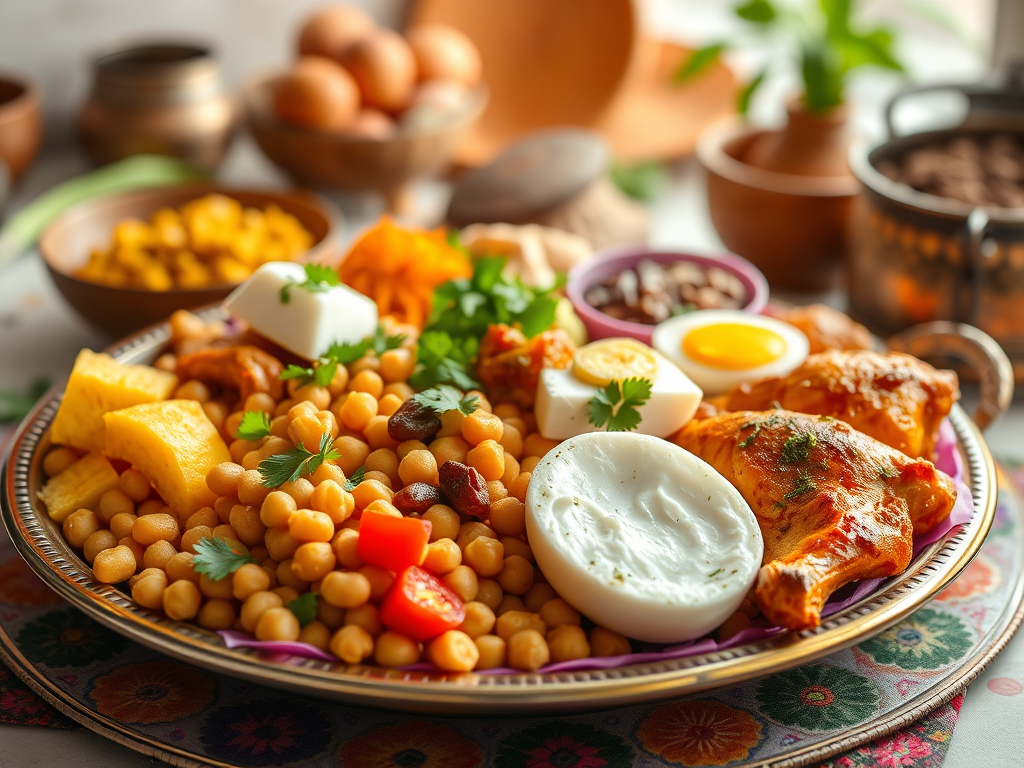
    For Vegetarians: You Can Get There, But Not With Roti-Sabzi Alone:-

    Always prioritize consuming dairy products first for a rich source of protein, then shift your focus to grains. Remember, grains alone do not provide all the essential amino acids needed to be considered a complete protein source. Enhance your diet by balancing these elements effectively!

    • Paneer (100g): 18g protein
    • Tempeh (100g): 10g protein
    • Moong Dal (1 cup cooked): 14g protein
    • Chickpeas/Rajma (1 cup cooked): 10-12g protein
    • Greek Yogurt (300g): ~20g protein
    • Whey Protein Shake (1 scoop): 20–25g protein

    Sample Vegetarian Day Plan:

    • Breakfast: Greek yogurt + 1 scoop whey + handful of soaked almonds
    • Lunch: Paneer bhurji + 1 roti + mixed veg
    • Snack: Tempeh stir-fry
    • Dinner: Moong dal + curd + stir-fried veggies

    You don’t need to abandon culture—you need to choose strategically within it.

    For Non-Vegetarians: The Indian Diet Is a Protein Powerhouse—If Used Right

    Here’s where the real game changes. Indian cuisine includes plenty of protein-rich, affordable, accessible non-veg options—but influencers won’t highlight them because they don’t trend that much.

    • Eggs (1 large): 6g protein
    • Chicken breast (100g cooked): 20-25g protein
    • Fish (Rohu, Tilapia, etc. – 100g cooked): 20–25g protein
    • Liver (Goat/Chicken): High in protein + iron + B12
    • Prawns, mutton, organ meats: All excellent when not deep-fried

    Sample Non-Veg Day Plan:

    • Breakfast: 3 boiled eggs + Greek yogurt
    • Lunch: Grilled chicken breast + dal + salad
    • Snack: Omelets with 2 whole eggs + 2 whites
    • Dinner: Fish curry + sauteed veggies + 1 roti

    Combine that with even basic supplementation (like 1 scoop of whey), and you’re easily above 100g/day.

    Why This Works (And Influencers Diets Don’t)

    1. Real food > fancy fads: You’re not relying on overpriced “protein khakhras” or ₹3,000 PDF diet plans.
    2. Sustainable: These meals exist in your home, your neighborhood, your culture.
    3. Balanced nutrition: You’re not going extreme—no 0-carbs, no detox juice-only nonsense.
    4. Flexible: Whether veg or non-veg, there are options at every level.
    5. You’re not being emotionally manipulated. You’re following science, not sympathy reels.

    Final Takeaway: Culture Should Empower You, Not Limit You

    Stop blindly following individuals who lack genuine authenticity, promote empty trends, or fail to inspire meaningful change; seek out those who ignite passion, encourage critical thinking, and foster a community of growth.

    • Hide their supplements
    • Lie about their diet
    • Sell you overpriced “desi shred” courses & products.

    Real nutrition honors your roots while dynamically evolving to meet your unique needs. Indian cuisine can powerfully support your health goals. Whether you’re a passionate vegetarian or a devoted non-vegetarian, you must approach it strategically. Embrace a mindset free from nostalgia and emotion, focusing instead on logic, balance, and candid honesty for optimal results.

  • Amenorrhea: How Diet and Lifestyle Affect Menstrual Health

    Amenorrhea: How Diet and Lifestyle Affect Menstrual Health

    Amenorrhea, a term that may be unfamiliar to many, represents a critical health issue that profoundly impacts women’s reproductive health. This condition is not merely characterized by the absence of a menstrual cycle; it often serves as a warning sign of deeper health complications, especially those tied to nutrition and lifestyle habits. As a dedicated nutritionist, I strive to illuminate the complexities of amenorrhea, exploring its myriad causes and emphasizing the necessity of a comprehensive, informed approach to weight loss for optimal well-being.
    Amenorrhea, signifying the absence of menstruation, can drastically influence a woman’s overall health. What may initially appear to be a minor inconvenience is often a red flag for serious underlying health concerns, particularly those associated with dietary choices and lifestyle factors. This article embarks on a thorough exploration of amenorrhea, examining its causes, symptoms, and the crucial importance of adopting a well-rounded approach to weight loss.

    What is Amenorrhea?

    Amenorrhea is defined as the absence of menstrual periods and is classified into two distinct types:

    • Primary Amenorrhea: This condition manifests when a girl has not experienced her first menstruation by the age of 15 or 16, raising concerns about puberty progression and reproductive health.
    • Secondary Amenorrhea: This condition arises when a woman who previously experienced regular menstrual cycles misses her periods for three or more consecutive months. It can be a significant indicator of underlying health issues, requiring attention and often leading to further assessments to uncover potential causes such as hormonal imbalances, stress, or significant weight changes.

    While certain instances of amenorrhea are perfectly natural—such as during pregnancy, breastfeeding, or menopause—other cases may signal underlying health concerns that warrant immediate attention.

    Symptoms of Amenorrhea

    The primary symptom is the absence of a menstrual cycle. However, women may experience additional symptoms depending on the underlying cause, such as:

    • Vaginal dryness
    • Mood disorders
    • Frequently feeling cold
    • Hair loss or thinning
    • Weight changes
    • Acne or unusual hair growth (hirsutism)
    • Headaches or vision changes
    • Pelvic pain
    • Fatigue and decreased energy levels

    Several factors can contribute to the development of amenorrhea:

    • Hormonal Imbalances: Conditions like Polycystic Ovary Syndrome (PCOS) and thyroid disorders significantly disrupt the delicate hormonal balance essential for maintaining regular menstruation. Understanding these conditions is crucial for effective management and restoring menstrual health.
    • Stress: Chronic stress affects the hypothalamus the brain region responsible for regulating menstrual cycles leading to disruptions.
    • Low Body Weight or Eating Disorders: Significant weight loss, anorexia, or bulimia can halt menstrual periods due to insufficient energy availability.
    • Excessive Exercise: Intense physical activity without adequate caloric intake can lead to energy deficits, causing menstrual irregularities.
    • Nutritional Deficiencies: Lack of essential nutrients can impair hormone production and menstrual function.

    The Impact of Crash Diets and Severe Calorie Restriction

    In the pursuit of swift weight loss, countless individuals turn to crash diets or extreme calorie cuts. Although these approaches may deliver immediate results on the scale, they often come at a significant cost to menstrual health:

    • Energy Deficiency: The human body necessitates a specific amount of energy to sustain essential physiological functions, including reproduction. Severe calorie restriction can push the body into a state of energy deficiency, leading it to conserve energy by suppressing reproductive functions. This can culminate in the occurrence of amenorrhea, a significant disruption in the menstrual cycle that signals deeper health concerns.
    • Hormonal Disruption: Adequate fat intake is crucial for the production of estrogen, a vital hormone in regulating the menstrual cycle. Low-calorie diets often lack sufficient healthy fats, which can lead to decreased estrogen levels and menstrual irregularities. Prioritizing the right fats is essential for maintaining hormonal balance and overall reproductive health.
    • Stress Response Activation: A drastic calorie reduction can trigger the body’s stress response, leading to a surge in cortisol levels. Elevated cortisol can significantly disrupt the hypothalamic-pituitary-ovarian axis, resulting in irregular menstrual cycles.

    These factors combined can lead to amenorrhea, impacting not just menstrual health but also long-term fertility and bone health. Research indicates that women who engage in restrictive diets and excessive exercise are at a higher risk of developing amenorrhea.

    A Long-Term Health Consequences of Amenorrhea

    While missing a period might seem benign, prolonged amenorrhea can lead to significant health issues:

    • Bone Density Loss: Estrogen is crucial for maintaining strong bones. When estrogen levels drop significantly due to amenorrhea, it can result in a notable decline in bone density, which significantly elevates the risk of osteoporosis and fractures. Prioritizing hormone health is essential to safeguard your skeletal integrity.
    • Infertility: The absence of regular ovulation significantly hampers conception, resulting in potential fertility challenges that can impact one’s journey to parenthood.
    • Cardiovascular Health Risks: Hormonal imbalances linked to amenorrhea can significantly threaten your heart health over time, leading to increased vulnerability to serious cardiovascular diseases. It’s crucial to address these hormonal issues to safeguard your circulatory system and maintain overall wellness.
    • Psychological Effects: The stress and anxiety stemming from missed periods can profoundly impact mental well-being, leading to heightened emotional distress and challenges in daily life.

    A study published in the Journal of Clinical Endocrinology & Metabolism emphasizes the importance of addressing amenorrhea promptly to mitigate these risks.

    Adopting a Balanced Approach to Weight Loss

    Achieving and maintaining a healthy weight is a commendable goal, but it’s essential to approach weight loss sustainably to prevent adverse health effects like amenorrhea. Here are strategies to consider:

    • Ensure Sufficient Caloric Intake: Steer clear of drastic calorie cuts! Instead, aim for a moderate calorie deficit that promotes steady weight loss while delivering ample energy for optimal bodily functions. Prioritize nourishing your body with nutrient-dense foods to support your health journey!
    • Maintain Nutritional Balance: Embrace a vibrant, balanced diet packed with nutritious whole foods! Prioritize lean proteins, healthy fats, and complex carbohydrates. This essential balance not only fuels your body but also enhances your overall health and hormonal harmony.
    • Monitor Exercise Intensity: While regular physical activity is undeniably beneficial, it’s vital to balance your workouts with adequate rest and proper nutrition. Over-exercising without sufficient fueling can lead to energy deficits and may contribute to menstrual irregularities. Ensure you listen to your body and prioritize recovery to maintain a healthy balance!
    • Seek Expert Guidance: Connect with healthcare professionals such as registered dietitians, nutritionist and physicians to craft a tailored nutrition and exercise strategy that not only aligns with your health goals but also effectively prevents potential complications like amenorrhea. Embrace the journey to optimal health with a specialized plan designed just for you!

    A groundbreaking review published in the Journal of Clinical Medicine underscores the crucial role of enhanced caloric intake in effectively restoring menstrual function in women suffering from amenorrhea caused by energy deficits.

    Final Thoughts and Key Takeaways

    Amenorrhea is a preventable condition, and women can embrace their health by prioritizing proper nutrition and informed weight-loss strategies. While crash diets and extreme calorie restrictions may promise rapid results, they often jeopardize long-term health. Instead, aim to focus on a balanced diet. Pay attention to your body’s signals. Consult with professionals to achieve your fitness goals and sustain holistic well-being. Women can reach their health and fitness aspirations by understanding the causes and consequences of amenorrhea. They can make informed lifestyle adjustments.

    Remember, your health is an investment, not an expense. Treat your body with the care it rightfully deserves!
  • The Truth About Commercial Baby Food

    The Truth About Commercial Baby Food

    As parents, our greatest wish is to ensure the optimal development of our children during their crucial formative years. The nutritional choices we make play a vital role in shaping their physical and mental growth. However, much of what’s advertised as “healthy” baby food in supermarkets often lacks essential nutrients. Research reveals that many commercial baby foods are linked to alarming long-term health issues, such as obesity, poor cognitive development, and chronic diseases. This blog delves into the hidden truths behind store-bought baby food, its significant impact on children’s health, and provides invaluable insights on how parents can choose wholesome alternatives like high-quality isolate whey protein and nutrient-rich real foods to bolster their child’s growth and well-being.

    The Problems with Commercial Baby Food

    • Excessive Sugar Levels: A shocking number of baby foods, even those proudly labeled as “organic” or “natural,” are loaded with added sugars and concentrated fruit ingredients.
      • Stunning Research Findings: A groundbreaking study published in The Lancet revealed that an alarming 70% of commercial baby foods exceed safe sugar thresholds, fostering an early preference for sweet tastes and heightening the risk of childhood obesity and diabetes.
    • Nutritionally Deficient: Many commercial baby foods undergo excessive processing, sacrificing essential nutrients like vitamins, minerals, and enzymes crucial for healthy growth and development.
      • Concerning Research Insights: A 2020 report from the World Health Organization (WHO) emphasized that a significant number of baby foods fall short of nutritional standards, delivering empty calories devoid of vital protein and healthy fats.
    • Hazardous Contaminants: Troubling levels of heavy metals—including arsenic, lead, cadmium, and mercury—are present in a variety of store-bought baby foods. These dangerous toxins are linked to developmental delays, cognitive impairment, and long-lasting health complications.
      • Disturbing Research Findings: A 2021 investigation by the U.S. House of Representatives uncovered that numerous well-known baby food brands harbor unacceptably high concentrations of heavy metals.
    • Deceptive Marketing Practices: Terms such as “all-natural,” “organic,” and “fortified” can mislead parents into mistakenly believing these products are substantially healthier than reality.

    Impact on Children’s Physical and Mental Development

    • Impaired Brain Development
      • Poor Nutrition: Insufficient nutrition during early childhood severely impacts cognitive function, memory retention, and overall learning ability. Diets that are excessively high in sugars while lacking essential fats and proteins deprive the brain of the vital nutrients it requires for optimal growth and development.
      • Omega-3 Deficiency: Essential fatty acids, particularly DHA and EPA, play a crucial role in brain development. Unfortunately, these vital nutrients are often missing from most commercial baby foods, hindering cognitive and emotional growth in young children.
    • Compromised Immune System: Over-processed foods are stripped of essential immune-boosting nutrients such as zinc, vitamin C, and Probiotics, which puts children at greater risk of infections and health issues. Prioritizing whole, nutrient-rich foods is vital for strengthening their defenses and promoting overall well-being.
    • Inadequate Protein Hinders Muscle and Bone Development: Insufficient protein levels in baby foods can severely impede optimal muscle and skeletal growth, resulting in weaker physical development during critical formative years.

    Healthy Alternatives to Commercial Baby Food

    • Premium Quality Isolate Whey Protein: Experience the power of whey protein isolate, an exceptional source of complete protein packed with essential amino acids that are crucial for the healthy development of growing children. Its easy digestibility makes it an ideal choice for active lifestyles.
      • Key Benefits:
        • Maximizes Muscle Growth and Repair: Fuel your child’s physical activities and recovery with this essential nutrient.
        • Boosts Immune System Function: Fortified with immunoglobulins and lactoferrin, it helps strengthen your child’s defenses against illness.
        • Enhances Brain Development: Rich in amino acids like tryptophan, it supports cognitive functions and overall brain health.
      • How to Use: Simply add a small amount (following age-appropriate dosage guidelines) to delicious homemade smoothies or purees, effortlessly boosting their protein intake for optimal growth!
    • Nourishing Homemade Baby Food: Crafting fresh, nutrient-packed meals empowers your child with wholesome goodness, free from preservatives and additives. Here are some vibrant options to consider:
      • Vegetable Purees: Include colorful choices like spinach, sweet potatoes, carrots, and nutrient-rich broccoli.
      • Fruit Combinations: Blend avocado with antioxidant-rich berries (naturally low in sugar) for a delightful treat.
      • Protein Powerhouses: Introduce cooked lentils soup, wholesome eggs, and nutritious salmon (loaded with omega-3 fatty acids) for balanced nutrition.
    • Healthy Fats: Include healthy fats like ghee, coconut oil, and avocado to support brain development and energy needs.
    • Iron-Rich Foods: Iron is essential for cognitive function and energy. Incorporate iron-rich foods like pureed meats, spinach, and fortified cereals.
    • Probiotics Foods: Probiotics strengthen gut health and immunity. Introduce foods like yogurt (unsweetened) or Kefir gradually.

    Research Findings Supporting Real Food Nutrition

    • Breastfeeding and Protein Needs
      • Research in The American Journal of Clinical Nutrition underscores the importance of high-quality protein during infancy and toddler-hood to support brain and muscle growth.
      • Whey protein, a key component of breast milk, can be supplemented through isolate whey as children transition to solid foods.
    • Whole Foods vs. Processed Foods: A study published in Pediatrics found that children who consumed whole foods instead of processed baby food had higher IQ scores, better immunity, and lower rates of obesity.
    • Omega-3 and Brain Development: DHA (a type of omega-3) has been shown to improve learning, memory, and behavior in children. Fatty fish, flaxseeds are excellent natural sources.
    • Impact of Heavy Metals: The Environmental Defense Fund found that children exposed to heavy metals in early life had lower cognitive scores and a higher risk of developmental delays, emphasizing the importance of avoiding contaminated baby food.

    How to Transition to Healthier Options

    • Gradual Introduction: If switching from store-bought baby food, introduce new foods one at a time to monitor for allergies and acceptance.
    • Involve a Nutritionist: Consult a certified nutritionist to ensure your child’s diet meets their specific needs for growth and development.
    • Read Labels Carefully: If buying pre-packaged foods, choose brands with no added sugar, low sodium, and minimal ingredients.
    • Educate Yourself: Learn to prepare simple, nutrient-dense meals at home. There are numerous recipes available for homemade baby food that are easy to make and store.

    Conclusion

    The so-called “healthy” baby foods flooding the market often fail to deliver the essential nutrition your child truly needs. In fact, some of these options can potentially jeopardize their health over time. As loving parents, prioritizing real, whole foods is crucial; steering clear of heavily processed alternatives packed with sugars and harmful toxins is a must.

    Opt for nutrient-dense alternatives like isolate whey protein, wholesome healthy fats, and natural purees. These options are not just safer for your little one but are also vastly superior in promoting both physical and mental growth.

    As your devoted nutritionist, my advice is crystal clear: Emphasize quality, seek guidance from professionals when necessary, and make informed, thoughtful choices. Remember, the nurturing foundation you establish today will significantly influence your child’s health and development in the future!

  • Arthritis: Understanding the Role of Nutrition in Managing Joint Health

    Arthritis: Understanding the Role of Nutrition in Managing Joint Health

    Arthritis is a chronic condition that impacts millions of lives worldwide, causing pain, stiffness, and reduced mobility. While medical treatments are essential, the role of diet and lifestyle in managing and potentially alleviating arthritis symptoms is often overlooked.

    In this blog, we’ll explore the science behind arthritis, its causes, and symptoms, and delve deep into how adopting a nutritious diet and consuming anti-inflammatory foods can support joint health. This evidence-based guide aims to empower you to take control of your health, with practical insights into how nutrition can complement medical treatment.

    By making informed choices about what you eat, you can significantly impact your arthritis management, leading to better quality of life and improved well-being. Join us on this journey to discover how lifestyle changes can transform your experience with arthritis!

    What is Arthritis?

    Arthritis is a broad umbrella term encompassing more than 100 distinct conditions, all united by the common theme of joint inflammation. The most prevalent types include:

    • Osteoarthritis (OA): A chronic degenerative condition resulting from the gradual breakdown of cartilage. OA predominantly impacts weight-bearing joints such as the knees, hips, and spine, leading to pain and stiffness that can significantly affect mobility and quality of life.
    • Rheumatoid Arthritis (RA): A debilitating autoimmune disorder where the body’s immune system mistakenly attacks the protective lining of the joints, resulting in chronic inflammation and progressive joint damage. This condition can lead to significant pain, swelling, and long-term disability if not effectively managed.
    • Gout: A debilitating condition triggered by the buildup of uric acid crystals in the joints, often resulting from dietary choices rich in high-purine foods such as alcohol and red meat. Understanding the connection between what you eat and how your body reacts is crucial in managing this painful condition.

    Symptoms of Arthritis

    • Chronic joint pain and stiffness
    • Swelling and redness around affected areas
    • Reduced range of motion
    • Fatigue, especially in autoimmune conditions like RA
    • Stiffness, especially after periods of inactivity or in the morning.
    • Limited range of motion or difficulty performing daily tasks.

    Global Impact of Arthritis

    • Prevalence: According to the World Health Organization, 1 in 6 adults globally suffers from arthritis.
    • Economic Burden: Arthritis is a leading cause of disability, costing billions in healthcare expenses and lost productivity annually.

    Top Factors Behind Arthritis: Uncovering the Causes

    Arthritis results from a combination of genetic, environmental, and lifestyle factors:

    • Genetics: Certain genes increase susceptibility, especially in autoimmune types like RA.
    • Obesity: Excess weight puts stress on joints and promotes inflammation.
    • Age: Aging leads to the natural degeneration of cartilage, increasing OA risk.
    •  Dietary Factors: High intake of processed foods, sugar, and trans fats exacerbates systemic inflammation.
    • Lifestyle Habits: Sedentary behavior and smoking are linked to increased arthritis severity.

    The Impact of Diet on Arthritis: Unlocking Relief Through Nutrition

    • The Critical Role of Inflammation in Health and Disease

    Inflammation is the central culprit behind all types of arthritis, serving as the body’s natural immune response. Yet, when it escalates into a chronic and low-grade state, this inflammation wreaks havoc on the joints, amplifying pain and accelerating disease progression. Grasping this vital connection is crucial for effective and proactive management, paving the way for improved treatment strategies and enhanced patient outcomes.

    • Grains and Arthritis: Are They the Hidden Culprits?
      • Grains, particularly refined and even certain whole grains, can dramatically worsen arthritis symptoms for several compelling reasons:
        • High Glycemic Index (GI) and Load (GL): Grains like wheat, corn, and rice fall into the category of high-GI foods, resulting in swift spikes in blood sugar levels. These surges in blood glucose trigger a surge in insulin production, which subsequently elevates pro-inflammatory cytokines such as tumor necrosis factor-alpha (TNF-α) and interleukin-6 (IL-6). These cytokines are crucial players in the inflammatory processes linked to arthritis.
        • Groundbreaking Research: A landmark study published in The American Journal of Clinical Nutrition unveiled that high-GI diets significantly raise C-reactive protein (CRP) levels, a vital marker of systemic inflammation. This finding illuminates the intricate relationship between dietary choices and arthritis flare-ups, emphasizing the importance of monitoring grain intake for arthritis sufferers.
    • Gluten Sensitivity and Autoimmunity: For individuals suffering from gluten sensitivity or celiac disease, grains such as wheat, barley, and rye can ignite a harmful immune response that exacerbates inflammation. This interplay becomes particularly concerning in autoimmune conditions like Rheumatoid Arthritis (RA).
      • Scientific Evidence: Groundbreaking research published in Autoimmunity Reviews underscores a compelling link between gluten sensitivity and systemic inflammation, showing that this connection can significantly amplify joint pain in arthritis patients.
    • Anti-Nutrients in Grains: Grains harbor anti-nutrients such as lectins and phytic acid, which can significantly hinder nutrient absorption and potentially damage the gut lining, contributing to a condition popularly known as “leaky gut syndrome.” When the gut is compromised, it permits toxins and inflammatory agents to infiltrate the bloodstream, aggravating various autoimmune conditions and triggering widespread inflammation.
      • Gut-Arthritis Connection: A compelling study published in Frontiers in Immunology highlights the critical link between gut dysbiosis—an imbalanced gut microbiome—and the worsening of rheumatoid arthritis (RA) as well as other inflammatory diseases.
    • Omega-6 to Omega-3 Imbalance: Today’s modern diets are frequently overwhelmed with omega-6 fatty acids, primarily sourced from grains, creating a concerning nutritional imbalance. The standard consumption ratio of omega-6 to omega-3 stands at an astonishing 15:1, a stark contrast to the ideal and health-promoting 1:1 ratio. This significant divergence not only exacerbates chronic inflammation but also contributes to a host of health complications, highlighting the urgent necessity for dietary changes. By prioritizing a more harmonious intake of these crucial omega fatty acids, we can significantly enhance our overall health and well-being.
    • Unlocking the Essential Connection Between Weight Management and Joint Health: Groundbreaking research from the Arthritis Foundation reveals that losing just 1 pound of body weight can relieve an astonishing 4 pounds of pressure off your knee joints. This powerful insight highlights the critical importance of achieving and maintaining a healthy weight to significantly reduce stress on your weight-bearing joints, ultimately enhancing your overall joint health and mobility.

    The High-Fat Diet as an Anti-Inflammatory Solution

    A high-fat, low-carbohydrate diet, particularly the ketogenic diet, prioritizes nutritious fats while dramatically reducing grains and sugars, effectively tackling the underlying causes of inflammation. Here’s how this powerful dietary approach can significantly benefit individuals battling arthritis:

    • Powerful Reduced Inflammation: Ketones, the vital energy source in a high-fat diet, are scientifically proven to significantly lower oxidative stress and reduce inflammatory markers. Notably, Beta-hydroxybutyrate (BHB), an influential ketone body, effectively inhibits the NLRP3 inflammasome, a crucial driver of inflammation, particularly in conditions like arthritis.
      • Compelling Study Highlight: Groundbreaking research published in Cell Metabolism revealed that BHB not only suppresses systemic inflammation but also enhances symptoms in autoimmune diseases, showcasing its potential as a therapeutic agent.
    • Enhanced Joint Health: A nutrient-rich high-fat diet emphasizes powerful anti-inflammatory fats such as omega-3s found in fatty fish and heart-healthy monounsaturated fats from olive oil and avocados. These essential fats significantly alleviate joint stiffness and discomfort, while also promoting robust cartilage health for optimal mobility and vitality.
    • Gut Health Restoration: A powerful grain-free, high-fat diet significantly reduces gut inflammation and nurtures a thriving microbiome. By fostering healthy gut bacteria, this approach increases the production of vital short-chain fatty acids (SCFAs), particularly butyrate, which are renowned for their potent anti-inflammatory effects. Embrace this transformative journey towards optimal gut health!

    Anti-Inflammatory Foods to Relieve Arthritis Pain

    • Fatty Fish: Omega-3 fatty acids (EPA and DHA).
    • Turmeric: Blocks inflammatory pathways (e.g., NF-κB).
    • Ginger: Reduces pain and inflammation, similar to NSAIDs
    • Leafy Greens: Strengthens cartilage and reduces oxidative stress.
    • Nuts and Seeds: Combat inflammation and boost immunity.
    • Green Tea: Reduces cartilage damage and inhibits inflammatory enzymes.
    • Bone Broth: Supports cartilage repair and strengthens connective tissue.
    • Coconut Oil: Reduces oxidative stress and provides anti-inflammatory benefits.
    • Non-Starchy Vegetables (Spinach, Broccoli, Zucchini): Combat oxidative stress and support cartilage health.

    Foods to Avoid for Arthritis Relief

    • Grains and Sugars
      • High-GI foods spike blood sugar, worsening inflammation.
      • Gluten in wheat can trigger autoimmune responses.
    • Seed Oils (Corn, Soybean, Sunflower): High in omega-6 fats, these oils exacerbate the omega-6 to omega-3 imbalance.
    • Processed Meats: Contain advanced glycation end-products (AGEs), which promote joint inflammation.
    • Alcohol: Increases uric acid levels, worsening gout and systemic inflammation.

    The Bottom Line: A High-Fat Diet for Arthritis Management

    Eliminating grains and embracing a high-fat, low-carbohydrate diet can dramatically reduce inflammation, enhance joint health, and restore gut integrity. This powerful approach tackles arthritis at its source by focusing on chronic inflammation and supplying the body with essential nutrients needed for repair and vibrant health. If you’re eager to reclaim control over your arthritis with personalized nutritional guidance, let’s design a customized plan that fits your unique needs and lifestyle.

    Contact me today to embark on your journey towards a pain-free, active life!

  • Ketogenic vs Low-Glycemic: Which Diet is Best for Blood Sugar Management?

    Ketogenic vs Low-Glycemic: Which Diet is Best for Blood Sugar Management?

    In my transformative journey as a dedicated nutritionist, I’ve delved into an array of dietary approaches, both for my personal wellness and the betterment of my clients. Two prominent strategies designed to effectively manage blood sugar and insulin levels are the low-Glycemic diet and the powerful ketogenic lifestyle. While both methodologies boast their own distinct advantages, I have decisively embraced the ketogenic lifestyle. In this blog, I’ll illuminate the compelling reasons why I firmly believe it stands as a superior and more sustainable approach compared to the low-Glycemic diet, revolutionizing health and vitality.

    Low-Glycemic Diet: Benefits and Limitations

    A low-Glycemic diet focuses on consuming carbohydrates that have a lower Glycemic index (GI). Foods with a low GI cause a slower rise in blood sugar and insulin levels. This makes it a valuable approach for individuals with insulin resistance or diabetes. It is also useful for those looking to keep steady energy levels.

    Nonetheless, as someone who actively tracks nutrition and lifestyle outcomes, I noticed some inherent limitations in this approach:

    • Carbohydrate Over-consumption: Even on a low-Glycemic diet, it’s surprisingly easy to unintentionally overindulge in carbohydrates. This happens because the Glycemic Index (GI) doesn’t consider the total carbohydrate load, and portion sizes can escalate rapidly. Over time, this excess may trigger insulin spikes, sabotaging the efforts of those striving to lower insulin levels or achieve weight loss objectives. To maximize your results, it’s essential to remain vigilant about carbohydrate intake and portion control.
    • Limited Energy Production: Carbohydrates, irrespective of their Glycemic index, are metabolized to generate ATP (Adenosine Triphosphate), the body’s primary energy currency. However, the metabolism of glucose yields a mere 2 ATP molecules per molecule of glucose through the anaerobic process of Glycolysis. This inefficiency often leads to diminished energy levels, particularly among individuals with active lifestyles, as their energy reserves can be rapidly depleted.

    Why the Ketogenic Lifestyle Works Better for Me

    In stark contrast to a low-Glycemic diet, the ketogenic diet is a high-fat, moderate-protein, and extremely low-carbohydrate regimen that catapults the body into a powerful metabolic state known as ketosis. In this transformative state, the body predominantly depends on fats for fuel rather than carbohydrates, generating ketones as a vital alternative energy source. Here are the compelling reasons why I’ve wholeheartedly embraced this life-changing approach:

    • Enhanced Energy Efficiency: Unlike glucose metabolism, the oxidation of fats produces a remarkable amount of ATP—up to 36 ATP molecules per fat molecule. This makes fat a superior energy source. Thanks to this exceptional energy yield, I’ve been able to maintain a vibrant level of energy throughout the day, completely avoiding the energy crashes and fatigue that often plague carbohydrate-based diets.
    • Elimination of carbs Counting and Overeating: On a ketogenic diet, the extremely low intake of carbohydrates removes the need to track carbs constantly. Unlike a low-Glycemic approach where you must monitor both carbs quality and quantity, a well-planned ketogenic diet eliminates the risk of “hidden carbs” and excessive intake.
    • Natural Appetite Regulation: The delectable foods embraced in a ketogenic diet—such as creamy avocados, succulent fatty fish, crunchy nuts, nourishing seeds, and wholesome oils (ghee, butter, olive oil, and coconut oil)—are not only rich in essential nutrients but also brimming with healthy fats. These nutrient-dense foods naturally enhance feelings of fullness and efficiently balance hunger hormones like ghrelin and Leptin. Personally, I’ve witnessed how the body’s innate signals guide me in recognizing when to pause eating, significantly minimizing the need for meticulous calorie counting and restrictive portion sizes.
    • Enhanced Insulin Sensitivity: Embracing a low-carbohydrate lifestyle through the ketogenic diet dramatically reduces insulin secretion, empowering body to become more insulin-sensitive over time. This pivotal shift offers extraordinary benefits for individuals battling insulin resistance, transcending mere weight loss—it significantly boosts overall metabolic health and vitality.
    • Enhanced Mental Clarity and Laser-Sharp Focus: One of the most compelling benefits of embracing the ketogenic lifestyle is the remarkable boost in cognitive function. Ketones, especially the powerful beta-hydroxybutyrate (BHB), act as a superior fuel source for our brains. As a result, I experience a significant enhancement in focus, a surge in productivity, and a dramatic reduction in energy slumps throughout my day.

    Key Takeaways

    For me, the ketogenic lifestyle is not merely a dietary choice—it’s a transformative and empowering journey to optimal health. It provides a clear framework, simplifies nutrition tracking, and harmonizes with the body’s natural processes for energy and nutrient utilization. If you’re contemplating a transition to a ketogenic diet, I highly recommend seeking expert guidance to ensure you meet your nutritional needs while fully embracing the remarkable benefits of this dynamic lifestyle.

    Final Thoughts

    By sharing my personal journey and expert insights, I aim for this blog to inspire you to discover the dietary approach that aligns perfectly with your unique goals and dynamic lifestyle. Remember, the cornerstone of achieving lasting success lies in maintaining consistency, embracing balance, and selecting the choices that empower you to feel your healthiest and most vibrant self!

  • Balanced Diet: Essential Micronutrients and Macronutrients

    Balanced Diet: Essential Micronutrients and Macronutrients

    To maintain energy and stay healthy, your diet should provide essential micronutrients like vitamins and minerals. It should also include macronutrients such as proteins, fats, and carbohydrates. This blog introduces a balanced variation. It includes small amounts of quality carbohydrates to support daily energy needs. This approach does not disrupt fat metabolism. We will focus on nutrient-dense whole foods that support sustained energy and optimal health.

    Why Nutrient-Dense Foods Matter?

    • Micronutrients: Essential for boosting immunity, enhancing energy production, and promoting overall well-being.
    • Macronutrients: The vital source of energy and building blocks your body requires for optimal functioning.
    • Grain-Free Advantage: Steering clear of grains and refined carbs helps:
      • Prevent blood sugar spikes
      • Promote gut health
      • Support long-lasting energy levels

    Core Principles of a Balanced Diet

    • Emphasize Healthy Fats (50-60% of Daily Calories)Why?: Fats provide a steady energy source and are essential for brain health, hormone production, and cell function.
      • Best Source Of Fats
        • Avocado
        • Coconut Oil
        • Ghee (Clarified Butter)
        • Extra Virgin Olive Oil
        • Nuts (Almonds, Macadamia Nuts, Walnuts, Pecans)
        • Fatty Fish (Salmon, Sardine, Mackerei)
        • Butter
    • Focus on High-Quality Proteins (25-30%) – Protein is essential for muscle repair, immune function, and maintaining metabolic health.
      • Best Sources Of Protein
        • Free – Range Eggs
        • Organic Chicken & Turkey
        • Wild Caught Fish
        • Organic Lamb & Beef
        • Indian Cheese
        • Parmesan & Gouda Cheese
        • Full Fat Dairy Products
        • Whey Protein Isolate (Check Labels to Avoid Any Preservatives & Sugar)
    • Include Fiber-Rich, Low-Carbs Vegetables (10-15%) – Non-starchy vegetables provide vital vitamins, minerals, and fiber without the blood sugar spikes.
      • Best Sources
        • Leafy Green Vegetables (Spinach, Arugula, Celery)
        • Cruciferous Vegetables (Cabbage, Broccoli, Brussels Sprouts, Bok Choy)
        • Zucchini, Mushroom, Lady Fingers, Asparagus
        • Bell Pepper & Cucumber
        • Ginger, Garlic, Onion & Lemon
    • Incorporate Natural Carbs Source In Moderation – Include whole food source of carbs. this will support post/pre workout energy levels without the needs of refined grains or carbs.
      • Best Source Of Carbs
        • Sweet Potatoes
        • Pumpkin
        • Beets
        • Berries (Blueberries, Raspberries & Strawberries)

    Essential Micronutrients to Include

    • Vitamin C – Bell Pepper, Citrus Fruits & Broccoli.
    • Magnesium – Spinach, Nuts, Dark Chocolate (80% or above).
    • Vitamin D – Sunlight, Fatty Fish & Egg Yolk.
    • Potassium – Avocado, Leafy Greens, Sweet Potato, Pumpkin.
    • Iron – Red Meat, Spinach & Pumpkin Seeds.

    Sample Of 1 day Meal Plan

    • Breakfast – 2 eggs Or 150 g of Indian Cheese + A side of sauteed mushrooms + 1/2 Avocado.
    • Snack – Mix of Nuts ( Pecan & Macadamia Nuts as they are low in calories).
    • Lunch – Grilled Salmon or Chicken Roasted with Spinach Or A mixed greens salad with olive oil and lemon dressing.
    • Snack – A cucumber with guacamole dip Or 1 scoop of Whey Isolate.
    • Dinner – Grass Fed Chicken/beef/lamb/Indian cheese + Mashed cauliflower with season herbs & spices + Steam Broccoli.
    • Snack (optional) – Fresh berries with coconut cream.

    Why This Works?

    • Steady Energy: Healthy fats and protein prevent energy crashes, while low-carbs vegetables and natural carbs provide fiber and micronutrients.
    • Improved Digestion: Avoiding grains supports gut health, reducing bloating and inflammation.
    • Nutritional Density: Whole foods pack essential nutrients without the empty calories of refined carbs.
    • Meal Prep: Keep your fridge stocked with pre-washed veggies, cooked proteins, and ready-to-eat snacks.
    • Stay Hydrated: Drink plenty of water and consider adding electrolytes to maintain balance.
    • Listen to Your Body: Adjust portions of fats, proteins, and carbs based on your energy demands and activity levels.

    Empower Your Health – Fuel your body with whole, nutrient-rich foods for peak performance. This powerful nutrition strategy keeps you energized all day long, promotes lasting health, and fosters sustainability. Discover the flexibility that makes it easy to maintain your commitment in the long run.

    What are your favorite meals? Share your ideas and tips in the comments below!