Tag: metabolic health

  • Healthy Fats vs. Excess Body Fat: Key Health Insights

    Healthy Fats vs. Excess Body Fat: Key Health Insights

    As a nutritionist, it’s crucial to clarify the significant distinction between dietary fat and body fat, two concepts that are frequently misunderstood. While dietary fat plays a vital role in our health and is beneficial when consumed in appropriate amounts, excess body fat—especially when concentrated in certain areas—can lead to serious health risks.

    Let’s dive deeper into this important topic:

    • Dietary Fat: This is essential for our bodies. It aids in the absorption of fat-soluble vitamins (A, D, E, and K), provides a source of energy, and is critical for cell structure and hormone production. Emphasizing healthy sources, like avocados, nuts, butter and olive oil, can enrich your diet and promote overall well-being.
    • Body Fat: While a certain level of body fat is necessary for various bodily functions, excess body fat can be detrimental to your health. It is associated with increased risks for diseases such as diabetes, heart disease, and certain cancers. Understanding where body fat accumulates can help in assessing health risks—typically, fat stored around the abdomen is of greater concern than fat stored elsewhere.

    By differentiating these two types of fat, we can better understand their roles in our health journey and make informed dietary choices. Let’s explore how to manage these effectively for better health outcomes!

    Why Eating Dietary Fat is Healthy?

    Consuming dietary fat helps your body function optimally in several ways:

    • Boosts Energy Levels: Dietary fat stands out as the most energy-dense nutrient, delivering an impressive 9 calories per gram. In contrast, protein and carbohydrates offer only 4 calories per gram. This remarkable energy contribution makes healthy fats a vital component of your diet!
    • Enhances Hormonal Harmony: Healthy fats are crucial for the optimal production of hormones such as estrogen and testosterone, along with various steroid hormones. These vital hormones play a key role in regulating essential bodily functions, including metabolism, reproductive health, and overall vitality.
    • Enhances Nutrient Absorption: Dietary fat is essential for the optimal absorption of fat-soluble vitamins (A, D, E, K). Without adequate dietary fat, these vital nutrients go unused, resulting in potential deficiencies and adverse health effects. Embrace healthy fats to unlock the full benefits of these crucial vitamins!
    • Boosts Satiety: Dietary fats are digested slowly, ensuring you feel satisfied and full for longer periods, which effectively curbs overeating. This powerful benefit is especially advantageous for effective weight management.
    • Enhances Brain and Heart Vitality: Omega-3 fatty acids, abundant in nutrient-rich fatty fish, flaxseeds, and walnuts, play an essential role in optimizing brain function and fortifying heart health. These powerful fatty acids are renowned for their ability to combat inflammation and significantly diminish the risk of chronic diseases, making them crucial allies in maintaining overall well-being.
    • Crucial for Cell Integrity: Fats are essential components of cell membranes, playing a vital role in maintaining cellular functionality and ensuring that cells operate smoothly and efficiently.

    Why Excess Body Fat is Harmful

    While dietary fat plays a crucial role in our health, excessive body fat—especially visceral fat, the harmful fat that accumulates around vital internal organs—can severely jeopardize your well-being. Here’s why you should take this seriously:

    • Elevated Risk of Chronic Diseases: Excess body fat is significantly associated with severe health conditions, including:
      • Heart Disease: High levels of body fat can result in dangerously elevated cholesterol, increased blood pressure, and the formation of plaque in the arteries, heightening the risk of heart-related ailments.
      • Type 2 Diabetes: Surplus body fat drastically impairs insulin sensitivity, resulting in troubling blood sugar imbalances that can lead to diabetes.
      • Certain Cancers: Obesity is a known catalyst for various cancers, notably escalating the risk of breast and colon cancer, making weight management crucial for overall health.
    • Disrupts Metabolic Health: Excess body fat severely compromises essential metabolic functions, potentially triggering metabolic syndrome—a concerning cluster of conditions characterized by elevated blood pressure, increased blood sugar levels, and an accumulation of visceral fat around the abdomen.
    • Inflammation: Adipose tissue, particularly visceral fat, unleashes a cascade of inflammatory molecules known as cytokines. These potent substances ignite chronic inflammation, a critical contributor to severe diseases such as arthritis and heart disease, highlighting the crucial link between body fat and overall health.
    • Hormonal Imbalances: Excess body fat can significantly disrupt hormonal balance, resulting in critical issues such as estrogen dominance, irregular menstruation, and diminished testosterone levels in men. Achieving a healthier weight can restore hormonal harmony and enhance overall well-being.
    • Strain on Vital Organs: Excess body fat significantly overloads essential organs, such as the heart, liver, and kidneys, leading to impaired functionality and increasing the risk of serious health issues over time.
    • Significant Impact on Mental Health: Obesity plays a crucial role in shaping negative body image, often leading to depression and a marked decrease in overall quality of life. The psychological effects can be profound, affecting self-esteem and social interactions.

    Practical Tips: Choosing the Right Fats

    To unleash optimal health advantages and dramatically reduce body fat accumulation:

    • Embrace Nutrient-Packed Healthy Fats:
      • Omega-3 Fatty Acids: Boost your wellness with fatty fish like salmon and sardines, along with flaxseeds, walnuts, and rich egg yolk.
      • Monounsaturated Fats for Heart Health: Enjoy the creamy richness of avocados, drizzle on some extra virgin olive oil, and snack on a variety of nuts and seeds.
      • Saturated Fats (in moderation): Enhance your dishes with coconut oil, savor the taste of eggs, and indulge in grass-fed butter for a wholesome experience.
    • Ditch Trans Fats and Processed Foods for a Healthier You: Say goodbye to fried foods, margarine, and processed snacks! These unhealthy fats contribute to unwanted body fat and elevate inflammation levels. Choose whole, nutrient-rich foods that fuel your body and promote overall wellness!
    • Balance Calories: Healthy fats are essential, but they’re also calorie-dense! Overindulging on calories from any macronutrient—whether it’s fats, carbs, or protein—can trigger body fat storage. Strive for moderation to maintain a healthy balance and fuel your body effectively!
    • Master the Power of Combining Fats, Protein, and Fiber: Unlock the secret to sustained fullness, enhance your muscle health, and boost your energy levels with this powerful trio!

    Conclusion: Balance is Key

    Dietary fat is crucial for your overall health, whereas excess body fat can lead to significant risks for your well-being. By incorporating the right types of fats into your diet and ensuring a balanced nutritional approach, you can:

    • Support energy production.

    • Improve hormonal health.

    • Reduce inflammation.

    • Enhance fat loss and body composition.

    Remember, consuming healthy fats does not lead to weight gain—overeating and making poor food choices do. Embrace nutritious fats in moderation as a vital component of a well-rounded nutrition plan, paving the way for lasting health and wellness.

    Need guidance on incorporating healthy fats into your diet? Reach out for a personalized nutrition plan tailored to your goals!

  • How to Stabilize Insulin Levels with Low-GI Foods

    How to Stabilize Insulin Levels with Low-GI Foods

    In my previous blog, I explored the causes, effects, and essential tips regarding insulin spikes. In this installment, I’ll illuminate one of the strategies to effectively manage insulin levels—embracing a low-Glycemic diet. This approach plays a key role in stabilizing blood sugar. It is also crucial for minimizing insulin surges. Additionally, it enhances long-term health. Join me as we examine the details of a low-Glycemic diet. We will explore its mechanics and provide actionable steps. You can take these steps to adopt this lifestyle for natural insulin spike control. Below is the link for the previous article.

    Understanding Insulin Spikes: Causes and Management

    What Is the Glycemic Index (GI)?

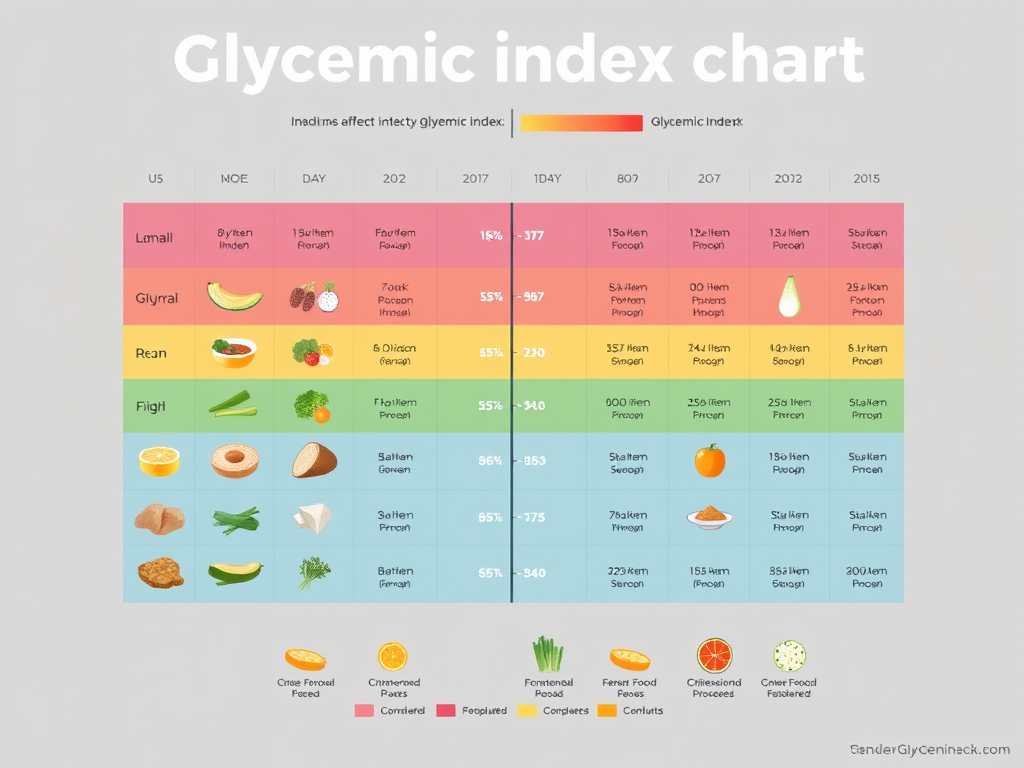
    The Glycemic index (GI) is an essential ranking system that evaluates how rapidly a particular food elevates blood sugar levels. Foods are assigned scores ranging from 0 to 100, with lower scores indicating a slower impact on blood sugar. By prioritizing low-GI foods, you can effectively manage your blood sugar levels. You can also significantly reduce the risk of insulin spikes. This practice promotes overall health and well-being.

    • Low Glycemic Index (GI) Foods (0 – 55): Experience the benefits of slow digestion and minimal blood sugar impact! Incorporate wholesome options like yeast-based products, fermented delicacies, nutritious broccoli, and energizing nuts into your diet for sustained energy and optimal health.
    • Medium Glycemic Index (56 – 69): It provides a moderate blood sugar response. It features nutrient-rich options like whole grain rice, deliciously sweet sweet potatoes, and heart-healthy steel cut oats.
    • High Glycemic Index (70+): Experience rapid digestion with foods such as white bread, candy, and sugary cereals. These foods lead to sharp insulin spikes. This also happens with those fried in vegetable oils.

    Benefits of a Low-Glycemic Diet for Insulin Control

    • Stabilized Blood Sugar: Enjoy the benefits of Low-Glycemic Index (GI) foods. These foods effectively prevent sudden glucose spikes and crashes. They promote a more stable and balanced energy level throughout the day.
    • Enhanced Insulin Sensitivity: Maintaining consistently lower insulin levels strengthens your body’s response to glucose. This promotes optimal health and enhances metabolic efficiency.
    • Sustained Energy Levels: Nutrient-dense, slow-digesting foods deliver consistent energy. They fuel your day with enduring vitality and prevent those pesky energy crashes.
    • Weight Management: Embrace the power of a low-GI diet. It effectively curbs hunger and cravings. This approach paves the way for sustainable fat loss and a healthier lifestyle.
    • Significantly Lowered Risk of Chronic Diseases: Enhanced blood sugar management helps reduce the risk of developing diabetes. It also lowers the chances of encountering serious cardiovascular complications.

    Low-Glycemic Diet Strategies to Control Insulin Spikes

    • opt for Low-GI Carbohydrates – Transition from high-Glycemic carbs to nutritious low-GI alternatives for a healthier lifestyle. Key options include:
      • Whole Grains: Embrace wholesome choices like steel-cut oats, quinoa, and barley. Add a touch of fermented yeast for added benefits!
      • Nutritious Non-Starchy Vegetables: Load up on vibrant veggies like broccoli, spinach, cauliflower, and zucchini for essential nutrients and fiber.
      • Delicious Low-GI Fruits: Indulge in nature’s candy with antioxidant-rich berries, succulent cherries, and juicy pears.
      • Avoid These: Steer clear of white bread, sugary cereals, and tempting processed snacks for optimal well-being.
    • Elevate Your Meals – Pair Carbs with Protein and Healthy FatsCombining carbohydrates with protein or healthy fats slows down digestion. This combination also significantly reduces their Glycemic impact. It promotes sustained energy levels and overall health.
        • Delicious Example Meals:
          • Whole-Grain Toast – Freshly baked or homemade, topped with creamy avocado and nutrient-rich eggs for a powerhouse breakfast.
          • Lentil Soup – Rich and hearty, drizzled with ghee or butter, paired with grilled chicken or paneer for a protein-packed delight.
      • Prioritize Fiber-Rich Foods for Better Blood Sugar Control – Fiber significantly slows down glucose absorption, promoting stable blood sugar levels. Focus on incorporating the following nutrient-dense options into your diet:
        • Diverse Choices Include:
          • Vegetables: Leafy greens like spinach and kale, crunchy carrots, and refreshing cucumbers.
          • Seeds and Nuts: Nutrient-packed sesame seeds, omega-3 rich flaxseeds, crunchy pecans, and buttery macadamia nuts.
      • Enhance Your Meals with Vinegar or Lemon Juice – Numerous studies highlight how vinegar and lemon juice can significantly lower the Glycemic response of high-carbs meals, leading to better blood sugar management. For example:
        • Drizzle a refreshing splash of vinegar over salads for a zesty kick.
        • Squeeze bright lemon juice over grilled vegetables or meats to elevate flavors and boost nutritional benefits.

      Low-Glycemic Meal Plan for Insulin Control

      • Breakfast: Steel-cut oats topped with, a sprinkle of cinnamon, and a handful of berries & whey isolate for protein.
      • Lunch: Grilled salmon/chicken/mutton/paneer served with steamed veggies drizzled with ghee/butter.
      • Dinner: Lentil soup with a side of leafy green salad (olive oil and lemon dressing).

      Key Tips for Success on a Low-Glycemic Diet

      • Read Labels: Steer clear of processed foods that contain hidden sugars and refined carbohydrates. Prioritize whole, natural ingredients for a healthier lifestyle!
      • Cook at Home: Embrace the art of creating delicious, whole, unprocessed meals that empower you to control every ingredient. Unlock your culinary potential while enjoying the benefits of healthier eating!
      • Stay Hydrated: Optimal hydration is crucial for maintaining balanced blood sugar levels. Dehydration not only disrupts glucose regulation but can also lead to fatigue and decreased energy. Keep your body in peak form by ensuring you drink enough water throughout the day!
      • Engage in Consistent Exercise: Regular physical activity significantly boosts insulin sensitivity, empowering your body to utilize glucose more efficiently and enhancing overall metabolic health.

      Final Thoughts

      Embracing a low-Glycemic diet is a powerful strategy to manage insulin levels, sustain energy, and enhance your overall wellness. By prioritizing nutrient-rich, slow-digesting foods, you can effectively avoid blood sugar crashes and significantly lower your risk of insulin resistance and chronic health issues.

      Take the First Step

      Start today by substituting high-GI foods with nourishing, low-GI alternatives and witness a remarkable transformation in your energy, cravings, and overall health!

      Are you ready to take charge of your blood sugar levels naturally? Share this informative blog with someone who would greatly benefit and connect with us for customized nutrition plans specifically designed to meet your unique health goals! In my next blog, I will be unveiling powerful insights into how the ketogenic diet effectively helps in controlling insulin spikes for improved overall health.

    • Who’s in Charge: Your Body or Your Metabolism?

      Who’s in Charge: Your Body or Your Metabolism?

      Often, we hear advice like, “If you want to get fit or healthy, boost your metabolism.” But is that really the right approach? Can your metabolism truly dictate your body’s shape? Or does your body shape have a stronger influence on whether your metabolism is low or high?

      The truth is that both are interdependent, but your body composition holds the upper hand. If you carry more muscle mass, your metabolic rate will naturally be higher. Muscle is metabolically active tissue. It requires more energy (calories) to maintain compared to fat.

      Metabolism’s primary role is to ensure your body absorbs and utilizes nutrients effectively, but it does not function in isolation.

      Lifestyle factors such as: diet, sleep quality, alcohol or smoking habits, and body composition—all play significant roles in shaping how well your metabolism functions. Studies show that individuals with higher fitness levels, even if they’re not extremely active, tend to have more efficient metabolisms than those who are overweight.

      However, it’s important to clarify that metabolism is not as simple as “fast” or “slow.” For example:

      • Muscle holds more water, facilitating efficient nutrient transport, while fat is denser and metabolically less active, which can indirectly slow nutrient utilization and energy expenditure.
      • Excess fat, especially visceral fat, can lead to inflammation and metabolic dysfunction, impairing processes like insulin sensitivity and energy regulation.
      • Larger bodies (with more fat or muscle) often have higher absolute energy requirements because they have more tissue to maintain. This means “slow metabolism” may not always be the issue but rather an imbalance between energy intake and expenditure.

      In essence, while metabolism plays a crucial role in maintaining energy balance, body composition—particularly muscle mass—often has the upper hand in determining how effectively metabolism functions. Building muscle not only burns more calories but also sets the stage for better metabolic health overall.

      So, while boosting metabolism sounds appealing, the real focus should be on building a fitter, healthier body through balanced nutrition, strength training, quality sleep, and active lifestyle choices. Because ultimately, a well-shaped body lays the foundation for a better-functioning metabolism—and not the other way around.

      Transform Your Body: Simple Tips to Enhance Metabolism!

      1. Transform Your Nutrition: Adopt a high-protein diet with premium sources, such as:
        • Lean meats
        • Eggs
        • Fish
        • Dairy products
      2. Incorporate Healthy Fats: Embrace clarified butter (ghee) or rich butter for your cooking needs. Don’t shy away from essential fats, as they are vital for the absorption of key vitamins such as Vitamin E, D, A, and K. By including these healthy fats in your diet, you enhance your body’s ability to utilize nutrients effectively and support overall wellness.
      3. Incorporate Resistance Training: Engaging in resistance training just three times a week for 45 minutes can yield significantly better results than spending countless hours on cardio. Unlock your potential with strength-building workouts that enhance metabolism, build muscle, and promote fat loss efficiently!

      For a more personalized and effective nutrition plan that suits your unique needs, feel free to reach out to me at msbedi3@gmail.com. Let’s embark on your wellness journey together!