Tag: Low-carbs

  • Arthritis: Understanding the Role of Nutrition in Managing Joint Health

    Arthritis: Understanding the Role of Nutrition in Managing Joint Health

    Arthritis is a chronic condition that impacts millions of lives worldwide, causing pain, stiffness, and reduced mobility. While medical treatments are essential, the role of diet and lifestyle in managing and potentially alleviating arthritis symptoms is often overlooked.

    In this blog, we’ll explore the science behind arthritis, its causes, and symptoms, and delve deep into how adopting a nutritious diet and consuming anti-inflammatory foods can support joint health. This evidence-based guide aims to empower you to take control of your health, with practical insights into how nutrition can complement medical treatment.

    By making informed choices about what you eat, you can significantly impact your arthritis management, leading to better quality of life and improved well-being. Join us on this journey to discover how lifestyle changes can transform your experience with arthritis!

    What is Arthritis?

    Arthritis is a broad umbrella term encompassing more than 100 distinct conditions, all united by the common theme of joint inflammation. The most prevalent types include:

    • Osteoarthritis (OA): A chronic degenerative condition resulting from the gradual breakdown of cartilage. OA predominantly impacts weight-bearing joints such as the knees, hips, and spine, leading to pain and stiffness that can significantly affect mobility and quality of life.
    • Rheumatoid Arthritis (RA): A debilitating autoimmune disorder where the body’s immune system mistakenly attacks the protective lining of the joints, resulting in chronic inflammation and progressive joint damage. This condition can lead to significant pain, swelling, and long-term disability if not effectively managed.
    • Gout: A debilitating condition triggered by the buildup of uric acid crystals in the joints, often resulting from dietary choices rich in high-purine foods such as alcohol and red meat. Understanding the connection between what you eat and how your body reacts is crucial in managing this painful condition.

    Symptoms of Arthritis

    • Chronic joint pain and stiffness
    • Swelling and redness around affected areas
    • Reduced range of motion
    • Fatigue, especially in autoimmune conditions like RA
    • Stiffness, especially after periods of inactivity or in the morning.
    • Limited range of motion or difficulty performing daily tasks.

    Global Impact of Arthritis

    • Prevalence: According to the World Health Organization, 1 in 6 adults globally suffers from arthritis.
    • Economic Burden: Arthritis is a leading cause of disability, costing billions in healthcare expenses and lost productivity annually.

    Top Factors Behind Arthritis: Uncovering the Causes

    Arthritis results from a combination of genetic, environmental, and lifestyle factors:

    • Genetics: Certain genes increase susceptibility, especially in autoimmune types like RA.
    • Obesity: Excess weight puts stress on joints and promotes inflammation.
    • Age: Aging leads to the natural degeneration of cartilage, increasing OA risk.
    •  Dietary Factors: High intake of processed foods, sugar, and trans fats exacerbates systemic inflammation.
    • Lifestyle Habits: Sedentary behavior and smoking are linked to increased arthritis severity.

    The Impact of Diet on Arthritis: Unlocking Relief Through Nutrition

    • The Critical Role of Inflammation in Health and Disease

    Inflammation is the central culprit behind all types of arthritis, serving as the body’s natural immune response. Yet, when it escalates into a chronic and low-grade state, this inflammation wreaks havoc on the joints, amplifying pain and accelerating disease progression. Grasping this vital connection is crucial for effective and proactive management, paving the way for improved treatment strategies and enhanced patient outcomes.

    • Grains and Arthritis: Are They the Hidden Culprits?
      • Grains, particularly refined and even certain whole grains, can dramatically worsen arthritis symptoms for several compelling reasons:
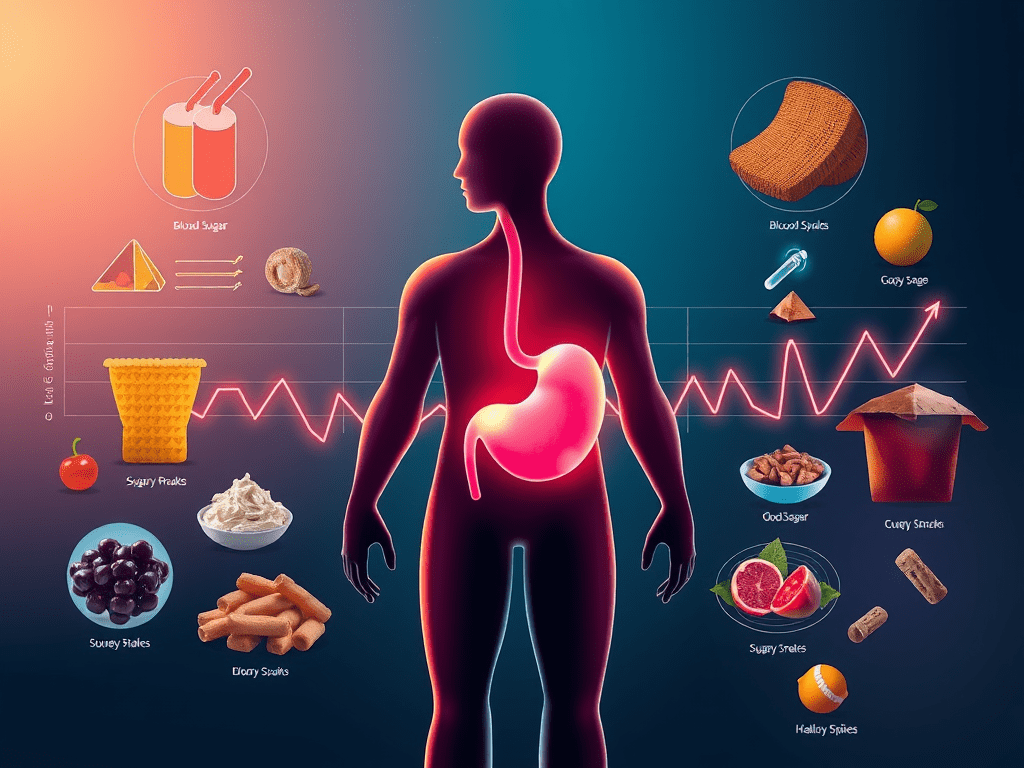
        • High Glycemic Index (GI) and Load (GL): Grains like wheat, corn, and rice fall into the category of high-GI foods, resulting in swift spikes in blood sugar levels. These surges in blood glucose trigger a surge in insulin production, which subsequently elevates pro-inflammatory cytokines such as tumor necrosis factor-alpha (TNF-α) and interleukin-6 (IL-6). These cytokines are crucial players in the inflammatory processes linked to arthritis.
        • Groundbreaking Research: A landmark study published in The American Journal of Clinical Nutrition unveiled that high-GI diets significantly raise C-reactive protein (CRP) levels, a vital marker of systemic inflammation. This finding illuminates the intricate relationship between dietary choices and arthritis flare-ups, emphasizing the importance of monitoring grain intake for arthritis sufferers.
    • Gluten Sensitivity and Autoimmunity: For individuals suffering from gluten sensitivity or celiac disease, grains such as wheat, barley, and rye can ignite a harmful immune response that exacerbates inflammation. This interplay becomes particularly concerning in autoimmune conditions like Rheumatoid Arthritis (RA).
      • Scientific Evidence: Groundbreaking research published in Autoimmunity Reviews underscores a compelling link between gluten sensitivity and systemic inflammation, showing that this connection can significantly amplify joint pain in arthritis patients.
    • Anti-Nutrients in Grains: Grains harbor anti-nutrients such as lectins and phytic acid, which can significantly hinder nutrient absorption and potentially damage the gut lining, contributing to a condition popularly known as “leaky gut syndrome.” When the gut is compromised, it permits toxins and inflammatory agents to infiltrate the bloodstream, aggravating various autoimmune conditions and triggering widespread inflammation.
      • Gut-Arthritis Connection: A compelling study published in Frontiers in Immunology highlights the critical link between gut dysbiosis—an imbalanced gut microbiome—and the worsening of rheumatoid arthritis (RA) as well as other inflammatory diseases.
    • Omega-6 to Omega-3 Imbalance: Today’s modern diets are frequently overwhelmed with omega-6 fatty acids, primarily sourced from grains, creating a concerning nutritional imbalance. The standard consumption ratio of omega-6 to omega-3 stands at an astonishing 15:1, a stark contrast to the ideal and health-promoting 1:1 ratio. This significant divergence not only exacerbates chronic inflammation but also contributes to a host of health complications, highlighting the urgent necessity for dietary changes. By prioritizing a more harmonious intake of these crucial omega fatty acids, we can significantly enhance our overall health and well-being.
    • Unlocking the Essential Connection Between Weight Management and Joint Health: Groundbreaking research from the Arthritis Foundation reveals that losing just 1 pound of body weight can relieve an astonishing 4 pounds of pressure off your knee joints. This powerful insight highlights the critical importance of achieving and maintaining a healthy weight to significantly reduce stress on your weight-bearing joints, ultimately enhancing your overall joint health and mobility.

    The High-Fat Diet as an Anti-Inflammatory Solution

    A high-fat, low-carbohydrate diet, particularly the ketogenic diet, prioritizes nutritious fats while dramatically reducing grains and sugars, effectively tackling the underlying causes of inflammation. Here’s how this powerful dietary approach can significantly benefit individuals battling arthritis:

    • Powerful Reduced Inflammation: Ketones, the vital energy source in a high-fat diet, are scientifically proven to significantly lower oxidative stress and reduce inflammatory markers. Notably, Beta-hydroxybutyrate (BHB), an influential ketone body, effectively inhibits the NLRP3 inflammasome, a crucial driver of inflammation, particularly in conditions like arthritis.
      • Compelling Study Highlight: Groundbreaking research published in Cell Metabolism revealed that BHB not only suppresses systemic inflammation but also enhances symptoms in autoimmune diseases, showcasing its potential as a therapeutic agent.
    • Enhanced Joint Health: A nutrient-rich high-fat diet emphasizes powerful anti-inflammatory fats such as omega-3s found in fatty fish and heart-healthy monounsaturated fats from olive oil and avocados. These essential fats significantly alleviate joint stiffness and discomfort, while also promoting robust cartilage health for optimal mobility and vitality.
    • Gut Health Restoration: A powerful grain-free, high-fat diet significantly reduces gut inflammation and nurtures a thriving microbiome. By fostering healthy gut bacteria, this approach increases the production of vital short-chain fatty acids (SCFAs), particularly butyrate, which are renowned for their potent anti-inflammatory effects. Embrace this transformative journey towards optimal gut health!

    Anti-Inflammatory Foods to Relieve Arthritis Pain

    • Fatty Fish: Omega-3 fatty acids (EPA and DHA).
    • Turmeric: Blocks inflammatory pathways (e.g., NF-κB).
    • Ginger: Reduces pain and inflammation, similar to NSAIDs
    • Leafy Greens: Strengthens cartilage and reduces oxidative stress.
    • Nuts and Seeds: Combat inflammation and boost immunity.
    • Green Tea: Reduces cartilage damage and inhibits inflammatory enzymes.
    • Bone Broth: Supports cartilage repair and strengthens connective tissue.
    • Coconut Oil: Reduces oxidative stress and provides anti-inflammatory benefits.
    • Non-Starchy Vegetables (Spinach, Broccoli, Zucchini): Combat oxidative stress and support cartilage health.

    Foods to Avoid for Arthritis Relief

    • Grains and Sugars
      • High-GI foods spike blood sugar, worsening inflammation.
      • Gluten in wheat can trigger autoimmune responses.
    • Seed Oils (Corn, Soybean, Sunflower): High in omega-6 fats, these oils exacerbate the omega-6 to omega-3 imbalance.
    • Processed Meats: Contain advanced glycation end-products (AGEs), which promote joint inflammation.
    • Alcohol: Increases uric acid levels, worsening gout and systemic inflammation.

    The Bottom Line: A High-Fat Diet for Arthritis Management

    Eliminating grains and embracing a high-fat, low-carbohydrate diet can dramatically reduce inflammation, enhance joint health, and restore gut integrity. This powerful approach tackles arthritis at its source by focusing on chronic inflammation and supplying the body with essential nutrients needed for repair and vibrant health. If you’re eager to reclaim control over your arthritis with personalized nutritional guidance, let’s design a customized plan that fits your unique needs and lifestyle.

    Contact me today to embark on your journey towards a pain-free, active life!

  • Ketogenic vs Low-Glycemic: Which Diet is Best for Blood Sugar Management?

    Ketogenic vs Low-Glycemic: Which Diet is Best for Blood Sugar Management?

    In my transformative journey as a dedicated nutritionist, I’ve delved into an array of dietary approaches, both for my personal wellness and the betterment of my clients. Two prominent strategies designed to effectively manage blood sugar and insulin levels are the low-Glycemic diet and the powerful ketogenic lifestyle. While both methodologies boast their own distinct advantages, I have decisively embraced the ketogenic lifestyle. In this blog, I’ll illuminate the compelling reasons why I firmly believe it stands as a superior and more sustainable approach compared to the low-Glycemic diet, revolutionizing health and vitality.

    Low-Glycemic Diet: Benefits and Limitations

    A low-Glycemic diet focuses on consuming carbohydrates that have a lower Glycemic index (GI). Foods with a low GI cause a slower rise in blood sugar and insulin levels. This makes it a valuable approach for individuals with insulin resistance or diabetes. It is also useful for those looking to keep steady energy levels.

    Nonetheless, as someone who actively tracks nutrition and lifestyle outcomes, I noticed some inherent limitations in this approach:

    • Carbohydrate Over-consumption: Even on a low-Glycemic diet, it’s surprisingly easy to unintentionally overindulge in carbohydrates. This happens because the Glycemic Index (GI) doesn’t consider the total carbohydrate load, and portion sizes can escalate rapidly. Over time, this excess may trigger insulin spikes, sabotaging the efforts of those striving to lower insulin levels or achieve weight loss objectives. To maximize your results, it’s essential to remain vigilant about carbohydrate intake and portion control.
    • Limited Energy Production: Carbohydrates, irrespective of their Glycemic index, are metabolized to generate ATP (Adenosine Triphosphate), the body’s primary energy currency. However, the metabolism of glucose yields a mere 2 ATP molecules per molecule of glucose through the anaerobic process of Glycolysis. This inefficiency often leads to diminished energy levels, particularly among individuals with active lifestyles, as their energy reserves can be rapidly depleted.

    Why the Ketogenic Lifestyle Works Better for Me

    In stark contrast to a low-Glycemic diet, the ketogenic diet is a high-fat, moderate-protein, and extremely low-carbohydrate regimen that catapults the body into a powerful metabolic state known as ketosis. In this transformative state, the body predominantly depends on fats for fuel rather than carbohydrates, generating ketones as a vital alternative energy source. Here are the compelling reasons why I’ve wholeheartedly embraced this life-changing approach:

    • Enhanced Energy Efficiency: Unlike glucose metabolism, the oxidation of fats produces a remarkable amount of ATP—up to 36 ATP molecules per fat molecule. This makes fat a superior energy source. Thanks to this exceptional energy yield, I’ve been able to maintain a vibrant level of energy throughout the day, completely avoiding the energy crashes and fatigue that often plague carbohydrate-based diets.
    • Elimination of carbs Counting and Overeating: On a ketogenic diet, the extremely low intake of carbohydrates removes the need to track carbs constantly. Unlike a low-Glycemic approach where you must monitor both carbs quality and quantity, a well-planned ketogenic diet eliminates the risk of “hidden carbs” and excessive intake.
    • Natural Appetite Regulation: The delectable foods embraced in a ketogenic diet—such as creamy avocados, succulent fatty fish, crunchy nuts, nourishing seeds, and wholesome oils (ghee, butter, olive oil, and coconut oil)—are not only rich in essential nutrients but also brimming with healthy fats. These nutrient-dense foods naturally enhance feelings of fullness and efficiently balance hunger hormones like ghrelin and Leptin. Personally, I’ve witnessed how the body’s innate signals guide me in recognizing when to pause eating, significantly minimizing the need for meticulous calorie counting and restrictive portion sizes.
    • Enhanced Insulin Sensitivity: Embracing a low-carbohydrate lifestyle through the ketogenic diet dramatically reduces insulin secretion, empowering body to become more insulin-sensitive over time. This pivotal shift offers extraordinary benefits for individuals battling insulin resistance, transcending mere weight loss—it significantly boosts overall metabolic health and vitality.
    • Enhanced Mental Clarity and Laser-Sharp Focus: One of the most compelling benefits of embracing the ketogenic lifestyle is the remarkable boost in cognitive function. Ketones, especially the powerful beta-hydroxybutyrate (BHB), act as a superior fuel source for our brains. As a result, I experience a significant enhancement in focus, a surge in productivity, and a dramatic reduction in energy slumps throughout my day.

    Key Takeaways

    For me, the ketogenic lifestyle is not merely a dietary choice—it’s a transformative and empowering journey to optimal health. It provides a clear framework, simplifies nutrition tracking, and harmonizes with the body’s natural processes for energy and nutrient utilization. If you’re contemplating a transition to a ketogenic diet, I highly recommend seeking expert guidance to ensure you meet your nutritional needs while fully embracing the remarkable benefits of this dynamic lifestyle.

    Final Thoughts

    By sharing my personal journey and expert insights, I aim for this blog to inspire you to discover the dietary approach that aligns perfectly with your unique goals and dynamic lifestyle. Remember, the cornerstone of achieving lasting success lies in maintaining consistency, embracing balance, and selecting the choices that empower you to feel your healthiest and most vibrant self!

  • Understanding Insulin Spikes: Causes and Management

    Understanding Insulin Spikes: Causes and Management

    Insulin is an essential hormone. It plays a pivotal role in controlling blood sugar levels. Insulin acts as a key regulator of glucose utilization for energy. However, frequent insulin spikes can trigger serious health issues. These issues include insulin resistance. They also pose a heightened risk of developing type 2 diabetes. But what exactly causes these spikes, and how can you effectively manage them? Let’s explore the fascinating science behind insulin and discover practical strategies to maintain optimal insulin levels for better health.

    What Is Insulin and Why Does It Spike?

    Insulin is a vital hormone secreted by the pancreas. It plays a crucial role in transporting glucose from your bloodstream into cells. Glucose is used for energy or storage. An insulin spike happens when insulin levels surge suddenly. It occurs dramatically, often triggered by a rapid increase in blood glucose levels. Understanding this process is essential for managing energy levels and overall health.

    Causes Of Insulin Spike

    • High-Glycemic Foods: Strikingly, foods such as sugary drinks, white bread, pastries, and processed snacks can cause a rapid spike in blood sugar levels. This spike leads to energy crashes and cravings. Beware of these culprits that can disrupt your health and well-being!
    • Overeating Carbohydrates: Indulging in excessive carbs intake can be harmful. Particularly from refined sources, it can significantly surpass the body’s glucose tolerance. This can lead to unwanted health consequences.
    • Skipping Meals: Prolonged periods without nourishment can trigger excessive hunger, often leading to overeating during later meals. This behavior not only results in increased calorie intake but also provokes a more significant insulin response, which can disrupt your body’s natural metabolic balance. Prioritizing regular, balanced meals can help maintain steady energy levels and foster overall health.
    • Stress: Chronic stress acts as a catalyst for cortisol release, disrupting glucose metabolism and leading to significant insulin fluctuations. Managing stress effectively is crucial for maintaining stable blood sugar levels and overall health.
    • Insufficient Physical Activity: A sedentary lifestyle significantly diminishes insulin sensitivity. This results in the body needing to produce more insulin. This is necessary to effectively process glucose. Embracing regular exercise is crucial for maintaining optimal metabolic health and preventing insulin resistance.

    The Impact of Frequent Insulin Spikes

    • Insulin Resistance: Cells become increasingly resistant to insulin. This leads to persistently elevated blood sugar levels. This condition is a critical factor in the development of Type 2 Diabetes and related metabolic disorders.
    • Weight Gain: High levels of insulin significantly accelerate fat accumulation, particularly in the abdominal area. This hormonal imbalance can lead to increased waist circumference, contributing to a higher risk of metabolic diseases.
    • Hormonal Imbalances: Elevated insulin levels can significantly disrupt the delicate balance of other hormones. This disruption can lead to serious conditions such as Polycystic Ovary Syndrome (PCOS).
    • Elevated Risk of Chronic Diseases: This includes serious conditions like type 2 diabetes, cardiovascular disease, and metabolic syndrome. These conditions can significantly impact overall health. They also affect quality of life.

    Mastering Insulin Control: Effective Strategies to Prevent Spikes

    • Focus on Low-Glycemic Foods for Optimal Health: Embrace foods that maintain stable blood sugar levels, such as:
      • Nutrient-Rich Non-Starchy Vegetables: These colorful veggies are overflowing with essential vitamins and minerals. They are incredibly low in calories. Yet, they are high in fiber. This makes them a vital part of a nutritious diet. Incorporate powerhouse favorites like spinach, kale, broccoli, and bell peppers to supercharge your health and invigorate your meals!
      • Wholesome Healthy Fats: Include nutrient-dense options. Choose ghee, butter, avocado, and a variety of nuts. These foods support heart health and keep you satiated.
      • Protein Powerhouses: Fuel your body with high-quality sources. Eat eggs, fish, chicken, lamb, and paneer. These foods promote muscle health and overall well-being.
    • Master Portion Control: Oversize meals can trigger a significant insulin response, especially when loaded with carbs. Choose nutrient-dense, high-protein meals, and practice mindful eating to effectively prevent overeating.
    • Stay Active: Energize your life with regular exercise! Embrace activities like:
      • Aerobic Adventures: Dive into walking, cycling, or swimming to supercharge your insulin sensitivity and elevate your mood.
      • Power Up with Resistance Training: Build lean muscle to enhance glucose storage and boost your overall vitality!
    • Master Your Stress Levels: Embrace powerful stress-relief techniques such as yoga, meditation, and breathing exercises. These transformative practices not only reduce cortisol levels, but also significantly stabilize blood sugar levels, enhancing your overall well-being and vitality.
    • Ditch Sugary Beverages for Vibrant Hydration: Say goodbye to sugary sodas and energy drinks! Choose refreshing water, or opt for soothing herbal teas. Try zesty sparkling water infused with lemon to invigorate your body and boost your wellness.
    • Track Your Blood Sugar Levels: Regularly monitoring your blood glucose is crucial for those at risk of diabetes. This practice helps you identify food patterns that may cause insulin spikes. It enables you to make informed dietary choices for better health.

    Conclusion:-

    Insulin spikes are a natural aspect of metabolism, yet effectively managing them is crucial for sustaining long-term health. Make conscious dietary choices to nourish your body. Stay active through regular exercise and prioritize stress management techniques. By maintaining stable insulin levels, you can significantly reduce the risk of chronic diseases. Even small adjustments in your daily habits can lead to remarkable improvements in your overall well-being. Embrace these changes to enhance your quality of life!

    Call to Action:-

    If you found this information valuable, don’t hesitate to share it with someone who could benefit from improved insulin management! For personalized insights on regulating your blood sugar levels, consider scheduling a consultation with me.

    In my next blog post, I will explore essential dietary changes. These changes can help you prevent insulin spikes. They also can help maintain a healthier lifestyle. Stay tuned for expert tips and strategies to achieve optimal blood sugar control!

  • Balanced Diet: Essential Micronutrients and Macronutrients

    Balanced Diet: Essential Micronutrients and Macronutrients

    To maintain energy and stay healthy, your diet should provide essential micronutrients like vitamins and minerals. It should also include macronutrients such as proteins, fats, and carbohydrates. This blog introduces a balanced variation. It includes small amounts of quality carbohydrates to support daily energy needs. This approach does not disrupt fat metabolism. We will focus on nutrient-dense whole foods that support sustained energy and optimal health.

    Why Nutrient-Dense Foods Matter?

    • Micronutrients: Essential for boosting immunity, enhancing energy production, and promoting overall well-being.
    • Macronutrients: The vital source of energy and building blocks your body requires for optimal functioning.
    • Grain-Free Advantage: Steering clear of grains and refined carbs helps:
      • Prevent blood sugar spikes
      • Promote gut health
      • Support long-lasting energy levels

    Core Principles of a Balanced Diet

    • Emphasize Healthy Fats (50-60% of Daily Calories)Why?: Fats provide a steady energy source and are essential for brain health, hormone production, and cell function.
      • Best Source Of Fats
        • Avocado
        • Coconut Oil
        • Ghee (Clarified Butter)
        • Extra Virgin Olive Oil
        • Nuts (Almonds, Macadamia Nuts, Walnuts, Pecans)
        • Fatty Fish (Salmon, Sardine, Mackerei)
        • Butter
    • Focus on High-Quality Proteins (25-30%) – Protein is essential for muscle repair, immune function, and maintaining metabolic health.
      • Best Sources Of Protein
        • Free – Range Eggs
        • Organic Chicken & Turkey
        • Wild Caught Fish
        • Organic Lamb & Beef
        • Indian Cheese
        • Parmesan & Gouda Cheese
        • Full Fat Dairy Products
        • Whey Protein Isolate (Check Labels to Avoid Any Preservatives & Sugar)
    • Include Fiber-Rich, Low-Carbs Vegetables (10-15%) – Non-starchy vegetables provide vital vitamins, minerals, and fiber without the blood sugar spikes.
      • Best Sources
        • Leafy Green Vegetables (Spinach, Arugula, Celery)
        • Cruciferous Vegetables (Cabbage, Broccoli, Brussels Sprouts, Bok Choy)
        • Zucchini, Mushroom, Lady Fingers, Asparagus
        • Bell Pepper & Cucumber
        • Ginger, Garlic, Onion & Lemon
    • Incorporate Natural Carbs Source In Moderation – Include whole food source of carbs. this will support post/pre workout energy levels without the needs of refined grains or carbs.
      • Best Source Of Carbs
        • Sweet Potatoes
        • Pumpkin
        • Beets
        • Berries (Blueberries, Raspberries & Strawberries)

    Essential Micronutrients to Include

    • Vitamin C – Bell Pepper, Citrus Fruits & Broccoli.
    • Magnesium – Spinach, Nuts, Dark Chocolate (80% or above).
    • Vitamin D – Sunlight, Fatty Fish & Egg Yolk.
    • Potassium – Avocado, Leafy Greens, Sweet Potato, Pumpkin.
    • Iron – Red Meat, Spinach & Pumpkin Seeds.

    Sample Of 1 day Meal Plan

    • Breakfast – 2 eggs Or 150 g of Indian Cheese + A side of sauteed mushrooms + 1/2 Avocado.
    • Snack – Mix of Nuts ( Pecan & Macadamia Nuts as they are low in calories).
    • Lunch – Grilled Salmon or Chicken Roasted with Spinach Or A mixed greens salad with olive oil and lemon dressing.
    • Snack – A cucumber with guacamole dip Or 1 scoop of Whey Isolate.
    • Dinner – Grass Fed Chicken/beef/lamb/Indian cheese + Mashed cauliflower with season herbs & spices + Steam Broccoli.
    • Snack (optional) – Fresh berries with coconut cream.

    Why This Works?

    • Steady Energy: Healthy fats and protein prevent energy crashes, while low-carbs vegetables and natural carbs provide fiber and micronutrients.
    • Improved Digestion: Avoiding grains supports gut health, reducing bloating and inflammation.
    • Nutritional Density: Whole foods pack essential nutrients without the empty calories of refined carbs.
    • Meal Prep: Keep your fridge stocked with pre-washed veggies, cooked proteins, and ready-to-eat snacks.
    • Stay Hydrated: Drink plenty of water and consider adding electrolytes to maintain balance.
    • Listen to Your Body: Adjust portions of fats, proteins, and carbs based on your energy demands and activity levels.

    Empower Your Health – Fuel your body with whole, nutrient-rich foods for peak performance. This powerful nutrition strategy keeps you energized all day long, promotes lasting health, and fosters sustainability. Discover the flexibility that makes it easy to maintain your commitment in the long run.

    What are your favorite meals? Share your ideas and tips in the comments below!