
Cholesterol has long been demonized as the primary culprit behind heart disease and a host of other health concerns. For decades, the prevailing wisdom dictated that we should steer clear of foods rich in cholesterol, as we believed they would block our arteries and hasten our demise. However, recent breakthroughs in research and a nuanced understanding of cholesterol paint a much more complex picture—one that not only challenges the conventional narrative pushed by certain industries but also uncovers the significant benefits of cholesterol in our diets.
In this enlightening blog, we will delve into the pivotal role of cholesterol in our bodies, clarify the crucial distinction between dietary cholesterol and blood cholesterol, and explain why total cholesterol levels are not the definitive marker of health we once thought they were. Moreover, we’ll expose the myths and misinformation propagated by corporate interests to promote their products at the expense of our health.
Join us as we explore the cutting-edge research demonstrating that cholesterol is not the villain it has been made out to be, but rather a vital nutrient essential for achieving optimal health. Prepare to rethink everything you thought you knew about cholesterol; it might just be the key to unlocking a healthier you!
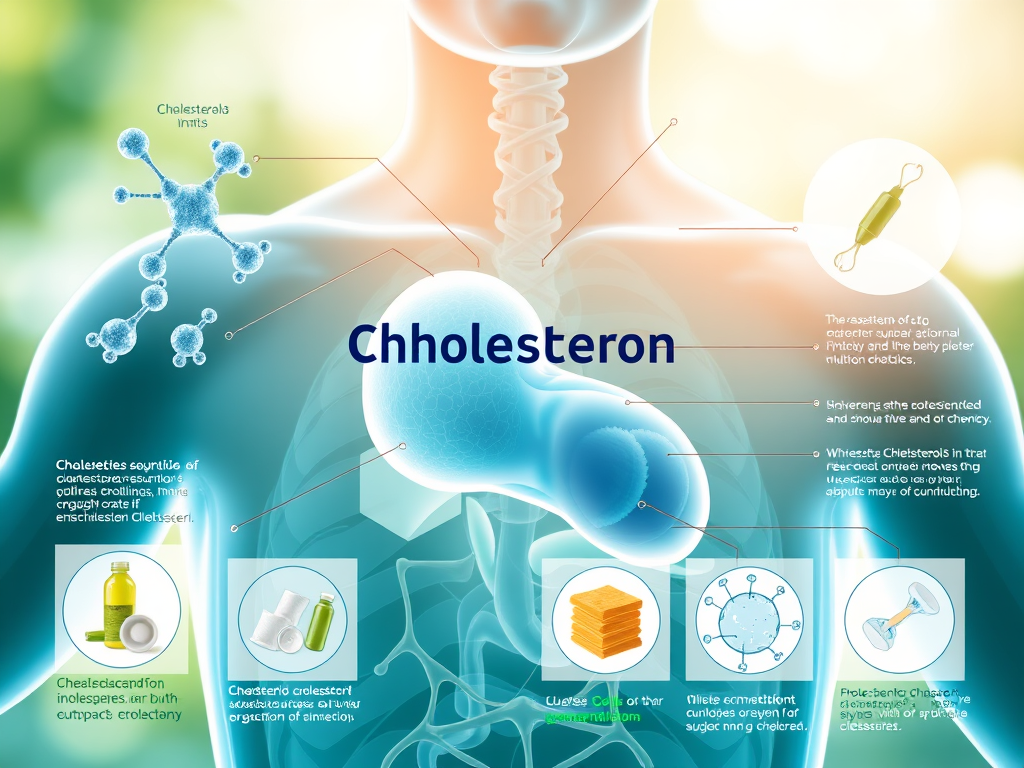
What is Cholesterol and Its Role in the Body?
Cholesterol is a waxy, fat-like substance. It plays essential roles in the body. It supports cell membrane structure. Cholesterol aids in hormone production and facilitates the absorption of vital nutrients.
- Hormone Production: Essential for the synthesis of critical hormones, such as testosterone, estrogen, and cortisol, this precursor plays a pivotal role in maintaining overall hormonal balance and supporting vital bodily functions.
- Boost Your Vitamin D Levels: Cholesterol plays a crucial role in the synthesis of vitamin D when your skin is kissed by sunlight. Embrace the sun’s rays to enhance your wellness and optimize your health!
- Bile Production: Cholesterol is crucial for liver bile production. Bile is vital for effectively digesting and absorbing dietary fats.
- Brain Health: Cholesterol plays a vital role in maintaining optimal brain function, as it is essential for the health and performance of neurons and memory. Astonishingly, 25% of the body’s cholesterol resides in the brain, highlighting its crucial importance for overall cognitive health and mental clarity.
Clearly, cholesterol is not the villain it’s often portrayed to be; in fact, it’s a vital substance that plays a crucial role in numerous essential bodily functions, ensuring our overall health and vitality. Without adequate levels of cholesterol, our bodies would struggle to maintain proper hormone production, cell membrane integrity, and numerous other critical processes.

Body Cholesterol vs. Dietary Cholesterol: Understanding the Difference
- Body Cholesterol (Endogenous)
- Most of the cholesterol in your body (about 75–80%) is produced by the liver and other cells.
- The body tightly regulates cholesterol production to maintain balance, increasing production when dietary intake is low and decreasing it when dietary intake is high.
- Dietary Cholesterol (Exogenous)
- Found in foods like eggs, red meat, shellfish, and full-fat dairy.
- Dietary cholesterol has a minimal impact on blood cholesterol levels for most people.
- The Misconception: For years, dietary cholesterol was blamed for raising blood cholesterol levels and increasing heart disease risk. However, numerous studies have shown that the body adjusts its cholesterol production based on intake, making dietary cholesterol far less impactful than previously believed.
The Hidden Agenda: How Cholesterol Became a Scapegoat
In the mid-20th century, the demonization of cholesterol gained momentum due to flawed research and corporate interests:
- Ancel Keys’ Flawed Research:
- The “Seven Countries Study” by Ancel Keys linked dietary fat (and cholesterol) to heart disease. However, it selectively used data from countries that supported the hypothesis while ignoring others that contradicted it.
- This study led to decades of low-fat dietary guidelines.
- Industry-Funded Misinformation:
- In the 1960s, the sugar industry paid researchers to downplay sugar’s role in heart disease and shift the blame to dietary fat and cholesterol.
- This was revealed in a 2016 JAMA Internal Medicine report, exposing how corporations influenced public health policies to benefit their products.
- Cholesterol-Lowering Drug Industry:
- The pharmaceutical industry capitalized on the fear of cholesterol, promoting statins as a one-size-fits-all solution.
- Statins lower cholesterol levels but do not address the root causes of heart disease, such as inflammation and metabolic dysfunction.
Why Doctors Hide the Truth About Cholesterol
The persistent misinformation surrounding cholesterol can be traced back to significant gaps in medical education and the overwhelming influence of powerful industries. Many medical professionals receive insufficient training in nutrition during their education, which leaves them overly dependent on outdated guidelines that drastically oversimplify cholesterol’s complex role in health. Moreover, the immense power of the pharmaceutical industry cannot be overlooked. Cholesterol-lowering medications, such as statins, generate billions of dollars annually, creating a hefty financial incentive to perpetuate the narrative that high cholesterol is inherently harmful. By emphasizing the need to lower cholesterol levels instead of tackling underlying issues like inflammation and insulin resistance, the healthcare system frequently opts for mere symptom management over genuine prevention. This toxic blend of limited nutritional knowledge and vested financial interests fuels the ongoing demonization of cholesterol, which in turn keeps patients misinformed and reliant on medications, rather than empowering them with effective dietary and lifestyle strategies for long-term health.
The Myth of “High Cholesterol” and the Hidden Truth
- Why Total Cholesterol Numbers Don’t Tell the Whole Story:
- Understanding LDL vs. HDL:
- LDL (Low-Density Lipoprotein), often referred to as “bad cholesterol,” isn’t inherently dangerous. Issues occur when LDL particles become oxidized or small and dense, which can significantly contribute to the buildup of arterial plaque and increase heart disease risk.
- In contrast, HDL (High-Density Lipoprotein), known as “good cholesterol,” plays a crucial role in clearing excess cholesterol from the bloodstream, acting as a protector against cardiovascular issues.
- Relying solely on total cholesterol is misleading. A more insightful approach involves examining the HDL to LDL ratio, alongside monitoring triglyceride levels and inflammatory markers such as C-reactive protein (CRP) to accurately assess heart disease risk.
- Understanding LDL vs. HDL:
- Identifying the True Risk Factors for Heart Disease: It’s essential to recognize that chronic inflammation, insulin resistance, and oxidative stress, coupled with unhealthy lifestyle habits (like smoking and a sedentary lifestyle), are the real culprits behind cardiovascular disease—not cholesterol itself.
Research Supporting Cholesterol as Beneficial
- Cholesterol and Longevity: A 2013 study published in The American Journal of Clinical Nutrition found that higher cholesterol levels in older adults were associated with increased longevity and reduced risk of infections.
- Cholesterol and Brain Health: Research in Frontiers in Aging Neuroscience highlights the importance of cholesterol in preventing neuron-degenerative diseases like Alzheimer’s.
- Dietary Cholesterol and Heart Disease: A 2015 meta-analysis in BMJ concluded that there is no significant link between dietary cholesterol and cardiovascular disease in healthy individuals.
The Path Forward: Embracing Cholesterol-Rich Foods
- Focus on Whole Foods: Replace processed foods and refined carbohydrates with nutrient-dense, whole foods, including cholesterol-rich options. Kindly consult with professional for right amount of fats required as per your daily intake.
- Address Inflammation: Prioritize anti-inflammatory foods like fatty fish, nuts, seeds, and leafy greens.
- Avoid Refined Sugars and Trans Fats: These are the real culprits behind heart disease and should be minimized.
- Balance Your Lifestyle: Exercise regularly, manage stress, and get adequate sleep to support overall cardiovascular health.
Final Thoughts and Key Takeaways
Cholesterol Isn’t the Enemy: Embrace This Essential Nutrient for Optimal Health
Cholesterol plays a vital role in maintaining your overall health—it’s not the villain we’ve been led to believe. The long-standing war on cholesterol has been fueled by flawed research and influenced by corporate agendas. To promote better health, it’s crucial to understand the distinction between dietary cholesterol and that produced by your body.
Instead of fearing cholesterol, focus on the real risk factors that impact your well-being. Embrace a diet rich in whole, nutrient-dense foods that nourish your body and support your health goals.
It’s time to rethink cholesterol. Break free from outdated myths and trust the science that underscores its importance in a balanced, healthy diet.
Don’t navigate this journey alone: consult with a knowledgeable professional who can guide you on how fats function in your body, determine the right quantities based on your lifestyle, and identify the best food combinations for an effective nutrition plan. Your path to understanding cholesterol starts now—let’s make informed choices together!



 Simplify Your Wellness Journey