Tag: ketogenic diet

  • The Truth About Cholesterol: What Doctors Don’t Tell You

    The Truth About Cholesterol: What Doctors Don’t Tell You

    Cholesterol has long been demonized as the primary culprit behind heart disease and a host of other health concerns. For decades, the prevailing wisdom dictated that we should steer clear of foods rich in cholesterol, as we believed they would block our arteries and hasten our demise. However, recent breakthroughs in research and a nuanced understanding of cholesterol paint a much more complex picture—one that not only challenges the conventional narrative pushed by certain industries but also uncovers the significant benefits of cholesterol in our diets.

    In this enlightening blog, we will delve into the pivotal role of cholesterol in our bodies, clarify the crucial distinction between dietary cholesterol and blood cholesterol, and explain why total cholesterol levels are not the definitive marker of health we once thought they were. Moreover, we’ll expose the myths and misinformation propagated by corporate interests to promote their products at the expense of our health.

    Join us as we explore the cutting-edge research demonstrating that cholesterol is not the villain it has been made out to be, but rather a vital nutrient essential for achieving optimal health. Prepare to rethink everything you thought you knew about cholesterol; it might just be the key to unlocking a healthier you!
    What is Cholesterol and Its Role in the Body?

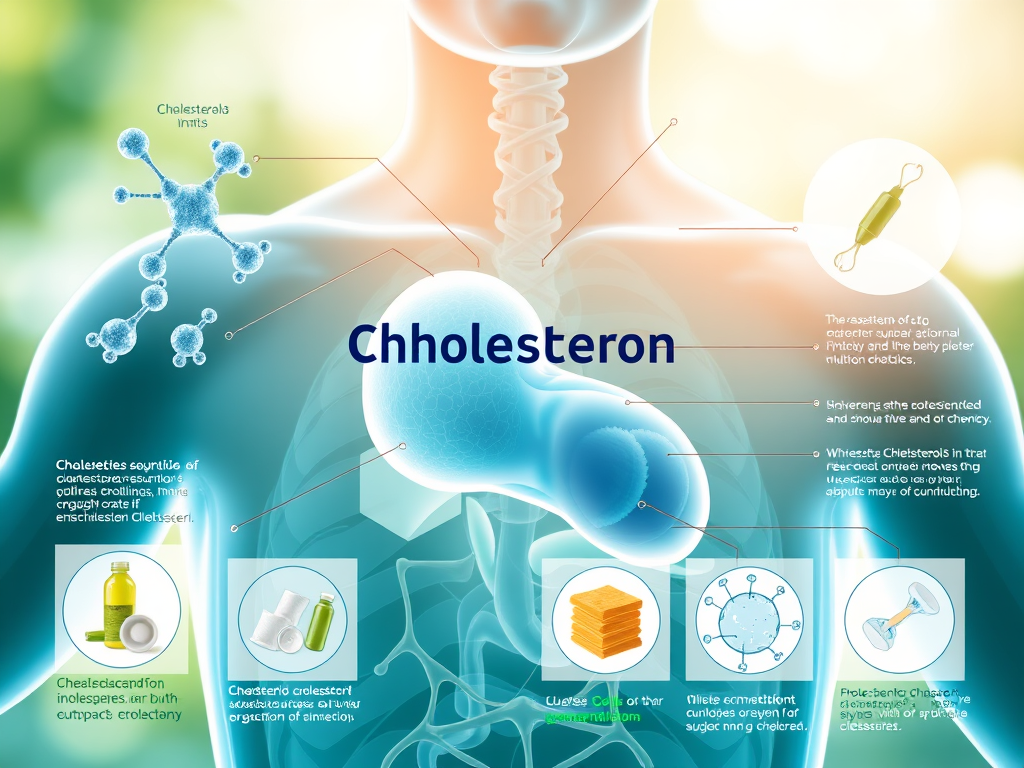
    Cholesterol is a waxy, fat-like substance. It plays essential roles in the body. It supports cell membrane structure. Cholesterol aids in hormone production and facilitates the absorption of vital nutrients.

    • Hormone Production: Essential for the synthesis of critical hormones, such as testosterone, estrogen, and cortisol, this precursor plays a pivotal role in maintaining overall hormonal balance and supporting vital bodily functions.
    • Boost Your Vitamin D Levels: Cholesterol plays a crucial role in the synthesis of vitamin D when your skin is kissed by sunlight. Embrace the sun’s rays to enhance your wellness and optimize your health!
    • Bile Production: Cholesterol is crucial for liver bile production. Bile is vital for effectively digesting and absorbing dietary fats.
    • Brain Health: Cholesterol plays a vital role in maintaining optimal brain function, as it is essential for the health and performance of neurons and memory. Astonishingly, 25% of the body’s cholesterol resides in the brain, highlighting its crucial importance for overall cognitive health and mental clarity.

    Clearly, cholesterol is not the villain it’s often portrayed to be; in fact, it’s a vital substance that plays a crucial role in numerous essential bodily functions, ensuring our overall health and vitality. Without adequate levels of cholesterol, our bodies would struggle to maintain proper hormone production, cell membrane integrity, and numerous other critical processes.

    Body Cholesterol vs. Dietary Cholesterol: Understanding the Difference

    • Body Cholesterol (Endogenous)
      • Most of the cholesterol in your body (about 75–80%) is produced by the liver and other cells.
      • The body tightly regulates cholesterol production to maintain balance, increasing production when dietary intake is low and decreasing it when dietary intake is high.
    • Dietary Cholesterol (Exogenous)
      • Found in foods like eggs, red meat, shellfish, and full-fat dairy.
      • Dietary cholesterol has a minimal impact on blood cholesterol levels for most people.
    • The Misconception: For years, dietary cholesterol was blamed for raising blood cholesterol levels and increasing heart disease risk. However, numerous studies have shown that the body adjusts its cholesterol production based on intake, making dietary cholesterol far less impactful than previously believed.

    The Hidden Agenda: How Cholesterol Became a Scapegoat

    In the mid-20th century, the demonization of cholesterol gained momentum due to flawed research and corporate interests:

    • Ancel Keys’ Flawed Research:
      • The “Seven Countries Study” by Ancel Keys linked dietary fat (and cholesterol) to heart disease. However, it selectively used data from countries that supported the hypothesis while ignoring others that contradicted it.
      • This study led to decades of low-fat dietary guidelines.
    • Industry-Funded Misinformation:
      • In the 1960s, the sugar industry paid researchers to downplay sugar’s role in heart disease and shift the blame to dietary fat and cholesterol.
      • This was revealed in a 2016 JAMA Internal Medicine report, exposing how corporations influenced public health policies to benefit their products.
    • Cholesterol-Lowering Drug Industry:
      • The pharmaceutical industry capitalized on the fear of cholesterol, promoting statins as a one-size-fits-all solution.
      • Statins lower cholesterol levels but do not address the root causes of heart disease, such as inflammation and metabolic dysfunction.

    Why Doctors Hide the Truth About Cholesterol

    The persistent misinformation surrounding cholesterol can be traced back to significant gaps in medical education and the overwhelming influence of powerful industries. Many medical professionals receive insufficient training in nutrition during their education, which leaves them overly dependent on outdated guidelines that drastically oversimplify cholesterol’s complex role in health. Moreover, the immense power of the pharmaceutical industry cannot be overlooked. Cholesterol-lowering medications, such as statins, generate billions of dollars annually, creating a hefty financial incentive to perpetuate the narrative that high cholesterol is inherently harmful. By emphasizing the need to lower cholesterol levels instead of tackling underlying issues like inflammation and insulin resistance, the healthcare system frequently opts for mere symptom management over genuine prevention. This toxic blend of limited nutritional knowledge and vested financial interests fuels the ongoing demonization of cholesterol, which in turn keeps patients misinformed and reliant on medications, rather than empowering them with effective dietary and lifestyle strategies for long-term health.

    The Myth of “High Cholesterol” and the Hidden Truth

    • Why Total Cholesterol Numbers Don’t Tell the Whole Story:
      • Understanding LDL vs. HDL:
        • LDL (Low-Density Lipoprotein), often referred to as “bad cholesterol,” isn’t inherently dangerous. Issues occur when LDL particles become oxidized or small and dense, which can significantly contribute to the buildup of arterial plaque and increase heart disease risk.
        • In contrast, HDL (High-Density Lipoprotein), known as “good cholesterol,” plays a crucial role in clearing excess cholesterol from the bloodstream, acting as a protector against cardiovascular issues.
        • Relying solely on total cholesterol is misleading. A more insightful approach involves examining the HDL to LDL ratio, alongside monitoring triglyceride levels and inflammatory markers such as C-reactive protein (CRP) to accurately assess heart disease risk.
    • Identifying the True Risk Factors for Heart Disease: It’s essential to recognize that chronic inflammation, insulin resistance, and oxidative stress, coupled with unhealthy lifestyle habits (like smoking and a sedentary lifestyle), are the real culprits behind cardiovascular disease—not cholesterol itself.

    Research Supporting Cholesterol as Beneficial

    • Cholesterol and Longevity: A 2013 study published in The American Journal of Clinical Nutrition found that higher cholesterol levels in older adults were associated with increased longevity and reduced risk of infections.
    • Cholesterol and Brain Health: Research in Frontiers in Aging Neuroscience highlights the importance of cholesterol in preventing neuron-degenerative diseases like Alzheimer’s.
    • Dietary Cholesterol and Heart Disease: A 2015 meta-analysis in BMJ concluded that there is no significant link between dietary cholesterol and cardiovascular disease in healthy individuals.

    The Path Forward: Embracing Cholesterol-Rich Foods

    • Focus on Whole Foods: Replace processed foods and refined carbohydrates with nutrient-dense, whole foods, including cholesterol-rich options. Kindly consult with professional for right amount of fats required as per your daily intake.
    • Address Inflammation: Prioritize anti-inflammatory foods like fatty fish, nuts, seeds, and leafy greens.
    • Avoid Refined Sugars and Trans Fats: These are the real culprits behind heart disease and should be minimized.
    • Balance Your Lifestyle: Exercise regularly, manage stress, and get adequate sleep to support overall cardiovascular health.

    Final Thoughts and Key Takeaways

    Cholesterol Isn’t the Enemy: Embrace This Essential Nutrient for Optimal Health

    Cholesterol plays a vital role in maintaining your overall health—it’s not the villain we’ve been led to believe. The long-standing war on cholesterol has been fueled by flawed research and influenced by corporate agendas. To promote better health, it’s crucial to understand the distinction between dietary cholesterol and that produced by your body.

    Instead of fearing cholesterol, focus on the real risk factors that impact your well-being. Embrace a diet rich in whole, nutrient-dense foods that nourish your body and support your health goals.

    It’s time to rethink cholesterol. Break free from outdated myths and trust the science that underscores its importance in a balanced, healthy diet.

    Don’t navigate this journey alone: consult with a knowledgeable professional who can guide you on how fats function in your body, determine the right quantities based on your lifestyle, and identify the best food combinations for an effective nutrition plan. Your path to understanding cholesterol starts now—let’s make informed choices together!


  • Ketogenic vs Low-Glycemic: Which Diet is Best for Blood Sugar Management?

    Ketogenic vs Low-Glycemic: Which Diet is Best for Blood Sugar Management?

    In my transformative journey as a dedicated nutritionist, I’ve delved into an array of dietary approaches, both for my personal wellness and the betterment of my clients. Two prominent strategies designed to effectively manage blood sugar and insulin levels are the low-Glycemic diet and the powerful ketogenic lifestyle. While both methodologies boast their own distinct advantages, I have decisively embraced the ketogenic lifestyle. In this blog, I’ll illuminate the compelling reasons why I firmly believe it stands as a superior and more sustainable approach compared to the low-Glycemic diet, revolutionizing health and vitality.

    Low-Glycemic Diet: Benefits and Limitations

    A low-Glycemic diet focuses on consuming carbohydrates that have a lower Glycemic index (GI). Foods with a low GI cause a slower rise in blood sugar and insulin levels. This makes it a valuable approach for individuals with insulin resistance or diabetes. It is also useful for those looking to keep steady energy levels.

    Nonetheless, as someone who actively tracks nutrition and lifestyle outcomes, I noticed some inherent limitations in this approach:

    • Carbohydrate Over-consumption: Even on a low-Glycemic diet, it’s surprisingly easy to unintentionally overindulge in carbohydrates. This happens because the Glycemic Index (GI) doesn’t consider the total carbohydrate load, and portion sizes can escalate rapidly. Over time, this excess may trigger insulin spikes, sabotaging the efforts of those striving to lower insulin levels or achieve weight loss objectives. To maximize your results, it’s essential to remain vigilant about carbohydrate intake and portion control.
    • Limited Energy Production: Carbohydrates, irrespective of their Glycemic index, are metabolized to generate ATP (Adenosine Triphosphate), the body’s primary energy currency. However, the metabolism of glucose yields a mere 2 ATP molecules per molecule of glucose through the anaerobic process of Glycolysis. This inefficiency often leads to diminished energy levels, particularly among individuals with active lifestyles, as their energy reserves can be rapidly depleted.

    Why the Ketogenic Lifestyle Works Better for Me

    In stark contrast to a low-Glycemic diet, the ketogenic diet is a high-fat, moderate-protein, and extremely low-carbohydrate regimen that catapults the body into a powerful metabolic state known as ketosis. In this transformative state, the body predominantly depends on fats for fuel rather than carbohydrates, generating ketones as a vital alternative energy source. Here are the compelling reasons why I’ve wholeheartedly embraced this life-changing approach:

    • Enhanced Energy Efficiency: Unlike glucose metabolism, the oxidation of fats produces a remarkable amount of ATP—up to 36 ATP molecules per fat molecule. This makes fat a superior energy source. Thanks to this exceptional energy yield, I’ve been able to maintain a vibrant level of energy throughout the day, completely avoiding the energy crashes and fatigue that often plague carbohydrate-based diets.
    • Elimination of carbs Counting and Overeating: On a ketogenic diet, the extremely low intake of carbohydrates removes the need to track carbs constantly. Unlike a low-Glycemic approach where you must monitor both carbs quality and quantity, a well-planned ketogenic diet eliminates the risk of “hidden carbs” and excessive intake.
    • Natural Appetite Regulation: The delectable foods embraced in a ketogenic diet—such as creamy avocados, succulent fatty fish, crunchy nuts, nourishing seeds, and wholesome oils (ghee, butter, olive oil, and coconut oil)—are not only rich in essential nutrients but also brimming with healthy fats. These nutrient-dense foods naturally enhance feelings of fullness and efficiently balance hunger hormones like ghrelin and Leptin. Personally, I’ve witnessed how the body’s innate signals guide me in recognizing when to pause eating, significantly minimizing the need for meticulous calorie counting and restrictive portion sizes.
    • Enhanced Insulin Sensitivity: Embracing a low-carbohydrate lifestyle through the ketogenic diet dramatically reduces insulin secretion, empowering body to become more insulin-sensitive over time. This pivotal shift offers extraordinary benefits for individuals battling insulin resistance, transcending mere weight loss—it significantly boosts overall metabolic health and vitality.
    • Enhanced Mental Clarity and Laser-Sharp Focus: One of the most compelling benefits of embracing the ketogenic lifestyle is the remarkable boost in cognitive function. Ketones, especially the powerful beta-hydroxybutyrate (BHB), act as a superior fuel source for our brains. As a result, I experience a significant enhancement in focus, a surge in productivity, and a dramatic reduction in energy slumps throughout my day.

    Key Takeaways

    For me, the ketogenic lifestyle is not merely a dietary choice—it’s a transformative and empowering journey to optimal health. It provides a clear framework, simplifies nutrition tracking, and harmonizes with the body’s natural processes for energy and nutrient utilization. If you’re contemplating a transition to a ketogenic diet, I highly recommend seeking expert guidance to ensure you meet your nutritional needs while fully embracing the remarkable benefits of this dynamic lifestyle.

    Final Thoughts

    By sharing my personal journey and expert insights, I aim for this blog to inspire you to discover the dietary approach that aligns perfectly with your unique goals and dynamic lifestyle. Remember, the cornerstone of achieving lasting success lies in maintaining consistency, embracing balance, and selecting the choices that empower you to feel your healthiest and most vibrant self!

  • Keto Diet for Insulin Control: Strategies to Stabilize Blood Sugar

    Keto Diet for Insulin Control: Strategies to Stabilize Blood Sugar

    In my previous blog, I shared my insights on how a low-Glycemic diet can effectively help control insulin spikes. In this post, I’ll explore the transformative benefits of the Ketogenic Diet. I will also explain how it can enhance your health and well-being.

    Introduction of Ketogenic Diet

    The ketogenic diet, characterized by its low-carbs, high-fat approach, has surged in popularity as a powerful strategy for effectively managing blood sugar and stabilizing insulin levels. By significantly reducing carbohydrate consumption, this revolutionary diet propels the body into a metabolic state known as ketosis, wherein fat becomes the primary energy source, supplanted over glucose. This transformative technique not only dramatically decreases blood sugar levels but also effectively minimizes insulin spikes, leading to a more balanced and energetic lifestyle.

    Key Benefits of Keto for Insulin Control:

    • Reduced Carbs Intake: By dramatically limiting your carbohydrate intake to just 20-50 grams per day, you effectively prevent sharp blood sugar spikes that lead to insulin surges. This powerful dietary strategy not only stabilizes energy levels but also promotes effective weight management and enhances overall metabolic health.
    • Sustained Energy from Healthy Fats: Nourishing fats deliver a reliable energy source, ensuring you stay energized throughout the day without the disruptive spikes in blood sugar levels.
    • Enhanced Insulin Sensitivity: Reducing carbohydrate intake and achieving weight loss significantly boost your body’s ability to utilize insulin more effectively, leading to improved metabolic health and vitality.
    • Enhanced Appetite Control: Ketosis effectively stabilizes crucial hormones like ghrelin and insulin, drastically reducing cravings and minimizing the risk of overeating.

    Ketogenic Strategies to Control Insulin Spikes

    • Prioritize Low-Carbs, High-Fat Foods – Structure your meals around keto-friendly options for optimal health:
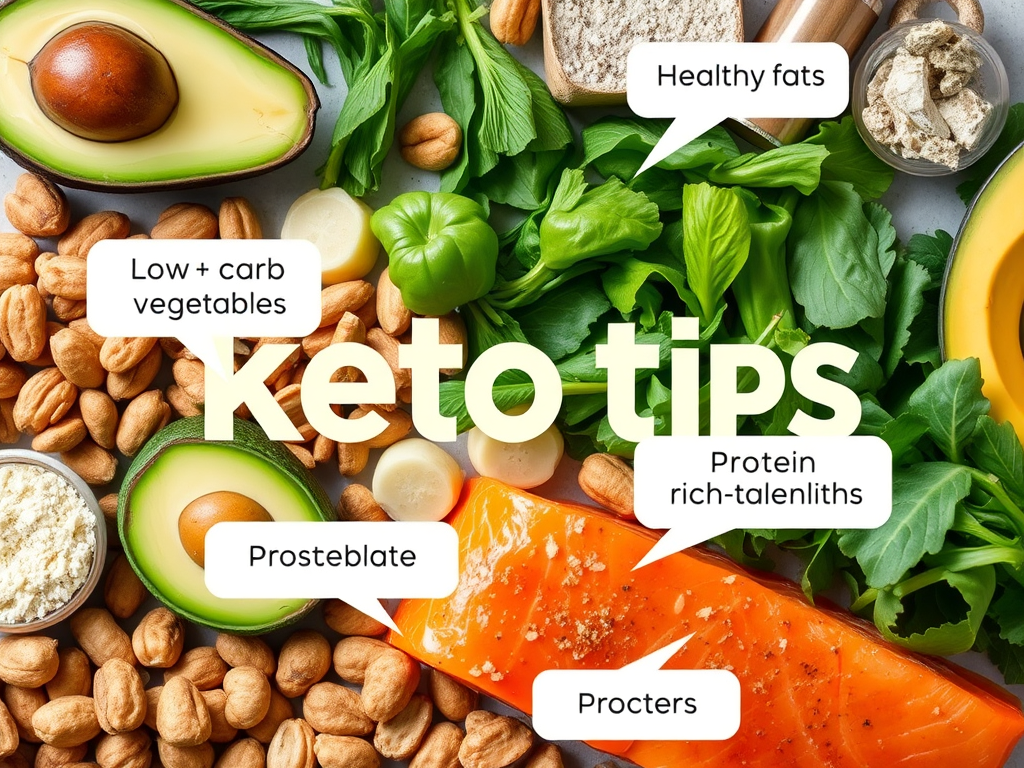
      • Healthy Fats: Include rich sources like creamy avocado, nutrient-dense coconut oil, extra virgin olive oil, and rich grass-fed butter.
      • Proteins: Choose flavorful fatty fish, farm-fresh eggs, premium grass-fed meat, succulent poultry, and delicious Indian and Italian cheeses.
      • Non-Starchy Vegetables: Load up on vibrant spinach, crunchy broccoli, fluffy cauliflower, and zesty zucchini.
      • Keto Snacks: Satisfy your cravings with essential nuts, nourishing seeds, and delicious berries.
    • Dodge Hidden Sugars and High-Glycemic Foods – Even minute sugar intake can trigger a significant insulin surge. Stay vigilant for:
      • Sweetened beverages, sauces, and those deceptive “low-fat” products packed with hidden sugars.
      • High-carbs fruits like bananas, apples, and grapes. Instead, choose low-Glycemic delights like berries—consume them in moderation for a smart, health-conscious snack!
    • Stay ActiveExercise is a powerful ally in your ketosis journey, significantly enhancing insulin sensitivity.
      • Resistance Training: Sculpt lean muscle, accelerating your metabolism and optimizing glucose uptake.
      • Cardio: Ignite your endurance, while effectively stabilizing blood sugar levels for peak performance.
    • Hydrate Effectively and Optimize Electrolytes – Fighting dehydration and fixing electrolyte imbalances are crucial to enhancing your body’s ability to maintain stable insulin levels. Boost your keto journey by incorporating sodium, potassium, and magnesium-rich foods or supplements into your daily regimen for maximum health benefits.

    Sample Keto-Friendly Meal Plan for Insulin Control

    • Breakfast: Creamy scrambled eggs or paneer sauteed with fresh spinach, cooked to perfection in rich coconut oil, ghee, or butter. Served alongside vibrant avocado slices for a nutritious and flavorful start to your day.
    • Lunch: Succulent grilled salmon, tender chicken, or rich mutton paired with a vibrant, large leafy green salad drizzled with zesty olive oil and fresh lemon dressing. Enhance your meal by adding a delightful sprinkle of crunchy seeds or nuts for that perfect texture!
    • Dinner: Indulge in a savory grass-fed paneer or chicken burger (sans bun) crowned with melted cheese and sauteed mushrooms. Elevate your meal with a side of roasted broccoli, generously drizzled with rich butter for that perfect finishing touch!
    • Snack Option: A delightful handful of rich macadamia nuts or a vibrant mix of juicy berries for a burst of flavor and energy!

    Conclusion

    Adopting a ketogenic lifestyle offers a powerful strategy to stabilize blood sugar levels and elevate your overall wellness. By focusing on nutrient-dense, low-carbs, high-fat meals, effectively managing stress, and nurturing an active lifestyle, you can achieve sustainable blood sugar stability while significantly reducing your risk of chronic diseases like diabetes and heart disease. Embrace this transformative approach to unleash your body’s potential for optimal health and vitality!

    Take the First Step

    Ready to revolutionize your health with the powerful ketogenic diet? Begin your journey with simple yet impactful changes to your eating habits. Don’t hesitate to consult with me for tailored, personalized guidance that suits your unique needs. If you’re eager to discover how keto can seamlessly integrate into your lifestyle, reach out for customized keto meal plans and expert coaching. Share this blog with anyone who wants to take charge of their blood sugar levels naturally and embark on a healthier future together!

    In my third and final blog post on insulin resistance, I am excited to share my personal insights. I will discuss the effective diet strategies I embrace. These strategies help me manage my insulin levels. They also enhance my overall well-being.

  • How to Stabilize Insulin Levels with Low-GI Foods

    How to Stabilize Insulin Levels with Low-GI Foods

    In my previous blog, I explored the causes, effects, and essential tips regarding insulin spikes. In this installment, I’ll illuminate one of the strategies to effectively manage insulin levels—embracing a low-Glycemic diet. This approach plays a key role in stabilizing blood sugar. It is also crucial for minimizing insulin surges. Additionally, it enhances long-term health. Join me as we examine the details of a low-Glycemic diet. We will explore its mechanics and provide actionable steps. You can take these steps to adopt this lifestyle for natural insulin spike control. Below is the link for the previous article.

    Understanding Insulin Spikes: Causes and Management

    What Is the Glycemic Index (GI)?

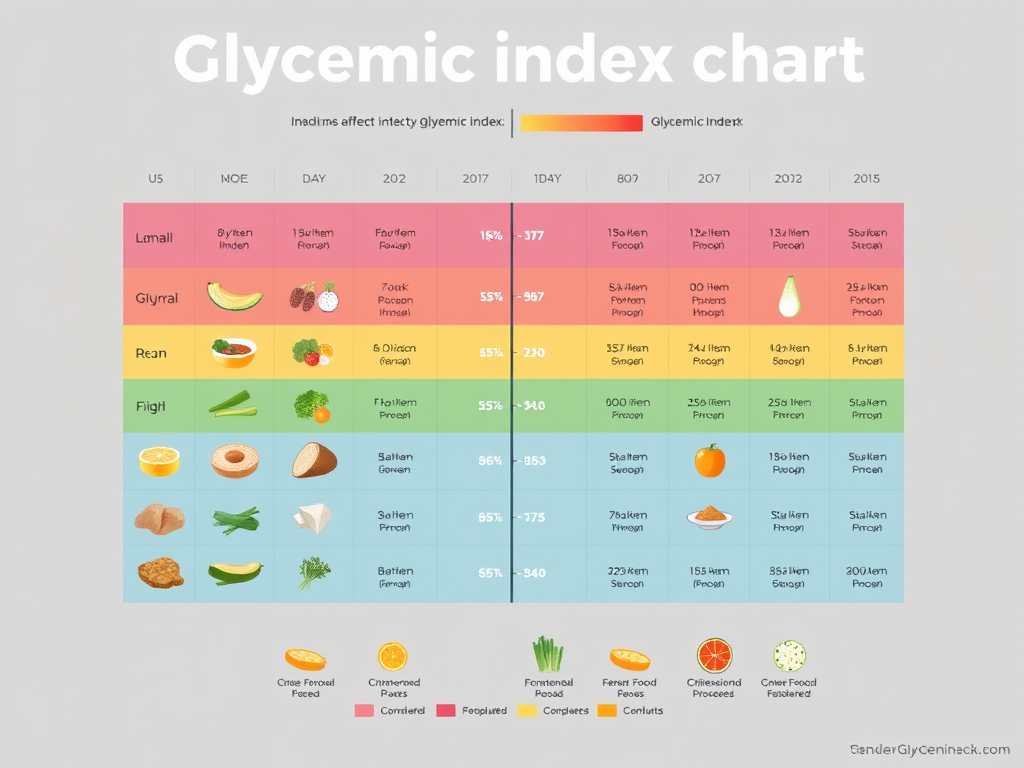
    The Glycemic index (GI) is an essential ranking system that evaluates how rapidly a particular food elevates blood sugar levels. Foods are assigned scores ranging from 0 to 100, with lower scores indicating a slower impact on blood sugar. By prioritizing low-GI foods, you can effectively manage your blood sugar levels. You can also significantly reduce the risk of insulin spikes. This practice promotes overall health and well-being.

    • Low Glycemic Index (GI) Foods (0 – 55): Experience the benefits of slow digestion and minimal blood sugar impact! Incorporate wholesome options like yeast-based products, fermented delicacies, nutritious broccoli, and energizing nuts into your diet for sustained energy and optimal health.
    • Medium Glycemic Index (56 – 69): It provides a moderate blood sugar response. It features nutrient-rich options like whole grain rice, deliciously sweet sweet potatoes, and heart-healthy steel cut oats.
    • High Glycemic Index (70+): Experience rapid digestion with foods such as white bread, candy, and sugary cereals. These foods lead to sharp insulin spikes. This also happens with those fried in vegetable oils.

    Benefits of a Low-Glycemic Diet for Insulin Control

    • Stabilized Blood Sugar: Enjoy the benefits of Low-Glycemic Index (GI) foods. These foods effectively prevent sudden glucose spikes and crashes. They promote a more stable and balanced energy level throughout the day.
    • Enhanced Insulin Sensitivity: Maintaining consistently lower insulin levels strengthens your body’s response to glucose. This promotes optimal health and enhances metabolic efficiency.
    • Sustained Energy Levels: Nutrient-dense, slow-digesting foods deliver consistent energy. They fuel your day with enduring vitality and prevent those pesky energy crashes.
    • Weight Management: Embrace the power of a low-GI diet. It effectively curbs hunger and cravings. This approach paves the way for sustainable fat loss and a healthier lifestyle.
    • Significantly Lowered Risk of Chronic Diseases: Enhanced blood sugar management helps reduce the risk of developing diabetes. It also lowers the chances of encountering serious cardiovascular complications.

    Low-Glycemic Diet Strategies to Control Insulin Spikes

    • opt for Low-GI Carbohydrates – Transition from high-Glycemic carbs to nutritious low-GI alternatives for a healthier lifestyle. Key options include:
      • Whole Grains: Embrace wholesome choices like steel-cut oats, quinoa, and barley. Add a touch of fermented yeast for added benefits!
      • Nutritious Non-Starchy Vegetables: Load up on vibrant veggies like broccoli, spinach, cauliflower, and zucchini for essential nutrients and fiber.
      • Delicious Low-GI Fruits: Indulge in nature’s candy with antioxidant-rich berries, succulent cherries, and juicy pears.
      • Avoid These: Steer clear of white bread, sugary cereals, and tempting processed snacks for optimal well-being.
    • Elevate Your Meals – Pair Carbs with Protein and Healthy FatsCombining carbohydrates with protein or healthy fats slows down digestion. This combination also significantly reduces their Glycemic impact. It promotes sustained energy levels and overall health.
        • Delicious Example Meals:
          • Whole-Grain Toast – Freshly baked or homemade, topped with creamy avocado and nutrient-rich eggs for a powerhouse breakfast.
          • Lentil Soup – Rich and hearty, drizzled with ghee or butter, paired with grilled chicken or paneer for a protein-packed delight.
      • Prioritize Fiber-Rich Foods for Better Blood Sugar Control – Fiber significantly slows down glucose absorption, promoting stable blood sugar levels. Focus on incorporating the following nutrient-dense options into your diet:
        • Diverse Choices Include:
          • Vegetables: Leafy greens like spinach and kale, crunchy carrots, and refreshing cucumbers.
          • Seeds and Nuts: Nutrient-packed sesame seeds, omega-3 rich flaxseeds, crunchy pecans, and buttery macadamia nuts.
      • Enhance Your Meals with Vinegar or Lemon Juice – Numerous studies highlight how vinegar and lemon juice can significantly lower the Glycemic response of high-carbs meals, leading to better blood sugar management. For example:
        • Drizzle a refreshing splash of vinegar over salads for a zesty kick.
        • Squeeze bright lemon juice over grilled vegetables or meats to elevate flavors and boost nutritional benefits.

      Low-Glycemic Meal Plan for Insulin Control

      • Breakfast: Steel-cut oats topped with, a sprinkle of cinnamon, and a handful of berries & whey isolate for protein.
      • Lunch: Grilled salmon/chicken/mutton/paneer served with steamed veggies drizzled with ghee/butter.
      • Dinner: Lentil soup with a side of leafy green salad (olive oil and lemon dressing).

      Key Tips for Success on a Low-Glycemic Diet

      • Read Labels: Steer clear of processed foods that contain hidden sugars and refined carbohydrates. Prioritize whole, natural ingredients for a healthier lifestyle!
      • Cook at Home: Embrace the art of creating delicious, whole, unprocessed meals that empower you to control every ingredient. Unlock your culinary potential while enjoying the benefits of healthier eating!
      • Stay Hydrated: Optimal hydration is crucial for maintaining balanced blood sugar levels. Dehydration not only disrupts glucose regulation but can also lead to fatigue and decreased energy. Keep your body in peak form by ensuring you drink enough water throughout the day!
      • Engage in Consistent Exercise: Regular physical activity significantly boosts insulin sensitivity, empowering your body to utilize glucose more efficiently and enhancing overall metabolic health.

      Final Thoughts

      Embracing a low-Glycemic diet is a powerful strategy to manage insulin levels, sustain energy, and enhance your overall wellness. By prioritizing nutrient-rich, slow-digesting foods, you can effectively avoid blood sugar crashes and significantly lower your risk of insulin resistance and chronic health issues.

      Take the First Step

      Start today by substituting high-GI foods with nourishing, low-GI alternatives and witness a remarkable transformation in your energy, cravings, and overall health!

      Are you ready to take charge of your blood sugar levels naturally? Share this informative blog with someone who would greatly benefit and connect with us for customized nutrition plans specifically designed to meet your unique health goals! In my next blog, I will be unveiling powerful insights into how the ketogenic diet effectively helps in controlling insulin spikes for improved overall health.