
Fatty liver disease has rapidly emerged as a prevalent health epidemic, frequently associated with unhealthy lifestyle choices and nutritional imbalances. This condition arises when an excessive buildup of fat occurs in the liver, posing serious risks that can escalate to chronic health issues such as liver inflammation, cirrhosis, or even life-threatening liver failure. In this comprehensive article, we will delve deep into the underlying causes, notable symptoms, and innovative treatment options for fatty liver disease, while effectively debunking the misconception that dietary fat is the primary culprit.
Debunking the Myth: Fatty Foods Are Not the Culprit
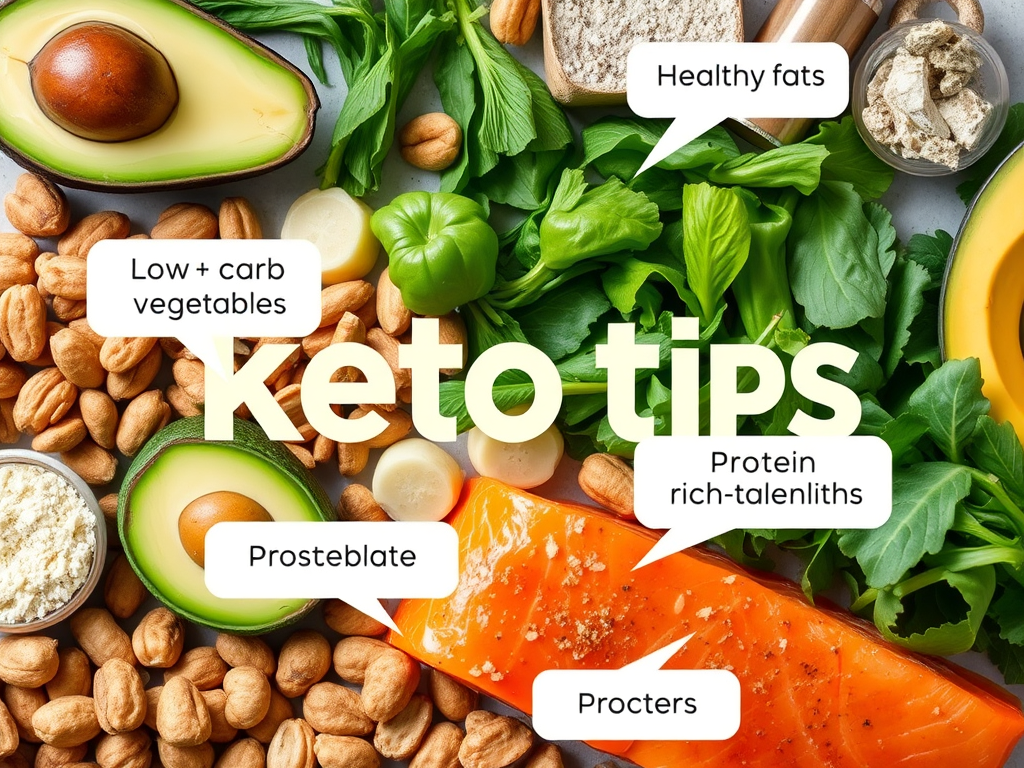
Contrary to popular belief, nutrient-dense dietary fats such as those abundant in avocados, diverse nuts, wholesome seeds, oily fish, ghee/butter & premium extra virgin olive oil play a crucial role in supporting liver health rather than causing fatty liver.
- Healthy Fats vs. Processed Carbs: Healthy fats are metabolized in a unique way compared to refined sugars and processed carbohydrates. They not only provide essential energy but also enhance metabolic health and combat inflammation. In contrast, excessive consumption of carbs can lead to their conversion into fat by the liver, promoting weight gain and related health issues that causes fatty liver. Embracing nutritious fats can significantly optimize your overall well-being!
- The Vital Role of Healthy Fats in Your Diet: Incorporating nutrient-rich healthy fats into your diet is crucial for enhancing liver function, bolstering fat metabolism, and potentially reversing fatty liver disease. Omitting these beneficial fats can strip the body of essential nutrients, resulting in a cascade of health challenges. Embrace healthy fats for a thriving, balanced lifestyle!
What Causes Fatty Liver?
- Excessive Carbohydrate Intake: High consumption of refined carbohydrates and sugary foods leads to dramatic spikes in insulin levels, significantly boosting the body’s propensity for fat storage, particularly in the liver.
- Fructose: A naturally occurring sugar predominantly found in processed foods and certain fruits. Unlike glucose, fructose is primarily metabolized by the liver, which can lead to significant fat accumulation when consumed in excess. Be mindful of your fructose intake, as it can dramatically impact your health and body composition.
- Insulin Resistance: Prolonged and excessive carbohydrate intake can significantly contribute to insulin resistance, a condition that leads to the accumulation of excess fat in the liver. This metabolic disturbance can impact your overall health and weight management, making it crucial to monitor carbohydrate consumption.
- Obesity: Excessive body weight, especially around the abdomen, serves as a major risk factor for the development of fatty liver disease. Managing your weight is crucial for liver health and overall well-being.
- Alcohol Consumption: Although non-alcoholic fatty liver disease (NAFLD) is prevalent, the dangers of excessive alcohol intake cannot be overlooked. This harmful habit can significantly contribute to fat deposition in the liver, leading to serious health risks. It’s crucial to understand the impact of your drinking habits on liver health and prioritize moderation to protect this vital organ.
Symptoms of Fatty Liver
Fatty liver, often dubbed a “silent disease,” can stealthily develop without any noticeable symptoms during the initial stages. Yet, as this condition advances, it may reveal a range of concerning symptoms, including:
- Chronic Fatigue: Experience overwhelming, persistent tiredness that significantly impacts daily life and overall well-being.
- Intense discomfort or sharp pain in the upper right abdomen, potentially signaling underlying health concerns
- Sudden and Unexplained Weight Loss: A concerning symptom that can indicate underlying health issues.
- Noticeable yellowing of the skin or eyes, particularly in severe cases, which may indicate a serious health concern.
How Fatty Liver Can Turn Chronic
- Non-Alcoholic Steatohepatitis (NASH): A more serious and concerning form of liver disease characterized by significant liver inflammation and damage. This condition not only raises the risks of liver fibrosis and cirrhosis but also poses a serious threat to overall health. Understanding and addressing NASH is crucial for preventing further complications.
- Fibrosis and Cirrhosis: A serious condition characterized by irreversible scarring of liver tissue, significantly impairing its critical functions. Understanding the implications of fibrosis and cirrhosis is essential for prevention and management.
- Elevated Risk of Liver Cancer and Heart Disease: The progression of advanced fatty liver significantly heightens the risk of life-threatening conditions, including liver cancer and cardiovascular illnesses. Taking proactive measures is crucial for safeguarding your health.
How to Reverse Fatty Liver Naturally
- Embrace a Nourishing Balanced Diet:
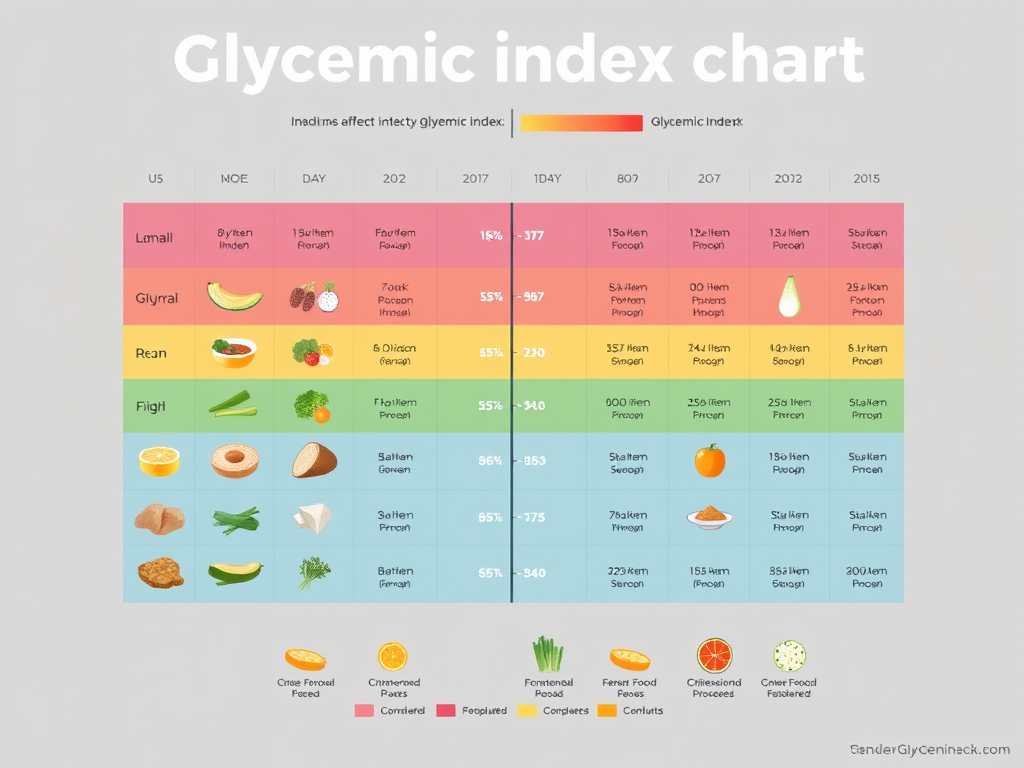
- Prioritize Low Glycemic Index (GI) Foods: Say goodbye to high-GI culprits such as white bread, sugary snacks, and sweetened drinks. opt instead for sweet potatoes, non-starchy vegetables for sustained energy!
- Incorporate Quality Fats: Supercharge your meals with omega-3 fatty acids found in fatty fish or flaxseeds, along with heart-healthy monounsaturated fats from delightful sources like extra virgin olive oil & avocado.
- Limit Fructose for Optimal Health: Curb your consumption of high-fructose fruits like mangoes, grapes, and bananas, and steer clear of processed foods loaded with added sugars for better overall well-being.
- Engage in Regular Exercise: Elevate your health by incorporating consistent physical activity into your routine! Regular exercise is a powerful ally in the battle against liver fat, as it significantly enhances insulin sensitivity and turbocharges fat metabolism. Strive for at least 30 minutes of invigorating exercise 4-5 times a week to unlock a healthier you!
- Achieve Sustainable Weight Loss: Rapid weight loss can exacerbate fatty liver conditions. Focus on a gradual and effective weight loss strategy of 1-2 pounds per week to promote better liver health and overall well-being.
- Enhance Your Gut Health: Cultivating a robust gut Microbiome is essential for reducing inflammation and boosting liver health. Incorporate Probiotics, Probiotics, and fiber-rich foods into your diet to supercharge your digestive system and promote overall wellness.
- Stay Hydrated: Ensuring optimal hydration is crucial for enhancing liver detoxification and promoting vibrant metabolic health. Proper water intake can dramatically improve your energy levels, boost cognitive function, and support your body’s natural cleansing processes.
Effective Strategies to Prevent Fatty Liver Disease Progression
- Avoid sugary beverages and processed foods.
- Limit alcohol intake.
- Maintain a consistent exercise routine.
- Monitor and manage conditions like diabetes and high cholesterol.
- Get regular health check-ups to monitor liver function.
Conclusion
The key to effectively managing and even reversing fatty liver lies in a deep understanding of its root causes. High-quality dietary fats are NOT the enemy; on the contrary, they are a crucial component of a healthy and balanced diet. The real troublemakers are high-Glycemic and high-fructose foods that disrupt our metabolic health and can lead to serious complications.
By embracing a nutritious diet, staying active with regular exercise, and steering clear of processed foods, you can often reverse fatty liver before it develops into a chronic condition.
Remember, your liver is incredibly resilient, but prevention is always better than cure. Take charge of your health today and empower yourself to live a vibrant life!
Would you like to add a detailed meal plan or workout routine tailored to reversing fatty liver?




 Simplify Your Wellness Journey