Think Indian cuisine is a protein powerhouse? Think again. Here’s the shocking reality behind the social media frenzy and how influencers are peddling a fantasy for likes and profits. Discover the truth beneath the glamour of food posts. See how the narrative surrounding Indian food might not be as nutritious as it seems.
The Great Protein Myth: Why the “High-Protein Indian Diet” Is the Biggest Lie on Social Media
Let’s rip the bandage off right away:
The notion that a typical Indian diet is “high in protein” is misleading. It is one of the most significant, audacious, and dangerous myths circulating on social media today.
This is more than mere misinformation; it’s a deliberate manipulation, fueled by a rising tide of Instagram and YouTube “influencers” who exploit emotions, cultural identities, and even religious beliefs to peddle misleading narratives. They sell you a false sense of hope, all under the guise of wellness and health. It’s time to uncover the truth behind these claims and reclaim our understanding of nutrition!
The Harsh Truth: Indian Diets Are Not Protein-Rich
Let’s start with the data.
A typical Indian vegetarian diet— rotis, rice, dal, sabzi, curd—might feel comforting and wholesome, but in terms of protein, it’s shockingly insufficient for muscle building, fat loss, or even basic metabolic health.
Here’s why:–
Dal (lentils): Only ~6-9g of protein per 100g cooked.
Paneer: Decent source, but most people eat just 50-100g, which gives 10–20g protein max.
Milk & curd: Moderate protein, but not enough to carry your day.
Roti and rice? High in carbs, barely 2–3g protein per serving.
Nuts and seeds? Mostly fats with a little protein—not sustainable in the amounts you’d need.
Now compare that to your body’s actual needs
For a sedentary adult, protein needs start at 0.8g per kg of body weight.
For someone active, it can go up to 1.6–2g/kg.
For a 70 kg adult, that’s 84–140 grams of protein per day. Most Indian diets barely reach 40–60g—unless you’re being extremely mindful and deliberate.
So, Why Are Influencers Claiming Indian Food Is Protein-Rich?
Because outrage sells. Emotions sell. Religion sells. And they know exactly how to play the game. You’ve seen the reels:
“Indian food is all you need for gains.”
“Our ancestors didn’t need meat or whey.”
“Stop demonizing Indian food. It’s the healthiest on Earth.”
It sounds powerful. It sounds cultural. But it’s not nutritional. Behind the camera? Most of these influencers:
Use whey protein daily
Eat meat secretly
Supplement with eggs or even imported products
And some? On PEDs, steroids, and fat burners while pretending to stay “all natural and all Indian.”
Because pretending to be “100% desi” gets likes, brand deals, sympathy—and most importantly—money.
It’s All a Business, Not a Belief
Let’s not be naive. This is how it works:-
Tap into your emotions – Culture, nostalgia, pride.
Create controversy – “Why do people hate Indian food?”
Sell a dream – “Look, I got ripped eating only Indian meals!”
Monetize your trust – Courses, PDFs, consultations, and affiliate codes.
What Should You Do Instead?
Stop idolizing influencers. Reels aren’t research. Start asking real questions.
Track your food. Use apps like MyFitnessPal or Cronometer. See the protein gaps yourself.
Diversify your protein. Eggs, chicken, Greek yogurt, tempeh, whey protein, or even quality plant protein blends.
Respect your roots—but not blindly. Our lifestyles have changed. Your nutrition should, too.
Consult professionals, not trendsetters. The ones selling ₹3000 workout plans from their iPhone often don’t live the lifestyle they promote.
Final Thought
You are being misled—intentionally, persistently, and for profit. The so-called high-protein Indian diet is a facade. It’s time to break free from the illusion and embrace authenticity. Prioritize your health by grounding your choices in science rather than emotions. Get informed. Get empowered, and transform your wellness journey today!
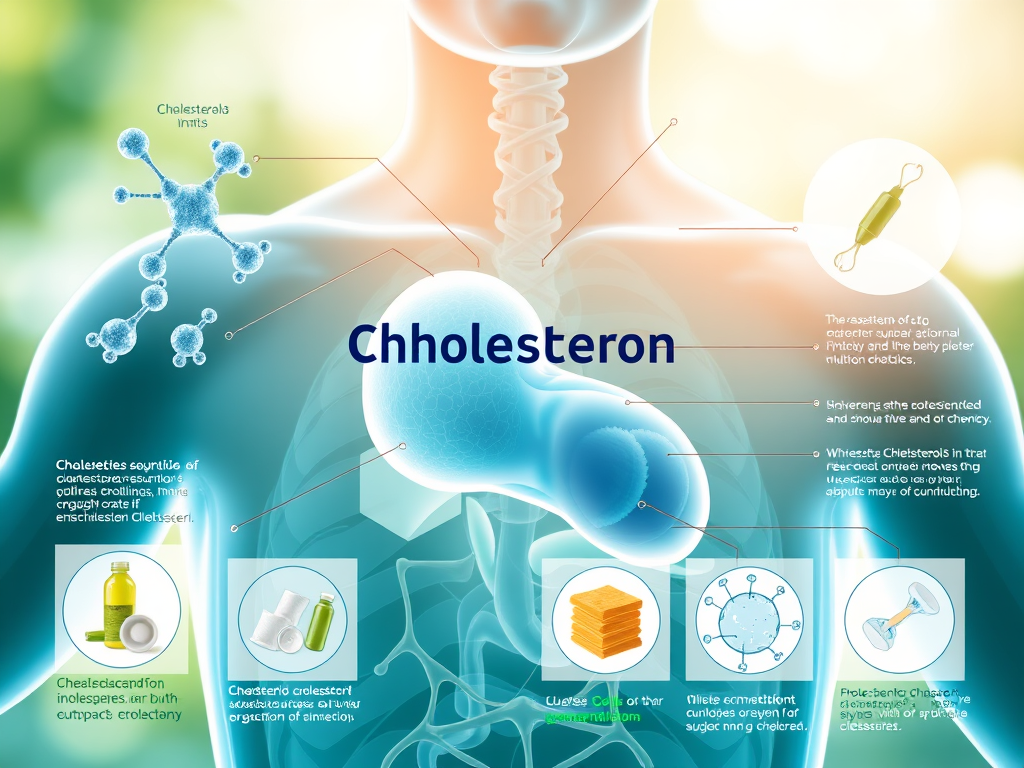
Cholesterol has long been demonized as the primary culprit behind heart disease and a host of other health concerns. For decades, the prevailing wisdom dictated that we should steer clear of foods rich in cholesterol, as we believed they would block our arteries and hasten our demise. However, recent breakthroughs in research and a nuanced understanding of cholesterol paint a much more complex picture—one that not only challenges the conventional narrative pushed by certain industries but also uncovers the significant benefits of cholesterol in our diets.
In this enlightening blog, we will delve into the pivotal role of cholesterol in our bodies, clarify the crucial distinction between dietary cholesterol and blood cholesterol, and explain why total cholesterol levels are not the definitive marker of health we once thought they were. Moreover, we’ll expose the myths and misinformation propagated by corporate interests to promote their products at the expense of our health.
Join us as we explore the cutting-edge research demonstrating that cholesterol is not the villain it has been made out to be, but rather a vital nutrient essential for achieving optimal health. Prepare to rethink everything you thought you knew about cholesterol; it might just be the key to unlocking a healthier you!
What is Cholesterol and Its Role in the Body?
Cholesterol is a waxy, fat-like substance. It plays essential roles in the body. It supports cell membrane structure. Cholesterol aids in hormone production and facilitates the absorption of vital nutrients.
Hormone Production: Essential for the synthesis of critical hormones, such as testosterone, estrogen, and cortisol, this precursor plays a pivotal role in maintaining overall hormonal balance and supporting vital bodily functions.
Boost Your Vitamin D Levels: Cholesterol plays a crucial role in the synthesis of vitamin D when your skin is kissed by sunlight. Embrace the sun’s rays to enhance your wellness and optimize your health!
Bile Production: Cholesterol is crucial for liver bile production. Bile is vital for effectively digesting and absorbing dietary fats.
Brain Health: Cholesterol plays a vital role in maintaining optimal brain function, as it is essential for the health and performance of neurons and memory. Astonishingly, 25% of the body’s cholesterol resides in the brain, highlighting its crucial importance for overall cognitive health and mental clarity.
Clearly, cholesterol is not the villain it’s often portrayed to be; in fact, it’s a vital substance that plays a crucial role in numerous essential bodily functions, ensuring our overall health and vitality. Without adequate levels of cholesterol, our bodies would struggle to maintain proper hormone production, cell membrane integrity, and numerous other critical processes.
Body Cholesterol vs. Dietary Cholesterol: Understanding the Difference
Body Cholesterol (Endogenous)
Most of the cholesterol in your body (about 75–80%) is produced by the liver and other cells.
The body tightly regulates cholesterol production to maintain balance, increasing production when dietary intake is low and decreasing it when dietary intake is high.
Dietary Cholesterol (Exogenous)
Found in foods like eggs, red meat, shellfish, and full-fat dairy.
Dietary cholesterol has a minimal impact on blood cholesterol levels for most people.
The Misconception: For years, dietary cholesterol was blamed for raising blood cholesterol levels and increasing heart disease risk. However, numerous studies have shown that the body adjusts its cholesterol production based on intake, making dietary cholesterol far less impactful than previously believed.
The Hidden Agenda: How Cholesterol Became a Scapegoat
In the mid-20th century, the demonization of cholesterol gained momentum due to flawed research and corporate interests:
Ancel Keys’ Flawed Research:
The “Seven Countries Study” by Ancel Keys linked dietary fat (and cholesterol) to heart disease. However, it selectively used data from countries that supported the hypothesis while ignoring others that contradicted it.
This study led to decades of low-fat dietary guidelines.
Industry-Funded Misinformation:
In the 1960s, the sugar industry paid researchers to downplay sugar’s role in heart disease and shift the blame to dietary fat and cholesterol.
This was revealed in a 2016 JAMA Internal Medicine report, exposing how corporations influenced public health policies to benefit their products.
Cholesterol-Lowering Drug Industry:
The pharmaceutical industry capitalized on the fear of cholesterol, promoting statins as a one-size-fits-all solution.
Statins lower cholesterol levels but do not address the root causes of heart disease, such as inflammation and metabolic dysfunction.
Why Doctors Hide the Truth About Cholesterol
The persistent misinformation surrounding cholesterol can be traced back to significant gaps in medical education and the overwhelming influence of powerful industries. Many medical professionals receive insufficient training in nutrition during their education, which leaves them overly dependent on outdated guidelines that drastically oversimplify cholesterol’s complex role in health. Moreover, the immense power of the pharmaceutical industry cannot be overlooked. Cholesterol-lowering medications, such as statins, generate billions of dollars annually, creating a hefty financial incentive to perpetuate the narrative that high cholesterol is inherently harmful. By emphasizing the need to lower cholesterol levels instead of tackling underlying issues like inflammation and insulin resistance, the healthcare system frequently opts for mere symptom management over genuine prevention. This toxic blend of limited nutritional knowledge and vested financial interests fuels the ongoing demonization of cholesterol, which in turn keeps patients misinformed and reliant on medications, rather than empowering them with effective dietary and lifestyle strategies for long-term health.
The Myth of “High Cholesterol” and the Hidden Truth
Why Total Cholesterol Numbers Don’t Tell the Whole Story:
Understanding LDL vs. HDL:
LDL (Low-Density Lipoprotein), often referred to as “bad cholesterol,” isn’t inherently dangerous. Issues occur when LDL particles become oxidized or small and dense, which can significantly contribute to the buildup of arterial plaque and increase heart disease risk.
In contrast, HDL (High-Density Lipoprotein), known as “good cholesterol,” plays a crucial role in clearing excess cholesterol from the bloodstream, acting as a protector against cardiovascular issues.
Relying solely on total cholesterol is misleading. A more insightful approach involves examining the HDL to LDL ratio, alongside monitoring triglyceride levels and inflammatory markers such as C-reactive protein (CRP) to accurately assess heart disease risk.
Identifying the True Risk Factors for Heart Disease: It’s essential to recognize that chronic inflammation, insulin resistance, and oxidative stress, coupled with unhealthy lifestyle habits (like smoking and a sedentary lifestyle), are the real culprits behind cardiovascular disease—not cholesterol itself.
Research Supporting Cholesterol as Beneficial
Cholesterol and Longevity: A 2013 study published in The American Journal of Clinical Nutrition found that higher cholesterol levels in older adults were associated with increased longevity and reduced risk of infections.
Cholesterol and Brain Health: Research in Frontiers in Aging Neuroscience highlights the importance of cholesterol in preventing neuron-degenerative diseases like Alzheimer’s.
Dietary Cholesterol and Heart Disease: A 2015 meta-analysis in BMJ concluded that there is no significant link between dietary cholesterol and cardiovascular disease in healthy individuals.
The Path Forward: Embracing Cholesterol-Rich Foods
Focus on Whole Foods: Replace processed foods and refined carbohydrates with nutrient-dense, whole foods, including cholesterol-rich options. Kindly consult with professional for right amount of fats required as per your daily intake.
Address Inflammation: Prioritize anti-inflammatory foods like fatty fish, nuts, seeds, and leafy greens.
Avoid Refined Sugars and Trans Fats: These are the real culprits behind heart disease and should be minimized.
Balance Your Lifestyle: Exercise regularly, manage stress, and get adequate sleep to support overall cardiovascular health.
Final Thoughts and Key Takeaways
Cholesterol Isn’t the Enemy: Embrace This Essential Nutrient for Optimal Health
Cholesterol plays a vital role in maintaining your overall health—it’s not the villain we’ve been led to believe. The long-standing war on cholesterol has been fueled by flawed research and influenced by corporate agendas. To promote better health, it’s crucial to understand the distinction between dietary cholesterol and that produced by your body.
Instead of fearing cholesterol, focus on the real risk factors that impact your well-being. Embrace a diet rich in whole, nutrient-dense foods that nourish your body and support your health goals.
It’s time to rethink cholesterol. Break free from outdated myths and trust the science that underscores its importance in a balanced, healthy diet.
Don’t navigate this journey alone: consult with a knowledgeable professional who can guide you on how fats function in your body, determine the right quantities based on your lifestyle, and identify the best food combinations for an effective nutrition plan. Your path to understanding cholesterol starts now—let’s make informed choices together!
Heart attacks and cardiac diseases are alarmingly prevalent across the globe, affecting even younger demographics. According to the World Health Organization (WHO), cardiovascular diseases (CVDs) are the foremost cause of death worldwide. They result in nearly 18 million fatalities each year. Genetics and lifestyle choices certainly influence our heart health. However, the daily foods we consume are significant culprits in this crisis. Especially problematic are low-quality cooking oils, unhealthy fats, and excessive carbohydrates. In this insightful exploration, we will examine how these dietary components affect heart health. Our findings are supported by compelling research.
The Role of Bad-Quality Cooking Oils and Seed Oils in Heart Disease
Elevated Omega-6 Fatty Acid Levels: Many commonly used seed oils, including soybean, corn, sunflower, and canola oil, are particularly high in omega-6 fatty acids. While omega-6 is crucial for health in moderation, excessive intake disrupts the critical omega-6 to omega-3 balance, leading to increased inflammation—a major contributor to the onset of heart disease.
Compelling Research Findings: A study published in BMJ underscored the serious consequences of imbalanced omega-6 and omega-3 fatty acids, linking this disproportion to elevated cardiovascular risk due to increased inflammation and oxidative stress.
Toxic Compounds from Heating: When seed oils are heated at high temperatures, they undergo oxidation, resulting in the formation of toxic aldehydes and trans fats. These detrimental compounds not only harm blood vessels but also significantly increase LDL cholesterol while simultaneously reducing HDL cholesterol.
Research Evidence: According to the Journal of Food Science, heating vegetable oils at elevated temperatures generates harmful oxidation products that are linked to an increased risk of heart disease.
Highly Refined and Chemically Processed Seed Oils: Numerous seed oils undergo intensive chemical extraction using harmful solvents such as hexane, followed by extensive refining processes that strip away essential nutrients. This industrial approach not only eliminates beneficial compounds but also generates toxic byproducts that can significantly increase oxidative stress and promote chronic inflammation in the body.
The Danger of Unhealthy Fats
Trans Fats: Present in margarine, shortening, and numerous processed foods, trans fats pose a significant threat to heart health. These harmful fats not only elevate LDL cholesterol but also diminish HDL cholesterol, exacerbating the risk of arterial plaque buildup, which can ultimately lead to severe cardiovascular issues.
Research Evidence: The New England Journal of Medicine highlights a staggering statistic: trans fats are linked to approximately 500,000 preventable deaths each year, underlining their devastating impact on heart health and overall well-being.
Saturated Fats in Processed Foods: Saturated fats from unhealthy sources, including processed meats, deep-fried delights, and sugary baked goods, significantly contribute to cholesterol imbalances and dangerous arterial blockages. In contrast, saturated fats sourced from natural ingredients, like nutrient-rich coconut oil and wholesome grass-fed butter, can be enjoyed safely when consumed in moderation, promoting better overall health without the associated risks.
The Role of High-Carbohydrate Diets in Heart Disease
Elevated Blood Sugar and Insulin Resistance: Diets rich in refined carbohydrates—including white bread, pastries, sugary beverages, and processed snacks—trigger rapid surges in blood sugar and insulin levels. Over time, this chronic elevation can lead to insulin resistance, inflammation, and unwanted weight gain—all significant risk factors for heart disease.
Compelling Research Evidence: A pivotal study published in The Lancet revealed a robust association between high carbohydrate intake and a heightened risk of heart disease, particularly in populations that consume refined carbs as dietary staples.
Triglyceride Levels: Excessive carbohydrate consumption can lead to significantly elevated triglyceride levels—these are harmful fats in your bloodstream that promote the formation of arterial plaque. This buildup not only heightens the risk of heart attacks but also poses a substantial threat to overall cardiovascular health.
Chronic Inflammation: Highly processed carbohydrates and sugary delights fuel systemic inflammation, wreaking havoc on blood vessel walls and significantly accelerating the progression of atherosclerosis (dangerous artery hardening).
Research Findings on Diet and Heart Health
PURE Study (Prospective Urban Rural Epidemiology): This groundbreaking study investigated the intricate relationship between diverse dietary patterns and their profound effects on health across 18 countries.
Key Findings: A striking correlation was observed where elevated carbohydrate intake significantly increased the risk of total mortality, while a higher intake of fats (including saturated fats) was intriguingly linked to a reduced risk of stroke and heart disease.
Harvard Health Study on Omega-6 and Omega-3 Ratios: The groundbreaking research revealed that contemporary diets, heavily influenced by seed oils, exhibit an alarming omega-6 to omega-3 ratio of up to 20:1. This stark contrast to the ideal ratio of 4:1 or lower significantly contributes to inflammation, raising the risk of heart disease and other chronic health issues.
Framingham Heart Study: Revealed that diets rich in refined carbohydrates and dangerous trans fats dramatically elevate LDL cholesterol and triglyceride levels, significantly heightening the risk of heart disease.
Practical Steps to Reduce Heart Disease Risk
Select Nutrient-Dense, Heart-Healthy Fats
Swap out harmful seed oils for superior, heart-healthy alternatives such as, coconut oil, ghee and grass-fed butter to elevate your cooking and health.
Boost your omega-3 levels by incorporating fatty fish like salmon, mackerel, and sardines into your meals, or consider high-quality supplements for an additional health boost.
Significantly Cut Refined Carbohydrates
Ditch white bread, sugary snacks, and heavily processed foods.
Embrace whole, low-Glycemic carbohydrates like organic lentils, nutritious sweet potatoes, and fiber-rich legumes.
Embrace Powerful Anti-Inflammatory Foods: Elevate your diet by incorporating a vibrant array of colorful vegetables, nutritious fruits (especially antioxidant-rich berries), crunchy nuts, wholesome seeds, and aromatic spices like turmeric and ginger to effectively fight inflammation and boost your overall health.
Steer Clear of Harmful Trans Fats: Always scrutinize food labels for “partially hydrogenated oils” and eliminate products that contain these dangerous fats from your diet. Your health deserves better!
Master Portion Control for a Healthier You: Overeating—even nutritious foods—can trigger weight gain and disrupt your metabolism. This is especially true when indulging in carbohydrate-rich options like lentils and legumes. Embrace mindful eating to maintain balance and nourish your body effectively!
Stay Physically Active: Engaging in regular exercise is vital for enhancing heart health. It effectively lowers triglyceride levels, elevates HDL (good) cholesterol, and helps you maintain a healthy weight for a vibrant, energetic life. Prioritize movement daily to unlock the incredible benefits for your cardiovascular system!
Compelling Conclusion: Key Insights and Final Thoughts
The alarming increase in heart attacks and cardiac diseases can be primarily linked to poor dietary choices, especially the excessive consumption of low-quality cooking oils, unhealthy trans fats, and high-carbohydrate diets. Research highlights the critical need to eliminate inflammatory foods, swap out harmful fats for nutritious alternatives, and prioritize low-Glycemic carbohydrates to safeguard heart health. By making empowered and informed dietary choices, individuals can dramatically lower their risk of heart disease and enhance their overall well-being, paving the way for a healthier future.
Arthritis is a chronic condition that impacts millions of lives worldwide, causing pain, stiffness, and reduced mobility. While medical treatments are essential, the role of diet and lifestyle in managing and potentially alleviating arthritis symptoms is often overlooked.
In this blog, we’ll explore the science behind arthritis, its causes, and symptoms, and delve deep into how adopting a nutritious diet and consuming anti-inflammatory foods can support joint health. This evidence-based guide aims to empower you to take control of your health, with practical insights into how nutrition can complement medical treatment.
By making informed choices about what you eat, you can significantly impact your arthritis management, leading to better quality of life and improved well-being. Join us on this journey to discover how lifestyle changes can transform your experience with arthritis!
What is Arthritis?
Arthritis is a broad umbrella term encompassing more than 100 distinct conditions, all united by the common theme of joint inflammation. The most prevalent types include:
Osteoarthritis (OA): A chronic degenerative condition resulting from the gradual breakdown of cartilage. OA predominantly impacts weight-bearing joints such as the knees, hips, and spine, leading to pain and stiffness that can significantly affect mobility and quality of life.
Rheumatoid Arthritis (RA): A debilitating autoimmune disorder where the body’s immune system mistakenly attacks the protective lining of the joints, resulting in chronic inflammation and progressive joint damage. This condition can lead to significant pain, swelling, and long-term disability if not effectively managed.
Gout: A debilitating condition triggered by the buildup of uric acid crystals in the joints, often resulting from dietary choices rich in high-purine foods such as alcohol and red meat. Understanding the connection between what you eat and how your body reacts is crucial in managing this painful condition.
Symptoms of Arthritis
Chronic joint pain and stiffness
Swelling and redness around affected areas
Reduced range of motion
Fatigue, especially in autoimmune conditions like RA
Stiffness, especially after periods of inactivity or in the morning.
Limited range of motion or difficulty performing daily tasks.
Global Impact of Arthritis
Prevalence: According to the World Health Organization, 1 in 6 adults globally suffers from arthritis.
Economic Burden: Arthritis is a leading cause of disability, costing billions in healthcare expenses and lost productivity annually.
Top Factors Behind Arthritis: Uncovering the Causes
Arthritis results from a combination of genetic, environmental, and lifestyle factors:
Genetics: Certain genes increase susceptibility, especially in autoimmune types like RA.
Obesity: Excess weight puts stress on joints and promotes inflammation.
Age: Aging leads to the natural degeneration of cartilage, increasing OA risk.
Dietary Factors: High intake of processed foods, sugar, and trans fats exacerbates systemic inflammation.
Lifestyle Habits: Sedentary behavior and smoking are linked to increased arthritis severity.
The Impact of Diet on Arthritis: Unlocking Relief Through Nutrition
The Critical Role of Inflammation in Health and Disease
Inflammation is the central culprit behind all types of arthritis, serving as the body’s natural immune response. Yet, when it escalates into a chronic and low-grade state, this inflammation wreaks havoc on the joints, amplifying pain and accelerating disease progression. Grasping this vital connection is crucial for effective and proactive management, paving the way for improved treatment strategies and enhanced patient outcomes.
Grains and Arthritis: Are They the Hidden Culprits?
Grains, particularly refined and even certain whole grains, can dramatically worsen arthritis symptoms for several compelling reasons:
High Glycemic Index (GI) and Load (GL): Grains like wheat, corn, and rice fall into the category of high-GI foods, resulting in swift spikes in blood sugar levels. These surges in blood glucose trigger a surge in insulin production, which subsequently elevates pro-inflammatory cytokines such as tumor necrosis factor-alpha (TNF-α) and interleukin-6 (IL-6). These cytokines are crucial players in the inflammatory processes linked to arthritis.
Groundbreaking Research: A landmark study published in The American Journal of Clinical Nutrition unveiled that high-GI diets significantly raise C-reactive protein (CRP) levels, a vital marker of systemic inflammation. This finding illuminates the intricate relationship between dietary choices and arthritis flare-ups, emphasizing the importance of monitoring grain intake for arthritis sufferers.
Gluten Sensitivity and Autoimmunity: For individuals suffering from gluten sensitivity or celiac disease, grains such as wheat, barley, and rye can ignite a harmful immune response that exacerbates inflammation. This interplay becomes particularly concerning in autoimmune conditions like Rheumatoid Arthritis (RA).
Scientific Evidence: Groundbreaking research published in Autoimmunity Reviews underscores a compelling link between gluten sensitivity and systemic inflammation, showing that this connection can significantly amplify joint pain in arthritis patients.
Anti-Nutrients in Grains: Grains harbor anti-nutrients such as lectins and phytic acid, which can significantly hinder nutrient absorption and potentially damage the gut lining, contributing to a condition popularly known as “leaky gut syndrome.” When the gut is compromised, it permits toxins and inflammatory agents to infiltrate the bloodstream, aggravating various autoimmune conditions and triggering widespread inflammation.
Gut-Arthritis Connection: A compelling study published in Frontiers in Immunology highlights the critical link between gut dysbiosis—an imbalanced gut microbiome—and the worsening of rheumatoid arthritis (RA) as well as other inflammatory diseases.
Omega-6 to Omega-3 Imbalance: Today’s modern diets are frequently overwhelmed with omega-6 fatty acids, primarily sourced from grains, creating a concerning nutritional imbalance. The standard consumption ratio of omega-6 to omega-3 stands at an astonishing 15:1, a stark contrast to the ideal and health-promoting 1:1 ratio. This significant divergence not only exacerbates chronic inflammation but also contributes to a host of health complications, highlighting the urgent necessity for dietary changes. By prioritizing a more harmonious intake of these crucial omega fatty acids, we can significantly enhance our overall health and well-being.
Unlocking the Essential Connection Between Weight Management and Joint Health: Groundbreaking research from the Arthritis Foundation reveals that losing just 1 pound of body weight can relieve an astonishing 4 pounds of pressure off your knee joints. This powerful insight highlights the critical importance of achieving and maintaining a healthy weight to significantly reduce stress on your weight-bearing joints, ultimately enhancing your overall joint health and mobility.
The High-Fat Diet as an Anti-Inflammatory Solution
A high-fat, low-carbohydrate diet, particularly the ketogenic diet, prioritizes nutritious fats while dramatically reducing grains and sugars, effectively tackling the underlying causes of inflammation. Here’s how this powerful dietary approach can significantly benefit individuals battling arthritis:
Powerful Reduced Inflammation: Ketones, the vital energy source in a high-fat diet, are scientifically proven to significantly lower oxidative stress and reduce inflammatory markers. Notably, Beta-hydroxybutyrate (BHB), an influential ketone body, effectively inhibits the NLRP3 inflammasome, a crucial driver of inflammation, particularly in conditions like arthritis.
Compelling Study Highlight: Groundbreaking research published in Cell Metabolism revealed that BHB not only suppresses systemic inflammation but also enhances symptoms in autoimmune diseases, showcasing its potential as a therapeutic agent.
Enhanced Joint Health: A nutrient-rich high-fat diet emphasizes powerful anti-inflammatory fats such as omega-3s found in fatty fish and heart-healthy monounsaturated fats from olive oil and avocados. These essential fats significantly alleviate joint stiffness and discomfort, while also promoting robust cartilage health for optimal mobility and vitality.
Gut Health Restoration: A powerful grain-free, high-fat diet significantly reduces gut inflammation and nurtures a thriving microbiome. By fostering healthy gut bacteria, this approach increases the production of vital short-chain fatty acids (SCFAs), particularly butyrate, which are renowned for their potent anti-inflammatory effects. Embrace this transformative journey towards optimal gut health!
Alcohol: Increases uric acid levels, worsening gout and systemic inflammation.
The Bottom Line: A High-Fat Diet for Arthritis Management
Eliminating grains and embracing a high-fat, low-carbohydrate diet can dramatically reduce inflammation, enhance joint health, and restore gut integrity. This powerful approach tackles arthritis at its source by focusing on chronic inflammation and supplying the body with essential nutrients needed for repair and vibrant health. If you’re eager to reclaim control over your arthritis with personalized nutritional guidance, let’s design a customized plan that fits your unique needs and lifestyle.
Contact me today to embark on your journey towards a pain-free, active life!
Hair fall can be an incredibly distressing experience, heavily impacting confidence and self-esteem. While factors like genetics, stress, and hormonal imbalances play pivotal roles, the vital link between your diet and hair health cannot be overlooked. As a nutritionist, I frequently encounter individuals desperate for a miracle remedy to reverse hair loss, only to be lured in by products boasting unrealistic promises. In this blog, we’ll dive deep into the powerful correlation between nutrition and vibrant hair health, uncover effective supplements that promote hair growth, and determine whether regrowing lost hair is genuinely within reach.
The Correlation Between Diet and Hair Fall
Your hair is primarily composed of a vital protein known as keratin, and just like every other component of your body, it demands optimal nutrition to flourish and remain vibrant. When you face nutritional deficiencies, it can compromise your hair follicles, resulting in hair thinning and ultimately, excessive hair loss. Prioritizing your diet is essential for promoting healthy, luscious locks!
Key Nutrients for Healthy Hair
Protein Power: Hair is predominantly composed of protein, making it essential for robust hair growth. Insufficient dietary protein can hinder hair development and contribute to increased shedding. To boost your hair’s vitality, incorporate excellent sources of protein into your meals, such as lean meats, fatty fish, nutritious eggs, creamy cheese, and premium whey protein isolate.
Iron: Iron deficiency is a leading culprit behind hair loss, especially in women. This vital mineral is essential for delivering oxygen to hair follicles, and when levels are low, it causes them to weaken and ultimately fall out. To combat this, incorporate iron-rich foods into your diet, such as red meat, spinach, lentils. Ensure you’re meeting your iron needs for luscious, healthy locks!
Biotin (Vitamin B7): Biotin is essential for vibrant keratin production and robust hair follicle health. A deficiency in this vitamin can result in fragile, brittle hair. You can boost your biotin intake by enjoying nourishing sources such as eggs, almonds, macadamia nuts, Brazil nuts, and sweet potatoes. Embrace biotin for luscious, resilient hair!
Vitamin D: Research shows a strong connection between vitamin D deficiency and Alopecia, a notable form of hair loss. This essential vitamin plays a vital role in stimulating the growth of new hair follicles. Embrace sunshine, consume Di-fortified foods, and indulge in fatty fish to ensure your levels are optimal!
Zinc: Essential for vibrant hair health, Zinc plays a crucial role in supporting the oil glands surrounding hair follicles. A deficiency can lead to significant hair loss and various scalp issues. Boost your intake through nutrient-rich sources like oysters, pumpkin seeds, and whole grains for optimal hair vitality.
Omega-3 Fatty Acids: Abundant in rich, fatty fish such as salmon, omega-3 are essential for revitalizing hair and promoting robust follicle health. These powerful nutrients not only enhance shine and strength but also help to reduce hair loss and foster a lush, vibrant mane.
Vitamin C: Vitamin C is a powerhouse nutrient that boosts iron absorption and collagen production, both crucial for achieving strong, vibrant hair. Elevate your diet by incorporating citrus fruits, blueberries, strawberries, and colorful bell peppers to support your hair’s health and shine.
Supplements That Support Hair Health
When diet alone isn’t sufficient, supplements can fill nutritional gaps. However, it’s essential to use them under the guidance of a healthcare professional.
Vital Vitamins for Hair Health: Essential vitamins, such as biotin, zinc, iron, and vitamin D, play a crucial role in combating deficiencies that can lead to hair loss. Prioritizing these nutrients can significantly enhance hair strength and promote luscious growth.
Collagen Peptides: Unlock the secret to luscious locks with collagen supplements! These powerful peptides not only strengthen your hair but also enhance its texture, providing essential amino acids vital for robust keratin production. Elevate your hair health and experience the transformation!
Omega-3 Fatty Acid Supplements: Fish oil or flaxseeds oil supplements to enhance scalp health and diminish inflammation, promoting a thriving environment for vibrant hair growth.
Iron Supplements: Essential for those battling iron-deficiency anemia, iron supplements serve as a powerful ally in revitalizing hair growth and boosting overall vitality.
Biotin: Biotin supplements! Not only do they promote enhanced hair strength, but their remarkable effects are especially noticeable for those who may be deficient in this essential nutrient. Embrace fuller, healthier hair with the right support!
Is Regrowing Lost Hair Possible?
Temporary Hair Loss (Telogen Effluvium): This type of hair loss, often caused by stress, illness, or nutritional deficiencies, is usually reversible. Once the underlying cause is addressed, hair regrowth typically occurs.
Pattern Baldness (Androgenetic Alopecia): This is a genetic condition commonly seen in men and women. While treatments like minoxidil and finasteride can slow the progression, regrowing hair in completely bald areas is unlikely.
Scarring Alopecia: Conditions that damage hair follicles permanently, such as scarring Alopecia, do not allow for natural regrowth.
Hair Loss Due to Illness or Hormonal Changes: Hair loss related to pregnancy, menopause, or thyroid disorders often resolves with proper treatment and hormone balance.
Why Most “Hair Regrowth” Products Are a Waste of Money
The market is saturated with an overwhelming array of shampoos, oils, and pills boldly promising to regrow lost hair. Yet, the reality is that most of these products provide little more than fleeting scalp hydration or superficial shine enhancement. Here’s the truth behind their ineffectiveness:
Hair Follicles Cannot Be Revived Once Dead: If hair follicles have become inactive or scarred (as in advanced baldness), no topical product can bring them back to life.
Unregulated Ingredients: Many products contain unverified or poorly studied ingredients that have no proven effects on hair regrowth.
Marketing Hype: These products rely heavily on emotional marketing, often exploiting the vulnerability of individuals struggling with hair loss.
No Address of Root Causes: Most products don’t address the underlying causes of hair loss, such as hormonal imbalances or nutritional deficiencies.
The Role of Lifestyle in Hair Health
Reduce Stress: Chronic stress can push hair follicles into a resting phase, causing shedding. Practice mindfulness, yoga, or meditation to manage stress.
Avoid Harsh Treatments: Limit the use of heat styling tools, chemical treatments, and tight hairstyles that can damage hair.
Stay Hydrated: Proper hydration is crucial for maintaining scalp health and preventing brittle hair.
Exercise Regularly: Physical activity improves circulation, ensuring that hair follicles receive adequate nutrients and oxygen.
The Bottom Line
Hair fall is often a clear indicator of underlying imbalances within the body. Unfortunately, there is no miracle product or quick fix that can substitute the crucial role of a balanced diet, a healthy lifestyle, and targeted supplementation. While regrowing lost hair may be achievable under specific conditions, you can always take proactive steps to enhance the health of your existing hair and prevent further loss.
Instead of falling for the allure of miracle solutions, prioritize nourishing your body from the inside out. Remember, vibrant, luscious hair begins with a healthier you. Embrace the journey of self-care and let it shine through your beautiful locks!
As a passionate nutritionist, I emphasize the crucial balance between essential fatty acids, Omega-3 and Omega-6. While both play vital roles in our overall health, contemporary diets are excessively loaded with Omega-6, which can lead to a variety of adverse health effects. Conversely, Omega-3 fatty acids pack a powerful punch, offering an array of extraordinary benefits that not only combat inflammation but also enhance heart health and boost brain function.
In this blog, I’ll delve deep into the fundamental differences between Omega-3 and Omega-6, elucidate the pressing need for more Omega-3 in your diet, explore their natural food sources, and outline the serious consequences of an overabundance of Omega-6. Join me on this journey to uncover how to achieve optimal health through dietary balance!
What are Omega-3 and Omega-6 Fatty Acids?
Both Omega-3 and Omega-6 are critical types of polyunsaturated fatty acids (PUFAs) that play a vital role in our health. Often referred to as essential fats, these nutrients are crucial because our body cannot synthesize them independently—we must actively incorporate them into our diet to reap their numerous benefits.
Omega-3 Fatty Acids: Renowned for their powerful anti-inflammatory properties, Omega-3 fatty acids are essential fats that play a crucial role in promoting heart health, enhancing mental clarity, and supporting overall well-being. Embracing these fatty acids in your diet can lead to significant health transformations.
Omega-6 Fatty Acids: Essential for our body, but when over-consumed, they can trigger inflammation and lead to various health issues. Moderation is key to maintaining a balanced diet!
The secret to optimal health rests in achieving the perfect balance between these two essential fatty acids.
Why We Need Omega-3 More Than Omega-6?
Historically, human diets thrived on an ideal Omega-6 to Omega-3 ratio of approximately 1:1, a crucial balance that effectively supported inflammation control, enhanced heart health, and promoted optimal overall well-being.
However, the alarming surge in processed foods and industrial vegetable oils has led to an overwhelming Omega-6 to Omega-3 ratio of 20:1 or even higher in numerous contemporary diets. This excessive intake of Omega-6 is a significant driver of chronic inflammation, thereby elevating the risk of:
Heart disease
Obesity
Type 2 diabetes
Autoimmune disorders
Joint pain and arthritis
While Omega-6 remains an essential nutrient, increasing your intake of Omega-3 fatty acids is crucial for restoring a healthy balance and fortifying the body against inflammation-driven diseases. Embracing Omega-3 not only enhances your overall well-being but also acts as a powerful shield against chronic inflammation!
Sources of Omega-3 Fatty Acids
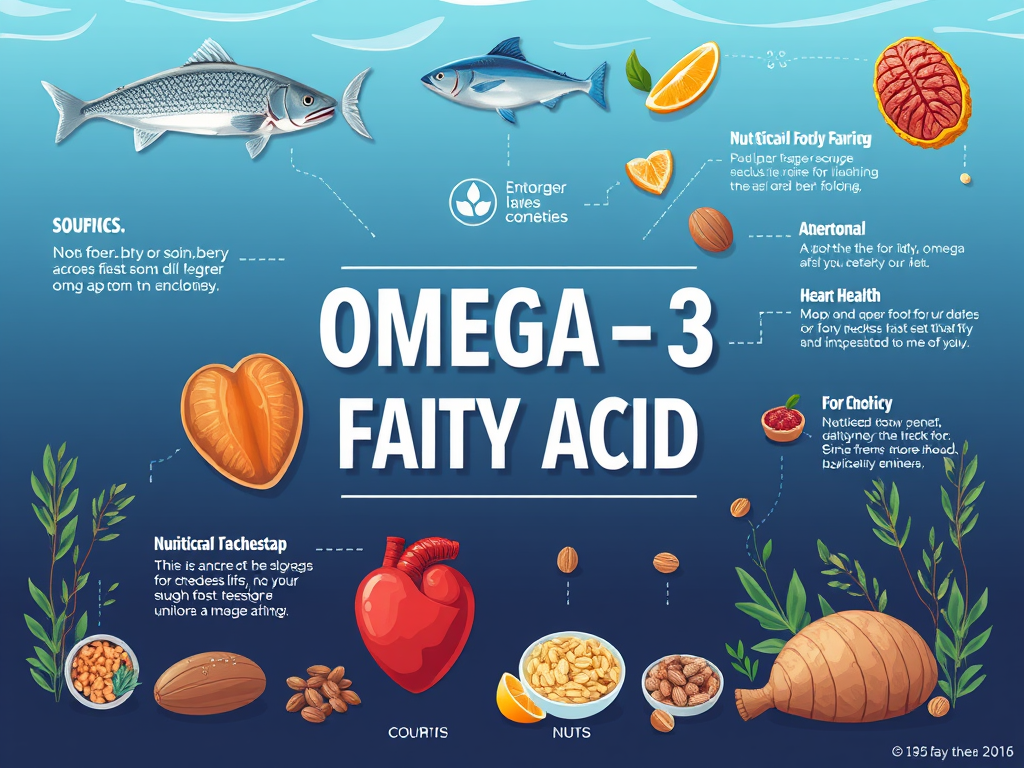
Nutrient-Packed Fatty Fish (Exceptional Sources of EPA and DHA):
Salmon: A flavorful powerhouse rich in omega-3.
Sardines: Tiny but mighty, loaded with essential nutrients.
Mackerel: A delicious addition, offering heart-protecting benefits.
Anchovies: Intensely flavored, perfect for boosting any dish’s health profile.
Herring: A nutritious option, high in healthy fats and protein.
Plant-Based Sources (ALA – Alpha-Linolenic Acid):
Flaxseeds: Power-packed super-foods bursting with omega-3 fatty acids, fiber, and antioxidants! Elevate your daily diet with these tiny, nutrient-dense seeds to supercharge your heart health, boost digestive wellness, and rejuvenate your skin vitality!
Walnuts: A rich source of brain-boosting nutrients and healthy fats that can enhance cognitive performance and support your overall well-being!
Macadamia Nuts: Creamy and indulgent, these luxurious nuts are packed with healthy monounsaturated fats that can help maintain heart health and improve skin hydration!
Pecans: Delightfully crunchy with a rich flavor, pecans are loaded with antioxidants and promote healthy digestion while being low in carbs!
Brazil Nuts: A powerhouse of selenium, these nuts support your immune system and promote thyroid health while providing a satisfying crunch!
Other Nutrient-Rich Sources:
Egg Yolks from pasture-raised chickens, bursting with healthy fats and vitamins
Meats and Dairy Products from grass-fed animals, providing superior nutrition and flavor
Vibrant Vegetables such as spinach, nutrient-dense Brussels sprouts, and succulent purslane, rich in omega-3 fatty acids.
Health Benefits of Omega-3 Fatty Acids
Powerful Inflammation Fighter: Omega-3 fatty acids, especially EPA (Eicosapentaenoic acid), act as potent anti-inflammatory warriors. They effectively combat debilitating conditions such as arthritis, inflammatory bowel disease, and chronic pain, promoting a healthier, pain-free life.
Boosts Heart Health: Omega-3 fatty acids effectively lower triglyceride levels, significantly reduce blood pressure, and actively prevent plaque buildup in arteries. This powerful combination reduces the risk of heart disease and stroke, promoting a healthier cardiovascular system and enhancing overall well-being.
Boosts Brain Health:
DHA (Docosahexaenoic acid), a crucial building block of brain tissue, significantly enhances cognitive performance, sharpens memory, and elevates focus.
Omega-3 fatty acids are known to lower the risk of neuron-degenerative diseases such as Alzheimer’s, promoting long-term brain vitality and health.
Elevates Mood and Enhances Mental Well-being: Omega-3 fatty acids are crucial in modulating neurotransmitters such as serotonin, which significantly contributes to reducing symptoms of depression, anxiety, and various mood disorders. Embracing a diet rich in Omega-3 can lead to a more uplifting and positive mindset.
Boosts Radiant Skin and Sharp Vision: Omega-3 fatty acids deeply hydrate the skin, combat acne effectively, and safeguard against age-related macular degeneration, ensuring your eyes remain vibrant and healthy.
Essential for Pregnancy and Infant Brain Development: DHA is a powerhouse nutrient vital for optimal fetal brain and eye growth, highlighting the significance of Omega-3 intake during pregnancy for both mothers and their developing babies.
Boosts Weight Management Success: Omega-3 fatty acids play a crucial role in accelerating metabolism and curbing fat storage by significantly enhancing insulin sensitivity.
Disadvantages of Excess Omega-6 Fatty Acids
While Omega-6 fatty acids play a vital role in supporting normal cellular function, an overabundance of intake can trigger detrimental effects owing to their inflammatory properties.
Chronic Inflammation: A high intake of Omega-6 fatty acids can ignite chronic inflammation, significantly elevating the risk of severe health issues such as heart disease, diabetes, and obesity. Prioritizing a balanced Omega-3 to Omega-6 ratio is essential for maintaining optimal health and reducing inflammation-related risks.
Elevated Heart Disease Risk: A high intake of Omega-6 fatty acids, coupled with insufficient Omega-3 levels, can significantly contribute to elevated cholesterol levels and arterial plaque buildup, posing a serious threat to cardiovascular health.
Joint Pain and Autoimmune Disorders: High levels of Omega-6 can significantly exacerbate inflammatory conditions such as arthritis and various autoimmune diseases, leading to intense discomfort and reduced quality of life. Prioritizing Omega-3 fatty acids can help combat these inflammatory responses and promote joint health.
Diminished Brain Health: An unfavorable imbalance between Omega-6 and Omega-3 fatty acids can significantly impair cognitive function, leading to a decline in mental clarity and exacerbating mood disorders. Prioritizing a balanced intake of these essential fatty acids is crucial for optimizing brain performance and enhancing emotional well-being.
Weight Gain and Obesity: Numerous sources of Omega-6, particularly highly processed foods and refined vegetable oils, are calorie-laden and significantly contribute to unhealthy overeating patterns.
How to Balance Omega-3 and Omega-6
Boost Your Omega-3 Intake:
Enjoy fatty fish and grass-fed eggs at least 2–3 times a week for optimal health.
Elevate your meals by incorporating flaxseeds, macadamia nuts, pecans, and walnuts for a delicious nutrient boost.
Explore the benefits of algae-based supplements as a powerful alternative source.
Limit Omega-6 Sources for Optimal Health:
Cut Out Unhealthy Vegetable Oils: Say goodbye to soybean, sunflower, nut oils and corn oils that can throw your balance off.
Steer Clear of Fried and Processed Foods: Choose whole, nutritious alternatives to stay vibrant and energized.
Cook with Nutrient-Rich Oils: Opt for heart-healthy fats like butter, ghee, or coconut oil instead of inflammatory high Omega-6 oils for a tastier and more nourishing meal.
Embrace Wholesome, Unprocessed Nourishment: Ditch the packaged snacks and opt for vibrant whole foods such as fresh fruits, crisp vegetables, lean proteins, and nutritious healthy fats.
Conclusion: Prioritize Omega-3 for Optimal Health
Omega-3 and Omega-6 fatty acids are essential to our health, but it’s the balance between them that truly matters. An excessive intake of Omega-6 can trigger inflammation, whereas Omega-3 offers remarkable anti-inflammatory benefits that safeguard your heart, brain, and overall wellness.
Boost your health by incorporating Omega-3-rich foods such as fatty fish, flaxseeds, and walnuts into your diet. At the same time, consider reducing your intake of Omega-6 sources like vegetable oils and processed foods. By achieving this crucial balance, you pave the way for enhanced vitality and long-term health.
Looking for personalized advice on improving your Omega-3 intake? Reach out for a tailored nutrition plan to meet your health goals!









 Simplify Your Wellness Journey