Tag: hormone

  • Thyroid Hormones: Their Function, Disorders, and Management through Diet

    Thyroid Hormones: Their Function, Disorders, and Management through Diet

    The thyroid gland, a vital butterfly-shaped organ nestled in the neck, is essential for regulating a multitude of bodily functions. It secretes hormones that significantly influence metabolism, energy levels, and overall well-being. Disorders such as hypothyroidism and hyperthyroidism can profoundly affect the body, particularly in women during the post-pregnancy phase. Explore the intricacies of thyroid health and its associated challenges. Discover how dietary choices, specifically low-Glycemic and ketogenic options, can play a crucial role in effectively managing thyroid issues.

    Thyroid Hormones and Their Function

    The thyroid gland plays a crucial role in the body’s metabolism by producing two essential hormones:

    • Thyroxine (T4): An essential hormone with lower activity levels, Thyroxine transforms into its active counterpart within the body, fueling vital metabolic processes and maintaining overall health.
    • Triiodothyronine (T3): The dynamic hormone that plays a pivotal role in driving metabolic processes, boosting energy levels, and enhancing overall well-being.
    • These Essential Hormones Drive:
      • Metabolism: Harnessing the body’s power to transform food into vital energy.
      • Heart Rate: Optimizing blood flow for peak performance and vitality.
      • Body Temperature: Regulating thermal balance for optimal functioning.
      • Growth and Development: Fundamental for nurturing children and supporting pregnant women.
      • Mental Health: Influencing mood, enhancing memory, and boosting cognitive capabilities.

    Hypothyroidism and Hyperthyroidism Understanding the Extremes

    • Hypothyroidism (Under-active Thyroid)
      • Causes: Autoimmune disorders such as Hashimoto’s thyroiditis, iodine deficiency, and certain medication side effects can trigger this condition.
      • Symptoms: Common signs include extreme fatigue, weight gain, heightened cold sensitivity, depression, dry skin, and hair loss.
      • Effects on the Body: Hypothyroidism slows metabolism, can lead to elevated cholesterol levels, and often results in water retention, significantly impacting overall health.
    • Hyperthyroidism (Overactive Thyroid)
      • Primary Causes: Autoimmune disorders like Graves’ disease, thyroid nodules, or excessive iodine intake.
      • Key Symptoms: Weight loss, rapid heartbeat, anxiety, heat intolerance, and muscle tremors.
      • Impact on the Body: Overstimulates metabolism, significantly depletes energy levels, and weakens muscle strength.

    Post-Pregnancy Thyroid Issues in Women

    Pregnancy profoundly influences the thyroid gland as a result of fluctuating hormonal levels, heightened metabolic demands, and the nuanced modulation of the immune system. One prevalent condition that arises is postpartum thyroiditis, characterized by the inflammation of the thyroid occurring within the crucial first year after delivery, affecting many new mothers.

    • Why it Happens
      • Hormonal Shifts: Fluctuations in hormones during and after pregnancy can significantly impact your body.
      • Autoimmune Conditions: Disorders such as Hashimoto’s thyroiditis play a crucial role in altering your health.
      • Stress Factors: Increased stress levels and vital nutritional deficiencies can exacerbate these issues.
    • Symptoms
      • Hyperthyroid Phase: Intense anxiety, elevated heart rate, and noticeable weight loss.
      • Hypothyroid Phase: Overwhelming fatigue, unexpected weight gain, and deepening depression.

    Essential Tips to Prevent Postpartum Thyroid Problems

    • Essential Nutritional Support: Ensuring optimal levels of iodine, selenium, and vitamin D is crucial for maintaining overall health and vitality. Prioritize these key nutrients for a robust immune system and enhanced well-being.
    • Essential Regular Checkups: Proactively monitor thyroid function throughout pregnancy and postpartum to ensure optimal health for both mother and baby.
    • Stress Management: Embrace mindfulness techniques and invigorating yoga practices to significantly diminish postpartum stress and reclaim your peace of mind.
    • Autoimmune Awareness: Proactively address and manage autoimmune conditions before pregnancy to ensure optimal health for both mother and baby. Prioritize regular check-ups, seek guidance from healthcare professionals, and educate yourself on effective management strategies for a healthy conception journey.

    Fixing Thyroid Issues with Diet: Low-Glycemic and Keto Approaches

    • Low-Glycemic Diet for Optimal Thyroid Health
      • Why it Works: Helps stabilize blood sugar levels, significantly reduces inflammation, and promotes hormonal balance essential for thyroid function.
        • Powerful Foods to Include
          • Nutrient-dense non-starchy vegetables (like spinach, vibrant broccoli, and crisp zucchini).
          • High-quality, lean proteins (such as fresh fish, organic chicken, and farm-fresh eggs).
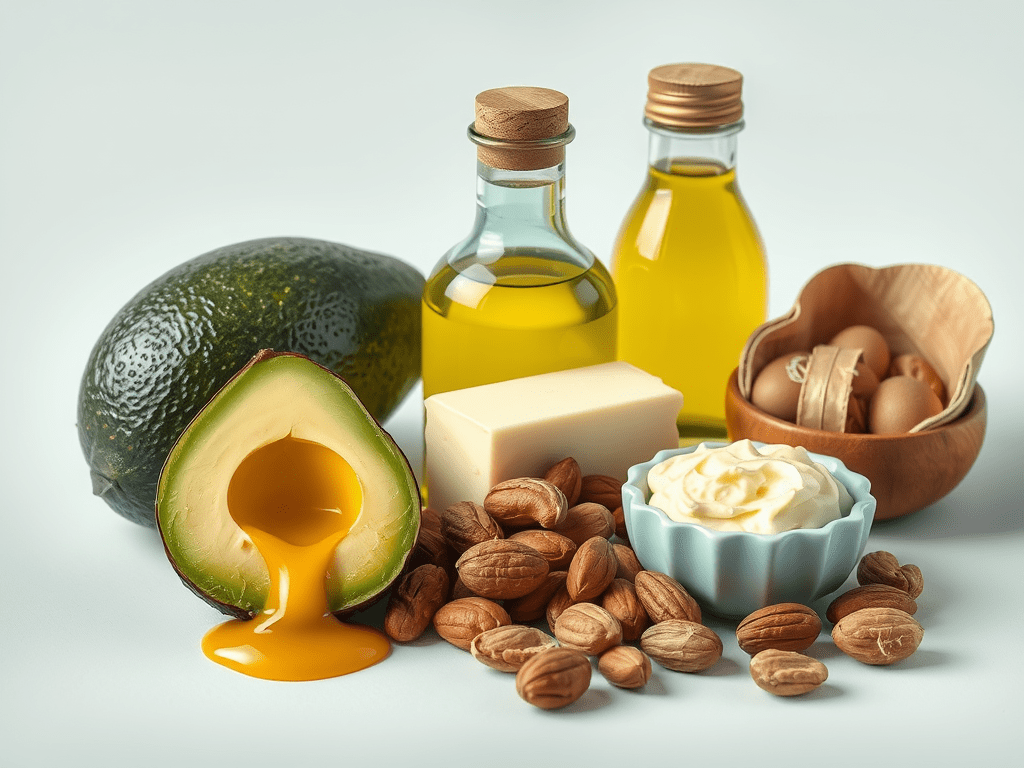
          • Essential healthy fats (including avocado, butter, and nutrient-rich nuts).
          • Delicious low-Glycemic fruits (such as antioxidant-rich berries, cherries, and apples).
      • What to Avoid: Steer clear of high-Glycemic foods like processed sugars, fluffy white bread, and unhealthy processed snacks.
    • Keto Diet for Thyroid Health
      • Why it Helps: A high-fat, low-carbs diet is a powerful ally in reducing inflammation and promoting effective weight management, particularly beneficial for those with hypothyroidism.
        • Foods to Include for Optimal Thyroid Support
          • Fatty Fish like salmon and mackerel for omega-3 fatty acids.
          • Grass-fed Butter and Ghee for healthy fats and nutrients.
          • Coconut Oil and MCT Oil to provide quick energy and support brain health.
          • Low-Carbs Vegetables such as cauliflower, kale, and asparagus packed with essential vitamins.
      • Avoid: Steer clear of processed carbs, sugary snacks, and grains to maintain balance and support thyroid function.
    • Precautions with Keto for Thyroid: While keto can support thyroid health, extreme carbohydrate restriction may lead to stress on the thyroid. Including moderate carbs from low-Glycemic sources ensures balance.

    Lifestyle Tips to Support Thyroid Health

    • Exercise: Regular physical activity improves metabolism and reduces stress.
    • Stress Management: Chronic stress can worsen thyroid function; meditation and deep breathing can help.
    • Nutritional Supplements
      • Iodine: Supports thyroid hormone production but should be monitored in hyperthyroidism.
      • Selenium: Protects the thyroid from oxidative stress.
      • Zinc and Iron: Essential for thyroid hormone synthesis.
      • Vitamin D: Improves immunity and overall thyroid health.
    • Hydration: Staying well-hydrated supports metabolic processes.
    • Avoid Goitrogens in Excess: Certain raw vegetables (like kale and cauliflower) may interfere with iodine absorption. Cooking reduces their effect.

    Final Thoughts: Key Takeaways and Insights

    The thyroid gland, though small in size, wields significant influence over our overall health and well-being. Grasping its essential functions and the potential complications that may arise, particularly during the postpartum period in women, is crucial for achieving lasting wellness.

    To nurture thyroid health, consider adopting a low-Glycemic or keto diet, which can effectively stabilize blood sugar levels. Additionally, managing stress through mindfulness and other relaxation techniques is vital, as chronic stress negatively impacts thyroid function. Ensuring an adequate intake of key nutrients, including iodine, selenium, and zinc, is also essential for optimal thyroid performance. Always seek guidance from a qualified healthcare professional to customize these interventions to your unique circumstances.

    By embracing a holistic approach that combines targeted diet modifications, lifestyle enhancements, and proactive health monitoring, individuals can take proactive steps to empower their thyroid health and experience sustained vitality and wellness.
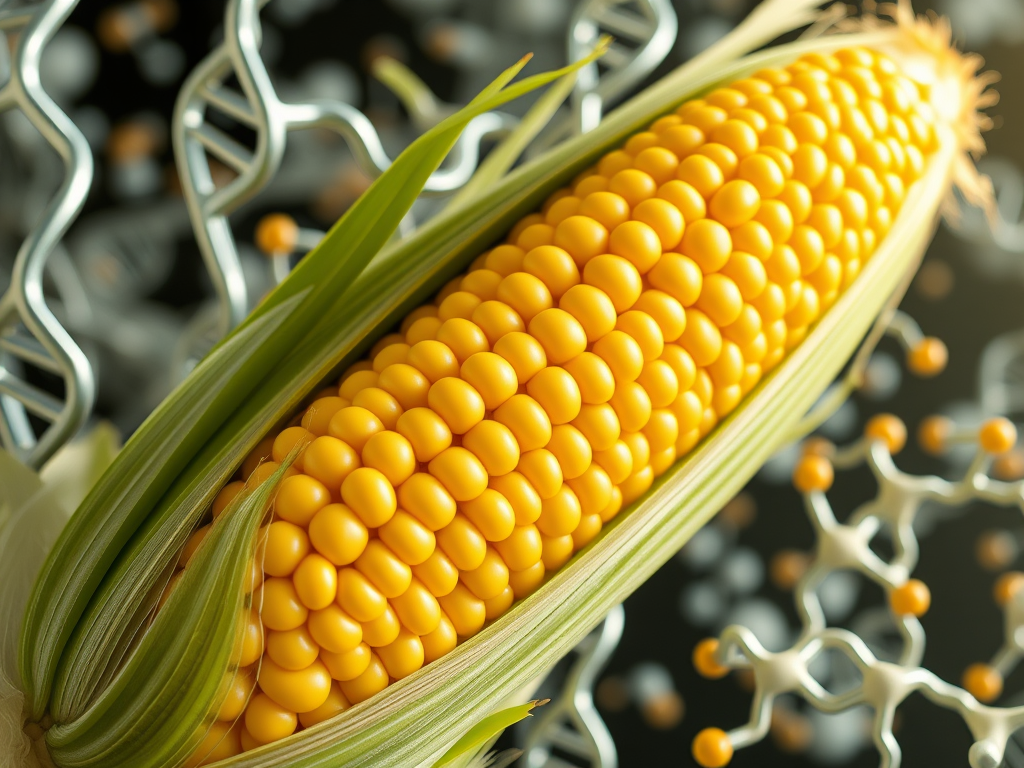
  • Is Sweet Corn Really a Healthy Snack? A Scientific Analysis of Its Effects on Hormones and Body Chemistry

    Is Sweet Corn Really a Healthy Snack? A Scientific Analysis of Its Effects on Hormones and Body Chemistry

    Sweet corn is often hailed as a nutritious, convenient, and naturally sweet snack. It’s touted as a low-fat, fiber-loaded, and vitamin-rich food that seamlessly integrates into a well-rounded diet. But what if this widespread perception isn’t completely precise? Let’s explore the science behind sweet corn. We will unveil its hidden downsides. We will also understand how it affects your hormones and overall well-being.

    The Prevalence of GMO Corn

    Corn is one of the most genetically modified crops in the world. According to data from the International Service for the Acquisition of Agri-biotech Applications (ISAAA) and the U.S. Department of Agriculture (USDA):

    • Over 90% of corn grown is genetically modified.
    • Common modifications include herbicide resistance (e.g., glyphosate resistance) and pest resistance through Bt (Bacillus thuringiensis) genes.
    • Even sweet corn, which is consumed directly as a vegetable, has GMO variants that are widely cultivated.

    This raises concerns because GMO crops may contain residues of chemicals like glyphosate, a herbicide classified as a probable human carcinogen by the World Health Organization (WHO).

    The Tadpole Experiment: A Disturbing Revelation

    One of the most striking studies on GMO corn’s effects involved tadpoles and hormonal disruption. Researchers investigated how GMO corn consumption altered their development.

    • The Experiment:- In a 2006 study published in the journal Environmental Health Perspectives, tadpoles were fed diets containing GMO corn that expressed Bt toxins. The study observed changes in growth, development, and hormonal levels.
    • Key Findings
      • The tadpoles exhibited altered levels of thyroid hormones, which are critical for normal growth and development.
      • Abnormal development patterns were noted, including delayed metamorphosis and physical deformities.
      • The researchers attributed these effects to the Bt toxin and residual chemicals from herbicides used in GMO farming.
    • Implications for Humans:- While the study was conducted on amphibians, thyroid hormones play an equally critical role in human health. Disruption in these hormones can lead to:
      • Hypothyroidism or hyperthyroidism.
      • Impaired growth and metabolism.
      • Fertility issues and developmental disorders in children.

    How GMO Corn Affects Humans

    In addition to Bt toxin, the glyphosate used on GMO corn poses a significant risk. Research published in Environmental Toxicology and Pharmacology has shown that glyphosate can:

    • Estrogen Dominance:- Compounds in GMO corn may mimic estrogen in the body, leading to an imbalance that can cause weight gain, mood swings, and reproductive issues.
    • Insulin Resistance:- The high carbohydrate content of sweet corn, combined with potential chemical residues, may worsen insulin sensitivity, leading to metabolic disorders like diabetes.
    • Thyroid Dysfunction:- As shown in the tadpole study, exposure to Bt toxins and glyphosate can interfere with thyroid hormones, affecting metabolism and energy levels.

    The Nutritional Composition of Sweet Corn

    Sweet corn holds carbohydrates, some protein, and a small amount of fat. It also has essential vitamins like B vitamins and antioxidants like Lutein. While it may seem harmless, the problems arise from its high carbohydrate and sugar content. Here’s why that matters:

    • High Glycemic Index (GI): Sweet corn has a notably high Glycemic Index. This means it can cause a rapid surge in blood sugar levels. This occurs shortly after consumption. This swift spike in glucose happens quickly. It is frequently followed by a dramatic crash. This crash results in fatigue and heightened cravings for more sugary or starchy foods. Being aware of this effect is crucial for maintaining balanced energy levels and managing cravings effectively.
    • Rich in Natural Fructose: Sweet corn is not just delicious. It is packed with natural fructose. Fructose is a sugar metabolized by the liver. However, be cautious! Overindulgence in fructose can lead to serious health issues. These include fatty liver disease and insulin resistance. It can also lead to the development of metabolic syndrome over time. Enjoy sweet corn in moderation for a balanced diet!
    • Impact on Cortisol:- Sweet corn’s ability to cause rapid blood sugar fluctuations indirectly impacts cortisol, the body’s stress hormone. After a high-carbs meal, blood sugar drops. The body may release cortisol to stabilize glucose levels. Over time, this can lead to chronic stress-like states.

    Corn’s Effect on Gut Health

    Corn is rich in lectins, fascinating plant proteins that can pose challenges for the human gut’s digestion. These potent lectins can:

    • Cause inflammation in the gut lining.
    • Lead to “leaky gut syndrome,” a condition linked to autoimmune diseases and chronic inflammation.
    • Impair the absorption of essential nutrients, further exacerbating health issues.

    Additionally, sweet corn lacks a rich variety of dietary fibers. These fibers are vital for nurturing beneficial gut bacteria.

    The Verdict

    While sweet corn is often marketed as a nutritious snack, the alarming prevalence of GMO varieties raises serious health concerns that cannot be overlooked. Recent studies, including a revealing tadpole experiment, demonstrate the potential for GMO corn to interfere with hormonal balance—a warning that should grab our attention. Coupled with its high sugar content and elevated Glycemic load, sweet corn may not be the “health food” many consumers believe it to be.

    By delving into the science behind how sweet corn affects your body, you empower yourself to make informed and healthier choices that bolster your hormonal health and overall well-being.

    Instead of reaching for sweet corn, explore alternative options that truly nourish your body without the hidden pitfalls. Your hormones, gut health, and overall vitality will greatly benefit from these wiser dietary choices.

    References:

    • Environmental Health Perspectives (2006): Study on BT corn and tadpole development.
    • Environmental Toxicology and Pharmacology: Glyphosate’s endocrine-disrupting effects.
    • USDA and ISAAA: Statistics on GMO corn prevalence.
    • WHO Classification of Glyphosate.

  • The Truth About Fats: Myths vs. Facts

    The Truth About Fats: Myths vs. Facts

    As a nutritionist, I frequently encounter misconceptions surrounding fats. With countless diet trends unfairly demonizing these vital nutrients, it’s crucial to emphasize that not all fats are detrimental. In fact, fats are an essential macronutrient that plays a pivotal role in fostering optimal health and well-being.

    Let’s delve into the world of essential fats, uncover the various types of fats, explore their multitude of health benefits, and discuss the consequences of a diet deficient in dietary fat. Understanding these elements will empower you to make informed dietary choices that promote long-term health and vitality.

    What Are Essential Dietary Fats?

    Essential dietary fats are vital components that your body can’t produce on its own, making it crucial to obtain them through your diet. These indispensable fats include:

    1. Omega-3 Fatty Acids

      Omega-3 is renowned for their powerful benefits in promoting brain health, supporting heart function, and reducing inflammation. Foods rich in omega-3, such as fatty fish, walnuts, egg yolk and flaxseeds, are essential for maintaining optimal wellness.
    2. Omega-6 Fatty Acids

      Omega-6 play a crucial role in cell growth, hormone production, and overall health. Common sources include, nuts, and seeds, which contribute to maintaining a balanced diet when consumed in moderation.

    These polyunsaturated fats are essential for numerous bodily functions, and incorporating them into your daily meals can lead to improved overall health and well-being. Prioritizing these fats in your diet helps ensure your body operates effectively and maintains optimal health.

    Types of Dietary Fats

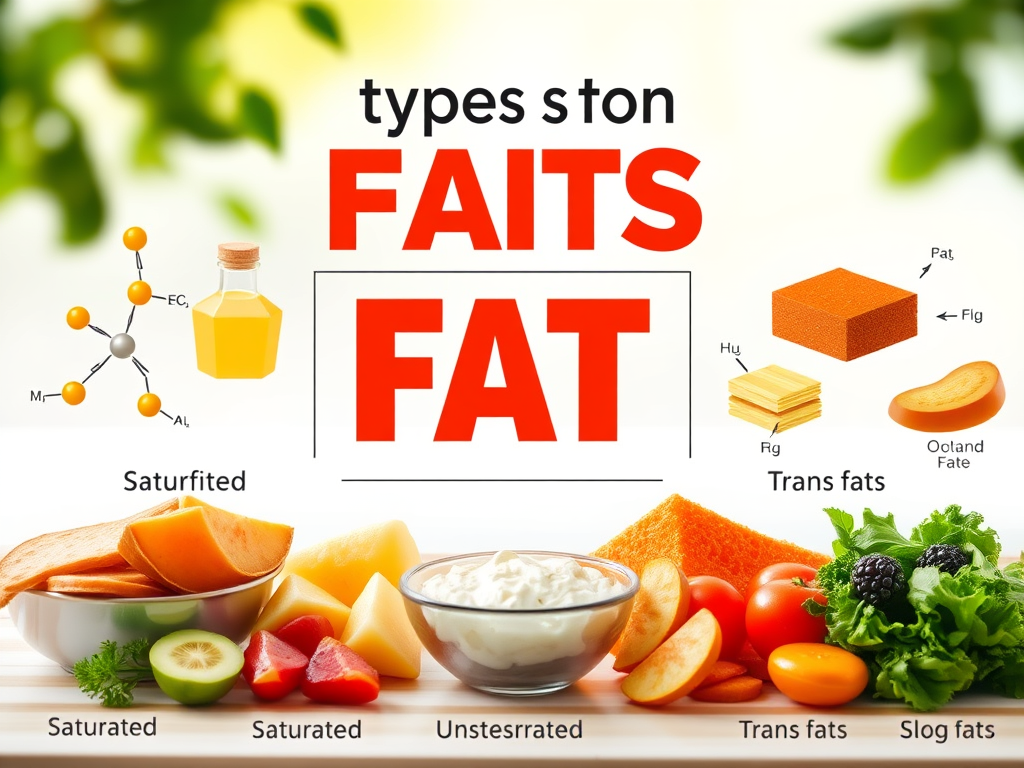
    Dietary fats are divided into four main types:

    • Unsaturated Fats (The Heart-Healthy Fats):
      • Monounsaturated Fats: Discover the power of monounsaturated fats, abundant in olive oil, avocados, and nuts. These beneficial fats can help lower bad cholesterol levels!
      • Polyunsaturated Fats: Embrace the diverse world of polyunsaturated fats, which include Omega-3 and Omega-6 fatty acids. These essential nutrients are eager to support your health and are found in wild-caught fish, nutty flaxseeds, brain-boosting walnuts, and oils like sunflower and soybean oil.
    • Saturated Fats (Moderation is Key!): Predominantly sourced from animal products such as rich butter, hearty red meat, and creamy cheese, saturated fats also come from tropical oils like coconut oil. While not inherently “bad,” it’s crucial to enjoy these flavorful fats in moderation for cooking purposes because of their high burning temperature.
    • Trans Fats (The Unhealthy Fats to Avoid): Trans fats are artificially created during the food processing phase, primarily found in hydrogenated oils prevalent in many fried and processed foods. These harmful fats significantly raise the risk of heart disease, making it crucial to limit their intake for a healthier lifestyle. Avoiding trans fats is a vital step towards maintaining your heart health and overall well-being.

    Why Do We Need Dietary Fat?

    Fats are not merely a source of calories; they are essential allies in promoting your overall health and vitality. Here’s how healthy fats can transform and revitalize your body:

    • Energy Source: Fats deliver an impressive 9 calories per gram, positioning them as the most energy-dense macronutrient available. This sustained energy is vital, particularly in diets like keto, where healthy fats serve as the primary fuel, supporting endurance and overall vitality.
    • Crucial for Brain Health: Did you know your brain is composed of nearly 60% fat? Essential fatty acids, particularly Omega-3 (DHA), are indispensable for optimal brain function, enhancing memory, and boosting cognitive performance. Prioritize your brain health with these vital nutrients!
    • Essential Hormone Production: Fats are crucial for the synthesis of vital hormones, including testosterone and estrogen, as well as a host of other powerful steroid hormones that regulate numerous bodily functions and enhance overall health.
    • Nutrient Absorption: The powerful role of fat-soluble vitamins A, D, E, and K cannot be overstated; these essential nutrients require fats for optimal absorption in your body. Without an adequate intake of healthy fats, your body may face challenges in absorbing these crucial vitamins, potentially impacting your overall health and well-being.
    • Cell Structure: Fats play a crucial role in the formation and stability of cell membranes, ensuring their integrity and optimal function in sustaining cellular health and communication.
    • Powerful Inflammation Fighter: Omega-3 fatty acids are renowned for their exceptional anti-inflammatory properties. They play a crucial role in promoting heart health, alleviating joint pain, and significantly lowering the risk of chronic diseases.

    What Happens When You Don’t Get Enough Fat?

    A deficiency in dietary fat can trigger a range of serious health issues, such as impaired nutrient absorption, hormone imbalances, and increased risk of chronic diseases.

    • Revitalize Your Skin and Hair: Essential fats play a crucial role in nourishing your skin and hair, preventing dryness and flakiness. A deficiency in these vital fats can result in irritating eczema and brittle hair, leading to lackluster appearance. Prioritize healthy fats to unlock vibrant skin and luscious locks!
    • Hormonal Imbalances: Insufficient fat intake can severely disrupt hormone production, leading to alarming menstrual irregularities, unpredictable mood swings, and diminished libido. Prioritizing healthy fats is crucial for maintaining hormonal balance and overall well-being.
    • Vitamin Deficiencies: Insufficient fat intake hampers your body’s ability to absorb essential fat-soluble vitamins—namely A, D, E, and K. This deficiency can result in serious health issues such as night blindness due to a lack of vitamin A or fragile bones caused by inadequate vitamin D levels. Prioritizing healthy fats is crucial for maintaining optimal vitamin absorption and overall health.
    • Impaired Cognitive Performance: Insufficient Omega-3 fatty acids can lead to debilitating brain fog, memory lapses, and heightened susceptibility to mental health challenges, such as depression and anxiety. Prioritizing Omega-3 intake is vital for bolstering mental clarity and emotional resilience.
    • Weakened Immune System: Vital fats are crucial for empowering your immune system. A deficient intake can severely diminish your capacity to combat infections effectively. Prioritize these essential nutrients to fortify your defenses and maintain robust health!

    Sources of Healthy Dietary Fats

    To truly nourish your body and optimize your health, incorporate these essential, nutrient-dense, fat-rich foods into your diet:

    • Powerful Omega-3 Sources: Savory fatty fish like salmon, sardines, and mackerel; nutrient-dense flaxseeds; and delicious walnuts. Discover the health benefits they bring to your diet!
    • Omega-6 Fatty Acid Powerhouses: Unleash the health benefits of nutritious nuts and vibrant seeds packed with essential Omega-6 fatty acids!
    • Monounsaturated Fats: Unlock the health benefits of heart-friendly fats found in extra virgin olive oil, luscious avocados, crunchy almonds, and satisfying peanuts. Incorporate these nutritious treasures into your diet for a boost in overall well-being!
    • Nourishing Saturated Fats: Unlock the power of coconut oil, indulge in grass-fed butter (in moderation for optimal health), and enjoy the goodness of pasture-raised eggs for a balanced diet rich in healthy fats.

    Conclusion: Embrace Fats Wisely

    Dietary fats play a vital role in maintaining a healthy body and sharp mind. Steer clear of harmful processed trans fats, moderate your intake of saturated fats, and prioritize heart-healthy unsaturated fats, especially Omega-3 and Omega-6 fatty acids. By embracing a diverse range of nutritious fats in your diet, you can enhance energy production, promote hormonal balance, boost brain function, and elevate your overall well-being. Remember, fat is not your enemy—it’s a crucial ally in your journey toward a healthy, vibrant life.

    Looking for tailored nutrition advice or personalized meal planning? Reach out today to transform your diet and achieve your unique health goals with expert guidance!