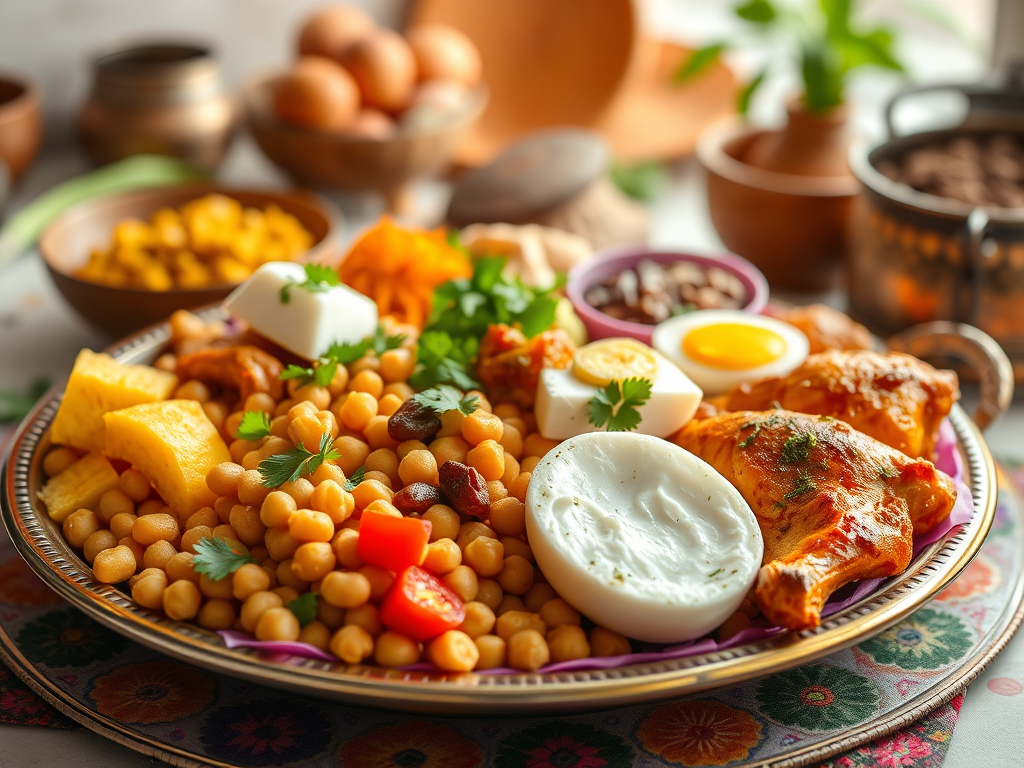
Tag: high protein diet

  • Part 2: How to Actually Eat Right – Building a Real High-Protein Diet Around Indian Culture (Not Instagram Fads)

    Part 2: How to Actually Eat Right – Building a Real High-Protein Diet Around Indian Culture (Not Instagram Fads)

    Forget what social media told you—here’s how to build a truly protein-rich Indian diet, whether you’re veg or non-veg. Backed by real nutrition, not fake influencers hype.

    If you’ve read Part 1, you already know the truth:

    The so-called “high-protein Indian diet” that influencers romanticize is a myth. Most of them don’t practice what they preach. They’re banking on your emotion, pride, and cultural attachment to sell you half-truths.

    But here’s the good news:

    You can build a powerful, protein-rich Indian diet—without falling for the noise. Whether you’re vegetarian or non-vegetarian, your heritage has plenty to offer. It has a lot to give when you actually understand what your body needs.

    The Foundation: Start With Protein Goals, Not Food Myths

    Before diving into what to eat, let’s set your baseline.

    • Goal: 1.2–2 grams of protein per kg of body weight (depending on activity level).
    • Example: For a 70 kg adult aiming to build or preserve muscle, target 90–120 grams/day.

    Now, let’s see how to build that the right way—with Indian foods that actually deliver.

    For Vegetarians: You Can Get There, But Not With Roti-Sabzi Alone:-

    Always prioritize consuming dairy products first for a rich source of protein, then shift your focus to grains. Remember, grains alone do not provide all the essential amino acids needed to be considered a complete protein source. Enhance your diet by balancing these elements effectively!

    • Paneer (100g): 18g protein
    • Tempeh (100g): 10g protein
    • Moong Dal (1 cup cooked): 14g protein
    • Chickpeas/Rajma (1 cup cooked): 10-12g protein
    • Greek Yogurt (300g): ~20g protein
    • Whey Protein Shake (1 scoop): 20–25g protein

    Sample Vegetarian Day Plan:

    • Breakfast: Greek yogurt + 1 scoop whey + handful of soaked almonds
    • Lunch: Paneer bhurji + 1 roti + mixed veg
    • Snack: Tempeh stir-fry
    • Dinner: Moong dal + curd + stir-fried veggies

    You don’t need to abandon culture—you need to choose strategically within it.

    For Non-Vegetarians: The Indian Diet Is a Protein Powerhouse—If Used Right

    Here’s where the real game changes. Indian cuisine includes plenty of protein-rich, affordable, accessible non-veg options—but influencers won’t highlight them because they don’t trend that much.

    • Eggs (1 large): 6g protein
    • Chicken breast (100g cooked): 20-25g protein
    • Fish (Rohu, Tilapia, etc. – 100g cooked): 20–25g protein
    • Liver (Goat/Chicken): High in protein + iron + B12
    • Prawns, mutton, organ meats: All excellent when not deep-fried

    Sample Non-Veg Day Plan:

    • Breakfast: 3 boiled eggs + Greek yogurt
    • Lunch: Grilled chicken breast + dal + salad
    • Snack: Omelets with 2 whole eggs + 2 whites
    • Dinner: Fish curry + sauteed veggies + 1 roti

    Combine that with even basic supplementation (like 1 scoop of whey), and you’re easily above 100g/day.

    Why This Works (And Influencers Diets Don’t)

    1. Real food > fancy fads: You’re not relying on overpriced “protein khakhras” or ₹3,000 PDF diet plans.
    2. Sustainable: These meals exist in your home, your neighborhood, your culture.
    3. Balanced nutrition: You’re not going extreme—no 0-carbs, no detox juice-only nonsense.
    4. Flexible: Whether veg or non-veg, there are options at every level.
    5. You’re not being emotionally manipulated. You’re following science, not sympathy reels.

    Final Takeaway: Culture Should Empower You, Not Limit You

    Stop blindly following individuals who lack genuine authenticity, promote empty trends, or fail to inspire meaningful change; seek out those who ignite passion, encourage critical thinking, and foster a community of growth.

    • Hide their supplements
    • Lie about their diet
    • Sell you overpriced “desi shred” courses & products.

    Real nutrition honors your roots while dynamically evolving to meet your unique needs. Indian cuisine can powerfully support your health goals. Whether you’re a passionate vegetarian or a devoted non-vegetarian, you must approach it strategically. Embrace a mindset free from nostalgia and emotion, focusing instead on logic, balance, and candid honesty for optimal results.
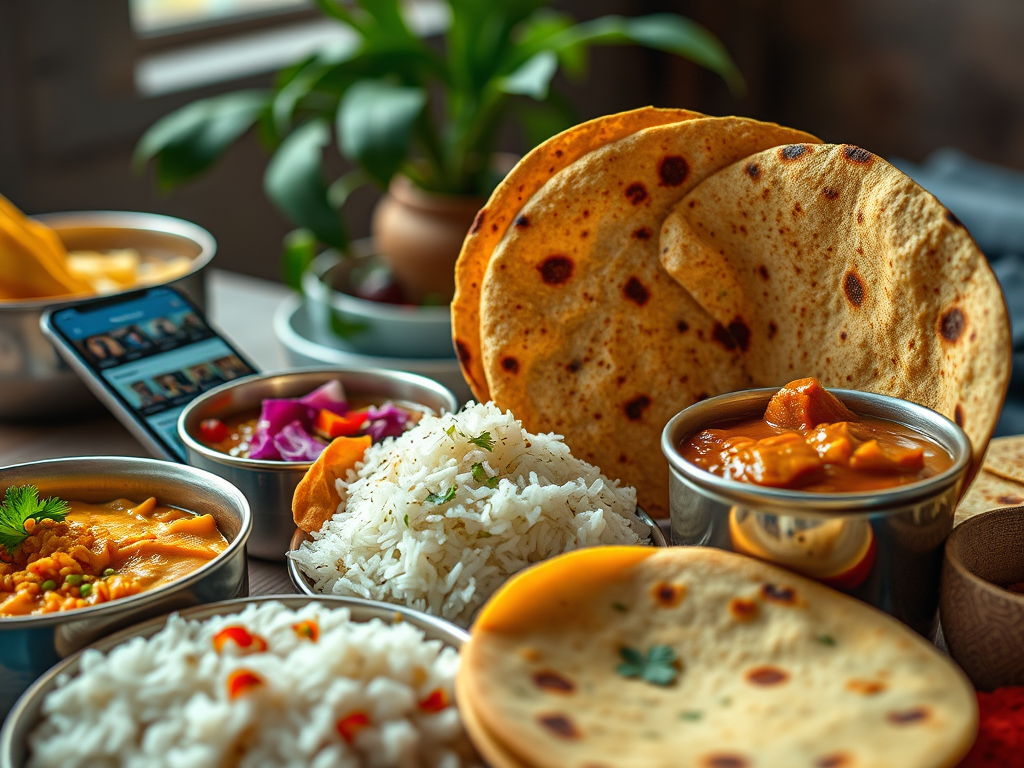
  • The Truth About Indian Diets and Protein Needs

    The Truth About Indian Diets and Protein Needs

    Think Indian cuisine is a protein powerhouse? Think again. Here’s the shocking reality behind the social media frenzy and how influencers are peddling a fantasy for likes and profits. Discover the truth beneath the glamour of food posts. See how the narrative surrounding Indian food might not be as nutritious as it seems.

    The Great Protein Myth: Why the “High-Protein Indian Diet” Is the Biggest Lie on Social Media

    Let’s rip the bandage off right away:

    The notion that a typical Indian diet is “high in protein” is misleading. It is one of the most significant, audacious, and dangerous myths circulating on social media today.

    This is more than mere misinformation; it’s a deliberate manipulation, fueled by a rising tide of Instagram and YouTube “influencers” who exploit emotions, cultural identities, and even religious beliefs to peddle misleading narratives. They sell you a false sense of hope, all under the guise of wellness and health. It’s time to uncover the truth behind these claims and reclaim our understanding of nutrition!

    The Harsh Truth: Indian Diets Are Not Protein-Rich

    Let’s start with the data.

    A typical Indian vegetarian diet— rotis, rice, dal, sabzi, curd—might feel comforting and wholesome, but in terms of protein, it’s shockingly insufficient for muscle building, fat loss, or even basic metabolic health.

    Here’s why:

    • Dal (lentils): Only ~6-9g of protein per 100g cooked.
    • Paneer: Decent source, but most people eat just 50-100g, which gives 10–20g protein max.
    • Milk & curd: Moderate protein, but not enough to carry your day.
    • Roti and rice? High in carbs, barely 2–3g protein per serving.
    • Nuts and seeds? Mostly fats with a little protein—not sustainable in the amounts you’d need.

    Now compare that to your body’s actual needs

    • For a sedentary adult, protein needs start at 0.8g per kg of body weight.
    • For someone active, it can go up to 1.6–2g/kg.

    For a 70 kg adult, that’s 84–140 grams of protein per day. Most Indian diets barely reach 40–60g—unless you’re being extremely mindful and deliberate.

    So, Why Are Influencers Claiming Indian Food Is Protein-Rich?

    Because outrage sells. Emotions sell. Religion sells. And they know exactly how to play the game. You’ve seen the reels:

    • “Indian food is all you need for gains.”
    • “Our ancestors didn’t need meat or whey.”
    • “Stop demonizing Indian food. It’s the healthiest on Earth.”

    It sounds powerful. It sounds cultural. But it’s not nutritional. Behind the camera? Most of these influencers:

    • Use whey protein daily
    • Eat meat secretly
    • Supplement with eggs or even imported products
    • And some? On PEDs, steroids, and fat burners while pretending to stay “all natural and all Indian.”

    Because pretending to be “100% desi” gets likes, brand deals, sympathy—and most importantly—money.

    It’s All a Business, Not a Belief

    Let’s not be naive. This is how it works:-

    1. Tap into your emotions – Culture, nostalgia, pride.
    2. Create controversy – “Why do people hate Indian food?”
    3. Sell a dream – “Look, I got ripped eating only Indian meals!”
    4. Monetize your trust – Courses, PDFs, consultations, and affiliate codes.

    What Should You Do Instead?

    1. Stop idolizing influencers. Reels aren’t research. Start asking real questions.
    2. Track your food. Use apps like MyFitnessPal or Cronometer. See the protein gaps yourself.
    3. Diversify your protein. Eggs, chicken, Greek yogurt, tempeh, whey protein, or even quality plant protein blends.
    4. Respect your roots—but not blindly. Our lifestyles have changed. Your nutrition should, too.
    5. Consult professionals, not trendsetters. The ones selling ₹3000 workout plans from their iPhone often don’t live the lifestyle they promote.

    Final Thought

    You are being misled—intentionally, persistently, and for profit. The so-called high-protein Indian diet is a facade. It’s time to break free from the illusion and embrace authenticity. Prioritize your health by grounding your choices in science rather than emotions. Get informed. Get empowered, and transform your wellness journey today!