Tag: high protein

  • Part 2: How to Actually Eat Right – Building a Real High-Protein Diet Around Indian Culture (Not Instagram Fads)

    Part 2: How to Actually Eat Right – Building a Real High-Protein Diet Around Indian Culture (Not Instagram Fads)

    Forget what social media told you—here’s how to build a truly protein-rich Indian diet, whether you’re veg or non-veg. Backed by real nutrition, not fake influencers hype.

    If you’ve read Part 1, you already know the truth:

    The so-called “high-protein Indian diet” that influencers romanticize is a myth. Most of them don’t practice what they preach. They’re banking on your emotion, pride, and cultural attachment to sell you half-truths.

    But here’s the good news:

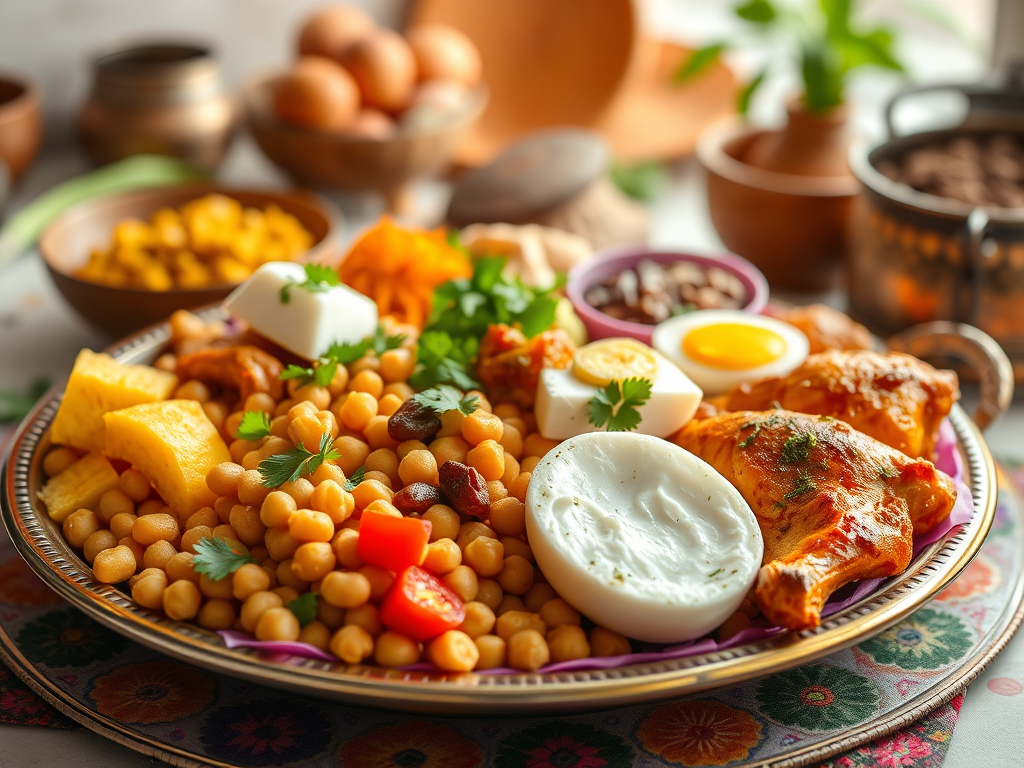
    You can build a powerful, protein-rich Indian diet—without falling for the noise. Whether you’re vegetarian or non-vegetarian, your heritage has plenty to offer. It has a lot to give when you actually understand what your body needs.

    The Foundation: Start With Protein Goals, Not Food Myths

    Before diving into what to eat, let’s set your baseline.

    • Goal: 1.2–2 grams of protein per kg of body weight (depending on activity level).
    • Example: For a 70 kg adult aiming to build or preserve muscle, target 90–120 grams/day.

    Now, let’s see how to build that the right way—with Indian foods that actually deliver.

    For Vegetarians: You Can Get There, But Not With Roti-Sabzi Alone:-

    Always prioritize consuming dairy products first for a rich source of protein, then shift your focus to grains. Remember, grains alone do not provide all the essential amino acids needed to be considered a complete protein source. Enhance your diet by balancing these elements effectively!

    • Paneer (100g): 18g protein
    • Tempeh (100g): 10g protein
    • Moong Dal (1 cup cooked): 14g protein
    • Chickpeas/Rajma (1 cup cooked): 10-12g protein
    • Greek Yogurt (300g): ~20g protein
    • Whey Protein Shake (1 scoop): 20–25g protein

    Sample Vegetarian Day Plan:

    • Breakfast: Greek yogurt + 1 scoop whey + handful of soaked almonds
    • Lunch: Paneer bhurji + 1 roti + mixed veg
    • Snack: Tempeh stir-fry
    • Dinner: Moong dal + curd + stir-fried veggies

    You don’t need to abandon culture—you need to choose strategically within it.

    For Non-Vegetarians: The Indian Diet Is a Protein Powerhouse—If Used Right

    Here’s where the real game changes. Indian cuisine includes plenty of protein-rich, affordable, accessible non-veg options—but influencers won’t highlight them because they don’t trend that much.

    • Eggs (1 large): 6g protein
    • Chicken breast (100g cooked): 20-25g protein
    • Fish (Rohu, Tilapia, etc. – 100g cooked): 20–25g protein
    • Liver (Goat/Chicken): High in protein + iron + B12
    • Prawns, mutton, organ meats: All excellent when not deep-fried

    Sample Non-Veg Day Plan:

    • Breakfast: 3 boiled eggs + Greek yogurt
    • Lunch: Grilled chicken breast + dal + salad
    • Snack: Omelets with 2 whole eggs + 2 whites
    • Dinner: Fish curry + sauteed veggies + 1 roti

    Combine that with even basic supplementation (like 1 scoop of whey), and you’re easily above 100g/day.

    Why This Works (And Influencers Diets Don’t)

    1. Real food > fancy fads: You’re not relying on overpriced “protein khakhras” or ₹3,000 PDF diet plans.
    2. Sustainable: These meals exist in your home, your neighborhood, your culture.
    3. Balanced nutrition: You’re not going extreme—no 0-carbs, no detox juice-only nonsense.
    4. Flexible: Whether veg or non-veg, there are options at every level.
    5. You’re not being emotionally manipulated. You’re following science, not sympathy reels.

    Final Takeaway: Culture Should Empower You, Not Limit You

    Stop blindly following individuals who lack genuine authenticity, promote empty trends, or fail to inspire meaningful change; seek out those who ignite passion, encourage critical thinking, and foster a community of growth.

    • Hide their supplements
    • Lie about their diet
    • Sell you overpriced “desi shred” courses & products.

    Real nutrition honors your roots while dynamically evolving to meet your unique needs. Indian cuisine can powerfully support your health goals. Whether you’re a passionate vegetarian or a devoted non-vegetarian, you must approach it strategically. Embrace a mindset free from nostalgia and emotion, focusing instead on logic, balance, and candid honesty for optimal results.
  • The Truth About Indian Diets and Protein Needs

    The Truth About Indian Diets and Protein Needs

    Think Indian cuisine is a protein powerhouse? Think again. Here’s the shocking reality behind the social media frenzy and how influencers are peddling a fantasy for likes and profits. Discover the truth beneath the glamour of food posts. See how the narrative surrounding Indian food might not be as nutritious as it seems.

    The Great Protein Myth: Why the “High-Protein Indian Diet” Is the Biggest Lie on Social Media

    Let’s rip the bandage off right away:

    The notion that a typical Indian diet is “high in protein” is misleading. It is one of the most significant, audacious, and dangerous myths circulating on social media today.

    This is more than mere misinformation; it’s a deliberate manipulation, fueled by a rising tide of Instagram and YouTube “influencers” who exploit emotions, cultural identities, and even religious beliefs to peddle misleading narratives. They sell you a false sense of hope, all under the guise of wellness and health. It’s time to uncover the truth behind these claims and reclaim our understanding of nutrition!

    The Harsh Truth: Indian Diets Are Not Protein-Rich

    Let’s start with the data.

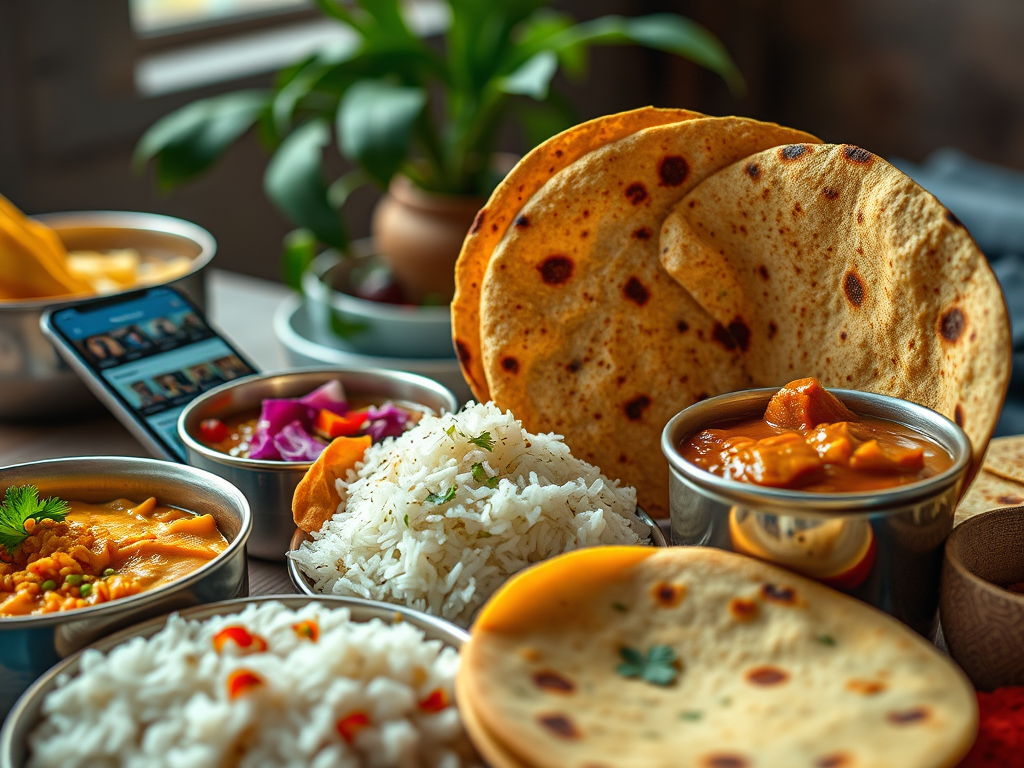
    A typical Indian vegetarian diet— rotis, rice, dal, sabzi, curd—might feel comforting and wholesome, but in terms of protein, it’s shockingly insufficient for muscle building, fat loss, or even basic metabolic health.

    Here’s why:

    • Dal (lentils): Only ~6-9g of protein per 100g cooked.
    • Paneer: Decent source, but most people eat just 50-100g, which gives 10–20g protein max.
    • Milk & curd: Moderate protein, but not enough to carry your day.
    • Roti and rice? High in carbs, barely 2–3g protein per serving.
    • Nuts and seeds? Mostly fats with a little protein—not sustainable in the amounts you’d need.

    Now compare that to your body’s actual needs

    • For a sedentary adult, protein needs start at 0.8g per kg of body weight.
    • For someone active, it can go up to 1.6–2g/kg.

    For a 70 kg adult, that’s 84–140 grams of protein per day. Most Indian diets barely reach 40–60g—unless you’re being extremely mindful and deliberate.

    So, Why Are Influencers Claiming Indian Food Is Protein-Rich?

    Because outrage sells. Emotions sell. Religion sells. And they know exactly how to play the game. You’ve seen the reels:

    • “Indian food is all you need for gains.”
    • “Our ancestors didn’t need meat or whey.”
    • “Stop demonizing Indian food. It’s the healthiest on Earth.”

    It sounds powerful. It sounds cultural. But it’s not nutritional. Behind the camera? Most of these influencers:

    • Use whey protein daily
    • Eat meat secretly
    • Supplement with eggs or even imported products
    • And some? On PEDs, steroids, and fat burners while pretending to stay “all natural and all Indian.”

    Because pretending to be “100% desi” gets likes, brand deals, sympathy—and most importantly—money.

    It’s All a Business, Not a Belief

    Let’s not be naive. This is how it works:-

    1. Tap into your emotions – Culture, nostalgia, pride.
    2. Create controversy – “Why do people hate Indian food?”
    3. Sell a dream – “Look, I got ripped eating only Indian meals!”
    4. Monetize your trust – Courses, PDFs, consultations, and affiliate codes.

    What Should You Do Instead?

    1. Stop idolizing influencers. Reels aren’t research. Start asking real questions.
    2. Track your food. Use apps like MyFitnessPal or Cronometer. See the protein gaps yourself.
    3. Diversify your protein. Eggs, chicken, Greek yogurt, tempeh, whey protein, or even quality plant protein blends.
    4. Respect your roots—but not blindly. Our lifestyles have changed. Your nutrition should, too.
    5. Consult professionals, not trendsetters. The ones selling ₹3000 workout plans from their iPhone often don’t live the lifestyle they promote.

    Final Thought

    You are being misled—intentionally, persistently, and for profit. The so-called high-protein Indian diet is a facade. It’s time to break free from the illusion and embrace authenticity. Prioritize your health by grounding your choices in science rather than emotions. Get informed. Get empowered, and transform your wellness journey today!

  • Top 5 Healthiest Cheeses for Your Diet

    Top 5 Healthiest Cheeses for Your Diet

    Cheese, one of the oldest and most versatile dairy treasures, has long been a beloved staple in diets across the globe. From the bold, sharp tang of aged cheddar to the decadently creamy richness of decadent brie, cheese boasts an astonishing array of varieties, each offering its own distinct flavor, texture, and nutritional benefits. But how does cheese seamlessly integrate into a balanced diet? Which types are the healthiest champions for your well-being, and which should be approached with caution? Let’s dive into the delicious world of cheese and uncover the answers.

    The Making of Cheese: What Sets Them Apart?

    Cheese is a delightful culinary creation primarily made from milk—whether from cows, goats, sheep, or buffalo’s—combined with essential ingredients like salt, enzymes, and beneficial bacteria. The true charm of cheese lies in its incredible variety, which stems from the nuanced differences in:

    • Milk Source: The source of your milk dramatically influences the flavor profile and fat content. Choosing the right milk—whether it’s fresh, organic, or artisans—can elevate your dish to new heights!
    • Aging Process: Extended aging enhances and intensifies flavors, resulting in richer textures and more complex sensory experiences.
    • Enhanced Ingredients: Aromatic herbs, vibrant spices, aged molds, and delightful smoke can elevate your culinary creations, adding layers of complexity and flavor.
    • Texture and Moisture: Indulge in the delightful contrast of fresh cheeses, such as creamy ricotta with its luscious moisture, compared to the robust, dry texture of aged cheeses like savory Parmesan. Experience the incredible diversity in your cheese selection!

    Common Types of Cheese and Their Highlights

    • Cheddar:
      • Ingredients: Creamy pasteurized milk, sea salt, rich rennet, and robust cultures.
      • Highlights: Packed with calcium and protein, cheddar is an incredibly versatile cheese, offering a delightful spectrum of flavors from mild to sharp, depending on its aging process.
      • Consumption Tip: Enjoy 2–3 slices (40–50 g) per serving to savor its rich flavor without piling on excess calories.
    • Mozzarella:
      • Ingredients: Fresh pasteurized milk, high-quality salt, natural enzymes.
      • Highlights: Boasting lower calories and less fat than many cheeses, mozzarella is the perfect choice for vibrant salads, delectable cooking, or delightful snacking.
      • Consumption Tip: Indulge in fresh mozzarella (30–40 g per serving) for a healthier option over processed string cheese, ensuring you savor both flavor and health benefits.
    • Brie and Camembert:
      • Ingredients: Creamy pasteurized milk, luscious cream, live cultures, and a sprinkle of salt.
      • Highlights: Decadent soft-ripened cheeses boasting a velvety interior and a delightful edible rind. High in fats yet bursting with rich, mouthwatering flavor.
      • Consumption Tip: Enjoy in moderation (50-70 g) per serving, keeping an eye on saturated fat content for a balanced diet.
    • Parmesan:
      • Ingredients: Fresh, creamy milk, high-quality salt, and natural rennet.
      • Highlights: Aged to perfection for months or years, Parmesan boasts an intense umami flavor and is an excellent source of calcium and phosphorus for your health.
      • Consumption Tip: Grate a touch (1-2 slices) over your favorite dishes to elevate flavors while keeping calories in check!
    • Feta:
      • Ingredients: Authentic sheep or goat milk, premium salt, natural enzymes.
      • Highlights: A delightfully tangy, crumbly cheese boasting lower fat content, essential in vibrant Mediterranean diets.
      • Consumption Tip: Elevate your dishes by using (50 – 75 g) in refreshing salads or mouthwatering wraps. Choose lower-sodium variations for a healthier twist!
    • Ricotta:
      • Ingredients: Whey, milk, salt, and occasionally a splash of vinegar or zesty lemon for that extra zing.
      • Highlights: Bursting with protein and calcium, ricotta is a luxuriously creamy cheese that’s wonderfully light in fat. Ideal for delectable desserts or savory inspirations.
      • Consumption Tip: Embrace the versatility! Use (100–160 g) as a delightful substitute for richer cheeses, enhancing your dishes without the extra heaviness.

    Cheeses to Avoid in Your Diet

    • Processed Cheeses (e.g., American Cheese, Cheese Spreads):
      • Reasons to Avoid:
        • Frequently crafted from a blend of low-quality dairy, artificial emulsifiers, and a cocktail of preservatives and synthetic flavors.
        • Alarmingly high in sodium and unhealthy fats, while being devoid of essential nutrients.
      • Alternatives: opt for vibrant, natural cheeses such as sharp cheddar or creamy mozzarella for an irresistible flavor boost!
    • Flavored Cheeses:
      • Why You Should Think Twice:
        • Many flavored cheeses contain undesirable ingredients such as added sugars, artificial flavors, and unhealthy oils, which can significantly reduce their nutritional benefits.
      • Better Choices: Choose plain, high-quality cheeses and enhance their flavor naturally by incorporating your own fresh herbs or spices for a more wholesome experience.
    • High-Sodium Cheeses
      • Examples: Feta, Halloumi, and processed varieties—delicious but salty!
      • Why to Avoid: Excessive sodium can lead to high blood pressure and uncomfortable bloating.
      • Alternatives: opt for lower-sodium options or enjoy these treats in moderation to maintain your health!

    How Much Cheese Should You Consume?

    Cheese is incredibly nutrient-dense, making portion control essential for maintaining a balanced diet:

    • General Guideline: Aim for 35 to 150 grams of cheese each day! This range varies based on your caloric requirements, the type of cheese you choose, and your activity level. Enjoy cheese as a flavorful source of protein while tailoring your intake to support your wellness goals!
    • Pair rich, creamy cheese with nutritious whole-grain options, succulent chicken, or vibrant vegetables to elegantly balance its indulgence with a burst of fiber and essential vitamins for a delightful culinary experience.

    Health Benefits of Cheese

    When enjoyed in moderation, cheese not only enhances flavor but also provides a plethora of health benefits: rich in essential nutrients, it supports bone health, boosts immune function, and contributes to overall well-being.

    • Packed with Essential Calcium: Crucial for robust bone health, it actively prevents osteoporosis and strengthens your skeletal system.
    • Powerful Protein Boost: Essential for building and repairing tissues, especially muscles, fueling your body’s growth and recovery.
    • Rich in Probiotics: Certain cheeses, such as Gouda, are packed with beneficial live cultures that promote a healthy gut and enhance digestive wellness.
    • Essential Fat-Soluble Vitamins: Delight in the richness of aged cheeses, which are packed with vital vitamins A, D, E, and K, supporting your overall health and wellness!

    Potential Risks of Over-consumption

    • Weight Gain: Linked to its rich calorie density and significant fat content, leading to increased body mass.
    • Digestive Distress: Individuals with lactose intolerance often suffer from uncomfortable symptoms such as bloating and abdominal pain, making it essential to identify and manage these digestive challenges effectively.
    • High Sodium Intake: Consuming excessive sodium, particularly from high-sodium cheeses, may significantly elevate blood pressure and increase the risk of heart disease. Prioritize low-sodium alternatives for better heart health!

    Tips for Choosing the Best Cheese

    • Read Labels Carefully: Steer clear of cheeses laden with artificial additives and excessive sodium levels for a healthier choice. Choose natural options rich in flavor and nutrients instead!
    • Indulge in Aged Cheeses: Aged cheeses, rich in flavor and texture, are often lower in lactose, making them a deliciously digestible option for cheese lovers!
    • Pair Wisely: Strategically balance indulgent cheese with fiber-packed foods to enhance digestion and effortlessly reduce calorie intake.
    • Embrace Organic Bliss: Delight your taste buds with organic cheeses crafted from superior-quality milk and minimal additives, ensuring a healthier and more flavorful experience.

    Conclusion

    Cheese can be a delightful and nutritious addition to your diet when enjoyed in moderation. opt for natural varieties, while being mindful of your portion sizes. Elevate your meals by pairing cheese with a healthy, whole-foods-based diet. Steer clear of processed or overly salty cheeses, and keep in mind that not all cheeses are created equal—choose wisely to maximize the benefits and enhance your overall well-being without compromising your health.

    Need help incorporating cheese into your diet without overdoing it? Let’s create a personalized nutrition plan that suits your taste and health goals.

  • Understanding Insulin Spikes: Causes and Management

    Understanding Insulin Spikes: Causes and Management

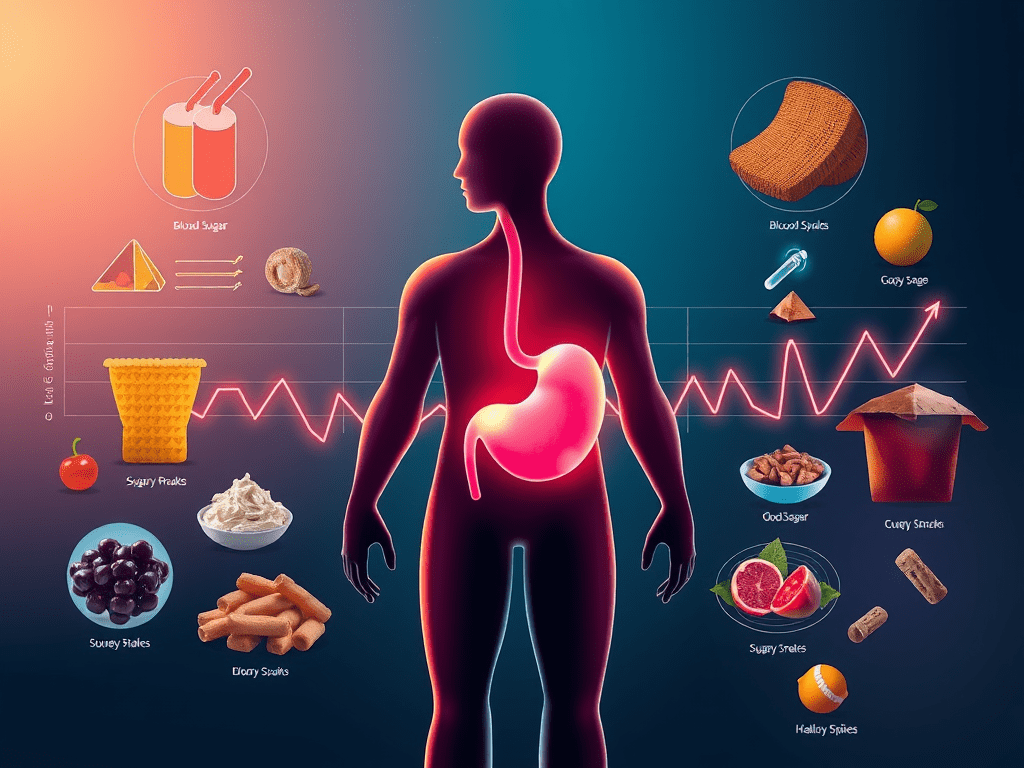
    Insulin is an essential hormone. It plays a pivotal role in controlling blood sugar levels. Insulin acts as a key regulator of glucose utilization for energy. However, frequent insulin spikes can trigger serious health issues. These issues include insulin resistance. They also pose a heightened risk of developing type 2 diabetes. But what exactly causes these spikes, and how can you effectively manage them? Let’s explore the fascinating science behind insulin and discover practical strategies to maintain optimal insulin levels for better health.

    What Is Insulin and Why Does It Spike?

    Insulin is a vital hormone secreted by the pancreas. It plays a crucial role in transporting glucose from your bloodstream into cells. Glucose is used for energy or storage. An insulin spike happens when insulin levels surge suddenly. It occurs dramatically, often triggered by a rapid increase in blood glucose levels. Understanding this process is essential for managing energy levels and overall health.

    Causes Of Insulin Spike

    • High-Glycemic Foods: Strikingly, foods such as sugary drinks, white bread, pastries, and processed snacks can cause a rapid spike in blood sugar levels. This spike leads to energy crashes and cravings. Beware of these culprits that can disrupt your health and well-being!
    • Overeating Carbohydrates: Indulging in excessive carbs intake can be harmful. Particularly from refined sources, it can significantly surpass the body’s glucose tolerance. This can lead to unwanted health consequences.
    • Skipping Meals: Prolonged periods without nourishment can trigger excessive hunger, often leading to overeating during later meals. This behavior not only results in increased calorie intake but also provokes a more significant insulin response, which can disrupt your body’s natural metabolic balance. Prioritizing regular, balanced meals can help maintain steady energy levels and foster overall health.
    • Stress: Chronic stress acts as a catalyst for cortisol release, disrupting glucose metabolism and leading to significant insulin fluctuations. Managing stress effectively is crucial for maintaining stable blood sugar levels and overall health.
    • Insufficient Physical Activity: A sedentary lifestyle significantly diminishes insulin sensitivity. This results in the body needing to produce more insulin. This is necessary to effectively process glucose. Embracing regular exercise is crucial for maintaining optimal metabolic health and preventing insulin resistance.

    The Impact of Frequent Insulin Spikes

    • Insulin Resistance: Cells become increasingly resistant to insulin. This leads to persistently elevated blood sugar levels. This condition is a critical factor in the development of Type 2 Diabetes and related metabolic disorders.
    • Weight Gain: High levels of insulin significantly accelerate fat accumulation, particularly in the abdominal area. This hormonal imbalance can lead to increased waist circumference, contributing to a higher risk of metabolic diseases.
    • Hormonal Imbalances: Elevated insulin levels can significantly disrupt the delicate balance of other hormones. This disruption can lead to serious conditions such as Polycystic Ovary Syndrome (PCOS).
    • Elevated Risk of Chronic Diseases: This includes serious conditions like type 2 diabetes, cardiovascular disease, and metabolic syndrome. These conditions can significantly impact overall health. They also affect quality of life.

    Mastering Insulin Control: Effective Strategies to Prevent Spikes

    • Focus on Low-Glycemic Foods for Optimal Health: Embrace foods that maintain stable blood sugar levels, such as:
      • Nutrient-Rich Non-Starchy Vegetables: These colorful veggies are overflowing with essential vitamins and minerals. They are incredibly low in calories. Yet, they are high in fiber. This makes them a vital part of a nutritious diet. Incorporate powerhouse favorites like spinach, kale, broccoli, and bell peppers to supercharge your health and invigorate your meals!
      • Wholesome Healthy Fats: Include nutrient-dense options. Choose ghee, butter, avocado, and a variety of nuts. These foods support heart health and keep you satiated.
      • Protein Powerhouses: Fuel your body with high-quality sources. Eat eggs, fish, chicken, lamb, and paneer. These foods promote muscle health and overall well-being.
    • Master Portion Control: Oversize meals can trigger a significant insulin response, especially when loaded with carbs. Choose nutrient-dense, high-protein meals, and practice mindful eating to effectively prevent overeating.
    • Stay Active: Energize your life with regular exercise! Embrace activities like:
      • Aerobic Adventures: Dive into walking, cycling, or swimming to supercharge your insulin sensitivity and elevate your mood.
      • Power Up with Resistance Training: Build lean muscle to enhance glucose storage and boost your overall vitality!
    • Master Your Stress Levels: Embrace powerful stress-relief techniques such as yoga, meditation, and breathing exercises. These transformative practices not only reduce cortisol levels, but also significantly stabilize blood sugar levels, enhancing your overall well-being and vitality.
    • Ditch Sugary Beverages for Vibrant Hydration: Say goodbye to sugary sodas and energy drinks! Choose refreshing water, or opt for soothing herbal teas. Try zesty sparkling water infused with lemon to invigorate your body and boost your wellness.
    • Track Your Blood Sugar Levels: Regularly monitoring your blood glucose is crucial for those at risk of diabetes. This practice helps you identify food patterns that may cause insulin spikes. It enables you to make informed dietary choices for better health.

    Conclusion:-

    Insulin spikes are a natural aspect of metabolism, yet effectively managing them is crucial for sustaining long-term health. Make conscious dietary choices to nourish your body. Stay active through regular exercise and prioritize stress management techniques. By maintaining stable insulin levels, you can significantly reduce the risk of chronic diseases. Even small adjustments in your daily habits can lead to remarkable improvements in your overall well-being. Embrace these changes to enhance your quality of life!

    Call to Action:-

    If you found this information valuable, don’t hesitate to share it with someone who could benefit from improved insulin management! For personalized insights on regulating your blood sugar levels, consider scheduling a consultation with me.

    In my next blog post, I will explore essential dietary changes. These changes can help you prevent insulin spikes. They also can help maintain a healthier lifestyle. Stay tuned for expert tips and strategies to achieve optimal blood sugar control!