Tag: Healthy Fats

  • Top 5 Healthiest Cheeses for Your Diet

    Top 5 Healthiest Cheeses for Your Diet

    Cheese, one of the oldest and most versatile dairy treasures, has long been a beloved staple in diets across the globe. From the bold, sharp tang of aged cheddar to the decadently creamy richness of decadent brie, cheese boasts an astonishing array of varieties, each offering its own distinct flavor, texture, and nutritional benefits. But how does cheese seamlessly integrate into a balanced diet? Which types are the healthiest champions for your well-being, and which should be approached with caution? Let’s dive into the delicious world of cheese and uncover the answers.

    The Making of Cheese: What Sets Them Apart?

    Cheese is a delightful culinary creation primarily made from milk—whether from cows, goats, sheep, or buffalo’s—combined with essential ingredients like salt, enzymes, and beneficial bacteria. The true charm of cheese lies in its incredible variety, which stems from the nuanced differences in:

    • Milk Source: The source of your milk dramatically influences the flavor profile and fat content. Choosing the right milk—whether it’s fresh, organic, or artisans—can elevate your dish to new heights!
    • Aging Process: Extended aging enhances and intensifies flavors, resulting in richer textures and more complex sensory experiences.
    • Enhanced Ingredients: Aromatic herbs, vibrant spices, aged molds, and delightful smoke can elevate your culinary creations, adding layers of complexity and flavor.
    • Texture and Moisture: Indulge in the delightful contrast of fresh cheeses, such as creamy ricotta with its luscious moisture, compared to the robust, dry texture of aged cheeses like savory Parmesan. Experience the incredible diversity in your cheese selection!

    Common Types of Cheese and Their Highlights

    • Cheddar:
      • Ingredients: Creamy pasteurized milk, sea salt, rich rennet, and robust cultures.
      • Highlights: Packed with calcium and protein, cheddar is an incredibly versatile cheese, offering a delightful spectrum of flavors from mild to sharp, depending on its aging process.
      • Consumption Tip: Enjoy 2–3 slices (40–50 g) per serving to savor its rich flavor without piling on excess calories.
    • Mozzarella:
      • Ingredients: Fresh pasteurized milk, high-quality salt, natural enzymes.
      • Highlights: Boasting lower calories and less fat than many cheeses, mozzarella is the perfect choice for vibrant salads, delectable cooking, or delightful snacking.
      • Consumption Tip: Indulge in fresh mozzarella (30–40 g per serving) for a healthier option over processed string cheese, ensuring you savor both flavor and health benefits.
    • Brie and Camembert:
      • Ingredients: Creamy pasteurized milk, luscious cream, live cultures, and a sprinkle of salt.
      • Highlights: Decadent soft-ripened cheeses boasting a velvety interior and a delightful edible rind. High in fats yet bursting with rich, mouthwatering flavor.
      • Consumption Tip: Enjoy in moderation (50-70 g) per serving, keeping an eye on saturated fat content for a balanced diet.
    • Parmesan:
      • Ingredients: Fresh, creamy milk, high-quality salt, and natural rennet.
      • Highlights: Aged to perfection for months or years, Parmesan boasts an intense umami flavor and is an excellent source of calcium and phosphorus for your health.
      • Consumption Tip: Grate a touch (1-2 slices) over your favorite dishes to elevate flavors while keeping calories in check!
    • Feta:
      • Ingredients: Authentic sheep or goat milk, premium salt, natural enzymes.
      • Highlights: A delightfully tangy, crumbly cheese boasting lower fat content, essential in vibrant Mediterranean diets.
      • Consumption Tip: Elevate your dishes by using (50 – 75 g) in refreshing salads or mouthwatering wraps. Choose lower-sodium variations for a healthier twist!
    • Ricotta:
      • Ingredients: Whey, milk, salt, and occasionally a splash of vinegar or zesty lemon for that extra zing.
      • Highlights: Bursting with protein and calcium, ricotta is a luxuriously creamy cheese that’s wonderfully light in fat. Ideal for delectable desserts or savory inspirations.
      • Consumption Tip: Embrace the versatility! Use (100–160 g) as a delightful substitute for richer cheeses, enhancing your dishes without the extra heaviness.

    Cheeses to Avoid in Your Diet

    • Processed Cheeses (e.g., American Cheese, Cheese Spreads):
      • Reasons to Avoid:
        • Frequently crafted from a blend of low-quality dairy, artificial emulsifiers, and a cocktail of preservatives and synthetic flavors.
        • Alarmingly high in sodium and unhealthy fats, while being devoid of essential nutrients.
      • Alternatives: opt for vibrant, natural cheeses such as sharp cheddar or creamy mozzarella for an irresistible flavor boost!
    • Flavored Cheeses:
      • Why You Should Think Twice:
        • Many flavored cheeses contain undesirable ingredients such as added sugars, artificial flavors, and unhealthy oils, which can significantly reduce their nutritional benefits.
      • Better Choices: Choose plain, high-quality cheeses and enhance their flavor naturally by incorporating your own fresh herbs or spices for a more wholesome experience.
    • High-Sodium Cheeses
      • Examples: Feta, Halloumi, and processed varieties—delicious but salty!
      • Why to Avoid: Excessive sodium can lead to high blood pressure and uncomfortable bloating.
      • Alternatives: opt for lower-sodium options or enjoy these treats in moderation to maintain your health!

    How Much Cheese Should You Consume?

    Cheese is incredibly nutrient-dense, making portion control essential for maintaining a balanced diet:

    • General Guideline: Aim for 35 to 150 grams of cheese each day! This range varies based on your caloric requirements, the type of cheese you choose, and your activity level. Enjoy cheese as a flavorful source of protein while tailoring your intake to support your wellness goals!
    • Pair rich, creamy cheese with nutritious whole-grain options, succulent chicken, or vibrant vegetables to elegantly balance its indulgence with a burst of fiber and essential vitamins for a delightful culinary experience.

    Health Benefits of Cheese

    When enjoyed in moderation, cheese not only enhances flavor but also provides a plethora of health benefits: rich in essential nutrients, it supports bone health, boosts immune function, and contributes to overall well-being.

    • Packed with Essential Calcium: Crucial for robust bone health, it actively prevents osteoporosis and strengthens your skeletal system.
    • Powerful Protein Boost: Essential for building and repairing tissues, especially muscles, fueling your body’s growth and recovery.
    • Rich in Probiotics: Certain cheeses, such as Gouda, are packed with beneficial live cultures that promote a healthy gut and enhance digestive wellness.
    • Essential Fat-Soluble Vitamins: Delight in the richness of aged cheeses, which are packed with vital vitamins A, D, E, and K, supporting your overall health and wellness!

    Potential Risks of Over-consumption

    • Weight Gain: Linked to its rich calorie density and significant fat content, leading to increased body mass.
    • Digestive Distress: Individuals with lactose intolerance often suffer from uncomfortable symptoms such as bloating and abdominal pain, making it essential to identify and manage these digestive challenges effectively.
    • High Sodium Intake: Consuming excessive sodium, particularly from high-sodium cheeses, may significantly elevate blood pressure and increase the risk of heart disease. Prioritize low-sodium alternatives for better heart health!

    Tips for Choosing the Best Cheese

    • Read Labels Carefully: Steer clear of cheeses laden with artificial additives and excessive sodium levels for a healthier choice. Choose natural options rich in flavor and nutrients instead!
    • Indulge in Aged Cheeses: Aged cheeses, rich in flavor and texture, are often lower in lactose, making them a deliciously digestible option for cheese lovers!
    • Pair Wisely: Strategically balance indulgent cheese with fiber-packed foods to enhance digestion and effortlessly reduce calorie intake.
    • Embrace Organic Bliss: Delight your taste buds with organic cheeses crafted from superior-quality milk and minimal additives, ensuring a healthier and more flavorful experience.

    Conclusion

    Cheese can be a delightful and nutritious addition to your diet when enjoyed in moderation. opt for natural varieties, while being mindful of your portion sizes. Elevate your meals by pairing cheese with a healthy, whole-foods-based diet. Steer clear of processed or overly salty cheeses, and keep in mind that not all cheeses are created equal—choose wisely to maximize the benefits and enhance your overall well-being without compromising your health.

    Need help incorporating cheese into your diet without overdoing it? Let’s create a personalized nutrition plan that suits your taste and health goals.

  • The Importance of Omega-3 vs Omega-6 in Your Diet

    The Importance of Omega-3 vs Omega-6 in Your Diet

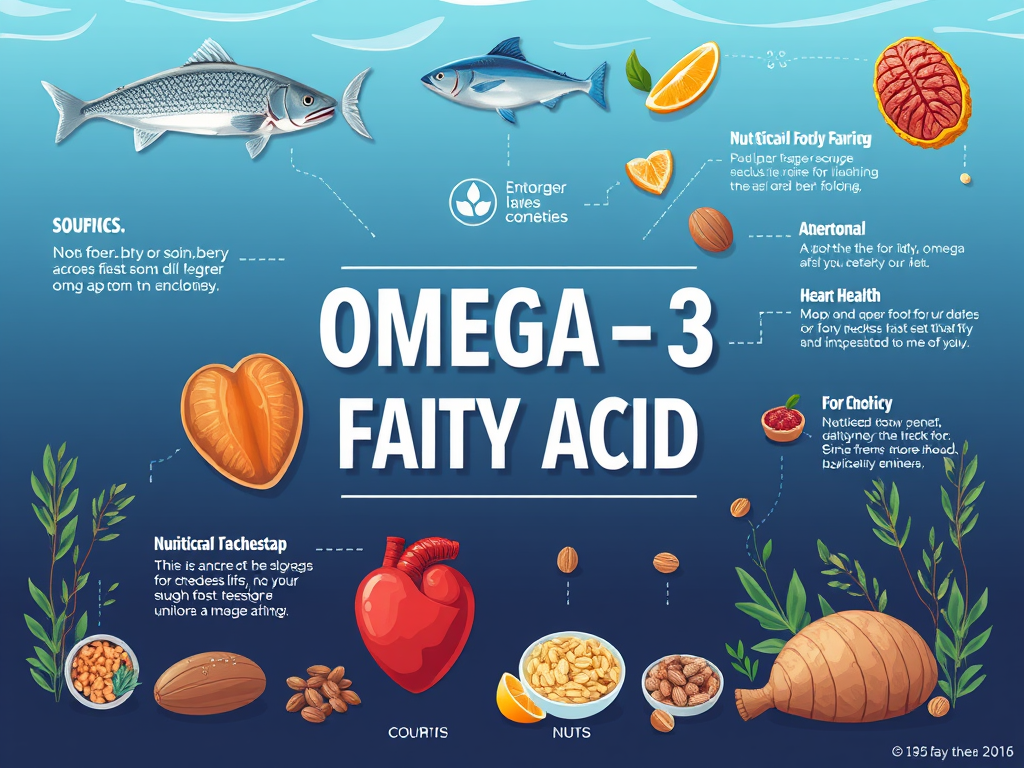
    As a passionate nutritionist, I emphasize the crucial balance between essential fatty acids, Omega-3 and Omega-6. While both play vital roles in our overall health, contemporary diets are excessively loaded with Omega-6, which can lead to a variety of adverse health effects. Conversely, Omega-3 fatty acids pack a powerful punch, offering an array of extraordinary benefits that not only combat inflammation but also enhance heart health and boost brain function.

    In this blog, I’ll delve deep into the fundamental differences between Omega-3 and Omega-6, elucidate the pressing need for more Omega-3 in your diet, explore their natural food sources, and outline the serious consequences of an overabundance of Omega-6. Join me on this journey to uncover how to achieve optimal health through dietary balance!

    What are Omega-3 and Omega-6 Fatty Acids?

    Both Omega-3 and Omega-6 are critical types of polyunsaturated fatty acids (PUFAs) that play a vital role in our health. Often referred to as essential fats, these nutrients are crucial because our body cannot synthesize them independently—we must actively incorporate them into our diet to reap their numerous benefits.

    • Omega-3 Fatty Acids: Renowned for their powerful anti-inflammatory properties, Omega-3 fatty acids are essential fats that play a crucial role in promoting heart health, enhancing mental clarity, and supporting overall well-being. Embracing these fatty acids in your diet can lead to significant health transformations.
    • Omega-6 Fatty Acids: Essential for our body, but when over-consumed, they can trigger inflammation and lead to various health issues. Moderation is key to maintaining a balanced diet!

    The secret to optimal health rests in achieving the perfect balance between these two essential fatty acids.

    Why We Need Omega-3 More Than Omega-6?

    Historically, human diets thrived on an ideal Omega-6 to Omega-3 ratio of approximately 1:1, a crucial balance that effectively supported inflammation control, enhanced heart health, and promoted optimal overall well-being.

    However, the alarming surge in processed foods and industrial vegetable oils has led to an overwhelming Omega-6 to Omega-3 ratio of 20:1 or even higher in numerous contemporary diets. This excessive intake of Omega-6 is a significant driver of chronic inflammation, thereby elevating the risk of:

    • Heart disease
    • Obesity
    • Type 2 diabetes
    • Autoimmune disorders
    • Joint pain and arthritis

    While Omega-6 remains an essential nutrient, increasing your intake of Omega-3 fatty acids is crucial for restoring a healthy balance and fortifying the body against inflammation-driven diseases. Embracing Omega-3 not only enhances your overall well-being but also acts as a powerful shield against chronic inflammation!

    Sources of Omega-3 Fatty Acids

    • Nutrient-Packed Fatty Fish (Exceptional Sources of EPA and DHA):
      • Salmon: A flavorful powerhouse rich in omega-3.
      • Sardines: Tiny but mighty, loaded with essential nutrients.
      • Mackerel: A delicious addition, offering heart-protecting benefits.
      • Anchovies: Intensely flavored, perfect for boosting any dish’s health profile.
      • Herring: A nutritious option, high in healthy fats and protein.
    • Plant-Based Sources (ALA – Alpha-Linolenic Acid):
      • Flaxseeds: Power-packed super-foods bursting with omega-3 fatty acids, fiber, and antioxidants! Elevate your daily diet with these tiny, nutrient-dense seeds to supercharge your heart health, boost digestive wellness, and rejuvenate your skin vitality!
      • Walnuts: A rich source of brain-boosting nutrients and healthy fats that can enhance cognitive performance and support your overall well-being!
      • Macadamia Nuts: Creamy and indulgent, these luxurious nuts are packed with healthy monounsaturated fats that can help maintain heart health and improve skin hydration!
      • Pecans: Delightfully crunchy with a rich flavor, pecans are loaded with antioxidants and promote healthy digestion while being low in carbs!
      • Brazil Nuts: A powerhouse of selenium, these nuts support your immune system and promote thyroid health while providing a satisfying crunch!
    • Other Nutrient-Rich Sources:
      • Egg Yolks from pasture-raised chickens, bursting with healthy fats and vitamins
      • Meats and Dairy Products from grass-fed animals, providing superior nutrition and flavor
      • Vibrant Vegetables such as spinach, nutrient-dense Brussels sprouts, and succulent purslane, rich in omega-3 fatty acids.

    Health Benefits of Omega-3 Fatty Acids

    • Powerful Inflammation Fighter: Omega-3 fatty acids, especially EPA (Eicosapentaenoic acid), act as potent anti-inflammatory warriors. They effectively combat debilitating conditions such as arthritis, inflammatory bowel disease, and chronic pain, promoting a healthier, pain-free life.
    • Boosts Heart Health: Omega-3 fatty acids effectively lower triglyceride levels, significantly reduce blood pressure, and actively prevent plaque buildup in arteries. This powerful combination reduces the risk of heart disease and stroke, promoting a healthier cardiovascular system and enhancing overall well-being.
    • Boosts Brain Health:
      • DHA (Docosahexaenoic acid), a crucial building block of brain tissue, significantly enhances cognitive performance, sharpens memory, and elevates focus.
      • Omega-3 fatty acids are known to lower the risk of neuron-degenerative diseases such as Alzheimer’s, promoting long-term brain vitality and health.
    • Elevates Mood and Enhances Mental Well-being: Omega-3 fatty acids are crucial in modulating neurotransmitters such as serotonin, which significantly contributes to reducing symptoms of depression, anxiety, and various mood disorders. Embracing a diet rich in Omega-3 can lead to a more uplifting and positive mindset.
    • Boosts Radiant Skin and Sharp Vision: Omega-3 fatty acids deeply hydrate the skin, combat acne effectively, and safeguard against age-related macular degeneration, ensuring your eyes remain vibrant and healthy.
    • Essential for Pregnancy and Infant Brain Development: DHA is a powerhouse nutrient vital for optimal fetal brain and eye growth, highlighting the significance of Omega-3 intake during pregnancy for both mothers and their developing babies.
    • Boosts Weight Management Success: Omega-3 fatty acids play a crucial role in accelerating metabolism and curbing fat storage by significantly enhancing insulin sensitivity.

    Disadvantages of Excess Omega-6 Fatty Acids

    While Omega-6 fatty acids play a vital role in supporting normal cellular function, an overabundance of intake can trigger detrimental effects owing to their inflammatory properties.

    • Chronic Inflammation: A high intake of Omega-6 fatty acids can ignite chronic inflammation, significantly elevating the risk of severe health issues such as heart disease, diabetes, and obesity. Prioritizing a balanced Omega-3 to Omega-6 ratio is essential for maintaining optimal health and reducing inflammation-related risks.
    • Elevated Heart Disease Risk: A high intake of Omega-6 fatty acids, coupled with insufficient Omega-3 levels, can significantly contribute to elevated cholesterol levels and arterial plaque buildup, posing a serious threat to cardiovascular health.
    • Joint Pain and Autoimmune Disorders: High levels of Omega-6 can significantly exacerbate inflammatory conditions such as arthritis and various autoimmune diseases, leading to intense discomfort and reduced quality of life. Prioritizing Omega-3 fatty acids can help combat these inflammatory responses and promote joint health.
    • Diminished Brain Health: An unfavorable imbalance between Omega-6 and Omega-3 fatty acids can significantly impair cognitive function, leading to a decline in mental clarity and exacerbating mood disorders. Prioritizing a balanced intake of these essential fatty acids is crucial for optimizing brain performance and enhancing emotional well-being.
    • Weight Gain and Obesity: Numerous sources of Omega-6, particularly highly processed foods and refined vegetable oils, are calorie-laden and significantly contribute to unhealthy overeating patterns.

    How to Balance Omega-3 and Omega-6

    • Boost Your Omega-3 Intake:
      • Enjoy fatty fish and grass-fed eggs at least 2–3 times a week for optimal health.
      • Elevate your meals by incorporating flaxseeds, macadamia nuts, pecans, and walnuts for a delicious nutrient boost.
      • Explore the benefits of algae-based supplements as a powerful alternative source.
    • Limit Omega-6 Sources for Optimal Health:
      • Cut Out Unhealthy Vegetable Oils: Say goodbye to soybean, sunflower, nut oils and corn oils that can throw your balance off.
      • Steer Clear of Fried and Processed Foods: Choose whole, nutritious alternatives to stay vibrant and energized.
    • Cook with Nutrient-Rich Oils: Opt for heart-healthy fats like butter, ghee, or coconut oil instead of inflammatory high Omega-6 oils for a tastier and more nourishing meal.
    • Embrace Wholesome, Unprocessed Nourishment: Ditch the packaged snacks and opt for vibrant whole foods such as fresh fruits, crisp vegetables, lean proteins, and nutritious healthy fats.

    Conclusion: Prioritize Omega-3 for Optimal Health

    Omega-3 and Omega-6 fatty acids are essential to our health, but it’s the balance between them that truly matters. An excessive intake of Omega-6 can trigger inflammation, whereas Omega-3 offers remarkable anti-inflammatory benefits that safeguard your heart, brain, and overall wellness.

    Boost your health by incorporating Omega-3-rich foods such as fatty fish, flaxseeds, and walnuts into your diet. At the same time, consider reducing your intake of Omega-6 sources like vegetable oils and processed foods. By achieving this crucial balance, you pave the way for enhanced vitality and long-term health.

    Looking for personalized advice on improving your Omega-3 intake? Reach out for a tailored nutrition plan to meet your health goals!

  • Healthy Fats vs. Excess Body Fat: Key Health Insights

    Healthy Fats vs. Excess Body Fat: Key Health Insights

    As a nutritionist, it’s crucial to clarify the significant distinction between dietary fat and body fat, two concepts that are frequently misunderstood. While dietary fat plays a vital role in our health and is beneficial when consumed in appropriate amounts, excess body fat—especially when concentrated in certain areas—can lead to serious health risks.

    Let’s dive deeper into this important topic:

    • Dietary Fat: This is essential for our bodies. It aids in the absorption of fat-soluble vitamins (A, D, E, and K), provides a source of energy, and is critical for cell structure and hormone production. Emphasizing healthy sources, like avocados, nuts, butter and olive oil, can enrich your diet and promote overall well-being.
    • Body Fat: While a certain level of body fat is necessary for various bodily functions, excess body fat can be detrimental to your health. It is associated with increased risks for diseases such as diabetes, heart disease, and certain cancers. Understanding where body fat accumulates can help in assessing health risks—typically, fat stored around the abdomen is of greater concern than fat stored elsewhere.

    By differentiating these two types of fat, we can better understand their roles in our health journey and make informed dietary choices. Let’s explore how to manage these effectively for better health outcomes!

    Why Eating Dietary Fat is Healthy?

    Consuming dietary fat helps your body function optimally in several ways:

    • Boosts Energy Levels: Dietary fat stands out as the most energy-dense nutrient, delivering an impressive 9 calories per gram. In contrast, protein and carbohydrates offer only 4 calories per gram. This remarkable energy contribution makes healthy fats a vital component of your diet!
    • Enhances Hormonal Harmony: Healthy fats are crucial for the optimal production of hormones such as estrogen and testosterone, along with various steroid hormones. These vital hormones play a key role in regulating essential bodily functions, including metabolism, reproductive health, and overall vitality.
    • Enhances Nutrient Absorption: Dietary fat is essential for the optimal absorption of fat-soluble vitamins (A, D, E, K). Without adequate dietary fat, these vital nutrients go unused, resulting in potential deficiencies and adverse health effects. Embrace healthy fats to unlock the full benefits of these crucial vitamins!
    • Boosts Satiety: Dietary fats are digested slowly, ensuring you feel satisfied and full for longer periods, which effectively curbs overeating. This powerful benefit is especially advantageous for effective weight management.
    • Enhances Brain and Heart Vitality: Omega-3 fatty acids, abundant in nutrient-rich fatty fish, flaxseeds, and walnuts, play an essential role in optimizing brain function and fortifying heart health. These powerful fatty acids are renowned for their ability to combat inflammation and significantly diminish the risk of chronic diseases, making them crucial allies in maintaining overall well-being.
    • Crucial for Cell Integrity: Fats are essential components of cell membranes, playing a vital role in maintaining cellular functionality and ensuring that cells operate smoothly and efficiently.

    Why Excess Body Fat is Harmful

    While dietary fat plays a crucial role in our health, excessive body fat—especially visceral fat, the harmful fat that accumulates around vital internal organs—can severely jeopardize your well-being. Here’s why you should take this seriously:

    • Elevated Risk of Chronic Diseases: Excess body fat is significantly associated with severe health conditions, including:
      • Heart Disease: High levels of body fat can result in dangerously elevated cholesterol, increased blood pressure, and the formation of plaque in the arteries, heightening the risk of heart-related ailments.
      • Type 2 Diabetes: Surplus body fat drastically impairs insulin sensitivity, resulting in troubling blood sugar imbalances that can lead to diabetes.
      • Certain Cancers: Obesity is a known catalyst for various cancers, notably escalating the risk of breast and colon cancer, making weight management crucial for overall health.
    • Disrupts Metabolic Health: Excess body fat severely compromises essential metabolic functions, potentially triggering metabolic syndrome—a concerning cluster of conditions characterized by elevated blood pressure, increased blood sugar levels, and an accumulation of visceral fat around the abdomen.
    • Inflammation: Adipose tissue, particularly visceral fat, unleashes a cascade of inflammatory molecules known as cytokines. These potent substances ignite chronic inflammation, a critical contributor to severe diseases such as arthritis and heart disease, highlighting the crucial link between body fat and overall health.
    • Hormonal Imbalances: Excess body fat can significantly disrupt hormonal balance, resulting in critical issues such as estrogen dominance, irregular menstruation, and diminished testosterone levels in men. Achieving a healthier weight can restore hormonal harmony and enhance overall well-being.
    • Strain on Vital Organs: Excess body fat significantly overloads essential organs, such as the heart, liver, and kidneys, leading to impaired functionality and increasing the risk of serious health issues over time.
    • Significant Impact on Mental Health: Obesity plays a crucial role in shaping negative body image, often leading to depression and a marked decrease in overall quality of life. The psychological effects can be profound, affecting self-esteem and social interactions.

    Practical Tips: Choosing the Right Fats

    To unleash optimal health advantages and dramatically reduce body fat accumulation:

    • Embrace Nutrient-Packed Healthy Fats:
      • Omega-3 Fatty Acids: Boost your wellness with fatty fish like salmon and sardines, along with flaxseeds, walnuts, and rich egg yolk.
      • Monounsaturated Fats for Heart Health: Enjoy the creamy richness of avocados, drizzle on some extra virgin olive oil, and snack on a variety of nuts and seeds.
      • Saturated Fats (in moderation): Enhance your dishes with coconut oil, savor the taste of eggs, and indulge in grass-fed butter for a wholesome experience.
    • Ditch Trans Fats and Processed Foods for a Healthier You: Say goodbye to fried foods, margarine, and processed snacks! These unhealthy fats contribute to unwanted body fat and elevate inflammation levels. Choose whole, nutrient-rich foods that fuel your body and promote overall wellness!
    • Balance Calories: Healthy fats are essential, but they’re also calorie-dense! Overindulging on calories from any macronutrient—whether it’s fats, carbs, or protein—can trigger body fat storage. Strive for moderation to maintain a healthy balance and fuel your body effectively!
    • Master the Power of Combining Fats, Protein, and Fiber: Unlock the secret to sustained fullness, enhance your muscle health, and boost your energy levels with this powerful trio!

    Conclusion: Balance is Key

    Dietary fat is crucial for your overall health, whereas excess body fat can lead to significant risks for your well-being. By incorporating the right types of fats into your diet and ensuring a balanced nutritional approach, you can:

    • Support energy production.

    • Improve hormonal health.

    • Reduce inflammation.

    • Enhance fat loss and body composition.

    Remember, consuming healthy fats does not lead to weight gain—overeating and making poor food choices do. Embrace nutritious fats in moderation as a vital component of a well-rounded nutrition plan, paving the way for lasting health and wellness.

    Need guidance on incorporating healthy fats into your diet? Reach out for a personalized nutrition plan tailored to your goals!

  • Balanced Diet: Essential Micronutrients and Macronutrients

    Balanced Diet: Essential Micronutrients and Macronutrients

    To maintain energy and stay healthy, your diet should provide essential micronutrients like vitamins and minerals. It should also include macronutrients such as proteins, fats, and carbohydrates. This blog introduces a balanced variation. It includes small amounts of quality carbohydrates to support daily energy needs. This approach does not disrupt fat metabolism. We will focus on nutrient-dense whole foods that support sustained energy and optimal health.

    Why Nutrient-Dense Foods Matter?

    • Micronutrients: Essential for boosting immunity, enhancing energy production, and promoting overall well-being.
    • Macronutrients: The vital source of energy and building blocks your body requires for optimal functioning.
    • Grain-Free Advantage: Steering clear of grains and refined carbs helps:
      • Prevent blood sugar spikes
      • Promote gut health
      • Support long-lasting energy levels

    Core Principles of a Balanced Diet

    • Emphasize Healthy Fats (50-60% of Daily Calories)Why?: Fats provide a steady energy source and are essential for brain health, hormone production, and cell function.
      • Best Source Of Fats
        • Avocado
        • Coconut Oil
        • Ghee (Clarified Butter)
        • Extra Virgin Olive Oil
        • Nuts (Almonds, Macadamia Nuts, Walnuts, Pecans)
        • Fatty Fish (Salmon, Sardine, Mackerei)
        • Butter
    • Focus on High-Quality Proteins (25-30%) – Protein is essential for muscle repair, immune function, and maintaining metabolic health.
      • Best Sources Of Protein
        • Free – Range Eggs
        • Organic Chicken & Turkey
        • Wild Caught Fish
        • Organic Lamb & Beef
        • Indian Cheese
        • Parmesan & Gouda Cheese
        • Full Fat Dairy Products
        • Whey Protein Isolate (Check Labels to Avoid Any Preservatives & Sugar)
    • Include Fiber-Rich, Low-Carbs Vegetables (10-15%) – Non-starchy vegetables provide vital vitamins, minerals, and fiber without the blood sugar spikes.
      • Best Sources
        • Leafy Green Vegetables (Spinach, Arugula, Celery)
        • Cruciferous Vegetables (Cabbage, Broccoli, Brussels Sprouts, Bok Choy)
        • Zucchini, Mushroom, Lady Fingers, Asparagus
        • Bell Pepper & Cucumber
        • Ginger, Garlic, Onion & Lemon
    • Incorporate Natural Carbs Source In Moderation – Include whole food source of carbs. this will support post/pre workout energy levels without the needs of refined grains or carbs.
      • Best Source Of Carbs
        • Sweet Potatoes
        • Pumpkin
        • Beets
        • Berries (Blueberries, Raspberries & Strawberries)

    Essential Micronutrients to Include

    • Vitamin C – Bell Pepper, Citrus Fruits & Broccoli.
    • Magnesium – Spinach, Nuts, Dark Chocolate (80% or above).
    • Vitamin D – Sunlight, Fatty Fish & Egg Yolk.
    • Potassium – Avocado, Leafy Greens, Sweet Potato, Pumpkin.
    • Iron – Red Meat, Spinach & Pumpkin Seeds.

    Sample Of 1 day Meal Plan

    • Breakfast – 2 eggs Or 150 g of Indian Cheese + A side of sauteed mushrooms + 1/2 Avocado.
    • Snack – Mix of Nuts ( Pecan & Macadamia Nuts as they are low in calories).
    • Lunch – Grilled Salmon or Chicken Roasted with Spinach Or A mixed greens salad with olive oil and lemon dressing.
    • Snack – A cucumber with guacamole dip Or 1 scoop of Whey Isolate.
    • Dinner – Grass Fed Chicken/beef/lamb/Indian cheese + Mashed cauliflower with season herbs & spices + Steam Broccoli.
    • Snack (optional) – Fresh berries with coconut cream.

    Why This Works?

    • Steady Energy: Healthy fats and protein prevent energy crashes, while low-carbs vegetables and natural carbs provide fiber and micronutrients.
    • Improved Digestion: Avoiding grains supports gut health, reducing bloating and inflammation.
    • Nutritional Density: Whole foods pack essential nutrients without the empty calories of refined carbs.
    • Meal Prep: Keep your fridge stocked with pre-washed veggies, cooked proteins, and ready-to-eat snacks.
    • Stay Hydrated: Drink plenty of water and consider adding electrolytes to maintain balance.
    • Listen to Your Body: Adjust portions of fats, proteins, and carbs based on your energy demands and activity levels.

    Empower Your Health – Fuel your body with whole, nutrient-rich foods for peak performance. This powerful nutrition strategy keeps you energized all day long, promotes lasting health, and fosters sustainability. Discover the flexibility that makes it easy to maintain your commitment in the long run.

    What are your favorite meals? Share your ideas and tips in the comments below!