
In my previous blog, I explored the causes, effects, and essential tips regarding insulin spikes. In this installment, I’ll illuminate one of the strategies to effectively manage insulin levels—embracing a low-Glycemic diet. This approach plays a key role in stabilizing blood sugar. It is also crucial for minimizing insulin surges. Additionally, it enhances long-term health. Join me as we examine the details of a low-Glycemic diet. We will explore its mechanics and provide actionable steps. You can take these steps to adopt this lifestyle for natural insulin spike control. Below is the link for the previous article.
Understanding Insulin Spikes: Causes and Management
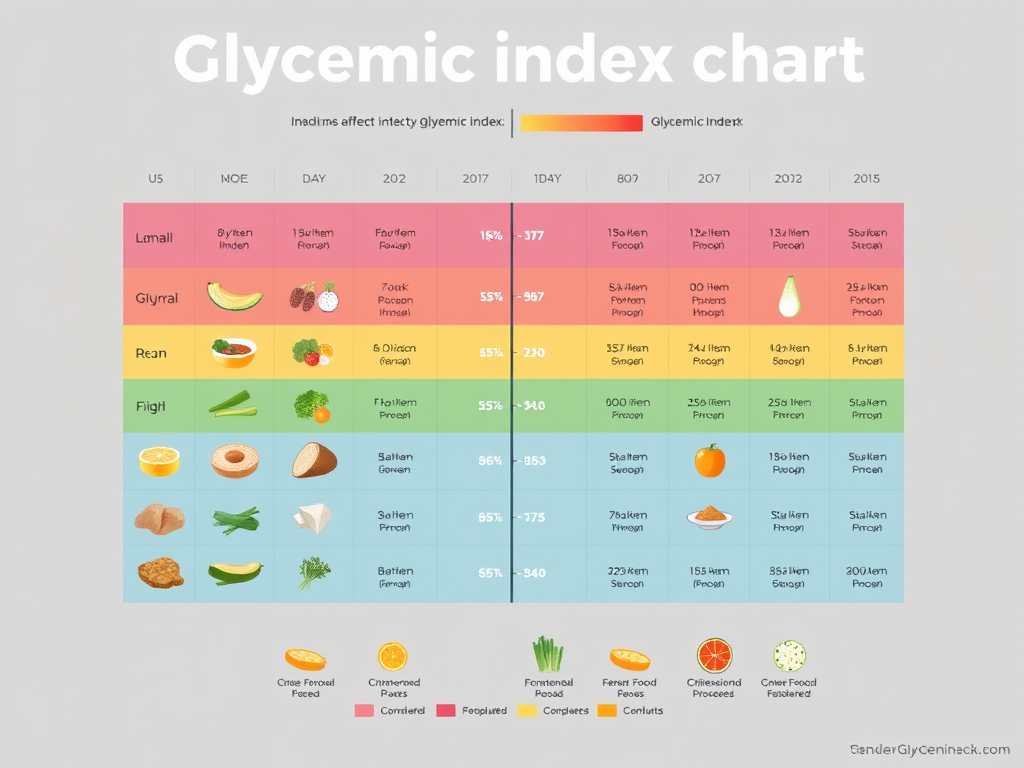
What Is the Glycemic Index (GI)?
The Glycemic index (GI) is an essential ranking system that evaluates how rapidly a particular food elevates blood sugar levels. Foods are assigned scores ranging from 0 to 100, with lower scores indicating a slower impact on blood sugar. By prioritizing low-GI foods, you can effectively manage your blood sugar levels. You can also significantly reduce the risk of insulin spikes. This practice promotes overall health and well-being.
- Low Glycemic Index (GI) Foods (0 – 55): Experience the benefits of slow digestion and minimal blood sugar impact! Incorporate wholesome options like yeast-based products, fermented delicacies, nutritious broccoli, and energizing nuts into your diet for sustained energy and optimal health.
- Medium Glycemic Index (56 – 69): It provides a moderate blood sugar response. It features nutrient-rich options like whole grain rice, deliciously sweet sweet potatoes, and heart-healthy steel cut oats.
- High Glycemic Index (70+): Experience rapid digestion with foods such as white bread, candy, and sugary cereals. These foods lead to sharp insulin spikes. This also happens with those fried in vegetable oils.
Benefits of a Low-Glycemic Diet for Insulin Control
- Stabilized Blood Sugar: Enjoy the benefits of Low-Glycemic Index (GI) foods. These foods effectively prevent sudden glucose spikes and crashes. They promote a more stable and balanced energy level throughout the day.
- Enhanced Insulin Sensitivity: Maintaining consistently lower insulin levels strengthens your body’s response to glucose. This promotes optimal health and enhances metabolic efficiency.
- Sustained Energy Levels: Nutrient-dense, slow-digesting foods deliver consistent energy. They fuel your day with enduring vitality and prevent those pesky energy crashes.
- Weight Management: Embrace the power of a low-GI diet. It effectively curbs hunger and cravings. This approach paves the way for sustainable fat loss and a healthier lifestyle.
- Significantly Lowered Risk of Chronic Diseases: Enhanced blood sugar management helps reduce the risk of developing diabetes. It also lowers the chances of encountering serious cardiovascular complications.
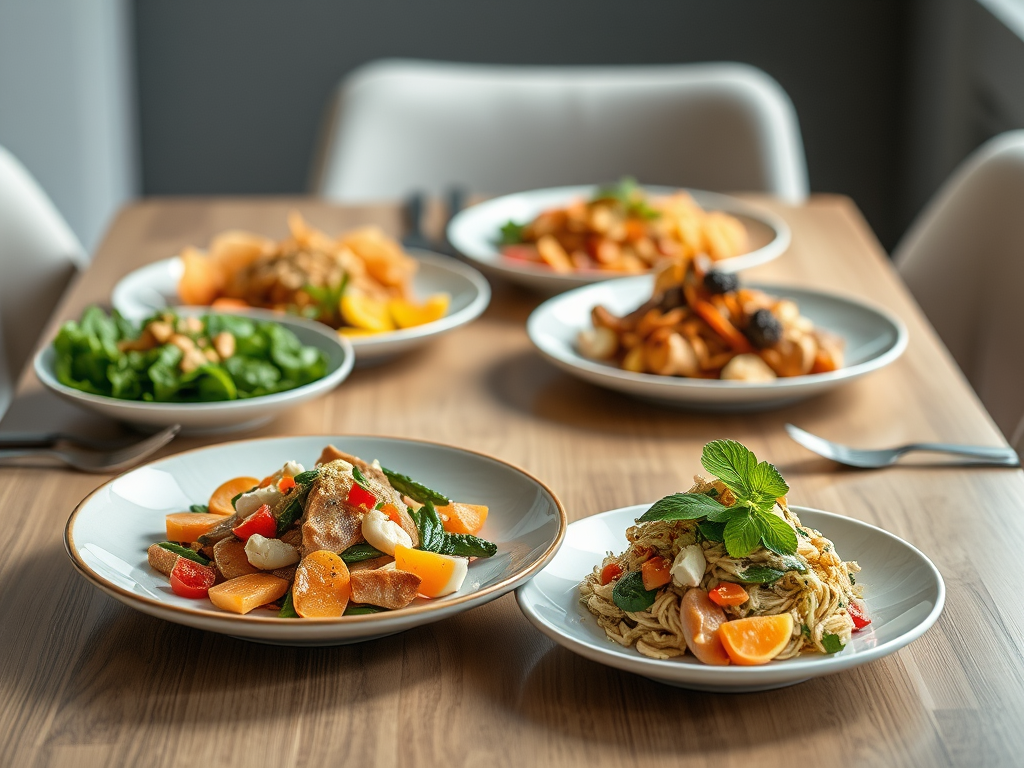
Low-Glycemic Diet Strategies to Control Insulin Spikes
- opt for Low-GI Carbohydrates – Transition from high-Glycemic carbs to nutritious low-GI alternatives for a healthier lifestyle. Key options include:
- Whole Grains: Embrace wholesome choices like steel-cut oats, quinoa, and barley. Add a touch of fermented yeast for added benefits!
- Nutritious Non-Starchy Vegetables: Load up on vibrant veggies like broccoli, spinach, cauliflower, and zucchini for essential nutrients and fiber.
- Delicious Low-GI Fruits: Indulge in nature’s candy with antioxidant-rich berries, succulent cherries, and juicy pears.
- Avoid These: Steer clear of white bread, sugary cereals, and tempting processed snacks for optimal well-being.
- Elevate Your Meals – Pair Carbs with Protein and Healthy Fats – Combining carbohydrates with protein or healthy fats slows down digestion. This combination also significantly reduces their Glycemic impact. It promotes sustained energy levels and overall health.
- Delicious Example Meals:
- Whole-Grain Toast – Freshly baked or homemade, topped with creamy avocado and nutrient-rich eggs for a powerhouse breakfast.
- Lentil Soup – Rich and hearty, drizzled with ghee or butter, paired with grilled chicken or paneer for a protein-packed delight.
- Delicious Example Meals:
- Prioritize Fiber-Rich Foods for Better Blood Sugar Control – Fiber significantly slows down glucose absorption, promoting stable blood sugar levels. Focus on incorporating the following nutrient-dense options into your diet:
- Diverse Choices Include:
- Vegetables: Leafy greens like spinach and kale, crunchy carrots, and refreshing cucumbers.
- Seeds and Nuts: Nutrient-packed sesame seeds, omega-3 rich flaxseeds, crunchy pecans, and buttery macadamia nuts.
- Diverse Choices Include:
- Enhance Your Meals with Vinegar or Lemon Juice – Numerous studies highlight how vinegar and lemon juice can significantly lower the Glycemic response of high-carbs meals, leading to better blood sugar management. For example:
- Drizzle a refreshing splash of vinegar over salads for a zesty kick.
- Squeeze bright lemon juice over grilled vegetables or meats to elevate flavors and boost nutritional benefits.
Low-Glycemic Meal Plan for Insulin Control
- Breakfast: Steel-cut oats topped with, a sprinkle of cinnamon, and a handful of berries & whey isolate for protein.
- Lunch: Grilled salmon/chicken/mutton/paneer served with steamed veggies drizzled with ghee/butter.
- Dinner: Lentil soup with a side of leafy green salad (olive oil and lemon dressing).

Key Tips for Success on a Low-Glycemic Diet
- Read Labels: Steer clear of processed foods that contain hidden sugars and refined carbohydrates. Prioritize whole, natural ingredients for a healthier lifestyle!
- Cook at Home: Embrace the art of creating delicious, whole, unprocessed meals that empower you to control every ingredient. Unlock your culinary potential while enjoying the benefits of healthier eating!
- Stay Hydrated: Optimal hydration is crucial for maintaining balanced blood sugar levels. Dehydration not only disrupts glucose regulation but can also lead to fatigue and decreased energy. Keep your body in peak form by ensuring you drink enough water throughout the day!
- Engage in Consistent Exercise: Regular physical activity significantly boosts insulin sensitivity, empowering your body to utilize glucose more efficiently and enhancing overall metabolic health.
Final Thoughts –
Embracing a low-Glycemic diet is a powerful strategy to manage insulin levels, sustain energy, and enhance your overall wellness. By prioritizing nutrient-rich, slow-digesting foods, you can effectively avoid blood sugar crashes and significantly lower your risk of insulin resistance and chronic health issues.
Take the First Step –
Start today by substituting high-GI foods with nourishing, low-GI alternatives and witness a remarkable transformation in your energy, cravings, and overall health!
Are you ready to take charge of your blood sugar levels naturally? Share this informative blog with someone who would greatly benefit and connect with us for customized nutrition plans specifically designed to meet your unique health goals! In my next blog, I will be unveiling powerful insights into how the ketogenic diet effectively helps in controlling insulin spikes for improved overall health.









 Simplify Your Wellness Journey