Tag: healthy eating for kids

  • Is Sweet Corn Really a Healthy Snack? A Scientific Analysis of Its Effects on Hormones and Body Chemistry

    Is Sweet Corn Really a Healthy Snack? A Scientific Analysis of Its Effects on Hormones and Body Chemistry

    Sweet corn is often hailed as a nutritious, convenient, and naturally sweet snack. It’s touted as a low-fat, fiber-loaded, and vitamin-rich food that seamlessly integrates into a well-rounded diet. But what if this widespread perception isn’t completely precise? Let’s explore the science behind sweet corn. We will unveil its hidden downsides. We will also understand how it affects your hormones and overall well-being.

    The Prevalence of GMO Corn

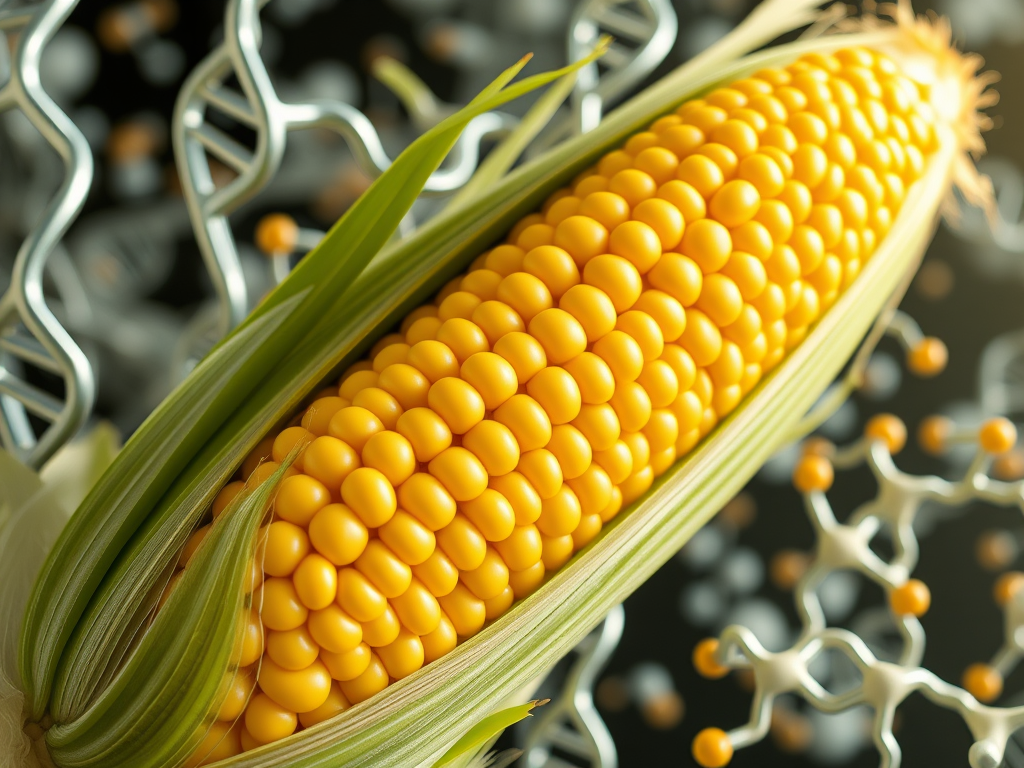
    Corn is one of the most genetically modified crops in the world. According to data from the International Service for the Acquisition of Agri-biotech Applications (ISAAA) and the U.S. Department of Agriculture (USDA):

    • Over 90% of corn grown is genetically modified.
    • Common modifications include herbicide resistance (e.g., glyphosate resistance) and pest resistance through Bt (Bacillus thuringiensis) genes.
    • Even sweet corn, which is consumed directly as a vegetable, has GMO variants that are widely cultivated.

    This raises concerns because GMO crops may contain residues of chemicals like glyphosate, a herbicide classified as a probable human carcinogen by the World Health Organization (WHO).

    The Tadpole Experiment: A Disturbing Revelation

    One of the most striking studies on GMO corn’s effects involved tadpoles and hormonal disruption. Researchers investigated how GMO corn consumption altered their development.

    • The Experiment:- In a 2006 study published in the journal Environmental Health Perspectives, tadpoles were fed diets containing GMO corn that expressed Bt toxins. The study observed changes in growth, development, and hormonal levels.
    • Key Findings
      • The tadpoles exhibited altered levels of thyroid hormones, which are critical for normal growth and development.
      • Abnormal development patterns were noted, including delayed metamorphosis and physical deformities.
      • The researchers attributed these effects to the Bt toxin and residual chemicals from herbicides used in GMO farming.
    • Implications for Humans:- While the study was conducted on amphibians, thyroid hormones play an equally critical role in human health. Disruption in these hormones can lead to:
      • Hypothyroidism or hyperthyroidism.
      • Impaired growth and metabolism.
      • Fertility issues and developmental disorders in children.

    How GMO Corn Affects Humans

    In addition to Bt toxin, the glyphosate used on GMO corn poses a significant risk. Research published in Environmental Toxicology and Pharmacology has shown that glyphosate can:

    • Estrogen Dominance:- Compounds in GMO corn may mimic estrogen in the body, leading to an imbalance that can cause weight gain, mood swings, and reproductive issues.
    • Insulin Resistance:- The high carbohydrate content of sweet corn, combined with potential chemical residues, may worsen insulin sensitivity, leading to metabolic disorders like diabetes.
    • Thyroid Dysfunction:- As shown in the tadpole study, exposure to Bt toxins and glyphosate can interfere with thyroid hormones, affecting metabolism and energy levels.

    The Nutritional Composition of Sweet Corn

    Sweet corn holds carbohydrates, some protein, and a small amount of fat. It also has essential vitamins like B vitamins and antioxidants like Lutein. While it may seem harmless, the problems arise from its high carbohydrate and sugar content. Here’s why that matters:

    • High Glycemic Index (GI): Sweet corn has a notably high Glycemic Index. This means it can cause a rapid surge in blood sugar levels. This occurs shortly after consumption. This swift spike in glucose happens quickly. It is frequently followed by a dramatic crash. This crash results in fatigue and heightened cravings for more sugary or starchy foods. Being aware of this effect is crucial for maintaining balanced energy levels and managing cravings effectively.
    • Rich in Natural Fructose: Sweet corn is not just delicious. It is packed with natural fructose. Fructose is a sugar metabolized by the liver. However, be cautious! Overindulgence in fructose can lead to serious health issues. These include fatty liver disease and insulin resistance. It can also lead to the development of metabolic syndrome over time. Enjoy sweet corn in moderation for a balanced diet!
    • Impact on Cortisol:- Sweet corn’s ability to cause rapid blood sugar fluctuations indirectly impacts cortisol, the body’s stress hormone. After a high-carbs meal, blood sugar drops. The body may release cortisol to stabilize glucose levels. Over time, this can lead to chronic stress-like states.

    Corn’s Effect on Gut Health

    Corn is rich in lectins, fascinating plant proteins that can pose challenges for the human gut’s digestion. These potent lectins can:

    • Cause inflammation in the gut lining.
    • Lead to “leaky gut syndrome,” a condition linked to autoimmune diseases and chronic inflammation.
    • Impair the absorption of essential nutrients, further exacerbating health issues.

    Additionally, sweet corn lacks a rich variety of dietary fibers. These fibers are vital for nurturing beneficial gut bacteria.

    The Verdict

    While sweet corn is often marketed as a nutritious snack, the alarming prevalence of GMO varieties raises serious health concerns that cannot be overlooked. Recent studies, including a revealing tadpole experiment, demonstrate the potential for GMO corn to interfere with hormonal balance—a warning that should grab our attention. Coupled with its high sugar content and elevated Glycemic load, sweet corn may not be the “health food” many consumers believe it to be.

    By delving into the science behind how sweet corn affects your body, you empower yourself to make informed and healthier choices that bolster your hormonal health and overall well-being.

    Instead of reaching for sweet corn, explore alternative options that truly nourish your body without the hidden pitfalls. Your hormones, gut health, and overall vitality will greatly benefit from these wiser dietary choices.

    References:

    • Environmental Health Perspectives (2006): Study on BT corn and tadpole development.
    • Environmental Toxicology and Pharmacology: Glyphosate’s endocrine-disrupting effects.
    • USDA and ISAAA: Statistics on GMO corn prevalence.
    • WHO Classification of Glyphosate.

  • The Alarming Rise of Childhood Diabetes: Causes and Solutions

    The Alarming Rise of Childhood Diabetes: Causes and Solutions

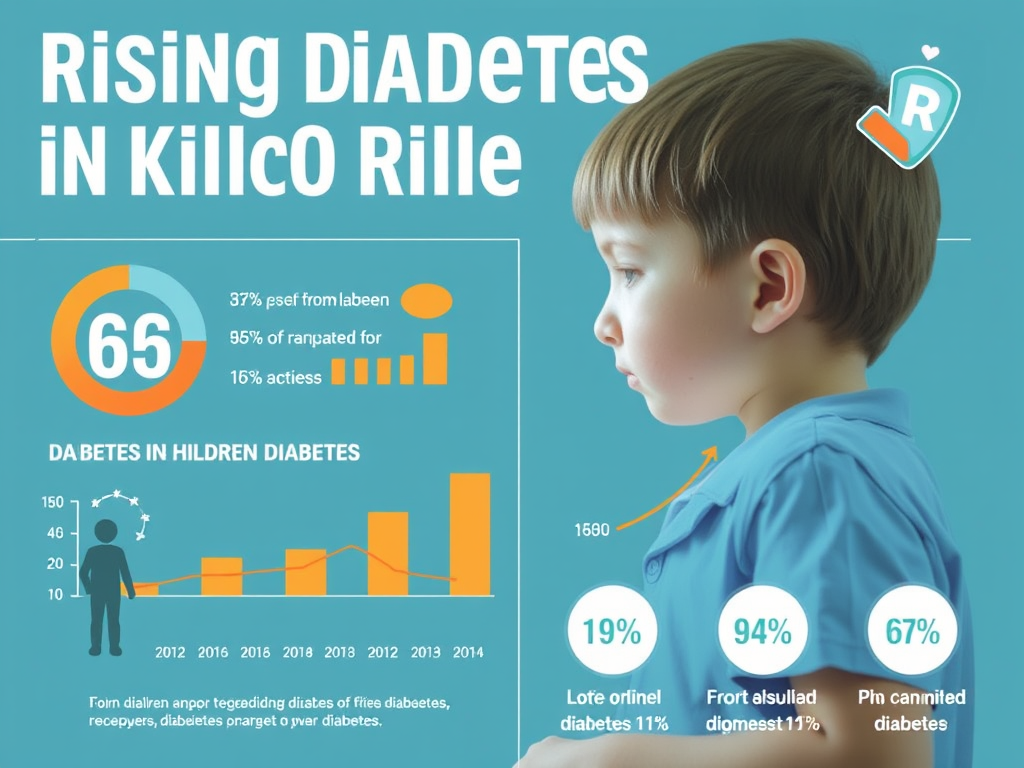
    Childhood diabetes is escalating at an alarming rate worldwide, and the Middle East. According to the International Diabetes Federation (IDF), this region is expected to have one of the highest global diabetes rates by 2030, with a particularly troubling increase in children diagnosed with Type 2 diabetes.

    While Type 1 diabetes arises from autoimmune issues, Type 2 diabetes is intricately linked to lifestyle choices, nutrition, and maternal health. Even more concerning are recent studies indicating that maternal eating habits during pregnancy can significantly influence insulin sensitivity in children. This blog dives deep into the underlying causes, emphasizes the crucial role of nutrition, and outlines actionable strategies along with practical meal ideas to effectively tackle this growing health crisis. Join us in the fight against childhood diabetes and empower the next generation to lead healthier lives!

    Why Are Diabetes Cases Rising in Children?

    • Lifestyle and Nutrition Shifts:
      • The contemporary diet is overwhelmingly influenced by processed foods, excessive sugar intake, and the convenience of fast-food options.
      • Children spend more time on screens, leading to reduced physical activity.
      • In Hot, harsh weather conditions make outdoor activities challenging for significant parts of the year, further exacerbating sedentary lifestyles.
    • Maternal Health and Pregnancy Nutrition:
      • Extensive research indicates that a mother’s nutrition throughout pregnancy is vital for her child’s metabolic well-being. Inadequate maternal diet, characterized by a high consumption of processed foods, unhealthy seed oils, and excessive sugar and carbohydrates, can significantly elevate the likelihood of insulin resistance in newborns.
      • A study published in The American Journal of Clinical Nutrition found that maternal hyperglycemia (high blood sugar during pregnancy) can predispose children to obesity and early-onset Type 2 diabetes.

    “Maternal diet during pregnancy has a significant impact on fetal development, particularly on pancreatic function and insulin sensitivity, setting the stage for metabolic disorders later in life.” – Dr. Sarah Lowe, Endocrinologist

    • Genetic Predisposition: Individuals with a family history of illness are genetically predisposed to developing diabetes. This risk is significantly amplified when coupled with environmental triggers such as unhealthy diets and sedentary lifestyles, making awareness and proactive management crucial for prevention.

    Maternal Nutrition: Healthy Foundations Start Before Birth

    Research has revealed that a mother’s eating habits during pregnancy impact the child’s metabolism:

    • Excess sugar, seed oils and refined carbs can lead to fetal overnutrition and poor pancreatic function.
    • Conditions like gestational diabetes and maternal obesity heighten the baby’s risk of insulin resistance.

    Nutrition Tips for Pregnant Mothers:

    • Choose lean proteins (such as fish, chicken, eggs, paneer, mutton, and dairy products) to effectively stabilize your blood sugar levels. These nutrient-rich options not only support overall health but also keep you feeling full and energized throughout the day.
    • Embrace Healthy Fats for Optimal Wellness: Indulge in nutrient-rich sources like avocados, nuts, ghee, butter, and olive oil to boost your health and enhance your meal experience.
    • Embrace nutrient-rich complex carbohydrates: indulge in fermented foods, savor wholesome steel-cut oats, enjoy the natural sweetness of sweet potatoes, and choose non-refined whole grains for a balanced diet.
    • Eliminate processed foods, sugary snacks, ready-to-eat foods & carbonated drinks from your diet for a healthier lifestyle!

    Healthy Eating Habits for Children

    Preventing diabetes in children starts with balanced meals and snacks. Below are easy, nutritious recipes and snack ideas for kids:

    • Healthy Breakfast Ideas:
      • Steel-Cut Oats with Nuts and Berries: Ingredients include Steel-C oats, full-fat milk, or almond milk (Always check labels for added ingredients). Add mixed berries and a teaspoon of honey. “Benefits: High fiber, low sugar, and provides slow-releasing energy.”
      • Egg and Veggie Muffins: Ingredients: Eggs, spinach, chopped bell peppers, tomatoes, and a sprinkle of cheese. “Benefits: High protein to stabilize blood sugar levels.”
    • Healthy Lunchbox Recipes:
      • Whole Wheat Wrap with Grilled Chicken and Veggies: Ingredients: Grilled chicken strips, whole wheat tortilla, cucumber, lettuce, and a dollop of hummus.
      • Quinoa Salad with Paneer: Ingredients: Cooked quinoa, paneer, cherry tomatoes, cucumber, parsley, and olive oil for dressing
    • Snack Ideas for Kids:.
      • Fresh fruit slices with almond butter.
      • Carrot sticks and homemade hummus.
      • Plain yogurt with a handful of mixed nuts.
      • Homemade popcorn (butter, lightly salted).
      • Baked sweet potato fries.

    Physical Activity as a Solution

    Regular physical activity helps prevent and manage diabetes. Here are practical ideas for kids:

    • Indoor Sports: Swimming, martial arts, and gymnastic classes.
    • Active Play: Family-friendly activities like dancing, indoor games, or cycling during cooler months.
    • Structured Exercise: Enroll children in sports academies offering football, basketball, or yoga.

    Encourage at least 60 minutes of activity daily to help improve insulin sensitivity and manage weight.

    The Family’s Role: Leading by Example

    Children often take cues from their parents, especially their mothers, as role models in their behavior. Families have the powerful opportunity to nurture and foster healthy habits through:

    • Family Meals Together: Preparing and savoring wholesome meals as a family fosters a love for nutritious food in children and strengthens family bonds. Sharing the cooking experience is not just about eating; it’s about creating lasting memories and promoting a healthy lifestyle.
    • Empower Healthy Choices: Reduce sugary beverages and processed foods in your home to promote vibrant health and well-being!
    • Engaging Children in Nutrition: Inspire young minds by introducing them to the exciting world of balanced nutrition through fun, interactive activities that spark their curiosity and promote healthy habits.

    Conclusion: A Collective Effort to Prevent Childhood Diabetes

    The alarming surge in diabetes rates among children serves as a critical wake-up call, particularly for families with a genetic predisposition and issues of obesity. Addressing this pressing challenge demands:

    • Enhanced Maternal Awareness during pregnancy is crucial for establishing a robust and healthy foundation for both mother and baby.
    • Active Parental Engagement in Shaping Healthy Eating Habits for Children.
    • Encouraging active lifestyles through dynamic physical activities while effectively combating sedentary habits for improved overall health.

    “By taking simple steps today—eating healthier, staying active, and educating families—we can secure a healthier, diabetes-free future for our children.”

    “Healthy children are the reflection of informed families and supportive communities.”

    Transform Your Family’s Health: Discover Personalized Nutrition Plans for Parents and Expecting Mothers!