Tag: health myth debunked

  • The Hidden Risks of Death in Healthy People While Working Out: A Reality Check

    The Hidden Risks of Death in Healthy People While Working Out: A Reality Check

    In recent years, alarming reports of seemingly fit individuals collapsing or tragically dying during workouts have ignited widespread concern. While physical activity is undeniably vital for our health, these incidents provoke critical questions: Is exercise inherently risky? The answer is a definitive no. Instead, these unfortunate deaths often arise from factors unrelated to exercise. Poor dietary choices contribute to the problem. Undetected steroid use is another factor. A lack of proper nutrition guidance also plays a role. This blog delves into the underlying causes of these incidents. It also stresses the essential role of staying active for sustained health and vitality.

    Exercise: Your Ultimate Lifesaver, Not a Risk Factor

    Regular exercise is an incredibly powerful tool for dramatically improving cardiovascular health, elevating mental well-being, and warding off chronic diseases. The transformative benefits of physical activity encompass:

    • Improved heart and lung function.
    • Reduced risk of obesity, diabetes, and hypertension.
    • Enhanced mood and cognitive function through endorphin release.
    • Better muscle strength, bone density, and flexibility.

    However, when combined with unhealthy lifestyle habits or misinformation, even exercise can become risky.

    How a Poor Diet Can Lead to Workout-Related Injuries

    • Nutritional Deficiencies: A Hidden Crisis
      • Many individuals unknowingly sabotage their health. They succumb to fad diets. They excessively depend on processed foods. They remain oblivious to the principles of balanced nutrition.
      • Critical deficiencies in essential nutrients—such as electrolytes, iron, and vital vitamins (like B12 and D)—can trigger debilitating fatigue. They can cause irregular heart rhythms and painful muscle cramps during exercise. These deficiencies significantly heighten the risk of serious cardiac events.
    • Over-consumption of Energy Drinks and Supplements: Pre-workouts and energy drinks packed with caffeine and potent stimulants are frequently relied upon for that extra “boost.” However, the dangers of excessive stimulant intake can lead to serious health issues such as arrhythmia’s, palpitations, and significantly elevated blood pressure, especially during intense physical exertion. It’s crucial to prioritize safety and be mindful of the potential consequences that come with these popular performance enhancers.
    • Carbohydrate Mismanagement
      • A low-carbs or poorly managed keto diet can lead to hypoglycemia (low blood sugar). This condition results in dizziness, fainting, or even cardiac distress during workouts.
      • Conversely, excessive refined carbohydrate consumption can lead to insulin resistance and long-term cardiovascular issues.

    The Hidden Dangers of Steroid Use

    • Steroids Among Social Media Influencers
      • The rise of social media has glorified “perfect” physiques, leading many influencers and their followers to turn to Anabolic steroids for faster results.
      • Steroids artificially enhance muscle growth but come at a significant cost to heart health, including:
        • Hypertension: Steroids elevate blood pressure, increasing strain on the heart.
        • Arrhythmia’s: Steroid use disrupts normal heart rhythms.
        • Heart Muscle Damage: Long-term use can lead to cardiomyopathy (weakened heart muscle) and heart failure.

    These substances are often used in secret, with influencers promoting an unrealistic image of “natural” fitness that pressures others to follow unsafe paths.

    The Importance of Proper Nutrition and Counseling

    • Personalized Nutrition Plans
      • A certified nutritionist thoroughly analyzes an individual’s health history, fitness aspirations, and current dietary practices. This comprehensive evaluation informs the creation of a dynamic, sustainable meal plan tailored specifically to enhance well-being and performance.
      • Optimal nutrition is crucial for achieving peak electrolyte balance. It helps in stabilizing blood sugar levels. It also fosters effective recovery. These factors significantly diminish exercise-related risks and promote overall health.
    • Education on Safe Supplementation
      • Nutrition counseling provides essential knowledge on the responsible and effective use of dietary supplements. This includes high-quality protein powders, energizing pre-workouts, and comprehensive multivitamins.
      • By avoiding dangerous stimulants and unverified compounds, individuals can significantly reduce their risk of heart-related incidents. They can also enhance their overall health.
    • Essential Guidance for Athletes and Gym Enthusiasts: Athletes and dedicated gym-goers need tailored macronutrient plans and hydration strategies to optimize performance and fuel intense workouts, ensuring that they achieve their fitness goals while maintaining overall health.

    How to Stay Safe While Staying Active

    • Embrace Balanced Eating for Optimal Performance
      • Prioritize a vibrant mix of lean proteins, heart-healthy fats, and nutrient-dense complex carbohydrates to energize your workouts and enhance recovery.
      • Boost your heart health by incorporating essential nutrients. Include magnesium-rich foods such as nuts, seeds, and leafy greens. Add omega-3 fatty acids from sources like salmon, flaxseeds, and walnuts.
    • Stay Hydrated, Stay Strong: Dehydration can put immense strain on your heart during exercise. Prioritize hydration by drinking plenty of water and incorporating electrolyte-packed beverages into your routine, especially for those intense, prolonged workouts. Your body will thank you!
    • Steer Clear of Quick Fixes: Reject the lure of steroids and dubious supplements. Embrace steady, sustainable progress through natural means for lasting results!
    • Understand Your Limits: Pushing too hard can lead to injury and put unnecessary strain on your heart. Embrace a well-rounded workout regimen that prioritizes adequate recovery and incorporates rest days for optimal performance.
    • Engage Expert Guidance: Collaborate with certified trainers and nutritionists to create personalized and effective exercise and dietary strategies that cater to your unique health goals and enhance your overall well-being.
    • Essential Health Checkups: Routine screenings for blood pressure, cholesterol levels, and heart function are crucial for your well-being, especially if you engage in intensive exercise or have a family history of heart disease. Prioritizing these checkups can empower you to take control of your health and prevent potential issues before they arise.

    Final Thoughts: Key Takeaways and Insights

    Exercise is a cornerstone of a thriving, healthy lifestyle and should never be viewed with fear. However, pitfalls like poor dietary habits, hidden steroid use, and a lack of professional guidance can transform workouts into potential risks. By focusing on balanced nutrition, steering clear of shortcuts like steroids, and seeking expert advice, individuals can confidently embrace the countless benefits of physical activity.

    Staying active is not just beneficial for your heart—it’s crucial for overall health. When you couple regular exercise with informed dietary choices and a steadfast commitment to authenticity over quick fixes, you’re not only building a stronger body but also paving the way for a longer, healthier life. Embrace the journey and let your commitment lead to lasting wellness!

  • Understanding Fatty Liver Disease: Causes & Solutions

    Understanding Fatty Liver Disease: Causes & Solutions

    Fatty liver disease has rapidly emerged as a prevalent health epidemic, frequently associated with unhealthy lifestyle choices and nutritional imbalances. This condition arises when an excessive buildup of fat occurs in the liver, posing serious risks that can escalate to chronic health issues such as liver inflammation, cirrhosis, or even life-threatening liver failure. In this comprehensive article, we will delve deep into the underlying causes, notable symptoms, and innovative treatment options for fatty liver disease, while effectively debunking the misconception that dietary fat is the primary culprit.

    Debunking the Myth: Fatty Foods Are Not the Culprit

    Contrary to popular belief, nutrient-dense dietary fats such as those abundant in avocados, diverse nuts, wholesome seeds, oily fish, ghee/butter & premium extra virgin olive oil play a crucial role in supporting liver health rather than causing fatty liver.

    • Healthy Fats vs. Processed Carbs: Healthy fats are metabolized in a unique way compared to refined sugars and processed carbohydrates. They not only provide essential energy but also enhance metabolic health and combat inflammation. In contrast, excessive consumption of carbs can lead to their conversion into fat by the liver, promoting weight gain and related health issues that causes fatty liver. Embracing nutritious fats can significantly optimize your overall well-being!
    • The Vital Role of Healthy Fats in Your Diet: Incorporating nutrient-rich healthy fats into your diet is crucial for enhancing liver function, bolstering fat metabolism, and potentially reversing fatty liver disease. Omitting these beneficial fats can strip the body of essential nutrients, resulting in a cascade of health challenges. Embrace healthy fats for a thriving, balanced lifestyle!

    What Causes Fatty Liver?

    • Excessive Carbohydrate Intake: High consumption of refined carbohydrates and sugary foods leads to dramatic spikes in insulin levels, significantly boosting the body’s propensity for fat storage, particularly in the liver.
    • Fructose: A naturally occurring sugar predominantly found in processed foods and certain fruits. Unlike glucose, fructose is primarily metabolized by the liver, which can lead to significant fat accumulation when consumed in excess. Be mindful of your fructose intake, as it can dramatically impact your health and body composition.
    • Insulin Resistance: Prolonged and excessive carbohydrate intake can significantly contribute to insulin resistance, a condition that leads to the accumulation of excess fat in the liver. This metabolic disturbance can impact your overall health and weight management, making it crucial to monitor carbohydrate consumption.
    • Obesity: Excessive body weight, especially around the abdomen, serves as a major risk factor for the development of fatty liver disease. Managing your weight is crucial for liver health and overall well-being.
    • Alcohol Consumption: Although non-alcoholic fatty liver disease (NAFLD) is prevalent, the dangers of excessive alcohol intake cannot be overlooked. This harmful habit can significantly contribute to fat deposition in the liver, leading to serious health risks. It’s crucial to understand the impact of your drinking habits on liver health and prioritize moderation to protect this vital organ.

    Symptoms of Fatty Liver

    Fatty liver, often dubbed a “silent disease,” can stealthily develop without any noticeable symptoms during the initial stages. Yet, as this condition advances, it may reveal a range of concerning symptoms, including:

    • Chronic Fatigue: Experience overwhelming, persistent tiredness that significantly impacts daily life and overall well-being.
    • Intense discomfort or sharp pain in the upper right abdomen, potentially signaling underlying health concerns
    • Sudden and Unexplained Weight Loss: A concerning symptom that can indicate underlying health issues.
    • Noticeable yellowing of the skin or eyes, particularly in severe cases, which may indicate a serious health concern.

    How Fatty Liver Can Turn Chronic

    • Non-Alcoholic Steatohepatitis (NASH): A more serious and concerning form of liver disease characterized by significant liver inflammation and damage. This condition not only raises the risks of liver fibrosis and cirrhosis but also poses a serious threat to overall health. Understanding and addressing NASH is crucial for preventing further complications.
    • Fibrosis and Cirrhosis: A serious condition characterized by irreversible scarring of liver tissue, significantly impairing its critical functions. Understanding the implications of fibrosis and cirrhosis is essential for prevention and management.
    • Elevated Risk of Liver Cancer and Heart Disease: The progression of advanced fatty liver significantly heightens the risk of life-threatening conditions, including liver cancer and cardiovascular illnesses. Taking proactive measures is crucial for safeguarding your health.

    How to Reverse Fatty Liver Naturally

    • Embrace a Nourishing Balanced Diet:
      • Prioritize Low Glycemic Index (GI) Foods: Say goodbye to high-GI culprits such as white bread, sugary snacks, and sweetened drinks. opt instead for sweet potatoes, non-starchy vegetables for sustained energy!
      • Incorporate Quality Fats: Supercharge your meals with omega-3 fatty acids found in fatty fish or flaxseeds, along with heart-healthy monounsaturated fats from delightful sources like extra virgin olive oil & avocado.
      • Limit Fructose for Optimal Health: Curb your consumption of high-fructose fruits like mangoes, grapes, and bananas, and steer clear of processed foods loaded with added sugars for better overall well-being.
    • Engage in Regular Exercise: Elevate your health by incorporating consistent physical activity into your routine! Regular exercise is a powerful ally in the battle against liver fat, as it significantly enhances insulin sensitivity and turbocharges fat metabolism. Strive for at least 30 minutes of invigorating exercise 4-5 times a week to unlock a healthier you!
    • Achieve Sustainable Weight Loss: Rapid weight loss can exacerbate fatty liver conditions. Focus on a gradual and effective weight loss strategy of 1-2 pounds per week to promote better liver health and overall well-being.
    • Enhance Your Gut Health: Cultivating a robust gut Microbiome is essential for reducing inflammation and boosting liver health. Incorporate Probiotics, Probiotics, and fiber-rich foods into your diet to supercharge your digestive system and promote overall wellness.
    • Stay Hydrated: Ensuring optimal hydration is crucial for enhancing liver detoxification and promoting vibrant metabolic health. Proper water intake can dramatically improve your energy levels, boost cognitive function, and support your body’s natural cleansing processes.

    Effective Strategies to Prevent Fatty Liver Disease Progression

    • Avoid sugary beverages and processed foods.
    • Limit alcohol intake.
    • Maintain a consistent exercise routine.
    • Monitor and manage conditions like diabetes and high cholesterol.
    • Get regular health check-ups to monitor liver function.

    Conclusion

    The key to effectively managing and even reversing fatty liver lies in a deep understanding of its root causes. High-quality dietary fats are NOT the enemy; on the contrary, they are a crucial component of a healthy and balanced diet. The real troublemakers are high-Glycemic and high-fructose foods that disrupt our metabolic health and can lead to serious complications.

    By embracing a nutritious diet, staying active with regular exercise, and steering clear of processed foods, you can often reverse fatty liver before it develops into a chronic condition.

    Remember, your liver is incredibly resilient, but prevention is always better than cure. Take charge of your health today and empower yourself to live a vibrant life!

    Would you like to add a detailed meal plan or workout routine tailored to reversing fatty liver?

  • Whey Protein Explained: Myths, Types, and Benefits

    Whey Protein Explained: Myths, Types, and Benefits

    In a world saturated with fitness influencers and self-proclaimed experts, the prevalence of misinformation surrounding supplements, especially whey protein, has reached alarming levels. Many individuals approach whey protein with skepticism, worrying that it’s “unnatural” or even harmful. This widespread uncertainty arises from a combination of inadequate education and deceptive marketing strategies within the health and fitness industry. As a passionate nutritionist, I strive to deliver a comprehensive, evidence-based understanding of whey protein—exploring its diverse types, numerous benefits, potential drawbacks, and essential guidelines for safe consumption.

    What is Whey Protein?

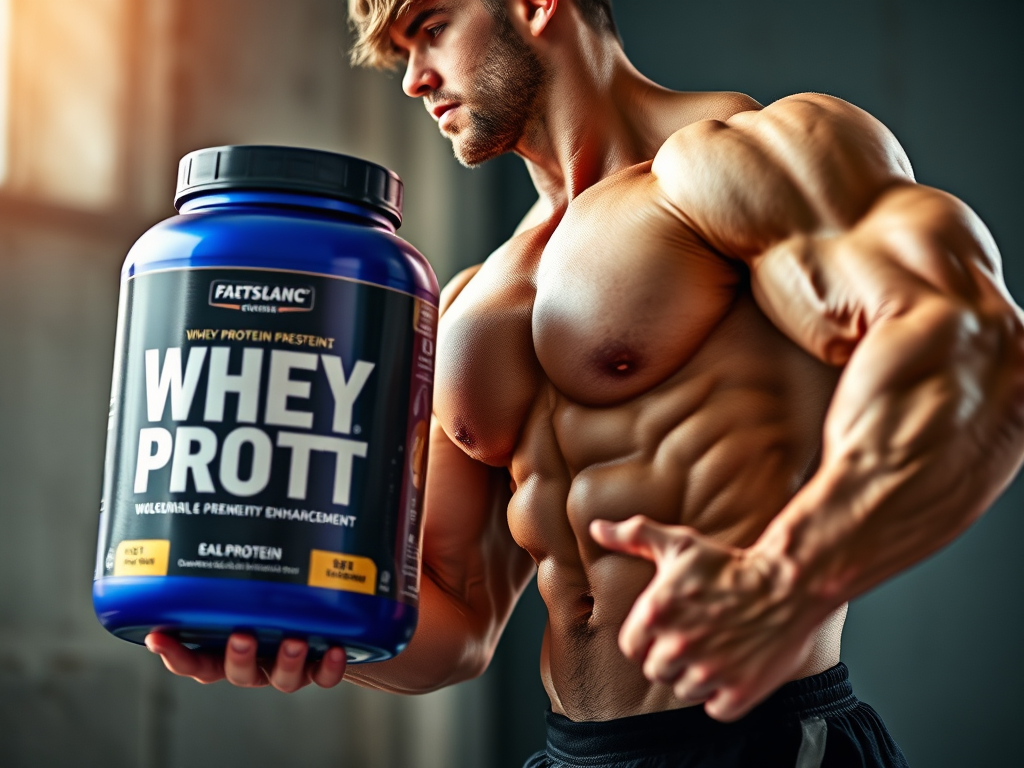
    Whey protein, a remarkable byproduct of cheese production, is derived from high-quality milk. Renowned for being one of the most exceptional protein sources, it boasts all nine essential amino acids that the body craves for optimal muscle growth, efficient recovery, and enhanced overall health.

    Packed with leucine, a powerhouse amino acid essential for muscle protein synthesis, whey protein stands as a cornerstone for athletes, bodybuilders, and fitness aficionados. Its advantages reach well beyond mere muscle growth—it’s a vital ally in weight management, bolstering immunity, and enhancing overall wellness. Experience the transformative benefits of whey protein as you elevate your fitness journey!

    Types of Whey Protein

    • Whey Protein Concentrate (WPC):
      • Protein Content: 70–80% of high-quality protein.
      • Advantages:
        • Nutrient-Rich: Contains essential fats and carbs, providing you with crucial energy benefits.
        • Health Boost: Preserves key nutrients like immunoglobulins and lactoferrin, supporting your immune system.
        • Cost-Effective: A more affordable option compared to other whey protein types, perfect for budget-conscious consumers.
      • Disadvantages:
        • Lactose Warning: Contains lactose, which may lead to digestive issues for those who are lactose intolerant.
        • Lower Protein Concentration: Offers slightly lower protein content compared to isolate or hydrolysate variants.
      • Best For: Beginners or casual fitness enthusiasts who seek a budget-friendly protein option without stringent dietary limitations.
    • Whey Protein Isolate (WPI):
      • Protein Content: 90–95% – A powerhouse of protein!
      • Advantages:
        • Ultra-Low in Lactose, Fats, and carbs: Perfect for low-carbs or ketogenic diets.
        • Rapid Absorption: High protein purity promotes swift recovery and muscle repair post-workout.
      • Disadvantages: Higher Price Point than whey concentrate, but worth every penny!
      • Best For: Athletes, individuals with lactose intolerance, and anyone committed to a strict low-carbs or low-fat diet.
    • Whey Protein Hydrolysate (WPH)
      • Protein Content: 80–90% – A power-packed choice for protein enthusiasts!
      • Advantages:
        • Predigested formula ensures ultra-fast absorption, making it the quickest option available.
        • Gentle on your digestive system, great for those with sensitive tummies.
      • Disadvantages:
        • Considered the most expensive protein choice on the market.
        • Often less palatable, with a tendency towards a bittersweet taste.
      • Best For: Perfect for individuals with sensitive digestion, those recovering from surgery, or athletes in need of rapid recovery after intense workouts.

    Unlocking the Power of Whey Protein: Proven Health Benefits

    • Muscle Growth and Recovery: Research demonstrates that whey protein is exceptionally powerful for maximizing muscle protein synthesis—the vital process by which muscles repair and grow following intense exercise. A groundbreaking 2019 study published in the Journal of the International Society of Sports Nutrition revealed that consuming whey protein after workouts significantly enhances muscle recovery and fosters lean muscle mass development. Emphasizing the importance of timing and quality, this nutrient stands out as a game-changer for fitness enthusiasts aiming for optimal results.
    • Effective Weight Management: Whey protein is a powerful ally in the quest for weight loss, enhancing feelings of fullness and protecting lean muscle mass during calorie deficits. Research published in The American Journal of Clinical Nutrition demonstrates that individuals who incorporated whey protein into their diet achieved significantly greater fat loss and muscle preservation.
    • Enhanced Immune Function: Whey protein is packed with powerful immunoglobulins and lactoferrin, vital components that significantly elevate the immune system’s response. Research published in the Journal of Dairy Science highlights that whey protein supplementation can remarkably enhance the body’s defense mechanisms, particularly benefiting those with compromised immune systems. Boosting your immunity with whey protein is a smart strategy for maintaining optimal health and resilience.
    • Blood Sugar Regulation: Whey protein is a powerful ally in stabilizing blood sugar levels by effectively slowing down the absorption of glucose. A groundbreaking study published in Nutrients in 2018 revealed that incorporating whey protein into your pre-meal routine significantly reduces postprandial blood sugar spikes, especially among individuals battling Type 2 diabetes.
    • Enhanced Athletic Performance: A groundbreaking study published in the International Journal of Sport Nutrition and Exercise Metabolism revealed that whey protein supplementation dramatically enhances performance in both resistance and endurance training, significantly outpacing results observed in placebo groups.

    When and Why Should You Consume Whey Protein?

    Whey protein is not exclusively for bodybuilders or elite athletes; it offers remarkable benefits for a wide range of individuals, catering to diverse health and fitness goals.

    • Post-Workout Recovery: Whey protein, especially in its isolate or hydrolysate forms, is the ultimate choice for post-exercise nourishment. With its rapid absorption, it provides crucial essential amino acids directly to your muscles, significantly enhancing recovery speed and minimizing soreness. Fuel your body effectively after every workout!
    • Boosting Dietary Protein Intake: For those leading a hectic lifestyle or facing dietary restrictions, whey protein serves as a fantastic solution to effortlessly fulfill daily protein requirements without the hassle of cooking elaborate meals. However, it’s crucial to remember that whey protein is not a meal replacement; instead, it should be utilized as a valuable resource to support and effectively meet the body’s protein demands.
    • Transform Your Weight Loss Journey with Whey Protein: Substitute those high-calorie snacks with a delicious whey protein shake to effectively curb hunger, boost satiety, and take control of your calorie intake. Experience the difference today!
    • Medical Recovery: Individuals on the path to recovery—from surgeries, illnesses, or injuries—experience significant benefits from the highly digestible and nutrient-rich whey protein. This protein source not only enhances recovery but also supports overall health and vitality during the healing process.

    How Much Whey Protein Do You Need?

    Protein requirements can significantly differ based on various factors such as age, gender, activity level, and individual health goals. As a fundamental guideline:

    • Sedentary individuals: 0.8–1.0 g/kg of body weight.
    • Active individuals or athletes: 1.2–2.0 g/kg of body weight.
    • During weight loss or muscle gain phases: Up to 2.2 g/kg of body weight.

    For example, a 70 kg individual striving for muscle growth may require 105–140 g of protein daily. While whey protein can effectively supplement your diet, it’s crucial to prioritize whole foods such as eggs, fish, chicken, lean meats, full-fat dairy (if lactose intolerant), and cheese as your primary sources of protein.

    What to Look for When Buying Whey Protein

    • Protein Content: Ensure to inspect the label for a minimum of 20–25 g of protein per serving. For optimal results, consider opting for isolated whey protein – it’s highly effective for muscle recovery and overall performance!
    • Essential Ingredients: Embrace products that are free from artificial sugars, fillers, and questionable additives, ensuring a healthier choice for you and your loved ones. Opt for natural, wholesome ingredients that nourish your body and promote overall wellness.
    • Third-Party Testing: Seek out reputable certifications such as NSF Certified for Sport or Informed Choice to ensure the integrity and quality of your products. These certifications provide assurance that the items have undergone rigorous testing for safety and efficacy, giving you peace of mind in your purchasing decisions.
    • Digestibility: For those who are lactose-intolerant, choosing isolate or hydrolysate protein is crucial. These options are specifically designed for optimal absorption, ensuring you get the nutrients you need without discomfort.

    Myths About Whey Protein: Debunked

    • Whey Protein and Kidney/Liver Health: Contrary to common misconceptions, there is no scientific evidence that whey protein damages healthy kidneys or liver. For individuals with pre-existing conditions, it is crucial to consult a healthcare provider prior to incorporating whey protein into your regimen to ensure safety and well-being.
    • Whey Protein: Misconception as a Steroid: Contrary to common myths, whey protein is not a performance-enhancing drug but a powerful dietary supplement. Derived naturally from high-quality milk, it is essential for muscle recovery and growth, making it a favorite among fitness enthusiasts and athletes.
    • Whey Protein and Fat Gain: Separating Fact from Fiction: Weight gain is predominantly influenced by total calorie intake rather than whey protein alone. When consumed in moderation and within your daily calorie limits, whey protein can actually accelerate fat loss and promote lean muscle development. Embrace whey protein as a tool for achieving your fitness goals, rather than fearing it as a contributor to weight gain.

    Final Thoughts:

    Whey protein is an effective and scientifically supported supplement for improving health, fitness, and overall well-being. However, it’s not a substitute for a balanced diet. Whole foods should always form the foundation of your nutrition, and supplements like whey protein should fill in the gaps.

    For tailored advice, consult a qualified nutritionist or dietitian to identify the best whey protein type, quantity, and timing for your unique needs. With the right knowledge, whey protein can be a game-changer for your health and fitness journey.

    Have questions about whey protein or other supplements? Let’s connect—I’m here to help you navigate the world of nutrition with evidence-based insights.

  • Who’s in Charge: Your Body or Your Metabolism?

    Who’s in Charge: Your Body or Your Metabolism?

    Often, we hear advice like, “If you want to get fit or healthy, boost your metabolism.” But is that really the right approach? Can your metabolism truly dictate your body’s shape? Or does your body shape have a stronger influence on whether your metabolism is low or high?

    The truth is that both are interdependent, but your body composition holds the upper hand. If you carry more muscle mass, your metabolic rate will naturally be higher. Muscle is metabolically active tissue. It requires more energy (calories) to maintain compared to fat.

    Metabolism’s primary role is to ensure your body absorbs and utilizes nutrients effectively, but it does not function in isolation.

    Lifestyle factors such as: diet, sleep quality, alcohol or smoking habits, and body composition—all play significant roles in shaping how well your metabolism functions. Studies show that individuals with higher fitness levels, even if they’re not extremely active, tend to have more efficient metabolisms than those who are overweight.

    However, it’s important to clarify that metabolism is not as simple as “fast” or “slow.” For example:

    • Muscle holds more water, facilitating efficient nutrient transport, while fat is denser and metabolically less active, which can indirectly slow nutrient utilization and energy expenditure.
    • Excess fat, especially visceral fat, can lead to inflammation and metabolic dysfunction, impairing processes like insulin sensitivity and energy regulation.
    • Larger bodies (with more fat or muscle) often have higher absolute energy requirements because they have more tissue to maintain. This means “slow metabolism” may not always be the issue but rather an imbalance between energy intake and expenditure.

    In essence, while metabolism plays a crucial role in maintaining energy balance, body composition—particularly muscle mass—often has the upper hand in determining how effectively metabolism functions. Building muscle not only burns more calories but also sets the stage for better metabolic health overall.

    So, while boosting metabolism sounds appealing, the real focus should be on building a fitter, healthier body through balanced nutrition, strength training, quality sleep, and active lifestyle choices. Because ultimately, a well-shaped body lays the foundation for a better-functioning metabolism—and not the other way around.

    Transform Your Body: Simple Tips to Enhance Metabolism!

    1. Transform Your Nutrition: Adopt a high-protein diet with premium sources, such as:
      • Lean meats
      • Eggs
      • Fish
      • Dairy products
    2. Incorporate Healthy Fats: Embrace clarified butter (ghee) or rich butter for your cooking needs. Don’t shy away from essential fats, as they are vital for the absorption of key vitamins such as Vitamin E, D, A, and K. By including these healthy fats in your diet, you enhance your body’s ability to utilize nutrients effectively and support overall wellness.
    3. Incorporate Resistance Training: Engaging in resistance training just three times a week for 45 minutes can yield significantly better results than spending countless hours on cardio. Unlock your potential with strength-building workouts that enhance metabolism, build muscle, and promote fat loss efficiently!

    For a more personalized and effective nutrition plan that suits your unique needs, feel free to reach out to me at msbedi3@gmail.com. Let’s embark on your wellness journey together!