Tag: health benefits

  • The Truth About Cholesterol: What Doctors Don’t Tell You

    The Truth About Cholesterol: What Doctors Don’t Tell You

    Cholesterol has long been demonized as the primary culprit behind heart disease and a host of other health concerns. For decades, the prevailing wisdom dictated that we should steer clear of foods rich in cholesterol, as we believed they would block our arteries and hasten our demise. However, recent breakthroughs in research and a nuanced understanding of cholesterol paint a much more complex picture—one that not only challenges the conventional narrative pushed by certain industries but also uncovers the significant benefits of cholesterol in our diets.

    In this enlightening blog, we will delve into the pivotal role of cholesterol in our bodies, clarify the crucial distinction between dietary cholesterol and blood cholesterol, and explain why total cholesterol levels are not the definitive marker of health we once thought they were. Moreover, we’ll expose the myths and misinformation propagated by corporate interests to promote their products at the expense of our health.

    Join us as we explore the cutting-edge research demonstrating that cholesterol is not the villain it has been made out to be, but rather a vital nutrient essential for achieving optimal health. Prepare to rethink everything you thought you knew about cholesterol; it might just be the key to unlocking a healthier you!
    What is Cholesterol and Its Role in the Body?

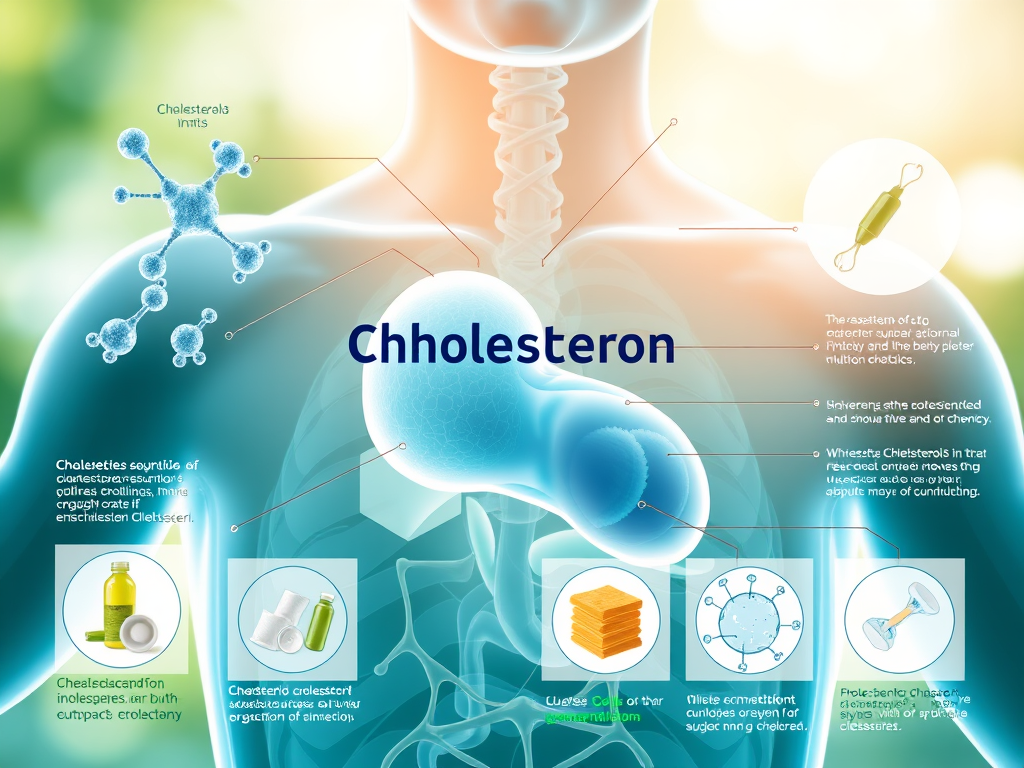
    Cholesterol is a waxy, fat-like substance. It plays essential roles in the body. It supports cell membrane structure. Cholesterol aids in hormone production and facilitates the absorption of vital nutrients.

    • Hormone Production: Essential for the synthesis of critical hormones, such as testosterone, estrogen, and cortisol, this precursor plays a pivotal role in maintaining overall hormonal balance and supporting vital bodily functions.
    • Boost Your Vitamin D Levels: Cholesterol plays a crucial role in the synthesis of vitamin D when your skin is kissed by sunlight. Embrace the sun’s rays to enhance your wellness and optimize your health!
    • Bile Production: Cholesterol is crucial for liver bile production. Bile is vital for effectively digesting and absorbing dietary fats.
    • Brain Health: Cholesterol plays a vital role in maintaining optimal brain function, as it is essential for the health and performance of neurons and memory. Astonishingly, 25% of the body’s cholesterol resides in the brain, highlighting its crucial importance for overall cognitive health and mental clarity.

    Clearly, cholesterol is not the villain it’s often portrayed to be; in fact, it’s a vital substance that plays a crucial role in numerous essential bodily functions, ensuring our overall health and vitality. Without adequate levels of cholesterol, our bodies would struggle to maintain proper hormone production, cell membrane integrity, and numerous other critical processes.

    Body Cholesterol vs. Dietary Cholesterol: Understanding the Difference

    • Body Cholesterol (Endogenous)
      • Most of the cholesterol in your body (about 75–80%) is produced by the liver and other cells.
      • The body tightly regulates cholesterol production to maintain balance, increasing production when dietary intake is low and decreasing it when dietary intake is high.
    • Dietary Cholesterol (Exogenous)
      • Found in foods like eggs, red meat, shellfish, and full-fat dairy.
      • Dietary cholesterol has a minimal impact on blood cholesterol levels for most people.
    • The Misconception: For years, dietary cholesterol was blamed for raising blood cholesterol levels and increasing heart disease risk. However, numerous studies have shown that the body adjusts its cholesterol production based on intake, making dietary cholesterol far less impactful than previously believed.

    The Hidden Agenda: How Cholesterol Became a Scapegoat

    In the mid-20th century, the demonization of cholesterol gained momentum due to flawed research and corporate interests:

    • Ancel Keys’ Flawed Research:
      • The “Seven Countries Study” by Ancel Keys linked dietary fat (and cholesterol) to heart disease. However, it selectively used data from countries that supported the hypothesis while ignoring others that contradicted it.
      • This study led to decades of low-fat dietary guidelines.
    • Industry-Funded Misinformation:
      • In the 1960s, the sugar industry paid researchers to downplay sugar’s role in heart disease and shift the blame to dietary fat and cholesterol.
      • This was revealed in a 2016 JAMA Internal Medicine report, exposing how corporations influenced public health policies to benefit their products.
    • Cholesterol-Lowering Drug Industry:
      • The pharmaceutical industry capitalized on the fear of cholesterol, promoting statins as a one-size-fits-all solution.
      • Statins lower cholesterol levels but do not address the root causes of heart disease, such as inflammation and metabolic dysfunction.

    Why Doctors Hide the Truth About Cholesterol

    The persistent misinformation surrounding cholesterol can be traced back to significant gaps in medical education and the overwhelming influence of powerful industries. Many medical professionals receive insufficient training in nutrition during their education, which leaves them overly dependent on outdated guidelines that drastically oversimplify cholesterol’s complex role in health. Moreover, the immense power of the pharmaceutical industry cannot be overlooked. Cholesterol-lowering medications, such as statins, generate billions of dollars annually, creating a hefty financial incentive to perpetuate the narrative that high cholesterol is inherently harmful. By emphasizing the need to lower cholesterol levels instead of tackling underlying issues like inflammation and insulin resistance, the healthcare system frequently opts for mere symptom management over genuine prevention. This toxic blend of limited nutritional knowledge and vested financial interests fuels the ongoing demonization of cholesterol, which in turn keeps patients misinformed and reliant on medications, rather than empowering them with effective dietary and lifestyle strategies for long-term health.

    The Myth of “High Cholesterol” and the Hidden Truth

    • Why Total Cholesterol Numbers Don’t Tell the Whole Story:
      • Understanding LDL vs. HDL:
        • LDL (Low-Density Lipoprotein), often referred to as “bad cholesterol,” isn’t inherently dangerous. Issues occur when LDL particles become oxidized or small and dense, which can significantly contribute to the buildup of arterial plaque and increase heart disease risk.
        • In contrast, HDL (High-Density Lipoprotein), known as “good cholesterol,” plays a crucial role in clearing excess cholesterol from the bloodstream, acting as a protector against cardiovascular issues.
        • Relying solely on total cholesterol is misleading. A more insightful approach involves examining the HDL to LDL ratio, alongside monitoring triglyceride levels and inflammatory markers such as C-reactive protein (CRP) to accurately assess heart disease risk.
    • Identifying the True Risk Factors for Heart Disease: It’s essential to recognize that chronic inflammation, insulin resistance, and oxidative stress, coupled with unhealthy lifestyle habits (like smoking and a sedentary lifestyle), are the real culprits behind cardiovascular disease—not cholesterol itself.

    Research Supporting Cholesterol as Beneficial

    • Cholesterol and Longevity: A 2013 study published in The American Journal of Clinical Nutrition found that higher cholesterol levels in older adults were associated with increased longevity and reduced risk of infections.
    • Cholesterol and Brain Health: Research in Frontiers in Aging Neuroscience highlights the importance of cholesterol in preventing neuron-degenerative diseases like Alzheimer’s.
    • Dietary Cholesterol and Heart Disease: A 2015 meta-analysis in BMJ concluded that there is no significant link between dietary cholesterol and cardiovascular disease in healthy individuals.

    The Path Forward: Embracing Cholesterol-Rich Foods

    • Focus on Whole Foods: Replace processed foods and refined carbohydrates with nutrient-dense, whole foods, including cholesterol-rich options. Kindly consult with professional for right amount of fats required as per your daily intake.
    • Address Inflammation: Prioritize anti-inflammatory foods like fatty fish, nuts, seeds, and leafy greens.
    • Avoid Refined Sugars and Trans Fats: These are the real culprits behind heart disease and should be minimized.
    • Balance Your Lifestyle: Exercise regularly, manage stress, and get adequate sleep to support overall cardiovascular health.

    Final Thoughts and Key Takeaways

    Cholesterol Isn’t the Enemy: Embrace This Essential Nutrient for Optimal Health

    Cholesterol plays a vital role in maintaining your overall health—it’s not the villain we’ve been led to believe. The long-standing war on cholesterol has been fueled by flawed research and influenced by corporate agendas. To promote better health, it’s crucial to understand the distinction between dietary cholesterol and that produced by your body.

    Instead of fearing cholesterol, focus on the real risk factors that impact your well-being. Embrace a diet rich in whole, nutrient-dense foods that nourish your body and support your health goals.

    It’s time to rethink cholesterol. Break free from outdated myths and trust the science that underscores its importance in a balanced, healthy diet.

    Don’t navigate this journey alone: consult with a knowledgeable professional who can guide you on how fats function in your body, determine the right quantities based on your lifestyle, and identify the best food combinations for an effective nutrition plan. Your path to understanding cholesterol starts now—let’s make informed choices together!

  • Comparing Ordinary, Alkaline, and Hydrolyzed Water

    Comparing Ordinary, Alkaline, and Hydrolyzed Water

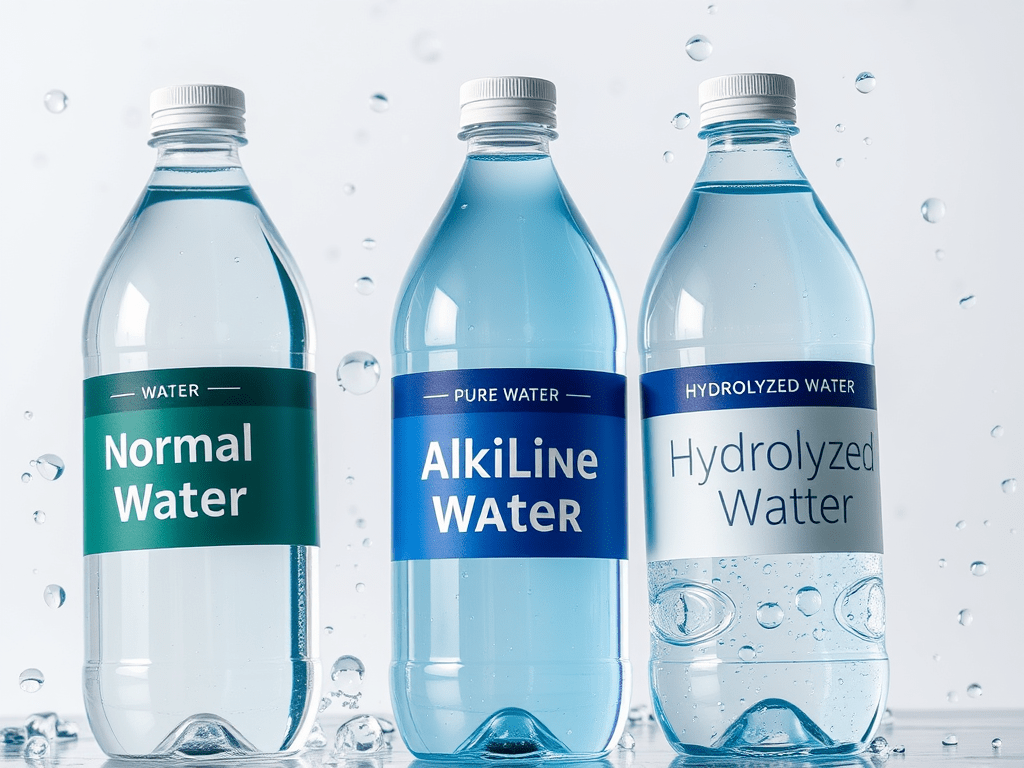
    Water is the foundation of life, yet not all water offers the same advantages. In recent years, the market has seen a surge of specialized waters, including alkaline water and hydrolyzed water, each boasting distinct health benefits. Although these options are labeled as “superior” to regular water, the truth about their efficacy is often misunderstood or overstated. This blog delves into the key differences between ordinary water, alkaline water, and hydrolyzed water, dispelling the prevalent myths about alkaline water while shining a light on the remarkable benefits of hydrolyzed water, especially in its role in enhancing carbon dioxide elimination and promoting overall well-being.

    • Pure Water (Tap or Bottled): – Pure water, whether drawn from the tap or sourced in bottled form, boasts:
      • H2O Molecules: The essence of life!
      • Natural Minerals: Enriched with essential minerals like calcium, magnesium, and potassium, varying by source.
      • Optimal pH Level: Achieves a neutral pH around 7, crucial for maintaining balance (with slight variations depending on origin).
      • Incredible Benefits:
        • Hydration Power: Keeps your body optimally hydrated.
        • Physiological Support: Vital for all bodily functions, including digestion, nutrient absorption, and temperature regulation.
        • Electrolyte Balance: Perfectly complements mineral intake to keep electrolytes in check.
      • Who Should Enjoy It? Everyone can thrive on pure water, provided it’s clean and free from harmful contaminants like heavy metals or microbes.
    • Alkaline Water: Characterized by a pH level above 7, typically ranging from 8 to 9, alkaline water is frequently enhanced through the addition of essential minerals such as calcium, magnesium, and potassium, or via an ionization process.
      • Claimed Benefits:
        • Neutralizes Excess Stomach Acid: Aids in maintaining digestive balance.
        • Reduces Acidity in the Body: Potentially supports overall wellness.
        • Acts as an Antioxidant: Helps combat harmful free radicals.
      • Reality Check: Despite the promotion of alkaline water for its power to balance the body’s pH and combat serious illnesses such as cancer, scientific evidence supporting these claims is weak:
        • Self-Regulating Body: Your blood maintains a tight pH range of 7.35 to 7.45, controlled by the kidneys and lungs. Consuming alkaline water does little to influence this equilibrium.
        • Digestive Neutralization: Strong stomach acid (pH 1.5–3.5) neutralizes alkaline water almost instantly, minimizing its potential benefits.
        • Marketing Over Science: Alkaline water often comes with a hefty price tag, yet it rarely offers significant health advantages beyond those provided by regular water.
      • Why It’s Not Worth the Hype:
        • The body is equipped with effective mechanisms to sustain acid-alkaline balance naturally.
        • There is no solid research supporting claims that alkaline water can prevent or cure chronic diseases.
    • Hydrolyzed Water: Often hailed as a revolutionary element in wellness, hydrolyzed water—also known as electrolyzed-reduced water (ERW)—is water that undergoes a transformative process of electrolysis, splitting it into hydrogen and oxygen. This remarkable procedure amplifies its molecular hydrogen (H2) content, empowering it as a potent antioxidant that combats oxidative stress.
      • pH Level: The pH of hydrolyzed water can vary, presenting itself as neutral, acidic, or alkaline depending on the specifics of the electrolysis process.
      • Unique Benefits:
        • Carbon Dioxide Removal:
          • The presence of molecular hydrogen in hydrolyzed water actively counters oxidative stress by binding with reactive oxygen species (ROS). This vital interaction indirectly aids the body in eliminating carbon dioxide, a natural byproduct of cellular metabolism.
          • Enhanced management of oxidative stress positively contributes to overall metabolic efficiency, promoting optimal CO2 removal during respiration.
        • Antioxidant Properties:
          • Hydrolyzed water’s abundant molecular hydrogen is adept at neutralizing free radicals while preserving essential redox reactions.
          • This powerful action diminishes oxidative damage to cells, a process intricately linked to aging, inflammation, and various chronic diseases.
        • Enhanced Cellular Function: Research indicates that molecular hydrogen in hydrolyzed water can significantly boost mitochondrial function, thereby supporting energy production and fostering metabolic health.

    Research Backing

    • A study published in Scientific Reports showed that molecular hydrogen acts as a selective antioxidant, protecting cells and tissues from oxidative damage.
    • Research in Nature Medicine highlights its role in reducing inflammation and oxidative stress markers.

    Who Benefits the Most?

    Individuals with high oxidative stress, such as athletes, older adults, or those with chronic conditions, may experience improved recovery and health outcomes.

    Comparison of Normal, Alkaline, and Hydrolyzed Water

    Feature Comparison: Normal Water vs. Alkaline Water vs. Hydrolyzed Water

    FeatureNormal WaterAlkaline WaterHydrolyzed Water
    pH LevelPerfectly Neutral (pH 7)Slightly Alkaline (pH 8–9)Varies (can be neutral, acidic, or alkaline)
    Key BenefitsEssential Hydration & Overall WellnessClaimed Acid-Neutralizing Effects (unproven)Powerful Antioxidant, Supports Oxidative Stress Reduction
    Scientific ValidityExtensive Research Supports Health BenefitsLimited Scientific EvidenceRobust Evidence for Molecular Hydrogen Benefits
    CostAffordable & AccessibleTypically ExpensiveModerate to High Cost
    Recommended UseDaily Hydration for AllNo Proven Added Benefits Over Normal WaterTargeted Use for Specific Oxidative Stress-Related Health Concerns

    Elevate your hydration knowledge! Dive deeper into the benefits and characteristics of each water type to make informed choices for your health. Whether it’s the reliable essence of normal water, the trendy allure of alkaline water, or the powerful properties of hydrolyzed water, hydrate wisely!

    Conclusion

    • Normal Water: Your go-to hydration source. As long as it’s clean and mineral-rich, normal water is sufficient for most people.
    • Alkaline Water: A marketing trend rather than a necessity. The body already manages pH balance efficiently, making alkaline water an unnecessary expense for most individuals.
    • Hydrolyzed Water: Offers scientifically-backed benefits, particularly for those with oxidative stress. While not essential for everyone, it may be worth considering for athletes or individuals with chronic conditions looking to reduce inflammation and improve recovery.

    Ultimately, the best water is clean, safe, and suited to your needs. Investing in proper hydration and a balanced diet is far more impactful than spending money on overpriced water with exaggerated claims.

  • Nutrition Tips for Preventing Hair Loss

    Nutrition Tips for Preventing Hair Loss

    Hair fall can be an incredibly distressing experience, heavily impacting confidence and self-esteem. While factors like genetics, stress, and hormonal imbalances play pivotal roles, the vital link between your diet and hair health cannot be overlooked. As a nutritionist, I frequently encounter individuals desperate for a miracle remedy to reverse hair loss, only to be lured in by products boasting unrealistic promises. In this blog, we’ll dive deep into the powerful correlation between nutrition and vibrant hair health, uncover effective supplements that promote hair growth, and determine whether regrowing lost hair is genuinely within reach.

    The Correlation Between Diet and Hair Fall

    Your hair is primarily composed of a vital protein known as keratin, and just like every other component of your body, it demands optimal nutrition to flourish and remain vibrant. When you face nutritional deficiencies, it can compromise your hair follicles, resulting in hair thinning and ultimately, excessive hair loss. Prioritizing your diet is essential for promoting healthy, luscious locks!

    Key Nutrients for Healthy Hair

    • Protein Power: Hair is predominantly composed of protein, making it essential for robust hair growth. Insufficient dietary protein can hinder hair development and contribute to increased shedding. To boost your hair’s vitality, incorporate excellent sources of protein into your meals, such as lean meats, fatty fish, nutritious eggs, creamy cheese, and premium whey protein isolate.
    • Iron: Iron deficiency is a leading culprit behind hair loss, especially in women. This vital mineral is essential for delivering oxygen to hair follicles, and when levels are low, it causes them to weaken and ultimately fall out. To combat this, incorporate iron-rich foods into your diet, such as red meat, spinach, lentils. Ensure you’re meeting your iron needs for luscious, healthy locks!
    • Biotin (Vitamin B7): Biotin is essential for vibrant keratin production and robust hair follicle health. A deficiency in this vitamin can result in fragile, brittle hair. You can boost your biotin intake by enjoying nourishing sources such as eggs, almonds, macadamia nuts, Brazil nuts, and sweet potatoes. Embrace biotin for luscious, resilient hair!
    • Vitamin D: Research shows a strong connection between vitamin D deficiency and Alopecia, a notable form of hair loss. This essential vitamin plays a vital role in stimulating the growth of new hair follicles. Embrace sunshine, consume Di-fortified foods, and indulge in fatty fish to ensure your levels are optimal!
    • Zinc: Essential for vibrant hair health, Zinc plays a crucial role in supporting the oil glands surrounding hair follicles. A deficiency can lead to significant hair loss and various scalp issues. Boost your intake through nutrient-rich sources like oysters, pumpkin seeds, and whole grains for optimal hair vitality.
    • Omega-3 Fatty Acids: Abundant in rich, fatty fish such as salmon, omega-3 are essential for revitalizing hair and promoting robust follicle health. These powerful nutrients not only enhance shine and strength but also help to reduce hair loss and foster a lush, vibrant mane.
    • Vitamin C: Vitamin C is a powerhouse nutrient that boosts iron absorption and collagen production, both crucial for achieving strong, vibrant hair. Elevate your diet by incorporating citrus fruits, blueberries, strawberries, and colorful bell peppers to support your hair’s health and shine.

    Supplements That Support Hair Health

    When diet alone isn’t sufficient, supplements can fill nutritional gaps. However, it’s essential to use them under the guidance of a healthcare professional.

    • Vital Vitamins for Hair Health: Essential vitamins, such as biotin, zinc, iron, and vitamin D, play a crucial role in combating deficiencies that can lead to hair loss. Prioritizing these nutrients can significantly enhance hair strength and promote luscious growth.
    • Collagen Peptides: Unlock the secret to luscious locks with collagen supplements! These powerful peptides not only strengthen your hair but also enhance its texture, providing essential amino acids vital for robust keratin production. Elevate your hair health and experience the transformation!
    • Omega-3 Fatty Acid Supplements: Fish oil or flaxseeds oil supplements to enhance scalp health and diminish inflammation, promoting a thriving environment for vibrant hair growth.
    • Iron Supplements: Essential for those battling iron-deficiency anemia, iron supplements serve as a powerful ally in revitalizing hair growth and boosting overall vitality.
    • Biotin: Biotin supplements! Not only do they promote enhanced hair strength, but their remarkable effects are especially noticeable for those who may be deficient in this essential nutrient. Embrace fuller, healthier hair with the right support!

    Is Regrowing Lost Hair Possible?

    • Temporary Hair Loss (Telogen Effluvium): This type of hair loss, often caused by stress, illness, or nutritional deficiencies, is usually reversible. Once the underlying cause is addressed, hair regrowth typically occurs.
    • Pattern Baldness (Androgenetic Alopecia): This is a genetic condition commonly seen in men and women. While treatments like minoxidil and finasteride can slow the progression, regrowing hair in completely bald areas is unlikely.
    • Scarring Alopecia: Conditions that damage hair follicles permanently, such as scarring Alopecia, do not allow for natural regrowth.
    • Hair Loss Due to Illness or Hormonal Changes: Hair loss related to pregnancy, menopause, or thyroid disorders often resolves with proper treatment and hormone balance.

    Why Most “Hair Regrowth” Products Are a Waste of Money

    The market is saturated with an overwhelming array of shampoos, oils, and pills boldly promising to regrow lost hair. Yet, the reality is that most of these products provide little more than fleeting scalp hydration or superficial shine enhancement. Here’s the truth behind their ineffectiveness:

    • Hair Follicles Cannot Be Revived Once Dead: If hair follicles have become inactive or scarred (as in advanced baldness), no topical product can bring them back to life.
    • Unregulated Ingredients: Many products contain unverified or poorly studied ingredients that have no proven effects on hair regrowth.
    • Marketing Hype: These products rely heavily on emotional marketing, often exploiting the vulnerability of individuals struggling with hair loss.
    • No Address of Root Causes: Most products don’t address the underlying causes of hair loss, such as hormonal imbalances or nutritional deficiencies.

    The Role of Lifestyle in Hair Health

    • Reduce Stress: Chronic stress can push hair follicles into a resting phase, causing shedding. Practice mindfulness, yoga, or meditation to manage stress.
    • Avoid Harsh Treatments: Limit the use of heat styling tools, chemical treatments, and tight hairstyles that can damage hair.
    • Stay Hydrated: Proper hydration is crucial for maintaining scalp health and preventing brittle hair.
    • Exercise Regularly: Physical activity improves circulation, ensuring that hair follicles receive adequate nutrients and oxygen.

    The Bottom Line

    Hair fall is often a clear indicator of underlying imbalances within the body. Unfortunately, there is no miracle product or quick fix that can substitute the crucial role of a balanced diet, a healthy lifestyle, and targeted supplementation. While regrowing lost hair may be achievable under specific conditions, you can always take proactive steps to enhance the health of your existing hair and prevent further loss.

    Instead of falling for the allure of miracle solutions, prioritize nourishing your body from the inside out. Remember, vibrant, luscious hair begins with a healthier you. Embrace the journey of self-care and let it shine through your beautiful locks!

  • Top 5 Healthiest Cheeses for Your Diet

    Top 5 Healthiest Cheeses for Your Diet

    Cheese, one of the oldest and most versatile dairy treasures, has long been a beloved staple in diets across the globe. From the bold, sharp tang of aged cheddar to the decadently creamy richness of decadent brie, cheese boasts an astonishing array of varieties, each offering its own distinct flavor, texture, and nutritional benefits. But how does cheese seamlessly integrate into a balanced diet? Which types are the healthiest champions for your well-being, and which should be approached with caution? Let’s dive into the delicious world of cheese and uncover the answers.

    The Making of Cheese: What Sets Them Apart?

    Cheese is a delightful culinary creation primarily made from milk—whether from cows, goats, sheep, or buffalo’s—combined with essential ingredients like salt, enzymes, and beneficial bacteria. The true charm of cheese lies in its incredible variety, which stems from the nuanced differences in:

    • Milk Source: The source of your milk dramatically influences the flavor profile and fat content. Choosing the right milk—whether it’s fresh, organic, or artisans—can elevate your dish to new heights!
    • Aging Process: Extended aging enhances and intensifies flavors, resulting in richer textures and more complex sensory experiences.
    • Enhanced Ingredients: Aromatic herbs, vibrant spices, aged molds, and delightful smoke can elevate your culinary creations, adding layers of complexity and flavor.
    • Texture and Moisture: Indulge in the delightful contrast of fresh cheeses, such as creamy ricotta with its luscious moisture, compared to the robust, dry texture of aged cheeses like savory Parmesan. Experience the incredible diversity in your cheese selection!

    Common Types of Cheese and Their Highlights

    • Cheddar:
      • Ingredients: Creamy pasteurized milk, sea salt, rich rennet, and robust cultures.
      • Highlights: Packed with calcium and protein, cheddar is an incredibly versatile cheese, offering a delightful spectrum of flavors from mild to sharp, depending on its aging process.
      • Consumption Tip: Enjoy 2–3 slices (40–50 g) per serving to savor its rich flavor without piling on excess calories.
    • Mozzarella:
      • Ingredients: Fresh pasteurized milk, high-quality salt, natural enzymes.
      • Highlights: Boasting lower calories and less fat than many cheeses, mozzarella is the perfect choice for vibrant salads, delectable cooking, or delightful snacking.
      • Consumption Tip: Indulge in fresh mozzarella (30–40 g per serving) for a healthier option over processed string cheese, ensuring you savor both flavor and health benefits.
    • Brie and Camembert:
      • Ingredients: Creamy pasteurized milk, luscious cream, live cultures, and a sprinkle of salt.
      • Highlights: Decadent soft-ripened cheeses boasting a velvety interior and a delightful edible rind. High in fats yet bursting with rich, mouthwatering flavor.
      • Consumption Tip: Enjoy in moderation (50-70 g) per serving, keeping an eye on saturated fat content for a balanced diet.
    • Parmesan:
      • Ingredients: Fresh, creamy milk, high-quality salt, and natural rennet.
      • Highlights: Aged to perfection for months or years, Parmesan boasts an intense umami flavor and is an excellent source of calcium and phosphorus for your health.
      • Consumption Tip: Grate a touch (1-2 slices) over your favorite dishes to elevate flavors while keeping calories in check!
    • Feta:
      • Ingredients: Authentic sheep or goat milk, premium salt, natural enzymes.
      • Highlights: A delightfully tangy, crumbly cheese boasting lower fat content, essential in vibrant Mediterranean diets.
      • Consumption Tip: Elevate your dishes by using (50 – 75 g) in refreshing salads or mouthwatering wraps. Choose lower-sodium variations for a healthier twist!
    • Ricotta:
      • Ingredients: Whey, milk, salt, and occasionally a splash of vinegar or zesty lemon for that extra zing.
      • Highlights: Bursting with protein and calcium, ricotta is a luxuriously creamy cheese that’s wonderfully light in fat. Ideal for delectable desserts or savory inspirations.
      • Consumption Tip: Embrace the versatility! Use (100–160 g) as a delightful substitute for richer cheeses, enhancing your dishes without the extra heaviness.

    Cheeses to Avoid in Your Diet

    • Processed Cheeses (e.g., American Cheese, Cheese Spreads):
      • Reasons to Avoid:
        • Frequently crafted from a blend of low-quality dairy, artificial emulsifiers, and a cocktail of preservatives and synthetic flavors.
        • Alarmingly high in sodium and unhealthy fats, while being devoid of essential nutrients.
      • Alternatives: opt for vibrant, natural cheeses such as sharp cheddar or creamy mozzarella for an irresistible flavor boost!
    • Flavored Cheeses:
      • Why You Should Think Twice:
        • Many flavored cheeses contain undesirable ingredients such as added sugars, artificial flavors, and unhealthy oils, which can significantly reduce their nutritional benefits.
      • Better Choices: Choose plain, high-quality cheeses and enhance their flavor naturally by incorporating your own fresh herbs or spices for a more wholesome experience.
    • High-Sodium Cheeses
      • Examples: Feta, Halloumi, and processed varieties—delicious but salty!
      • Why to Avoid: Excessive sodium can lead to high blood pressure and uncomfortable bloating.
      • Alternatives: opt for lower-sodium options or enjoy these treats in moderation to maintain your health!

    How Much Cheese Should You Consume?

    Cheese is incredibly nutrient-dense, making portion control essential for maintaining a balanced diet:

    • General Guideline: Aim for 35 to 150 grams of cheese each day! This range varies based on your caloric requirements, the type of cheese you choose, and your activity level. Enjoy cheese as a flavorful source of protein while tailoring your intake to support your wellness goals!
    • Pair rich, creamy cheese with nutritious whole-grain options, succulent chicken, or vibrant vegetables to elegantly balance its indulgence with a burst of fiber and essential vitamins for a delightful culinary experience.

    Health Benefits of Cheese

    When enjoyed in moderation, cheese not only enhances flavor but also provides a plethora of health benefits: rich in essential nutrients, it supports bone health, boosts immune function, and contributes to overall well-being.

    • Packed with Essential Calcium: Crucial for robust bone health, it actively prevents osteoporosis and strengthens your skeletal system.
    • Powerful Protein Boost: Essential for building and repairing tissues, especially muscles, fueling your body’s growth and recovery.
    • Rich in Probiotics: Certain cheeses, such as Gouda, are packed with beneficial live cultures that promote a healthy gut and enhance digestive wellness.
    • Essential Fat-Soluble Vitamins: Delight in the richness of aged cheeses, which are packed with vital vitamins A, D, E, and K, supporting your overall health and wellness!

    Potential Risks of Over-consumption

    • Weight Gain: Linked to its rich calorie density and significant fat content, leading to increased body mass.
    • Digestive Distress: Individuals with lactose intolerance often suffer from uncomfortable symptoms such as bloating and abdominal pain, making it essential to identify and manage these digestive challenges effectively.
    • High Sodium Intake: Consuming excessive sodium, particularly from high-sodium cheeses, may significantly elevate blood pressure and increase the risk of heart disease. Prioritize low-sodium alternatives for better heart health!

    Tips for Choosing the Best Cheese

    • Read Labels Carefully: Steer clear of cheeses laden with artificial additives and excessive sodium levels for a healthier choice. Choose natural options rich in flavor and nutrients instead!
    • Indulge in Aged Cheeses: Aged cheeses, rich in flavor and texture, are often lower in lactose, making them a deliciously digestible option for cheese lovers!
    • Pair Wisely: Strategically balance indulgent cheese with fiber-packed foods to enhance digestion and effortlessly reduce calorie intake.
    • Embrace Organic Bliss: Delight your taste buds with organic cheeses crafted from superior-quality milk and minimal additives, ensuring a healthier and more flavorful experience.

    Conclusion

    Cheese can be a delightful and nutritious addition to your diet when enjoyed in moderation. opt for natural varieties, while being mindful of your portion sizes. Elevate your meals by pairing cheese with a healthy, whole-foods-based diet. Steer clear of processed or overly salty cheeses, and keep in mind that not all cheeses are created equal—choose wisely to maximize the benefits and enhance your overall well-being without compromising your health.

    Need help incorporating cheese into your diet without overdoing it? Let’s create a personalized nutrition plan that suits your taste and health goals.

  • Whey Protein Explained: Myths, Types, and Benefits

    Whey Protein Explained: Myths, Types, and Benefits

    In a world saturated with fitness influencers and self-proclaimed experts, the prevalence of misinformation surrounding supplements, especially whey protein, has reached alarming levels. Many individuals approach whey protein with skepticism, worrying that it’s “unnatural” or even harmful. This widespread uncertainty arises from a combination of inadequate education and deceptive marketing strategies within the health and fitness industry. As a passionate nutritionist, I strive to deliver a comprehensive, evidence-based understanding of whey protein—exploring its diverse types, numerous benefits, potential drawbacks, and essential guidelines for safe consumption.

    What is Whey Protein?

    Whey protein, a remarkable byproduct of cheese production, is derived from high-quality milk. Renowned for being one of the most exceptional protein sources, it boasts all nine essential amino acids that the body craves for optimal muscle growth, efficient recovery, and enhanced overall health.

    Packed with leucine, a powerhouse amino acid essential for muscle protein synthesis, whey protein stands as a cornerstone for athletes, bodybuilders, and fitness aficionados. Its advantages reach well beyond mere muscle growth—it’s a vital ally in weight management, bolstering immunity, and enhancing overall wellness. Experience the transformative benefits of whey protein as you elevate your fitness journey!

    Types of Whey Protein

    • Whey Protein Concentrate (WPC):
      • Protein Content: 70–80% of high-quality protein.
      • Advantages:
        • Nutrient-Rich: Contains essential fats and carbs, providing you with crucial energy benefits.
        • Health Boost: Preserves key nutrients like immunoglobulins and lactoferrin, supporting your immune system.
        • Cost-Effective: A more affordable option compared to other whey protein types, perfect for budget-conscious consumers.
      • Disadvantages:
        • Lactose Warning: Contains lactose, which may lead to digestive issues for those who are lactose intolerant.
        • Lower Protein Concentration: Offers slightly lower protein content compared to isolate or hydrolysate variants.
      • Best For: Beginners or casual fitness enthusiasts who seek a budget-friendly protein option without stringent dietary limitations.
    • Whey Protein Isolate (WPI):
      • Protein Content: 90–95% – A powerhouse of protein!
      • Advantages:
        • Ultra-Low in Lactose, Fats, and carbs: Perfect for low-carbs or ketogenic diets.
        • Rapid Absorption: High protein purity promotes swift recovery and muscle repair post-workout.
      • Disadvantages: Higher Price Point than whey concentrate, but worth every penny!
      • Best For: Athletes, individuals with lactose intolerance, and anyone committed to a strict low-carbs or low-fat diet.
    • Whey Protein Hydrolysate (WPH)
      • Protein Content: 80–90% – A power-packed choice for protein enthusiasts!
      • Advantages:
        • Predigested formula ensures ultra-fast absorption, making it the quickest option available.
        • Gentle on your digestive system, great for those with sensitive tummies.
      • Disadvantages:
        • Considered the most expensive protein choice on the market.
        • Often less palatable, with a tendency towards a bittersweet taste.
      • Best For: Perfect for individuals with sensitive digestion, those recovering from surgery, or athletes in need of rapid recovery after intense workouts.

    Unlocking the Power of Whey Protein: Proven Health Benefits

    • Muscle Growth and Recovery: Research demonstrates that whey protein is exceptionally powerful for maximizing muscle protein synthesis—the vital process by which muscles repair and grow following intense exercise. A groundbreaking 2019 study published in the Journal of the International Society of Sports Nutrition revealed that consuming whey protein after workouts significantly enhances muscle recovery and fosters lean muscle mass development. Emphasizing the importance of timing and quality, this nutrient stands out as a game-changer for fitness enthusiasts aiming for optimal results.
    • Effective Weight Management: Whey protein is a powerful ally in the quest for weight loss, enhancing feelings of fullness and protecting lean muscle mass during calorie deficits. Research published in The American Journal of Clinical Nutrition demonstrates that individuals who incorporated whey protein into their diet achieved significantly greater fat loss and muscle preservation.
    • Enhanced Immune Function: Whey protein is packed with powerful immunoglobulins and lactoferrin, vital components that significantly elevate the immune system’s response. Research published in the Journal of Dairy Science highlights that whey protein supplementation can remarkably enhance the body’s defense mechanisms, particularly benefiting those with compromised immune systems. Boosting your immunity with whey protein is a smart strategy for maintaining optimal health and resilience.
    • Blood Sugar Regulation: Whey protein is a powerful ally in stabilizing blood sugar levels by effectively slowing down the absorption of glucose. A groundbreaking study published in Nutrients in 2018 revealed that incorporating whey protein into your pre-meal routine significantly reduces postprandial blood sugar spikes, especially among individuals battling Type 2 diabetes.
    • Enhanced Athletic Performance: A groundbreaking study published in the International Journal of Sport Nutrition and Exercise Metabolism revealed that whey protein supplementation dramatically enhances performance in both resistance and endurance training, significantly outpacing results observed in placebo groups.

    When and Why Should You Consume Whey Protein?

    Whey protein is not exclusively for bodybuilders or elite athletes; it offers remarkable benefits for a wide range of individuals, catering to diverse health and fitness goals.

    • Post-Workout Recovery: Whey protein, especially in its isolate or hydrolysate forms, is the ultimate choice for post-exercise nourishment. With its rapid absorption, it provides crucial essential amino acids directly to your muscles, significantly enhancing recovery speed and minimizing soreness. Fuel your body effectively after every workout!
    • Boosting Dietary Protein Intake: For those leading a hectic lifestyle or facing dietary restrictions, whey protein serves as a fantastic solution to effortlessly fulfill daily protein requirements without the hassle of cooking elaborate meals. However, it’s crucial to remember that whey protein is not a meal replacement; instead, it should be utilized as a valuable resource to support and effectively meet the body’s protein demands.
    • Transform Your Weight Loss Journey with Whey Protein: Substitute those high-calorie snacks with a delicious whey protein shake to effectively curb hunger, boost satiety, and take control of your calorie intake. Experience the difference today!
    • Medical Recovery: Individuals on the path to recovery—from surgeries, illnesses, or injuries—experience significant benefits from the highly digestible and nutrient-rich whey protein. This protein source not only enhances recovery but also supports overall health and vitality during the healing process.

    How Much Whey Protein Do You Need?

    Protein requirements can significantly differ based on various factors such as age, gender, activity level, and individual health goals. As a fundamental guideline:

    • Sedentary individuals: 0.8–1.0 g/kg of body weight.
    • Active individuals or athletes: 1.2–2.0 g/kg of body weight.
    • During weight loss or muscle gain phases: Up to 2.2 g/kg of body weight.

    For example, a 70 kg individual striving for muscle growth may require 105–140 g of protein daily. While whey protein can effectively supplement your diet, it’s crucial to prioritize whole foods such as eggs, fish, chicken, lean meats, full-fat dairy (if lactose intolerant), and cheese as your primary sources of protein.

    What to Look for When Buying Whey Protein

    • Protein Content: Ensure to inspect the label for a minimum of 20–25 g of protein per serving. For optimal results, consider opting for isolated whey protein – it’s highly effective for muscle recovery and overall performance!
    • Essential Ingredients: Embrace products that are free from artificial sugars, fillers, and questionable additives, ensuring a healthier choice for you and your loved ones. Opt for natural, wholesome ingredients that nourish your body and promote overall wellness.
    • Third-Party Testing: Seek out reputable certifications such as NSF Certified for Sport or Informed Choice to ensure the integrity and quality of your products. These certifications provide assurance that the items have undergone rigorous testing for safety and efficacy, giving you peace of mind in your purchasing decisions.
    • Digestibility: For those who are lactose-intolerant, choosing isolate or hydrolysate protein is crucial. These options are specifically designed for optimal absorption, ensuring you get the nutrients you need without discomfort.

    Myths About Whey Protein: Debunked

    • Whey Protein and Kidney/Liver Health: Contrary to common misconceptions, there is no scientific evidence that whey protein damages healthy kidneys or liver. For individuals with pre-existing conditions, it is crucial to consult a healthcare provider prior to incorporating whey protein into your regimen to ensure safety and well-being.
    • Whey Protein: Misconception as a Steroid: Contrary to common myths, whey protein is not a performance-enhancing drug but a powerful dietary supplement. Derived naturally from high-quality milk, it is essential for muscle recovery and growth, making it a favorite among fitness enthusiasts and athletes.
    • Whey Protein and Fat Gain: Separating Fact from Fiction: Weight gain is predominantly influenced by total calorie intake rather than whey protein alone. When consumed in moderation and within your daily calorie limits, whey protein can actually accelerate fat loss and promote lean muscle development. Embrace whey protein as a tool for achieving your fitness goals, rather than fearing it as a contributor to weight gain.

    Final Thoughts:

    Whey protein is an effective and scientifically supported supplement for improving health, fitness, and overall well-being. However, it’s not a substitute for a balanced diet. Whole foods should always form the foundation of your nutrition, and supplements like whey protein should fill in the gaps.

    For tailored advice, consult a qualified nutritionist or dietitian to identify the best whey protein type, quantity, and timing for your unique needs. With the right knowledge, whey protein can be a game-changer for your health and fitness journey.

    Have questions about whey protein or other supplements? Let’s connect—I’m here to help you navigate the world of nutrition with evidence-based insights.

  • The Importance of Omega-3 vs Omega-6 in Your Diet

    The Importance of Omega-3 vs Omega-6 in Your Diet

    As a passionate nutritionist, I emphasize the crucial balance between essential fatty acids, Omega-3 and Omega-6. While both play vital roles in our overall health, contemporary diets are excessively loaded with Omega-6, which can lead to a variety of adverse health effects. Conversely, Omega-3 fatty acids pack a powerful punch, offering an array of extraordinary benefits that not only combat inflammation but also enhance heart health and boost brain function.

    In this blog, I’ll delve deep into the fundamental differences between Omega-3 and Omega-6, elucidate the pressing need for more Omega-3 in your diet, explore their natural food sources, and outline the serious consequences of an overabundance of Omega-6. Join me on this journey to uncover how to achieve optimal health through dietary balance!

    What are Omega-3 and Omega-6 Fatty Acids?

    Both Omega-3 and Omega-6 are critical types of polyunsaturated fatty acids (PUFAs) that play a vital role in our health. Often referred to as essential fats, these nutrients are crucial because our body cannot synthesize them independently—we must actively incorporate them into our diet to reap their numerous benefits.

    • Omega-3 Fatty Acids: Renowned for their powerful anti-inflammatory properties, Omega-3 fatty acids are essential fats that play a crucial role in promoting heart health, enhancing mental clarity, and supporting overall well-being. Embracing these fatty acids in your diet can lead to significant health transformations.
    • Omega-6 Fatty Acids: Essential for our body, but when over-consumed, they can trigger inflammation and lead to various health issues. Moderation is key to maintaining a balanced diet!

    The secret to optimal health rests in achieving the perfect balance between these two essential fatty acids.

    Why We Need Omega-3 More Than Omega-6?

    Historically, human diets thrived on an ideal Omega-6 to Omega-3 ratio of approximately 1:1, a crucial balance that effectively supported inflammation control, enhanced heart health, and promoted optimal overall well-being.

    However, the alarming surge in processed foods and industrial vegetable oils has led to an overwhelming Omega-6 to Omega-3 ratio of 20:1 or even higher in numerous contemporary diets. This excessive intake of Omega-6 is a significant driver of chronic inflammation, thereby elevating the risk of:

    • Heart disease
    • Obesity
    • Type 2 diabetes
    • Autoimmune disorders
    • Joint pain and arthritis

    While Omega-6 remains an essential nutrient, increasing your intake of Omega-3 fatty acids is crucial for restoring a healthy balance and fortifying the body against inflammation-driven diseases. Embracing Omega-3 not only enhances your overall well-being but also acts as a powerful shield against chronic inflammation!

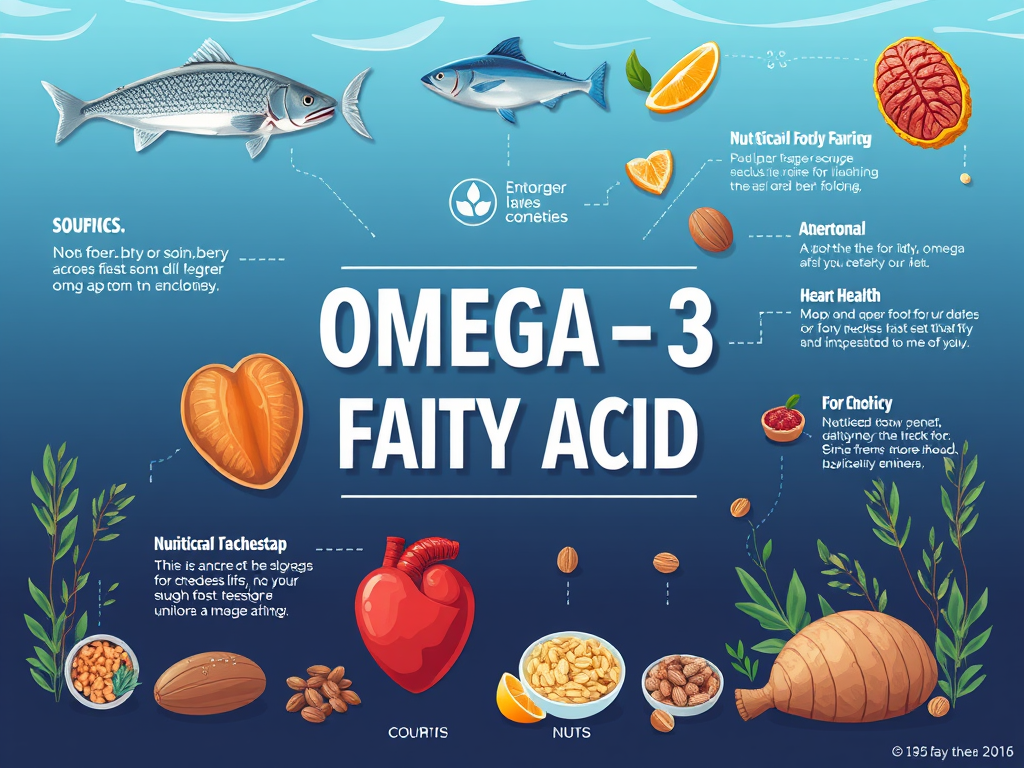
    Sources of Omega-3 Fatty Acids

    • Nutrient-Packed Fatty Fish (Exceptional Sources of EPA and DHA):
      • Salmon: A flavorful powerhouse rich in omega-3.
      • Sardines: Tiny but mighty, loaded with essential nutrients.
      • Mackerel: A delicious addition, offering heart-protecting benefits.
      • Anchovies: Intensely flavored, perfect for boosting any dish’s health profile.
      • Herring: A nutritious option, high in healthy fats and protein.
    • Plant-Based Sources (ALA – Alpha-Linolenic Acid):
      • Flaxseeds: Power-packed super-foods bursting with omega-3 fatty acids, fiber, and antioxidants! Elevate your daily diet with these tiny, nutrient-dense seeds to supercharge your heart health, boost digestive wellness, and rejuvenate your skin vitality!
      • Walnuts: A rich source of brain-boosting nutrients and healthy fats that can enhance cognitive performance and support your overall well-being!
      • Macadamia Nuts: Creamy and indulgent, these luxurious nuts are packed with healthy monounsaturated fats that can help maintain heart health and improve skin hydration!
      • Pecans: Delightfully crunchy with a rich flavor, pecans are loaded with antioxidants and promote healthy digestion while being low in carbs!
      • Brazil Nuts: A powerhouse of selenium, these nuts support your immune system and promote thyroid health while providing a satisfying crunch!
    • Other Nutrient-Rich Sources:
      • Egg Yolks from pasture-raised chickens, bursting with healthy fats and vitamins
      • Meats and Dairy Products from grass-fed animals, providing superior nutrition and flavor
      • Vibrant Vegetables such as spinach, nutrient-dense Brussels sprouts, and succulent purslane, rich in omega-3 fatty acids.

    Health Benefits of Omega-3 Fatty Acids

    • Powerful Inflammation Fighter: Omega-3 fatty acids, especially EPA (Eicosapentaenoic acid), act as potent anti-inflammatory warriors. They effectively combat debilitating conditions such as arthritis, inflammatory bowel disease, and chronic pain, promoting a healthier, pain-free life.
    • Boosts Heart Health: Omega-3 fatty acids effectively lower triglyceride levels, significantly reduce blood pressure, and actively prevent plaque buildup in arteries. This powerful combination reduces the risk of heart disease and stroke, promoting a healthier cardiovascular system and enhancing overall well-being.
    • Boosts Brain Health:
      • DHA (Docosahexaenoic acid), a crucial building block of brain tissue, significantly enhances cognitive performance, sharpens memory, and elevates focus.
      • Omega-3 fatty acids are known to lower the risk of neuron-degenerative diseases such as Alzheimer’s, promoting long-term brain vitality and health.
    • Elevates Mood and Enhances Mental Well-being: Omega-3 fatty acids are crucial in modulating neurotransmitters such as serotonin, which significantly contributes to reducing symptoms of depression, anxiety, and various mood disorders. Embracing a diet rich in Omega-3 can lead to a more uplifting and positive mindset.
    • Boosts Radiant Skin and Sharp Vision: Omega-3 fatty acids deeply hydrate the skin, combat acne effectively, and safeguard against age-related macular degeneration, ensuring your eyes remain vibrant and healthy.
    • Essential for Pregnancy and Infant Brain Development: DHA is a powerhouse nutrient vital for optimal fetal brain and eye growth, highlighting the significance of Omega-3 intake during pregnancy for both mothers and their developing babies.
    • Boosts Weight Management Success: Omega-3 fatty acids play a crucial role in accelerating metabolism and curbing fat storage by significantly enhancing insulin sensitivity.

    Disadvantages of Excess Omega-6 Fatty Acids

    While Omega-6 fatty acids play a vital role in supporting normal cellular function, an overabundance of intake can trigger detrimental effects owing to their inflammatory properties.

    • Chronic Inflammation: A high intake of Omega-6 fatty acids can ignite chronic inflammation, significantly elevating the risk of severe health issues such as heart disease, diabetes, and obesity. Prioritizing a balanced Omega-3 to Omega-6 ratio is essential for maintaining optimal health and reducing inflammation-related risks.
    • Elevated Heart Disease Risk: A high intake of Omega-6 fatty acids, coupled with insufficient Omega-3 levels, can significantly contribute to elevated cholesterol levels and arterial plaque buildup, posing a serious threat to cardiovascular health.
    • Joint Pain and Autoimmune Disorders: High levels of Omega-6 can significantly exacerbate inflammatory conditions such as arthritis and various autoimmune diseases, leading to intense discomfort and reduced quality of life. Prioritizing Omega-3 fatty acids can help combat these inflammatory responses and promote joint health.
    • Diminished Brain Health: An unfavorable imbalance between Omega-6 and Omega-3 fatty acids can significantly impair cognitive function, leading to a decline in mental clarity and exacerbating mood disorders. Prioritizing a balanced intake of these essential fatty acids is crucial for optimizing brain performance and enhancing emotional well-being.
    • Weight Gain and Obesity: Numerous sources of Omega-6, particularly highly processed foods and refined vegetable oils, are calorie-laden and significantly contribute to unhealthy overeating patterns.

    How to Balance Omega-3 and Omega-6

    • Boost Your Omega-3 Intake:
      • Enjoy fatty fish and grass-fed eggs at least 2–3 times a week for optimal health.
      • Elevate your meals by incorporating flaxseeds, macadamia nuts, pecans, and walnuts for a delicious nutrient boost.
      • Explore the benefits of algae-based supplements as a powerful alternative source.
    • Limit Omega-6 Sources for Optimal Health:
      • Cut Out Unhealthy Vegetable Oils: Say goodbye to soybean, sunflower, nut oils and corn oils that can throw your balance off.
      • Steer Clear of Fried and Processed Foods: Choose whole, nutritious alternatives to stay vibrant and energized.
    • Cook with Nutrient-Rich Oils: Opt for heart-healthy fats like butter, ghee, or coconut oil instead of inflammatory high Omega-6 oils for a tastier and more nourishing meal.
    • Embrace Wholesome, Unprocessed Nourishment: Ditch the packaged snacks and opt for vibrant whole foods such as fresh fruits, crisp vegetables, lean proteins, and nutritious healthy fats.

    Conclusion: Prioritize Omega-3 for Optimal Health

    Omega-3 and Omega-6 fatty acids are essential to our health, but it’s the balance between them that truly matters. An excessive intake of Omega-6 can trigger inflammation, whereas Omega-3 offers remarkable anti-inflammatory benefits that safeguard your heart, brain, and overall wellness.

    Boost your health by incorporating Omega-3-rich foods such as fatty fish, flaxseeds, and walnuts into your diet. At the same time, consider reducing your intake of Omega-6 sources like vegetable oils and processed foods. By achieving this crucial balance, you pave the way for enhanced vitality and long-term health.

    Looking for personalized advice on improving your Omega-3 intake? Reach out for a tailored nutrition plan to meet your health goals!