Tag: hair fall

  • Amenorrhea: How Diet and Lifestyle Affect Menstrual Health

    Amenorrhea: How Diet and Lifestyle Affect Menstrual Health

    Amenorrhea, a term that may be unfamiliar to many, represents a critical health issue that profoundly impacts women’s reproductive health. This condition is not merely characterized by the absence of a menstrual cycle; it often serves as a warning sign of deeper health complications, especially those tied to nutrition and lifestyle habits. As a dedicated nutritionist, I strive to illuminate the complexities of amenorrhea, exploring its myriad causes and emphasizing the necessity of a comprehensive, informed approach to weight loss for optimal well-being.
    Amenorrhea, signifying the absence of menstruation, can drastically influence a woman’s overall health. What may initially appear to be a minor inconvenience is often a red flag for serious underlying health concerns, particularly those associated with dietary choices and lifestyle factors. This article embarks on a thorough exploration of amenorrhea, examining its causes, symptoms, and the crucial importance of adopting a well-rounded approach to weight loss.

    What is Amenorrhea?

    Amenorrhea is defined as the absence of menstrual periods and is classified into two distinct types:

    • Primary Amenorrhea: This condition manifests when a girl has not experienced her first menstruation by the age of 15 or 16, raising concerns about puberty progression and reproductive health.
    • Secondary Amenorrhea: This condition arises when a woman who previously experienced regular menstrual cycles misses her periods for three or more consecutive months. It can be a significant indicator of underlying health issues, requiring attention and often leading to further assessments to uncover potential causes such as hormonal imbalances, stress, or significant weight changes.

    While certain instances of amenorrhea are perfectly natural—such as during pregnancy, breastfeeding, or menopause—other cases may signal underlying health concerns that warrant immediate attention.

    Symptoms of Amenorrhea

    The primary symptom is the absence of a menstrual cycle. However, women may experience additional symptoms depending on the underlying cause, such as:

    • Vaginal dryness
    • Mood disorders
    • Frequently feeling cold
    • Hair loss or thinning
    • Weight changes
    • Acne or unusual hair growth (hirsutism)
    • Headaches or vision changes
    • Pelvic pain
    • Fatigue and decreased energy levels

    Several factors can contribute to the development of amenorrhea:

    • Hormonal Imbalances: Conditions like Polycystic Ovary Syndrome (PCOS) and thyroid disorders significantly disrupt the delicate hormonal balance essential for maintaining regular menstruation. Understanding these conditions is crucial for effective management and restoring menstrual health.
    • Stress: Chronic stress affects the hypothalamus the brain region responsible for regulating menstrual cycles leading to disruptions.
    • Low Body Weight or Eating Disorders: Significant weight loss, anorexia, or bulimia can halt menstrual periods due to insufficient energy availability.
    • Excessive Exercise: Intense physical activity without adequate caloric intake can lead to energy deficits, causing menstrual irregularities.
    • Nutritional Deficiencies: Lack of essential nutrients can impair hormone production and menstrual function.

    The Impact of Crash Diets and Severe Calorie Restriction

    In the pursuit of swift weight loss, countless individuals turn to crash diets or extreme calorie cuts. Although these approaches may deliver immediate results on the scale, they often come at a significant cost to menstrual health:

    • Energy Deficiency: The human body necessitates a specific amount of energy to sustain essential physiological functions, including reproduction. Severe calorie restriction can push the body into a state of energy deficiency, leading it to conserve energy by suppressing reproductive functions. This can culminate in the occurrence of amenorrhea, a significant disruption in the menstrual cycle that signals deeper health concerns.
    • Hormonal Disruption: Adequate fat intake is crucial for the production of estrogen, a vital hormone in regulating the menstrual cycle. Low-calorie diets often lack sufficient healthy fats, which can lead to decreased estrogen levels and menstrual irregularities. Prioritizing the right fats is essential for maintaining hormonal balance and overall reproductive health.
    • Stress Response Activation: A drastic calorie reduction can trigger the body’s stress response, leading to a surge in cortisol levels. Elevated cortisol can significantly disrupt the hypothalamic-pituitary-ovarian axis, resulting in irregular menstrual cycles.

    These factors combined can lead to amenorrhea, impacting not just menstrual health but also long-term fertility and bone health. Research indicates that women who engage in restrictive diets and excessive exercise are at a higher risk of developing amenorrhea.

    A Long-Term Health Consequences of Amenorrhea

    While missing a period might seem benign, prolonged amenorrhea can lead to significant health issues:

    • Bone Density Loss: Estrogen is crucial for maintaining strong bones. When estrogen levels drop significantly due to amenorrhea, it can result in a notable decline in bone density, which significantly elevates the risk of osteoporosis and fractures. Prioritizing hormone health is essential to safeguard your skeletal integrity.
    • Infertility: The absence of regular ovulation significantly hampers conception, resulting in potential fertility challenges that can impact one’s journey to parenthood.
    • Cardiovascular Health Risks: Hormonal imbalances linked to amenorrhea can significantly threaten your heart health over time, leading to increased vulnerability to serious cardiovascular diseases. It’s crucial to address these hormonal issues to safeguard your circulatory system and maintain overall wellness.
    • Psychological Effects: The stress and anxiety stemming from missed periods can profoundly impact mental well-being, leading to heightened emotional distress and challenges in daily life.

    A study published in the Journal of Clinical Endocrinology & Metabolism emphasizes the importance of addressing amenorrhea promptly to mitigate these risks.

    Adopting a Balanced Approach to Weight Loss

    Achieving and maintaining a healthy weight is a commendable goal, but it’s essential to approach weight loss sustainably to prevent adverse health effects like amenorrhea. Here are strategies to consider:

    • Ensure Sufficient Caloric Intake: Steer clear of drastic calorie cuts! Instead, aim for a moderate calorie deficit that promotes steady weight loss while delivering ample energy for optimal bodily functions. Prioritize nourishing your body with nutrient-dense foods to support your health journey!
    • Maintain Nutritional Balance: Embrace a vibrant, balanced diet packed with nutritious whole foods! Prioritize lean proteins, healthy fats, and complex carbohydrates. This essential balance not only fuels your body but also enhances your overall health and hormonal harmony.
    • Monitor Exercise Intensity: While regular physical activity is undeniably beneficial, it’s vital to balance your workouts with adequate rest and proper nutrition. Over-exercising without sufficient fueling can lead to energy deficits and may contribute to menstrual irregularities. Ensure you listen to your body and prioritize recovery to maintain a healthy balance!
    • Seek Expert Guidance: Connect with healthcare professionals such as registered dietitians, nutritionist and physicians to craft a tailored nutrition and exercise strategy that not only aligns with your health goals but also effectively prevents potential complications like amenorrhea. Embrace the journey to optimal health with a specialized plan designed just for you!

    A groundbreaking review published in the Journal of Clinical Medicine underscores the crucial role of enhanced caloric intake in effectively restoring menstrual function in women suffering from amenorrhea caused by energy deficits.

    Final Thoughts and Key Takeaways

    Amenorrhea is a preventable condition, and women can embrace their health by prioritizing proper nutrition and informed weight-loss strategies. While crash diets and extreme calorie restrictions may promise rapid results, they often jeopardize long-term health. Instead, aim to focus on a balanced diet. Pay attention to your body’s signals. Consult with professionals to achieve your fitness goals and sustain holistic well-being. Women can reach their health and fitness aspirations by understanding the causes and consequences of amenorrhea. They can make informed lifestyle adjustments.

    Remember, your health is an investment, not an expense. Treat your body with the care it rightfully deserves!

  • Nutrition Tips for Preventing Hair Loss

    Nutrition Tips for Preventing Hair Loss

    Hair fall can be an incredibly distressing experience, heavily impacting confidence and self-esteem. While factors like genetics, stress, and hormonal imbalances play pivotal roles, the vital link between your diet and hair health cannot be overlooked. As a nutritionist, I frequently encounter individuals desperate for a miracle remedy to reverse hair loss, only to be lured in by products boasting unrealistic promises. In this blog, we’ll dive deep into the powerful correlation between nutrition and vibrant hair health, uncover effective supplements that promote hair growth, and determine whether regrowing lost hair is genuinely within reach.

    The Correlation Between Diet and Hair Fall

    Your hair is primarily composed of a vital protein known as keratin, and just like every other component of your body, it demands optimal nutrition to flourish and remain vibrant. When you face nutritional deficiencies, it can compromise your hair follicles, resulting in hair thinning and ultimately, excessive hair loss. Prioritizing your diet is essential for promoting healthy, luscious locks!

    Key Nutrients for Healthy Hair

    • Protein Power: Hair is predominantly composed of protein, making it essential for robust hair growth. Insufficient dietary protein can hinder hair development and contribute to increased shedding. To boost your hair’s vitality, incorporate excellent sources of protein into your meals, such as lean meats, fatty fish, nutritious eggs, creamy cheese, and premium whey protein isolate.
    • Iron: Iron deficiency is a leading culprit behind hair loss, especially in women. This vital mineral is essential for delivering oxygen to hair follicles, and when levels are low, it causes them to weaken and ultimately fall out. To combat this, incorporate iron-rich foods into your diet, such as red meat, spinach, lentils. Ensure you’re meeting your iron needs for luscious, healthy locks!
    • Biotin (Vitamin B7): Biotin is essential for vibrant keratin production and robust hair follicle health. A deficiency in this vitamin can result in fragile, brittle hair. You can boost your biotin intake by enjoying nourishing sources such as eggs, almonds, macadamia nuts, Brazil nuts, and sweet potatoes. Embrace biotin for luscious, resilient hair!
    • Vitamin D: Research shows a strong connection between vitamin D deficiency and Alopecia, a notable form of hair loss. This essential vitamin plays a vital role in stimulating the growth of new hair follicles. Embrace sunshine, consume Di-fortified foods, and indulge in fatty fish to ensure your levels are optimal!
    • Zinc: Essential for vibrant hair health, Zinc plays a crucial role in supporting the oil glands surrounding hair follicles. A deficiency can lead to significant hair loss and various scalp issues. Boost your intake through nutrient-rich sources like oysters, pumpkin seeds, and whole grains for optimal hair vitality.
    • Omega-3 Fatty Acids: Abundant in rich, fatty fish such as salmon, omega-3 are essential for revitalizing hair and promoting robust follicle health. These powerful nutrients not only enhance shine and strength but also help to reduce hair loss and foster a lush, vibrant mane.
    • Vitamin C: Vitamin C is a powerhouse nutrient that boosts iron absorption and collagen production, both crucial for achieving strong, vibrant hair. Elevate your diet by incorporating citrus fruits, blueberries, strawberries, and colorful bell peppers to support your hair’s health and shine.

    Supplements That Support Hair Health

    When diet alone isn’t sufficient, supplements can fill nutritional gaps. However, it’s essential to use them under the guidance of a healthcare professional.

    • Vital Vitamins for Hair Health: Essential vitamins, such as biotin, zinc, iron, and vitamin D, play a crucial role in combating deficiencies that can lead to hair loss. Prioritizing these nutrients can significantly enhance hair strength and promote luscious growth.
    • Collagen Peptides: Unlock the secret to luscious locks with collagen supplements! These powerful peptides not only strengthen your hair but also enhance its texture, providing essential amino acids vital for robust keratin production. Elevate your hair health and experience the transformation!
    • Omega-3 Fatty Acid Supplements: Fish oil or flaxseeds oil supplements to enhance scalp health and diminish inflammation, promoting a thriving environment for vibrant hair growth.
    • Iron Supplements: Essential for those battling iron-deficiency anemia, iron supplements serve as a powerful ally in revitalizing hair growth and boosting overall vitality.
    • Biotin: Biotin supplements! Not only do they promote enhanced hair strength, but their remarkable effects are especially noticeable for those who may be deficient in this essential nutrient. Embrace fuller, healthier hair with the right support!

    Is Regrowing Lost Hair Possible?

    • Temporary Hair Loss (Telogen Effluvium): This type of hair loss, often caused by stress, illness, or nutritional deficiencies, is usually reversible. Once the underlying cause is addressed, hair regrowth typically occurs.
    • Pattern Baldness (Androgenetic Alopecia): This is a genetic condition commonly seen in men and women. While treatments like minoxidil and finasteride can slow the progression, regrowing hair in completely bald areas is unlikely.
    • Scarring Alopecia: Conditions that damage hair follicles permanently, such as scarring Alopecia, do not allow for natural regrowth.
    • Hair Loss Due to Illness or Hormonal Changes: Hair loss related to pregnancy, menopause, or thyroid disorders often resolves with proper treatment and hormone balance.

    Why Most “Hair Regrowth” Products Are a Waste of Money

    The market is saturated with an overwhelming array of shampoos, oils, and pills boldly promising to regrow lost hair. Yet, the reality is that most of these products provide little more than fleeting scalp hydration or superficial shine enhancement. Here’s the truth behind their ineffectiveness:

    • Hair Follicles Cannot Be Revived Once Dead: If hair follicles have become inactive or scarred (as in advanced baldness), no topical product can bring them back to life.
    • Unregulated Ingredients: Many products contain unverified or poorly studied ingredients that have no proven effects on hair regrowth.
    • Marketing Hype: These products rely heavily on emotional marketing, often exploiting the vulnerability of individuals struggling with hair loss.
    • No Address of Root Causes: Most products don’t address the underlying causes of hair loss, such as hormonal imbalances or nutritional deficiencies.

    The Role of Lifestyle in Hair Health

    • Reduce Stress: Chronic stress can push hair follicles into a resting phase, causing shedding. Practice mindfulness, yoga, or meditation to manage stress.
    • Avoid Harsh Treatments: Limit the use of heat styling tools, chemical treatments, and tight hairstyles that can damage hair.
    • Stay Hydrated: Proper hydration is crucial for maintaining scalp health and preventing brittle hair.
    • Exercise Regularly: Physical activity improves circulation, ensuring that hair follicles receive adequate nutrients and oxygen.

    The Bottom Line

    Hair fall is often a clear indicator of underlying imbalances within the body. Unfortunately, there is no miracle product or quick fix that can substitute the crucial role of a balanced diet, a healthy lifestyle, and targeted supplementation. While regrowing lost hair may be achievable under specific conditions, you can always take proactive steps to enhance the health of your existing hair and prevent further loss.

    Instead of falling for the allure of miracle solutions, prioritize nourishing your body from the inside out. Remember, vibrant, luscious hair begins with a healthier you. Embrace the journey of self-care and let it shine through your beautiful locks!

  • The Truth About Fats: Myths vs. Facts

    The Truth About Fats: Myths vs. Facts

    As a nutritionist, I frequently encounter misconceptions surrounding fats. With countless diet trends unfairly demonizing these vital nutrients, it’s crucial to emphasize that not all fats are detrimental. In fact, fats are an essential macronutrient that plays a pivotal role in fostering optimal health and well-being.

    Let’s delve into the world of essential fats, uncover the various types of fats, explore their multitude of health benefits, and discuss the consequences of a diet deficient in dietary fat. Understanding these elements will empower you to make informed dietary choices that promote long-term health and vitality.

    What Are Essential Dietary Fats?

    Essential dietary fats are vital components that your body can’t produce on its own, making it crucial to obtain them through your diet. These indispensable fats include:

    1. Omega-3 Fatty Acids

      Omega-3 is renowned for their powerful benefits in promoting brain health, supporting heart function, and reducing inflammation. Foods rich in omega-3, such as fatty fish, walnuts, egg yolk and flaxseeds, are essential for maintaining optimal wellness.
    2. Omega-6 Fatty Acids

      Omega-6 play a crucial role in cell growth, hormone production, and overall health. Common sources include, nuts, and seeds, which contribute to maintaining a balanced diet when consumed in moderation.

    These polyunsaturated fats are essential for numerous bodily functions, and incorporating them into your daily meals can lead to improved overall health and well-being. Prioritizing these fats in your diet helps ensure your body operates effectively and maintains optimal health.

    Types of Dietary Fats

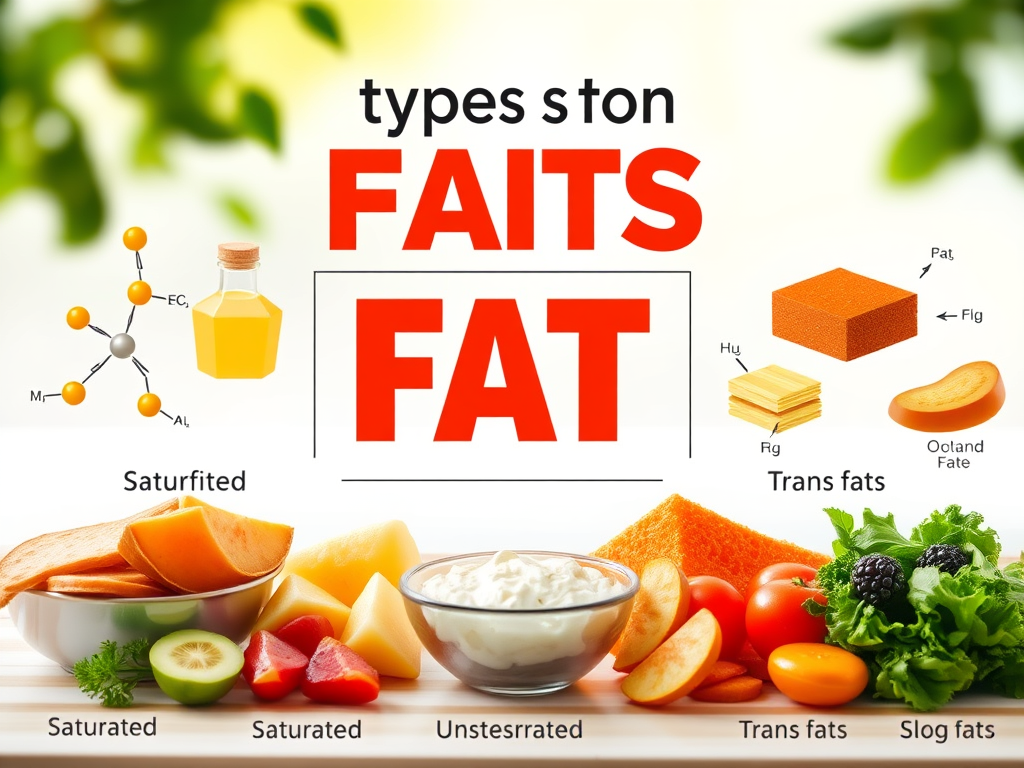
    Dietary fats are divided into four main types:

    • Unsaturated Fats (The Heart-Healthy Fats):
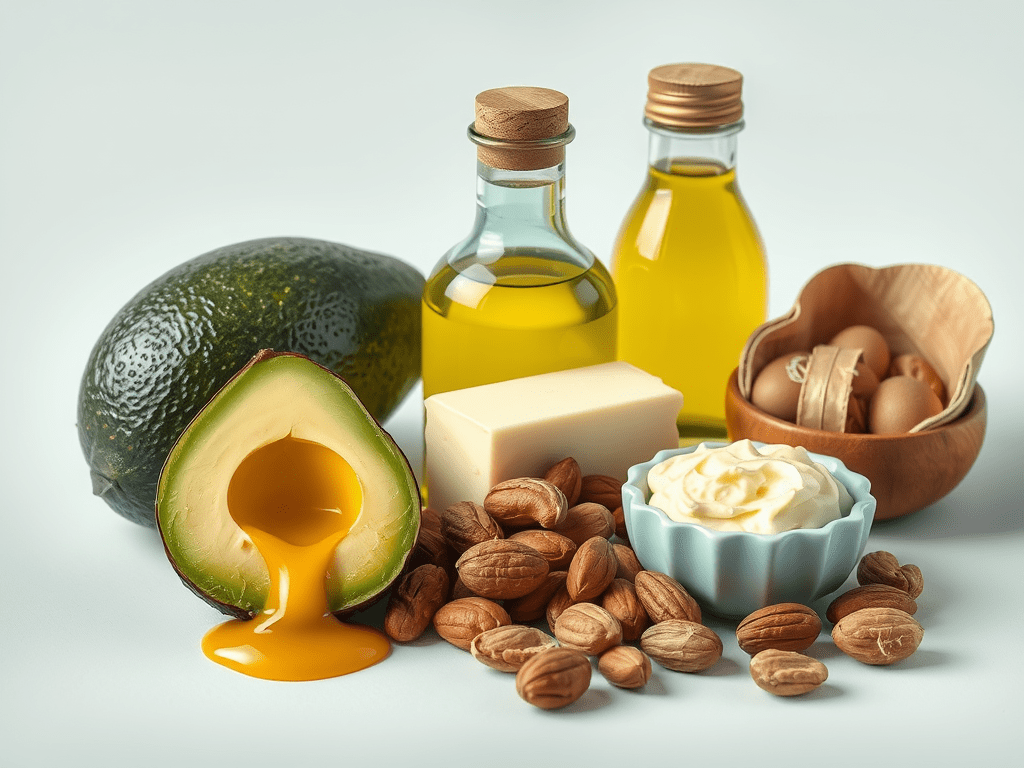
      • Monounsaturated Fats: Discover the power of monounsaturated fats, abundant in olive oil, avocados, and nuts. These beneficial fats can help lower bad cholesterol levels!
      • Polyunsaturated Fats: Embrace the diverse world of polyunsaturated fats, which include Omega-3 and Omega-6 fatty acids. These essential nutrients are eager to support your health and are found in wild-caught fish, nutty flaxseeds, brain-boosting walnuts, and oils like sunflower and soybean oil.
    • Saturated Fats (Moderation is Key!): Predominantly sourced from animal products such as rich butter, hearty red meat, and creamy cheese, saturated fats also come from tropical oils like coconut oil. While not inherently “bad,” it’s crucial to enjoy these flavorful fats in moderation for cooking purposes because of their high burning temperature.
    • Trans Fats (The Unhealthy Fats to Avoid): Trans fats are artificially created during the food processing phase, primarily found in hydrogenated oils prevalent in many fried and processed foods. These harmful fats significantly raise the risk of heart disease, making it crucial to limit their intake for a healthier lifestyle. Avoiding trans fats is a vital step towards maintaining your heart health and overall well-being.

    Why Do We Need Dietary Fat?

    Fats are not merely a source of calories; they are essential allies in promoting your overall health and vitality. Here’s how healthy fats can transform and revitalize your body:

    • Energy Source: Fats deliver an impressive 9 calories per gram, positioning them as the most energy-dense macronutrient available. This sustained energy is vital, particularly in diets like keto, where healthy fats serve as the primary fuel, supporting endurance and overall vitality.
    • Crucial for Brain Health: Did you know your brain is composed of nearly 60% fat? Essential fatty acids, particularly Omega-3 (DHA), are indispensable for optimal brain function, enhancing memory, and boosting cognitive performance. Prioritize your brain health with these vital nutrients!
    • Essential Hormone Production: Fats are crucial for the synthesis of vital hormones, including testosterone and estrogen, as well as a host of other powerful steroid hormones that regulate numerous bodily functions and enhance overall health.
    • Nutrient Absorption: The powerful role of fat-soluble vitamins A, D, E, and K cannot be overstated; these essential nutrients require fats for optimal absorption in your body. Without an adequate intake of healthy fats, your body may face challenges in absorbing these crucial vitamins, potentially impacting your overall health and well-being.
    • Cell Structure: Fats play a crucial role in the formation and stability of cell membranes, ensuring their integrity and optimal function in sustaining cellular health and communication.
    • Powerful Inflammation Fighter: Omega-3 fatty acids are renowned for their exceptional anti-inflammatory properties. They play a crucial role in promoting heart health, alleviating joint pain, and significantly lowering the risk of chronic diseases.

    What Happens When You Don’t Get Enough Fat?

    A deficiency in dietary fat can trigger a range of serious health issues, such as impaired nutrient absorption, hormone imbalances, and increased risk of chronic diseases.

    • Revitalize Your Skin and Hair: Essential fats play a crucial role in nourishing your skin and hair, preventing dryness and flakiness. A deficiency in these vital fats can result in irritating eczema and brittle hair, leading to lackluster appearance. Prioritize healthy fats to unlock vibrant skin and luscious locks!
    • Hormonal Imbalances: Insufficient fat intake can severely disrupt hormone production, leading to alarming menstrual irregularities, unpredictable mood swings, and diminished libido. Prioritizing healthy fats is crucial for maintaining hormonal balance and overall well-being.
    • Vitamin Deficiencies: Insufficient fat intake hampers your body’s ability to absorb essential fat-soluble vitamins—namely A, D, E, and K. This deficiency can result in serious health issues such as night blindness due to a lack of vitamin A or fragile bones caused by inadequate vitamin D levels. Prioritizing healthy fats is crucial for maintaining optimal vitamin absorption and overall health.
    • Impaired Cognitive Performance: Insufficient Omega-3 fatty acids can lead to debilitating brain fog, memory lapses, and heightened susceptibility to mental health challenges, such as depression and anxiety. Prioritizing Omega-3 intake is vital for bolstering mental clarity and emotional resilience.
    • Weakened Immune System: Vital fats are crucial for empowering your immune system. A deficient intake can severely diminish your capacity to combat infections effectively. Prioritize these essential nutrients to fortify your defenses and maintain robust health!

    Sources of Healthy Dietary Fats

    To truly nourish your body and optimize your health, incorporate these essential, nutrient-dense, fat-rich foods into your diet:

    • Powerful Omega-3 Sources: Savory fatty fish like salmon, sardines, and mackerel; nutrient-dense flaxseeds; and delicious walnuts. Discover the health benefits they bring to your diet!
    • Omega-6 Fatty Acid Powerhouses: Unleash the health benefits of nutritious nuts and vibrant seeds packed with essential Omega-6 fatty acids!
    • Monounsaturated Fats: Unlock the health benefits of heart-friendly fats found in extra virgin olive oil, luscious avocados, crunchy almonds, and satisfying peanuts. Incorporate these nutritious treasures into your diet for a boost in overall well-being!
    • Nourishing Saturated Fats: Unlock the power of coconut oil, indulge in grass-fed butter (in moderation for optimal health), and enjoy the goodness of pasture-raised eggs for a balanced diet rich in healthy fats.

    Conclusion: Embrace Fats Wisely

    Dietary fats play a vital role in maintaining a healthy body and sharp mind. Steer clear of harmful processed trans fats, moderate your intake of saturated fats, and prioritize heart-healthy unsaturated fats, especially Omega-3 and Omega-6 fatty acids. By embracing a diverse range of nutritious fats in your diet, you can enhance energy production, promote hormonal balance, boost brain function, and elevate your overall well-being. Remember, fat is not your enemy—it’s a crucial ally in your journey toward a healthy, vibrant life.

    Looking for tailored nutrition advice or personalized meal planning? Reach out today to transform your diet and achieve your unique health goals with expert guidance!