Tag: food

  • Balanced Diet: Essential Micronutrients and Macronutrients

    Balanced Diet: Essential Micronutrients and Macronutrients

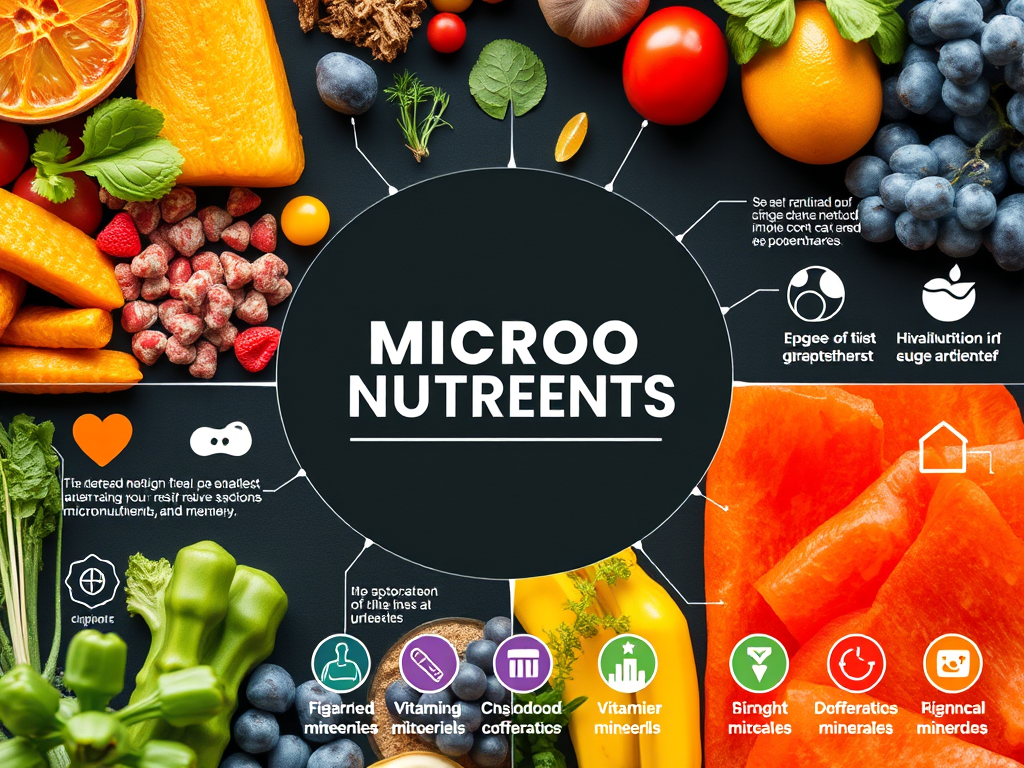
    To maintain energy and stay healthy, your diet should provide essential micronutrients like vitamins and minerals. It should also include macronutrients such as proteins, fats, and carbohydrates. This blog introduces a balanced variation. It includes small amounts of quality carbohydrates to support daily energy needs. This approach does not disrupt fat metabolism. We will focus on nutrient-dense whole foods that support sustained energy and optimal health.

    Why Nutrient-Dense Foods Matter?

    • Micronutrients: Essential for boosting immunity, enhancing energy production, and promoting overall well-being.
    • Macronutrients: The vital source of energy and building blocks your body requires for optimal functioning.
    • Grain-Free Advantage: Steering clear of grains and refined carbs helps:
      • Prevent blood sugar spikes
      • Promote gut health
      • Support long-lasting energy levels

    Core Principles of a Balanced Diet

    • Emphasize Healthy Fats (50-60% of Daily Calories)Why?: Fats provide a steady energy source and are essential for brain health, hormone production, and cell function.
      • Best Source Of Fats
        • Avocado
        • Coconut Oil
        • Ghee (Clarified Butter)
        • Extra Virgin Olive Oil
        • Nuts (Almonds, Macadamia Nuts, Walnuts, Pecans)
        • Fatty Fish (Salmon, Sardine, Mackerei)
        • Butter
    • Focus on High-Quality Proteins (25-30%) – Protein is essential for muscle repair, immune function, and maintaining metabolic health.
      • Best Sources Of Protein
        • Free – Range Eggs
        • Organic Chicken & Turkey
        • Wild Caught Fish
        • Organic Lamb & Beef
        • Indian Cheese
        • Parmesan & Gouda Cheese
        • Full Fat Dairy Products
        • Whey Protein Isolate (Check Labels to Avoid Any Preservatives & Sugar)
    • Include Fiber-Rich, Low-Carbs Vegetables (10-15%) – Non-starchy vegetables provide vital vitamins, minerals, and fiber without the blood sugar spikes.
      • Best Sources
        • Leafy Green Vegetables (Spinach, Arugula, Celery)
        • Cruciferous Vegetables (Cabbage, Broccoli, Brussels Sprouts, Bok Choy)
        • Zucchini, Mushroom, Lady Fingers, Asparagus
        • Bell Pepper & Cucumber
        • Ginger, Garlic, Onion & Lemon
    • Incorporate Natural Carbs Source In Moderation – Include whole food source of carbs. this will support post/pre workout energy levels without the needs of refined grains or carbs.
      • Best Source Of Carbs
        • Sweet Potatoes
        • Pumpkin
        • Beets
        • Berries (Blueberries, Raspberries & Strawberries)

    Essential Micronutrients to Include

    • Vitamin C – Bell Pepper, Citrus Fruits & Broccoli.
    • Magnesium – Spinach, Nuts, Dark Chocolate (80% or above).
    • Vitamin D – Sunlight, Fatty Fish & Egg Yolk.
    • Potassium – Avocado, Leafy Greens, Sweet Potato, Pumpkin.
    • Iron – Red Meat, Spinach & Pumpkin Seeds.

    Sample Of 1 day Meal Plan

    • Breakfast – 2 eggs Or 150 g of Indian Cheese + A side of sauteed mushrooms + 1/2 Avocado.
    • Snack – Mix of Nuts ( Pecan & Macadamia Nuts as they are low in calories).
    • Lunch – Grilled Salmon or Chicken Roasted with Spinach Or A mixed greens salad with olive oil and lemon dressing.
    • Snack – A cucumber with guacamole dip Or 1 scoop of Whey Isolate.
    • Dinner – Grass Fed Chicken/beef/lamb/Indian cheese + Mashed cauliflower with season herbs & spices + Steam Broccoli.
    • Snack (optional) – Fresh berries with coconut cream.

    Why This Works?

    • Steady Energy: Healthy fats and protein prevent energy crashes, while low-carbs vegetables and natural carbs provide fiber and micronutrients.
    • Improved Digestion: Avoiding grains supports gut health, reducing bloating and inflammation.
    • Nutritional Density: Whole foods pack essential nutrients without the empty calories of refined carbs.

    • Meal Prep: Keep your fridge stocked with pre-washed veggies, cooked proteins, and ready-to-eat snacks.
    • Stay Hydrated: Drink plenty of water and consider adding electrolytes to maintain balance.
    • Listen to Your Body: Adjust portions of fats, proteins, and carbs based on your energy demands and activity levels.

    Empower Your Health – Fuel your body with whole, nutrient-rich foods for peak performance. This powerful nutrition strategy keeps you energized all day long, promotes lasting health, and fosters sustainability. Discover the flexibility that makes it easy to maintain your commitment in the long run.

    What are your favorite meals? Share your ideas and tips in the comments below!

  • Essential Guide to Vitamins: Types and Usage

    Essential Guide to Vitamins: Types and Usage

    In my previous blog, I explored the pivotal topic of who should use vitamins and when to incorporate them into your routine. In this blog, we will delve into the essential usage of different vitamins and reveal how to supplement them effectively for maximum benefits. Discover which vitamins are fat-soluble (these get absorbed better with fats) and which ones are water-soluble. Unlock the secrets to enhancing your health by understanding these vital nutrients! Below is the link for my previous blog.

    When to Use Vitamins: Myths vs. Facts

    Types of Vitamins:

    1. Fat Soluble Vitamins: A, D, E & K
      • These vitamins are found in foods containing fats as a macronutrient.
      • These get better absorbed in the body with dietary fats.
      • Fat soluble vitamin requires protein carriers to transport them from bloodstream to the cells.
    2. Water Soluble Vitamins: B-complex & Vitamin C
      • Food sources like fish, meat, poultry and eggs are rich in B vitamins.
      • After absorption they get transported via the bloodstream to the various body cell.
      • They are generally not stored in the body. Except Vitamin B-12.

    Optimizing Vitamin Use: Key Selection Tips and Dosage Guidelines:-

    1. Vitamin E– A potent antioxidant as it can fight the damaging effects of the hydroxyl radicals.
      • It comes in 8 different variants, the most biological & digestible is Alpha-Tocopherol.
      • Immune cell membranes are always at high risk of oxidative damage. Vitamin E plays an important role in maintaining the immune system.
      • Suggested Dosage: 600 – 800 Iu per day, Post workout or Bed Time.
    2. Vitamin C– It is found in the water filled parts of the body. These parts include plasma fluid, intracellular space, and white blood cells of the immune system.
      • It is an effective antioxidant and protect against hydroxyl, superoxide & hydrogen peroxide.
      • Build up immune system against upper respiratory infection (cold & cough).
      • Helps recycle Vitamin E.
      • Suggested Dosage: 200 – 400 mg per day (always check that it should contain bioflavonoids & rose hip extract.)
    3. Calcium: Technically calcium is a mineral not a vitamin. It is naturally found in both bone & teeth as calcium hydroxyapatite.
      • It is linked with the formation & metabolism of bone.
      • To bone & teeth, it provides hard tissue with its strength.
      • It is important for certain physiological functions such as muscle contraction, nerve transmission and more.
      • Lower Level of Blood Calcium: Can lead to muscle cramps, spasms or tingling sensation. The body starts taking the calcium from bones and weakens the bone. Severe low calcium can cause irregular heartbeats or confusion.
      • High Level of Blood Calcium: It makes it harder for nerves and muscles to work properly. This leads to muscle weakness, tiredness, or confusion. It can also get stores in Kidney as Kidney stones.
      • Suggested Dosage: 500 mg of calcium citrate malate twice per day with Vitamin K2 – Mk7 (200mcg twice a day).
    4. Vitamin D: It is an important vitamin. It is also one of the easiest vitamins to absorb in the body. To do this, one should go out in the sun regularly during sunrise.
      • It helps in the absorption of calcium & phosphorus in intestine.
      • Osteomalacia in adults, leading to poor bone density and muscular weakness.
      • Impaired wound healing.
      • Slow down the absorption of carbohydrate in body.
      • Suggested Dosage: 70k iu per week inject-able dosage by medical professional.
    5. Vitamin K: Originally identified for its role in the process of blood clot formation. There are two forms of it:-
      • Vitamin K1 (Phylloquinone): Assist in Blood Clotting.
      • Vitamin K2 (Menaquinone): Promote calcium deposition in the bones. Menaquinones are generally synthesized by body but are not that bioavailable in market.

    Except for all the terms mentioned above, when purchasing vitamins, always ensure to closely examine the key ingredients list to confirm that what you’re buying is truly a vitamin. Many local and international brands offer vitamins that may contain unnecessary additives like starch, gelatin, corn syrup, rice extracts, sugar, and artificial colors. I strongly encourage everyone to invest a little more in order to choose high-quality, essential products that truly benefit your health. For further information, please feel free to reach out to me at my email: msbedi3@gmail.com.

  • When to Use Vitamins: Myths vs. Facts

    When to Use Vitamins: Myths vs. Facts

    Vitamins are essential nutrients that play a vital role in keeping our bodies healthy. However, the world of vitamins is often clouded by myths and misconceptions. People often misuse supplements without understanding their actual needs, which can lead to more harm than good. This blog will explore common misconceptions about vitamins and offer guidance on when and why to use them effectively

    Common Misconceptions About Vitamin

    • More Is Always Better– Many people believe that taking higher doses of vitamins is always beneficial. However, excessive intake of certain vitamins, especially fat-soluble ones like A, D, E, and K, can lead to toxicity. For instance, taking too much vitamin D may increase calcium in your blood. This can lead to kidney damage and other health problems.
    • Vitamins Can Replace a Balanced Diet– Vitamins are supplements, not substitutes. A well-balanced diet provides a complex mix of nutrients, fiber, and antioxidants that supplements can’t replicate. Taking vitamins without addressing poor dietary habits is like patching a leaky pipe without fixing the source.
    • Vitamins Are Cure-All– Many believe that vitamins can prevent or cure illnesses, like the common cold or chronic diseases. While vitamins like C or D play a role in supporting immune capability, they are not magic pills. For instance, vitamin C may slightly reduce the duration of colds, but it cannot prevent them entirely.
    • Natural Vitamins Are Always Better– Natural sources of vitamins, such as fruits and vegetables, are excellent. However, many supplements labeled “natural” do not provide any additional benefit over their synthetic counterparts. Synthetic vitamin C (ascorbic acid) is chemically identical to the natural form. Your body processes in the same way.
    • Everyone Needs a Multivitamin– It’s a common misconception that everyone benefits from taking multivitamins. If you’re eating a balanced diet, a multivitamin might be unnecessary. Over-supplementation can lead to an excess of certain nutrients, which may be harmful.

    When and Why Should You Use Vitamins?

    • To Address Dietary Deficiencies– Not everyone gets all the vitamins they need through food alone. In cases of deficiencies, supplements can help:-
      • Vitamin D– Limited sun exposure can reduce vitamin D absorption. High levels of melanin pigment can also affect vitamin D levels. Not eating foods that support the absorption of vitamin D can further decrease its levels.
      • Iron– For individuals with anemia or heavy menstrual bleeding.
      • Vitamin B12– A major reason for vitamin B deficiency comes from eating food high in pesticides. These chemicals spoil the minerals from the soil. This makes them vitamin deficient. Majority of vegans are also at a high risk of vitamin b12
    • For Special Populations– Certain groups have unique nutritional needs that make supplementation necessary:-
      • Pregnant Women– In certain cases, pregnant women need to supplement extra vitamins. This is necessary if they are eating foods lacking enough vitamins to support the baby’s growth. It may also be needed if their body is not able to absorb vitamins through food.
      • Older Adult-: Vitamin D and calcium help keep bone health, while B12 supplementation is often necessary due to reduced absorption.
      • Athletes– Active individuals may benefit from magnesium, zinc, and B-complex vitamins to support energy production and recovery.
    • To Manage Specific Health Conditions– Chronic illnesses or medications can lead to vitamin deficiencies:-
      • People with Celia disease or Crohn’s disease may need vitamins A, D, E, K, and B12.
      • Long-term use of medications like metformin or proton pump inhibitors can reduce vitamin B12 levels.
    • Due to Lifestyle Factors– Lifestyle choices and habits may increase vitamin needs:
      • Smokers need more vitamin C due to higher oxidative stress.
      • Vegans and vegetarians may require B12, iron, and omega-3 supplements to make up for nutrients typically found in animal products.
    • As Preventive Health Measures– Sometimes, supplements can support overall well-being:
      • Omega-3 fatty acids for heart health.
      • Vitamin D for immune support and bone health, especially in regions with limited sunlight.
      • Probiotics to promote gut health.

    I hope the above knowledge has provided you some insight related to vitamins. You now know how and when to consume them. In my next blog, I’ll share details on how to combine one or more vitamins to get the best results. I’ll also discuss which vitamin helps in overcoming what deficiency. In the meantime, explore my previous blog sections. They cover various topics that will help you in your daily life.