Tag: fitness

  • Balanced Diet: Essential Micronutrients and Macronutrients

    Balanced Diet: Essential Micronutrients and Macronutrients

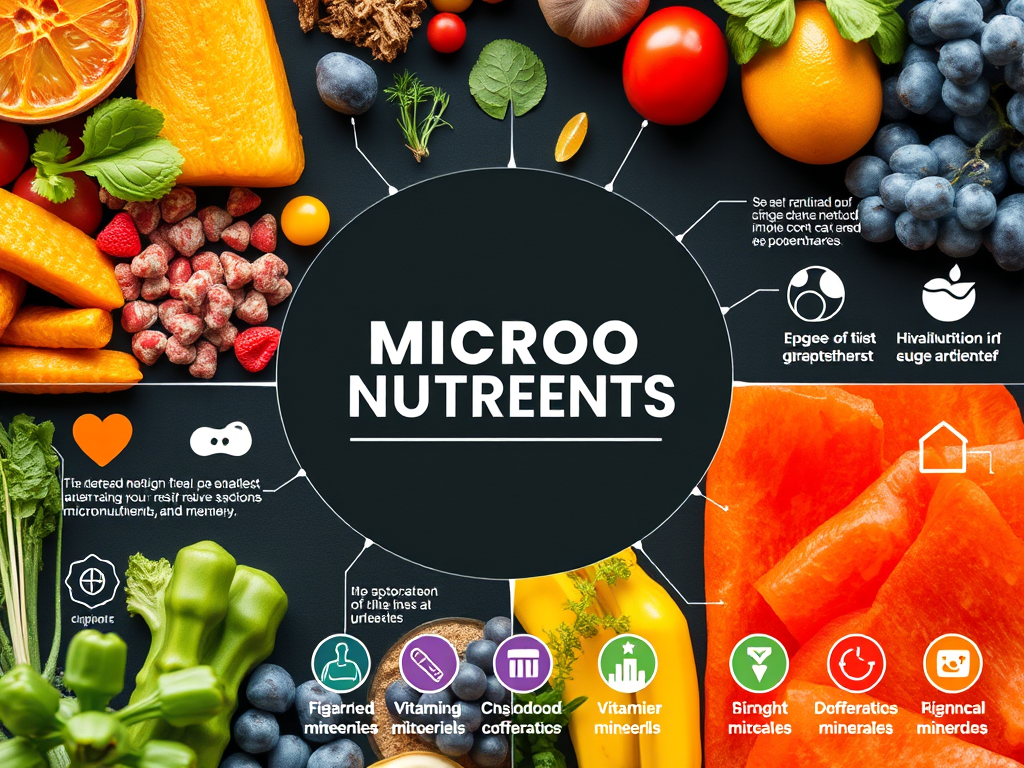
    To maintain energy and stay healthy, your diet should provide essential micronutrients like vitamins and minerals. It should also include macronutrients such as proteins, fats, and carbohydrates. This blog introduces a balanced variation. It includes small amounts of quality carbohydrates to support daily energy needs. This approach does not disrupt fat metabolism. We will focus on nutrient-dense whole foods that support sustained energy and optimal health.

    Why Nutrient-Dense Foods Matter?

    • Micronutrients: Essential for boosting immunity, enhancing energy production, and promoting overall well-being.
    • Macronutrients: The vital source of energy and building blocks your body requires for optimal functioning.
    • Grain-Free Advantage: Steering clear of grains and refined carbs helps:
      • Prevent blood sugar spikes
      • Promote gut health
      • Support long-lasting energy levels

    Core Principles of a Balanced Diet

    • Emphasize Healthy Fats (50-60% of Daily Calories)Why?: Fats provide a steady energy source and are essential for brain health, hormone production, and cell function.
      • Best Source Of Fats
        • Avocado
        • Coconut Oil
        • Ghee (Clarified Butter)
        • Extra Virgin Olive Oil
        • Nuts (Almonds, Macadamia Nuts, Walnuts, Pecans)
        • Fatty Fish (Salmon, Sardine, Mackerei)
        • Butter
    • Focus on High-Quality Proteins (25-30%) – Protein is essential for muscle repair, immune function, and maintaining metabolic health.
      • Best Sources Of Protein
        • Free – Range Eggs
        • Organic Chicken & Turkey
        • Wild Caught Fish
        • Organic Lamb & Beef
        • Indian Cheese
        • Parmesan & Gouda Cheese
        • Full Fat Dairy Products
        • Whey Protein Isolate (Check Labels to Avoid Any Preservatives & Sugar)
    • Include Fiber-Rich, Low-Carbs Vegetables (10-15%) – Non-starchy vegetables provide vital vitamins, minerals, and fiber without the blood sugar spikes.
      • Best Sources
        • Leafy Green Vegetables (Spinach, Arugula, Celery)
        • Cruciferous Vegetables (Cabbage, Broccoli, Brussels Sprouts, Bok Choy)
        • Zucchini, Mushroom, Lady Fingers, Asparagus
        • Bell Pepper & Cucumber
        • Ginger, Garlic, Onion & Lemon
    • Incorporate Natural Carbs Source In Moderation – Include whole food source of carbs. this will support post/pre workout energy levels without the needs of refined grains or carbs.
      • Best Source Of Carbs
        • Sweet Potatoes
        • Pumpkin
        • Beets
        • Berries (Blueberries, Raspberries & Strawberries)

    Essential Micronutrients to Include

    • Vitamin C – Bell Pepper, Citrus Fruits & Broccoli.
    • Magnesium – Spinach, Nuts, Dark Chocolate (80% or above).
    • Vitamin D – Sunlight, Fatty Fish & Egg Yolk.
    • Potassium – Avocado, Leafy Greens, Sweet Potato, Pumpkin.
    • Iron – Red Meat, Spinach & Pumpkin Seeds.

    Sample Of 1 day Meal Plan

    • Breakfast – 2 eggs Or 150 g of Indian Cheese + A side of sauteed mushrooms + 1/2 Avocado.
    • Snack – Mix of Nuts ( Pecan & Macadamia Nuts as they are low in calories).
    • Lunch – Grilled Salmon or Chicken Roasted with Spinach Or A mixed greens salad with olive oil and lemon dressing.
    • Snack – A cucumber with guacamole dip Or 1 scoop of Whey Isolate.
    • Dinner – Grass Fed Chicken/beef/lamb/Indian cheese + Mashed cauliflower with season herbs & spices + Steam Broccoli.
    • Snack (optional) – Fresh berries with coconut cream.
    Why This Works?

    • Steady Energy: Healthy fats and protein prevent energy crashes, while low-carbs vegetables and natural carbs provide fiber and micronutrients.
    • Improved Digestion: Avoiding grains supports gut health, reducing bloating and inflammation.
    • Nutritional Density: Whole foods pack essential nutrients without the empty calories of refined carbs.

    • Meal Prep: Keep your fridge stocked with pre-washed veggies, cooked proteins, and ready-to-eat snacks.
    • Stay Hydrated: Drink plenty of water and consider adding electrolytes to maintain balance.
    • Listen to Your Body: Adjust portions of fats, proteins, and carbs based on your energy demands and activity levels.

    Empower Your Health – Fuel your body with whole, nutrient-rich foods for peak performance. This powerful nutrition strategy keeps you energized all day long, promotes lasting health, and fosters sustainability. Discover the flexibility that makes it easy to maintain your commitment in the long run.

    What are your favorite meals? Share your ideas and tips in the comments below!

  • Essential Guide to Vitamins: Types and Usage

    Essential Guide to Vitamins: Types and Usage

    In my previous blog, I explored the pivotal topic of who should use vitamins and when to incorporate them into your routine. In this blog, we will delve into the essential usage of different vitamins and reveal how to supplement them effectively for maximum benefits. Discover which vitamins are fat-soluble (these get absorbed better with fats) and which ones are water-soluble. Unlock the secrets to enhancing your health by understanding these vital nutrients! Below is the link for my previous blog.

    When to Use Vitamins: Myths vs. Facts

    Types of Vitamins:

    1. Fat Soluble Vitamins: A, D, E & K
      • These vitamins are found in foods containing fats as a macronutrient.
      • These get better absorbed in the body with dietary fats.
      • Fat soluble vitamin requires protein carriers to transport them from bloodstream to the cells.
    2. Water Soluble Vitamins: B-complex & Vitamin C
      • Food sources like fish, meat, poultry and eggs are rich in B vitamins.
      • After absorption they get transported via the bloodstream to the various body cell.
      • They are generally not stored in the body. Except Vitamin B-12.

    Optimizing Vitamin Use: Key Selection Tips and Dosage Guidelines:-

    1. Vitamin E– A potent antioxidant as it can fight the damaging effects of the hydroxyl radicals.
      • It comes in 8 different variants, the most biological & digestible is Alpha-Tocopherol.
      • Immune cell membranes are always at high risk of oxidative damage. Vitamin E plays an important role in maintaining the immune system.
      • Suggested Dosage: 600 – 800 Iu per day, Post workout or Bed Time.
    2. Vitamin C– It is found in the water filled parts of the body. These parts include plasma fluid, intracellular space, and white blood cells of the immune system.
      • It is an effective antioxidant and protect against hydroxyl, superoxide & hydrogen peroxide.
      • Build up immune system against upper respiratory infection (cold & cough).
      • Helps recycle Vitamin E.
      • Suggested Dosage: 200 – 400 mg per day (always check that it should contain bioflavonoids & rose hip extract.)
    3. Calcium: Technically calcium is a mineral not a vitamin. It is naturally found in both bone & teeth as calcium hydroxyapatite.
      • It is linked with the formation & metabolism of bone.
      • To bone & teeth, it provides hard tissue with its strength.
      • It is important for certain physiological functions such as muscle contraction, nerve transmission and more.
      • Lower Level of Blood Calcium: Can lead to muscle cramps, spasms or tingling sensation. The body starts taking the calcium from bones and weakens the bone. Severe low calcium can cause irregular heartbeats or confusion.
      • High Level of Blood Calcium: It makes it harder for nerves and muscles to work properly. This leads to muscle weakness, tiredness, or confusion. It can also get stores in Kidney as Kidney stones.
      • Suggested Dosage: 500 mg of calcium citrate malate twice per day with Vitamin K2 – Mk7 (200mcg twice a day).
    4. Vitamin D: It is an important vitamin. It is also one of the easiest vitamins to absorb in the body. To do this, one should go out in the sun regularly during sunrise.
      • It helps in the absorption of calcium & phosphorus in intestine.
      • Osteomalacia in adults, leading to poor bone density and muscular weakness.
      • Impaired wound healing.
      • Slow down the absorption of carbohydrate in body.
      • Suggested Dosage: 70k iu per week inject-able dosage by medical professional.
    5. Vitamin K: Originally identified for its role in the process of blood clot formation. There are two forms of it:-
      • Vitamin K1 (Phylloquinone): Assist in Blood Clotting.
      • Vitamin K2 (Menaquinone): Promote calcium deposition in the bones. Menaquinones are generally synthesized by body but are not that bioavailable in market.

    Except for all the terms mentioned above, when purchasing vitamins, always ensure to closely examine the key ingredients list to confirm that what you’re buying is truly a vitamin. Many local and international brands offer vitamins that may contain unnecessary additives like starch, gelatin, corn syrup, rice extracts, sugar, and artificial colors. I strongly encourage everyone to invest a little more in order to choose high-quality, essential products that truly benefit your health. For further information, please feel free to reach out to me at my email: msbedi3@gmail.com.

  • Understanding PCOS: Symptoms and Management Tips

    Understanding PCOS: Symptoms and Management Tips

    Polycystic Ovary Syndrome (PCOS) is an increasingly prevalent hormonal disorder impacting women of reproductive age, with World Health Organization (WHO) statistics revealing that 8-13% of women are affected by this complex condition, while up to 70% remain undiagnosed. PCOS can disrupt the body’s natural hormonal balance, leading to irregular menstrual cycles, significant weight gain, unwanted facial hair, and male pattern baldness, all of which may pose challenges to fertility. This blog will explore the defining characteristics of PCOS, emphasizing its key symptoms and exploring underlying causes such as genetics and lifestyle factors. Additionally, we will provide actionable insights on managing PCOS naturally through dietary changes, regular exercise, and holistic approaches. Join us on this empowering journey as we equip you with knowledge and practical strategies to thrive while living with PCOS.

    What is PCOS?

    PCOS, or Polycystic Ovary Syndrome, is a prevalent hormonal disorder characterized by a woman’s body producing elevated levels of androgen, including male hormones like testosterone. This disruption leads to an imbalance in essential female hormones, such as estrogen and progesterone. The result? The ovaries may develop small, fluid-filled sacs, popularly referred to as cysts, which can significantly hinder regular ovulation and contribute to challenges in fertility and menstrual irregularities. Understanding PCOS is crucial for effective management and improving health outcomes.

    Key Symptoms of PCOS

    • Irregular Menstrual Cycles: Experience longer-than-normal gaps between periods or even missed periods? Recognize the importance of tracking your cycle for potential underlying health issues. Key factors to consider include stress levels, hormonal imbalances, and lifestyle changes that could be influencing your menstrual health. Seeking professional advice can provide clarity and support on this critical aspect of women’s health.
    • Excessive Androgen Levels: Acne, unwanted facial or body hair (hirsutism), and thinning scalp hair.
    • Difficulty with Fertility: Trouble conceiving due to irregular ovulation.
    • Weight Gain or Difficulty Losing Weight: Especially around the abdomen.
    • Insulin Resistance: Leading to increased risk of diabetes and other metabolic issues.

    What Causes PCOS?

    While the exact cause of Polycystic Ovary Syndrome (PCOS) remains elusive, several key factors contribute to its development:

    1. Lifestyle Choices: Poor nutrition, sedentary behavior, and high-stress levels can significantly exacerbate PCOS symptoms.
    2. Genetic Predisposition: PCOS often has familial ties, suggesting a genetic link. If PCOS is found in your family, awareness and early intervention can be beneficial.
    3. Insulin Resistance: A significant number of women affected by PCOS struggle with insulin resistance. This condition may lead to elevated androgen production, further complicating symptoms. Understanding and addressing insulin sensitivity is vital for effective management.

    Can You Prevent or Manage PCOS?

    PCOS may not be entirely preventable, but with proactive health management and significant lifestyle adjustments, individuals can effectively reduce its symptoms and complications, leading to a healthier and more empowered life.

    Effective Ways to Manage PCOS Naturally

    1. Focus on a Balanced Nutrition:

    Your nutrition plays a major role in managing PCOS.

    Avoid High Glycemic Index (GI) Foods: Stay away from white and refined flours, as well as processed legumes and starchy vegetables like potatoes, corn, green peas, and pumpkin. Instead, embrace nutrient-dense whole grains and complex carbohydrates that sustain your energy. Swap out corn flour and traditional pasta for wholesome alternatives, opt for more nutritious options like sweet potatoes, bottle gourd, steel-cut oats, and ferment foods to nourish your body while keeping your energy levels high.

    Incorporate Premium Protein Sources: Elevate your diet with nutrient-rich choices such as farm-fresh eggs, sustainable seafood (especially varieties low in mercury), and lean cuts of meat & wholesome poultry to fuel your body and support overall health.

    For Vegetarians: Centering your meals around nutrient-dense full-fat milks, creamy yogurt, and cheese (if lactose tolerance isn’t an issue) can greatly enhance your health. To boost your protein intake, consider adding half a scoop of high-quality whey protein isolate to your daily regimen. This strategy not only elevates your nutritional profile but also introduces a delightful variety to your vegetarian diet, keeping your meals both interesting and satisfying.

    Replace vegetable oils with ghee or butter for a healthier cooking option: Embracing healthy fats is essential for optimal health, as they carry key vitamins (A, D, E & K). Instead of avoiding fats altogether, consider the benefits of switching from vegetable oils to ghee and butter. These traditional fats are not only rich in flavor but also loaded with essential nutrients that promote digestive health. By making this simple switch, you can enhance the taste of your dishes while enjoying higher smoke points that offer superior cooking stability. Delight in the buttery goodness and discover the transformative benefits of these natural fats in your culinary creations!

    Lower Your Sugar Intake: Consuming high amounts of sugars or sugary products leads to insulin spikes, causing insulin resistance and disrupting your body’s natural hormonal balance. tI strongly recommend preparing sweets at home with healthier alternatives like Stevia or monk fruit, allowing you to satisfy your sweet tooth while avoiding the adverse effects linked to refined sugar. Embrace these natural sweeteners to keep your health without sacrificing flavor!

    2. Maintain a Healthy Weight: Achieving and maintaining a healthy weight is crucial for overall well-being and hormonal balance. Both overweight and severely underweight women are at risk of developing Polycystic ovary syndrome (PCOS). For those who are overweight, excess body fat can disrupt hormone levels, while underweight individuals may face similar risks as their bodies prioritize survival, leading to a shutdown of essential functions.

    3. Exercise Regularly: Engaging in regular physical activity is crucial for your overall health and well-being. You don’t need to commit to lengthy, exhausting workouts every week; striving for just 3-4 sessions lasting 30-40 minutes can make a significant difference. Incorporating resistance training is beneficial—not limited to traditional weightlifting; even playing sports that engage your entire body can enhance your fitness level. These activities not only boost metabolism but also support hormonal health, leading to improved vitality and mood.

    4. Manage Stress Levels: Elevated stress can significantly exacerbate PCOS symptoms. To combat this, embrace effective stress-reduction techniques such as Yoga, Meditation, and deep breathing exercises. Prioritizing mental well-being through these practices not only promotes relaxation but also empowers your body to better manage hormonal balances and alleviate discomfort. Incorporate these calming rituals into your daily routine to enhance both your physical and emotional health.

    Conclusion: Take Charge of Your PCOS Journey

    While PCOS can present significant challenges, adopting a healthy lifestyle coupled with early intervention can truly transform your experience. By prioritizing balanced nutrition, regular exercise, and effective stress management, you can empower yourself to take charge of your health and embrace a more vibrant, fulfilling life. Begin your journey today by implementing small, sustainable changes to reclaim control over your hormonal health and enhance your overall well-being.

    For any inquiries regarding PCOS—whether you’re seeking ways to prevent it or strategies for reversing its effects—please don’t hesitate to connect with me at msbedi3@gmail.com. Together, let’s embark on a transformative wellness journey tailored to your needs!

  • Who’s in Charge: Your Body or Your Metabolism?

    Who’s in Charge: Your Body or Your Metabolism?

    Often, we hear advice like, “If you want to get fit or healthy, boost your metabolism.” But is that really the right approach? Can your metabolism truly dictate your body’s shape? Or does your body shape have a stronger influence on whether your metabolism is low or high?

    The truth is that both are interdependent, but your body composition holds the upper hand. If you carry more muscle mass, your metabolic rate will naturally be higher. Muscle is metabolically active tissue. It requires more energy (calories) to maintain compared to fat.

    Metabolism’s primary role is to ensure your body absorbs and utilizes nutrients effectively, but it does not function in isolation.

    Lifestyle factors such as: diet, sleep quality, alcohol or smoking habits, and body composition—all play significant roles in shaping how well your metabolism functions. Studies show that individuals with higher fitness levels, even if they’re not extremely active, tend to have more efficient metabolisms than those who are overweight.

    However, it’s important to clarify that metabolism is not as simple as “fast” or “slow.” For example:

    • Muscle holds more water, facilitating efficient nutrient transport, while fat is denser and metabolically less active, which can indirectly slow nutrient utilization and energy expenditure.
    • Excess fat, especially visceral fat, can lead to inflammation and metabolic dysfunction, impairing processes like insulin sensitivity and energy regulation.
    • Larger bodies (with more fat or muscle) often have higher absolute energy requirements because they have more tissue to maintain. This means “slow metabolism” may not always be the issue but rather an imbalance between energy intake and expenditure.

    In essence, while metabolism plays a crucial role in maintaining energy balance, body composition—particularly muscle mass—often has the upper hand in determining how effectively metabolism functions. Building muscle not only burns more calories but also sets the stage for better metabolic health overall.

    So, while boosting metabolism sounds appealing, the real focus should be on building a fitter, healthier body through balanced nutrition, strength training, quality sleep, and active lifestyle choices. Because ultimately, a well-shaped body lays the foundation for a better-functioning metabolism—and not the other way around.

    Transform Your Body: Simple Tips to Enhance Metabolism!

    1. Transform Your Nutrition: Adopt a high-protein diet with premium sources, such as:
      • Lean meats
      • Eggs
      • Fish
      • Dairy products
    2. Incorporate Healthy Fats: Embrace clarified butter (ghee) or rich butter for your cooking needs. Don’t shy away from essential fats, as they are vital for the absorption of key vitamins such as Vitamin E, D, A, and K. By including these healthy fats in your diet, you enhance your body’s ability to utilize nutrients effectively and support overall wellness.
    3. Incorporate Resistance Training: Engaging in resistance training just three times a week for 45 minutes can yield significantly better results than spending countless hours on cardio. Unlock your potential with strength-building workouts that enhance metabolism, build muscle, and promote fat loss efficiently!

    For a more personalized and effective nutrition plan that suits your unique needs, feel free to reach out to me at msbedi3@gmail.com. Let’s embark on your wellness journey together!

  • Why Dieting Fails: A Sustainable Weight Loss Guide

    Why Dieting Fails: A Sustainable Weight Loss Guide

    Whenever we ponder shedding those extra pounds, the thought of diet plans immediately pops up. But let’s face it: do these diets truly deliver lasting results, or are they just fleeting fixes? Can anyone realistically maintain such a regimen for the long haul? In today’s digital age, a quick search for “weight loss” unveils a dazzling array of diet options—some championing non-vegetarian meals, others vehemently opposing them, and even a few boldly suggesting the complete elimination of dairy! The overwhelming choices can leave us dizzy, yet the quest for the perfect plan continues to captivate and challenge us.

    Personal Experience

    Until a couple of years ago, I was in the same boat as you, desperately trying to shed unwanted pounds and following every diet I stumbled upon. While some yielded positive results, many left me with unpleasant experiences. I can confidently say that dieting, in the traditional sense, is a misguided strategy. So, the pressing question you may be asking yourself is: if dieting isn’t the solution, what truly is?

    Why Dieting Is Not the Right Approach?

    When a person decides to embark on a diet without the guidance of a qualified professional well-versed in nutrition, several challenges can arise that make long-term adherence difficult. While initial results may be encouraging, as one continues with the regimen, the anticipated progress often stalls. Below are some examples that illustrate why this phenomenon occurs.

    Calories Focused Plan: When embarking on a diet, many individuals often fixate on drastically reducing their calorie intake. While this approach may yield quick results—since they consume significantly less than before—the body eventually acclimates to this lower caloric intake. As a result, to continue seeing progress, they must further decrease their calories, leading to an endless cycle of restriction. However, there’s a critical threshold to consider; going below a certain level not only becomes increasingly difficult but can also pose serious health risks. It’s essential to pursue a balanced strategy that promotes sustainable wellness rather than quick fixes.

    Missing Out on Nutrition: Following a low-calorie diet or specific restrictive diets can hinder your intake of vital nutrients necessary for your body’s proper functioning, making it challenging to combat inflammation and maintain optimal brain health. Many people, in their quest to cut calories, neglect to seek out nutritious alternatives like protein, essential fats, and vitamins. This oversight can lead to fatigue, diminished performance in daily activities, and increased susceptibility to illness. Prolonged deficiencies in critical nutrients may ultimately lead to severe health issues. Nourishing your body is not just about restriction; it’s about embracing a balanced approach to wellness that fuels your life.

    Lack of Results Breeds Negativity: When individuals hit a plateau and cease to see progress, it’s all too common for negativity to creep in, causing them to revert to old habits. This regression not only sabotages their previous efforts but can also lead to gaining even more weight than before. Embracing resilience and seeking fresh motivation is crucial to breaking this cycle and achieving lasting success.

    The ultimate strategy for achieving your health and wellness goals—be it weight loss, enhanced vitality, or something else entirely—is to partner with a qualified nutritionist who can guide you on your journey. However, if you’re eager to take charge of your nutrition adventure solo, it’s crucial to design a dynamic and personalized plan that encompasses the importance of both macro-nutrients and micro-nutrients. Begin by zeroing in on the essential building blocks of your diet, and keep it exciting! Your journey to a healthier lifestyle can be sparked by an array of delicious, nutrient-rich foods that excite your taste buds. Ready to transform your eating habits? Check out the invaluable link below to propel yourself towards a vibrant, healthier future!

    Read more: Why Dieting Fails: A Sustainable Weight Loss Guide

    Easy Ways to Start Eating Healthier Today