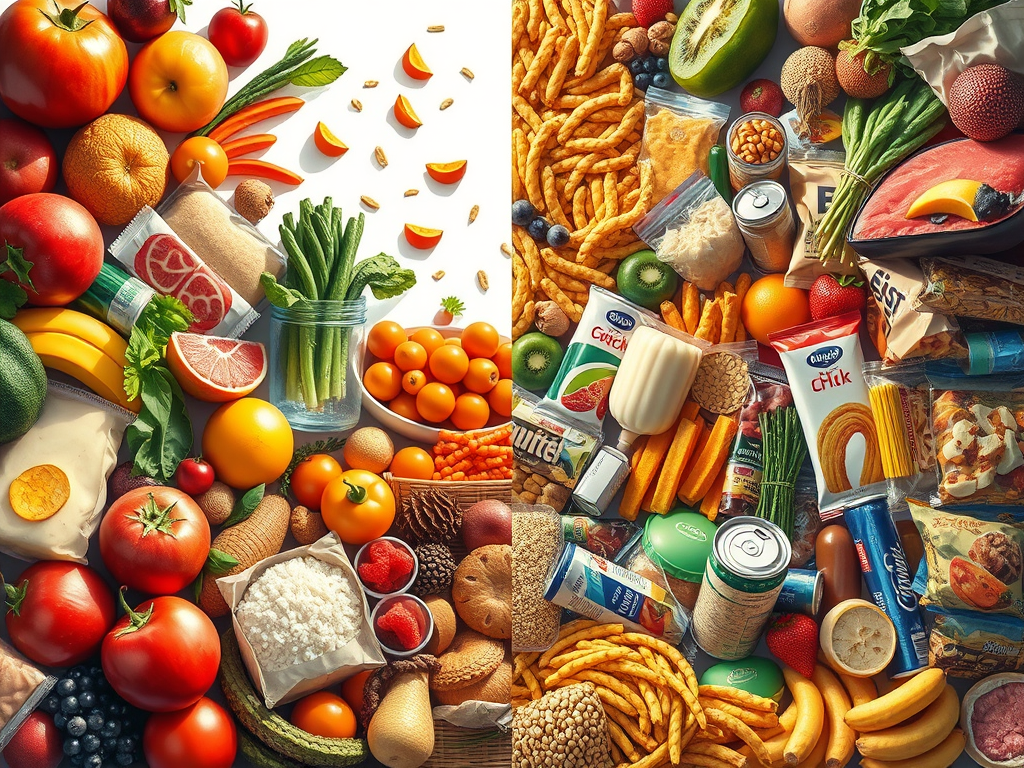
When we hear the term “malnutrition,” our minds often conjure images of hunger and food scarcity. However, we are witnessing a new and alarming form of malnutrition—overnutrition, fueled by the excessive consumption of calorie-dense, yet nutrient-poor foods.
Ultra-processed foods have become ubiquitous in our diets, leading to a surge in obesity, chronic diseases, and even troubling declines in cognitive health. Shockingly, the repercussions of these dietary choices are extending to future generations, culminating in a global health crisis that demands our attention.
In this blog, we’ll delve into:
✅ How ultra-processed foods are reshaping our understanding of malnutrition
✅ The profound impact of overconsumption on both physical and mental health
✅ The long-term consequences of today’s poor diets on future generations
✅ Effective strategies to break the cycle of unhealthy eating habits
Join us as we uncover the true crisis of modern nutrition and explore actionable steps towards a healthier future.
Ultra-Processed Foods: The Silent Killer
Ultra-processed foods, such as irresistible packaged snacks, sugary beverages, tantalizing fast food, and convenient ready-to-eat meals, are engineered for ultimate convenience and flavor. However, they come at a cost: a significant deficiency in vital nutrients, including fiber, essential vitamins, and crucial minerals. A groundbreaking study featured in The American Journal of Clinical Nutrition reveals that a staggering over 60% of daily caloric intake in affluent nations is derived from these ultra-processed foods, highlighting a concerning trend in our dietary habits.
Why Are Ultra-Processed Foods So Addictive?
- High levels of sugar, unhealthy fats, and excessive salt activate the brain’s reward pathways, driving us to crave even more unhealthy foods.
- With a lack of fiber and protein, these items leave us feeling unsatisfied, which can lead to uncontrollable overeating.
- Targeted marketing strategies specifically aimed at children and young adults reinforce the normalization of these foods, making them an ingrained part of our dietary habits.
🚨 The result? A population that’s overfed but undernourished.
- Obesity and Metabolic Disorders:
- 📉 Obesity rates have tripled since 1975, with childhood obesity becoming a major crisis.
- 📈 Processed foods lead to insulin resistance, increasing the risk of type 2 diabetes.
- 🫀 High sodium and trans fats contribute to heart disease and hypertension.
- Mental Health Decline:
- 🧠 A study in The Journal of Neuroscience links high ultra-processed food consumption to increased depression and anxiety.
- 🔥 These foods trigger chronic inflammation, which affects brain function.
- ❌ Artificial additives disrupt gut health, which plays a crucial role in mental well-being.
- Cognitive Decline and Memory Loss:
- 📉 Diets high in processed foods lead to reduced brain function and memory problems.
- ⚠️ The Lancet reported that people consuming excessive processed foods have a 25% higher risk of cognitive impairment.
The Generational Impact: How Poor Diets Are Affecting Future Generations
- Epigenetic Changes and Disease Risk:- 🔬 Research on nutritional epigenetics shows that a mother’s diet can alter a child’s DNA, increasing their risk of obesity, diabetes, and heart disease.
- Developmental and Cognitive Challenges:- 📚 Low-quality diets during pregnancy and childhood can result in learning disabilities, attention disorders, and delayed cognitive development.
- Declining Fertility Rates:- 💔 Studies in Reproductive Biology and Endocrinology suggest that processed food consumption negatively impacts sperm quality and reproductive hormones.
🚨 The alarming truth: We are raising a generation with built-in health issues due to poor diets.
How to Break the Cycle: Solutions for a Healthier Future
- Increase Whole Food Consumption: –
- 🥦 Eat more fresh vegetables, lean proteins, whole grains, and healthy fats.
- 🚫 Reduce intake of processed snacks, sugary beverages, and artificial ingredients.
- Promote Nutrition Education: –
- 🏫 Schools should teach nutrition literacy to help children make better food choices.
- 📢 Social media influencers and brands should advocate for real food over processed junk.
- Implement Government Policies: –
- 🔎 Stricter food labeling laws to highlight artificial ingredients and hidden sugars.
- 💰 Taxation on sugary drinks and junk food to discourage excessive consumption.
- 🚸 Ban junk food advertisements targeted at children.
- Hold the Food Industry Accountable: –
- ⚠️ Encourage brands to reduce artificial additives, unhealthy fats, and excess sugars.
- 💡 Support companies that promote organic, whole-food-based alternatives.
Final Thoughts: The Need for a New Perspective on Malnutrition
Malnutrition is no longer solely defined by food scarcity; it now encompasses the overconsumption of nutrient-poor foods. The rise of ultra-processed diets is steering us towards a concerning reality where obesity, chronic diseases, and mental health issues are rampant among our youth.
💡 What can you do today to reclaim your health?
✅ Read ingredient labels carefully and stay informed.
✅ Swap processed foods for whole, natural alternatives that nourish your body.
✅ Educate your family about the essential role of nutrition in leading a vibrant life.
🛑 The food choices we make today will define the health destiny of future generations. Let’s break the cycle and commit to prioritizing real, nutrient-dense foods before it’s too late!
 Simplify Your Wellness Journey