Tag: fatty acid

  • Healthy Skin Starts with Your Plate: The Link Between Diet and Skin Health

    Healthy Skin Starts with Your Plate: The Link Between Diet and Skin Health

    While skincare routines and products certainly contribute to a radiant appearance, the true magic starts from within. Your skin is a mirror of your internal health, and the foods you consume can either nourish or damage it. In this blog, we’ll dive deep into the powerful connection between a vibrant diet and skin vitality, uncover key supplements that promote healthy skin, and identify the foods and habits you should absolutely steer clear of for optimal skin health.

    How Diet Impacts Skin Health

    Your skin, the body’s largest organ, is in a perpetual state of regeneration. To keep it healthy and glowing, it depends heavily on the nutrients you ingest. A deficient diet can result in dullness, dryness, acne, premature aging, and inflammation, whereas a rich array of nutrients fosters vibrant elasticity, deep hydration, and a radiant complexion.

    Key Nutrients for Healthy Skin

    • Vitamin C:
      • Significantly boosts collagen production, ensuring your skin remains firm and youthful.
      • Powerful antioxidant that effectively protects against oxidative stress from harmful UV rays and pollution.
      • Rich sources include: Citrus fruits, strawberries, vibrant bell peppers, and nutrient-packed broccoli.
    • Vitamin E:
      • An extraordinary antioxidant that defends skin cells from harmful damage and promotes accelerated healing.
      • Rich Sources Include: Nuts, seeds, spinach, and avocados.
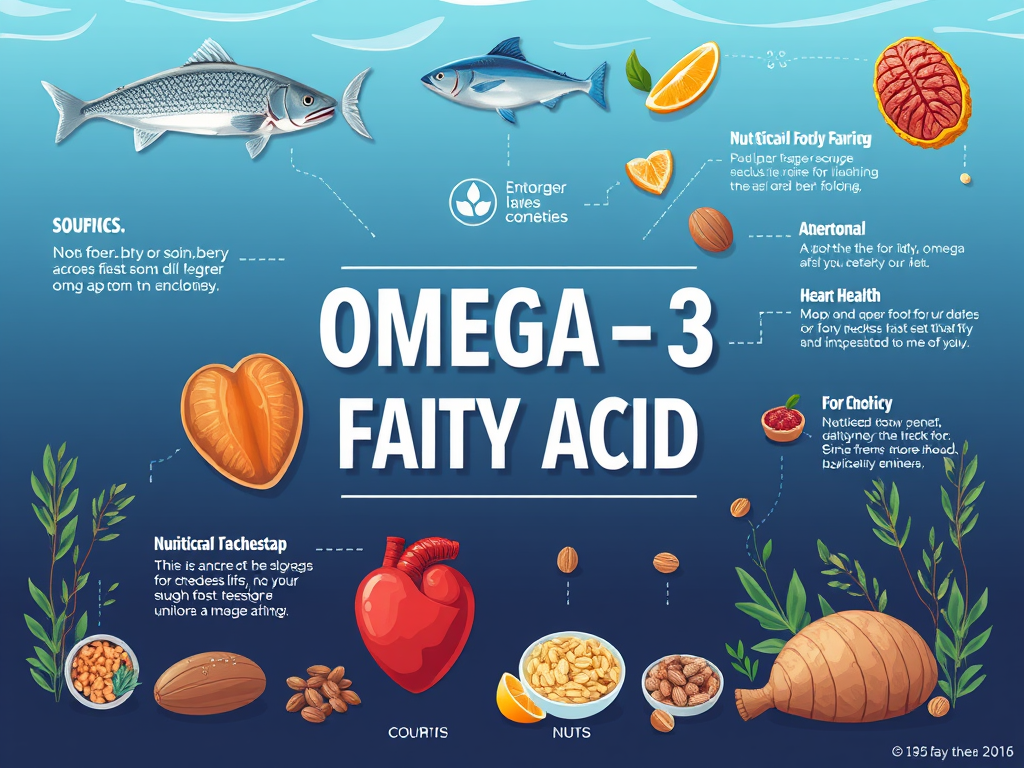
    • Omega-3 Fatty Acids:
      • Hydrates the skin and significantly reduces inflammation, proving to be especially effective for skin conditions such as eczema and acne.
      • Rich Sources: Fatty fish (like salmon and mackerel), walnuts, and flaxseeds.
    • Zinc:
      • Essential for Skin Health: Regulates oil production, promotes rapid wound healing, and significantly reduces acne and scarring for a clearer complexion.
      • Rich Sources Include: Pumpkin seeds, lentils, and shellfish, all packed with this vital mineral.
    • Vitamin A:
      • Boosts skin cell turnover and combats acne effectively by preventing clogged pores.
      • Rich Sources Include: Sweet potatoes, vibrant carrots, eggs, almonds, and leafy green.
    • Collagen:
      • The most abundant protein in the skin, collagen is vital for providing structure, firmness, and elasticity to your complexion.
      • Prominent Sources: Enjoy nutrient-rich bone broth or boost your intake with high-quality collagen supplements for glowing, youthful skin.
    • Probiotics:
      • A vibrant and healthy gut Microbiome is crucial for reducing inflammation and combating skin issues such as acne and rosacea.
      • Rich Sources: Delight your taste buds with yogurt, Kefir, sauerkraut, and Probiotics supplements.

    What to Avoid for Healthy Skin

    • Sugar and Refined Carbs: Consuming high-Glycemic foods such as white bread, pasta, and sugary snacks can cause significant spikes in insulin levels. This increase can trigger acne and promote inflammation, impacting your skin’s health and overall well-being. Be mindful of your choices to maintain a clearer complexion and reduce inflammation.
    • Dairy Products: Consuming dairy can significantly contribute to acne breakouts in some individuals due to the presence of hormones and inflammatory compounds that can disrupt skin health. If they are Lactose Intolerant.
    • Processed Foods: Loaded with chemical preservatives, unhealthy trans fats, and artificial additives, processed foods not only compromise your health but also contribute to oxidative stress, resulting in lackluster skin. Choosing whole, nutrient-rich alternatives can revitalize your complexion and support overall well-being.
    • Excessive Alcohol Consumption: Significantly dehydrates the skin, stripping away essential nutrients such as vitamin A, leading to dullness and premature aging.
    • Fried and Trans Fats: Known for triggering inflammation, these unhealthy fats can significantly elevate the risk of acne breakouts and lead to a lackluster complexion. Prioritize healthier fat sources for radiant skin!
    • Over-Consumption of Salt: Excessive salt intake can trigger significant water retention, resulting in unsightly puffiness and detrimental dehydration. Prioritize sodium moderation to maintain optimal health and a refreshed appearance!

    Lifestyle Habits for Healthy Skin

    • Stay Hydrated for Radiant Skin: Ensure you drink a minimum of 2–3 liters of water each day to keep your skin deeply hydrated and looking plump and youthful. Hydration is the secret to a glowing complexion!
    • Prioritize Quality Sleep: Sleep is a vital period when your body rejuvenates and revitalizes skin cells. Strive for 7–8 hours of restorative slumber each night to achieve glowing, healthy skin.
    • Engage in Regular Exercise: Elevates circulation, effectively delivering oxygen and essential nutrients to your skin, enhancing its vitality and radiance.
    • Ultimate Sun Protection: Apply broad-spectrum sunscreen every single day to safeguard your skin from premature aging and the harmful effects of UV rays. Don’t underestimate the power of sun protection – your future self will thank you!
    • Master Your Stress: Chronic stress not only triggers unwelcome breakouts but also exacerbates skin conditions such as eczema and psoriasis. Taking proactive steps to manage stress is essential for achieving clear, healthy skin.

    The Truth About “Miracle” Skin Products

    The skincare industry is overwhelmingly saturated with products that promise to revolutionize your skin overnight. Although certain options may provide temporary relief, most neglect to tackle the fundamental underlying issues of skincare: your diet and lifestyle choices. Emphasizing the importance of holistic approaches can lead to lasting transformation that truly enhances your skin’s health and vitality.

    • Quick Fixes Don’t Work: Achieving beautiful, radiant skin demands dedicated, long-term care and balanced nutrition. Relying on a magic cream or pill won’t provide lasting results; true skin health comes from commitment and consistency.
    • • Misleading Marketing Hype: Numerous products are laden with unverified claims and dubious ingredients, often lacking crucial scientific validation.
    • Natural vs. Synthetic Ingredients: Embrace the debate! While natural ingredients can offer significant benefits, they aren’t always the top choice. Prioritize evidence-based skincare and nutrition to achieve optimal results. Make informed decisions to elevate your beauty and health regimen!

    Supplements for Skin Health

    When diet alone falls short, high-quality supplements can effectively bridge the nutritional gaps and deliver targeted support for radiant skin. Always consult with a qualified healthcare provider before embarking on any new supplement regimen to ensure optimal results and safety.

    • Vitamin C: A powerful antioxidant that brightens skin, boosts your radiance, and is essential for collagen synthesis. opt for liposomal or esterified formulations to enhance absorption and maximize your glow!
    • Collagen Peptides: Boosts skin elasticity, enhances hydration, and significantly reduces the appearance of wrinkles for a more youthful and radiant complexion.
    • Hyaluronic Acid: A powerful hydration booster that penetrates deep into the skin, dramatically reducing dryness and visibly smoothing fine lines for a more youthful, radiant complexion.
    • Probiotics: A powerhouse for your gut-skin connection, enhancing skin vitality and significantly reducing inflammation for a radiant, healthy complexion.
    • Astaxanthin: An exceptionally powerful antioxidant that not only safeguards your skin from harmful sun damage but also combats premature aging, enhancing your skin’s natural vitality and radiance.

    Can Diet Reverse Skin Damage?

    The exciting news is that a nutrient-packed diet, paired with optimal hydration and targeted supplements, can dramatically enhance your skin’s health over time. Although it may not entirely reverse every sign of aging or damage, it can:

    • Diminish inflammation and soothe redness effectively.
    • Enhance skin hydration and boost elasticity for a youthful, plump appearance.
    • Revitalize dull skin and achieve a radiant, even skin tone.

    Conclusion

    Healthy, radiant skin isn’t merely a result of external applications; it’s intricately linked to the nourishment you provide your body. By embracing a well-rounded diet brimming with skin-loving nutrients, complementing it with specific, high-quality supplements, and steering clear of detrimental foods and harmful habits, you can truly unleash your skin’s inherent luminosity. Remember, there’s no shortcut to great skin. It’s a reflection of your overall health, so nurture your body from the inside out, and your skin will thank you.

    Need help designing a diet plan for better skin health? Let’s work together to create a personalized approach to support your beauty from within.

  • Understanding Fatty Liver Disease: Causes & Solutions

    Understanding Fatty Liver Disease: Causes & Solutions

    Fatty liver disease has rapidly emerged as a prevalent health epidemic, frequently associated with unhealthy lifestyle choices and nutritional imbalances. This condition arises when an excessive buildup of fat occurs in the liver, posing serious risks that can escalate to chronic health issues such as liver inflammation, cirrhosis, or even life-threatening liver failure. In this comprehensive article, we will delve deep into the underlying causes, notable symptoms, and innovative treatment options for fatty liver disease, while effectively debunking the misconception that dietary fat is the primary culprit.

    Debunking the Myth: Fatty Foods Are Not the Culprit

    Contrary to popular belief, nutrient-dense dietary fats such as those abundant in avocados, diverse nuts, wholesome seeds, oily fish, ghee/butter & premium extra virgin olive oil play a crucial role in supporting liver health rather than causing fatty liver.

    • Healthy Fats vs. Processed Carbs: Healthy fats are metabolized in a unique way compared to refined sugars and processed carbohydrates. They not only provide essential energy but also enhance metabolic health and combat inflammation. In contrast, excessive consumption of carbs can lead to their conversion into fat by the liver, promoting weight gain and related health issues that causes fatty liver. Embracing nutritious fats can significantly optimize your overall well-being!
    • The Vital Role of Healthy Fats in Your Diet: Incorporating nutrient-rich healthy fats into your diet is crucial for enhancing liver function, bolstering fat metabolism, and potentially reversing fatty liver disease. Omitting these beneficial fats can strip the body of essential nutrients, resulting in a cascade of health challenges. Embrace healthy fats for a thriving, balanced lifestyle!

    What Causes Fatty Liver?

    • Excessive Carbohydrate Intake: High consumption of refined carbohydrates and sugary foods leads to dramatic spikes in insulin levels, significantly boosting the body’s propensity for fat storage, particularly in the liver.
    • Fructose: A naturally occurring sugar predominantly found in processed foods and certain fruits. Unlike glucose, fructose is primarily metabolized by the liver, which can lead to significant fat accumulation when consumed in excess. Be mindful of your fructose intake, as it can dramatically impact your health and body composition.
    • Insulin Resistance: Prolonged and excessive carbohydrate intake can significantly contribute to insulin resistance, a condition that leads to the accumulation of excess fat in the liver. This metabolic disturbance can impact your overall health and weight management, making it crucial to monitor carbohydrate consumption.
    • Obesity: Excessive body weight, especially around the abdomen, serves as a major risk factor for the development of fatty liver disease. Managing your weight is crucial for liver health and overall well-being.
    • Alcohol Consumption: Although non-alcoholic fatty liver disease (NAFLD) is prevalent, the dangers of excessive alcohol intake cannot be overlooked. This harmful habit can significantly contribute to fat deposition in the liver, leading to serious health risks. It’s crucial to understand the impact of your drinking habits on liver health and prioritize moderation to protect this vital organ.

    Symptoms of Fatty Liver

    Fatty liver, often dubbed a “silent disease,” can stealthily develop without any noticeable symptoms during the initial stages. Yet, as this condition advances, it may reveal a range of concerning symptoms, including:

    • Chronic Fatigue: Experience overwhelming, persistent tiredness that significantly impacts daily life and overall well-being.
    • Intense discomfort or sharp pain in the upper right abdomen, potentially signaling underlying health concerns
    • Sudden and Unexplained Weight Loss: A concerning symptom that can indicate underlying health issues.
    • Noticeable yellowing of the skin or eyes, particularly in severe cases, which may indicate a serious health concern.

    How Fatty Liver Can Turn Chronic

    • Non-Alcoholic Steatohepatitis (NASH): A more serious and concerning form of liver disease characterized by significant liver inflammation and damage. This condition not only raises the risks of liver fibrosis and cirrhosis but also poses a serious threat to overall health. Understanding and addressing NASH is crucial for preventing further complications.
    • Fibrosis and Cirrhosis: A serious condition characterized by irreversible scarring of liver tissue, significantly impairing its critical functions. Understanding the implications of fibrosis and cirrhosis is essential for prevention and management.
    • Elevated Risk of Liver Cancer and Heart Disease: The progression of advanced fatty liver significantly heightens the risk of life-threatening conditions, including liver cancer and cardiovascular illnesses. Taking proactive measures is crucial for safeguarding your health.

    How to Reverse Fatty Liver Naturally

    • Embrace a Nourishing Balanced Diet:
      • Prioritize Low Glycemic Index (GI) Foods: Say goodbye to high-GI culprits such as white bread, sugary snacks, and sweetened drinks. opt instead for sweet potatoes, non-starchy vegetables for sustained energy!
      • Incorporate Quality Fats: Supercharge your meals with omega-3 fatty acids found in fatty fish or flaxseeds, along with heart-healthy monounsaturated fats from delightful sources like extra virgin olive oil & avocado.
      • Limit Fructose for Optimal Health: Curb your consumption of high-fructose fruits like mangoes, grapes, and bananas, and steer clear of processed foods loaded with added sugars for better overall well-being.
    • Engage in Regular Exercise: Elevate your health by incorporating consistent physical activity into your routine! Regular exercise is a powerful ally in the battle against liver fat, as it significantly enhances insulin sensitivity and turbocharges fat metabolism. Strive for at least 30 minutes of invigorating exercise 4-5 times a week to unlock a healthier you!
    • Achieve Sustainable Weight Loss: Rapid weight loss can exacerbate fatty liver conditions. Focus on a gradual and effective weight loss strategy of 1-2 pounds per week to promote better liver health and overall well-being.
    • Enhance Your Gut Health: Cultivating a robust gut Microbiome is essential for reducing inflammation and boosting liver health. Incorporate Probiotics, Probiotics, and fiber-rich foods into your diet to supercharge your digestive system and promote overall wellness.
    • Stay Hydrated: Ensuring optimal hydration is crucial for enhancing liver detoxification and promoting vibrant metabolic health. Proper water intake can dramatically improve your energy levels, boost cognitive function, and support your body’s natural cleansing processes.

    Effective Strategies to Prevent Fatty Liver Disease Progression

    • Avoid sugary beverages and processed foods.
    • Limit alcohol intake.
    • Maintain a consistent exercise routine.
    • Monitor and manage conditions like diabetes and high cholesterol.
    • Get regular health check-ups to monitor liver function.

    Conclusion

    The key to effectively managing and even reversing fatty liver lies in a deep understanding of its root causes. High-quality dietary fats are NOT the enemy; on the contrary, they are a crucial component of a healthy and balanced diet. The real troublemakers are high-Glycemic and high-fructose foods that disrupt our metabolic health and can lead to serious complications.

    By embracing a nutritious diet, staying active with regular exercise, and steering clear of processed foods, you can often reverse fatty liver before it develops into a chronic condition.

    Remember, your liver is incredibly resilient, but prevention is always better than cure. Take charge of your health today and empower yourself to live a vibrant life!

    Would you like to add a detailed meal plan or workout routine tailored to reversing fatty liver?

  • The Importance of Omega-3 vs Omega-6 in Your Diet

    The Importance of Omega-3 vs Omega-6 in Your Diet

    As a passionate nutritionist, I emphasize the crucial balance between essential fatty acids, Omega-3 and Omega-6. While both play vital roles in our overall health, contemporary diets are excessively loaded with Omega-6, which can lead to a variety of adverse health effects. Conversely, Omega-3 fatty acids pack a powerful punch, offering an array of extraordinary benefits that not only combat inflammation but also enhance heart health and boost brain function.

    In this blog, I’ll delve deep into the fundamental differences between Omega-3 and Omega-6, elucidate the pressing need for more Omega-3 in your diet, explore their natural food sources, and outline the serious consequences of an overabundance of Omega-6. Join me on this journey to uncover how to achieve optimal health through dietary balance!

    What are Omega-3 and Omega-6 Fatty Acids?

    Both Omega-3 and Omega-6 are critical types of polyunsaturated fatty acids (PUFAs) that play a vital role in our health. Often referred to as essential fats, these nutrients are crucial because our body cannot synthesize them independently—we must actively incorporate them into our diet to reap their numerous benefits.

    • Omega-3 Fatty Acids: Renowned for their powerful anti-inflammatory properties, Omega-3 fatty acids are essential fats that play a crucial role in promoting heart health, enhancing mental clarity, and supporting overall well-being. Embracing these fatty acids in your diet can lead to significant health transformations.
    • Omega-6 Fatty Acids: Essential for our body, but when over-consumed, they can trigger inflammation and lead to various health issues. Moderation is key to maintaining a balanced diet!

    The secret to optimal health rests in achieving the perfect balance between these two essential fatty acids.

    Why We Need Omega-3 More Than Omega-6?

    Historically, human diets thrived on an ideal Omega-6 to Omega-3 ratio of approximately 1:1, a crucial balance that effectively supported inflammation control, enhanced heart health, and promoted optimal overall well-being.

    However, the alarming surge in processed foods and industrial vegetable oils has led to an overwhelming Omega-6 to Omega-3 ratio of 20:1 or even higher in numerous contemporary diets. This excessive intake of Omega-6 is a significant driver of chronic inflammation, thereby elevating the risk of:

    • Heart disease
    • Obesity
    • Type 2 diabetes
    • Autoimmune disorders
    • Joint pain and arthritis

    While Omega-6 remains an essential nutrient, increasing your intake of Omega-3 fatty acids is crucial for restoring a healthy balance and fortifying the body against inflammation-driven diseases. Embracing Omega-3 not only enhances your overall well-being but also acts as a powerful shield against chronic inflammation!

    Sources of Omega-3 Fatty Acids

    • Nutrient-Packed Fatty Fish (Exceptional Sources of EPA and DHA):
      • Salmon: A flavorful powerhouse rich in omega-3.
      • Sardines: Tiny but mighty, loaded with essential nutrients.
      • Mackerel: A delicious addition, offering heart-protecting benefits.
      • Anchovies: Intensely flavored, perfect for boosting any dish’s health profile.
      • Herring: A nutritious option, high in healthy fats and protein.
    • Plant-Based Sources (ALA – Alpha-Linolenic Acid):
      • Flaxseeds: Power-packed super-foods bursting with omega-3 fatty acids, fiber, and antioxidants! Elevate your daily diet with these tiny, nutrient-dense seeds to supercharge your heart health, boost digestive wellness, and rejuvenate your skin vitality!
      • Walnuts: A rich source of brain-boosting nutrients and healthy fats that can enhance cognitive performance and support your overall well-being!
      • Macadamia Nuts: Creamy and indulgent, these luxurious nuts are packed with healthy monounsaturated fats that can help maintain heart health and improve skin hydration!
      • Pecans: Delightfully crunchy with a rich flavor, pecans are loaded with antioxidants and promote healthy digestion while being low in carbs!
      • Brazil Nuts: A powerhouse of selenium, these nuts support your immune system and promote thyroid health while providing a satisfying crunch!
    • Other Nutrient-Rich Sources:
      • Egg Yolks from pasture-raised chickens, bursting with healthy fats and vitamins
      • Meats and Dairy Products from grass-fed animals, providing superior nutrition and flavor
      • Vibrant Vegetables such as spinach, nutrient-dense Brussels sprouts, and succulent purslane, rich in omega-3 fatty acids.

    Health Benefits of Omega-3 Fatty Acids

    • Powerful Inflammation Fighter: Omega-3 fatty acids, especially EPA (Eicosapentaenoic acid), act as potent anti-inflammatory warriors. They effectively combat debilitating conditions such as arthritis, inflammatory bowel disease, and chronic pain, promoting a healthier, pain-free life.
    • Boosts Heart Health: Omega-3 fatty acids effectively lower triglyceride levels, significantly reduce blood pressure, and actively prevent plaque buildup in arteries. This powerful combination reduces the risk of heart disease and stroke, promoting a healthier cardiovascular system and enhancing overall well-being.
    • Boosts Brain Health:
      • DHA (Docosahexaenoic acid), a crucial building block of brain tissue, significantly enhances cognitive performance, sharpens memory, and elevates focus.
      • Omega-3 fatty acids are known to lower the risk of neuron-degenerative diseases such as Alzheimer’s, promoting long-term brain vitality and health.
    • Elevates Mood and Enhances Mental Well-being: Omega-3 fatty acids are crucial in modulating neurotransmitters such as serotonin, which significantly contributes to reducing symptoms of depression, anxiety, and various mood disorders. Embracing a diet rich in Omega-3 can lead to a more uplifting and positive mindset.
    • Boosts Radiant Skin and Sharp Vision: Omega-3 fatty acids deeply hydrate the skin, combat acne effectively, and safeguard against age-related macular degeneration, ensuring your eyes remain vibrant and healthy.
    • Essential for Pregnancy and Infant Brain Development: DHA is a powerhouse nutrient vital for optimal fetal brain and eye growth, highlighting the significance of Omega-3 intake during pregnancy for both mothers and their developing babies.
    • Boosts Weight Management Success: Omega-3 fatty acids play a crucial role in accelerating metabolism and curbing fat storage by significantly enhancing insulin sensitivity.

    Disadvantages of Excess Omega-6 Fatty Acids

    While Omega-6 fatty acids play a vital role in supporting normal cellular function, an overabundance of intake can trigger detrimental effects owing to their inflammatory properties.

    • Chronic Inflammation: A high intake of Omega-6 fatty acids can ignite chronic inflammation, significantly elevating the risk of severe health issues such as heart disease, diabetes, and obesity. Prioritizing a balanced Omega-3 to Omega-6 ratio is essential for maintaining optimal health and reducing inflammation-related risks.
    • Elevated Heart Disease Risk: A high intake of Omega-6 fatty acids, coupled with insufficient Omega-3 levels, can significantly contribute to elevated cholesterol levels and arterial plaque buildup, posing a serious threat to cardiovascular health.
    • Joint Pain and Autoimmune Disorders: High levels of Omega-6 can significantly exacerbate inflammatory conditions such as arthritis and various autoimmune diseases, leading to intense discomfort and reduced quality of life. Prioritizing Omega-3 fatty acids can help combat these inflammatory responses and promote joint health.
    • Diminished Brain Health: An unfavorable imbalance between Omega-6 and Omega-3 fatty acids can significantly impair cognitive function, leading to a decline in mental clarity and exacerbating mood disorders. Prioritizing a balanced intake of these essential fatty acids is crucial for optimizing brain performance and enhancing emotional well-being.
    • Weight Gain and Obesity: Numerous sources of Omega-6, particularly highly processed foods and refined vegetable oils, are calorie-laden and significantly contribute to unhealthy overeating patterns.

    How to Balance Omega-3 and Omega-6

    • Boost Your Omega-3 Intake:
      • Enjoy fatty fish and grass-fed eggs at least 2–3 times a week for optimal health.
      • Elevate your meals by incorporating flaxseeds, macadamia nuts, pecans, and walnuts for a delicious nutrient boost.
      • Explore the benefits of algae-based supplements as a powerful alternative source.
    • Limit Omega-6 Sources for Optimal Health:
      • Cut Out Unhealthy Vegetable Oils: Say goodbye to soybean, sunflower, nut oils and corn oils that can throw your balance off.
      • Steer Clear of Fried and Processed Foods: Choose whole, nutritious alternatives to stay vibrant and energized.
    • Cook with Nutrient-Rich Oils: Opt for heart-healthy fats like butter, ghee, or coconut oil instead of inflammatory high Omega-6 oils for a tastier and more nourishing meal.
    • Embrace Wholesome, Unprocessed Nourishment: Ditch the packaged snacks and opt for vibrant whole foods such as fresh fruits, crisp vegetables, lean proteins, and nutritious healthy fats.

    Conclusion: Prioritize Omega-3 for Optimal Health

    Omega-3 and Omega-6 fatty acids are essential to our health, but it’s the balance between them that truly matters. An excessive intake of Omega-6 can trigger inflammation, whereas Omega-3 offers remarkable anti-inflammatory benefits that safeguard your heart, brain, and overall wellness.

    Boost your health by incorporating Omega-3-rich foods such as fatty fish, flaxseeds, and walnuts into your diet. At the same time, consider reducing your intake of Omega-6 sources like vegetable oils and processed foods. By achieving this crucial balance, you pave the way for enhanced vitality and long-term health.

    Looking for personalized advice on improving your Omega-3 intake? Reach out for a tailored nutrition plan to meet your health goals!