Instant oats are not just over-hyped—they may be harming your gut, blocking nutrient absorption, and spiking your insulin. Learn the difference between real oats and processed ones, and what to eat instead.
For years, you’ve been told to swap your eggs and bacon. You were also advised to replace fermented foods (dosa, idly & yogurt) with a “bowl of oats.” They said it’s heart-healthy, weight-loss friendly, good for diabetes, great for kids, and ideal for breakfast. That was never the full truth. And it’s time someone said it out loud.
Instant oats are a heavily processed, blood sugar-spiking, and digestion-disrupting grain. They were falsely crowned as a ‘super-food’—thanks to one of the most successful food marketing strategies ever.
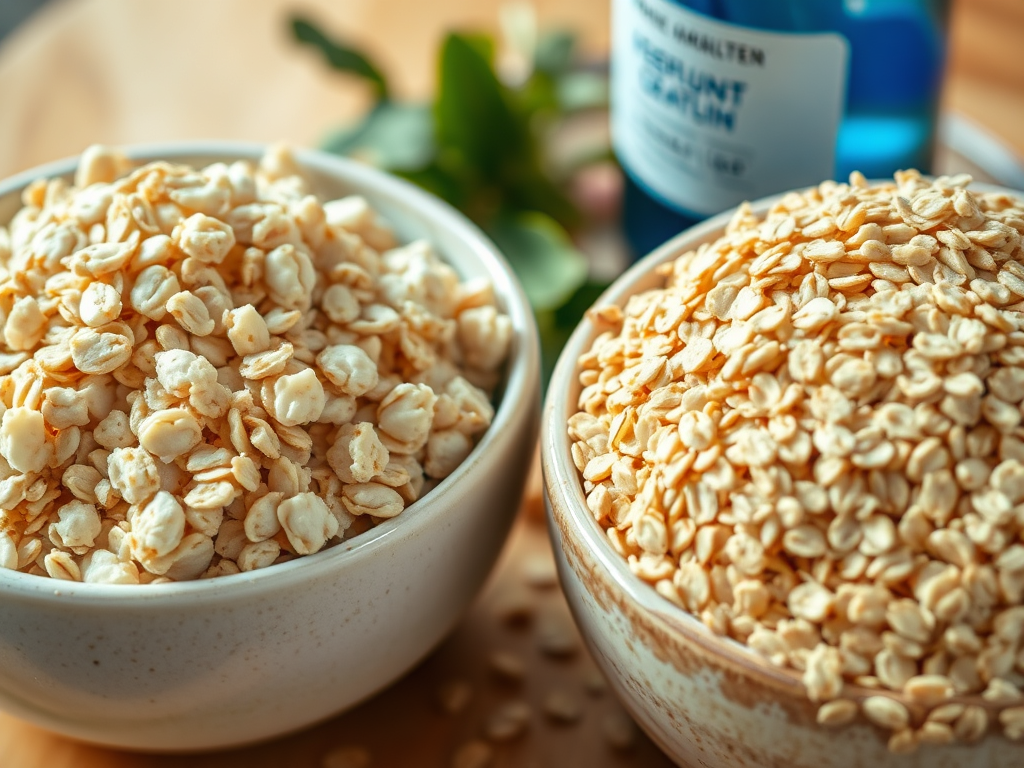
Let’s Start with the Basics: Instant Oats vs. Steel-Cut Oats
Not all oats are created equal. Instant oats are pre-cooked, flattened, and dehydrated to save time—but that process strips away fiber, micronutrients, and structure. What you’re left with is a soft mush of fast-digesting carbs that spike your blood sugar like white bread.
But It Gets Worse: Oats Contain Phytic Acid – The Anti-Nutrient
Oats (including rolled and instant) contain phytic acid, a naturally occurring compound that:
Binds to minerals like iron, zinc, magnesium, and calcium
Blocks your body’s ability to absorb these nutrients properly
Interferes with digestion, especially in people with gut issues
So if you think having oats with milk, nuts, or fruits is a nutrient-rich breakfast—think again. That phytic acid is literally canceling out a big chunk of those nutrients.
The worst part:- Instant oats contain higher phytic acid activity than properly soaked & fermented grains. And let’s be honest—how many people are soaking their oats overnight and boiling them in bone broth? Practically none.
The Digestive Damage of Instant Oats
Let’s call it what it is. Instant oats are industrial sludge disguised as health food. Here’s how they mess with your gut:
Fast digestion = insulin roller-coaster. You eat it, it spikes insulin, crashes energy, and leaves you hungry by 11 am.
Poor fiber structure = bloating & gassiness. The quick-cooking process breaks down beta-glucans and fiber—making them irritants instead of supports.
Anti-nutrients = malabsorption & gut irritation. Long-term consumption can lead to mineral deficiencies and IBS-like symptoms in sensitive individuals.
But Why Was It Marketed as “Healthy”?
Simple: Oats are cheap. Easy to process. Easy to flavor. Easy to mass-produce. So corporations did what they do best: –
Funded biased studies
Used “cholesterol-lowering” claims as a bait
Paired with celebrity endorsements
Created convenience-focused products for urban audiences
Impact: – Millions are waking up every day to a sugar-loaded, gut-disrupting, mineral-blocking bowl of processed carbs—thinking it’s healthy.
What to Eat Instead
Paneer stir-fry with ghee- 25g protein, healthy fats, zero sugar crash.
Greek yogurt + flax + walnuts + cinnamon.
Creamy, crunchy, and gut-friendly.
High in protein and omega-3s
Fermented Food (Dosa, Idly) + avocado slices
Great for satiety and blood sugar control
Can add turmeric and ginger for gut healing
Almond or coconut flour cheela with cheese filling- Grain-free, protein-rich, customizable.
Boiled eggs + sauteed spinach + butter
Zero carbs, full micronutrients load
Iron, zinc, choline, and healthy fats
Chicken keema with herbs and bell peppers
Spiced, flavorful, satiating
Can be prepped in bulk
Sardine or mackerel curry in coconut milk
Rich in omega-3s, B12, and selenium
Low-carbs and gut-healing
Omelets with cheese + mushrooms + ghee
Breakfast that fuels you all day
No bloating, no crash, no hunger pangs
The Verdict: Throw Out the Packet
Oats aren’t the enemy—but instant oats? That’s a total scam! If you’re genuinely committed to your health, fat loss, muscle gain, or simply feeling your best, start by ditching those processed bowls. Embrace real, nourishing food. You don’t have to fall for Western marketing myths to achieve true wellness. Just stop blindly trusting those colorful packets and make informed choices that empower your journey to health!
As a passionate nutritionist, I emphasize the crucial balance between essential fatty acids, Omega-3 and Omega-6. While both play vital roles in our overall health, contemporary diets are excessively loaded with Omega-6, which can lead to a variety of adverse health effects. Conversely, Omega-3 fatty acids pack a powerful punch, offering an array of extraordinary benefits that not only combat inflammation but also enhance heart health and boost brain function.
In this blog, I’ll delve deep into the fundamental differences between Omega-3 and Omega-6, elucidate the pressing need for more Omega-3 in your diet, explore their natural food sources, and outline the serious consequences of an overabundance of Omega-6. Join me on this journey to uncover how to achieve optimal health through dietary balance!
What are Omega-3 and Omega-6 Fatty Acids?
Both Omega-3 and Omega-6 are critical types of polyunsaturated fatty acids (PUFAs) that play a vital role in our health. Often referred to as essential fats, these nutrients are crucial because our body cannot synthesize them independently—we must actively incorporate them into our diet to reap their numerous benefits.
Omega-3 Fatty Acids: Renowned for their powerful anti-inflammatory properties, Omega-3 fatty acids are essential fats that play a crucial role in promoting heart health, enhancing mental clarity, and supporting overall well-being. Embracing these fatty acids in your diet can lead to significant health transformations.
Omega-6 Fatty Acids: Essential for our body, but when over-consumed, they can trigger inflammation and lead to various health issues. Moderation is key to maintaining a balanced diet!
The secret to optimal health rests in achieving the perfect balance between these two essential fatty acids.
Why We Need Omega-3 More Than Omega-6?
Historically, human diets thrived on an ideal Omega-6 to Omega-3 ratio of approximately 1:1, a crucial balance that effectively supported inflammation control, enhanced heart health, and promoted optimal overall well-being.
However, the alarming surge in processed foods and industrial vegetable oils has led to an overwhelming Omega-6 to Omega-3 ratio of 20:1 or even higher in numerous contemporary diets. This excessive intake of Omega-6 is a significant driver of chronic inflammation, thereby elevating the risk of:
Heart disease
Obesity
Type 2 diabetes
Autoimmune disorders
Joint pain and arthritis
While Omega-6 remains an essential nutrient, increasing your intake of Omega-3 fatty acids is crucial for restoring a healthy balance and fortifying the body against inflammation-driven diseases. Embracing Omega-3 not only enhances your overall well-being but also acts as a powerful shield against chronic inflammation!
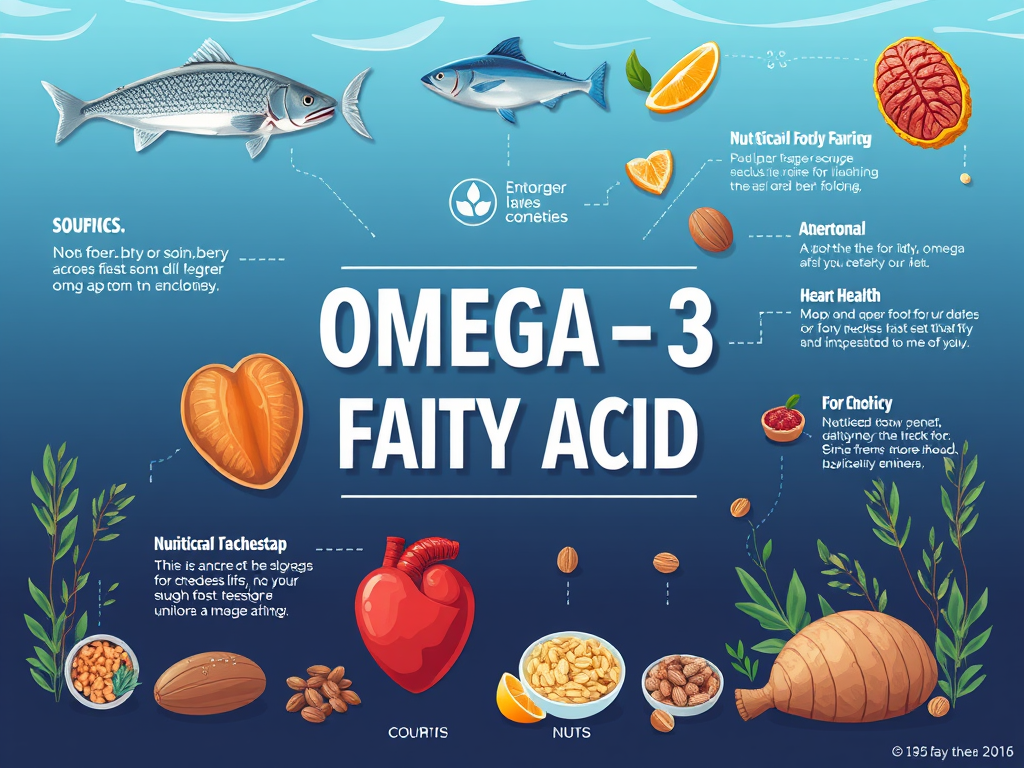
Sources of Omega-3 Fatty Acids
Nutrient-Packed Fatty Fish (Exceptional Sources of EPA and DHA):
Salmon: A flavorful powerhouse rich in omega-3.
Sardines: Tiny but mighty, loaded with essential nutrients.
Mackerel: A delicious addition, offering heart-protecting benefits.
Anchovies: Intensely flavored, perfect for boosting any dish’s health profile.
Herring: A nutritious option, high in healthy fats and protein.
Plant-Based Sources (ALA – Alpha-Linolenic Acid):
Flaxseeds: Power-packed super-foods bursting with omega-3 fatty acids, fiber, and antioxidants! Elevate your daily diet with these tiny, nutrient-dense seeds to supercharge your heart health, boost digestive wellness, and rejuvenate your skin vitality!
Walnuts: A rich source of brain-boosting nutrients and healthy fats that can enhance cognitive performance and support your overall well-being!
Macadamia Nuts: Creamy and indulgent, these luxurious nuts are packed with healthy monounsaturated fats that can help maintain heart health and improve skin hydration!
Pecans: Delightfully crunchy with a rich flavor, pecans are loaded with antioxidants and promote healthy digestion while being low in carbs!
Brazil Nuts: A powerhouse of selenium, these nuts support your immune system and promote thyroid health while providing a satisfying crunch!
Other Nutrient-Rich Sources:
Egg Yolks from pasture-raised chickens, bursting with healthy fats and vitamins
Meats and Dairy Products from grass-fed animals, providing superior nutrition and flavor
Vibrant Vegetables such as spinach, nutrient-dense Brussels sprouts, and succulent purslane, rich in omega-3 fatty acids.
Health Benefits of Omega-3 Fatty Acids
Powerful Inflammation Fighter: Omega-3 fatty acids, especially EPA (Eicosapentaenoic acid), act as potent anti-inflammatory warriors. They effectively combat debilitating conditions such as arthritis, inflammatory bowel disease, and chronic pain, promoting a healthier, pain-free life.
Boosts Heart Health: Omega-3 fatty acids effectively lower triglyceride levels, significantly reduce blood pressure, and actively prevent plaque buildup in arteries. This powerful combination reduces the risk of heart disease and stroke, promoting a healthier cardiovascular system and enhancing overall well-being.
Boosts Brain Health:
DHA (Docosahexaenoic acid), a crucial building block of brain tissue, significantly enhances cognitive performance, sharpens memory, and elevates focus.
Omega-3 fatty acids are known to lower the risk of neuron-degenerative diseases such as Alzheimer’s, promoting long-term brain vitality and health.
Elevates Mood and Enhances Mental Well-being: Omega-3 fatty acids are crucial in modulating neurotransmitters such as serotonin, which significantly contributes to reducing symptoms of depression, anxiety, and various mood disorders. Embracing a diet rich in Omega-3 can lead to a more uplifting and positive mindset.
Boosts Radiant Skin and Sharp Vision: Omega-3 fatty acids deeply hydrate the skin, combat acne effectively, and safeguard against age-related macular degeneration, ensuring your eyes remain vibrant and healthy.
Essential for Pregnancy and Infant Brain Development: DHA is a powerhouse nutrient vital for optimal fetal brain and eye growth, highlighting the significance of Omega-3 intake during pregnancy for both mothers and their developing babies.
Boosts Weight Management Success: Omega-3 fatty acids play a crucial role in accelerating metabolism and curbing fat storage by significantly enhancing insulin sensitivity.
Disadvantages of Excess Omega-6 Fatty Acids
While Omega-6 fatty acids play a vital role in supporting normal cellular function, an overabundance of intake can trigger detrimental effects owing to their inflammatory properties.
Chronic Inflammation: A high intake of Omega-6 fatty acids can ignite chronic inflammation, significantly elevating the risk of severe health issues such as heart disease, diabetes, and obesity. Prioritizing a balanced Omega-3 to Omega-6 ratio is essential for maintaining optimal health and reducing inflammation-related risks.
Elevated Heart Disease Risk: A high intake of Omega-6 fatty acids, coupled with insufficient Omega-3 levels, can significantly contribute to elevated cholesterol levels and arterial plaque buildup, posing a serious threat to cardiovascular health.
Joint Pain and Autoimmune Disorders: High levels of Omega-6 can significantly exacerbate inflammatory conditions such as arthritis and various autoimmune diseases, leading to intense discomfort and reduced quality of life. Prioritizing Omega-3 fatty acids can help combat these inflammatory responses and promote joint health.
Diminished Brain Health: An unfavorable imbalance between Omega-6 and Omega-3 fatty acids can significantly impair cognitive function, leading to a decline in mental clarity and exacerbating mood disorders. Prioritizing a balanced intake of these essential fatty acids is crucial for optimizing brain performance and enhancing emotional well-being.
Weight Gain and Obesity: Numerous sources of Omega-6, particularly highly processed foods and refined vegetable oils, are calorie-laden and significantly contribute to unhealthy overeating patterns.
How to Balance Omega-3 and Omega-6
Boost Your Omega-3 Intake:
Enjoy fatty fish and grass-fed eggs at least 2–3 times a week for optimal health.
Elevate your meals by incorporating flaxseeds, macadamia nuts, pecans, and walnuts for a delicious nutrient boost.
Explore the benefits of algae-based supplements as a powerful alternative source.
Limit Omega-6 Sources for Optimal Health:
Cut Out Unhealthy Vegetable Oils: Say goodbye to soybean, sunflower, nut oils and corn oils that can throw your balance off.
Steer Clear of Fried and Processed Foods: Choose whole, nutritious alternatives to stay vibrant and energized.
Cook with Nutrient-Rich Oils: Opt for heart-healthy fats like butter, ghee, or coconut oil instead of inflammatory high Omega-6 oils for a tastier and more nourishing meal.
Embrace Wholesome, Unprocessed Nourishment: Ditch the packaged snacks and opt for vibrant whole foods such as fresh fruits, crisp vegetables, lean proteins, and nutritious healthy fats.
Conclusion: Prioritize Omega-3 for Optimal Health
Omega-3 and Omega-6 fatty acids are essential to our health, but it’s the balance between them that truly matters. An excessive intake of Omega-6 can trigger inflammation, whereas Omega-3 offers remarkable anti-inflammatory benefits that safeguard your heart, brain, and overall wellness.
Boost your health by incorporating Omega-3-rich foods such as fatty fish, flaxseeds, and walnuts into your diet. At the same time, consider reducing your intake of Omega-6 sources like vegetable oils and processed foods. By achieving this crucial balance, you pave the way for enhanced vitality and long-term health.
Looking for personalized advice on improving your Omega-3 intake? Reach out for a tailored nutrition plan to meet your health goals!
As a nutritionist, I frequently encounter misconceptions surrounding fats. With countless diet trends unfairly demonizing these vital nutrients, it’s crucial to emphasize that not all fats are detrimental. In fact, fats are an essential macronutrient that plays a pivotal role in fostering optimal health and well-being.
Let’s delve into the world of essential fats, uncover the various types of fats, explore their multitude of health benefits, and discuss the consequences of a diet deficient in dietary fat. Understanding these elements will empower you to make informed dietary choices that promote long-term health and vitality.
What Are Essential Dietary Fats?
Essential dietary fats are vital components that your body can’t produce on its own, making it crucial to obtain them through your diet. These indispensable fats include:
Omega-3 Fatty Acids
Omega-3 is renowned for their powerful benefits in promoting brain health, supporting heart function, and reducing inflammation. Foods rich in omega-3, such as fatty fish, walnuts, egg yolk and flaxseeds, are essential for maintaining optimal wellness.
Omega-6 Fatty Acids
Omega-6 play a crucial role in cell growth, hormone production, and overall health. Common sources include, nuts, and seeds, which contribute to maintaining a balanced diet when consumed in moderation.
These polyunsaturated fats are essential for numerous bodily functions, and incorporating them into your daily meals can lead to improved overall health and well-being. Prioritizing these fats in your diet helps ensure your body operates effectively and maintains optimal health.
Types of Dietary Fats
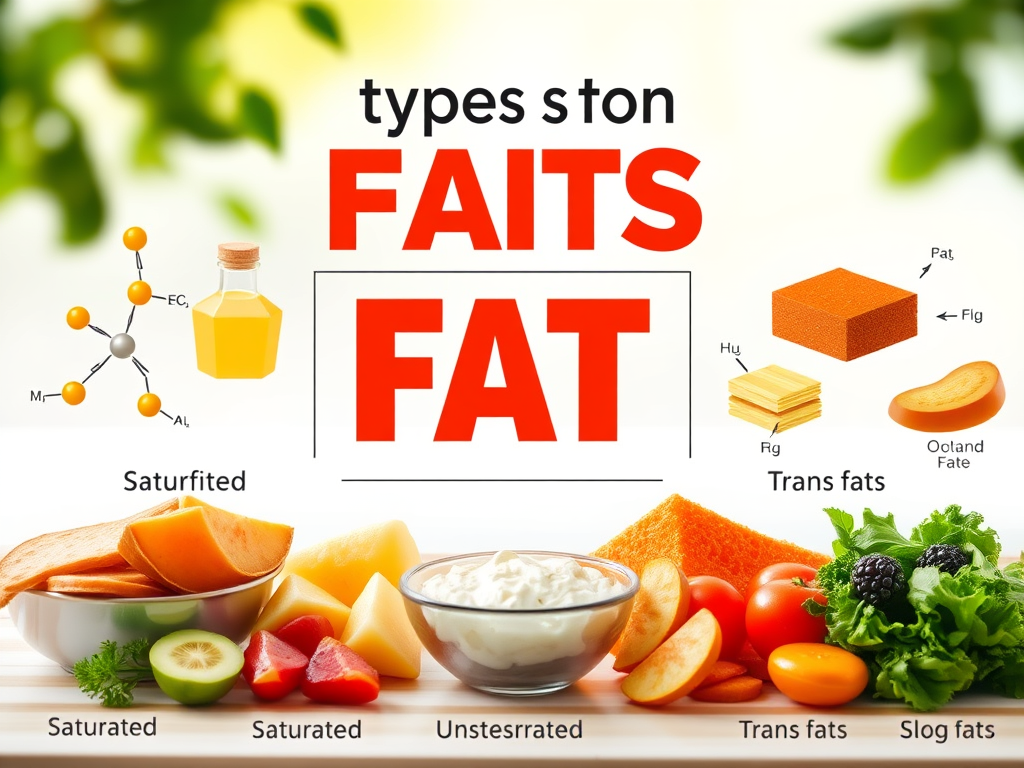
Dietary fats are divided into four main types:
Unsaturated Fats (The Heart-Healthy Fats):
Monounsaturated Fats: Discover the power of monounsaturated fats, abundant in olive oil, avocados, and nuts. These beneficial fats can help lower bad cholesterol levels!
Polyunsaturated Fats: Embrace the diverse world of polyunsaturated fats, which include Omega-3 and Omega-6 fatty acids. These essential nutrients are eager to support your health and are found in wild-caught fish, nutty flaxseeds, brain-boosting walnuts, and oils like sunflower and soybean oil.
Saturated Fats (Moderation is Key!): Predominantly sourced from animal products such as rich butter, hearty red meat, and creamy cheese, saturated fats also come from tropical oils like coconut oil. While not inherently “bad,” it’s crucial to enjoy these flavorful fats in moderation for cooking purposes because of their high burning temperature.
Trans Fats (The Unhealthy Fats to Avoid): Trans fats are artificially created during the food processing phase, primarily found in hydrogenated oils prevalent in many fried and processed foods. These harmful fats significantly raise the risk of heart disease, making it crucial to limit their intake for a healthier lifestyle. Avoiding trans fats is a vital step towards maintaining your heart health and overall well-being.
Why Do We Need Dietary Fat?
Fats are not merely a source of calories; they are essential allies in promoting your overall health and vitality. Here’s how healthy fats can transform and revitalize your body:
Energy Source: Fats deliver an impressive 9 calories per gram, positioning them as the most energy-dense macronutrient available. This sustained energy is vital, particularly in diets like keto, where healthy fats serve as the primary fuel, supporting endurance and overall vitality.
Crucial for Brain Health: Did you know your brain is composed of nearly 60% fat? Essential fatty acids, particularly Omega-3 (DHA), are indispensable for optimal brain function, enhancing memory, and boosting cognitive performance. Prioritize your brain health with these vital nutrients!
Essential Hormone Production: Fats are crucial for the synthesis of vital hormones, including testosterone and estrogen, as well as a host of other powerful steroid hormones that regulate numerous bodily functions and enhance overall health.
Nutrient Absorption: The powerful role of fat-soluble vitamins A, D, E, and K cannot be overstated; these essential nutrients require fats for optimal absorption in your body. Without an adequate intake of healthy fats, your body may face challenges in absorbing these crucial vitamins, potentially impacting your overall health and well-being.
Cell Structure: Fats play a crucial role in the formation and stability of cell membranes, ensuring their integrity and optimal function in sustaining cellular health and communication.
Powerful Inflammation Fighter: Omega-3 fatty acids are renowned for their exceptional anti-inflammatory properties. They play a crucial role in promoting heart health, alleviating joint pain, and significantly lowering the risk of chronic diseases.
What Happens When You Don’t Get Enough Fat?
A deficiency in dietary fat can trigger a range of serious health issues, such as impaired nutrient absorption, hormone imbalances, and increased risk of chronic diseases.
Revitalize Your Skin and Hair: Essential fats play a crucial role in nourishing your skin and hair, preventing dryness and flakiness. A deficiency in these vital fats can result in irritating eczema and brittle hair, leading to lackluster appearance. Prioritize healthy fats to unlock vibrant skin and luscious locks!
Hormonal Imbalances: Insufficient fat intake can severely disrupt hormone production, leading to alarming menstrual irregularities, unpredictable mood swings, and diminished libido. Prioritizing healthy fats is crucial for maintaining hormonal balance and overall well-being.
Vitamin Deficiencies: Insufficient fat intake hampers your body’s ability to absorb essential fat-soluble vitamins—namely A, D, E, and K. This deficiency can result in serious health issues such as night blindness due to a lack of vitamin A or fragile bones caused by inadequate vitamin D levels. Prioritizing healthy fats is crucial for maintaining optimal vitamin absorption and overall health.
Impaired Cognitive Performance: Insufficient Omega-3 fatty acids can lead to debilitating brain fog, memory lapses, and heightened susceptibility to mental health challenges, such as depression and anxiety. Prioritizing Omega-3 intake is vital for bolstering mental clarity and emotional resilience.
Weakened Immune System: Vital fats are crucial for empowering your immune system. A deficient intake can severely diminish your capacity to combat infections effectively. Prioritize these essential nutrients to fortify your defenses and maintain robust health!
Sources of Healthy Dietary Fats
To truly nourish your body and optimize your health, incorporate these essential, nutrient-dense, fat-rich foods into your diet:
Powerful Omega-3 Sources: Savory fatty fish like salmon, sardines, and mackerel; nutrient-dense flaxseeds; and delicious walnuts. Discover the health benefits they bring to your diet!
Omega-6 Fatty Acid Powerhouses: Unleash the health benefits of nutritious nuts and vibrant seeds packed with essential Omega-6 fatty acids!
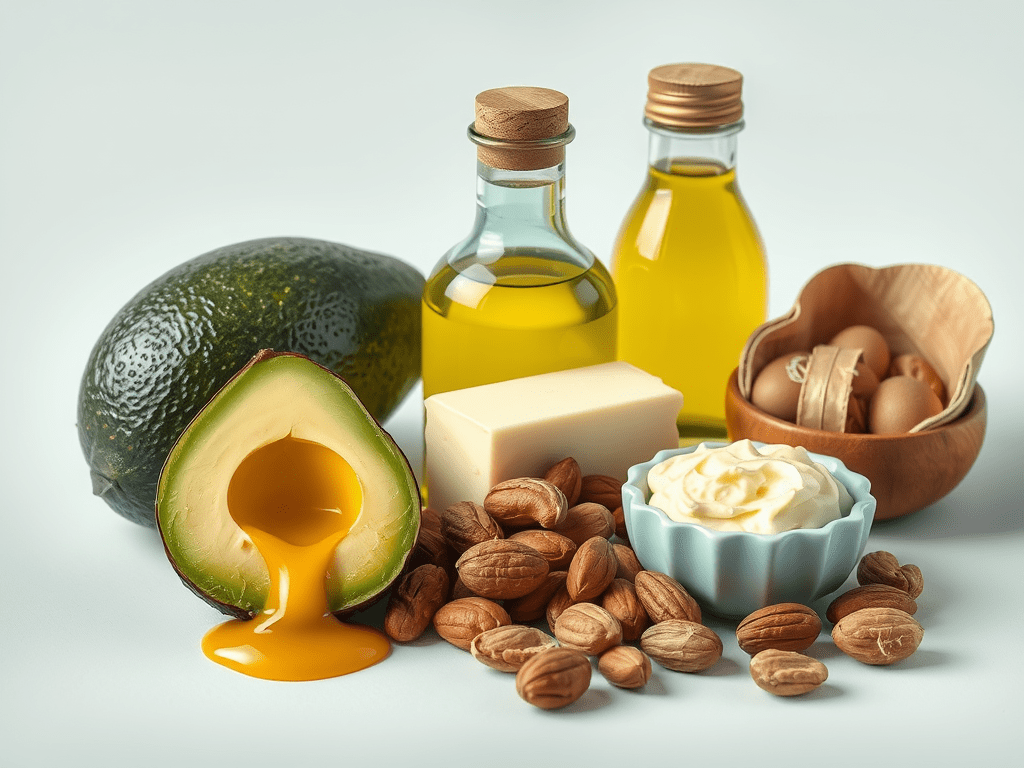
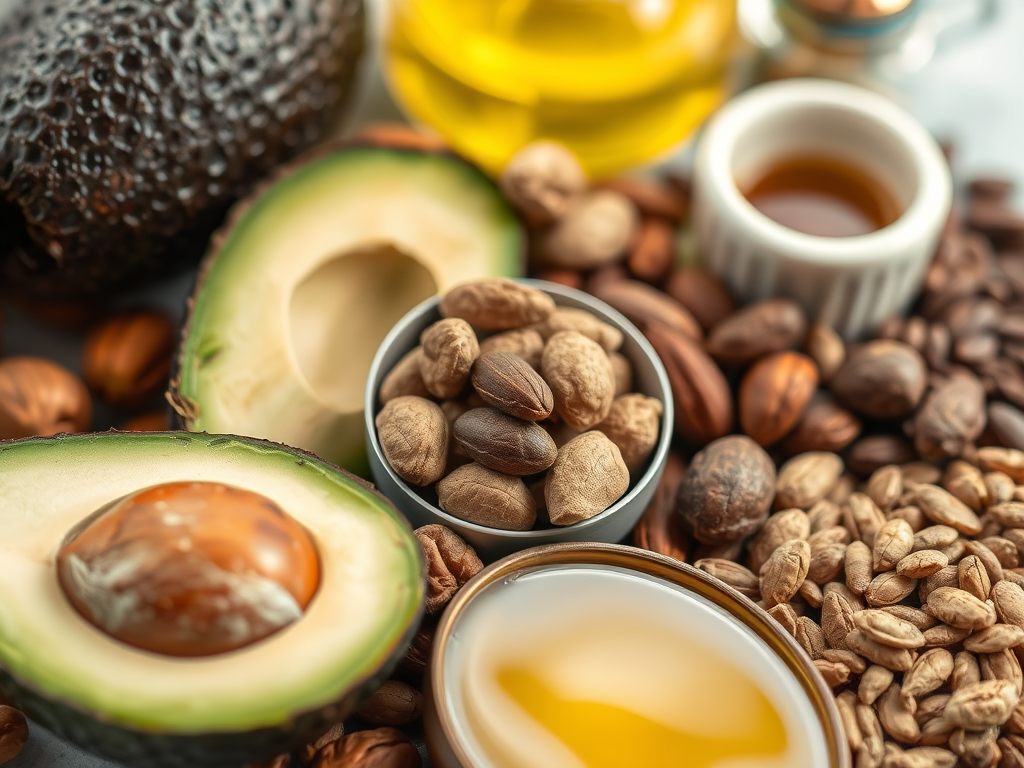
Monounsaturated Fats: Unlock the health benefits of heart-friendly fats found in extra virgin olive oil, luscious avocados, crunchy almonds, and satisfying peanuts. Incorporate these nutritious treasures into your diet for a boost in overall well-being!
Nourishing Saturated Fats: Unlock the power of coconut oil, indulge in grass-fed butter (in moderation for optimal health), and enjoy the goodness of pasture-raised eggs for a balanced diet rich in healthy fats.
Conclusion: Embrace Fats Wisely
Dietary fats play a vital role in maintaining a healthy body and sharp mind. Steer clear of harmful processed trans fats, moderate your intake of saturated fats, and prioritize heart-healthy unsaturated fats, especially Omega-3 and Omega-6 fatty acids. By embracing a diverse range of nutritious fats in your diet, you can enhance energy production, promote hormonal balance, boost brain function, and elevate your overall well-being. Remember, fat is not your enemy—it’s a crucial ally in your journey toward a healthy, vibrant life.
Looking for tailored nutrition advice or personalized meal planning? Reach out today to transform your diet and achieve your unique health goals with expert guidance!



 Simplify Your Wellness Journey