Tag: diet

  • The Hidden Risks of Death in Healthy People While Working Out: A Reality Check

    The Hidden Risks of Death in Healthy People While Working Out: A Reality Check

    In recent years, alarming reports of seemingly fit individuals collapsing or tragically dying during workouts have ignited widespread concern. While physical activity is undeniably vital for our health, these incidents provoke critical questions: Is exercise inherently risky? The answer is a definitive no. Instead, these unfortunate deaths often arise from factors unrelated to exercise. Poor dietary choices contribute to the problem. Undetected steroid use is another factor. A lack of proper nutrition guidance also plays a role. This blog delves into the underlying causes of these incidents. It also stresses the essential role of staying active for sustained health and vitality.

    Exercise: Your Ultimate Lifesaver, Not a Risk Factor

    Regular exercise is an incredibly powerful tool for dramatically improving cardiovascular health, elevating mental well-being, and warding off chronic diseases. The transformative benefits of physical activity encompass:

    • Improved heart and lung function.
    • Reduced risk of obesity, diabetes, and hypertension.
    • Enhanced mood and cognitive function through endorphin release.
    • Better muscle strength, bone density, and flexibility.

    However, when combined with unhealthy lifestyle habits or misinformation, even exercise can become risky.

    How a Poor Diet Can Lead to Workout-Related Injuries

    • Nutritional Deficiencies: A Hidden Crisis
      • Many individuals unknowingly sabotage their health. They succumb to fad diets. They excessively depend on processed foods. They remain oblivious to the principles of balanced nutrition.
      • Critical deficiencies in essential nutrients—such as electrolytes, iron, and vital vitamins (like B12 and D)—can trigger debilitating fatigue. They can cause irregular heart rhythms and painful muscle cramps during exercise. These deficiencies significantly heighten the risk of serious cardiac events.
    • Over-consumption of Energy Drinks and Supplements: Pre-workouts and energy drinks packed with caffeine and potent stimulants are frequently relied upon for that extra “boost.” However, the dangers of excessive stimulant intake can lead to serious health issues such as arrhythmia’s, palpitations, and significantly elevated blood pressure, especially during intense physical exertion. It’s crucial to prioritize safety and be mindful of the potential consequences that come with these popular performance enhancers.
    • Carbohydrate Mismanagement
      • A low-carbs or poorly managed keto diet can lead to hypoglycemia (low blood sugar). This condition results in dizziness, fainting, or even cardiac distress during workouts.
      • Conversely, excessive refined carbohydrate consumption can lead to insulin resistance and long-term cardiovascular issues.

    The Hidden Dangers of Steroid Use

    • Steroids Among Social Media Influencers
      • The rise of social media has glorified “perfect” physiques, leading many influencers and their followers to turn to Anabolic steroids for faster results.
      • Steroids artificially enhance muscle growth but come at a significant cost to heart health, including:
        • Hypertension: Steroids elevate blood pressure, increasing strain on the heart.
        • Arrhythmia’s: Steroid use disrupts normal heart rhythms.
        • Heart Muscle Damage: Long-term use can lead to cardiomyopathy (weakened heart muscle) and heart failure.

    These substances are often used in secret, with influencers promoting an unrealistic image of “natural” fitness that pressures others to follow unsafe paths.

    The Importance of Proper Nutrition and Counseling

    • Personalized Nutrition Plans
      • A certified nutritionist thoroughly analyzes an individual’s health history, fitness aspirations, and current dietary practices. This comprehensive evaluation informs the creation of a dynamic, sustainable meal plan tailored specifically to enhance well-being and performance.
      • Optimal nutrition is crucial for achieving peak electrolyte balance. It helps in stabilizing blood sugar levels. It also fosters effective recovery. These factors significantly diminish exercise-related risks and promote overall health.
    • Education on Safe Supplementation
      • Nutrition counseling provides essential knowledge on the responsible and effective use of dietary supplements. This includes high-quality protein powders, energizing pre-workouts, and comprehensive multivitamins.
      • By avoiding dangerous stimulants and unverified compounds, individuals can significantly reduce their risk of heart-related incidents. They can also enhance their overall health.
    • Essential Guidance for Athletes and Gym Enthusiasts: Athletes and dedicated gym-goers need tailored macronutrient plans and hydration strategies to optimize performance and fuel intense workouts, ensuring that they achieve their fitness goals while maintaining overall health.

    How to Stay Safe While Staying Active

    • Embrace Balanced Eating for Optimal Performance
      • Prioritize a vibrant mix of lean proteins, heart-healthy fats, and nutrient-dense complex carbohydrates to energize your workouts and enhance recovery.
      • Boost your heart health by incorporating essential nutrients. Include magnesium-rich foods such as nuts, seeds, and leafy greens. Add omega-3 fatty acids from sources like salmon, flaxseeds, and walnuts.
    • Stay Hydrated, Stay Strong: Dehydration can put immense strain on your heart during exercise. Prioritize hydration by drinking plenty of water and incorporating electrolyte-packed beverages into your routine, especially for those intense, prolonged workouts. Your body will thank you!
    • Steer Clear of Quick Fixes: Reject the lure of steroids and dubious supplements. Embrace steady, sustainable progress through natural means for lasting results!
    • Understand Your Limits: Pushing too hard can lead to injury and put unnecessary strain on your heart. Embrace a well-rounded workout regimen that prioritizes adequate recovery and incorporates rest days for optimal performance.
    • Engage Expert Guidance: Collaborate with certified trainers and nutritionists to create personalized and effective exercise and dietary strategies that cater to your unique health goals and enhance your overall well-being.
    • Essential Health Checkups: Routine screenings for blood pressure, cholesterol levels, and heart function are crucial for your well-being, especially if you engage in intensive exercise or have a family history of heart disease. Prioritizing these checkups can empower you to take control of your health and prevent potential issues before they arise.

    Final Thoughts: Key Takeaways and Insights

    Exercise is a cornerstone of a thriving, healthy lifestyle and should never be viewed with fear. However, pitfalls like poor dietary habits, hidden steroid use, and a lack of professional guidance can transform workouts into potential risks. By focusing on balanced nutrition, steering clear of shortcuts like steroids, and seeking expert advice, individuals can confidently embrace the countless benefits of physical activity.

    Staying active is not just beneficial for your heart—it’s crucial for overall health. When you couple regular exercise with informed dietary choices and a steadfast commitment to authenticity over quick fixes, you’re not only building a stronger body but also paving the way for a longer, healthier life. Embrace the journey and let your commitment lead to lasting wellness!


  • Amenorrhea: How Diet and Lifestyle Affect Menstrual Health

    Amenorrhea: How Diet and Lifestyle Affect Menstrual Health

    Amenorrhea, a term that may be unfamiliar to many, represents a critical health issue that profoundly impacts women’s reproductive health. This condition is not merely characterized by the absence of a menstrual cycle; it often serves as a warning sign of deeper health complications, especially those tied to nutrition and lifestyle habits. As a dedicated nutritionist, I strive to illuminate the complexities of amenorrhea, exploring its myriad causes and emphasizing the necessity of a comprehensive, informed approach to weight loss for optimal well-being.
    Amenorrhea, signifying the absence of menstruation, can drastically influence a woman’s overall health. What may initially appear to be a minor inconvenience is often a red flag for serious underlying health concerns, particularly those associated with dietary choices and lifestyle factors. This article embarks on a thorough exploration of amenorrhea, examining its causes, symptoms, and the crucial importance of adopting a well-rounded approach to weight loss.

    What is Amenorrhea?

    Amenorrhea is defined as the absence of menstrual periods and is classified into two distinct types:

    • Primary Amenorrhea: This condition manifests when a girl has not experienced her first menstruation by the age of 15 or 16, raising concerns about puberty progression and reproductive health.
    • Secondary Amenorrhea: This condition arises when a woman who previously experienced regular menstrual cycles misses her periods for three or more consecutive months. It can be a significant indicator of underlying health issues, requiring attention and often leading to further assessments to uncover potential causes such as hormonal imbalances, stress, or significant weight changes.

    While certain instances of amenorrhea are perfectly natural—such as during pregnancy, breastfeeding, or menopause—other cases may signal underlying health concerns that warrant immediate attention.

    Symptoms of Amenorrhea

    The primary symptom is the absence of a menstrual cycle. However, women may experience additional symptoms depending on the underlying cause, such as:

    • Vaginal dryness
    • Mood disorders
    • Frequently feeling cold
    • Hair loss or thinning
    • Weight changes
    • Acne or unusual hair growth (hirsutism)
    • Headaches or vision changes
    • Pelvic pain
    • Fatigue and decreased energy levels

    Several factors can contribute to the development of amenorrhea:

    • Hormonal Imbalances: Conditions like Polycystic Ovary Syndrome (PCOS) and thyroid disorders significantly disrupt the delicate hormonal balance essential for maintaining regular menstruation. Understanding these conditions is crucial for effective management and restoring menstrual health.
    • Stress: Chronic stress affects the hypothalamus the brain region responsible for regulating menstrual cycles leading to disruptions.
    • Low Body Weight or Eating Disorders: Significant weight loss, anorexia, or bulimia can halt menstrual periods due to insufficient energy availability.
    • Excessive Exercise: Intense physical activity without adequate caloric intake can lead to energy deficits, causing menstrual irregularities.
    • Nutritional Deficiencies: Lack of essential nutrients can impair hormone production and menstrual function.

    The Impact of Crash Diets and Severe Calorie Restriction

    In the pursuit of swift weight loss, countless individuals turn to crash diets or extreme calorie cuts. Although these approaches may deliver immediate results on the scale, they often come at a significant cost to menstrual health:

    • Energy Deficiency: The human body necessitates a specific amount of energy to sustain essential physiological functions, including reproduction. Severe calorie restriction can push the body into a state of energy deficiency, leading it to conserve energy by suppressing reproductive functions. This can culminate in the occurrence of amenorrhea, a significant disruption in the menstrual cycle that signals deeper health concerns.
    • Hormonal Disruption: Adequate fat intake is crucial for the production of estrogen, a vital hormone in regulating the menstrual cycle. Low-calorie diets often lack sufficient healthy fats, which can lead to decreased estrogen levels and menstrual irregularities. Prioritizing the right fats is essential for maintaining hormonal balance and overall reproductive health.
    • Stress Response Activation: A drastic calorie reduction can trigger the body’s stress response, leading to a surge in cortisol levels. Elevated cortisol can significantly disrupt the hypothalamic-pituitary-ovarian axis, resulting in irregular menstrual cycles.

    These factors combined can lead to amenorrhea, impacting not just menstrual health but also long-term fertility and bone health. Research indicates that women who engage in restrictive diets and excessive exercise are at a higher risk of developing amenorrhea.

    A Long-Term Health Consequences of Amenorrhea

    While missing a period might seem benign, prolonged amenorrhea can lead to significant health issues:

    • Bone Density Loss: Estrogen is crucial for maintaining strong bones. When estrogen levels drop significantly due to amenorrhea, it can result in a notable decline in bone density, which significantly elevates the risk of osteoporosis and fractures. Prioritizing hormone health is essential to safeguard your skeletal integrity.
    • Infertility: The absence of regular ovulation significantly hampers conception, resulting in potential fertility challenges that can impact one’s journey to parenthood.
    • Cardiovascular Health Risks: Hormonal imbalances linked to amenorrhea can significantly threaten your heart health over time, leading to increased vulnerability to serious cardiovascular diseases. It’s crucial to address these hormonal issues to safeguard your circulatory system and maintain overall wellness.
    • Psychological Effects: The stress and anxiety stemming from missed periods can profoundly impact mental well-being, leading to heightened emotional distress and challenges in daily life.

    A study published in the Journal of Clinical Endocrinology & Metabolism emphasizes the importance of addressing amenorrhea promptly to mitigate these risks.

    Adopting a Balanced Approach to Weight Loss

    Achieving and maintaining a healthy weight is a commendable goal, but it’s essential to approach weight loss sustainably to prevent adverse health effects like amenorrhea. Here are strategies to consider:

    • Ensure Sufficient Caloric Intake: Steer clear of drastic calorie cuts! Instead, aim for a moderate calorie deficit that promotes steady weight loss while delivering ample energy for optimal bodily functions. Prioritize nourishing your body with nutrient-dense foods to support your health journey!
    • Maintain Nutritional Balance: Embrace a vibrant, balanced diet packed with nutritious whole foods! Prioritize lean proteins, healthy fats, and complex carbohydrates. This essential balance not only fuels your body but also enhances your overall health and hormonal harmony.
    • Monitor Exercise Intensity: While regular physical activity is undeniably beneficial, it’s vital to balance your workouts with adequate rest and proper nutrition. Over-exercising without sufficient fueling can lead to energy deficits and may contribute to menstrual irregularities. Ensure you listen to your body and prioritize recovery to maintain a healthy balance!
    • Seek Expert Guidance: Connect with healthcare professionals such as registered dietitians, nutritionist and physicians to craft a tailored nutrition and exercise strategy that not only aligns with your health goals but also effectively prevents potential complications like amenorrhea. Embrace the journey to optimal health with a specialized plan designed just for you!

    A groundbreaking review published in the Journal of Clinical Medicine underscores the crucial role of enhanced caloric intake in effectively restoring menstrual function in women suffering from amenorrhea caused by energy deficits.

    Final Thoughts and Key Takeaways

    Amenorrhea is a preventable condition, and women can embrace their health by prioritizing proper nutrition and informed weight-loss strategies. While crash diets and extreme calorie restrictions may promise rapid results, they often jeopardize long-term health. Instead, aim to focus on a balanced diet. Pay attention to your body’s signals. Consult with professionals to achieve your fitness goals and sustain holistic well-being. Women can reach their health and fitness aspirations by understanding the causes and consequences of amenorrhea. They can make informed lifestyle adjustments.

    Remember, your health is an investment, not an expense. Treat your body with the care it rightfully deserves!

  • The Truth About Cholesterol: What Doctors Don’t Tell You

    The Truth About Cholesterol: What Doctors Don’t Tell You

    Cholesterol has long been demonized as the primary culprit behind heart disease and a host of other health concerns. For decades, the prevailing wisdom dictated that we should steer clear of foods rich in cholesterol, as we believed they would block our arteries and hasten our demise. However, recent breakthroughs in research and a nuanced understanding of cholesterol paint a much more complex picture—one that not only challenges the conventional narrative pushed by certain industries but also uncovers the significant benefits of cholesterol in our diets.

    In this enlightening blog, we will delve into the pivotal role of cholesterol in our bodies, clarify the crucial distinction between dietary cholesterol and blood cholesterol, and explain why total cholesterol levels are not the definitive marker of health we once thought they were. Moreover, we’ll expose the myths and misinformation propagated by corporate interests to promote their products at the expense of our health.

    Join us as we explore the cutting-edge research demonstrating that cholesterol is not the villain it has been made out to be, but rather a vital nutrient essential for achieving optimal health. Prepare to rethink everything you thought you knew about cholesterol; it might just be the key to unlocking a healthier you!

    What is Cholesterol and Its Role in the Body?

    Cholesterol is a waxy, fat-like substance. It plays essential roles in the body. It supports cell membrane structure. Cholesterol aids in hormone production and facilitates the absorption of vital nutrients.

    • Hormone Production: Essential for the synthesis of critical hormones, such as testosterone, estrogen, and cortisol, this precursor plays a pivotal role in maintaining overall hormonal balance and supporting vital bodily functions.
    • Boost Your Vitamin D Levels: Cholesterol plays a crucial role in the synthesis of vitamin D when your skin is kissed by sunlight. Embrace the sun’s rays to enhance your wellness and optimize your health!
    • Bile Production: Cholesterol is crucial for liver bile production. Bile is vital for effectively digesting and absorbing dietary fats.
    • Brain Health: Cholesterol plays a vital role in maintaining optimal brain function, as it is essential for the health and performance of neurons and memory. Astonishingly, 25% of the body’s cholesterol resides in the brain, highlighting its crucial importance for overall cognitive health and mental clarity.

    Clearly, cholesterol is not the villain it’s often portrayed to be; in fact, it’s a vital substance that plays a crucial role in numerous essential bodily functions, ensuring our overall health and vitality. Without adequate levels of cholesterol, our bodies would struggle to maintain proper hormone production, cell membrane integrity, and numerous other critical processes.

    Body Cholesterol vs. Dietary Cholesterol: Understanding the Difference

    • Body Cholesterol (Endogenous)
      • Most of the cholesterol in your body (about 75–80%) is produced by the liver and other cells.
      • The body tightly regulates cholesterol production to maintain balance, increasing production when dietary intake is low and decreasing it when dietary intake is high.
    • Dietary Cholesterol (Exogenous)
      • Found in foods like eggs, red meat, shellfish, and full-fat dairy.
      • Dietary cholesterol has a minimal impact on blood cholesterol levels for most people.
    • The Misconception: For years, dietary cholesterol was blamed for raising blood cholesterol levels and increasing heart disease risk. However, numerous studies have shown that the body adjusts its cholesterol production based on intake, making dietary cholesterol far less impactful than previously believed.

    The Hidden Agenda: How Cholesterol Became a Scapegoat

    In the mid-20th century, the demonization of cholesterol gained momentum due to flawed research and corporate interests:

    • Ancel Keys’ Flawed Research:
      • The “Seven Countries Study” by Ancel Keys linked dietary fat (and cholesterol) to heart disease. However, it selectively used data from countries that supported the hypothesis while ignoring others that contradicted it.
      • This study led to decades of low-fat dietary guidelines.
    • Industry-Funded Misinformation:
      • In the 1960s, the sugar industry paid researchers to downplay sugar’s role in heart disease and shift the blame to dietary fat and cholesterol.
      • This was revealed in a 2016 JAMA Internal Medicine report, exposing how corporations influenced public health policies to benefit their products.
    • Cholesterol-Lowering Drug Industry:
      • The pharmaceutical industry capitalized on the fear of cholesterol, promoting statins as a one-size-fits-all solution.
      • Statins lower cholesterol levels but do not address the root causes of heart disease, such as inflammation and metabolic dysfunction.

    Why Doctors Hide the Truth About Cholesterol

    The persistent misinformation surrounding cholesterol can be traced back to significant gaps in medical education and the overwhelming influence of powerful industries. Many medical professionals receive insufficient training in nutrition during their education, which leaves them overly dependent on outdated guidelines that drastically oversimplify cholesterol’s complex role in health. Moreover, the immense power of the pharmaceutical industry cannot be overlooked. Cholesterol-lowering medications, such as statins, generate billions of dollars annually, creating a hefty financial incentive to perpetuate the narrative that high cholesterol is inherently harmful. By emphasizing the need to lower cholesterol levels instead of tackling underlying issues like inflammation and insulin resistance, the healthcare system frequently opts for mere symptom management over genuine prevention. This toxic blend of limited nutritional knowledge and vested financial interests fuels the ongoing demonization of cholesterol, which in turn keeps patients misinformed and reliant on medications, rather than empowering them with effective dietary and lifestyle strategies for long-term health.

    The Myth of “High Cholesterol” and the Hidden Truth

    • Why Total Cholesterol Numbers Don’t Tell the Whole Story:
      • Understanding LDL vs. HDL:
        • LDL (Low-Density Lipoprotein), often referred to as “bad cholesterol,” isn’t inherently dangerous. Issues occur when LDL particles become oxidized or small and dense, which can significantly contribute to the buildup of arterial plaque and increase heart disease risk.
        • In contrast, HDL (High-Density Lipoprotein), known as “good cholesterol,” plays a crucial role in clearing excess cholesterol from the bloodstream, acting as a protector against cardiovascular issues.
        • Relying solely on total cholesterol is misleading. A more insightful approach involves examining the HDL to LDL ratio, alongside monitoring triglyceride levels and inflammatory markers such as C-reactive protein (CRP) to accurately assess heart disease risk.
    • Identifying the True Risk Factors for Heart Disease: It’s essential to recognize that chronic inflammation, insulin resistance, and oxidative stress, coupled with unhealthy lifestyle habits (like smoking and a sedentary lifestyle), are the real culprits behind cardiovascular disease—not cholesterol itself.

    Research Supporting Cholesterol as Beneficial

    • Cholesterol and Longevity: A 2013 study published in The American Journal of Clinical Nutrition found that higher cholesterol levels in older adults were associated with increased longevity and reduced risk of infections.
    • Cholesterol and Brain Health: Research in Frontiers in Aging Neuroscience highlights the importance of cholesterol in preventing neuron-degenerative diseases like Alzheimer’s.
    • Dietary Cholesterol and Heart Disease: A 2015 meta-analysis in BMJ concluded that there is no significant link between dietary cholesterol and cardiovascular disease in healthy individuals.

    The Path Forward: Embracing Cholesterol-Rich Foods

    • Focus on Whole Foods: Replace processed foods and refined carbohydrates with nutrient-dense, whole foods, including cholesterol-rich options. Kindly consult with professional for right amount of fats required as per your daily intake.
    • Address Inflammation: Prioritize anti-inflammatory foods like fatty fish, nuts, seeds, and leafy greens.
    • Avoid Refined Sugars and Trans Fats: These are the real culprits behind heart disease and should be minimized.
    • Balance Your Lifestyle: Exercise regularly, manage stress, and get adequate sleep to support overall cardiovascular health.

    Final Thoughts and Key Takeaways

    Cholesterol Isn’t the Enemy: Embrace This Essential Nutrient for Optimal Health

    Cholesterol plays a vital role in maintaining your overall health—it’s not the villain we’ve been led to believe. The long-standing war on cholesterol has been fueled by flawed research and influenced by corporate agendas. To promote better health, it’s crucial to understand the distinction between dietary cholesterol and that produced by your body.

    Instead of fearing cholesterol, focus on the real risk factors that impact your well-being. Embrace a diet rich in whole, nutrient-dense foods that nourish your body and support your health goals.

    It’s time to rethink cholesterol. Break free from outdated myths and trust the science that underscores its importance in a balanced, healthy diet.

    Don’t navigate this journey alone: consult with a knowledgeable professional who can guide you on how fats function in your body, determine the right quantities based on your lifestyle, and identify the best food combinations for an effective nutrition plan. Your path to understanding cholesterol starts now—let’s make informed choices together!

  • The Rising Risk of Heart Attacks and Cardiac Diseases: The Role of Cooking Oils, Fats, and Carbohydrates

    The Rising Risk of Heart Attacks and Cardiac Diseases: The Role of Cooking Oils, Fats, and Carbohydrates

    Heart attacks and cardiac diseases are alarmingly prevalent across the globe, affecting even younger demographics. According to the World Health Organization (WHO), cardiovascular diseases (CVDs) are the foremost cause of death worldwide. They result in nearly 18 million fatalities each year. Genetics and lifestyle choices certainly influence our heart health. However, the daily foods we consume are significant culprits in this crisis. Especially problematic are low-quality cooking oils, unhealthy fats, and excessive carbohydrates. In this insightful exploration, we will examine how these dietary components affect heart health. Our findings are supported by compelling research.

    The Role of Bad-Quality Cooking Oils and Seed Oils in Heart Disease

    • Elevated Omega-6 Fatty Acid Levels: Many commonly used seed oils, including soybean, corn, sunflower, and canola oil, are particularly high in omega-6 fatty acids. While omega-6 is crucial for health in moderation, excessive intake disrupts the critical omega-6 to omega-3 balance, leading to increased inflammation—a major contributor to the onset of heart disease.
      • Compelling Research Findings: A study published in BMJ underscored the serious consequences of imbalanced omega-6 and omega-3 fatty acids, linking this disproportion to elevated cardiovascular risk due to increased inflammation and oxidative stress.
    • Toxic Compounds from Heating: When seed oils are heated at high temperatures, they undergo oxidation, resulting in the formation of toxic aldehydes and trans fats. These detrimental compounds not only harm blood vessels but also significantly increase LDL cholesterol while simultaneously reducing HDL cholesterol.
      • Research Evidence: According to the Journal of Food Science, heating vegetable oils at elevated temperatures generates harmful oxidation products that are linked to an increased risk of heart disease.
    • Highly Refined and Chemically Processed Seed Oils: Numerous seed oils undergo intensive chemical extraction using harmful solvents such as hexane, followed by extensive refining processes that strip away essential nutrients. This industrial approach not only eliminates beneficial compounds but also generates toxic byproducts that can significantly increase oxidative stress and promote chronic inflammation in the body.

    The Danger of Unhealthy Fats

    • Trans Fats: Present in margarine, shortening, and numerous processed foods, trans fats pose a significant threat to heart health. These harmful fats not only elevate LDL cholesterol but also diminish HDL cholesterol, exacerbating the risk of arterial plaque buildup, which can ultimately lead to severe cardiovascular issues.
      • Research Evidence: The New England Journal of Medicine highlights a staggering statistic: trans fats are linked to approximately 500,000 preventable deaths each year, underlining their devastating impact on heart health and overall well-being.
    • Saturated Fats in Processed Foods: Saturated fats from unhealthy sources, including processed meats, deep-fried delights, and sugary baked goods, significantly contribute to cholesterol imbalances and dangerous arterial blockages. In contrast, saturated fats sourced from natural ingredients, like nutrient-rich coconut oil and wholesome grass-fed butter, can be enjoyed safely when consumed in moderation, promoting better overall health without the associated risks.

    The Role of High-Carbohydrate Diets in Heart Disease

    • Elevated Blood Sugar and Insulin Resistance: Diets rich in refined carbohydrates—including white bread, pastries, sugary beverages, and processed snacks—trigger rapid surges in blood sugar and insulin levels. Over time, this chronic elevation can lead to insulin resistance, inflammation, and unwanted weight gain—all significant risk factors for heart disease.
      • Compelling Research Evidence: A pivotal study published in The Lancet revealed a robust association between high carbohydrate intake and a heightened risk of heart disease, particularly in populations that consume refined carbs as dietary staples.
    • Triglyceride Levels: Excessive carbohydrate consumption can lead to significantly elevated triglyceride levels—these are harmful fats in your bloodstream that promote the formation of arterial plaque. This buildup not only heightens the risk of heart attacks but also poses a substantial threat to overall cardiovascular health.
    • Chronic Inflammation: Highly processed carbohydrates and sugary delights fuel systemic inflammation, wreaking havoc on blood vessel walls and significantly accelerating the progression of atherosclerosis (dangerous artery hardening).

    Research Findings on Diet and Heart Health

    • PURE Study (Prospective Urban Rural Epidemiology): This groundbreaking study investigated the intricate relationship between diverse dietary patterns and their profound effects on health across 18 countries.
      • Key Findings: A striking correlation was observed where elevated carbohydrate intake significantly increased the risk of total mortality, while a higher intake of fats (including saturated fats) was intriguingly linked to a reduced risk of stroke and heart disease.
    • Harvard Health Study on Omega-6 and Omega-3 Ratios: The groundbreaking research revealed that contemporary diets, heavily influenced by seed oils, exhibit an alarming omega-6 to omega-3 ratio of up to 20:1. This stark contrast to the ideal ratio of 4:1 or lower significantly contributes to inflammation, raising the risk of heart disease and other chronic health issues.
    • Framingham Heart Study: Revealed that diets rich in refined carbohydrates and dangerous trans fats dramatically elevate LDL cholesterol and triglyceride levels, significantly heightening the risk of heart disease.

    Practical Steps to Reduce Heart Disease Risk

    • Select Nutrient-Dense, Heart-Healthy Fats
      • Swap out harmful seed oils for superior, heart-healthy alternatives such as, coconut oil, ghee and grass-fed butter to elevate your cooking and health.
      • Boost your omega-3 levels by incorporating fatty fish like salmon, mackerel, and sardines into your meals, or consider high-quality supplements for an additional health boost.
    • Significantly Cut Refined Carbohydrates
      • Ditch white bread, sugary snacks, and heavily processed foods.
      • Embrace whole, low-Glycemic carbohydrates like organic lentils, nutritious sweet potatoes, and fiber-rich legumes.
    • Embrace Powerful Anti-Inflammatory Foods: Elevate your diet by incorporating a vibrant array of colorful vegetables, nutritious fruits (especially antioxidant-rich berries), crunchy nuts, wholesome seeds, and aromatic spices like turmeric and ginger to effectively fight inflammation and boost your overall health.
    • Steer Clear of Harmful Trans Fats: Always scrutinize food labels for “partially hydrogenated oils” and eliminate products that contain these dangerous fats from your diet. Your health deserves better!
    • Master Portion Control for a Healthier You: Overeating—even nutritious foods—can trigger weight gain and disrupt your metabolism. This is especially true when indulging in carbohydrate-rich options like lentils and legumes. Embrace mindful eating to maintain balance and nourish your body effectively!
    • Stay Physically Active: Engaging in regular exercise is vital for enhancing heart health. It effectively lowers triglyceride levels, elevates HDL (good) cholesterol, and helps you maintain a healthy weight for a vibrant, energetic life. Prioritize movement daily to unlock the incredible benefits for your cardiovascular system!

    Compelling Conclusion: Key Insights and Final Thoughts

    The alarming increase in heart attacks and cardiac diseases can be primarily linked to poor dietary choices, especially the excessive consumption of low-quality cooking oils, unhealthy trans fats, and high-carbohydrate diets. Research highlights the critical need to eliminate inflammatory foods, swap out harmful fats for nutritious alternatives, and prioritize low-Glycemic carbohydrates to safeguard heart health. By making empowered and informed dietary choices, individuals can dramatically lower their risk of heart disease and enhance their overall well-being, paving the way for a healthier future.

  • The Truth About Commercial Baby Food

    The Truth About Commercial Baby Food

    As parents, our greatest wish is to ensure the optimal development of our children during their crucial formative years. The nutritional choices we make play a vital role in shaping their physical and mental growth. However, much of what’s advertised as “healthy” baby food in supermarkets often lacks essential nutrients. Research reveals that many commercial baby foods are linked to alarming long-term health issues, such as obesity, poor cognitive development, and chronic diseases. This blog delves into the hidden truths behind store-bought baby food, its significant impact on children’s health, and provides invaluable insights on how parents can choose wholesome alternatives like high-quality isolate whey protein and nutrient-rich real foods to bolster their child’s growth and well-being.

    The Problems with Commercial Baby Food

    • Excessive Sugar Levels: A shocking number of baby foods, even those proudly labeled as “organic” or “natural,” are loaded with added sugars and concentrated fruit ingredients.
      • Stunning Research Findings: A groundbreaking study published in The Lancet revealed that an alarming 70% of commercial baby foods exceed safe sugar thresholds, fostering an early preference for sweet tastes and heightening the risk of childhood obesity and diabetes.
    • Nutritionally Deficient: Many commercial baby foods undergo excessive processing, sacrificing essential nutrients like vitamins, minerals, and enzymes crucial for healthy growth and development.
      • Concerning Research Insights: A 2020 report from the World Health Organization (WHO) emphasized that a significant number of baby foods fall short of nutritional standards, delivering empty calories devoid of vital protein and healthy fats.
    • Hazardous Contaminants: Troubling levels of heavy metals—including arsenic, lead, cadmium, and mercury—are present in a variety of store-bought baby foods. These dangerous toxins are linked to developmental delays, cognitive impairment, and long-lasting health complications.
      • Disturbing Research Findings: A 2021 investigation by the U.S. House of Representatives uncovered that numerous well-known baby food brands harbor unacceptably high concentrations of heavy metals.
    • Deceptive Marketing Practices: Terms such as “all-natural,” “organic,” and “fortified” can mislead parents into mistakenly believing these products are substantially healthier than reality.

    Impact on Children’s Physical and Mental Development

    • Impaired Brain Development
      • Poor Nutrition: Insufficient nutrition during early childhood severely impacts cognitive function, memory retention, and overall learning ability. Diets that are excessively high in sugars while lacking essential fats and proteins deprive the brain of the vital nutrients it requires for optimal growth and development.
      • Omega-3 Deficiency: Essential fatty acids, particularly DHA and EPA, play a crucial role in brain development. Unfortunately, these vital nutrients are often missing from most commercial baby foods, hindering cognitive and emotional growth in young children.
    • Compromised Immune System: Over-processed foods are stripped of essential immune-boosting nutrients such as zinc, vitamin C, and Probiotics, which puts children at greater risk of infections and health issues. Prioritizing whole, nutrient-rich foods is vital for strengthening their defenses and promoting overall well-being.
    • Inadequate Protein Hinders Muscle and Bone Development: Insufficient protein levels in baby foods can severely impede optimal muscle and skeletal growth, resulting in weaker physical development during critical formative years.

    Healthy Alternatives to Commercial Baby Food

    • Premium Quality Isolate Whey Protein: Experience the power of whey protein isolate, an exceptional source of complete protein packed with essential amino acids that are crucial for the healthy development of growing children. Its easy digestibility makes it an ideal choice for active lifestyles.
      • Key Benefits:
        • Maximizes Muscle Growth and Repair: Fuel your child’s physical activities and recovery with this essential nutrient.
        • Boosts Immune System Function: Fortified with immunoglobulins and lactoferrin, it helps strengthen your child’s defenses against illness.
        • Enhances Brain Development: Rich in amino acids like tryptophan, it supports cognitive functions and overall brain health.
      • How to Use: Simply add a small amount (following age-appropriate dosage guidelines) to delicious homemade smoothies or purees, effortlessly boosting their protein intake for optimal growth!
    • Nourishing Homemade Baby Food: Crafting fresh, nutrient-packed meals empowers your child with wholesome goodness, free from preservatives and additives. Here are some vibrant options to consider:
      • Vegetable Purees: Include colorful choices like spinach, sweet potatoes, carrots, and nutrient-rich broccoli.
      • Fruit Combinations: Blend avocado with antioxidant-rich berries (naturally low in sugar) for a delightful treat.
      • Protein Powerhouses: Introduce cooked lentils soup, wholesome eggs, and nutritious salmon (loaded with omega-3 fatty acids) for balanced nutrition.
    • Healthy Fats: Include healthy fats like ghee, coconut oil, and avocado to support brain development and energy needs.
    • Iron-Rich Foods: Iron is essential for cognitive function and energy. Incorporate iron-rich foods like pureed meats, spinach, and fortified cereals.
    • Probiotics Foods: Probiotics strengthen gut health and immunity. Introduce foods like yogurt (unsweetened) or Kefir gradually.

    Research Findings Supporting Real Food Nutrition

    • Breastfeeding and Protein Needs
      • Research in The American Journal of Clinical Nutrition underscores the importance of high-quality protein during infancy and toddler-hood to support brain and muscle growth.
      • Whey protein, a key component of breast milk, can be supplemented through isolate whey as children transition to solid foods.
    • Whole Foods vs. Processed Foods: A study published in Pediatrics found that children who consumed whole foods instead of processed baby food had higher IQ scores, better immunity, and lower rates of obesity.
    • Omega-3 and Brain Development: DHA (a type of omega-3) has been shown to improve learning, memory, and behavior in children. Fatty fish, flaxseeds are excellent natural sources.
    • Impact of Heavy Metals: The Environmental Defense Fund found that children exposed to heavy metals in early life had lower cognitive scores and a higher risk of developmental delays, emphasizing the importance of avoiding contaminated baby food.

    How to Transition to Healthier Options

    • Gradual Introduction: If switching from store-bought baby food, introduce new foods one at a time to monitor for allergies and acceptance.
    • Involve a Nutritionist: Consult a certified nutritionist to ensure your child’s diet meets their specific needs for growth and development.
    • Read Labels Carefully: If buying pre-packaged foods, choose brands with no added sugar, low sodium, and minimal ingredients.
    • Educate Yourself: Learn to prepare simple, nutrient-dense meals at home. There are numerous recipes available for homemade baby food that are easy to make and store.

    Conclusion

    The so-called “healthy” baby foods flooding the market often fail to deliver the essential nutrition your child truly needs. In fact, some of these options can potentially jeopardize their health over time. As loving parents, prioritizing real, whole foods is crucial; steering clear of heavily processed alternatives packed with sugars and harmful toxins is a must.

    Opt for nutrient-dense alternatives like isolate whey protein, wholesome healthy fats, and natural purees. These options are not just safer for your little one but are also vastly superior in promoting both physical and mental growth.

    As your devoted nutritionist, my advice is crystal clear: Emphasize quality, seek guidance from professionals when necessary, and make informed, thoughtful choices. Remember, the nurturing foundation you establish today will significantly influence your child’s health and development in the future!

  • Comparing Ordinary, Alkaline, and Hydrolyzed Water

    Comparing Ordinary, Alkaline, and Hydrolyzed Water

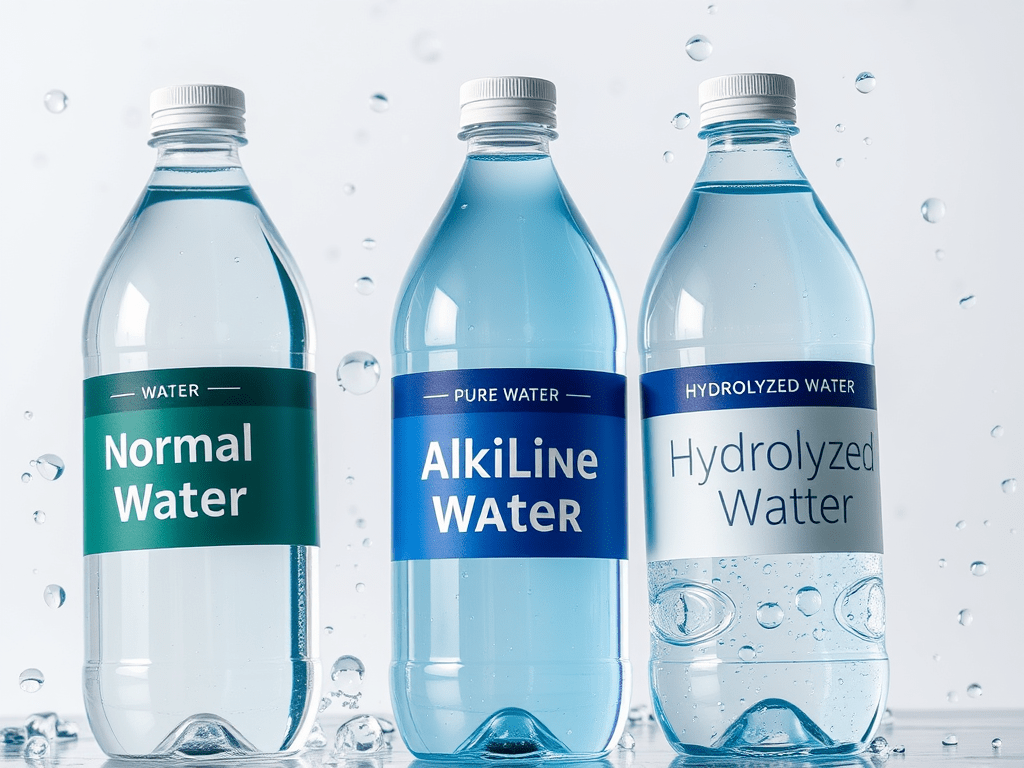
    Water is the foundation of life, yet not all water offers the same advantages. In recent years, the market has seen a surge of specialized waters, including alkaline water and hydrolyzed water, each boasting distinct health benefits. Although these options are labeled as “superior” to regular water, the truth about their efficacy is often misunderstood or overstated. This blog delves into the key differences between ordinary water, alkaline water, and hydrolyzed water, dispelling the prevalent myths about alkaline water while shining a light on the remarkable benefits of hydrolyzed water, especially in its role in enhancing carbon dioxide elimination and promoting overall well-being.

    • Pure Water (Tap or Bottled): – Pure water, whether drawn from the tap or sourced in bottled form, boasts:
      • H2O Molecules: The essence of life!
      • Natural Minerals: Enriched with essential minerals like calcium, magnesium, and potassium, varying by source.
      • Optimal pH Level: Achieves a neutral pH around 7, crucial for maintaining balance (with slight variations depending on origin).
      • Incredible Benefits:
        • Hydration Power: Keeps your body optimally hydrated.
        • Physiological Support: Vital for all bodily functions, including digestion, nutrient absorption, and temperature regulation.
        • Electrolyte Balance: Perfectly complements mineral intake to keep electrolytes in check.
      • Who Should Enjoy It? Everyone can thrive on pure water, provided it’s clean and free from harmful contaminants like heavy metals or microbes.
    • Alkaline Water: Characterized by a pH level above 7, typically ranging from 8 to 9, alkaline water is frequently enhanced through the addition of essential minerals such as calcium, magnesium, and potassium, or via an ionization process.
      • Claimed Benefits:
        • Neutralizes Excess Stomach Acid: Aids in maintaining digestive balance.
        • Reduces Acidity in the Body: Potentially supports overall wellness.
        • Acts as an Antioxidant: Helps combat harmful free radicals.
      • Reality Check: Despite the promotion of alkaline water for its power to balance the body’s pH and combat serious illnesses such as cancer, scientific evidence supporting these claims is weak:
        • Self-Regulating Body: Your blood maintains a tight pH range of 7.35 to 7.45, controlled by the kidneys and lungs. Consuming alkaline water does little to influence this equilibrium.
        • Digestive Neutralization: Strong stomach acid (pH 1.5–3.5) neutralizes alkaline water almost instantly, minimizing its potential benefits.
        • Marketing Over Science: Alkaline water often comes with a hefty price tag, yet it rarely offers significant health advantages beyond those provided by regular water.
      • Why It’s Not Worth the Hype:
        • The body is equipped with effective mechanisms to sustain acid-alkaline balance naturally.
        • There is no solid research supporting claims that alkaline water can prevent or cure chronic diseases.
    • Hydrolyzed Water: Often hailed as a revolutionary element in wellness, hydrolyzed water—also known as electrolyzed-reduced water (ERW)—is water that undergoes a transformative process of electrolysis, splitting it into hydrogen and oxygen. This remarkable procedure amplifies its molecular hydrogen (H2) content, empowering it as a potent antioxidant that combats oxidative stress.
      • pH Level: The pH of hydrolyzed water can vary, presenting itself as neutral, acidic, or alkaline depending on the specifics of the electrolysis process.
      • Unique Benefits:
        • Carbon Dioxide Removal:
          • The presence of molecular hydrogen in hydrolyzed water actively counters oxidative stress by binding with reactive oxygen species (ROS). This vital interaction indirectly aids the body in eliminating carbon dioxide, a natural byproduct of cellular metabolism.
          • Enhanced management of oxidative stress positively contributes to overall metabolic efficiency, promoting optimal CO2 removal during respiration.
        • Antioxidant Properties:
          • Hydrolyzed water’s abundant molecular hydrogen is adept at neutralizing free radicals while preserving essential redox reactions.
          • This powerful action diminishes oxidative damage to cells, a process intricately linked to aging, inflammation, and various chronic diseases.
        • Enhanced Cellular Function: Research indicates that molecular hydrogen in hydrolyzed water can significantly boost mitochondrial function, thereby supporting energy production and fostering metabolic health.

    Research Backing

    • A study published in Scientific Reports showed that molecular hydrogen acts as a selective antioxidant, protecting cells and tissues from oxidative damage.
    • Research in Nature Medicine highlights its role in reducing inflammation and oxidative stress markers.

    Who Benefits the Most?

    Individuals with high oxidative stress, such as athletes, older adults, or those with chronic conditions, may experience improved recovery and health outcomes.

    Comparison of Normal, Alkaline, and Hydrolyzed Water

    Feature Comparison: Normal Water vs. Alkaline Water vs. Hydrolyzed Water

    FeatureNormal WaterAlkaline WaterHydrolyzed Water
    pH LevelPerfectly Neutral (pH 7)Slightly Alkaline (pH 8–9)Varies (can be neutral, acidic, or alkaline)
    Key BenefitsEssential Hydration & Overall WellnessClaimed Acid-Neutralizing Effects (unproven)Powerful Antioxidant, Supports Oxidative Stress Reduction
    Scientific ValidityExtensive Research Supports Health BenefitsLimited Scientific EvidenceRobust Evidence for Molecular Hydrogen Benefits
    CostAffordable & AccessibleTypically ExpensiveModerate to High Cost
    Recommended UseDaily Hydration for AllNo Proven Added Benefits Over Normal WaterTargeted Use for Specific Oxidative Stress-Related Health Concerns

    Elevate your hydration knowledge! Dive deeper into the benefits and characteristics of each water type to make informed choices for your health. Whether it’s the reliable essence of normal water, the trendy allure of alkaline water, or the powerful properties of hydrolyzed water, hydrate wisely!

    Conclusion

    • Normal Water: Your go-to hydration source. As long as it’s clean and mineral-rich, normal water is sufficient for most people.
    • Alkaline Water: A marketing trend rather than a necessity. The body already manages pH balance efficiently, making alkaline water an unnecessary expense for most individuals.
    • Hydrolyzed Water: Offers scientifically-backed benefits, particularly for those with oxidative stress. While not essential for everyone, it may be worth considering for athletes or individuals with chronic conditions looking to reduce inflammation and improve recovery.

    Ultimately, the best water is clean, safe, and suited to your needs. Investing in proper hydration and a balanced diet is far more impactful than spending money on overpriced water with exaggerated claims.

  • Is Sweet Corn Really a Healthy Snack? A Scientific Analysis of Its Effects on Hormones and Body Chemistry

    Is Sweet Corn Really a Healthy Snack? A Scientific Analysis of Its Effects on Hormones and Body Chemistry

    Sweet corn is often hailed as a nutritious, convenient, and naturally sweet snack. It’s touted as a low-fat, fiber-loaded, and vitamin-rich food that seamlessly integrates into a well-rounded diet. But what if this widespread perception isn’t completely precise? Let’s explore the science behind sweet corn. We will unveil its hidden downsides. We will also understand how it affects your hormones and overall well-being.

    The Prevalence of GMO Corn

    Corn is one of the most genetically modified crops in the world. According to data from the International Service for the Acquisition of Agri-biotech Applications (ISAAA) and the U.S. Department of Agriculture (USDA):

    • Over 90% of corn grown is genetically modified.
    • Common modifications include herbicide resistance (e.g., glyphosate resistance) and pest resistance through Bt (Bacillus thuringiensis) genes.
    • Even sweet corn, which is consumed directly as a vegetable, has GMO variants that are widely cultivated.

    This raises concerns because GMO crops may contain residues of chemicals like glyphosate, a herbicide classified as a probable human carcinogen by the World Health Organization (WHO).

    The Tadpole Experiment: A Disturbing Revelation

    One of the most striking studies on GMO corn’s effects involved tadpoles and hormonal disruption. Researchers investigated how GMO corn consumption altered their development.

    • The Experiment:- In a 2006 study published in the journal Environmental Health Perspectives, tadpoles were fed diets containing GMO corn that expressed Bt toxins. The study observed changes in growth, development, and hormonal levels.
    • Key Findings
      • The tadpoles exhibited altered levels of thyroid hormones, which are critical for normal growth and development.
      • Abnormal development patterns were noted, including delayed metamorphosis and physical deformities.
      • The researchers attributed these effects to the Bt toxin and residual chemicals from herbicides used in GMO farming.
    • Implications for Humans:- While the study was conducted on amphibians, thyroid hormones play an equally critical role in human health. Disruption in these hormones can lead to:
      • Hypothyroidism or hyperthyroidism.
      • Impaired growth and metabolism.
      • Fertility issues and developmental disorders in children.

    How GMO Corn Affects Humans

    In addition to Bt toxin, the glyphosate used on GMO corn poses a significant risk. Research published in Environmental Toxicology and Pharmacology has shown that glyphosate can:

    • Estrogen Dominance:- Compounds in GMO corn may mimic estrogen in the body, leading to an imbalance that can cause weight gain, mood swings, and reproductive issues.
    • Insulin Resistance:- The high carbohydrate content of sweet corn, combined with potential chemical residues, may worsen insulin sensitivity, leading to metabolic disorders like diabetes.
    • Thyroid Dysfunction:- As shown in the tadpole study, exposure to Bt toxins and glyphosate can interfere with thyroid hormones, affecting metabolism and energy levels.

    The Nutritional Composition of Sweet Corn

    Sweet corn holds carbohydrates, some protein, and a small amount of fat. It also has essential vitamins like B vitamins and antioxidants like Lutein. While it may seem harmless, the problems arise from its high carbohydrate and sugar content. Here’s why that matters:

    • High Glycemic Index (GI): Sweet corn has a notably high Glycemic Index. This means it can cause a rapid surge in blood sugar levels. This occurs shortly after consumption. This swift spike in glucose happens quickly. It is frequently followed by a dramatic crash. This crash results in fatigue and heightened cravings for more sugary or starchy foods. Being aware of this effect is crucial for maintaining balanced energy levels and managing cravings effectively.
    • Rich in Natural Fructose: Sweet corn is not just delicious. It is packed with natural fructose. Fructose is a sugar metabolized by the liver. However, be cautious! Overindulgence in fructose can lead to serious health issues. These include fatty liver disease and insulin resistance. It can also lead to the development of metabolic syndrome over time. Enjoy sweet corn in moderation for a balanced diet!
    • Impact on Cortisol:- Sweet corn’s ability to cause rapid blood sugar fluctuations indirectly impacts cortisol, the body’s stress hormone. After a high-carbs meal, blood sugar drops. The body may release cortisol to stabilize glucose levels. Over time, this can lead to chronic stress-like states.

    Corn’s Effect on Gut Health

    Corn is rich in lectins, fascinating plant proteins that can pose challenges for the human gut’s digestion. These potent lectins can:

    • Cause inflammation in the gut lining.
    • Lead to “leaky gut syndrome,” a condition linked to autoimmune diseases and chronic inflammation.
    • Impair the absorption of essential nutrients, further exacerbating health issues.

    Additionally, sweet corn lacks a rich variety of dietary fibers. These fibers are vital for nurturing beneficial gut bacteria.

    The Verdict

    While sweet corn is often marketed as a nutritious snack, the alarming prevalence of GMO varieties raises serious health concerns that cannot be overlooked. Recent studies, including a revealing tadpole experiment, demonstrate the potential for GMO corn to interfere with hormonal balance—a warning that should grab our attention. Coupled with its high sugar content and elevated Glycemic load, sweet corn may not be the “health food” many consumers believe it to be.

    By delving into the science behind how sweet corn affects your body, you empower yourself to make informed and healthier choices that bolster your hormonal health and overall well-being.

    Instead of reaching for sweet corn, explore alternative options that truly nourish your body without the hidden pitfalls. Your hormones, gut health, and overall vitality will greatly benefit from these wiser dietary choices.

    References:

    • Environmental Health Perspectives (2006): Study on BT corn and tadpole development.
    • Environmental Toxicology and Pharmacology: Glyphosate’s endocrine-disrupting effects.
    • USDA and ISAAA: Statistics on GMO corn prevalence.
    • WHO Classification of Glyphosate.

  • Arthritis: Understanding the Role of Nutrition in Managing Joint Health

    Arthritis: Understanding the Role of Nutrition in Managing Joint Health

    Arthritis is a chronic condition that impacts millions of lives worldwide, causing pain, stiffness, and reduced mobility. While medical treatments are essential, the role of diet and lifestyle in managing and potentially alleviating arthritis symptoms is often overlooked.

    In this blog, we’ll explore the science behind arthritis, its causes, and symptoms, and delve deep into how adopting a nutritious diet and consuming anti-inflammatory foods can support joint health. This evidence-based guide aims to empower you to take control of your health, with practical insights into how nutrition can complement medical treatment.

    By making informed choices about what you eat, you can significantly impact your arthritis management, leading to better quality of life and improved well-being. Join us on this journey to discover how lifestyle changes can transform your experience with arthritis!

    What is Arthritis?

    Arthritis is a broad umbrella term encompassing more than 100 distinct conditions, all united by the common theme of joint inflammation. The most prevalent types include:

    • Osteoarthritis (OA): A chronic degenerative condition resulting from the gradual breakdown of cartilage. OA predominantly impacts weight-bearing joints such as the knees, hips, and spine, leading to pain and stiffness that can significantly affect mobility and quality of life.
    • Rheumatoid Arthritis (RA): A debilitating autoimmune disorder where the body’s immune system mistakenly attacks the protective lining of the joints, resulting in chronic inflammation and progressive joint damage. This condition can lead to significant pain, swelling, and long-term disability if not effectively managed.
    • Gout: A debilitating condition triggered by the buildup of uric acid crystals in the joints, often resulting from dietary choices rich in high-purine foods such as alcohol and red meat. Understanding the connection between what you eat and how your body reacts is crucial in managing this painful condition.

    Symptoms of Arthritis

    • Chronic joint pain and stiffness
    • Swelling and redness around affected areas
    • Reduced range of motion
    • Fatigue, especially in autoimmune conditions like RA
    • Stiffness, especially after periods of inactivity or in the morning.
    • Limited range of motion or difficulty performing daily tasks.

    Global Impact of Arthritis

    • Prevalence: According to the World Health Organization, 1 in 6 adults globally suffers from arthritis.
    • Economic Burden: Arthritis is a leading cause of disability, costing billions in healthcare expenses and lost productivity annually.

    Top Factors Behind Arthritis: Uncovering the Causes

    Arthritis results from a combination of genetic, environmental, and lifestyle factors:

    • Genetics: Certain genes increase susceptibility, especially in autoimmune types like RA.
    • Obesity: Excess weight puts stress on joints and promotes inflammation.
    • Age: Aging leads to the natural degeneration of cartilage, increasing OA risk.
    •  Dietary Factors: High intake of processed foods, sugar, and trans fats exacerbates systemic inflammation.
    • Lifestyle Habits: Sedentary behavior and smoking are linked to increased arthritis severity.

    The Impact of Diet on Arthritis: Unlocking Relief Through Nutrition

    • The Critical Role of Inflammation in Health and Disease

    Inflammation is the central culprit behind all types of arthritis, serving as the body’s natural immune response. Yet, when it escalates into a chronic and low-grade state, this inflammation wreaks havoc on the joints, amplifying pain and accelerating disease progression. Grasping this vital connection is crucial for effective and proactive management, paving the way for improved treatment strategies and enhanced patient outcomes.

    • Grains and Arthritis: Are They the Hidden Culprits?
      • Grains, particularly refined and even certain whole grains, can dramatically worsen arthritis symptoms for several compelling reasons:
        • High Glycemic Index (GI) and Load (GL): Grains like wheat, corn, and rice fall into the category of high-GI foods, resulting in swift spikes in blood sugar levels. These surges in blood glucose trigger a surge in insulin production, which subsequently elevates pro-inflammatory cytokines such as tumor necrosis factor-alpha (TNF-α) and interleukin-6 (IL-6). These cytokines are crucial players in the inflammatory processes linked to arthritis.
        • Groundbreaking Research: A landmark study published in The American Journal of Clinical Nutrition unveiled that high-GI diets significantly raise C-reactive protein (CRP) levels, a vital marker of systemic inflammation. This finding illuminates the intricate relationship between dietary choices and arthritis flare-ups, emphasizing the importance of monitoring grain intake for arthritis sufferers.
    • Gluten Sensitivity and Autoimmunity: For individuals suffering from gluten sensitivity or celiac disease, grains such as wheat, barley, and rye can ignite a harmful immune response that exacerbates inflammation. This interplay becomes particularly concerning in autoimmune conditions like Rheumatoid Arthritis (RA).
      • Scientific Evidence: Groundbreaking research published in Autoimmunity Reviews underscores a compelling link between gluten sensitivity and systemic inflammation, showing that this connection can significantly amplify joint pain in arthritis patients.
    • Anti-Nutrients in Grains: Grains harbor anti-nutrients such as lectins and phytic acid, which can significantly hinder nutrient absorption and potentially damage the gut lining, contributing to a condition popularly known as “leaky gut syndrome.” When the gut is compromised, it permits toxins and inflammatory agents to infiltrate the bloodstream, aggravating various autoimmune conditions and triggering widespread inflammation.
      • Gut-Arthritis Connection: A compelling study published in Frontiers in Immunology highlights the critical link between gut dysbiosis—an imbalanced gut microbiome—and the worsening of rheumatoid arthritis (RA) as well as other inflammatory diseases.
    • Omega-6 to Omega-3 Imbalance: Today’s modern diets are frequently overwhelmed with omega-6 fatty acids, primarily sourced from grains, creating a concerning nutritional imbalance. The standard consumption ratio of omega-6 to omega-3 stands at an astonishing 15:1, a stark contrast to the ideal and health-promoting 1:1 ratio. This significant divergence not only exacerbates chronic inflammation but also contributes to a host of health complications, highlighting the urgent necessity for dietary changes. By prioritizing a more harmonious intake of these crucial omega fatty acids, we can significantly enhance our overall health and well-being.
    • Unlocking the Essential Connection Between Weight Management and Joint Health: Groundbreaking research from the Arthritis Foundation reveals that losing just 1 pound of body weight can relieve an astonishing 4 pounds of pressure off your knee joints. This powerful insight highlights the critical importance of achieving and maintaining a healthy weight to significantly reduce stress on your weight-bearing joints, ultimately enhancing your overall joint health and mobility.

    The High-Fat Diet as an Anti-Inflammatory Solution

    A high-fat, low-carbohydrate diet, particularly the ketogenic diet, prioritizes nutritious fats while dramatically reducing grains and sugars, effectively tackling the underlying causes of inflammation. Here’s how this powerful dietary approach can significantly benefit individuals battling arthritis:

    • Powerful Reduced Inflammation: Ketones, the vital energy source in a high-fat diet, are scientifically proven to significantly lower oxidative stress and reduce inflammatory markers. Notably, Beta-hydroxybutyrate (BHB), an influential ketone body, effectively inhibits the NLRP3 inflammasome, a crucial driver of inflammation, particularly in conditions like arthritis.
      • Compelling Study Highlight: Groundbreaking research published in Cell Metabolism revealed that BHB not only suppresses systemic inflammation but also enhances symptoms in autoimmune diseases, showcasing its potential as a therapeutic agent.
    • Enhanced Joint Health: A nutrient-rich high-fat diet emphasizes powerful anti-inflammatory fats such as omega-3s found in fatty fish and heart-healthy monounsaturated fats from olive oil and avocados. These essential fats significantly alleviate joint stiffness and discomfort, while also promoting robust cartilage health for optimal mobility and vitality.
    • Gut Health Restoration: A powerful grain-free, high-fat diet significantly reduces gut inflammation and nurtures a thriving microbiome. By fostering healthy gut bacteria, this approach increases the production of vital short-chain fatty acids (SCFAs), particularly butyrate, which are renowned for their potent anti-inflammatory effects. Embrace this transformative journey towards optimal gut health!

    Anti-Inflammatory Foods to Relieve Arthritis Pain

    • Fatty Fish: Omega-3 fatty acids (EPA and DHA).
    • Turmeric: Blocks inflammatory pathways (e.g., NF-κB).
    • Ginger: Reduces pain and inflammation, similar to NSAIDs
    • Leafy Greens: Strengthens cartilage and reduces oxidative stress.
    • Nuts and Seeds: Combat inflammation and boost immunity.
    • Green Tea: Reduces cartilage damage and inhibits inflammatory enzymes.
    • Bone Broth: Supports cartilage repair and strengthens connective tissue.
    • Coconut Oil: Reduces oxidative stress and provides anti-inflammatory benefits.
    • Non-Starchy Vegetables (Spinach, Broccoli, Zucchini): Combat oxidative stress and support cartilage health.

    Foods to Avoid for Arthritis Relief

    • Grains and Sugars
      • High-GI foods spike blood sugar, worsening inflammation.
      • Gluten in wheat can trigger autoimmune responses.
    • Seed Oils (Corn, Soybean, Sunflower): High in omega-6 fats, these oils exacerbate the omega-6 to omega-3 imbalance.
    • Processed Meats: Contain advanced glycation end-products (AGEs), which promote joint inflammation.
    • Alcohol: Increases uric acid levels, worsening gout and systemic inflammation.

    The Bottom Line: A High-Fat Diet for Arthritis Management

    Eliminating grains and embracing a high-fat, low-carbohydrate diet can dramatically reduce inflammation, enhance joint health, and restore gut integrity. This powerful approach tackles arthritis at its source by focusing on chronic inflammation and supplying the body with essential nutrients needed for repair and vibrant health. If you’re eager to reclaim control over your arthritis with personalized nutritional guidance, let’s design a customized plan that fits your unique needs and lifestyle.

    Contact me today to embark on your journey towards a pain-free, active life!

  • Nutrition’s Impact on Sexual Performance

    Nutrition’s Impact on Sexual Performance

    When we think about sexual performance, it’s all too easy to get caught up in quick fixes—pills, supplements, and hacks that promise instant results. However, sexual health is intricately tied to your overall wellness, particularly your diet. The foods you consume play a crucial role in maintaining optimal energy levels, regulating hormones, ensuring proper blood flow, and supporting mental health—all essential ingredients for intimacy.

    Sexual performance is not just about the act itself; it’s a sophisticated interplay of your cardiovascular health, hormonal balance, nervous system, and mental state. Research highlights that a poor diet laden with processed foods and sugars can elevate the risk of erectile dysfunction (ED) and diminish libido. Conversely, a nutrient-dense diet can dramatically enhance these vital biological processes, strengthening both physical and emotional intimacy.

    Let’s delve into the science behind this connection. A study featured in The Journal of Sexual Medicine revealed that men following a Mediterranean-style diet—rich in healthy fats, lean proteins, and vibrant vegetables—experienced a significantly lower risk of ED compared to those indulging in a diet high in processed foods. Likewise, women consuming diets abundant in antioxidants and omega-3 fatty acids reported heightened arousal, improved lubrication, and greater satisfaction. This correlation is not surprising; the nutrients found in these diets enhance blood flow, hormone production, and energy levels, which are vital for a fulfilling sexual experience.

    For those adhering to low-carbs or ketogenic diets, the benefits can be even more pronounced. Low-carbs eating stabilizes blood sugar levels, boosts insulin sensitivity, and fosters hormone production, creating a physiological environment primed for better performance. Yet, not all foods contribute positively to this narrative. Some can actively undermine circulation, disrupt hormonal balance, or sap your energy, making it essential to identify what to embrace—and what to avoid.

    In this blog, we’ll uncover the profound connection between nutrition and sexual performance. From the scientific underpinnings to the best and worst foods that impact intimacy, you’ll gain a deeper understanding of how the right choices not only fuel your confidence, energy, and satisfaction in the bedroom but also enrich your overall sexual health.

    How Food Impacts Sexual Performance: The Science

    • Blood Flow and Circulation: Optimal blood flow is essential for sexual arousal and performance. For men, achieving and maintaining an erection relies heavily on robust circulation, whereas for women, increased blood flow to the genital area significantly enhances sensitivity and sexual pleasure.
      • Scientific Insight: Research published in The American Journal of Cardiology reveals that men suffering from cardiovascular risk factors, such as high cholesterol or hypertension, face a greater likelihood of experiencing erectile dysfunction (ED). Incorporating nutrient-rich foods that promote healthy blood vessels by reducing inflammation and boosting nitric oxide levels can greatly enhance circulation.
      • Key Foods for Blood Flow: Incorporate leafy greens, beetroot, and rich dark chocolate (90% cocoa) into your diet to significantly support blood circulation and overall sexual health.
    • Hormonal Balance: The intricate dance of hormones like testosterone, estrogen, and progesterone is pivotal to enhancing libido and sexual health. Testosterone is vital for everyone, significantly influencing sex drive and energy levels.
      • Scientific Insight: Cutting-edge research published in the Journal of Clinical Endocrinology & Metabolism uncovers that zinc and vitamin D are essential powerhouses in the production of testosterone. Additionally, a diet rich in healthy fats is crucial for effective hormone synthesis.
      • Key Foods for Optimizing Hormone Support: Include powerhouse foods such as egg yolks, fatty fish, and pumpkin seeds in your diet for unmatched hormone health.
    • Energy Levels and Stamina: The secret to exceptional sexual performance lies not only in arousal but also in endurance. Maintaining stable blood sugar levels and ensuring sufficient nutrient intake are essential for sustained energy. Beware of diets saturated with refined carbs or sugars that can trigger energy crashes! Instead, a diet brimming with whole, nutrient-dense foods empowers you with consistent stamina.
      • Scientific Insight: Groundbreaking research published in Nutrients reveals that diets abundant in omega-3 fatty acids and low in refined sugars can markedly enhance mitochondrial function, leading to increased stamina and decreased fatigue.
      • Key Foods for Energy: Power up with avocados, nuts, and coconut oil for that extra boost!
    • Mental Health and Stress: Stress, anxiety, and depression can significantly dampen libido and performance. Chronic stress elevates cortisol levels, which suppress testosterone production and diminish sexual desire. Incorporating nutrient-rich foods that bolster brain health and combat inflammation can enhance mood and confidence.
      • Scientific Insight: A compelling 2020 study published in Nutritional Neuroscience revealed that omega-3 fatty acids and magnesium play a crucial role in mood regulation by effectively lowering cortisol levels and boosting serotonin production.
      • Key Foods for Mental Health: Indulge in fatty fish, dark chocolate, and magnesium-rich leafy greens to elevate your mental well-being.

    Foods That Enhance Sexual Performance

    Let’s dive into specific foods that can enhance sexual performance for both men and women. These foods support blood flow, hormone regulation, energy, and mood.

    • Leafy Greens (Spinach, Kale, Arugula)
      • Powerful Effect: Packed with nitrates, these vibrant greens significantly boost blood flow by transforming into nitric oxide, a potent compound that effectively dilates blood vessels.
      • For Everyone: Experience heightened circulation that ignites arousal and amplifies sensitivity, enhancing intimacy for both genders.
    • Fatty Fish (Salmon, Mackerel, Sardines)
      • Powerful Effect: Bursting with omega-3 fatty acids, these nutrient-dense fish significantly reduce inflammation and enhance heart health, promoting improved circulation and hormonal balance.
      • Benefits for Everyone: Elevates libido and effectively reduces stress for both men and women, fostering a healthier, more vibrant life.
    • Eggs (Whole)
      • Nutritional Powerhouse: Packed with essential vitamin D and healthy fats, these versatile gems are also a significant source of cholesterol, crucial for hormone production and brain health.
    • Dark Chocolate (90% Cocoa)
      • Powerful Health Benefits: Rich in flavonoids, dark chocolate significantly enhances blood vessel function and delivers potent antioxidants that combat stress and promote overall wellness.
      • For Everyone: Elevates mood and ignites passion, making it a delightful treat that boosts arousal and adds joy to both men and women.
    • Nuts and Seeds (Pumpkin Seeds, Walnuts, Almonds)
      • Powerful Benefits: Packed with essential nutrients like zinc, magnesium, and heart-healthy fats, these superfoods are vital for hormone production and stress relief.
      • For Everyone: Boost libido and enhance sexual vitality for a more fulfilling experience.
    • Avocados
      • Nutritional Powerhouse: Packed with essential potassium, folate, and heart-healthy monounsaturated fats, avocados not only promote cardiovascular health but also boost your energy levels.
      • Universal Benefits: Elevate your stamina and combat fatigue effectively, making avocados an excellent choice for everyone looking to enhance their overall vitality.
    • Coconut Oil
      • Powerful Effect: A fantastic source of medium-chain triglycerides (MCTs) that deliver rapid energy boosts while maintaining stable blood sugar levels.
      • Benefits for Everyone: Energizes your body and minimizes dependency on processed carbohydrates.
    • Beetroot
      • Powerful Effect: Boosts nitric oxide production, significantly enhancing blood circulation for improved overall health.
      • Unisex Benefits: Amplifies blood flow to sexual organs, promoting vitality and intimacy for everyone.

    Foods That Harm Sexual Performance

    Certain foods can significantly disrupt hormone balance, impede healthy blood circulation, and trigger energy crashes, each of which can severely undermine sexual performance and vitality.

    • Processed Foods: Loaded with harmful trans fats, excessive sodium, and hidden sugars, these foods exacerbate inflammation and significantly diminish testosterone levels.
      • Impact on Men: Heightened risk of erectile dysfunction (ED) due to detrimental damage to blood vessels.
      • Impact on Women: Decreases libido and severely disrupts hormonal equilibrium.
    • Sugary Beverages: Causes rapid spikes in blood sugar, triggering energy crashes and promoting weight gain, both of which can significantly lower libido.
      • Impact on Men and Women: Drains energy levels and fosters insulin resistance, severely impacting circulation and overall vitality.
    • Alcohol (Excessive Consumption): Significantly impacts the nervous system, drastically reducing sexual arousal and sensitivity. Prolonged use can severely lower testosterone levels, leading to a cascade of negative effects.
      • Impact on Men: A major contributor to Erectile Dysfunction (ED), undermining confidence and sexual health.
      • Impact on Women: Greatly dampens sexual sensitivity and significantly reduces lubrication, jeopardizing overall intimacy and pleasure.
    • Soy Products (Excessive Intake): Rich in phyto-estrogens that can mimic estrogen in the body, potentially leading to a decline in testosterone levels.
      • Impact on Men: May significantly reduce libido and lower testosterone levels, affecting overall vitality.
      • Impact on Women: Can severely disrupt hormonal balance, potentially leading to adverse health effects.
    • Fried Foods: Packed with unhealthy trans fats, which severely impair blood vessel function and drastically reduce circulation.
      • Impact on Men and Women: Leads to detrimental cardiovascular health and overwhelming fatigue.

    Steps to Enhance Performance Naturally

    • Prioritize Whole Foods: Embrace nutrient-dense, unprocessed options that invigorate blood flow, balance hormones, and boost energy levels for a healthier, more vibrant life.
    • Engage in Regular Exercise: Incorporating cardiovascular workouts and strength training not only boosts circulation but also significantly elevates testosterone levels, enhancing overall vitality and well-being.
    • Stay Hydrated: Staying properly hydrated is crucial for maintaining peak stamina and enhancing sensitivity. Don’t underestimate the power of water; it fuels your body and keeps you performing at your best!
    • Master Stress Reduction: Embrace transformative practices like mindfulness, yoga, and meditation to effectively balance cortisol levels and cultivate inner calm.
    • Sleep Well: Quality sleep is essential for maintaining hormone balance and boosting energy levels. Prioritize restful nights to enhance your vitality and overall well-being.

    Conclusion: Nourish Your Body, Enrich Your Relationships

    Sexual performance transcends mere physical capability—it serves as a powerful reflection of your overall well-being and vitality. The undeniable connection between nutrition and intimacy is deeply rooted in science and bolstered by compelling evidence. What you consume can either ignite your energy, elevate your confidence, and fortify your connections—or it can weigh you down, disrupt hormonal balance, and diminish your libido.

    When it comes to sustaining long-term sexual health, there are no magical shortcuts. While pills and quick fixes may provide temporary relief, they pale in comparison to the lasting benefits of a nutrient-rich diet and a wholesome lifestyle. By prioritizing foods that enhance blood flow, stabilize hormones, and support both your physical and mental well-being, you unlock the potential for more than just improved sexual performance—you open the door to enhanced vitality, boosted self-esteem, and enriched relationships.

    Always remember, the secret to outstanding sexual health isn’t solely about the fleeting moments of intimacy. It hinges on the daily choices you make: the nourishing meals you savor, the invigorating exercise routines you embrace, and the attentive care you provide for both your body and mind. Begin with small, sustainable changes to your dietary habits, emphasize whole, unprocessed foods, and weave regular movement into your daily life. Your body, as well as your relationships, will express their gratitude in ways you may have never imagined!

  • The Dangers of Following Celebrity Health Trends

    The Dangers of Following Celebrity Health Trends

    In today’s fast-paced, social media-dominated landscape, celebrities are frequently glorified for their sculpted physiques, radiant skin, and picture-perfect lifestyles. This idolization drives many individuals to fervently chase after these idealized attributes by uncritically adhering to celebrity fitness advice. Unfortunately, this blind emulation can result in a host of challenges, ranging from unrealistic expectations to serious health risks. The everyday individual should reconsider following celebrity fitness routines. Instead, they should seek guidance from certified trainers or qualified nutritionists. This ensures a focus on personalized health and well-being.

    • Celebrities are Performers, Not Educators: Their primary role is to entertain and embody various characters for their projects, not to offer evidence-based guidance or advice.
    • Misleading Advice: Celebrity endorsements often promote simplistic health solutions that overlook essential details. Following a trendy celebrity-endorsed fad diet, without expert guidance, can result in serious nutritional deficiencies and hinder long-term well-being. It’s crucial to prioritize personalized health strategies over fleeting celebrity trends for lasting vitality.
    • Unrealistic Expectations and Hidden Costs: Celebrities sculpt their breathtaking physiques with an array of resources that remain out of reach for the average individual. Their rigorous routines are often impractical for those juggling demanding jobs, family responsibilities, and tight budgets. This disparity creates an illusion that can lead to frustration and disappointment for everyday people striving for fitness.
      • Expensive trainers and chefs: Celebrities rely on high-paid personal trainers, chefs, and dietitians to curate their fitness and nutrition plans.
      • Time-consuming routines: Many spend hours daily working out or prepping meals, a luxury most people don’t have.
      • Specialized treatments: Behind the scenes, celebrities may use treatments like cryotherapy, cosmetic surgeries, or hormone therapies to enhance their results.
    • The Steroid Factor: One of the most shocking secrets lurking in the celebrity fitness realm is the widespread use of performance-enhancing drugs (PEDs) or steroids. These powerful substances enable celebrities to achieve jaw-dropping body transformations in record time, fueling both their careers and public images.
      • Misleading transformations: While they showcase their progress as a result of “hard work,” they rarely disclose the use of PEDs.
      • Side effects for the public: Trying to replicate these results naturally can lead to over-training, injuries, or disappointment, while attempting steroids without medical supervision can cause severe health issues, including hormonal imbalances, liver damage, and heart problems.
    • Monetized Endorsements and Concealed Motives: Many celebrities promote fitness products and diet plans primarily for financial rewards, rather than authentic confidence in their effectiveness. This practice can mislead consumers seeking genuine guidance on their health journeys.
    • Sponsorship Influence Their Guidance: Frequently compensated for endorsing specific supplements, high-impact workout programs, or cutting-edge equipment, these influencers may prioritize profit over genuine effectiveness.
    • Misleading Before-and-After Photos: Numerous promotions rely on heavily altered images or showcase “transformations” that lack authenticity, creating an illusion of unrealistic results.

    Individual Differences Matter

    What works for a celebrity may not necessarily suit your individual needs, as variations in genetics, lifestyle choices, and personal aspirations play a significant role in your unique journey to success.

    • Tailored Fitness Plans Are Vital: Your unique age, medical history, activity level, and personal fitness goals are crucial factors in crafting the most effective approach for your individual journey.
    • Generic Routines Are Ineffective: Celebrity workout regimes are often highly specialized and not suitable for everyone, potentially resulting in injuries or burnout when attempted without expert guidance.

    The Importance of Certified Professionals

    When it comes to fitness and nutrition, only certified professionals such as personal trainers and nutritionist provide the most trustworthy and reliable advice tailored to your health goals.

    • Expert, Science-Driven Insights: Our professionals possess extensive training in anatomy, physiology, and nutrition, delivering advice firmly grounded in the latest evidence-based research.
    • Personalization: Expert trainers and nutritionists design customized plans specifically crafted for your unique goals, preferences, and limitations, ensuring a transformative experience that aligns perfectly with your individual journey.
    • Achieve Lasting Success: Embracing expert guidance empowers you to unlock sustainable results while effectively minimizing health risks.

    Conclusion

    Celebrities may dazzle us on-screen, but their fitness journeys can often seem unrealistic and unattainable for the everyday person. By blindly following their advice, you risk squandering your time, wasting money, and jeopardizing your health. Instead, make a smart investment in guidance from certified trainers or nutritionists who focus on your unique needs, prioritizing your well-being and long-term success.

    Remember, true fitness is not about seeking quick fixes—it’s about consistency, education, and Personalization.

    Let go of idolizing celebrity physiques and shift your attention to what truly works for your one-of-a-kind body and lifestyle! Embrace your individual journey towards health and fitness, where every step taken is a step towards a stronger, healthier you!