Tag: diabetes prevention

  • The Alarming Rise of Childhood Diabetes: Causes and Solutions

    The Alarming Rise of Childhood Diabetes: Causes and Solutions

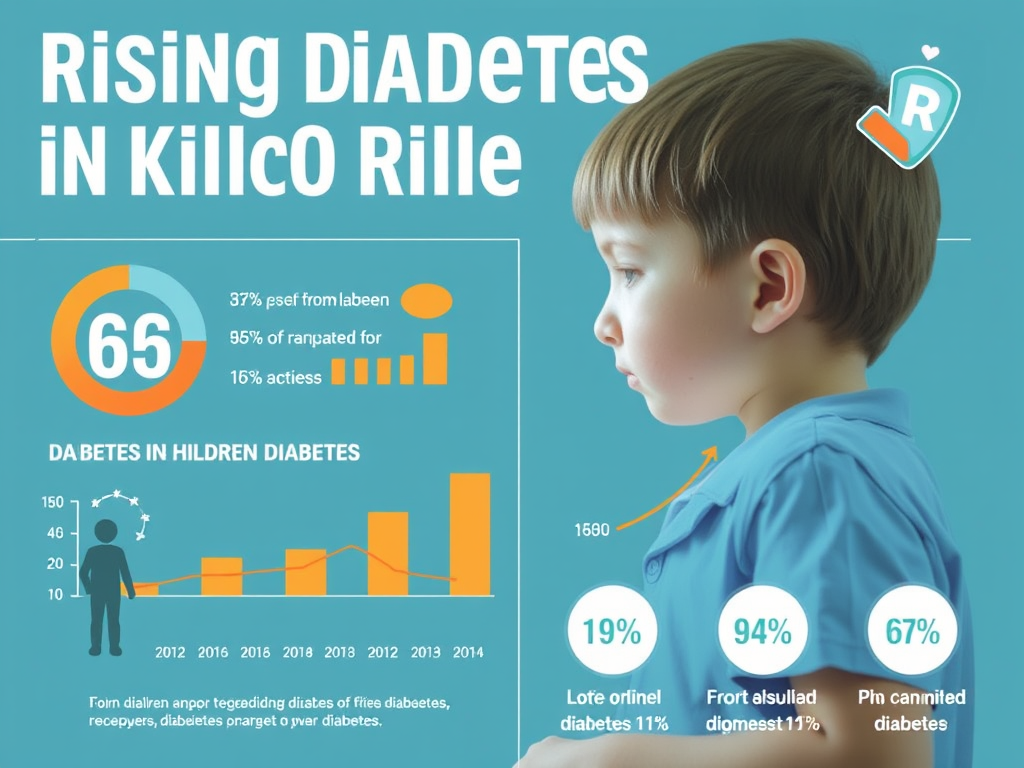
    Childhood diabetes is escalating at an alarming rate worldwide, and the Middle East. According to the International Diabetes Federation (IDF), this region is expected to have one of the highest global diabetes rates by 2030, with a particularly troubling increase in children diagnosed with Type 2 diabetes.

    While Type 1 diabetes arises from autoimmune issues, Type 2 diabetes is intricately linked to lifestyle choices, nutrition, and maternal health. Even more concerning are recent studies indicating that maternal eating habits during pregnancy can significantly influence insulin sensitivity in children. This blog dives deep into the underlying causes, emphasizes the crucial role of nutrition, and outlines actionable strategies along with practical meal ideas to effectively tackle this growing health crisis. Join us in the fight against childhood diabetes and empower the next generation to lead healthier lives!
    Why Are Diabetes Cases Rising in Children?

    • Lifestyle and Nutrition Shifts:
      • The contemporary diet is overwhelmingly influenced by processed foods, excessive sugar intake, and the convenience of fast-food options.
      • Children spend more time on screens, leading to reduced physical activity.
      • In Hot, harsh weather conditions make outdoor activities challenging for significant parts of the year, further exacerbating sedentary lifestyles.
    • Maternal Health and Pregnancy Nutrition:
      • Extensive research indicates that a mother’s nutrition throughout pregnancy is vital for her child’s metabolic well-being. Inadequate maternal diet, characterized by a high consumption of processed foods, unhealthy seed oils, and excessive sugar and carbohydrates, can significantly elevate the likelihood of insulin resistance in newborns.
      • A study published in The American Journal of Clinical Nutrition found that maternal hyperglycemia (high blood sugar during pregnancy) can predispose children to obesity and early-onset Type 2 diabetes.

    “Maternal diet during pregnancy has a significant impact on fetal development, particularly on pancreatic function and insulin sensitivity, setting the stage for metabolic disorders later in life.” – Dr. Sarah Lowe, Endocrinologist

    • Genetic Predisposition: Individuals with a family history of illness are genetically predisposed to developing diabetes. This risk is significantly amplified when coupled with environmental triggers such as unhealthy diets and sedentary lifestyles, making awareness and proactive management crucial for prevention.

    Maternal Nutrition: Healthy Foundations Start Before Birth

    Research has revealed that a mother’s eating habits during pregnancy impact the child’s metabolism:

    • Excess sugar, seed oils and refined carbs can lead to fetal overnutrition and poor pancreatic function.
    • Conditions like gestational diabetes and maternal obesity heighten the baby’s risk of insulin resistance.

    Nutrition Tips for Pregnant Mothers:

    • Choose lean proteins (such as fish, chicken, eggs, paneer, mutton, and dairy products) to effectively stabilize your blood sugar levels. These nutrient-rich options not only support overall health but also keep you feeling full and energized throughout the day.
    • Embrace Healthy Fats for Optimal Wellness: Indulge in nutrient-rich sources like avocados, nuts, ghee, butter, and olive oil to boost your health and enhance your meal experience.
    • Embrace nutrient-rich complex carbohydrates: indulge in fermented foods, savor wholesome steel-cut oats, enjoy the natural sweetness of sweet potatoes, and choose non-refined whole grains for a balanced diet.
    • Eliminate processed foods, sugary snacks, ready-to-eat foods & carbonated drinks from your diet for a healthier lifestyle!

    Healthy Eating Habits for Children

    Preventing diabetes in children starts with balanced meals and snacks. Below are easy, nutritious recipes and snack ideas for kids:

    • Healthy Breakfast Ideas:
      • Steel-Cut Oats with Nuts and Berries: Ingredients include Steel-C oats, full-fat milk, or almond milk (Always check labels for added ingredients). Add mixed berries and a teaspoon of honey. “Benefits: High fiber, low sugar, and provides slow-releasing energy.”
      • Egg and Veggie Muffins: Ingredients: Eggs, spinach, chopped bell peppers, tomatoes, and a sprinkle of cheese. “Benefits: High protein to stabilize blood sugar levels.”
    • Healthy Lunchbox Recipes:
      • Whole Wheat Wrap with Grilled Chicken and Veggies: Ingredients: Grilled chicken strips, whole wheat tortilla, cucumber, lettuce, and a dollop of hummus.
      • Quinoa Salad with Paneer: Ingredients: Cooked quinoa, paneer, cherry tomatoes, cucumber, parsley, and olive oil for dressing
    • Snack Ideas for Kids:.
      • Fresh fruit slices with almond butter.
      • Carrot sticks and homemade hummus.
      • Plain yogurt with a handful of mixed nuts.
      • Homemade popcorn (butter, lightly salted).
      • Baked sweet potato fries.

    Physical Activity as a Solution

    Regular physical activity helps prevent and manage diabetes. Here are practical ideas for kids:

    • Indoor Sports: Swimming, martial arts, and gymnastic classes.
    • Active Play: Family-friendly activities like dancing, indoor games, or cycling during cooler months.
    • Structured Exercise: Enroll children in sports academies offering football, basketball, or yoga.

    Encourage at least 60 minutes of activity daily to help improve insulin sensitivity and manage weight.

    The Family’s Role: Leading by Example

    Children often take cues from their parents, especially their mothers, as role models in their behavior. Families have the powerful opportunity to nurture and foster healthy habits through:

    • Family Meals Together: Preparing and savoring wholesome meals as a family fosters a love for nutritious food in children and strengthens family bonds. Sharing the cooking experience is not just about eating; it’s about creating lasting memories and promoting a healthy lifestyle.
    • Empower Healthy Choices: Reduce sugary beverages and processed foods in your home to promote vibrant health and well-being!
    • Engaging Children in Nutrition: Inspire young minds by introducing them to the exciting world of balanced nutrition through fun, interactive activities that spark their curiosity and promote healthy habits.

    Conclusion: A Collective Effort to Prevent Childhood Diabetes

    The alarming surge in diabetes rates among children serves as a critical wake-up call, particularly for families with a genetic predisposition and issues of obesity. Addressing this pressing challenge demands:

    • Enhanced Maternal Awareness during pregnancy is crucial for establishing a robust and healthy foundation for both mother and baby.
    • Active Parental Engagement in Shaping Healthy Eating Habits for Children.
    • Encouraging active lifestyles through dynamic physical activities while effectively combating sedentary habits for improved overall health.

    “By taking simple steps today—eating healthier, staying active, and educating families—we can secure a healthier, diabetes-free future for our children.”

    “Healthy children are the reflection of informed families and supportive communities.”

    Transform Your Family’s Health: Discover Personalized Nutrition Plans for Parents and Expecting Mothers!

  • Ketogenic vs Low-Glycemic: Which Diet is Best for Blood Sugar Management?

    Ketogenic vs Low-Glycemic: Which Diet is Best for Blood Sugar Management?

    In my transformative journey as a dedicated nutritionist, I’ve delved into an array of dietary approaches, both for my personal wellness and the betterment of my clients. Two prominent strategies designed to effectively manage blood sugar and insulin levels are the low-Glycemic diet and the powerful ketogenic lifestyle. While both methodologies boast their own distinct advantages, I have decisively embraced the ketogenic lifestyle. In this blog, I’ll illuminate the compelling reasons why I firmly believe it stands as a superior and more sustainable approach compared to the low-Glycemic diet, revolutionizing health and vitality.

    Low-Glycemic Diet: Benefits and Limitations

    A low-Glycemic diet focuses on consuming carbohydrates that have a lower Glycemic index (GI). Foods with a low GI cause a slower rise in blood sugar and insulin levels. This makes it a valuable approach for individuals with insulin resistance or diabetes. It is also useful for those looking to keep steady energy levels.

    Nonetheless, as someone who actively tracks nutrition and lifestyle outcomes, I noticed some inherent limitations in this approach:

    • Carbohydrate Over-consumption: Even on a low-Glycemic diet, it’s surprisingly easy to unintentionally overindulge in carbohydrates. This happens because the Glycemic Index (GI) doesn’t consider the total carbohydrate load, and portion sizes can escalate rapidly. Over time, this excess may trigger insulin spikes, sabotaging the efforts of those striving to lower insulin levels or achieve weight loss objectives. To maximize your results, it’s essential to remain vigilant about carbohydrate intake and portion control.
    • Limited Energy Production: Carbohydrates, irrespective of their Glycemic index, are metabolized to generate ATP (Adenosine Triphosphate), the body’s primary energy currency. However, the metabolism of glucose yields a mere 2 ATP molecules per molecule of glucose through the anaerobic process of Glycolysis. This inefficiency often leads to diminished energy levels, particularly among individuals with active lifestyles, as their energy reserves can be rapidly depleted.

    Why the Ketogenic Lifestyle Works Better for Me

    In stark contrast to a low-Glycemic diet, the ketogenic diet is a high-fat, moderate-protein, and extremely low-carbohydrate regimen that catapults the body into a powerful metabolic state known as ketosis. In this transformative state, the body predominantly depends on fats for fuel rather than carbohydrates, generating ketones as a vital alternative energy source. Here are the compelling reasons why I’ve wholeheartedly embraced this life-changing approach:

    • Enhanced Energy Efficiency: Unlike glucose metabolism, the oxidation of fats produces a remarkable amount of ATP—up to 36 ATP molecules per fat molecule. This makes fat a superior energy source. Thanks to this exceptional energy yield, I’ve been able to maintain a vibrant level of energy throughout the day, completely avoiding the energy crashes and fatigue that often plague carbohydrate-based diets.
    • Elimination of carbs Counting and Overeating: On a ketogenic diet, the extremely low intake of carbohydrates removes the need to track carbs constantly. Unlike a low-Glycemic approach where you must monitor both carbs quality and quantity, a well-planned ketogenic diet eliminates the risk of “hidden carbs” and excessive intake.
    • Natural Appetite Regulation: The delectable foods embraced in a ketogenic diet—such as creamy avocados, succulent fatty fish, crunchy nuts, nourishing seeds, and wholesome oils (ghee, butter, olive oil, and coconut oil)—are not only rich in essential nutrients but also brimming with healthy fats. These nutrient-dense foods naturally enhance feelings of fullness and efficiently balance hunger hormones like ghrelin and Leptin. Personally, I’ve witnessed how the body’s innate signals guide me in recognizing when to pause eating, significantly minimizing the need for meticulous calorie counting and restrictive portion sizes.
    • Enhanced Insulin Sensitivity: Embracing a low-carbohydrate lifestyle through the ketogenic diet dramatically reduces insulin secretion, empowering body to become more insulin-sensitive over time. This pivotal shift offers extraordinary benefits for individuals battling insulin resistance, transcending mere weight loss—it significantly boosts overall metabolic health and vitality.
    • Enhanced Mental Clarity and Laser-Sharp Focus: One of the most compelling benefits of embracing the ketogenic lifestyle is the remarkable boost in cognitive function. Ketones, especially the powerful beta-hydroxybutyrate (BHB), act as a superior fuel source for our brains. As a result, I experience a significant enhancement in focus, a surge in productivity, and a dramatic reduction in energy slumps throughout my day.

    Key Takeaways

    For me, the ketogenic lifestyle is not merely a dietary choice—it’s a transformative and empowering journey to optimal health. It provides a clear framework, simplifies nutrition tracking, and harmonizes with the body’s natural processes for energy and nutrient utilization. If you’re contemplating a transition to a ketogenic diet, I highly recommend seeking expert guidance to ensure you meet your nutritional needs while fully embracing the remarkable benefits of this dynamic lifestyle.

    Final Thoughts

    By sharing my personal journey and expert insights, I aim for this blog to inspire you to discover the dietary approach that aligns perfectly with your unique goals and dynamic lifestyle. Remember, the cornerstone of achieving lasting success lies in maintaining consistency, embracing balance, and selecting the choices that empower you to feel your healthiest and most vibrant self!

  • How to Stabilize Insulin Levels with Low-GI Foods

    How to Stabilize Insulin Levels with Low-GI Foods

    In my previous blog, I explored the causes, effects, and essential tips regarding insulin spikes. In this installment, I’ll illuminate one of the strategies to effectively manage insulin levels—embracing a low-Glycemic diet. This approach plays a key role in stabilizing blood sugar. It is also crucial for minimizing insulin surges. Additionally, it enhances long-term health. Join me as we examine the details of a low-Glycemic diet. We will explore its mechanics and provide actionable steps. You can take these steps to adopt this lifestyle for natural insulin spike control. Below is the link for the previous article.

    Understanding Insulin Spikes: Causes and Management

    What Is the Glycemic Index (GI)?

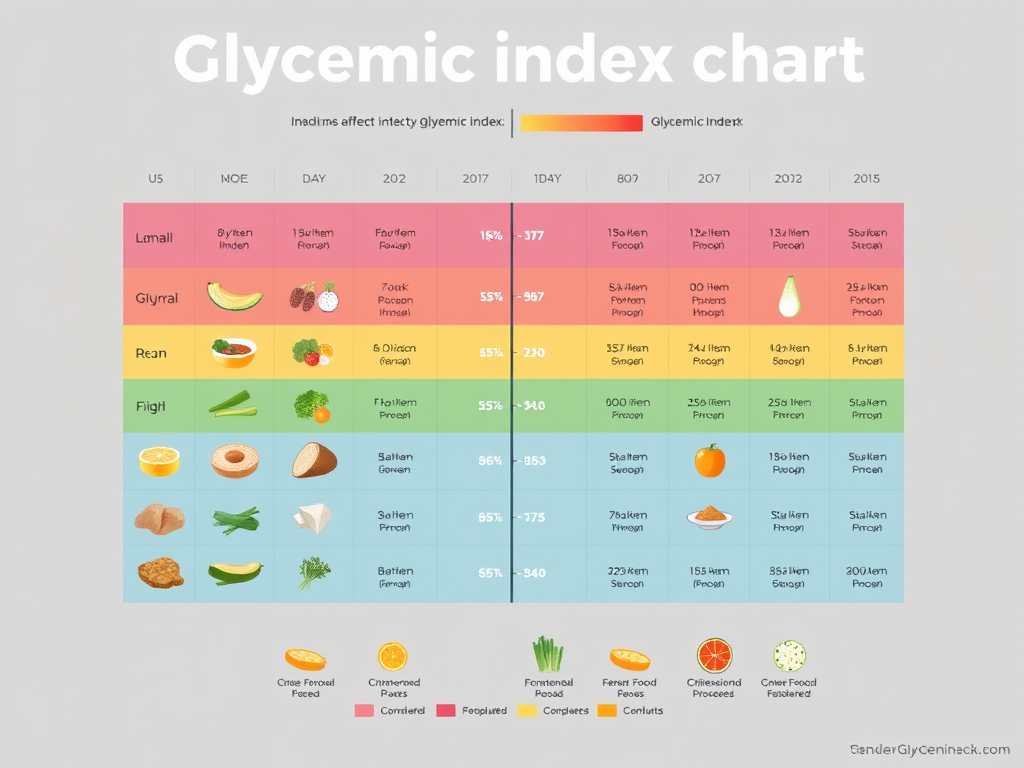
    The Glycemic index (GI) is an essential ranking system that evaluates how rapidly a particular food elevates blood sugar levels. Foods are assigned scores ranging from 0 to 100, with lower scores indicating a slower impact on blood sugar. By prioritizing low-GI foods, you can effectively manage your blood sugar levels. You can also significantly reduce the risk of insulin spikes. This practice promotes overall health and well-being.

    • Low Glycemic Index (GI) Foods (0 – 55): Experience the benefits of slow digestion and minimal blood sugar impact! Incorporate wholesome options like yeast-based products, fermented delicacies, nutritious broccoli, and energizing nuts into your diet for sustained energy and optimal health.
    • Medium Glycemic Index (56 – 69): It provides a moderate blood sugar response. It features nutrient-rich options like whole grain rice, deliciously sweet sweet potatoes, and heart-healthy steel cut oats.
    • High Glycemic Index (70+): Experience rapid digestion with foods such as white bread, candy, and sugary cereals. These foods lead to sharp insulin spikes. This also happens with those fried in vegetable oils.

    Benefits of a Low-Glycemic Diet for Insulin Control

    • Stabilized Blood Sugar: Enjoy the benefits of Low-Glycemic Index (GI) foods. These foods effectively prevent sudden glucose spikes and crashes. They promote a more stable and balanced energy level throughout the day.
    • Enhanced Insulin Sensitivity: Maintaining consistently lower insulin levels strengthens your body’s response to glucose. This promotes optimal health and enhances metabolic efficiency.
    • Sustained Energy Levels: Nutrient-dense, slow-digesting foods deliver consistent energy. They fuel your day with enduring vitality and prevent those pesky energy crashes.
    • Weight Management: Embrace the power of a low-GI diet. It effectively curbs hunger and cravings. This approach paves the way for sustainable fat loss and a healthier lifestyle.
    • Significantly Lowered Risk of Chronic Diseases: Enhanced blood sugar management helps reduce the risk of developing diabetes. It also lowers the chances of encountering serious cardiovascular complications.

    Low-Glycemic Diet Strategies to Control Insulin Spikes

    • opt for Low-GI Carbohydrates – Transition from high-Glycemic carbs to nutritious low-GI alternatives for a healthier lifestyle. Key options include:
      • Whole Grains: Embrace wholesome choices like steel-cut oats, quinoa, and barley. Add a touch of fermented yeast for added benefits!
      • Nutritious Non-Starchy Vegetables: Load up on vibrant veggies like broccoli, spinach, cauliflower, and zucchini for essential nutrients and fiber.
      • Delicious Low-GI Fruits: Indulge in nature’s candy with antioxidant-rich berries, succulent cherries, and juicy pears.
      • Avoid These: Steer clear of white bread, sugary cereals, and tempting processed snacks for optimal well-being.
    • Elevate Your Meals – Pair Carbs with Protein and Healthy FatsCombining carbohydrates with protein or healthy fats slows down digestion. This combination also significantly reduces their Glycemic impact. It promotes sustained energy levels and overall health.
        • Delicious Example Meals:
          • Whole-Grain Toast – Freshly baked or homemade, topped with creamy avocado and nutrient-rich eggs for a powerhouse breakfast.
          • Lentil Soup – Rich and hearty, drizzled with ghee or butter, paired with grilled chicken or paneer for a protein-packed delight.
      • Prioritize Fiber-Rich Foods for Better Blood Sugar Control – Fiber significantly slows down glucose absorption, promoting stable blood sugar levels. Focus on incorporating the following nutrient-dense options into your diet:
        • Diverse Choices Include:
          • Vegetables: Leafy greens like spinach and kale, crunchy carrots, and refreshing cucumbers.
          • Seeds and Nuts: Nutrient-packed sesame seeds, omega-3 rich flaxseeds, crunchy pecans, and buttery macadamia nuts.
      • Enhance Your Meals with Vinegar or Lemon Juice – Numerous studies highlight how vinegar and lemon juice can significantly lower the Glycemic response of high-carbs meals, leading to better blood sugar management. For example:
        • Drizzle a refreshing splash of vinegar over salads for a zesty kick.
        • Squeeze bright lemon juice over grilled vegetables or meats to elevate flavors and boost nutritional benefits.

      Low-Glycemic Meal Plan for Insulin Control

      • Breakfast: Steel-cut oats topped with, a sprinkle of cinnamon, and a handful of berries & whey isolate for protein.
      • Lunch: Grilled salmon/chicken/mutton/paneer served with steamed veggies drizzled with ghee/butter.
      • Dinner: Lentil soup with a side of leafy green salad (olive oil and lemon dressing).

      Key Tips for Success on a Low-Glycemic Diet

      • Read Labels: Steer clear of processed foods that contain hidden sugars and refined carbohydrates. Prioritize whole, natural ingredients for a healthier lifestyle!
      • Cook at Home: Embrace the art of creating delicious, whole, unprocessed meals that empower you to control every ingredient. Unlock your culinary potential while enjoying the benefits of healthier eating!
      • Stay Hydrated: Optimal hydration is crucial for maintaining balanced blood sugar levels. Dehydration not only disrupts glucose regulation but can also lead to fatigue and decreased energy. Keep your body in peak form by ensuring you drink enough water throughout the day!
      • Engage in Consistent Exercise: Regular physical activity significantly boosts insulin sensitivity, empowering your body to utilize glucose more efficiently and enhancing overall metabolic health.

      Final Thoughts

      Embracing a low-Glycemic diet is a powerful strategy to manage insulin levels, sustain energy, and enhance your overall wellness. By prioritizing nutrient-rich, slow-digesting foods, you can effectively avoid blood sugar crashes and significantly lower your risk of insulin resistance and chronic health issues.

      Take the First Step

      Start today by substituting high-GI foods with nourishing, low-GI alternatives and witness a remarkable transformation in your energy, cravings, and overall health!

      Are you ready to take charge of your blood sugar levels naturally? Share this informative blog with someone who would greatly benefit and connect with us for customized nutrition plans specifically designed to meet your unique health goals! In my next blog, I will be unveiling powerful insights into how the ketogenic diet effectively helps in controlling insulin spikes for improved overall health.