Tag: cognitive function

  • Overnutrition: The Hidden Crisis of Ultra-Processed Foods

    Overnutrition: The Hidden Crisis of Ultra-Processed Foods

    When we hear the term “malnutrition,” our minds often conjure images of hunger and food scarcity. However, we are witnessing a new and alarming form of malnutrition—overnutrition, fueled by the excessive consumption of calorie-dense, yet nutrient-poor foods.

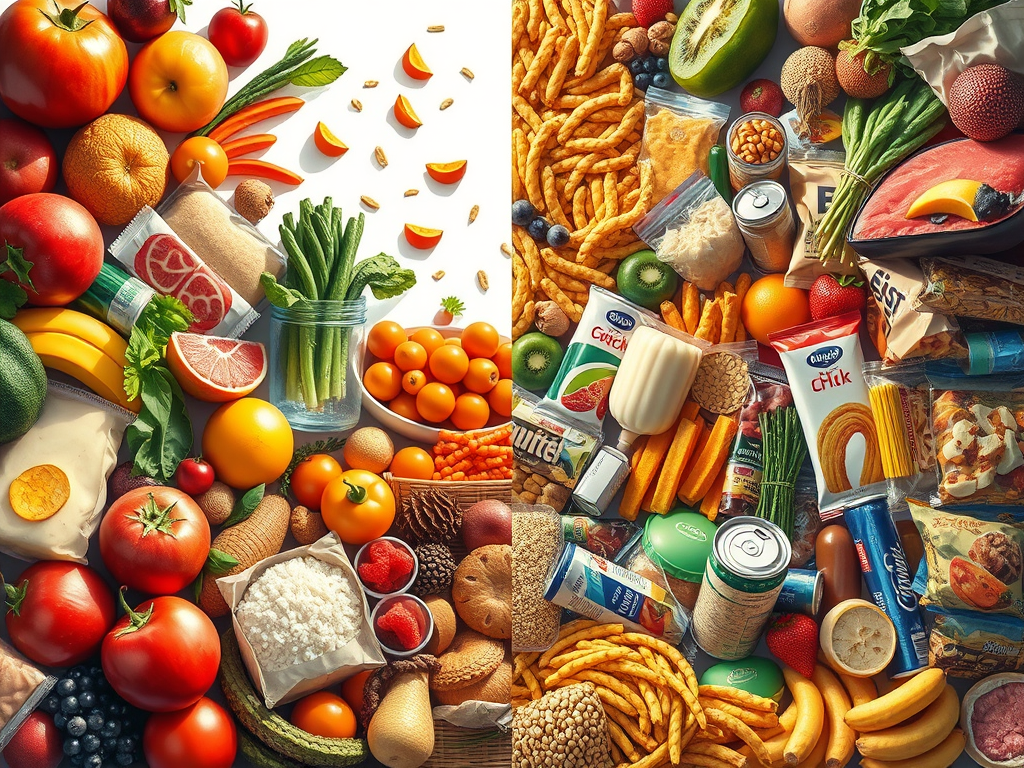
    Ultra-processed foods have become ubiquitous in our diets, leading to a surge in obesity, chronic diseases, and even troubling declines in cognitive health. Shockingly, the repercussions of these dietary choices are extending to future generations, culminating in a global health crisis that demands our attention.

    In this blog, we’ll delve into:

    ✅ How ultra-processed foods are reshaping our understanding of malnutrition

    ✅ The profound impact of overconsumption on both physical and mental health

    ✅ The long-term consequences of today’s poor diets on future generations

    ✅ Effective strategies to break the cycle of unhealthy eating habits

    Join us as we uncover the true crisis of modern nutrition and explore actionable steps towards a healthier future.

    Ultra-Processed Foods: The Silent Killer

    Ultra-processed foods, such as irresistible packaged snacks, sugary beverages, tantalizing fast food, and convenient ready-to-eat meals, are engineered for ultimate convenience and flavor. However, they come at a cost: a significant deficiency in vital nutrients, including fiber, essential vitamins, and crucial minerals. A groundbreaking study featured in The American Journal of Clinical Nutrition reveals that a staggering over 60% of daily caloric intake in affluent nations is derived from these ultra-processed foods, highlighting a concerning trend in our dietary habits.

    Why Are Ultra-Processed Foods So Addictive?

    • High levels of sugar, unhealthy fats, and excessive salt activate the brain’s reward pathways, driving us to crave even more unhealthy foods.
    • With a lack of fiber and protein, these items leave us feeling unsatisfied, which can lead to uncontrollable overeating.
    • Targeted marketing strategies specifically aimed at children and young adults reinforce the normalization of these foods, making them an ingrained part of our dietary habits.

    🚨 The result? A population that’s overfed but undernourished.

    • Obesity and Metabolic Disorders:
      • 📉 Obesity rates have tripled since 1975, with childhood obesity becoming a major crisis.
      • 📈 Processed foods lead to insulin resistance, increasing the risk of type 2 diabetes.
      • 🫀 High sodium and trans fats contribute to heart disease and hypertension.
    • Mental Health Decline:
      • 🧠 A study in The Journal of Neuroscience links high ultra-processed food consumption to increased depression and anxiety.
      • 🔥 These foods trigger chronic inflammation, which affects brain function.
      • ❌ Artificial additives disrupt gut health, which plays a crucial role in mental well-being.
    • Cognitive Decline and Memory Loss:
      • 📉 Diets high in processed foods lead to reduced brain function and memory problems.
      • ⚠️ The Lancet reported that people consuming excessive processed foods have a 25% higher risk of cognitive impairment.

    The Generational Impact: How Poor Diets Are Affecting Future Generations

    • Epigenetic Changes and Disease Risk:- 🔬 Research on nutritional epigenetics shows that a mother’s diet can alter a child’s DNA, increasing their risk of obesity, diabetes, and heart disease.
    • Developmental and Cognitive Challenges:- 📚 Low-quality diets during pregnancy and childhood can result in learning disabilities, attention disorders, and delayed cognitive development.
    • Declining Fertility Rates:- 💔 Studies in Reproductive Biology and Endocrinology suggest that processed food consumption negatively impacts sperm quality and reproductive hormones.

    🚨 The alarming truth: We are raising a generation with built-in health issues due to poor diets.

    How to Break the Cycle: Solutions for a Healthier Future

    • Increase Whole Food Consumption:
      • 🥦 Eat more fresh vegetables, lean proteins, whole grains, and healthy fats.
      • 🚫 Reduce intake of processed snacks, sugary beverages, and artificial ingredients.
    • Promote Nutrition Education:
      • 🏫 Schools should teach nutrition literacy to help children make better food choices.
      • 📢 Social media influencers and brands should advocate for real food over processed junk.
    • Implement Government Policies: –
      • 🔎 Stricter food labeling laws to highlight artificial ingredients and hidden sugars.
      • 💰 Taxation on sugary drinks and junk food to discourage excessive consumption.
      • 🚸 Ban junk food advertisements targeted at children.
    • Hold the Food Industry Accountable: –
      • ⚠️ Encourage brands to reduce artificial additives, unhealthy fats, and excess sugars.
      • 💡 Support companies that promote organic, whole-food-based alternatives.

    Final Thoughts: The Need for a New Perspective on Malnutrition

    Malnutrition is no longer solely defined by food scarcity; it now encompasses the overconsumption of nutrient-poor foods. The rise of ultra-processed diets is steering us towards a concerning reality where obesity, chronic diseases, and mental health issues are rampant among our youth.

    💡 What can you do today to reclaim your health?

    Read ingredient labels carefully and stay informed.

    Swap processed foods for whole, natural alternatives that nourish your body.

    Educate your family about the essential role of nutrition in leading a vibrant life.

    🛑 The food choices we make today will define the health destiny of future generations. Let’s break the cycle and commit to prioritizing real, nutrient-dense foods before it’s too late!

  • The Hidden Risks of Death in Healthy People While Working Out: A Reality Check

    The Hidden Risks of Death in Healthy People While Working Out: A Reality Check

    In recent years, alarming reports of seemingly fit individuals collapsing or tragically dying during workouts have ignited widespread concern. While physical activity is undeniably vital for our health, these incidents provoke critical questions: Is exercise inherently risky? The answer is a definitive no. Instead, these unfortunate deaths often arise from factors unrelated to exercise. Poor dietary choices contribute to the problem. Undetected steroid use is another factor. A lack of proper nutrition guidance also plays a role. This blog delves into the underlying causes of these incidents. It also stresses the essential role of staying active for sustained health and vitality.

    Exercise: Your Ultimate Lifesaver, Not a Risk Factor

    Regular exercise is an incredibly powerful tool for dramatically improving cardiovascular health, elevating mental well-being, and warding off chronic diseases. The transformative benefits of physical activity encompass:

    • Improved heart and lung function.
    • Reduced risk of obesity, diabetes, and hypertension.
    • Enhanced mood and cognitive function through endorphin release.
    • Better muscle strength, bone density, and flexibility.

    However, when combined with unhealthy lifestyle habits or misinformation, even exercise can become risky.

    How a Poor Diet Can Lead to Workout-Related Injuries

    • Nutritional Deficiencies: A Hidden Crisis
      • Many individuals unknowingly sabotage their health. They succumb to fad diets. They excessively depend on processed foods. They remain oblivious to the principles of balanced nutrition.
      • Critical deficiencies in essential nutrients—such as electrolytes, iron, and vital vitamins (like B12 and D)—can trigger debilitating fatigue. They can cause irregular heart rhythms and painful muscle cramps during exercise. These deficiencies significantly heighten the risk of serious cardiac events.
    • Over-consumption of Energy Drinks and Supplements: Pre-workouts and energy drinks packed with caffeine and potent stimulants are frequently relied upon for that extra “boost.” However, the dangers of excessive stimulant intake can lead to serious health issues such as arrhythmia’s, palpitations, and significantly elevated blood pressure, especially during intense physical exertion. It’s crucial to prioritize safety and be mindful of the potential consequences that come with these popular performance enhancers.
    • Carbohydrate Mismanagement
      • A low-carbs or poorly managed keto diet can lead to hypoglycemia (low blood sugar). This condition results in dizziness, fainting, or even cardiac distress during workouts.
      • Conversely, excessive refined carbohydrate consumption can lead to insulin resistance and long-term cardiovascular issues.

    The Hidden Dangers of Steroid Use

    • Steroids Among Social Media Influencers
      • The rise of social media has glorified “perfect” physiques, leading many influencers and their followers to turn to Anabolic steroids for faster results.
      • Steroids artificially enhance muscle growth but come at a significant cost to heart health, including:
        • Hypertension: Steroids elevate blood pressure, increasing strain on the heart.
        • Arrhythmia’s: Steroid use disrupts normal heart rhythms.
        • Heart Muscle Damage: Long-term use can lead to cardiomyopathy (weakened heart muscle) and heart failure.

    These substances are often used in secret, with influencers promoting an unrealistic image of “natural” fitness that pressures others to follow unsafe paths.

    The Importance of Proper Nutrition and Counseling

    • Personalized Nutrition Plans
      • A certified nutritionist thoroughly analyzes an individual’s health history, fitness aspirations, and current dietary practices. This comprehensive evaluation informs the creation of a dynamic, sustainable meal plan tailored specifically to enhance well-being and performance.
      • Optimal nutrition is crucial for achieving peak electrolyte balance. It helps in stabilizing blood sugar levels. It also fosters effective recovery. These factors significantly diminish exercise-related risks and promote overall health.
    • Education on Safe Supplementation
      • Nutrition counseling provides essential knowledge on the responsible and effective use of dietary supplements. This includes high-quality protein powders, energizing pre-workouts, and comprehensive multivitamins.
      • By avoiding dangerous stimulants and unverified compounds, individuals can significantly reduce their risk of heart-related incidents. They can also enhance their overall health.
    • Essential Guidance for Athletes and Gym Enthusiasts: Athletes and dedicated gym-goers need tailored macronutrient plans and hydration strategies to optimize performance and fuel intense workouts, ensuring that they achieve their fitness goals while maintaining overall health.

    How to Stay Safe While Staying Active

    • Embrace Balanced Eating for Optimal Performance
      • Prioritize a vibrant mix of lean proteins, heart-healthy fats, and nutrient-dense complex carbohydrates to energize your workouts and enhance recovery.
      • Boost your heart health by incorporating essential nutrients. Include magnesium-rich foods such as nuts, seeds, and leafy greens. Add omega-3 fatty acids from sources like salmon, flaxseeds, and walnuts.
    • Stay Hydrated, Stay Strong: Dehydration can put immense strain on your heart during exercise. Prioritize hydration by drinking plenty of water and incorporating electrolyte-packed beverages into your routine, especially for those intense, prolonged workouts. Your body will thank you!
    • Steer Clear of Quick Fixes: Reject the lure of steroids and dubious supplements. Embrace steady, sustainable progress through natural means for lasting results!
    • Understand Your Limits: Pushing too hard can lead to injury and put unnecessary strain on your heart. Embrace a well-rounded workout regimen that prioritizes adequate recovery and incorporates rest days for optimal performance.
    • Engage Expert Guidance: Collaborate with certified trainers and nutritionists to create personalized and effective exercise and dietary strategies that cater to your unique health goals and enhance your overall well-being.
    • Essential Health Checkups: Routine screenings for blood pressure, cholesterol levels, and heart function are crucial for your well-being, especially if you engage in intensive exercise or have a family history of heart disease. Prioritizing these checkups can empower you to take control of your health and prevent potential issues before they arise.

    Final Thoughts: Key Takeaways and Insights

    Exercise is a cornerstone of a thriving, healthy lifestyle and should never be viewed with fear. However, pitfalls like poor dietary habits, hidden steroid use, and a lack of professional guidance can transform workouts into potential risks. By focusing on balanced nutrition, steering clear of shortcuts like steroids, and seeking expert advice, individuals can confidently embrace the countless benefits of physical activity.

    Staying active is not just beneficial for your heart—it’s crucial for overall health. When you couple regular exercise with informed dietary choices and a steadfast commitment to authenticity over quick fixes, you’re not only building a stronger body but also paving the way for a longer, healthier life. Embrace the journey and let your commitment lead to lasting wellness!