Tag: cardiovascular health

  • Understanding Anorexia Nervosa: Symptoms and Treatments

    Understanding Anorexia Nervosa: Symptoms and Treatments

    Eating disorders represent intricate mental health challenges that profoundly affect both physical health and overall quality of life. As a dedicated nutritionist, I am excited to launch a comprehensive blog series aimed at illuminating the multifaceted nature of various eating disorders, delving into their root causes, significant effects, and effective treatment options. Kicking off this series is an in-depth exploration of Anorexia Nervosa, a notably severe and well-documented eating disorder that poses life-threatening risks.

    What is Anorexia Nervosa?

    Anorexia Nervosa is a severe psychiatric disorder marked by extreme food restriction, an overwhelming fear of gaining weight, and a profoundly distorted body image. People affected by this disorder often perceive themselves as overweight, despite being dangerously underweight. This condition is not merely a choice or a fleeting phase; it is a critical, life-threatening illness that demands immediate medical intervention and compassionate care.

    How Anorexia Nervosa Affects the Body?

    Anorexia Nervosa can have devastating effects on multiple organ systems due to prolonged malnutrition. Some of the major consequences include:

    • Cardiovascular Issues: Low heart rate, irregular heartbeat, and even heart failure due to lack of essential nutrients.
    • Gastrointestinal Problems: Severe constipation, bloating, and slowed digestion.
    • Endocrine Disruptions: Women may experience amenorrhea (absence of menstruation), and both genders suffer from hormone imbalances.
    • Bone Health: Increased risk of osteoporosis due to calcium and vitamin D deficiencies.
    • Weakened Immune System: Greater susceptibility to infections and slower wound healing.
    • Mental Health Decline: Anxiety, depression, and even suicidal thoughts often accompany anorexia.

    Causes of Anorexia Nervosa

    The exact cause of anorexia is not fully understood, but research suggests a combination of biological, psychological, and environmental factors:

    • Genetics: Studies indicate a hereditary component, with a higher risk among those with a family history of eating disorders.
    • Psychological Factors: Perfectionism, low self-esteem, and obsessive-compulsive traits are common in individuals with anorexia.
    • Societal Pressure: The media’s portrayal of thinness as the ideal body type significantly influences body dissatisfaction, especially in teenagers.
    • Trauma & Stress: Childhood trauma, bullying, or stressful life events can trigger disordered eating behaviors.

    Symptoms of Anorexia Nervosa

    • Physical Symptoms:
      • Extreme weight loss
      • Fatigue and weakness
      • Dry skin, brittle nails, and hair thinning
      • Dizziness and fainting
      • Growth of fine hair (lanugo) on the body
    • Behavioral Symptoms:
      • Intense fear of gaining weight
      • Restricting food intake drastically
      • Obsessive calorie counting
      • Avoiding eating in social settings
      • Excessive exercising despite exhaustion
    • Psychological Symptoms:
      • Distorted body image
      • Anxiety and depression
      • Mood swings and irritability
      • Feeling of guilt after eating

    Who is at Risk?

    While anyone can develop anorexia Nervosa, certain populations are particularly at risk:

    • Adolescents and young adults, especially females (though males are also affected).
    • Athletes, dancers, models, and those in professions that emphasize body weight.
    • People with a family history of eating disorders or mental health conditions.
    •  Individuals with high levels of perfectionism and self-criticism.

    How Can Anorexia Nervosa Be Treated?

    Early diagnosis and timely intervention dramatically enhance recovery outcomes. Embracing a multidisciplinary approach is crucial, which encompasses:

    • Nutritional Rehabilitation:
      • Collaborating with a certified dietitian/nutritionist to revitalize and restore healthy eating patterns.
      • Implementing a strategic gradual caloric increase to safeguard against re-feeding syndrome.
    • Therapy & Counseling:
      • Cognitive Behavioral Therapy (CBT) stands out as the most effective treatment method for challenging negative thought patterns and fostering healthier mindsets.
      • Family-Based Therapy provides invaluable support for adolescents, empowering them through the active involvement of parents and strengthening family bonds.
    • Comprehensive Medical Supervision:
      • In critical cases, hospitalization may be essential to manage life-threatening complications effectively.
      • Hormonal therapy is often crucial to restore bone health and promote menstrual recovery.
    • Empowering Support Groups & Comprehensive Long-Term Care:
      • Eating disorder support groups create a nurturing environment for open recovery conversations and emotional healing.
      • Mindfulness practices and stress management strategies play a crucial role in sustaining progress and enhancing overall well-being.

    Research on Anorexia Nervosa

    • Studies from the National Eating Disorders Association (NEDA) highlight that genetics account for 50-80% of the risk factors.
    • Neuro-scientific research shows abnormal activity in brain regions related to hunger and body image perception.
    • The World Health Organization (WHO) has classified anorexia Nervosa as one of the leading causes of disability among young women.
    • A Harvard study found that early intervention within the first three years significantly increases recovery rates.

    Final Thoughts

    Anorexia Nervosa is more than just an eating issue; it’s a multifaceted disorder shaped by a mix of biological, psychological, and social influences. Recognizing the early warning signs, seeking professional intervention, and creating a nurturing supportive environment are crucial steps that can be lifesaving. If you or someone you care about is facing this challenge, taking the initiative to reach out for help is a vital first step toward healing and recovery.

    This article marks the beginning of my Eating Disorders Awareness Series, aimed at shedding light on these important issues. Stay tuned for the next installment, where I’ll delve into Bulimia Nervosa—another hidden struggle with food that deserves our attention.

    Do you have questions or personal stories to share? Let’s spark a conversation in the comments below!

  • The Truth About Cholesterol: What Doctors Don’t Tell You

    The Truth About Cholesterol: What Doctors Don’t Tell You

    Cholesterol has long been demonized as the primary culprit behind heart disease and a host of other health concerns. For decades, the prevailing wisdom dictated that we should steer clear of foods rich in cholesterol, as we believed they would block our arteries and hasten our demise. However, recent breakthroughs in research and a nuanced understanding of cholesterol paint a much more complex picture—one that not only challenges the conventional narrative pushed by certain industries but also uncovers the significant benefits of cholesterol in our diets.

    In this enlightening blog, we will delve into the pivotal role of cholesterol in our bodies, clarify the crucial distinction between dietary cholesterol and blood cholesterol, and explain why total cholesterol levels are not the definitive marker of health we once thought they were. Moreover, we’ll expose the myths and misinformation propagated by corporate interests to promote their products at the expense of our health.

    Join us as we explore the cutting-edge research demonstrating that cholesterol is not the villain it has been made out to be, but rather a vital nutrient essential for achieving optimal health. Prepare to rethink everything you thought you knew about cholesterol; it might just be the key to unlocking a healthier you!

    What is Cholesterol and Its Role in the Body?

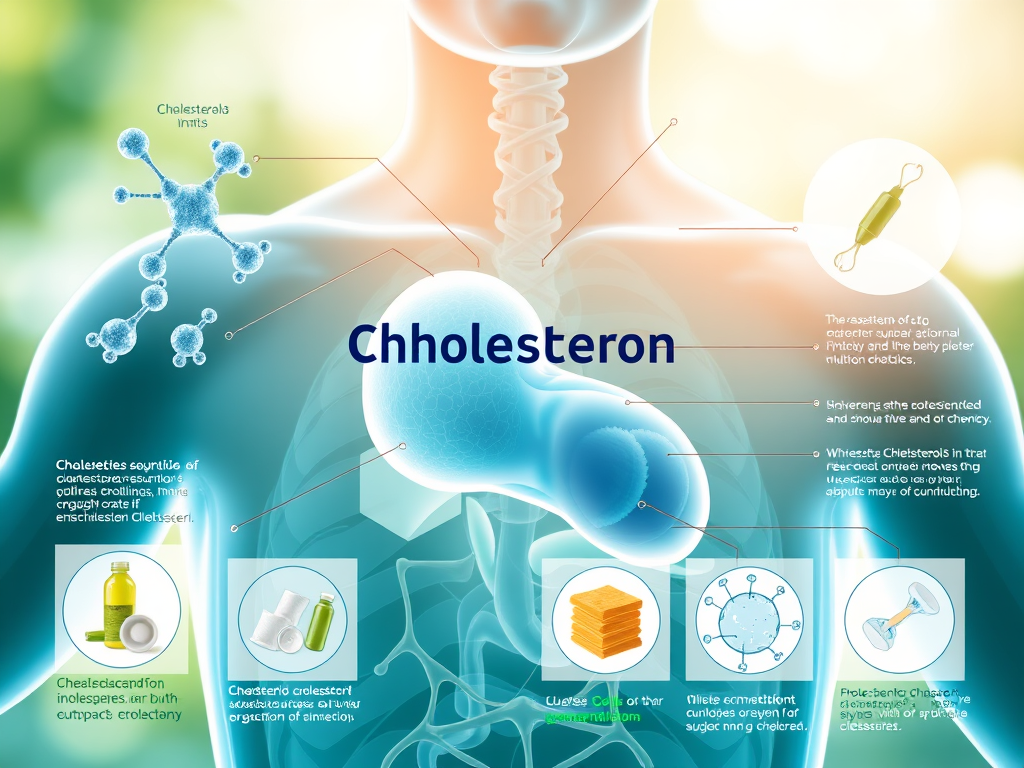
    Cholesterol is a waxy, fat-like substance. It plays essential roles in the body. It supports cell membrane structure. Cholesterol aids in hormone production and facilitates the absorption of vital nutrients.

    • Hormone Production: Essential for the synthesis of critical hormones, such as testosterone, estrogen, and cortisol, this precursor plays a pivotal role in maintaining overall hormonal balance and supporting vital bodily functions.
    • Boost Your Vitamin D Levels: Cholesterol plays a crucial role in the synthesis of vitamin D when your skin is kissed by sunlight. Embrace the sun’s rays to enhance your wellness and optimize your health!
    • Bile Production: Cholesterol is crucial for liver bile production. Bile is vital for effectively digesting and absorbing dietary fats.
    • Brain Health: Cholesterol plays a vital role in maintaining optimal brain function, as it is essential for the health and performance of neurons and memory. Astonishingly, 25% of the body’s cholesterol resides in the brain, highlighting its crucial importance for overall cognitive health and mental clarity.

    Clearly, cholesterol is not the villain it’s often portrayed to be; in fact, it’s a vital substance that plays a crucial role in numerous essential bodily functions, ensuring our overall health and vitality. Without adequate levels of cholesterol, our bodies would struggle to maintain proper hormone production, cell membrane integrity, and numerous other critical processes.

    Body Cholesterol vs. Dietary Cholesterol: Understanding the Difference

    • Body Cholesterol (Endogenous)
      • Most of the cholesterol in your body (about 75–80%) is produced by the liver and other cells.
      • The body tightly regulates cholesterol production to maintain balance, increasing production when dietary intake is low and decreasing it when dietary intake is high.
    • Dietary Cholesterol (Exogenous)
      • Found in foods like eggs, red meat, shellfish, and full-fat dairy.
      • Dietary cholesterol has a minimal impact on blood cholesterol levels for most people.
    • The Misconception: For years, dietary cholesterol was blamed for raising blood cholesterol levels and increasing heart disease risk. However, numerous studies have shown that the body adjusts its cholesterol production based on intake, making dietary cholesterol far less impactful than previously believed.

    The Hidden Agenda: How Cholesterol Became a Scapegoat

    In the mid-20th century, the demonization of cholesterol gained momentum due to flawed research and corporate interests:

    • Ancel Keys’ Flawed Research:
      • The “Seven Countries Study” by Ancel Keys linked dietary fat (and cholesterol) to heart disease. However, it selectively used data from countries that supported the hypothesis while ignoring others that contradicted it.
      • This study led to decades of low-fat dietary guidelines.
    • Industry-Funded Misinformation:
      • In the 1960s, the sugar industry paid researchers to downplay sugar’s role in heart disease and shift the blame to dietary fat and cholesterol.
      • This was revealed in a 2016 JAMA Internal Medicine report, exposing how corporations influenced public health policies to benefit their products.
    • Cholesterol-Lowering Drug Industry:
      • The pharmaceutical industry capitalized on the fear of cholesterol, promoting statins as a one-size-fits-all solution.
      • Statins lower cholesterol levels but do not address the root causes of heart disease, such as inflammation and metabolic dysfunction.

    Why Doctors Hide the Truth About Cholesterol

    The persistent misinformation surrounding cholesterol can be traced back to significant gaps in medical education and the overwhelming influence of powerful industries. Many medical professionals receive insufficient training in nutrition during their education, which leaves them overly dependent on outdated guidelines that drastically oversimplify cholesterol’s complex role in health. Moreover, the immense power of the pharmaceutical industry cannot be overlooked. Cholesterol-lowering medications, such as statins, generate billions of dollars annually, creating a hefty financial incentive to perpetuate the narrative that high cholesterol is inherently harmful. By emphasizing the need to lower cholesterol levels instead of tackling underlying issues like inflammation and insulin resistance, the healthcare system frequently opts for mere symptom management over genuine prevention. This toxic blend of limited nutritional knowledge and vested financial interests fuels the ongoing demonization of cholesterol, which in turn keeps patients misinformed and reliant on medications, rather than empowering them with effective dietary and lifestyle strategies for long-term health.

    The Myth of “High Cholesterol” and the Hidden Truth

    • Why Total Cholesterol Numbers Don’t Tell the Whole Story:
      • Understanding LDL vs. HDL:
        • LDL (Low-Density Lipoprotein), often referred to as “bad cholesterol,” isn’t inherently dangerous. Issues occur when LDL particles become oxidized or small and dense, which can significantly contribute to the buildup of arterial plaque and increase heart disease risk.
        • In contrast, HDL (High-Density Lipoprotein), known as “good cholesterol,” plays a crucial role in clearing excess cholesterol from the bloodstream, acting as a protector against cardiovascular issues.
        • Relying solely on total cholesterol is misleading. A more insightful approach involves examining the HDL to LDL ratio, alongside monitoring triglyceride levels and inflammatory markers such as C-reactive protein (CRP) to accurately assess heart disease risk.
    • Identifying the True Risk Factors for Heart Disease: It’s essential to recognize that chronic inflammation, insulin resistance, and oxidative stress, coupled with unhealthy lifestyle habits (like smoking and a sedentary lifestyle), are the real culprits behind cardiovascular disease—not cholesterol itself.

    Research Supporting Cholesterol as Beneficial

    • Cholesterol and Longevity: A 2013 study published in The American Journal of Clinical Nutrition found that higher cholesterol levels in older adults were associated with increased longevity and reduced risk of infections.
    • Cholesterol and Brain Health: Research in Frontiers in Aging Neuroscience highlights the importance of cholesterol in preventing neuron-degenerative diseases like Alzheimer’s.
    • Dietary Cholesterol and Heart Disease: A 2015 meta-analysis in BMJ concluded that there is no significant link between dietary cholesterol and cardiovascular disease in healthy individuals.

    The Path Forward: Embracing Cholesterol-Rich Foods

    • Focus on Whole Foods: Replace processed foods and refined carbohydrates with nutrient-dense, whole foods, including cholesterol-rich options. Kindly consult with professional for right amount of fats required as per your daily intake.
    • Address Inflammation: Prioritize anti-inflammatory foods like fatty fish, nuts, seeds, and leafy greens.
    • Avoid Refined Sugars and Trans Fats: These are the real culprits behind heart disease and should be minimized.
    • Balance Your Lifestyle: Exercise regularly, manage stress, and get adequate sleep to support overall cardiovascular health.

    Final Thoughts and Key Takeaways

    Cholesterol Isn’t the Enemy: Embrace This Essential Nutrient for Optimal Health

    Cholesterol plays a vital role in maintaining your overall health—it’s not the villain we’ve been led to believe. The long-standing war on cholesterol has been fueled by flawed research and influenced by corporate agendas. To promote better health, it’s crucial to understand the distinction between dietary cholesterol and that produced by your body.

    Instead of fearing cholesterol, focus on the real risk factors that impact your well-being. Embrace a diet rich in whole, nutrient-dense foods that nourish your body and support your health goals.

    It’s time to rethink cholesterol. Break free from outdated myths and trust the science that underscores its importance in a balanced, healthy diet.

    Don’t navigate this journey alone: consult with a knowledgeable professional who can guide you on how fats function in your body, determine the right quantities based on your lifestyle, and identify the best food combinations for an effective nutrition plan. Your path to understanding cholesterol starts now—let’s make informed choices together!

  • The Rising Risk of Heart Attacks and Cardiac Diseases: The Role of Cooking Oils, Fats, and Carbohydrates

    The Rising Risk of Heart Attacks and Cardiac Diseases: The Role of Cooking Oils, Fats, and Carbohydrates

    Heart attacks and cardiac diseases are alarmingly prevalent across the globe, affecting even younger demographics. According to the World Health Organization (WHO), cardiovascular diseases (CVDs) are the foremost cause of death worldwide. They result in nearly 18 million fatalities each year. Genetics and lifestyle choices certainly influence our heart health. However, the daily foods we consume are significant culprits in this crisis. Especially problematic are low-quality cooking oils, unhealthy fats, and excessive carbohydrates. In this insightful exploration, we will examine how these dietary components affect heart health. Our findings are supported by compelling research.

    The Role of Bad-Quality Cooking Oils and Seed Oils in Heart Disease

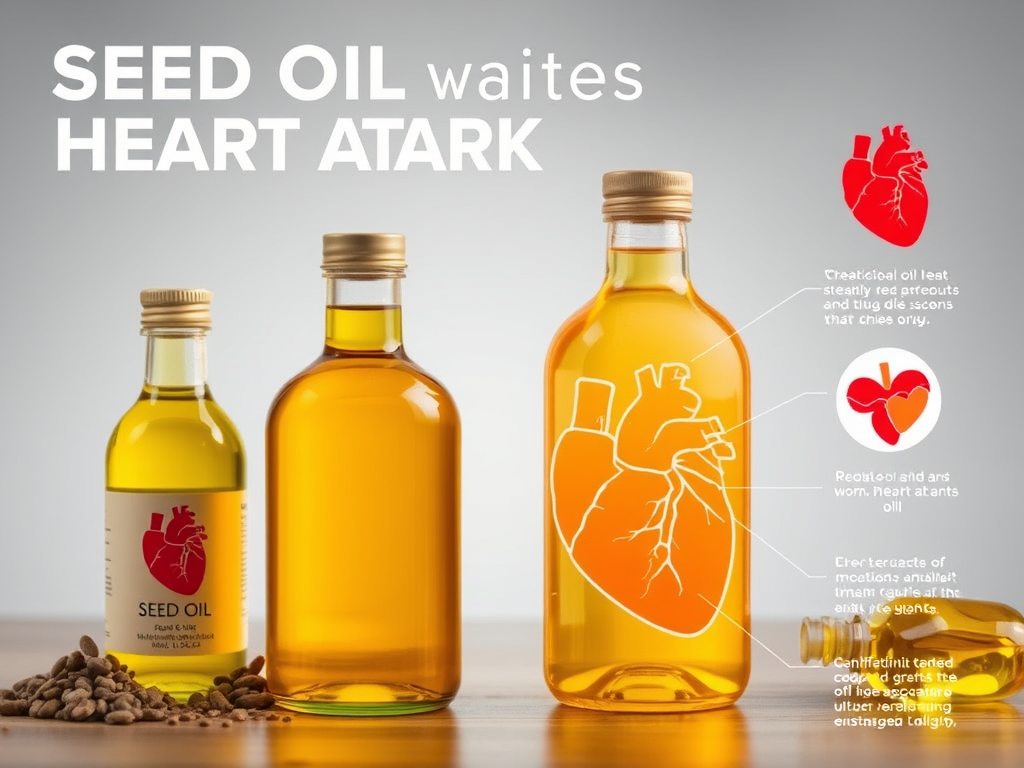
    • Elevated Omega-6 Fatty Acid Levels: Many commonly used seed oils, including soybean, corn, sunflower, and canola oil, are particularly high in omega-6 fatty acids. While omega-6 is crucial for health in moderation, excessive intake disrupts the critical omega-6 to omega-3 balance, leading to increased inflammation—a major contributor to the onset of heart disease.
      • Compelling Research Findings: A study published in BMJ underscored the serious consequences of imbalanced omega-6 and omega-3 fatty acids, linking this disproportion to elevated cardiovascular risk due to increased inflammation and oxidative stress.
    • Toxic Compounds from Heating: When seed oils are heated at high temperatures, they undergo oxidation, resulting in the formation of toxic aldehydes and trans fats. These detrimental compounds not only harm blood vessels but also significantly increase LDL cholesterol while simultaneously reducing HDL cholesterol.
      • Research Evidence: According to the Journal of Food Science, heating vegetable oils at elevated temperatures generates harmful oxidation products that are linked to an increased risk of heart disease.
    • Highly Refined and Chemically Processed Seed Oils: Numerous seed oils undergo intensive chemical extraction using harmful solvents such as hexane, followed by extensive refining processes that strip away essential nutrients. This industrial approach not only eliminates beneficial compounds but also generates toxic byproducts that can significantly increase oxidative stress and promote chronic inflammation in the body.

    The Danger of Unhealthy Fats

    • Trans Fats: Present in margarine, shortening, and numerous processed foods, trans fats pose a significant threat to heart health. These harmful fats not only elevate LDL cholesterol but also diminish HDL cholesterol, exacerbating the risk of arterial plaque buildup, which can ultimately lead to severe cardiovascular issues.
      • Research Evidence: The New England Journal of Medicine highlights a staggering statistic: trans fats are linked to approximately 500,000 preventable deaths each year, underlining their devastating impact on heart health and overall well-being.
    • Saturated Fats in Processed Foods: Saturated fats from unhealthy sources, including processed meats, deep-fried delights, and sugary baked goods, significantly contribute to cholesterol imbalances and dangerous arterial blockages. In contrast, saturated fats sourced from natural ingredients, like nutrient-rich coconut oil and wholesome grass-fed butter, can be enjoyed safely when consumed in moderation, promoting better overall health without the associated risks.

    The Role of High-Carbohydrate Diets in Heart Disease

    • Elevated Blood Sugar and Insulin Resistance: Diets rich in refined carbohydrates—including white bread, pastries, sugary beverages, and processed snacks—trigger rapid surges in blood sugar and insulin levels. Over time, this chronic elevation can lead to insulin resistance, inflammation, and unwanted weight gain—all significant risk factors for heart disease.
      • Compelling Research Evidence: A pivotal study published in The Lancet revealed a robust association between high carbohydrate intake and a heightened risk of heart disease, particularly in populations that consume refined carbs as dietary staples.
    • Triglyceride Levels: Excessive carbohydrate consumption can lead to significantly elevated triglyceride levels—these are harmful fats in your bloodstream that promote the formation of arterial plaque. This buildup not only heightens the risk of heart attacks but also poses a substantial threat to overall cardiovascular health.
    • Chronic Inflammation: Highly processed carbohydrates and sugary delights fuel systemic inflammation, wreaking havoc on blood vessel walls and significantly accelerating the progression of atherosclerosis (dangerous artery hardening).

    Research Findings on Diet and Heart Health

    • PURE Study (Prospective Urban Rural Epidemiology): This groundbreaking study investigated the intricate relationship between diverse dietary patterns and their profound effects on health across 18 countries.
      • Key Findings: A striking correlation was observed where elevated carbohydrate intake significantly increased the risk of total mortality, while a higher intake of fats (including saturated fats) was intriguingly linked to a reduced risk of stroke and heart disease.
    • Harvard Health Study on Omega-6 and Omega-3 Ratios: The groundbreaking research revealed that contemporary diets, heavily influenced by seed oils, exhibit an alarming omega-6 to omega-3 ratio of up to 20:1. This stark contrast to the ideal ratio of 4:1 or lower significantly contributes to inflammation, raising the risk of heart disease and other chronic health issues.
    • Framingham Heart Study: Revealed that diets rich in refined carbohydrates and dangerous trans fats dramatically elevate LDL cholesterol and triglyceride levels, significantly heightening the risk of heart disease.

    Practical Steps to Reduce Heart Disease Risk

    • Select Nutrient-Dense, Heart-Healthy Fats
      • Swap out harmful seed oils for superior, heart-healthy alternatives such as, coconut oil, ghee and grass-fed butter to elevate your cooking and health.
      • Boost your omega-3 levels by incorporating fatty fish like salmon, mackerel, and sardines into your meals, or consider high-quality supplements for an additional health boost.
    • Significantly Cut Refined Carbohydrates
      • Ditch white bread, sugary snacks, and heavily processed foods.
      • Embrace whole, low-Glycemic carbohydrates like organic lentils, nutritious sweet potatoes, and fiber-rich legumes.
    • Embrace Powerful Anti-Inflammatory Foods: Elevate your diet by incorporating a vibrant array of colorful vegetables, nutritious fruits (especially antioxidant-rich berries), crunchy nuts, wholesome seeds, and aromatic spices like turmeric and ginger to effectively fight inflammation and boost your overall health.
    • Steer Clear of Harmful Trans Fats: Always scrutinize food labels for “partially hydrogenated oils” and eliminate products that contain these dangerous fats from your diet. Your health deserves better!
    • Master Portion Control for a Healthier You: Overeating—even nutritious foods—can trigger weight gain and disrupt your metabolism. This is especially true when indulging in carbohydrate-rich options like lentils and legumes. Embrace mindful eating to maintain balance and nourish your body effectively!
    • Stay Physically Active: Engaging in regular exercise is vital for enhancing heart health. It effectively lowers triglyceride levels, elevates HDL (good) cholesterol, and helps you maintain a healthy weight for a vibrant, energetic life. Prioritize movement daily to unlock the incredible benefits for your cardiovascular system!

    Compelling Conclusion: Key Insights and Final Thoughts

    The alarming increase in heart attacks and cardiac diseases can be primarily linked to poor dietary choices, especially the excessive consumption of low-quality cooking oils, unhealthy trans fats, and high-carbohydrate diets. Research highlights the critical need to eliminate inflammatory foods, swap out harmful fats for nutritious alternatives, and prioritize low-Glycemic carbohydrates to safeguard heart health. By making empowered and informed dietary choices, individuals can dramatically lower their risk of heart disease and enhance their overall well-being, paving the way for a healthier future.

  • Nutrition’s Impact on Sexual Performance

    Nutrition’s Impact on Sexual Performance

    When we think about sexual performance, it’s all too easy to get caught up in quick fixes—pills, supplements, and hacks that promise instant results. However, sexual health is intricately tied to your overall wellness, particularly your diet. The foods you consume play a crucial role in maintaining optimal energy levels, regulating hormones, ensuring proper blood flow, and supporting mental health—all essential ingredients for intimacy.

    Sexual performance is not just about the act itself; it’s a sophisticated interplay of your cardiovascular health, hormonal balance, nervous system, and mental state. Research highlights that a poor diet laden with processed foods and sugars can elevate the risk of erectile dysfunction (ED) and diminish libido. Conversely, a nutrient-dense diet can dramatically enhance these vital biological processes, strengthening both physical and emotional intimacy.

    Let’s delve into the science behind this connection. A study featured in The Journal of Sexual Medicine revealed that men following a Mediterranean-style diet—rich in healthy fats, lean proteins, and vibrant vegetables—experienced a significantly lower risk of ED compared to those indulging in a diet high in processed foods. Likewise, women consuming diets abundant in antioxidants and omega-3 fatty acids reported heightened arousal, improved lubrication, and greater satisfaction. This correlation is not surprising; the nutrients found in these diets enhance blood flow, hormone production, and energy levels, which are vital for a fulfilling sexual experience.

    For those adhering to low-carbs or ketogenic diets, the benefits can be even more pronounced. Low-carbs eating stabilizes blood sugar levels, boosts insulin sensitivity, and fosters hormone production, creating a physiological environment primed for better performance. Yet, not all foods contribute positively to this narrative. Some can actively undermine circulation, disrupt hormonal balance, or sap your energy, making it essential to identify what to embrace—and what to avoid.

    In this blog, we’ll uncover the profound connection between nutrition and sexual performance. From the scientific underpinnings to the best and worst foods that impact intimacy, you’ll gain a deeper understanding of how the right choices not only fuel your confidence, energy, and satisfaction in the bedroom but also enrich your overall sexual health.

    How Food Impacts Sexual Performance: The Science

    • Blood Flow and Circulation: Optimal blood flow is essential for sexual arousal and performance. For men, achieving and maintaining an erection relies heavily on robust circulation, whereas for women, increased blood flow to the genital area significantly enhances sensitivity and sexual pleasure.
      • Scientific Insight: Research published in The American Journal of Cardiology reveals that men suffering from cardiovascular risk factors, such as high cholesterol or hypertension, face a greater likelihood of experiencing erectile dysfunction (ED). Incorporating nutrient-rich foods that promote healthy blood vessels by reducing inflammation and boosting nitric oxide levels can greatly enhance circulation.
      • Key Foods for Blood Flow: Incorporate leafy greens, beetroot, and rich dark chocolate (90% cocoa) into your diet to significantly support blood circulation and overall sexual health.
    • Hormonal Balance: The intricate dance of hormones like testosterone, estrogen, and progesterone is pivotal to enhancing libido and sexual health. Testosterone is vital for everyone, significantly influencing sex drive and energy levels.
      • Scientific Insight: Cutting-edge research published in the Journal of Clinical Endocrinology & Metabolism uncovers that zinc and vitamin D are essential powerhouses in the production of testosterone. Additionally, a diet rich in healthy fats is crucial for effective hormone synthesis.
      • Key Foods for Optimizing Hormone Support: Include powerhouse foods such as egg yolks, fatty fish, and pumpkin seeds in your diet for unmatched hormone health.
    • Energy Levels and Stamina: The secret to exceptional sexual performance lies not only in arousal but also in endurance. Maintaining stable blood sugar levels and ensuring sufficient nutrient intake are essential for sustained energy. Beware of diets saturated with refined carbs or sugars that can trigger energy crashes! Instead, a diet brimming with whole, nutrient-dense foods empowers you with consistent stamina.
      • Scientific Insight: Groundbreaking research published in Nutrients reveals that diets abundant in omega-3 fatty acids and low in refined sugars can markedly enhance mitochondrial function, leading to increased stamina and decreased fatigue.
      • Key Foods for Energy: Power up with avocados, nuts, and coconut oil for that extra boost!
    • Mental Health and Stress: Stress, anxiety, and depression can significantly dampen libido and performance. Chronic stress elevates cortisol levels, which suppress testosterone production and diminish sexual desire. Incorporating nutrient-rich foods that bolster brain health and combat inflammation can enhance mood and confidence.
      • Scientific Insight: A compelling 2020 study published in Nutritional Neuroscience revealed that omega-3 fatty acids and magnesium play a crucial role in mood regulation by effectively lowering cortisol levels and boosting serotonin production.
      • Key Foods for Mental Health: Indulge in fatty fish, dark chocolate, and magnesium-rich leafy greens to elevate your mental well-being.

    Foods That Enhance Sexual Performance

    Let’s dive into specific foods that can enhance sexual performance for both men and women. These foods support blood flow, hormone regulation, energy, and mood.

    • Leafy Greens (Spinach, Kale, Arugula)
      • Powerful Effect: Packed with nitrates, these vibrant greens significantly boost blood flow by transforming into nitric oxide, a potent compound that effectively dilates blood vessels.
      • For Everyone: Experience heightened circulation that ignites arousal and amplifies sensitivity, enhancing intimacy for both genders.
    • Fatty Fish (Salmon, Mackerel, Sardines)
      • Powerful Effect: Bursting with omega-3 fatty acids, these nutrient-dense fish significantly reduce inflammation and enhance heart health, promoting improved circulation and hormonal balance.
      • Benefits for Everyone: Elevates libido and effectively reduces stress for both men and women, fostering a healthier, more vibrant life.
    • Eggs (Whole)
      • Nutritional Powerhouse: Packed with essential vitamin D and healthy fats, these versatile gems are also a significant source of cholesterol, crucial for hormone production and brain health.
    • Dark Chocolate (90% Cocoa)
      • Powerful Health Benefits: Rich in flavonoids, dark chocolate significantly enhances blood vessel function and delivers potent antioxidants that combat stress and promote overall wellness.
      • For Everyone: Elevates mood and ignites passion, making it a delightful treat that boosts arousal and adds joy to both men and women.
    • Nuts and Seeds (Pumpkin Seeds, Walnuts, Almonds)
      • Powerful Benefits: Packed with essential nutrients like zinc, magnesium, and heart-healthy fats, these superfoods are vital for hormone production and stress relief.
      • For Everyone: Boost libido and enhance sexual vitality for a more fulfilling experience.
    • Avocados
      • Nutritional Powerhouse: Packed with essential potassium, folate, and heart-healthy monounsaturated fats, avocados not only promote cardiovascular health but also boost your energy levels.
      • Universal Benefits: Elevate your stamina and combat fatigue effectively, making avocados an excellent choice for everyone looking to enhance their overall vitality.
    • Coconut Oil
      • Powerful Effect: A fantastic source of medium-chain triglycerides (MCTs) that deliver rapid energy boosts while maintaining stable blood sugar levels.
      • Benefits for Everyone: Energizes your body and minimizes dependency on processed carbohydrates.
    • Beetroot
      • Powerful Effect: Boosts nitric oxide production, significantly enhancing blood circulation for improved overall health.
      • Unisex Benefits: Amplifies blood flow to sexual organs, promoting vitality and intimacy for everyone.

    Foods That Harm Sexual Performance

    Certain foods can significantly disrupt hormone balance, impede healthy blood circulation, and trigger energy crashes, each of which can severely undermine sexual performance and vitality.

    • Processed Foods: Loaded with harmful trans fats, excessive sodium, and hidden sugars, these foods exacerbate inflammation and significantly diminish testosterone levels.
      • Impact on Men: Heightened risk of erectile dysfunction (ED) due to detrimental damage to blood vessels.
      • Impact on Women: Decreases libido and severely disrupts hormonal equilibrium.
    • Sugary Beverages: Causes rapid spikes in blood sugar, triggering energy crashes and promoting weight gain, both of which can significantly lower libido.
      • Impact on Men and Women: Drains energy levels and fosters insulin resistance, severely impacting circulation and overall vitality.
    • Alcohol (Excessive Consumption): Significantly impacts the nervous system, drastically reducing sexual arousal and sensitivity. Prolonged use can severely lower testosterone levels, leading to a cascade of negative effects.
      • Impact on Men: A major contributor to Erectile Dysfunction (ED), undermining confidence and sexual health.
      • Impact on Women: Greatly dampens sexual sensitivity and significantly reduces lubrication, jeopardizing overall intimacy and pleasure.
    • Soy Products (Excessive Intake): Rich in phyto-estrogens that can mimic estrogen in the body, potentially leading to a decline in testosterone levels.
      • Impact on Men: May significantly reduce libido and lower testosterone levels, affecting overall vitality.
      • Impact on Women: Can severely disrupt hormonal balance, potentially leading to adverse health effects.
    • Fried Foods: Packed with unhealthy trans fats, which severely impair blood vessel function and drastically reduce circulation.
      • Impact on Men and Women: Leads to detrimental cardiovascular health and overwhelming fatigue.

    Steps to Enhance Performance Naturally

    • Prioritize Whole Foods: Embrace nutrient-dense, unprocessed options that invigorate blood flow, balance hormones, and boost energy levels for a healthier, more vibrant life.
    • Engage in Regular Exercise: Incorporating cardiovascular workouts and strength training not only boosts circulation but also significantly elevates testosterone levels, enhancing overall vitality and well-being.
    • Stay Hydrated: Staying properly hydrated is crucial for maintaining peak stamina and enhancing sensitivity. Don’t underestimate the power of water; it fuels your body and keeps you performing at your best!
    • Master Stress Reduction: Embrace transformative practices like mindfulness, yoga, and meditation to effectively balance cortisol levels and cultivate inner calm.
    • Sleep Well: Quality sleep is essential for maintaining hormone balance and boosting energy levels. Prioritize restful nights to enhance your vitality and overall well-being.

    Conclusion: Nourish Your Body, Enrich Your Relationships

    Sexual performance transcends mere physical capability—it serves as a powerful reflection of your overall well-being and vitality. The undeniable connection between nutrition and intimacy is deeply rooted in science and bolstered by compelling evidence. What you consume can either ignite your energy, elevate your confidence, and fortify your connections—or it can weigh you down, disrupt hormonal balance, and diminish your libido.

    When it comes to sustaining long-term sexual health, there are no magical shortcuts. While pills and quick fixes may provide temporary relief, they pale in comparison to the lasting benefits of a nutrient-rich diet and a wholesome lifestyle. By prioritizing foods that enhance blood flow, stabilize hormones, and support both your physical and mental well-being, you unlock the potential for more than just improved sexual performance—you open the door to enhanced vitality, boosted self-esteem, and enriched relationships.

    Always remember, the secret to outstanding sexual health isn’t solely about the fleeting moments of intimacy. It hinges on the daily choices you make: the nourishing meals you savor, the invigorating exercise routines you embrace, and the attentive care you provide for both your body and mind. Begin with small, sustainable changes to your dietary habits, emphasize whole, unprocessed foods, and weave regular movement into your daily life. Your body, as well as your relationships, will express their gratitude in ways you may have never imagined!