
As a passionate nutritionist, I emphasize the crucial balance between essential fatty acids, Omega-3 and Omega-6. While both play vital roles in our overall health, contemporary diets are excessively loaded with Omega-6, which can lead to a variety of adverse health effects. Conversely, Omega-3 fatty acids pack a powerful punch, offering an array of extraordinary benefits that not only combat inflammation but also enhance heart health and boost brain function.
In this blog, I’ll delve deep into the fundamental differences between Omega-3 and Omega-6, elucidate the pressing need for more Omega-3 in your diet, explore their natural food sources, and outline the serious consequences of an overabundance of Omega-6. Join me on this journey to uncover how to achieve optimal health through dietary balance!

What are Omega-3 and Omega-6 Fatty Acids?
Both Omega-3 and Omega-6 are critical types of polyunsaturated fatty acids (PUFAs) that play a vital role in our health. Often referred to as essential fats, these nutrients are crucial because our body cannot synthesize them independently—we must actively incorporate them into our diet to reap their numerous benefits.
- Omega-3 Fatty Acids: Renowned for their powerful anti-inflammatory properties, Omega-3 fatty acids are essential fats that play a crucial role in promoting heart health, enhancing mental clarity, and supporting overall well-being. Embracing these fatty acids in your diet can lead to significant health transformations.
- Omega-6 Fatty Acids: Essential for our body, but when over-consumed, they can trigger inflammation and lead to various health issues. Moderation is key to maintaining a balanced diet!
The secret to optimal health rests in achieving the perfect balance between these two essential fatty acids.
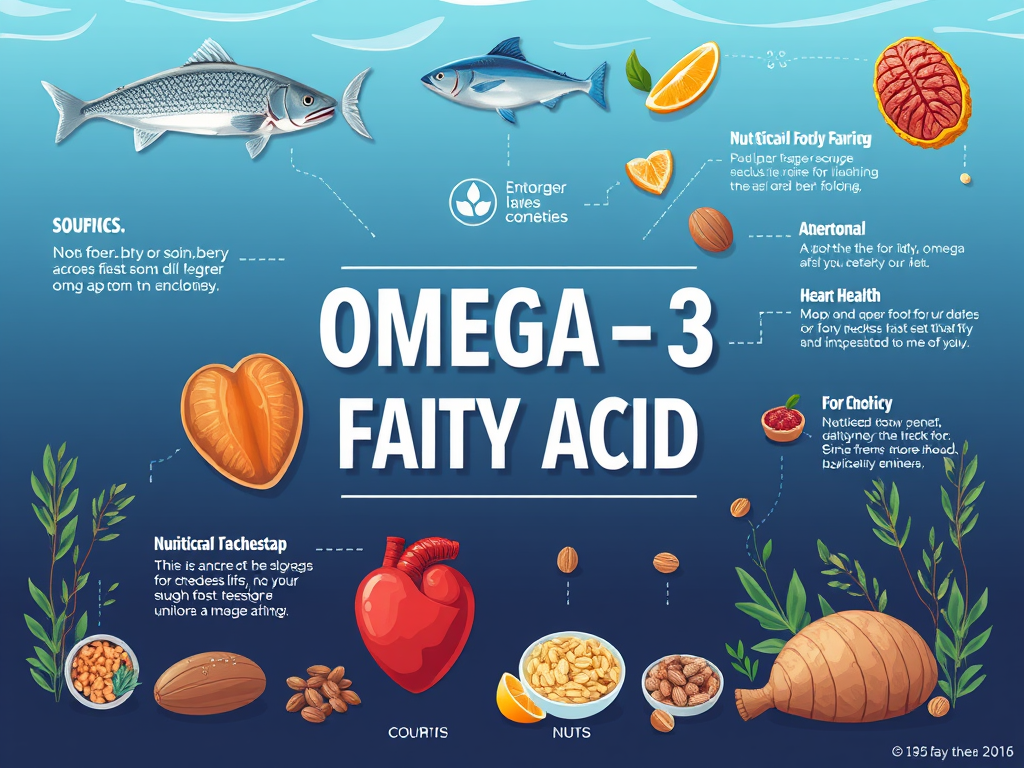
Why We Need Omega-3 More Than Omega-6?
Historically, human diets thrived on an ideal Omega-6 to Omega-3 ratio of approximately 1:1, a crucial balance that effectively supported inflammation control, enhanced heart health, and promoted optimal overall well-being.
However, the alarming surge in processed foods and industrial vegetable oils has led to an overwhelming Omega-6 to Omega-3 ratio of 20:1 or even higher in numerous contemporary diets. This excessive intake of Omega-6 is a significant driver of chronic inflammation, thereby elevating the risk of:
- Heart disease
- Obesity
- Type 2 diabetes
- Autoimmune disorders
- Joint pain and arthritis
While Omega-6 remains an essential nutrient, increasing your intake of Omega-3 fatty acids is crucial for restoring a healthy balance and fortifying the body against inflammation-driven diseases. Embracing Omega-3 not only enhances your overall well-being but also acts as a powerful shield against chronic inflammation!
Sources of Omega-3 Fatty Acids
- Nutrient-Packed Fatty Fish (Exceptional Sources of EPA and DHA):
- Salmon: A flavorful powerhouse rich in omega-3.
- Sardines: Tiny but mighty, loaded with essential nutrients.
- Mackerel: A delicious addition, offering heart-protecting benefits.
- Anchovies: Intensely flavored, perfect for boosting any dish’s health profile.
- Herring: A nutritious option, high in healthy fats and protein.
- Plant-Based Sources (ALA – Alpha-Linolenic Acid):
- Flaxseeds: Power-packed super-foods bursting with omega-3 fatty acids, fiber, and antioxidants! Elevate your daily diet with these tiny, nutrient-dense seeds to supercharge your heart health, boost digestive wellness, and rejuvenate your skin vitality!
- Walnuts: A rich source of brain-boosting nutrients and healthy fats that can enhance cognitive performance and support your overall well-being!
- Macadamia Nuts: Creamy and indulgent, these luxurious nuts are packed with healthy monounsaturated fats that can help maintain heart health and improve skin hydration!
- Pecans: Delightfully crunchy with a rich flavor, pecans are loaded with antioxidants and promote healthy digestion while being low in carbs!
- Brazil Nuts: A powerhouse of selenium, these nuts support your immune system and promote thyroid health while providing a satisfying crunch!
- Other Nutrient-Rich Sources:
Health Benefits of Omega-3 Fatty Acids
- Powerful Inflammation Fighter: Omega-3 fatty acids, especially EPA (Eicosapentaenoic acid), act as potent anti-inflammatory warriors. They effectively combat debilitating conditions such as arthritis, inflammatory bowel disease, and chronic pain, promoting a healthier, pain-free life.
- Boosts Heart Health: Omega-3 fatty acids effectively lower triglyceride levels, significantly reduce blood pressure, and actively prevent plaque buildup in arteries. This powerful combination reduces the risk of heart disease and stroke, promoting a healthier cardiovascular system and enhancing overall well-being.
- Boosts Brain Health:
- DHA (Docosahexaenoic acid), a crucial building block of brain tissue, significantly enhances cognitive performance, sharpens memory, and elevates focus.
- Omega-3 fatty acids are known to lower the risk of neuron-degenerative diseases such as Alzheimer’s, promoting long-term brain vitality and health.
- Elevates Mood and Enhances Mental Well-being: Omega-3 fatty acids are crucial in modulating neurotransmitters such as serotonin, which significantly contributes to reducing symptoms of depression, anxiety, and various mood disorders. Embracing a diet rich in Omega-3 can lead to a more uplifting and positive mindset.
- Boosts Radiant Skin and Sharp Vision: Omega-3 fatty acids deeply hydrate the skin, combat acne effectively, and safeguard against age-related macular degeneration, ensuring your eyes remain vibrant and healthy.
- Essential for Pregnancy and Infant Brain Development: DHA is a powerhouse nutrient vital for optimal fetal brain and eye growth, highlighting the significance of Omega-3 intake during pregnancy for both mothers and their developing babies.
- Boosts Weight Management Success: Omega-3 fatty acids play a crucial role in accelerating metabolism and curbing fat storage by significantly enhancing insulin sensitivity.
Disadvantages of Excess Omega-6 Fatty Acids
While Omega-6 fatty acids play a vital role in supporting normal cellular function, an overabundance of intake can trigger detrimental effects owing to their inflammatory properties.
- Chronic Inflammation: A high intake of Omega-6 fatty acids can ignite chronic inflammation, significantly elevating the risk of severe health issues such as heart disease, diabetes, and obesity. Prioritizing a balanced Omega-3 to Omega-6 ratio is essential for maintaining optimal health and reducing inflammation-related risks.
- Elevated Heart Disease Risk: A high intake of Omega-6 fatty acids, coupled with insufficient Omega-3 levels, can significantly contribute to elevated cholesterol levels and arterial plaque buildup, posing a serious threat to cardiovascular health.
- Joint Pain and Autoimmune Disorders: High levels of Omega-6 can significantly exacerbate inflammatory conditions such as arthritis and various autoimmune diseases, leading to intense discomfort and reduced quality of life. Prioritizing Omega-3 fatty acids can help combat these inflammatory responses and promote joint health.
- Diminished Brain Health: An unfavorable imbalance between Omega-6 and Omega-3 fatty acids can significantly impair cognitive function, leading to a decline in mental clarity and exacerbating mood disorders. Prioritizing a balanced intake of these essential fatty acids is crucial for optimizing brain performance and enhancing emotional well-being.
- Weight Gain and Obesity: Numerous sources of Omega-6, particularly highly processed foods and refined vegetable oils, are calorie-laden and significantly contribute to unhealthy overeating patterns.
How to Balance Omega-3 and Omega-6
- Boost Your Omega-3 Intake:
- Enjoy fatty fish and grass-fed eggs at least 2–3 times a week for optimal health.
- Elevate your meals by incorporating flaxseeds, macadamia nuts, pecans, and walnuts for a delicious nutrient boost.
- Explore the benefits of algae-based supplements as a powerful alternative source.
- Limit Omega-6 Sources for Optimal Health:
- Cut Out Unhealthy Vegetable Oils: Say goodbye to soybean, sunflower, nut oils and corn oils that can throw your balance off.
- Steer Clear of Fried and Processed Foods: Choose whole, nutritious alternatives to stay vibrant and energized.
- Cook with Nutrient-Rich Oils: Opt for heart-healthy fats like butter, ghee, or coconut oil instead of inflammatory high Omega-6 oils for a tastier and more nourishing meal.
- Embrace Wholesome, Unprocessed Nourishment: Ditch the packaged snacks and opt for vibrant whole foods such as fresh fruits, crisp vegetables, lean proteins, and nutritious healthy fats.
Conclusion: Prioritize Omega-3 for Optimal Health
Omega-3 and Omega-6 fatty acids are essential to our health, but it’s the balance between them that truly matters. An excessive intake of Omega-6 can trigger inflammation, whereas Omega-3 offers remarkable anti-inflammatory benefits that safeguard your heart, brain, and overall wellness.
Boost your health by incorporating Omega-3-rich foods such as fatty fish, flaxseeds, and walnuts into your diet. At the same time, consider reducing your intake of Omega-6 sources like vegetable oils and processed foods. By achieving this crucial balance, you pave the way for enhanced vitality and long-term health.
Looking for personalized advice on improving your Omega-3 intake? Reach out for a tailored nutrition plan to meet your health goals!

 Simplify Your Wellness Journey