Tag: blood sugar

  • Ketogenic vs Low-Glycemic: Which Diet is Best for Blood Sugar Management?

    Ketogenic vs Low-Glycemic: Which Diet is Best for Blood Sugar Management?

    In my transformative journey as a dedicated nutritionist, I’ve delved into an array of dietary approaches, both for my personal wellness and the betterment of my clients. Two prominent strategies designed to effectively manage blood sugar and insulin levels are the low-Glycemic diet and the powerful ketogenic lifestyle. While both methodologies boast their own distinct advantages, I have decisively embraced the ketogenic lifestyle. In this blog, I’ll illuminate the compelling reasons why I firmly believe it stands as a superior and more sustainable approach compared to the low-Glycemic diet, revolutionizing health and vitality.

    Low-Glycemic Diet: Benefits and Limitations

    A low-Glycemic diet focuses on consuming carbohydrates that have a lower Glycemic index (GI). Foods with a low GI cause a slower rise in blood sugar and insulin levels. This makes it a valuable approach for individuals with insulin resistance or diabetes. It is also useful for those looking to keep steady energy levels.

    Nonetheless, as someone who actively tracks nutrition and lifestyle outcomes, I noticed some inherent limitations in this approach:

    • Carbohydrate Over-consumption: Even on a low-Glycemic diet, it’s surprisingly easy to unintentionally overindulge in carbohydrates. This happens because the Glycemic Index (GI) doesn’t consider the total carbohydrate load, and portion sizes can escalate rapidly. Over time, this excess may trigger insulin spikes, sabotaging the efforts of those striving to lower insulin levels or achieve weight loss objectives. To maximize your results, it’s essential to remain vigilant about carbohydrate intake and portion control.
    • Limited Energy Production: Carbohydrates, irrespective of their Glycemic index, are metabolized to generate ATP (Adenosine Triphosphate), the body’s primary energy currency. However, the metabolism of glucose yields a mere 2 ATP molecules per molecule of glucose through the anaerobic process of Glycolysis. This inefficiency often leads to diminished energy levels, particularly among individuals with active lifestyles, as their energy reserves can be rapidly depleted.

    Why the Ketogenic Lifestyle Works Better for Me

    In stark contrast to a low-Glycemic diet, the ketogenic diet is a high-fat, moderate-protein, and extremely low-carbohydrate regimen that catapults the body into a powerful metabolic state known as ketosis. In this transformative state, the body predominantly depends on fats for fuel rather than carbohydrates, generating ketones as a vital alternative energy source. Here are the compelling reasons why I’ve wholeheartedly embraced this life-changing approach:

    • Enhanced Energy Efficiency: Unlike glucose metabolism, the oxidation of fats produces a remarkable amount of ATP—up to 36 ATP molecules per fat molecule. This makes fat a superior energy source. Thanks to this exceptional energy yield, I’ve been able to maintain a vibrant level of energy throughout the day, completely avoiding the energy crashes and fatigue that often plague carbohydrate-based diets.
    • Elimination of carbs Counting and Overeating: On a ketogenic diet, the extremely low intake of carbohydrates removes the need to track carbs constantly. Unlike a low-Glycemic approach where you must monitor both carbs quality and quantity, a well-planned ketogenic diet eliminates the risk of “hidden carbs” and excessive intake.
    • Natural Appetite Regulation: The delectable foods embraced in a ketogenic diet—such as creamy avocados, succulent fatty fish, crunchy nuts, nourishing seeds, and wholesome oils (ghee, butter, olive oil, and coconut oil)—are not only rich in essential nutrients but also brimming with healthy fats. These nutrient-dense foods naturally enhance feelings of fullness and efficiently balance hunger hormones like ghrelin and Leptin. Personally, I’ve witnessed how the body’s innate signals guide me in recognizing when to pause eating, significantly minimizing the need for meticulous calorie counting and restrictive portion sizes.
    • Enhanced Insulin Sensitivity: Embracing a low-carbohydrate lifestyle through the ketogenic diet dramatically reduces insulin secretion, empowering body to become more insulin-sensitive over time. This pivotal shift offers extraordinary benefits for individuals battling insulin resistance, transcending mere weight loss—it significantly boosts overall metabolic health and vitality.
    • Enhanced Mental Clarity and Laser-Sharp Focus: One of the most compelling benefits of embracing the ketogenic lifestyle is the remarkable boost in cognitive function. Ketones, especially the powerful beta-hydroxybutyrate (BHB), act as a superior fuel source for our brains. As a result, I experience a significant enhancement in focus, a surge in productivity, and a dramatic reduction in energy slumps throughout my day.

    Key Takeaways

    For me, the ketogenic lifestyle is not merely a dietary choice—it’s a transformative and empowering journey to optimal health. It provides a clear framework, simplifies nutrition tracking, and harmonizes with the body’s natural processes for energy and nutrient utilization. If you’re contemplating a transition to a ketogenic diet, I highly recommend seeking expert guidance to ensure you meet your nutritional needs while fully embracing the remarkable benefits of this dynamic lifestyle.

    Final Thoughts

    By sharing my personal journey and expert insights, I aim for this blog to inspire you to discover the dietary approach that aligns perfectly with your unique goals and dynamic lifestyle. Remember, the cornerstone of achieving lasting success lies in maintaining consistency, embracing balance, and selecting the choices that empower you to feel your healthiest and most vibrant self!

  • Keto Diet for Insulin Control: Strategies to Stabilize Blood Sugar

    Keto Diet for Insulin Control: Strategies to Stabilize Blood Sugar

    In my previous blog, I shared my insights on how a low-Glycemic diet can effectively help control insulin spikes. In this post, I’ll explore the transformative benefits of the Ketogenic Diet. I will also explain how it can enhance your health and well-being.

    Introduction of Ketogenic Diet

    The ketogenic diet, characterized by its low-carbs, high-fat approach, has surged in popularity as a powerful strategy for effectively managing blood sugar and stabilizing insulin levels. By significantly reducing carbohydrate consumption, this revolutionary diet propels the body into a metabolic state known as ketosis, wherein fat becomes the primary energy source, supplanted over glucose. This transformative technique not only dramatically decreases blood sugar levels but also effectively minimizes insulin spikes, leading to a more balanced and energetic lifestyle.

    Key Benefits of Keto for Insulin Control:

    • Reduced Carbs Intake: By dramatically limiting your carbohydrate intake to just 20-50 grams per day, you effectively prevent sharp blood sugar spikes that lead to insulin surges. This powerful dietary strategy not only stabilizes energy levels but also promotes effective weight management and enhances overall metabolic health.
    • Sustained Energy from Healthy Fats: Nourishing fats deliver a reliable energy source, ensuring you stay energized throughout the day without the disruptive spikes in blood sugar levels.
    • Enhanced Insulin Sensitivity: Reducing carbohydrate intake and achieving weight loss significantly boost your body’s ability to utilize insulin more effectively, leading to improved metabolic health and vitality.
    • Enhanced Appetite Control: Ketosis effectively stabilizes crucial hormones like ghrelin and insulin, drastically reducing cravings and minimizing the risk of overeating.

    Ketogenic Strategies to Control Insulin Spikes

    • Prioritize Low-Carbs, High-Fat Foods – Structure your meals around keto-friendly options for optimal health:
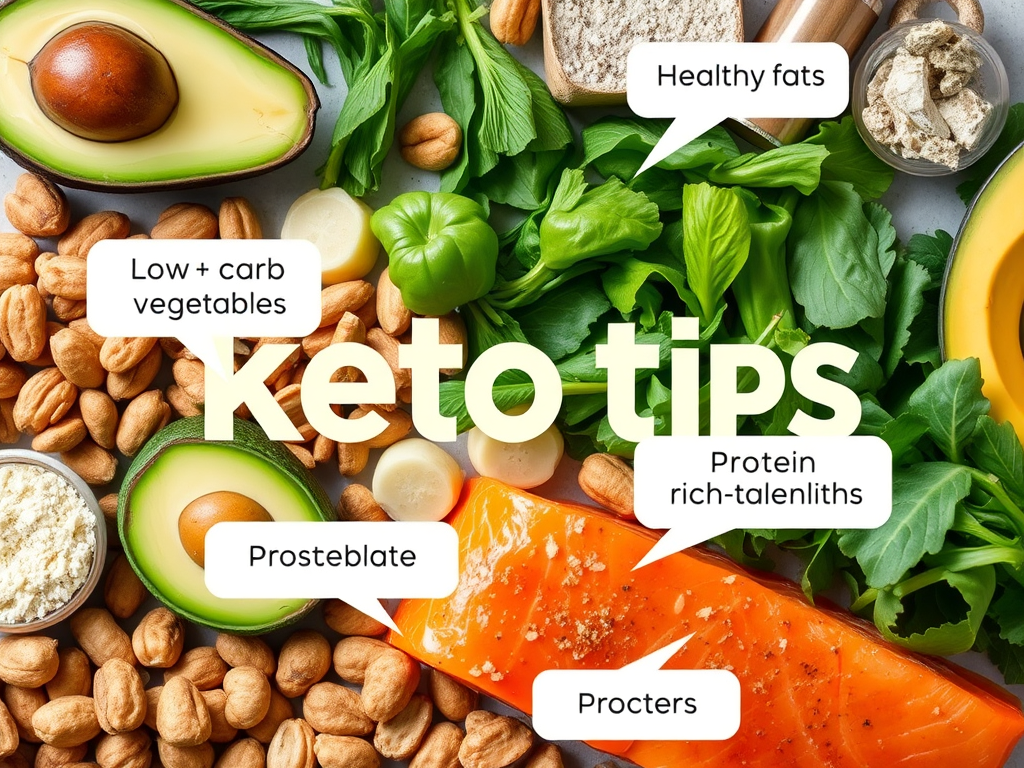
      • Healthy Fats: Include rich sources like creamy avocado, nutrient-dense coconut oil, extra virgin olive oil, and rich grass-fed butter.
      • Proteins: Choose flavorful fatty fish, farm-fresh eggs, premium grass-fed meat, succulent poultry, and delicious Indian and Italian cheeses.
      • Non-Starchy Vegetables: Load up on vibrant spinach, crunchy broccoli, fluffy cauliflower, and zesty zucchini.
      • Keto Snacks: Satisfy your cravings with essential nuts, nourishing seeds, and delicious berries.
    • Dodge Hidden Sugars and High-Glycemic Foods – Even minute sugar intake can trigger a significant insulin surge. Stay vigilant for:
      • Sweetened beverages, sauces, and those deceptive “low-fat” products packed with hidden sugars.
      • High-carbs fruits like bananas, apples, and grapes. Instead, choose low-Glycemic delights like berries—consume them in moderation for a smart, health-conscious snack!
    • Stay ActiveExercise is a powerful ally in your ketosis journey, significantly enhancing insulin sensitivity.
      • Resistance Training: Sculpt lean muscle, accelerating your metabolism and optimizing glucose uptake.
      • Cardio: Ignite your endurance, while effectively stabilizing blood sugar levels for peak performance.
    • Hydrate Effectively and Optimize Electrolytes – Fighting dehydration and fixing electrolyte imbalances are crucial to enhancing your body’s ability to maintain stable insulin levels. Boost your keto journey by incorporating sodium, potassium, and magnesium-rich foods or supplements into your daily regimen for maximum health benefits.

    Sample Keto-Friendly Meal Plan for Insulin Control

    • Breakfast: Creamy scrambled eggs or paneer sauteed with fresh spinach, cooked to perfection in rich coconut oil, ghee, or butter. Served alongside vibrant avocado slices for a nutritious and flavorful start to your day.
    • Lunch: Succulent grilled salmon, tender chicken, or rich mutton paired with a vibrant, large leafy green salad drizzled with zesty olive oil and fresh lemon dressing. Enhance your meal by adding a delightful sprinkle of crunchy seeds or nuts for that perfect texture!
    • Dinner: Indulge in a savory grass-fed paneer or chicken burger (sans bun) crowned with melted cheese and sauteed mushrooms. Elevate your meal with a side of roasted broccoli, generously drizzled with rich butter for that perfect finishing touch!
    • Snack Option: A delightful handful of rich macadamia nuts or a vibrant mix of juicy berries for a burst of flavor and energy!

    Conclusion

    Adopting a ketogenic lifestyle offers a powerful strategy to stabilize blood sugar levels and elevate your overall wellness. By focusing on nutrient-dense, low-carbs, high-fat meals, effectively managing stress, and nurturing an active lifestyle, you can achieve sustainable blood sugar stability while significantly reducing your risk of chronic diseases like diabetes and heart disease. Embrace this transformative approach to unleash your body’s potential for optimal health and vitality!

    Take the First Step

    Ready to revolutionize your health with the powerful ketogenic diet? Begin your journey with simple yet impactful changes to your eating habits. Don’t hesitate to consult with me for tailored, personalized guidance that suits your unique needs. If you’re eager to discover how keto can seamlessly integrate into your lifestyle, reach out for customized keto meal plans and expert coaching. Share this blog with anyone who wants to take charge of their blood sugar levels naturally and embark on a healthier future together!

    In my third and final blog post on insulin resistance, I am excited to share my personal insights. I will discuss the effective diet strategies I embrace. These strategies help me manage my insulin levels. They also enhance my overall well-being.