Tag: balanced nutrition

  • Nutrition Tips for Preventing Hair Loss

    Nutrition Tips for Preventing Hair Loss

    Hair fall can be an incredibly distressing experience, heavily impacting confidence and self-esteem. While factors like genetics, stress, and hormonal imbalances play pivotal roles, the vital link between your diet and hair health cannot be overlooked. As a nutritionist, I frequently encounter individuals desperate for a miracle remedy to reverse hair loss, only to be lured in by products boasting unrealistic promises. In this blog, we’ll dive deep into the powerful correlation between nutrition and vibrant hair health, uncover effective supplements that promote hair growth, and determine whether regrowing lost hair is genuinely within reach.

    The Correlation Between Diet and Hair Fall

    Your hair is primarily composed of a vital protein known as keratin, and just like every other component of your body, it demands optimal nutrition to flourish and remain vibrant. When you face nutritional deficiencies, it can compromise your hair follicles, resulting in hair thinning and ultimately, excessive hair loss. Prioritizing your diet is essential for promoting healthy, luscious locks!

    Key Nutrients for Healthy Hair

    • Protein Power: Hair is predominantly composed of protein, making it essential for robust hair growth. Insufficient dietary protein can hinder hair development and contribute to increased shedding. To boost your hair’s vitality, incorporate excellent sources of protein into your meals, such as lean meats, fatty fish, nutritious eggs, creamy cheese, and premium whey protein isolate.
    • Iron: Iron deficiency is a leading culprit behind hair loss, especially in women. This vital mineral is essential for delivering oxygen to hair follicles, and when levels are low, it causes them to weaken and ultimately fall out. To combat this, incorporate iron-rich foods into your diet, such as red meat, spinach, lentils. Ensure you’re meeting your iron needs for luscious, healthy locks!
    • Biotin (Vitamin B7): Biotin is essential for vibrant keratin production and robust hair follicle health. A deficiency in this vitamin can result in fragile, brittle hair. You can boost your biotin intake by enjoying nourishing sources such as eggs, almonds, macadamia nuts, Brazil nuts, and sweet potatoes. Embrace biotin for luscious, resilient hair!
    • Vitamin D: Research shows a strong connection between vitamin D deficiency and Alopecia, a notable form of hair loss. This essential vitamin plays a vital role in stimulating the growth of new hair follicles. Embrace sunshine, consume Di-fortified foods, and indulge in fatty fish to ensure your levels are optimal!
    • Zinc: Essential for vibrant hair health, Zinc plays a crucial role in supporting the oil glands surrounding hair follicles. A deficiency can lead to significant hair loss and various scalp issues. Boost your intake through nutrient-rich sources like oysters, pumpkin seeds, and whole grains for optimal hair vitality.
    • Omega-3 Fatty Acids: Abundant in rich, fatty fish such as salmon, omega-3 are essential for revitalizing hair and promoting robust follicle health. These powerful nutrients not only enhance shine and strength but also help to reduce hair loss and foster a lush, vibrant mane.
    • Vitamin C: Vitamin C is a powerhouse nutrient that boosts iron absorption and collagen production, both crucial for achieving strong, vibrant hair. Elevate your diet by incorporating citrus fruits, blueberries, strawberries, and colorful bell peppers to support your hair’s health and shine.

    Supplements That Support Hair Health

    When diet alone isn’t sufficient, supplements can fill nutritional gaps. However, it’s essential to use them under the guidance of a healthcare professional.

    • Vital Vitamins for Hair Health: Essential vitamins, such as biotin, zinc, iron, and vitamin D, play a crucial role in combating deficiencies that can lead to hair loss. Prioritizing these nutrients can significantly enhance hair strength and promote luscious growth.
    • Collagen Peptides: Unlock the secret to luscious locks with collagen supplements! These powerful peptides not only strengthen your hair but also enhance its texture, providing essential amino acids vital for robust keratin production. Elevate your hair health and experience the transformation!
    • Omega-3 Fatty Acid Supplements: Fish oil or flaxseeds oil supplements to enhance scalp health and diminish inflammation, promoting a thriving environment for vibrant hair growth.
    • Iron Supplements: Essential for those battling iron-deficiency anemia, iron supplements serve as a powerful ally in revitalizing hair growth and boosting overall vitality.
    • Biotin: Biotin supplements! Not only do they promote enhanced hair strength, but their remarkable effects are especially noticeable for those who may be deficient in this essential nutrient. Embrace fuller, healthier hair with the right support!

    Is Regrowing Lost Hair Possible?

    • Temporary Hair Loss (Telogen Effluvium): This type of hair loss, often caused by stress, illness, or nutritional deficiencies, is usually reversible. Once the underlying cause is addressed, hair regrowth typically occurs.
    • Pattern Baldness (Androgenetic Alopecia): This is a genetic condition commonly seen in men and women. While treatments like minoxidil and finasteride can slow the progression, regrowing hair in completely bald areas is unlikely.
    • Scarring Alopecia: Conditions that damage hair follicles permanently, such as scarring Alopecia, do not allow for natural regrowth.
    • Hair Loss Due to Illness or Hormonal Changes: Hair loss related to pregnancy, menopause, or thyroid disorders often resolves with proper treatment and hormone balance.

    Why Most “Hair Regrowth” Products Are a Waste of Money

    The market is saturated with an overwhelming array of shampoos, oils, and pills boldly promising to regrow lost hair. Yet, the reality is that most of these products provide little more than fleeting scalp hydration or superficial shine enhancement. Here’s the truth behind their ineffectiveness:

    • Hair Follicles Cannot Be Revived Once Dead: If hair follicles have become inactive or scarred (as in advanced baldness), no topical product can bring them back to life.
    • Unregulated Ingredients: Many products contain unverified or poorly studied ingredients that have no proven effects on hair regrowth.
    • Marketing Hype: These products rely heavily on emotional marketing, often exploiting the vulnerability of individuals struggling with hair loss.
    • No Address of Root Causes: Most products don’t address the underlying causes of hair loss, such as hormonal imbalances or nutritional deficiencies.

    The Role of Lifestyle in Hair Health

    • Reduce Stress: Chronic stress can push hair follicles into a resting phase, causing shedding. Practice mindfulness, yoga, or meditation to manage stress.
    • Avoid Harsh Treatments: Limit the use of heat styling tools, chemical treatments, and tight hairstyles that can damage hair.
    • Stay Hydrated: Proper hydration is crucial for maintaining scalp health and preventing brittle hair.
    • Exercise Regularly: Physical activity improves circulation, ensuring that hair follicles receive adequate nutrients and oxygen.

    The Bottom Line

    Hair fall is often a clear indicator of underlying imbalances within the body. Unfortunately, there is no miracle product or quick fix that can substitute the crucial role of a balanced diet, a healthy lifestyle, and targeted supplementation. While regrowing lost hair may be achievable under specific conditions, you can always take proactive steps to enhance the health of your existing hair and prevent further loss.

    Instead of falling for the allure of miracle solutions, prioritize nourishing your body from the inside out. Remember, vibrant, luscious hair begins with a healthier you. Embrace the journey of self-care and let it shine through your beautiful locks!

  • How to Stabilize Insulin Levels with Low-GI Foods

    How to Stabilize Insulin Levels with Low-GI Foods

    In my previous blog, I explored the causes, effects, and essential tips regarding insulin spikes. In this installment, I’ll illuminate one of the strategies to effectively manage insulin levels—embracing a low-Glycemic diet. This approach plays a key role in stabilizing blood sugar. It is also crucial for minimizing insulin surges. Additionally, it enhances long-term health. Join me as we examine the details of a low-Glycemic diet. We will explore its mechanics and provide actionable steps. You can take these steps to adopt this lifestyle for natural insulin spike control. Below is the link for the previous article.

    Understanding Insulin Spikes: Causes and Management

    What Is the Glycemic Index (GI)?

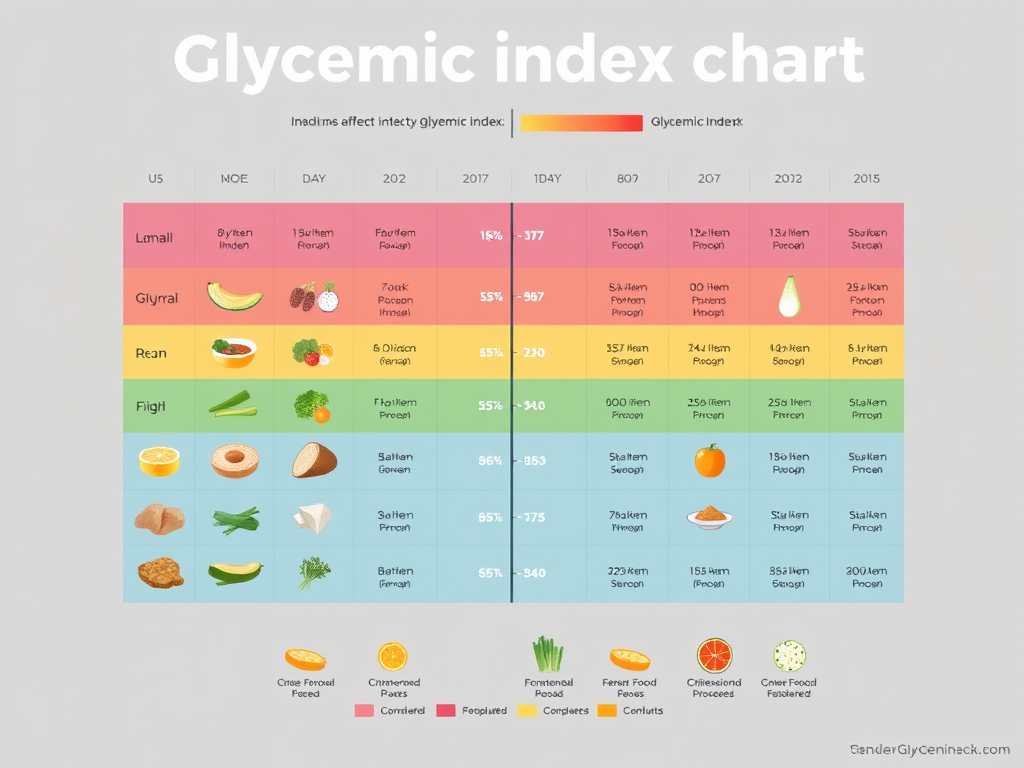
    The Glycemic index (GI) is an essential ranking system that evaluates how rapidly a particular food elevates blood sugar levels. Foods are assigned scores ranging from 0 to 100, with lower scores indicating a slower impact on blood sugar. By prioritizing low-GI foods, you can effectively manage your blood sugar levels. You can also significantly reduce the risk of insulin spikes. This practice promotes overall health and well-being.

    • Low Glycemic Index (GI) Foods (0 – 55): Experience the benefits of slow digestion and minimal blood sugar impact! Incorporate wholesome options like yeast-based products, fermented delicacies, nutritious broccoli, and energizing nuts into your diet for sustained energy and optimal health.
    • Medium Glycemic Index (56 – 69): It provides a moderate blood sugar response. It features nutrient-rich options like whole grain rice, deliciously sweet sweet potatoes, and heart-healthy steel cut oats.
    • High Glycemic Index (70+): Experience rapid digestion with foods such as white bread, candy, and sugary cereals. These foods lead to sharp insulin spikes. This also happens with those fried in vegetable oils.

    Benefits of a Low-Glycemic Diet for Insulin Control

    • Stabilized Blood Sugar: Enjoy the benefits of Low-Glycemic Index (GI) foods. These foods effectively prevent sudden glucose spikes and crashes. They promote a more stable and balanced energy level throughout the day.
    • Enhanced Insulin Sensitivity: Maintaining consistently lower insulin levels strengthens your body’s response to glucose. This promotes optimal health and enhances metabolic efficiency.
    • Sustained Energy Levels: Nutrient-dense, slow-digesting foods deliver consistent energy. They fuel your day with enduring vitality and prevent those pesky energy crashes.
    • Weight Management: Embrace the power of a low-GI diet. It effectively curbs hunger and cravings. This approach paves the way for sustainable fat loss and a healthier lifestyle.
    • Significantly Lowered Risk of Chronic Diseases: Enhanced blood sugar management helps reduce the risk of developing diabetes. It also lowers the chances of encountering serious cardiovascular complications.

    Low-Glycemic Diet Strategies to Control Insulin Spikes

    • opt for Low-GI Carbohydrates – Transition from high-Glycemic carbs to nutritious low-GI alternatives for a healthier lifestyle. Key options include:
      • Whole Grains: Embrace wholesome choices like steel-cut oats, quinoa, and barley. Add a touch of fermented yeast for added benefits!
      • Nutritious Non-Starchy Vegetables: Load up on vibrant veggies like broccoli, spinach, cauliflower, and zucchini for essential nutrients and fiber.
      • Delicious Low-GI Fruits: Indulge in nature’s candy with antioxidant-rich berries, succulent cherries, and juicy pears.
      • Avoid These: Steer clear of white bread, sugary cereals, and tempting processed snacks for optimal well-being.
    • Elevate Your Meals – Pair Carbs with Protein and Healthy FatsCombining carbohydrates with protein or healthy fats slows down digestion. This combination also significantly reduces their Glycemic impact. It promotes sustained energy levels and overall health.
        • Delicious Example Meals:
          • Whole-Grain Toast – Freshly baked or homemade, topped with creamy avocado and nutrient-rich eggs for a powerhouse breakfast.
          • Lentil Soup – Rich and hearty, drizzled with ghee or butter, paired with grilled chicken or paneer for a protein-packed delight.
      • Prioritize Fiber-Rich Foods for Better Blood Sugar Control – Fiber significantly slows down glucose absorption, promoting stable blood sugar levels. Focus on incorporating the following nutrient-dense options into your diet:
        • Diverse Choices Include:
          • Vegetables: Leafy greens like spinach and kale, crunchy carrots, and refreshing cucumbers.
          • Seeds and Nuts: Nutrient-packed sesame seeds, omega-3 rich flaxseeds, crunchy pecans, and buttery macadamia nuts.
      • Enhance Your Meals with Vinegar or Lemon Juice – Numerous studies highlight how vinegar and lemon juice can significantly lower the Glycemic response of high-carbs meals, leading to better blood sugar management. For example:
        • Drizzle a refreshing splash of vinegar over salads for a zesty kick.
        • Squeeze bright lemon juice over grilled vegetables or meats to elevate flavors and boost nutritional benefits.

      Low-Glycemic Meal Plan for Insulin Control

      • Breakfast: Steel-cut oats topped with, a sprinkle of cinnamon, and a handful of berries & whey isolate for protein.
      • Lunch: Grilled salmon/chicken/mutton/paneer served with steamed veggies drizzled with ghee/butter.
      • Dinner: Lentil soup with a side of leafy green salad (olive oil and lemon dressing).

      Key Tips for Success on a Low-Glycemic Diet

      • Read Labels: Steer clear of processed foods that contain hidden sugars and refined carbohydrates. Prioritize whole, natural ingredients for a healthier lifestyle!
      • Cook at Home: Embrace the art of creating delicious, whole, unprocessed meals that empower you to control every ingredient. Unlock your culinary potential while enjoying the benefits of healthier eating!
      • Stay Hydrated: Optimal hydration is crucial for maintaining balanced blood sugar levels. Dehydration not only disrupts glucose regulation but can also lead to fatigue and decreased energy. Keep your body in peak form by ensuring you drink enough water throughout the day!
      • Engage in Consistent Exercise: Regular physical activity significantly boosts insulin sensitivity, empowering your body to utilize glucose more efficiently and enhancing overall metabolic health.

      Final Thoughts

      Embracing a low-Glycemic diet is a powerful strategy to manage insulin levels, sustain energy, and enhance your overall wellness. By prioritizing nutrient-rich, slow-digesting foods, you can effectively avoid blood sugar crashes and significantly lower your risk of insulin resistance and chronic health issues.

      Take the First Step

      Start today by substituting high-GI foods with nourishing, low-GI alternatives and witness a remarkable transformation in your energy, cravings, and overall health!

      Are you ready to take charge of your blood sugar levels naturally? Share this informative blog with someone who would greatly benefit and connect with us for customized nutrition plans specifically designed to meet your unique health goals! In my next blog, I will be unveiling powerful insights into how the ketogenic diet effectively helps in controlling insulin spikes for improved overall health.

    • Balanced Diet: Essential Micronutrients and Macronutrients

      Balanced Diet: Essential Micronutrients and Macronutrients

      To maintain energy and stay healthy, your diet should provide essential micronutrients like vitamins and minerals. It should also include macronutrients such as proteins, fats, and carbohydrates. This blog introduces a balanced variation. It includes small amounts of quality carbohydrates to support daily energy needs. This approach does not disrupt fat metabolism. We will focus on nutrient-dense whole foods that support sustained energy and optimal health.

      Why Nutrient-Dense Foods Matter?

      • Micronutrients: Essential for boosting immunity, enhancing energy production, and promoting overall well-being.
      • Macronutrients: The vital source of energy and building blocks your body requires for optimal functioning.
      • Grain-Free Advantage: Steering clear of grains and refined carbs helps:
        • Prevent blood sugar spikes
        • Promote gut health
        • Support long-lasting energy levels

      Core Principles of a Balanced Diet

      • Emphasize Healthy Fats (50-60% of Daily Calories)Why?: Fats provide a steady energy source and are essential for brain health, hormone production, and cell function.
        • Best Source Of Fats
          • Avocado
          • Coconut Oil
          • Ghee (Clarified Butter)
          • Extra Virgin Olive Oil
          • Nuts (Almonds, Macadamia Nuts, Walnuts, Pecans)
          • Fatty Fish (Salmon, Sardine, Mackerei)
          • Butter
      • Focus on High-Quality Proteins (25-30%) – Protein is essential for muscle repair, immune function, and maintaining metabolic health.
        • Best Sources Of Protein
          • Free – Range Eggs
          • Organic Chicken & Turkey
          • Wild Caught Fish
          • Organic Lamb & Beef
          • Indian Cheese
          • Parmesan & Gouda Cheese
          • Full Fat Dairy Products
          • Whey Protein Isolate (Check Labels to Avoid Any Preservatives & Sugar)
      • Include Fiber-Rich, Low-Carbs Vegetables (10-15%) – Non-starchy vegetables provide vital vitamins, minerals, and fiber without the blood sugar spikes.
        • Best Sources
          • Leafy Green Vegetables (Spinach, Arugula, Celery)
          • Cruciferous Vegetables (Cabbage, Broccoli, Brussels Sprouts, Bok Choy)
          • Zucchini, Mushroom, Lady Fingers, Asparagus
          • Bell Pepper & Cucumber
          • Ginger, Garlic, Onion & Lemon
      • Incorporate Natural Carbs Source In Moderation – Include whole food source of carbs. this will support post/pre workout energy levels without the needs of refined grains or carbs.
        • Best Source Of Carbs
          • Sweet Potatoes
          • Pumpkin
          • Beets
          • Berries (Blueberries, Raspberries & Strawberries)

      Essential Micronutrients to Include

      • Vitamin C – Bell Pepper, Citrus Fruits & Broccoli.
      • Magnesium – Spinach, Nuts, Dark Chocolate (80% or above).
      • Vitamin D – Sunlight, Fatty Fish & Egg Yolk.
      • Potassium – Avocado, Leafy Greens, Sweet Potato, Pumpkin.
      • Iron – Red Meat, Spinach & Pumpkin Seeds.

      Sample Of 1 day Meal Plan

      • Breakfast – 2 eggs Or 150 g of Indian Cheese + A side of sauteed mushrooms + 1/2 Avocado.
      • Snack – Mix of Nuts ( Pecan & Macadamia Nuts as they are low in calories).
      • Lunch – Grilled Salmon or Chicken Roasted with Spinach Or A mixed greens salad with olive oil and lemon dressing.
      • Snack – A cucumber with guacamole dip Or 1 scoop of Whey Isolate.
      • Dinner – Grass Fed Chicken/beef/lamb/Indian cheese + Mashed cauliflower with season herbs & spices + Steam Broccoli.
      • Snack (optional) – Fresh berries with coconut cream.

      Why This Works?

      • Steady Energy: Healthy fats and protein prevent energy crashes, while low-carbs vegetables and natural carbs provide fiber and micronutrients.
      • Improved Digestion: Avoiding grains supports gut health, reducing bloating and inflammation.
      • Nutritional Density: Whole foods pack essential nutrients without the empty calories of refined carbs.
      • Meal Prep: Keep your fridge stocked with pre-washed veggies, cooked proteins, and ready-to-eat snacks.
      • Stay Hydrated: Drink plenty of water and consider adding electrolytes to maintain balance.
      • Listen to Your Body: Adjust portions of fats, proteins, and carbs based on your energy demands and activity levels.

      Empower Your Health – Fuel your body with whole, nutrient-rich foods for peak performance. This powerful nutrition strategy keeps you energized all day long, promotes lasting health, and fosters sustainability. Discover the flexibility that makes it easy to maintain your commitment in the long run.

      What are your favorite meals? Share your ideas and tips in the comments below!