Blog

  • Healthy Skin Starts with Your Plate: The Link Between Diet and Skin Health

    Healthy Skin Starts with Your Plate: The Link Between Diet and Skin Health

    While skincare routines and products certainly contribute to a radiant appearance, the true magic starts from within. Your skin is a mirror of your internal health, and the foods you consume can either nourish or damage it. In this blog, we’ll dive deep into the powerful connection between a vibrant diet and skin vitality, uncover key supplements that promote healthy skin, and identify the foods and habits you should absolutely steer clear of for optimal skin health.

    How Diet Impacts Skin Health

    Your skin, the body’s largest organ, is in a perpetual state of regeneration. To keep it healthy and glowing, it depends heavily on the nutrients you ingest. A deficient diet can result in dullness, dryness, acne, premature aging, and inflammation, whereas a rich array of nutrients fosters vibrant elasticity, deep hydration, and a radiant complexion.

    Key Nutrients for Healthy Skin

    • Vitamin C:
      • Significantly boosts collagen production, ensuring your skin remains firm and youthful.
      • Powerful antioxidant that effectively protects against oxidative stress from harmful UV rays and pollution.
      • Rich sources include: Citrus fruits, strawberries, vibrant bell peppers, and nutrient-packed broccoli.
    • Vitamin E:
      • An extraordinary antioxidant that defends skin cells from harmful damage and promotes accelerated healing.
      • Rich Sources Include: Nuts, seeds, spinach, and avocados.
    • Omega-3 Fatty Acids:
      • Hydrates the skin and significantly reduces inflammation, proving to be especially effective for skin conditions such as eczema and acne.
      • Rich Sources: Fatty fish (like salmon and mackerel), walnuts, and flaxseeds.
    • Zinc:
      • Essential for Skin Health: Regulates oil production, promotes rapid wound healing, and significantly reduces acne and scarring for a clearer complexion.
      • Rich Sources Include: Pumpkin seeds, lentils, and shellfish, all packed with this vital mineral.
    • Vitamin A:
      • Boosts skin cell turnover and combats acne effectively by preventing clogged pores.
      • Rich Sources Include: Sweet potatoes, vibrant carrots, eggs, almonds, and leafy green.
    • Collagen:
      • The most abundant protein in the skin, collagen is vital for providing structure, firmness, and elasticity to your complexion.
      • Prominent Sources: Enjoy nutrient-rich bone broth or boost your intake with high-quality collagen supplements for glowing, youthful skin.
    • Probiotics:
      • A vibrant and healthy gut Microbiome is crucial for reducing inflammation and combating skin issues such as acne and rosacea.
      • Rich Sources: Delight your taste buds with yogurt, Kefir, sauerkraut, and Probiotics supplements.

    What to Avoid for Healthy Skin

    • Sugar and Refined Carbs: Consuming high-Glycemic foods such as white bread, pasta, and sugary snacks can cause significant spikes in insulin levels. This increase can trigger acne and promote inflammation, impacting your skin’s health and overall well-being. Be mindful of your choices to maintain a clearer complexion and reduce inflammation.
    • Dairy Products: Consuming dairy can significantly contribute to acne breakouts in some individuals due to the presence of hormones and inflammatory compounds that can disrupt skin health. If they are Lactose Intolerant.
    • Processed Foods: Loaded with chemical preservatives, unhealthy trans fats, and artificial additives, processed foods not only compromise your health but also contribute to oxidative stress, resulting in lackluster skin. Choosing whole, nutrient-rich alternatives can revitalize your complexion and support overall well-being.
    • Excessive Alcohol Consumption: Significantly dehydrates the skin, stripping away essential nutrients such as vitamin A, leading to dullness and premature aging.
    • Fried and Trans Fats: Known for triggering inflammation, these unhealthy fats can significantly elevate the risk of acne breakouts and lead to a lackluster complexion. Prioritize healthier fat sources for radiant skin!
    • Over-Consumption of Salt: Excessive salt intake can trigger significant water retention, resulting in unsightly puffiness and detrimental dehydration. Prioritize sodium moderation to maintain optimal health and a refreshed appearance!

    Lifestyle Habits for Healthy Skin

    • Stay Hydrated for Radiant Skin: Ensure you drink a minimum of 2–3 liters of water each day to keep your skin deeply hydrated and looking plump and youthful. Hydration is the secret to a glowing complexion!
    • Prioritize Quality Sleep: Sleep is a vital period when your body rejuvenates and revitalizes skin cells. Strive for 7–8 hours of restorative slumber each night to achieve glowing, healthy skin.
    • Engage in Regular Exercise: Elevates circulation, effectively delivering oxygen and essential nutrients to your skin, enhancing its vitality and radiance.
    • Ultimate Sun Protection: Apply broad-spectrum sunscreen every single day to safeguard your skin from premature aging and the harmful effects of UV rays. Don’t underestimate the power of sun protection – your future self will thank you!
    • Master Your Stress: Chronic stress not only triggers unwelcome breakouts but also exacerbates skin conditions such as eczema and psoriasis. Taking proactive steps to manage stress is essential for achieving clear, healthy skin.

    The Truth About “Miracle” Skin Products

    The skincare industry is overwhelmingly saturated with products that promise to revolutionize your skin overnight. Although certain options may provide temporary relief, most neglect to tackle the fundamental underlying issues of skincare: your diet and lifestyle choices. Emphasizing the importance of holistic approaches can lead to lasting transformation that truly enhances your skin’s health and vitality.

    • Quick Fixes Don’t Work: Achieving beautiful, radiant skin demands dedicated, long-term care and balanced nutrition. Relying on a magic cream or pill won’t provide lasting results; true skin health comes from commitment and consistency.
    • • Misleading Marketing Hype: Numerous products are laden with unverified claims and dubious ingredients, often lacking crucial scientific validation.
    • Natural vs. Synthetic Ingredients: Embrace the debate! While natural ingredients can offer significant benefits, they aren’t always the top choice. Prioritize evidence-based skincare and nutrition to achieve optimal results. Make informed decisions to elevate your beauty and health regimen!

    Supplements for Skin Health

    When diet alone falls short, high-quality supplements can effectively bridge the nutritional gaps and deliver targeted support for radiant skin. Always consult with a qualified healthcare provider before embarking on any new supplement regimen to ensure optimal results and safety.

    • Vitamin C: A powerful antioxidant that brightens skin, boosts your radiance, and is essential for collagen synthesis. opt for liposomal or esterified formulations to enhance absorption and maximize your glow!
    • Collagen Peptides: Boosts skin elasticity, enhances hydration, and significantly reduces the appearance of wrinkles for a more youthful and radiant complexion.
    • Hyaluronic Acid: A powerful hydration booster that penetrates deep into the skin, dramatically reducing dryness and visibly smoothing fine lines for a more youthful, radiant complexion.
    • Probiotics: A powerhouse for your gut-skin connection, enhancing skin vitality and significantly reducing inflammation for a radiant, healthy complexion.
    • Astaxanthin: An exceptionally powerful antioxidant that not only safeguards your skin from harmful sun damage but also combats premature aging, enhancing your skin’s natural vitality and radiance.

    Can Diet Reverse Skin Damage?

    The exciting news is that a nutrient-packed diet, paired with optimal hydration and targeted supplements, can dramatically enhance your skin’s health over time. Although it may not entirely reverse every sign of aging or damage, it can:

    • Diminish inflammation and soothe redness effectively.
    • Enhance skin hydration and boost elasticity for a youthful, plump appearance.
    • Revitalize dull skin and achieve a radiant, even skin tone.

    Conclusion

    Healthy, radiant skin isn’t merely a result of external applications; it’s intricately linked to the nourishment you provide your body. By embracing a well-rounded diet brimming with skin-loving nutrients, complementing it with specific, high-quality supplements, and steering clear of detrimental foods and harmful habits, you can truly unleash your skin’s inherent luminosity. Remember, there’s no shortcut to great skin. It’s a reflection of your overall health, so nurture your body from the inside out, and your skin will thank you.

    Need help designing a diet plan for better skin health? Let’s work together to create a personalized approach to support your beauty from within.


  • Understanding Fatty Liver Disease: Causes & Solutions

    Understanding Fatty Liver Disease: Causes & Solutions

    Fatty liver disease has rapidly emerged as a prevalent health epidemic, frequently associated with unhealthy lifestyle choices and nutritional imbalances. This condition arises when an excessive buildup of fat occurs in the liver, posing serious risks that can escalate to chronic health issues such as liver inflammation, cirrhosis, or even life-threatening liver failure. In this comprehensive article, we will delve deep into the underlying causes, notable symptoms, and innovative treatment options for fatty liver disease, while effectively debunking the misconception that dietary fat is the primary culprit.

    Debunking the Myth: Fatty Foods Are Not the Culprit

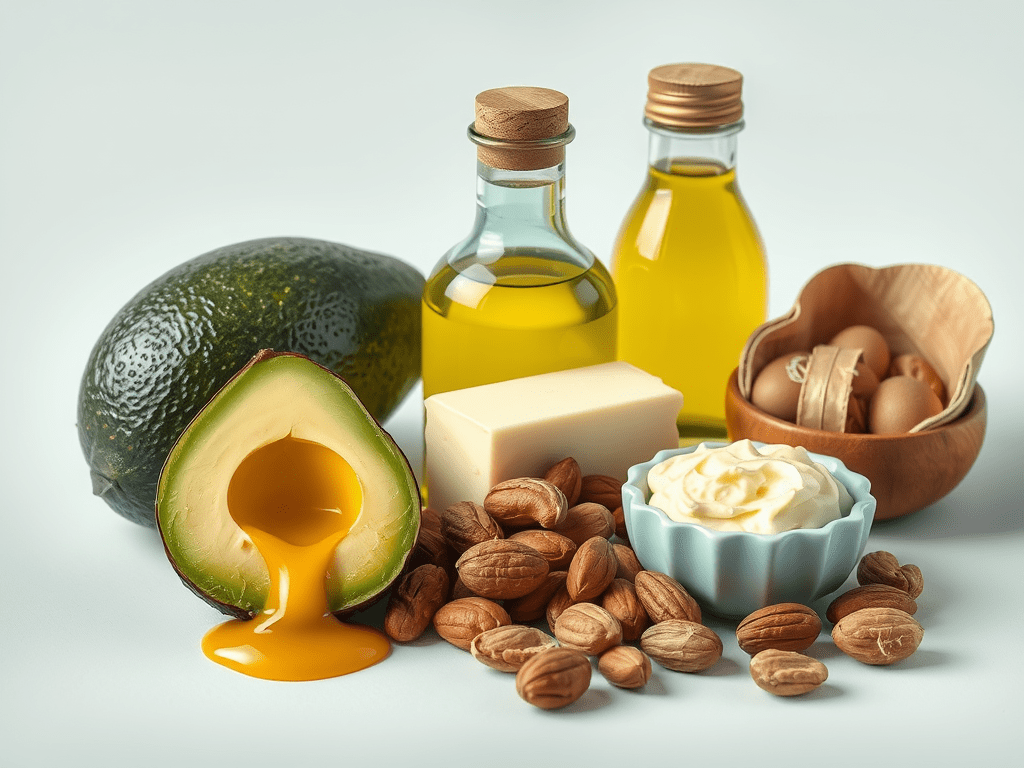
    Contrary to popular belief, nutrient-dense dietary fats such as those abundant in avocados, diverse nuts, wholesome seeds, oily fish, ghee/butter & premium extra virgin olive oil play a crucial role in supporting liver health rather than causing fatty liver.

    • Healthy Fats vs. Processed Carbs: Healthy fats are metabolized in a unique way compared to refined sugars and processed carbohydrates. They not only provide essential energy but also enhance metabolic health and combat inflammation. In contrast, excessive consumption of carbs can lead to their conversion into fat by the liver, promoting weight gain and related health issues that causes fatty liver. Embracing nutritious fats can significantly optimize your overall well-being!
    • The Vital Role of Healthy Fats in Your Diet: Incorporating nutrient-rich healthy fats into your diet is crucial for enhancing liver function, bolstering fat metabolism, and potentially reversing fatty liver disease. Omitting these beneficial fats can strip the body of essential nutrients, resulting in a cascade of health challenges. Embrace healthy fats for a thriving, balanced lifestyle!

    What Causes Fatty Liver?

    • Excessive Carbohydrate Intake: High consumption of refined carbohydrates and sugary foods leads to dramatic spikes in insulin levels, significantly boosting the body’s propensity for fat storage, particularly in the liver.
    • Fructose: A naturally occurring sugar predominantly found in processed foods and certain fruits. Unlike glucose, fructose is primarily metabolized by the liver, which can lead to significant fat accumulation when consumed in excess. Be mindful of your fructose intake, as it can dramatically impact your health and body composition.
    • Insulin Resistance: Prolonged and excessive carbohydrate intake can significantly contribute to insulin resistance, a condition that leads to the accumulation of excess fat in the liver. This metabolic disturbance can impact your overall health and weight management, making it crucial to monitor carbohydrate consumption.
    • Obesity: Excessive body weight, especially around the abdomen, serves as a major risk factor for the development of fatty liver disease. Managing your weight is crucial for liver health and overall well-being.
    • Alcohol Consumption: Although non-alcoholic fatty liver disease (NAFLD) is prevalent, the dangers of excessive alcohol intake cannot be overlooked. This harmful habit can significantly contribute to fat deposition in the liver, leading to serious health risks. It’s crucial to understand the impact of your drinking habits on liver health and prioritize moderation to protect this vital organ.

    Symptoms of Fatty Liver

    Fatty liver, often dubbed a “silent disease,” can stealthily develop without any noticeable symptoms during the initial stages. Yet, as this condition advances, it may reveal a range of concerning symptoms, including:

    • Chronic Fatigue: Experience overwhelming, persistent tiredness that significantly impacts daily life and overall well-being.
    • Intense discomfort or sharp pain in the upper right abdomen, potentially signaling underlying health concerns
    • Sudden and Unexplained Weight Loss: A concerning symptom that can indicate underlying health issues.
    • Noticeable yellowing of the skin or eyes, particularly in severe cases, which may indicate a serious health concern.

    How Fatty Liver Can Turn Chronic

    • Non-Alcoholic Steatohepatitis (NASH): A more serious and concerning form of liver disease characterized by significant liver inflammation and damage. This condition not only raises the risks of liver fibrosis and cirrhosis but also poses a serious threat to overall health. Understanding and addressing NASH is crucial for preventing further complications.
    • Fibrosis and Cirrhosis: A serious condition characterized by irreversible scarring of liver tissue, significantly impairing its critical functions. Understanding the implications of fibrosis and cirrhosis is essential for prevention and management.
    • Elevated Risk of Liver Cancer and Heart Disease: The progression of advanced fatty liver significantly heightens the risk of life-threatening conditions, including liver cancer and cardiovascular illnesses. Taking proactive measures is crucial for safeguarding your health.

    How to Reverse Fatty Liver Naturally

    • Embrace a Nourishing Balanced Diet:
      • Prioritize Low Glycemic Index (GI) Foods: Say goodbye to high-GI culprits such as white bread, sugary snacks, and sweetened drinks. opt instead for sweet potatoes, non-starchy vegetables for sustained energy!
      • Incorporate Quality Fats: Supercharge your meals with omega-3 fatty acids found in fatty fish or flaxseeds, along with heart-healthy monounsaturated fats from delightful sources like extra virgin olive oil & avocado.
      • Limit Fructose for Optimal Health: Curb your consumption of high-fructose fruits like mangoes, grapes, and bananas, and steer clear of processed foods loaded with added sugars for better overall well-being.
    • Engage in Regular Exercise: Elevate your health by incorporating consistent physical activity into your routine! Regular exercise is a powerful ally in the battle against liver fat, as it significantly enhances insulin sensitivity and turbocharges fat metabolism. Strive for at least 30 minutes of invigorating exercise 4-5 times a week to unlock a healthier you!
    • Achieve Sustainable Weight Loss: Rapid weight loss can exacerbate fatty liver conditions. Focus on a gradual and effective weight loss strategy of 1-2 pounds per week to promote better liver health and overall well-being.
    • Enhance Your Gut Health: Cultivating a robust gut Microbiome is essential for reducing inflammation and boosting liver health. Incorporate Probiotics, Probiotics, and fiber-rich foods into your diet to supercharge your digestive system and promote overall wellness.
    • Stay Hydrated: Ensuring optimal hydration is crucial for enhancing liver detoxification and promoting vibrant metabolic health. Proper water intake can dramatically improve your energy levels, boost cognitive function, and support your body’s natural cleansing processes.

    Effective Strategies to Prevent Fatty Liver Disease Progression

    • Avoid sugary beverages and processed foods.
    • Limit alcohol intake.
    • Maintain a consistent exercise routine.
    • Monitor and manage conditions like diabetes and high cholesterol.
    • Get regular health check-ups to monitor liver function.

    Conclusion

    The key to effectively managing and even reversing fatty liver lies in a deep understanding of its root causes. High-quality dietary fats are NOT the enemy; on the contrary, they are a crucial component of a healthy and balanced diet. The real troublemakers are high-Glycemic and high-fructose foods that disrupt our metabolic health and can lead to serious complications.

    By embracing a nutritious diet, staying active with regular exercise, and steering clear of processed foods, you can often reverse fatty liver before it develops into a chronic condition.

    Remember, your liver is incredibly resilient, but prevention is always better than cure. Take charge of your health today and empower yourself to live a vibrant life!

    Would you like to add a detailed meal plan or workout routine tailored to reversing fatty liver?

  • Nutrition Tips for Preventing Hair Loss

    Nutrition Tips for Preventing Hair Loss

    Hair fall can be an incredibly distressing experience, heavily impacting confidence and self-esteem. While factors like genetics, stress, and hormonal imbalances play pivotal roles, the vital link between your diet and hair health cannot be overlooked. As a nutritionist, I frequently encounter individuals desperate for a miracle remedy to reverse hair loss, only to be lured in by products boasting unrealistic promises. In this blog, we’ll dive deep into the powerful correlation between nutrition and vibrant hair health, uncover effective supplements that promote hair growth, and determine whether regrowing lost hair is genuinely within reach.

    The Correlation Between Diet and Hair Fall

    Your hair is primarily composed of a vital protein known as keratin, and just like every other component of your body, it demands optimal nutrition to flourish and remain vibrant. When you face nutritional deficiencies, it can compromise your hair follicles, resulting in hair thinning and ultimately, excessive hair loss. Prioritizing your diet is essential for promoting healthy, luscious locks!

    Key Nutrients for Healthy Hair

    • Protein Power: Hair is predominantly composed of protein, making it essential for robust hair growth. Insufficient dietary protein can hinder hair development and contribute to increased shedding. To boost your hair’s vitality, incorporate excellent sources of protein into your meals, such as lean meats, fatty fish, nutritious eggs, creamy cheese, and premium whey protein isolate.
    • Iron: Iron deficiency is a leading culprit behind hair loss, especially in women. This vital mineral is essential for delivering oxygen to hair follicles, and when levels are low, it causes them to weaken and ultimately fall out. To combat this, incorporate iron-rich foods into your diet, such as red meat, spinach, lentils. Ensure you’re meeting your iron needs for luscious, healthy locks!
    • Biotin (Vitamin B7): Biotin is essential for vibrant keratin production and robust hair follicle health. A deficiency in this vitamin can result in fragile, brittle hair. You can boost your biotin intake by enjoying nourishing sources such as eggs, almonds, macadamia nuts, Brazil nuts, and sweet potatoes. Embrace biotin for luscious, resilient hair!
    • Vitamin D: Research shows a strong connection between vitamin D deficiency and Alopecia, a notable form of hair loss. This essential vitamin plays a vital role in stimulating the growth of new hair follicles. Embrace sunshine, consume Di-fortified foods, and indulge in fatty fish to ensure your levels are optimal!
    • Zinc: Essential for vibrant hair health, Zinc plays a crucial role in supporting the oil glands surrounding hair follicles. A deficiency can lead to significant hair loss and various scalp issues. Boost your intake through nutrient-rich sources like oysters, pumpkin seeds, and whole grains for optimal hair vitality.
    • Omega-3 Fatty Acids: Abundant in rich, fatty fish such as salmon, omega-3 are essential for revitalizing hair and promoting robust follicle health. These powerful nutrients not only enhance shine and strength but also help to reduce hair loss and foster a lush, vibrant mane.
    • Vitamin C: Vitamin C is a powerhouse nutrient that boosts iron absorption and collagen production, both crucial for achieving strong, vibrant hair. Elevate your diet by incorporating citrus fruits, blueberries, strawberries, and colorful bell peppers to support your hair’s health and shine.

    Supplements That Support Hair Health

    When diet alone isn’t sufficient, supplements can fill nutritional gaps. However, it’s essential to use them under the guidance of a healthcare professional.

    • Vital Vitamins for Hair Health: Essential vitamins, such as biotin, zinc, iron, and vitamin D, play a crucial role in combating deficiencies that can lead to hair loss. Prioritizing these nutrients can significantly enhance hair strength and promote luscious growth.
    • Collagen Peptides: Unlock the secret to luscious locks with collagen supplements! These powerful peptides not only strengthen your hair but also enhance its texture, providing essential amino acids vital for robust keratin production. Elevate your hair health and experience the transformation!
    • Omega-3 Fatty Acid Supplements: Fish oil or flaxseeds oil supplements to enhance scalp health and diminish inflammation, promoting a thriving environment for vibrant hair growth.
    • Iron Supplements: Essential for those battling iron-deficiency anemia, iron supplements serve as a powerful ally in revitalizing hair growth and boosting overall vitality.
    • Biotin: Biotin supplements! Not only do they promote enhanced hair strength, but their remarkable effects are especially noticeable for those who may be deficient in this essential nutrient. Embrace fuller, healthier hair with the right support!

    Is Regrowing Lost Hair Possible?

    • Temporary Hair Loss (Telogen Effluvium): This type of hair loss, often caused by stress, illness, or nutritional deficiencies, is usually reversible. Once the underlying cause is addressed, hair regrowth typically occurs.
    • Pattern Baldness (Androgenetic Alopecia): This is a genetic condition commonly seen in men and women. While treatments like minoxidil and finasteride can slow the progression, regrowing hair in completely bald areas is unlikely.
    • Scarring Alopecia: Conditions that damage hair follicles permanently, such as scarring Alopecia, do not allow for natural regrowth.
    • Hair Loss Due to Illness or Hormonal Changes: Hair loss related to pregnancy, menopause, or thyroid disorders often resolves with proper treatment and hormone balance.

    Why Most “Hair Regrowth” Products Are a Waste of Money

    The market is saturated with an overwhelming array of shampoos, oils, and pills boldly promising to regrow lost hair. Yet, the reality is that most of these products provide little more than fleeting scalp hydration or superficial shine enhancement. Here’s the truth behind their ineffectiveness:

    • Hair Follicles Cannot Be Revived Once Dead: If hair follicles have become inactive or scarred (as in advanced baldness), no topical product can bring them back to life.
    • Unregulated Ingredients: Many products contain unverified or poorly studied ingredients that have no proven effects on hair regrowth.
    • Marketing Hype: These products rely heavily on emotional marketing, often exploiting the vulnerability of individuals struggling with hair loss.
    • No Address of Root Causes: Most products don’t address the underlying causes of hair loss, such as hormonal imbalances or nutritional deficiencies.

    The Role of Lifestyle in Hair Health

    • Reduce Stress: Chronic stress can push hair follicles into a resting phase, causing shedding. Practice mindfulness, yoga, or meditation to manage stress.
    • Avoid Harsh Treatments: Limit the use of heat styling tools, chemical treatments, and tight hairstyles that can damage hair.
    • Stay Hydrated: Proper hydration is crucial for maintaining scalp health and preventing brittle hair.
    • Exercise Regularly: Physical activity improves circulation, ensuring that hair follicles receive adequate nutrients and oxygen.

    The Bottom Line

    Hair fall is often a clear indicator of underlying imbalances within the body. Unfortunately, there is no miracle product or quick fix that can substitute the crucial role of a balanced diet, a healthy lifestyle, and targeted supplementation. While regrowing lost hair may be achievable under specific conditions, you can always take proactive steps to enhance the health of your existing hair and prevent further loss.

    Instead of falling for the allure of miracle solutions, prioritize nourishing your body from the inside out. Remember, vibrant, luscious hair begins with a healthier you. Embrace the journey of self-care and let it shine through your beautiful locks!

  • Top 5 Healthiest Cheeses for Your Diet

    Top 5 Healthiest Cheeses for Your Diet

    Cheese, one of the oldest and most versatile dairy treasures, has long been a beloved staple in diets across the globe. From the bold, sharp tang of aged cheddar to the decadently creamy richness of decadent brie, cheese boasts an astonishing array of varieties, each offering its own distinct flavor, texture, and nutritional benefits. But how does cheese seamlessly integrate into a balanced diet? Which types are the healthiest champions for your well-being, and which should be approached with caution? Let’s dive into the delicious world of cheese and uncover the answers.

    The Making of Cheese: What Sets Them Apart?

    Cheese is a delightful culinary creation primarily made from milk—whether from cows, goats, sheep, or buffalo’s—combined with essential ingredients like salt, enzymes, and beneficial bacteria. The true charm of cheese lies in its incredible variety, which stems from the nuanced differences in:

    • Milk Source: The source of your milk dramatically influences the flavor profile and fat content. Choosing the right milk—whether it’s fresh, organic, or artisans—can elevate your dish to new heights!
    • Aging Process: Extended aging enhances and intensifies flavors, resulting in richer textures and more complex sensory experiences.
    • Enhanced Ingredients: Aromatic herbs, vibrant spices, aged molds, and delightful smoke can elevate your culinary creations, adding layers of complexity and flavor.
    • Texture and Moisture: Indulge in the delightful contrast of fresh cheeses, such as creamy ricotta with its luscious moisture, compared to the robust, dry texture of aged cheeses like savory Parmesan. Experience the incredible diversity in your cheese selection!

    Common Types of Cheese and Their Highlights

    • Cheddar:
      • Ingredients: Creamy pasteurized milk, sea salt, rich rennet, and robust cultures.
      • Highlights: Packed with calcium and protein, cheddar is an incredibly versatile cheese, offering a delightful spectrum of flavors from mild to sharp, depending on its aging process.
      • Consumption Tip: Enjoy 2–3 slices (40–50 g) per serving to savor its rich flavor without piling on excess calories.
    • Mozzarella:
      • Ingredients: Fresh pasteurized milk, high-quality salt, natural enzymes.
      • Highlights: Boasting lower calories and less fat than many cheeses, mozzarella is the perfect choice for vibrant salads, delectable cooking, or delightful snacking.
      • Consumption Tip: Indulge in fresh mozzarella (30–40 g per serving) for a healthier option over processed string cheese, ensuring you savor both flavor and health benefits.
    • Brie and Camembert:
      • Ingredients: Creamy pasteurized milk, luscious cream, live cultures, and a sprinkle of salt.
      • Highlights: Decadent soft-ripened cheeses boasting a velvety interior and a delightful edible rind. High in fats yet bursting with rich, mouthwatering flavor.
      • Consumption Tip: Enjoy in moderation (50-70 g) per serving, keeping an eye on saturated fat content for a balanced diet.
    • Parmesan:
      • Ingredients: Fresh, creamy milk, high-quality salt, and natural rennet.
      • Highlights: Aged to perfection for months or years, Parmesan boasts an intense umami flavor and is an excellent source of calcium and phosphorus for your health.
      • Consumption Tip: Grate a touch (1-2 slices) over your favorite dishes to elevate flavors while keeping calories in check!
    • Feta:
      • Ingredients: Authentic sheep or goat milk, premium salt, natural enzymes.
      • Highlights: A delightfully tangy, crumbly cheese boasting lower fat content, essential in vibrant Mediterranean diets.
      • Consumption Tip: Elevate your dishes by using (50 – 75 g) in refreshing salads or mouthwatering wraps. Choose lower-sodium variations for a healthier twist!
    • Ricotta:
      • Ingredients: Whey, milk, salt, and occasionally a splash of vinegar or zesty lemon for that extra zing.
      • Highlights: Bursting with protein and calcium, ricotta is a luxuriously creamy cheese that’s wonderfully light in fat. Ideal for delectable desserts or savory inspirations.
      • Consumption Tip: Embrace the versatility! Use (100–160 g) as a delightful substitute for richer cheeses, enhancing your dishes without the extra heaviness.

    Cheeses to Avoid in Your Diet

    • Processed Cheeses (e.g., American Cheese, Cheese Spreads):
      • Reasons to Avoid:
        • Frequently crafted from a blend of low-quality dairy, artificial emulsifiers, and a cocktail of preservatives and synthetic flavors.
        • Alarmingly high in sodium and unhealthy fats, while being devoid of essential nutrients.
      • Alternatives: opt for vibrant, natural cheeses such as sharp cheddar or creamy mozzarella for an irresistible flavor boost!
    • Flavored Cheeses:
      • Why You Should Think Twice:
        • Many flavored cheeses contain undesirable ingredients such as added sugars, artificial flavors, and unhealthy oils, which can significantly reduce their nutritional benefits.
      • Better Choices: Choose plain, high-quality cheeses and enhance their flavor naturally by incorporating your own fresh herbs or spices for a more wholesome experience.
    • High-Sodium Cheeses
      • Examples: Feta, Halloumi, and processed varieties—delicious but salty!
      • Why to Avoid: Excessive sodium can lead to high blood pressure and uncomfortable bloating.
      • Alternatives: opt for lower-sodium options or enjoy these treats in moderation to maintain your health!

    How Much Cheese Should You Consume?

    Cheese is incredibly nutrient-dense, making portion control essential for maintaining a balanced diet:

    • General Guideline: Aim for 35 to 150 grams of cheese each day! This range varies based on your caloric requirements, the type of cheese you choose, and your activity level. Enjoy cheese as a flavorful source of protein while tailoring your intake to support your wellness goals!
    • Pair rich, creamy cheese with nutritious whole-grain options, succulent chicken, or vibrant vegetables to elegantly balance its indulgence with a burst of fiber and essential vitamins for a delightful culinary experience.

    Health Benefits of Cheese

    When enjoyed in moderation, cheese not only enhances flavor but also provides a plethora of health benefits: rich in essential nutrients, it supports bone health, boosts immune function, and contributes to overall well-being.

    • Packed with Essential Calcium: Crucial for robust bone health, it actively prevents osteoporosis and strengthens your skeletal system.
    • Powerful Protein Boost: Essential for building and repairing tissues, especially muscles, fueling your body’s growth and recovery.
    • Rich in Probiotics: Certain cheeses, such as Gouda, are packed with beneficial live cultures that promote a healthy gut and enhance digestive wellness.
    • Essential Fat-Soluble Vitamins: Delight in the richness of aged cheeses, which are packed with vital vitamins A, D, E, and K, supporting your overall health and wellness!

    Potential Risks of Over-consumption

    • Weight Gain: Linked to its rich calorie density and significant fat content, leading to increased body mass.
    • Digestive Distress: Individuals with lactose intolerance often suffer from uncomfortable symptoms such as bloating and abdominal pain, making it essential to identify and manage these digestive challenges effectively.
    • High Sodium Intake: Consuming excessive sodium, particularly from high-sodium cheeses, may significantly elevate blood pressure and increase the risk of heart disease. Prioritize low-sodium alternatives for better heart health!

    Tips for Choosing the Best Cheese

    • Read Labels Carefully: Steer clear of cheeses laden with artificial additives and excessive sodium levels for a healthier choice. Choose natural options rich in flavor and nutrients instead!
    • Indulge in Aged Cheeses: Aged cheeses, rich in flavor and texture, are often lower in lactose, making them a deliciously digestible option for cheese lovers!
    • Pair Wisely: Strategically balance indulgent cheese with fiber-packed foods to enhance digestion and effortlessly reduce calorie intake.
    • Embrace Organic Bliss: Delight your taste buds with organic cheeses crafted from superior-quality milk and minimal additives, ensuring a healthier and more flavorful experience.

    Conclusion

    Cheese can be a delightful and nutritious addition to your diet when enjoyed in moderation. opt for natural varieties, while being mindful of your portion sizes. Elevate your meals by pairing cheese with a healthy, whole-foods-based diet. Steer clear of processed or overly salty cheeses, and keep in mind that not all cheeses are created equal—choose wisely to maximize the benefits and enhance your overall well-being without compromising your health.

    Need help incorporating cheese into your diet without overdoing it? Let’s create a personalized nutrition plan that suits your taste and health goals.

  • Whey Protein Explained: Myths, Types, and Benefits

    Whey Protein Explained: Myths, Types, and Benefits

    In a world saturated with fitness influencers and self-proclaimed experts, the prevalence of misinformation surrounding supplements, especially whey protein, has reached alarming levels. Many individuals approach whey protein with skepticism, worrying that it’s “unnatural” or even harmful. This widespread uncertainty arises from a combination of inadequate education and deceptive marketing strategies within the health and fitness industry. As a passionate nutritionist, I strive to deliver a comprehensive, evidence-based understanding of whey protein—exploring its diverse types, numerous benefits, potential drawbacks, and essential guidelines for safe consumption.

    What is Whey Protein?

    Whey protein, a remarkable byproduct of cheese production, is derived from high-quality milk. Renowned for being one of the most exceptional protein sources, it boasts all nine essential amino acids that the body craves for optimal muscle growth, efficient recovery, and enhanced overall health.

    Packed with leucine, a powerhouse amino acid essential for muscle protein synthesis, whey protein stands as a cornerstone for athletes, bodybuilders, and fitness aficionados. Its advantages reach well beyond mere muscle growth—it’s a vital ally in weight management, bolstering immunity, and enhancing overall wellness. Experience the transformative benefits of whey protein as you elevate your fitness journey!

    Types of Whey Protein

    • Whey Protein Concentrate (WPC):
      • Protein Content: 70–80% of high-quality protein.
      • Advantages:
        • Nutrient-Rich: Contains essential fats and carbs, providing you with crucial energy benefits.
        • Health Boost: Preserves key nutrients like immunoglobulins and lactoferrin, supporting your immune system.
        • Cost-Effective: A more affordable option compared to other whey protein types, perfect for budget-conscious consumers.
      • Disadvantages:
        • Lactose Warning: Contains lactose, which may lead to digestive issues for those who are lactose intolerant.
        • Lower Protein Concentration: Offers slightly lower protein content compared to isolate or hydrolysate variants.
      • Best For: Beginners or casual fitness enthusiasts who seek a budget-friendly protein option without stringent dietary limitations.
    • Whey Protein Isolate (WPI):
      • Protein Content: 90–95% – A powerhouse of protein!
      • Advantages:
        • Ultra-Low in Lactose, Fats, and carbs: Perfect for low-carbs or ketogenic diets.
        • Rapid Absorption: High protein purity promotes swift recovery and muscle repair post-workout.
      • Disadvantages: Higher Price Point than whey concentrate, but worth every penny!
      • Best For: Athletes, individuals with lactose intolerance, and anyone committed to a strict low-carbs or low-fat diet.
    • Whey Protein Hydrolysate (WPH)
      • Protein Content: 80–90% – A power-packed choice for protein enthusiasts!
      • Advantages:
        • Predigested formula ensures ultra-fast absorption, making it the quickest option available.
        • Gentle on your digestive system, great for those with sensitive tummies.
      • Disadvantages:
        • Considered the most expensive protein choice on the market.
        • Often less palatable, with a tendency towards a bittersweet taste.
      • Best For: Perfect for individuals with sensitive digestion, those recovering from surgery, or athletes in need of rapid recovery after intense workouts.

    Unlocking the Power of Whey Protein: Proven Health Benefits

    • Muscle Growth and Recovery: Research demonstrates that whey protein is exceptionally powerful for maximizing muscle protein synthesis—the vital process by which muscles repair and grow following intense exercise. A groundbreaking 2019 study published in the Journal of the International Society of Sports Nutrition revealed that consuming whey protein after workouts significantly enhances muscle recovery and fosters lean muscle mass development. Emphasizing the importance of timing and quality, this nutrient stands out as a game-changer for fitness enthusiasts aiming for optimal results.
    • Effective Weight Management: Whey protein is a powerful ally in the quest for weight loss, enhancing feelings of fullness and protecting lean muscle mass during calorie deficits. Research published in The American Journal of Clinical Nutrition demonstrates that individuals who incorporated whey protein into their diet achieved significantly greater fat loss and muscle preservation.
    • Enhanced Immune Function: Whey protein is packed with powerful immunoglobulins and lactoferrin, vital components that significantly elevate the immune system’s response. Research published in the Journal of Dairy Science highlights that whey protein supplementation can remarkably enhance the body’s defense mechanisms, particularly benefiting those with compromised immune systems. Boosting your immunity with whey protein is a smart strategy for maintaining optimal health and resilience.
    • Blood Sugar Regulation: Whey protein is a powerful ally in stabilizing blood sugar levels by effectively slowing down the absorption of glucose. A groundbreaking study published in Nutrients in 2018 revealed that incorporating whey protein into your pre-meal routine significantly reduces postprandial blood sugar spikes, especially among individuals battling Type 2 diabetes.
    • Enhanced Athletic Performance: A groundbreaking study published in the International Journal of Sport Nutrition and Exercise Metabolism revealed that whey protein supplementation dramatically enhances performance in both resistance and endurance training, significantly outpacing results observed in placebo groups.

    When and Why Should You Consume Whey Protein?

    Whey protein is not exclusively for bodybuilders or elite athletes; it offers remarkable benefits for a wide range of individuals, catering to diverse health and fitness goals.

    • Post-Workout Recovery: Whey protein, especially in its isolate or hydrolysate forms, is the ultimate choice for post-exercise nourishment. With its rapid absorption, it provides crucial essential amino acids directly to your muscles, significantly enhancing recovery speed and minimizing soreness. Fuel your body effectively after every workout!
    • Boosting Dietary Protein Intake: For those leading a hectic lifestyle or facing dietary restrictions, whey protein serves as a fantastic solution to effortlessly fulfill daily protein requirements without the hassle of cooking elaborate meals. However, it’s crucial to remember that whey protein is not a meal replacement; instead, it should be utilized as a valuable resource to support and effectively meet the body’s protein demands.
    • Transform Your Weight Loss Journey with Whey Protein: Substitute those high-calorie snacks with a delicious whey protein shake to effectively curb hunger, boost satiety, and take control of your calorie intake. Experience the difference today!
    • Medical Recovery: Individuals on the path to recovery—from surgeries, illnesses, or injuries—experience significant benefits from the highly digestible and nutrient-rich whey protein. This protein source not only enhances recovery but also supports overall health and vitality during the healing process.

    How Much Whey Protein Do You Need?

    Protein requirements can significantly differ based on various factors such as age, gender, activity level, and individual health goals. As a fundamental guideline:

    • Sedentary individuals: 0.8–1.0 g/kg of body weight.
    • Active individuals or athletes: 1.2–2.0 g/kg of body weight.
    • During weight loss or muscle gain phases: Up to 2.2 g/kg of body weight.

    For example, a 70 kg individual striving for muscle growth may require 105–140 g of protein daily. While whey protein can effectively supplement your diet, it’s crucial to prioritize whole foods such as eggs, fish, chicken, lean meats, full-fat dairy (if lactose intolerant), and cheese as your primary sources of protein.

    What to Look for When Buying Whey Protein

    • Protein Content: Ensure to inspect the label for a minimum of 20–25 g of protein per serving. For optimal results, consider opting for isolated whey protein – it’s highly effective for muscle recovery and overall performance!
    • Essential Ingredients: Embrace products that are free from artificial sugars, fillers, and questionable additives, ensuring a healthier choice for you and your loved ones. Opt for natural, wholesome ingredients that nourish your body and promote overall wellness.
    • Third-Party Testing: Seek out reputable certifications such as NSF Certified for Sport or Informed Choice to ensure the integrity and quality of your products. These certifications provide assurance that the items have undergone rigorous testing for safety and efficacy, giving you peace of mind in your purchasing decisions.
    • Digestibility: For those who are lactose-intolerant, choosing isolate or hydrolysate protein is crucial. These options are specifically designed for optimal absorption, ensuring you get the nutrients you need without discomfort.

    Myths About Whey Protein: Debunked

    • Whey Protein and Kidney/Liver Health: Contrary to common misconceptions, there is no scientific evidence that whey protein damages healthy kidneys or liver. For individuals with pre-existing conditions, it is crucial to consult a healthcare provider prior to incorporating whey protein into your regimen to ensure safety and well-being.
    • Whey Protein: Misconception as a Steroid: Contrary to common myths, whey protein is not a performance-enhancing drug but a powerful dietary supplement. Derived naturally from high-quality milk, it is essential for muscle recovery and growth, making it a favorite among fitness enthusiasts and athletes.
    • Whey Protein and Fat Gain: Separating Fact from Fiction: Weight gain is predominantly influenced by total calorie intake rather than whey protein alone. When consumed in moderation and within your daily calorie limits, whey protein can actually accelerate fat loss and promote lean muscle development. Embrace whey protein as a tool for achieving your fitness goals, rather than fearing it as a contributor to weight gain.

    Final Thoughts:

    Whey protein is an effective and scientifically supported supplement for improving health, fitness, and overall well-being. However, it’s not a substitute for a balanced diet. Whole foods should always form the foundation of your nutrition, and supplements like whey protein should fill in the gaps.

    For tailored advice, consult a qualified nutritionist or dietitian to identify the best whey protein type, quantity, and timing for your unique needs. With the right knowledge, whey protein can be a game-changer for your health and fitness journey.

    Have questions about whey protein or other supplements? Let’s connect—I’m here to help you navigate the world of nutrition with evidence-based insights.

  • How Hydration Boosts Physical and Mental Performance

    How Hydration Boosts Physical and Mental Performance

    I often emphasize macronutrients like proteins, carbohydrates, and fats, along with micronutrients such as vitamins and minerals. However, one essential nutrient that is frequently overlooked is water. Despite its calorie-free nature and seemingly simple characteristics, water is the cornerstone of life and is absolutely vital for achieving optimal health. Many underestimate the crucial role hydration plays, often unaware of its profound effects on physical performance, mental clarity, metabolism, digestion, and overall well-being. Let’s explore why water is indispensable, determine how much you truly need, and discover effective strategies to ensure you remain properly hydrated.

    Why is Water So Important?

    Water constitutes a remarkable 60–70% of your body weight and is essential for a multitude of vital physiological functions, such as:

    • Regulating Body Temperature: Water plays a crucial role in maintaining a stable internal temperature by effectively dissipating heat through the processes of sweating and evaporation, ensuring your body remains cool and balanced during physical activity and extreme heat.
    • Vital Role of Water in Nutrient and Oxygen Transport: Water serves as the essential lifeblood of our circulatory system, facilitating the delivery of oxygen and nutrients to every cell in the body. It also plays a crucial role in efficiently removing waste products, ensuring our bodies function optimally.
    • Boost Your Digestion: Water is essential for effectively breaking down food and dissolving vital nutrients for optimal absorption. It also plays a crucial role in preventing constipation by keeping stools soft and manageable, promoting overall digestive health.
    • Lubricating Joints and Tissues: Synovial fluid, the essential lubricant for your joints, is primarily water-based. Ensuring proper hydration is crucial, as it significantly reduces joint stiffness and enhances mobility, allowing for smoother movement and improved overall joint health.
    • Detoxification: Hydration is crucial! Water empowers the kidneys to effectively filter out waste products and harmful toxins from the bloodstream, promoting their excretion through urine. By staying well-hydrated, you support your body’s natural detox process and enhance overall well-being.
    • Revitalize Your Energy and Sharpen Your Mental Clarity: Even mild dehydration can drain your vitality, causing fatigue, persistent headaches, and struggles with focus. Stay hydrated to unleash your full potential!

    How Much Water Do You Really Need?

    The essential amount of water you require varies significantly based on critical factors such as age, gender, activity level, climate, and overall health. A widely accepted guideline suggests:

    • Men: 3.7 liters (125 oz) per day
    • Women: 2.7 liters (91 oz) per day

    These figures encompass water from all beverages and food sources. Remarkably, around 20% of our daily hydration usually derives from nutrient-rich foods, particularly juicy fruits and vibrant vegetables such as cucumbers, watermelon, oranges, and lettuce.

    Factors Influencing Water Needs

    • Stay Hydrated with Physical Activity: Engaging in regular exercise, particularly in hot and humid conditions, leads to significant water loss through sweat. It’s crucial to boost your hydration and replenish lost fluids effectively to maintain peak performance and well-being!
    • Climate: Hot, arid, or high-altitude climates significantly heighten water demands, leading to increased rates of evaporation and dehydration. Understanding these conditions is crucial for effective water management and ensuring hydration in extreme environments.
    • Health Conditions: Common ailments such as fever, diarrhea, and vomiting significantly elevate the risk of fluid loss. Moreover, pregnant and breastfeeding women have heightened hydration requirements, emphasizing the importance of adequate water intake for their well-being.
    • Diet: High-Protein Diet: Boost your hydration! Increased water intake is essential for effectively metabolizing protein, ensuring optimal muscle growth and recovery.
      • High-fiber diets: More water helps with digestion and prevents bloating.
      • Salty or sugary foods: These can increase thirst and water requirements.

    Signs of Dehydration

    Recognizing dehydration is vital for sustaining optimal health and well-being. Key warning signs to be aware of include:

    • Intense Thirst
    • Persistent dry mouth and parched skin
    • Deep and Dark Yellow Urine:
    • Profound fatigue or debilitating dizziness
    • Muscle cramps
    • Headaches

    Severe dehydration can result in life-threatening complications, such as acute kidney damage, debilitating heatstroke, and dangerous electrolyte imbalances that disrupt bodily functions.

    Tips to Stay Hydrated

    • Kick-start Your Morning with Hydration: Begin your day by recharging your body with a revitalizing glass of water, infused with a pinch of salt and potassium. This simple yet powerful ritual helps you re-hydrate after a long night’s sleep, boosting your energy levels and awakening your senses!
    • Stay Hydrated with a Reusable Water Bottle: Always have a stylish, Eco-friendly water bottle by your side to quench your thirst and boost your energy levels throughout the day. Drink up and feel your best!
    • Elevate Your Hydration with Natural Flavors: Infuse your water with refreshing slices of lemon, cucumber, mint, or berries to transform hydration into a delightful experience!
    • Watch Your Urine Color: Strive for a pale yellow hue—a clear sign of optimal hydration. Staying adequately hydrated can enhance your energy levels and overall well-being!

    The Risks of Over-hydration

    Staying adequately hydrated is crucial for overall health, but it’s important to recognize the risks of over-hydration, or hyponatremia. This condition arises when an excess of water disrupts the delicate balance of sodium levels in the blood, resulting in alarming symptoms such as nausea, confusion, and, in severe cases, life-threatening seizures. Understanding the balance between proper hydration and potential over-consumption is essential for maintaining optimal wellness.

    To avoid over-hydration:

    • Stay hydrated to quench your thirst, particularly during low-intensity activities for optimal performance.
    • Optimize hydration by incorporating electrolyte-rich fluids, such as those in salt and potassium, to enhance performance during prolonged or intense exercise.

    Hydration Myths and Misconceptions

    • Myth: You Must Drink 8 Glasses a Day: This one-size-fits-all rule is a myth that overlooks the unique hydration needs of each individual. Hydration is not just about a number; it significantly varies based on factors like personal activity levels, climate, and health conditions. Recognizing your body’s signals and adjusting your water intake accordingly is key to maintaining optimal hydration.
    • Myth: Coffee and Tea Dehydrate You: Contrary to popular belief, while caffeine does possess a slight diuretic effect, coffee and tea significantly contribute to your overall hydration. Enjoying these aromatic beverages not only delights the senses but also enhances your fluid intake throughout the day!
    • Myth: Crystal Clear Urine Means Ultimate Hydration: While pale urine usually signifies good hydration levels, completely transparent urine might actually signal over-hydration. Understanding this nuanced balance is crucial for maintaining optimal health!

    Water and Weight Loss

    • Supercharge Your Metabolism: Research indicates that staying hydrated by drinking water can significantly boost your metabolic rate, helping you ignite fat-burning and optimize calorie expenditure!
    • Mastering Your Appetite: Hydrating with a refreshing glass of water before meals can significantly curb your cravings and help manage portion sizes by inducing a satisfying feeling of fullness.
    • Revamping Your Beverage Choices: Ditching sugary drinks in favor of refreshing water not only slashes empty calories but also elevates your overall health and vitality!

    Final Thoughts

    Water is the simplest, yet most essential nutrient for maintaining health. While it may lack the glamour of trendy super-foods or supplements, its impact on your body is profound and irreplaceable.

    By staying mindful of your hydration habits and customizing your water intake to align with your lifestyle and specific needs, you can significantly boost your energy levels, enhance mental clarity, support digestion, and optimize your overall wellness.

    Remember, water isn’t just a drink; it’s life itself. So, grab your water bottle and start hydrating today—your body will thank you!

    Have questions about hydration or overall nutrition? Let’s connect and work together to create a plan tailored to your needs.

  • The Importance of Omega-3 vs Omega-6 in Your Diet

    The Importance of Omega-3 vs Omega-6 in Your Diet

    As a passionate nutritionist, I emphasize the crucial balance between essential fatty acids, Omega-3 and Omega-6. While both play vital roles in our overall health, contemporary diets are excessively loaded with Omega-6, which can lead to a variety of adverse health effects. Conversely, Omega-3 fatty acids pack a powerful punch, offering an array of extraordinary benefits that not only combat inflammation but also enhance heart health and boost brain function.

    In this blog, I’ll delve deep into the fundamental differences between Omega-3 and Omega-6, elucidate the pressing need for more Omega-3 in your diet, explore their natural food sources, and outline the serious consequences of an overabundance of Omega-6. Join me on this journey to uncover how to achieve optimal health through dietary balance!

    What are Omega-3 and Omega-6 Fatty Acids?

    Both Omega-3 and Omega-6 are critical types of polyunsaturated fatty acids (PUFAs) that play a vital role in our health. Often referred to as essential fats, these nutrients are crucial because our body cannot synthesize them independently—we must actively incorporate them into our diet to reap their numerous benefits.

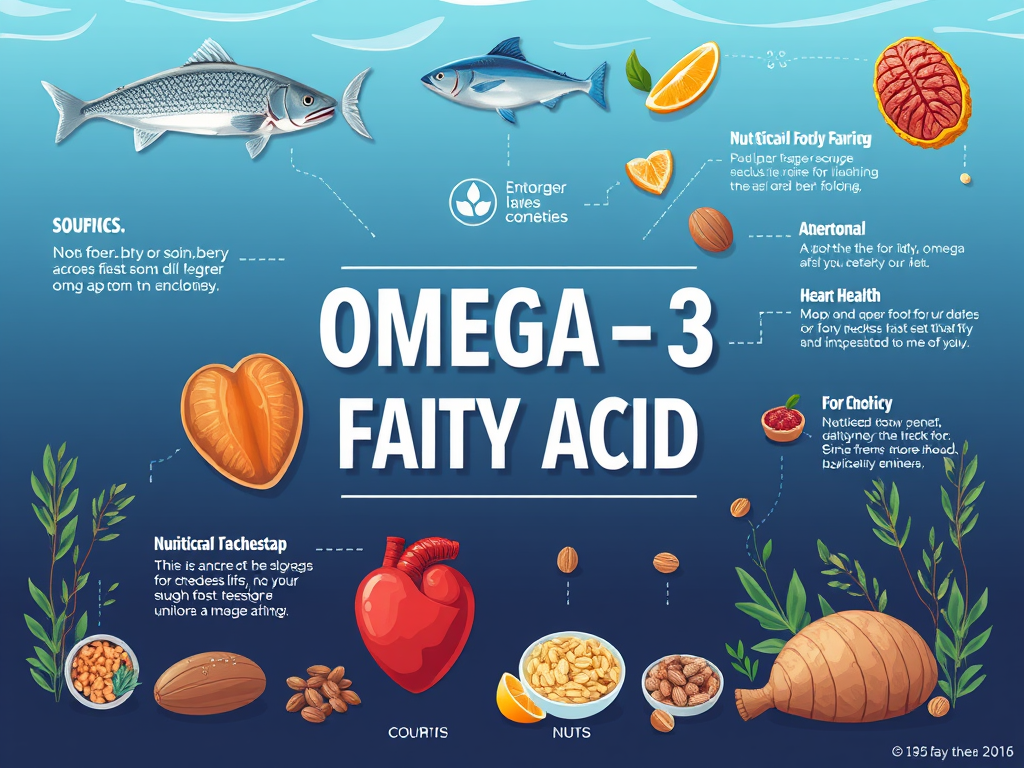
    • Omega-3 Fatty Acids: Renowned for their powerful anti-inflammatory properties, Omega-3 fatty acids are essential fats that play a crucial role in promoting heart health, enhancing mental clarity, and supporting overall well-being. Embracing these fatty acids in your diet can lead to significant health transformations.
    • Omega-6 Fatty Acids: Essential for our body, but when over-consumed, they can trigger inflammation and lead to various health issues. Moderation is key to maintaining a balanced diet!

    The secret to optimal health rests in achieving the perfect balance between these two essential fatty acids.

    Why We Need Omega-3 More Than Omega-6?

    Historically, human diets thrived on an ideal Omega-6 to Omega-3 ratio of approximately 1:1, a crucial balance that effectively supported inflammation control, enhanced heart health, and promoted optimal overall well-being.

    However, the alarming surge in processed foods and industrial vegetable oils has led to an overwhelming Omega-6 to Omega-3 ratio of 20:1 or even higher in numerous contemporary diets. This excessive intake of Omega-6 is a significant driver of chronic inflammation, thereby elevating the risk of:

    • Heart disease
    • Obesity
    • Type 2 diabetes
    • Autoimmune disorders
    • Joint pain and arthritis

    While Omega-6 remains an essential nutrient, increasing your intake of Omega-3 fatty acids is crucial for restoring a healthy balance and fortifying the body against inflammation-driven diseases. Embracing Omega-3 not only enhances your overall well-being but also acts as a powerful shield against chronic inflammation!

    Sources of Omega-3 Fatty Acids

    • Nutrient-Packed Fatty Fish (Exceptional Sources of EPA and DHA):
      • Salmon: A flavorful powerhouse rich in omega-3.
      • Sardines: Tiny but mighty, loaded with essential nutrients.
      • Mackerel: A delicious addition, offering heart-protecting benefits.
      • Anchovies: Intensely flavored, perfect for boosting any dish’s health profile.
      • Herring: A nutritious option, high in healthy fats and protein.
    • Plant-Based Sources (ALA – Alpha-Linolenic Acid):
      • Flaxseeds: Power-packed super-foods bursting with omega-3 fatty acids, fiber, and antioxidants! Elevate your daily diet with these tiny, nutrient-dense seeds to supercharge your heart health, boost digestive wellness, and rejuvenate your skin vitality!
      • Walnuts: A rich source of brain-boosting nutrients and healthy fats that can enhance cognitive performance and support your overall well-being!
      • Macadamia Nuts: Creamy and indulgent, these luxurious nuts are packed with healthy monounsaturated fats that can help maintain heart health and improve skin hydration!
      • Pecans: Delightfully crunchy with a rich flavor, pecans are loaded with antioxidants and promote healthy digestion while being low in carbs!
      • Brazil Nuts: A powerhouse of selenium, these nuts support your immune system and promote thyroid health while providing a satisfying crunch!
    • Other Nutrient-Rich Sources:
      • Egg Yolks from pasture-raised chickens, bursting with healthy fats and vitamins
      • Meats and Dairy Products from grass-fed animals, providing superior nutrition and flavor
      • Vibrant Vegetables such as spinach, nutrient-dense Brussels sprouts, and succulent purslane, rich in omega-3 fatty acids.

    Health Benefits of Omega-3 Fatty Acids

    • Powerful Inflammation Fighter: Omega-3 fatty acids, especially EPA (Eicosapentaenoic acid), act as potent anti-inflammatory warriors. They effectively combat debilitating conditions such as arthritis, inflammatory bowel disease, and chronic pain, promoting a healthier, pain-free life.
    • Boosts Heart Health: Omega-3 fatty acids effectively lower triglyceride levels, significantly reduce blood pressure, and actively prevent plaque buildup in arteries. This powerful combination reduces the risk of heart disease and stroke, promoting a healthier cardiovascular system and enhancing overall well-being.
    • Boosts Brain Health:
      • DHA (Docosahexaenoic acid), a crucial building block of brain tissue, significantly enhances cognitive performance, sharpens memory, and elevates focus.
      • Omega-3 fatty acids are known to lower the risk of neuron-degenerative diseases such as Alzheimer’s, promoting long-term brain vitality and health.
    • Elevates Mood and Enhances Mental Well-being: Omega-3 fatty acids are crucial in modulating neurotransmitters such as serotonin, which significantly contributes to reducing symptoms of depression, anxiety, and various mood disorders. Embracing a diet rich in Omega-3 can lead to a more uplifting and positive mindset.
    • Boosts Radiant Skin and Sharp Vision: Omega-3 fatty acids deeply hydrate the skin, combat acne effectively, and safeguard against age-related macular degeneration, ensuring your eyes remain vibrant and healthy.
    • Essential for Pregnancy and Infant Brain Development: DHA is a powerhouse nutrient vital for optimal fetal brain and eye growth, highlighting the significance of Omega-3 intake during pregnancy for both mothers and their developing babies.
    • Boosts Weight Management Success: Omega-3 fatty acids play a crucial role in accelerating metabolism and curbing fat storage by significantly enhancing insulin sensitivity.

    Disadvantages of Excess Omega-6 Fatty Acids

    While Omega-6 fatty acids play a vital role in supporting normal cellular function, an overabundance of intake can trigger detrimental effects owing to their inflammatory properties.

    • Chronic Inflammation: A high intake of Omega-6 fatty acids can ignite chronic inflammation, significantly elevating the risk of severe health issues such as heart disease, diabetes, and obesity. Prioritizing a balanced Omega-3 to Omega-6 ratio is essential for maintaining optimal health and reducing inflammation-related risks.
    • Elevated Heart Disease Risk: A high intake of Omega-6 fatty acids, coupled with insufficient Omega-3 levels, can significantly contribute to elevated cholesterol levels and arterial plaque buildup, posing a serious threat to cardiovascular health.
    • Joint Pain and Autoimmune Disorders: High levels of Omega-6 can significantly exacerbate inflammatory conditions such as arthritis and various autoimmune diseases, leading to intense discomfort and reduced quality of life. Prioritizing Omega-3 fatty acids can help combat these inflammatory responses and promote joint health.
    • Diminished Brain Health: An unfavorable imbalance between Omega-6 and Omega-3 fatty acids can significantly impair cognitive function, leading to a decline in mental clarity and exacerbating mood disorders. Prioritizing a balanced intake of these essential fatty acids is crucial for optimizing brain performance and enhancing emotional well-being.
    • Weight Gain and Obesity: Numerous sources of Omega-6, particularly highly processed foods and refined vegetable oils, are calorie-laden and significantly contribute to unhealthy overeating patterns.

    How to Balance Omega-3 and Omega-6

    • Boost Your Omega-3 Intake:
      • Enjoy fatty fish and grass-fed eggs at least 2–3 times a week for optimal health.
      • Elevate your meals by incorporating flaxseeds, macadamia nuts, pecans, and walnuts for a delicious nutrient boost.
      • Explore the benefits of algae-based supplements as a powerful alternative source.
    • Limit Omega-6 Sources for Optimal Health:
      • Cut Out Unhealthy Vegetable Oils: Say goodbye to soybean, sunflower, nut oils and corn oils that can throw your balance off.
      • Steer Clear of Fried and Processed Foods: Choose whole, nutritious alternatives to stay vibrant and energized.
    • Cook with Nutrient-Rich Oils: Opt for heart-healthy fats like butter, ghee, or coconut oil instead of inflammatory high Omega-6 oils for a tastier and more nourishing meal.
    • Embrace Wholesome, Unprocessed Nourishment: Ditch the packaged snacks and opt for vibrant whole foods such as fresh fruits, crisp vegetables, lean proteins, and nutritious healthy fats.

    Conclusion: Prioritize Omega-3 for Optimal Health

    Omega-3 and Omega-6 fatty acids are essential to our health, but it’s the balance between them that truly matters. An excessive intake of Omega-6 can trigger inflammation, whereas Omega-3 offers remarkable anti-inflammatory benefits that safeguard your heart, brain, and overall wellness.

    Boost your health by incorporating Omega-3-rich foods such as fatty fish, flaxseeds, and walnuts into your diet. At the same time, consider reducing your intake of Omega-6 sources like vegetable oils and processed foods. By achieving this crucial balance, you pave the way for enhanced vitality and long-term health.

    Looking for personalized advice on improving your Omega-3 intake? Reach out for a tailored nutrition plan to meet your health goals!

  • Healthy Fats vs. Excess Body Fat: Key Health Insights

    Healthy Fats vs. Excess Body Fat: Key Health Insights

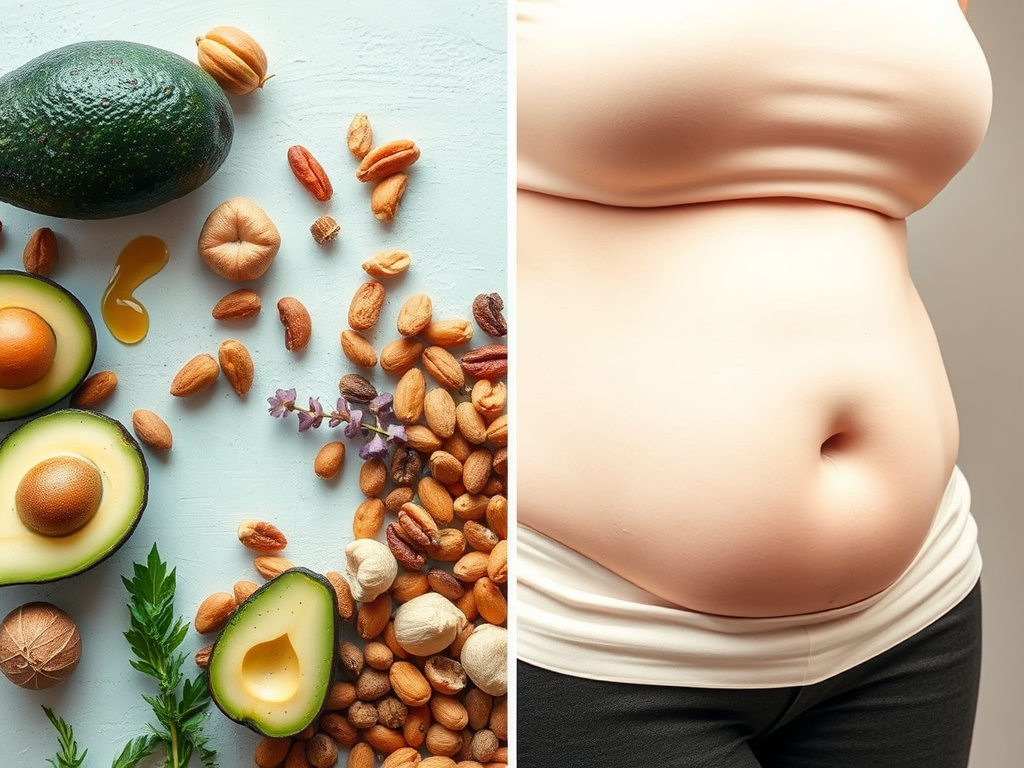
    As a nutritionist, it’s crucial to clarify the significant distinction between dietary fat and body fat, two concepts that are frequently misunderstood. While dietary fat plays a vital role in our health and is beneficial when consumed in appropriate amounts, excess body fat—especially when concentrated in certain areas—can lead to serious health risks.

    Let’s dive deeper into this important topic:

    • Dietary Fat: This is essential for our bodies. It aids in the absorption of fat-soluble vitamins (A, D, E, and K), provides a source of energy, and is critical for cell structure and hormone production. Emphasizing healthy sources, like avocados, nuts, butter and olive oil, can enrich your diet and promote overall well-being.
    • Body Fat: While a certain level of body fat is necessary for various bodily functions, excess body fat can be detrimental to your health. It is associated with increased risks for diseases such as diabetes, heart disease, and certain cancers. Understanding where body fat accumulates can help in assessing health risks—typically, fat stored around the abdomen is of greater concern than fat stored elsewhere.

    By differentiating these two types of fat, we can better understand their roles in our health journey and make informed dietary choices. Let’s explore how to manage these effectively for better health outcomes!

    Why Eating Dietary Fat is Healthy?

    Consuming dietary fat helps your body function optimally in several ways:

    • Boosts Energy Levels: Dietary fat stands out as the most energy-dense nutrient, delivering an impressive 9 calories per gram. In contrast, protein and carbohydrates offer only 4 calories per gram. This remarkable energy contribution makes healthy fats a vital component of your diet!
    • Enhances Hormonal Harmony: Healthy fats are crucial for the optimal production of hormones such as estrogen and testosterone, along with various steroid hormones. These vital hormones play a key role in regulating essential bodily functions, including metabolism, reproductive health, and overall vitality.
    • Enhances Nutrient Absorption: Dietary fat is essential for the optimal absorption of fat-soluble vitamins (A, D, E, K). Without adequate dietary fat, these vital nutrients go unused, resulting in potential deficiencies and adverse health effects. Embrace healthy fats to unlock the full benefits of these crucial vitamins!
    • Boosts Satiety: Dietary fats are digested slowly, ensuring you feel satisfied and full for longer periods, which effectively curbs overeating. This powerful benefit is especially advantageous for effective weight management.
    • Enhances Brain and Heart Vitality: Omega-3 fatty acids, abundant in nutrient-rich fatty fish, flaxseeds, and walnuts, play an essential role in optimizing brain function and fortifying heart health. These powerful fatty acids are renowned for their ability to combat inflammation and significantly diminish the risk of chronic diseases, making them crucial allies in maintaining overall well-being.
    • Crucial for Cell Integrity: Fats are essential components of cell membranes, playing a vital role in maintaining cellular functionality and ensuring that cells operate smoothly and efficiently.

    Why Excess Body Fat is Harmful

    While dietary fat plays a crucial role in our health, excessive body fat—especially visceral fat, the harmful fat that accumulates around vital internal organs—can severely jeopardize your well-being. Here’s why you should take this seriously:

    • Elevated Risk of Chronic Diseases: Excess body fat is significantly associated with severe health conditions, including:
      • Heart Disease: High levels of body fat can result in dangerously elevated cholesterol, increased blood pressure, and the formation of plaque in the arteries, heightening the risk of heart-related ailments.
      • Type 2 Diabetes: Surplus body fat drastically impairs insulin sensitivity, resulting in troubling blood sugar imbalances that can lead to diabetes.
      • Certain Cancers: Obesity is a known catalyst for various cancers, notably escalating the risk of breast and colon cancer, making weight management crucial for overall health.
    • Disrupts Metabolic Health: Excess body fat severely compromises essential metabolic functions, potentially triggering metabolic syndrome—a concerning cluster of conditions characterized by elevated blood pressure, increased blood sugar levels, and an accumulation of visceral fat around the abdomen.
    • Inflammation: Adipose tissue, particularly visceral fat, unleashes a cascade of inflammatory molecules known as cytokines. These potent substances ignite chronic inflammation, a critical contributor to severe diseases such as arthritis and heart disease, highlighting the crucial link between body fat and overall health.
    • Hormonal Imbalances: Excess body fat can significantly disrupt hormonal balance, resulting in critical issues such as estrogen dominance, irregular menstruation, and diminished testosterone levels in men. Achieving a healthier weight can restore hormonal harmony and enhance overall well-being.
    • Strain on Vital Organs: Excess body fat significantly overloads essential organs, such as the heart, liver, and kidneys, leading to impaired functionality and increasing the risk of serious health issues over time.
    • Significant Impact on Mental Health: Obesity plays a crucial role in shaping negative body image, often leading to depression and a marked decrease in overall quality of life. The psychological effects can be profound, affecting self-esteem and social interactions.

    Practical Tips: Choosing the Right Fats

    To unleash optimal health advantages and dramatically reduce body fat accumulation:

    • Embrace Nutrient-Packed Healthy Fats:
      • Omega-3 Fatty Acids: Boost your wellness with fatty fish like salmon and sardines, along with flaxseeds, walnuts, and rich egg yolk.
      • Monounsaturated Fats for Heart Health: Enjoy the creamy richness of avocados, drizzle on some extra virgin olive oil, and snack on a variety of nuts and seeds.
      • Saturated Fats (in moderation): Enhance your dishes with coconut oil, savor the taste of eggs, and indulge in grass-fed butter for a wholesome experience.
    • Ditch Trans Fats and Processed Foods for a Healthier You: Say goodbye to fried foods, margarine, and processed snacks! These unhealthy fats contribute to unwanted body fat and elevate inflammation levels. Choose whole, nutrient-rich foods that fuel your body and promote overall wellness!
    • Balance Calories: Healthy fats are essential, but they’re also calorie-dense! Overindulging on calories from any macronutrient—whether it’s fats, carbs, or protein—can trigger body fat storage. Strive for moderation to maintain a healthy balance and fuel your body effectively!
    • Master the Power of Combining Fats, Protein, and Fiber: Unlock the secret to sustained fullness, enhance your muscle health, and boost your energy levels with this powerful trio!

    Conclusion: Balance is Key

    Dietary fat is crucial for your overall health, whereas excess body fat can lead to significant risks for your well-being. By incorporating the right types of fats into your diet and ensuring a balanced nutritional approach, you can:

    • Support energy production.

    • Improve hormonal health.

    • Reduce inflammation.

    • Enhance fat loss and body composition.

    Remember, consuming healthy fats does not lead to weight gain—overeating and making poor food choices do. Embrace nutritious fats in moderation as a vital component of a well-rounded nutrition plan, paving the way for lasting health and wellness.

    Need guidance on incorporating healthy fats into your diet? Reach out for a personalized nutrition plan tailored to your goals!

  • The Truth About Fats: Myths vs. Facts

    The Truth About Fats: Myths vs. Facts

    As a nutritionist, I frequently encounter misconceptions surrounding fats. With countless diet trends unfairly demonizing these vital nutrients, it’s crucial to emphasize that not all fats are detrimental. In fact, fats are an essential macronutrient that plays a pivotal role in fostering optimal health and well-being.

    Let’s delve into the world of essential fats, uncover the various types of fats, explore their multitude of health benefits, and discuss the consequences of a diet deficient in dietary fat. Understanding these elements will empower you to make informed dietary choices that promote long-term health and vitality.

    What Are Essential Dietary Fats?

    Essential dietary fats are vital components that your body can’t produce on its own, making it crucial to obtain them through your diet. These indispensable fats include:

    1. Omega-3 Fatty Acids

      Omega-3 is renowned for their powerful benefits in promoting brain health, supporting heart function, and reducing inflammation. Foods rich in omega-3, such as fatty fish, walnuts, egg yolk and flaxseeds, are essential for maintaining optimal wellness.
    2. Omega-6 Fatty Acids

      Omega-6 play a crucial role in cell growth, hormone production, and overall health. Common sources include, nuts, and seeds, which contribute to maintaining a balanced diet when consumed in moderation.

    These polyunsaturated fats are essential for numerous bodily functions, and incorporating them into your daily meals can lead to improved overall health and well-being. Prioritizing these fats in your diet helps ensure your body operates effectively and maintains optimal health.

    Types of Dietary Fats

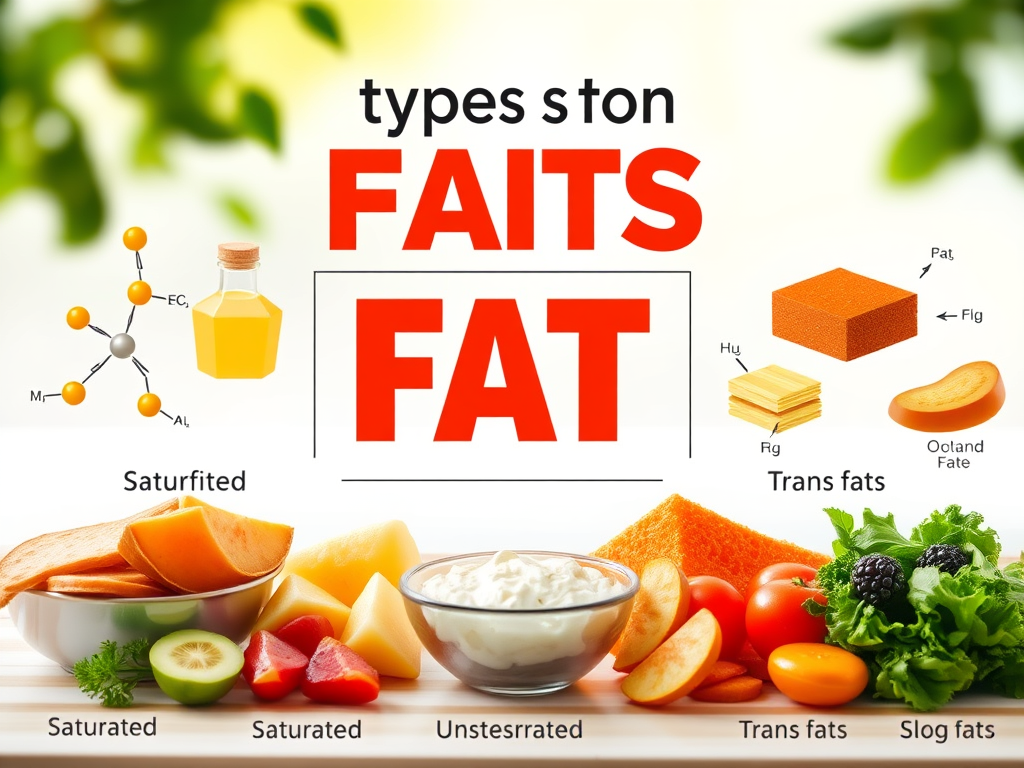
    Dietary fats are divided into four main types:

    • Unsaturated Fats (The Heart-Healthy Fats):
      • Monounsaturated Fats: Discover the power of monounsaturated fats, abundant in olive oil, avocados, and nuts. These beneficial fats can help lower bad cholesterol levels!
      • Polyunsaturated Fats: Embrace the diverse world of polyunsaturated fats, which include Omega-3 and Omega-6 fatty acids. These essential nutrients are eager to support your health and are found in wild-caught fish, nutty flaxseeds, brain-boosting walnuts, and oils like sunflower and soybean oil.
    • Saturated Fats (Moderation is Key!): Predominantly sourced from animal products such as rich butter, hearty red meat, and creamy cheese, saturated fats also come from tropical oils like coconut oil. While not inherently “bad,” it’s crucial to enjoy these flavorful fats in moderation for cooking purposes because of their high burning temperature.
    • Trans Fats (The Unhealthy Fats to Avoid): Trans fats are artificially created during the food processing phase, primarily found in hydrogenated oils prevalent in many fried and processed foods. These harmful fats significantly raise the risk of heart disease, making it crucial to limit their intake for a healthier lifestyle. Avoiding trans fats is a vital step towards maintaining your heart health and overall well-being.

    Why Do We Need Dietary Fat?

    Fats are not merely a source of calories; they are essential allies in promoting your overall health and vitality. Here’s how healthy fats can transform and revitalize your body:

    • Energy Source: Fats deliver an impressive 9 calories per gram, positioning them as the most energy-dense macronutrient available. This sustained energy is vital, particularly in diets like keto, where healthy fats serve as the primary fuel, supporting endurance and overall vitality.
    • Crucial for Brain Health: Did you know your brain is composed of nearly 60% fat? Essential fatty acids, particularly Omega-3 (DHA), are indispensable for optimal brain function, enhancing memory, and boosting cognitive performance. Prioritize your brain health with these vital nutrients!
    • Essential Hormone Production: Fats are crucial for the synthesis of vital hormones, including testosterone and estrogen, as well as a host of other powerful steroid hormones that regulate numerous bodily functions and enhance overall health.
    • Nutrient Absorption: The powerful role of fat-soluble vitamins A, D, E, and K cannot be overstated; these essential nutrients require fats for optimal absorption in your body. Without an adequate intake of healthy fats, your body may face challenges in absorbing these crucial vitamins, potentially impacting your overall health and well-being.
    • Cell Structure: Fats play a crucial role in the formation and stability of cell membranes, ensuring their integrity and optimal function in sustaining cellular health and communication.
    • Powerful Inflammation Fighter: Omega-3 fatty acids are renowned for their exceptional anti-inflammatory properties. They play a crucial role in promoting heart health, alleviating joint pain, and significantly lowering the risk of chronic diseases.

    What Happens When You Don’t Get Enough Fat?

    A deficiency in dietary fat can trigger a range of serious health issues, such as impaired nutrient absorption, hormone imbalances, and increased risk of chronic diseases.

    • Revitalize Your Skin and Hair: Essential fats play a crucial role in nourishing your skin and hair, preventing dryness and flakiness. A deficiency in these vital fats can result in irritating eczema and brittle hair, leading to lackluster appearance. Prioritize healthy fats to unlock vibrant skin and luscious locks!
    • Hormonal Imbalances: Insufficient fat intake can severely disrupt hormone production, leading to alarming menstrual irregularities, unpredictable mood swings, and diminished libido. Prioritizing healthy fats is crucial for maintaining hormonal balance and overall well-being.
    • Vitamin Deficiencies: Insufficient fat intake hampers your body’s ability to absorb essential fat-soluble vitamins—namely A, D, E, and K. This deficiency can result in serious health issues such as night blindness due to a lack of vitamin A or fragile bones caused by inadequate vitamin D levels. Prioritizing healthy fats is crucial for maintaining optimal vitamin absorption and overall health.
    • Impaired Cognitive Performance: Insufficient Omega-3 fatty acids can lead to debilitating brain fog, memory lapses, and heightened susceptibility to mental health challenges, such as depression and anxiety. Prioritizing Omega-3 intake is vital for bolstering mental clarity and emotional resilience.
    • Weakened Immune System: Vital fats are crucial for empowering your immune system. A deficient intake can severely diminish your capacity to combat infections effectively. Prioritize these essential nutrients to fortify your defenses and maintain robust health!

    Sources of Healthy Dietary Fats

    To truly nourish your body and optimize your health, incorporate these essential, nutrient-dense, fat-rich foods into your diet:

    • Powerful Omega-3 Sources: Savory fatty fish like salmon, sardines, and mackerel; nutrient-dense flaxseeds; and delicious walnuts. Discover the health benefits they bring to your diet!
    • Omega-6 Fatty Acid Powerhouses: Unleash the health benefits of nutritious nuts and vibrant seeds packed with essential Omega-6 fatty acids!
    • Monounsaturated Fats: Unlock the health benefits of heart-friendly fats found in extra virgin olive oil, luscious avocados, crunchy almonds, and satisfying peanuts. Incorporate these nutritious treasures into your diet for a boost in overall well-being!
    • Nourishing Saturated Fats: Unlock the power of coconut oil, indulge in grass-fed butter (in moderation for optimal health), and enjoy the goodness of pasture-raised eggs for a balanced diet rich in healthy fats.

    Conclusion: Embrace Fats Wisely

    Dietary fats play a vital role in maintaining a healthy body and sharp mind. Steer clear of harmful processed trans fats, moderate your intake of saturated fats, and prioritize heart-healthy unsaturated fats, especially Omega-3 and Omega-6 fatty acids. By embracing a diverse range of nutritious fats in your diet, you can enhance energy production, promote hormonal balance, boost brain function, and elevate your overall well-being. Remember, fat is not your enemy—it’s a crucial ally in your journey toward a healthy, vibrant life.

    Looking for tailored nutrition advice or personalized meal planning? Reach out today to transform your diet and achieve your unique health goals with expert guidance!

  • The Alarming Rise of Childhood Diabetes: Causes and Solutions

    The Alarming Rise of Childhood Diabetes: Causes and Solutions

    Childhood diabetes is escalating at an alarming rate worldwide, and the Middle East. According to the International Diabetes Federation (IDF), this region is expected to have one of the highest global diabetes rates by 2030, with a particularly troubling increase in children diagnosed with Type 2 diabetes.

    While Type 1 diabetes arises from autoimmune issues, Type 2 diabetes is intricately linked to lifestyle choices, nutrition, and maternal health. Even more concerning are recent studies indicating that maternal eating habits during pregnancy can significantly influence insulin sensitivity in children. This blog dives deep into the underlying causes, emphasizes the crucial role of nutrition, and outlines actionable strategies along with practical meal ideas to effectively tackle this growing health crisis. Join us in the fight against childhood diabetes and empower the next generation to lead healthier lives!

    Why Are Diabetes Cases Rising in Children?

    • Lifestyle and Nutrition Shifts:
      • The contemporary diet is overwhelmingly influenced by processed foods, excessive sugar intake, and the convenience of fast-food options.
      • Children spend more time on screens, leading to reduced physical activity.
      • In Hot, harsh weather conditions make outdoor activities challenging for significant parts of the year, further exacerbating sedentary lifestyles.
    • Maternal Health and Pregnancy Nutrition:
      • Extensive research indicates that a mother’s nutrition throughout pregnancy is vital for her child’s metabolic well-being. Inadequate maternal diet, characterized by a high consumption of processed foods, unhealthy seed oils, and excessive sugar and carbohydrates, can significantly elevate the likelihood of insulin resistance in newborns.
      • A study published in The American Journal of Clinical Nutrition found that maternal hyperglycemia (high blood sugar during pregnancy) can predispose children to obesity and early-onset Type 2 diabetes.

    “Maternal diet during pregnancy has a significant impact on fetal development, particularly on pancreatic function and insulin sensitivity, setting the stage for metabolic disorders later in life.” – Dr. Sarah Lowe, Endocrinologist

    • Genetic Predisposition: Individuals with a family history of illness are genetically predisposed to developing diabetes. This risk is significantly amplified when coupled with environmental triggers such as unhealthy diets and sedentary lifestyles, making awareness and proactive management crucial for prevention.

    Maternal Nutrition: Healthy Foundations Start Before Birth

    Research has revealed that a mother’s eating habits during pregnancy impact the child’s metabolism:

    • Excess sugar, seed oils and refined carbs can lead to fetal overnutrition and poor pancreatic function.
    • Conditions like gestational diabetes and maternal obesity heighten the baby’s risk of insulin resistance.

    Nutrition Tips for Pregnant Mothers:

    • Choose lean proteins (such as fish, chicken, eggs, paneer, mutton, and dairy products) to effectively stabilize your blood sugar levels. These nutrient-rich options not only support overall health but also keep you feeling full and energized throughout the day.
    • Embrace Healthy Fats for Optimal Wellness: Indulge in nutrient-rich sources like avocados, nuts, ghee, butter, and olive oil to boost your health and enhance your meal experience.
    • Embrace nutrient-rich complex carbohydrates: indulge in fermented foods, savor wholesome steel-cut oats, enjoy the natural sweetness of sweet potatoes, and choose non-refined whole grains for a balanced diet.
    • Eliminate processed foods, sugary snacks, ready-to-eat foods & carbonated drinks from your diet for a healthier lifestyle!

    Healthy Eating Habits for Children

    Preventing diabetes in children starts with balanced meals and snacks. Below are easy, nutritious recipes and snack ideas for kids:

    • Healthy Breakfast Ideas:
      • Steel-Cut Oats with Nuts and Berries: Ingredients include Steel-C oats, full-fat milk, or almond milk (Always check labels for added ingredients). Add mixed berries and a teaspoon of honey. “Benefits: High fiber, low sugar, and provides slow-releasing energy.”
      • Egg and Veggie Muffins: Ingredients: Eggs, spinach, chopped bell peppers, tomatoes, and a sprinkle of cheese. “Benefits: High protein to stabilize blood sugar levels.”
    • Healthy Lunchbox Recipes:
      • Whole Wheat Wrap with Grilled Chicken and Veggies: Ingredients: Grilled chicken strips, whole wheat tortilla, cucumber, lettuce, and a dollop of hummus.
      • Quinoa Salad with Paneer: Ingredients: Cooked quinoa, paneer, cherry tomatoes, cucumber, parsley, and olive oil for dressing
    • Snack Ideas for Kids:.
      • Fresh fruit slices with almond butter.
      • Carrot sticks and homemade hummus.
      • Plain yogurt with a handful of mixed nuts.
      • Homemade popcorn (butter, lightly salted).
      • Baked sweet potato fries.

    Physical Activity as a Solution

    Regular physical activity helps prevent and manage diabetes. Here are practical ideas for kids:

    • Indoor Sports: Swimming, martial arts, and gymnastic classes.
    • Active Play: Family-friendly activities like dancing, indoor games, or cycling during cooler months.
    • Structured Exercise: Enroll children in sports academies offering football, basketball, or yoga.

    Encourage at least 60 minutes of activity daily to help improve insulin sensitivity and manage weight.

    The Family’s Role: Leading by Example

    Children often take cues from their parents, especially their mothers, as role models in their behavior. Families have the powerful opportunity to nurture and foster healthy habits through:

    • Family Meals Together: Preparing and savoring wholesome meals as a family fosters a love for nutritious food in children and strengthens family bonds. Sharing the cooking experience is not just about eating; it’s about creating lasting memories and promoting a healthy lifestyle.
    • Empower Healthy Choices: Reduce sugary beverages and processed foods in your home to promote vibrant health and well-being!
    • Engaging Children in Nutrition: Inspire young minds by introducing them to the exciting world of balanced nutrition through fun, interactive activities that spark their curiosity and promote healthy habits.

    Conclusion: A Collective Effort to Prevent Childhood Diabetes

    The alarming surge in diabetes rates among children serves as a critical wake-up call, particularly for families with a genetic predisposition and issues of obesity. Addressing this pressing challenge demands:

    • Enhanced Maternal Awareness during pregnancy is crucial for establishing a robust and healthy foundation for both mother and baby.
    • Active Parental Engagement in Shaping Healthy Eating Habits for Children.
    • Encouraging active lifestyles through dynamic physical activities while effectively combating sedentary habits for improved overall health.

    “By taking simple steps today—eating healthier, staying active, and educating families—we can secure a healthier, diabetes-free future for our children.”

    “Healthy children are the reflection of informed families and supportive communities.”

    Transform Your Family’s Health: Discover Personalized Nutrition Plans for Parents and Expecting Mothers!