
In a world saturated with fitness influencers and self-proclaimed experts, the prevalence of misinformation surrounding supplements, especially whey protein, has reached alarming levels. Many individuals approach whey protein with skepticism, worrying that it’s “unnatural” or even harmful. This widespread uncertainty arises from a combination of inadequate education and deceptive marketing strategies within the health and fitness industry. As a passionate nutritionist, I strive to deliver a comprehensive, evidence-based understanding of whey protein—exploring its diverse types, numerous benefits, potential drawbacks, and essential guidelines for safe consumption.
What is Whey Protein?
Whey protein, a remarkable byproduct of cheese production, is derived from high-quality milk. Renowned for being one of the most exceptional protein sources, it boasts all nine essential amino acids that the body craves for optimal muscle growth, efficient recovery, and enhanced overall health.
Packed with leucine, a powerhouse amino acid essential for muscle protein synthesis, whey protein stands as a cornerstone for athletes, bodybuilders, and fitness aficionados. Its advantages reach well beyond mere muscle growth—it’s a vital ally in weight management, bolstering immunity, and enhancing overall wellness. Experience the transformative benefits of whey protein as you elevate your fitness journey!

Types of Whey Protein
- Whey Protein Concentrate (WPC):
- Protein Content: 70–80% of high-quality protein.
- Advantages:
- Nutrient-Rich: Contains essential fats and carbs, providing you with crucial energy benefits.
- Health Boost: Preserves key nutrients like immunoglobulins and lactoferrin, supporting your immune system.
- Cost-Effective: A more affordable option compared to other whey protein types, perfect for budget-conscious consumers.
- Disadvantages:
- Lactose Warning: Contains lactose, which may lead to digestive issues for those who are lactose intolerant.
- Lower Protein Concentration: Offers slightly lower protein content compared to isolate or hydrolysate variants.
- Best For: Beginners or casual fitness enthusiasts who seek a budget-friendly protein option without stringent dietary limitations.
- Whey Protein Isolate (WPI):
- Protein Content: 90–95% – A powerhouse of protein!
- Advantages:
- Ultra-Low in Lactose, Fats, and carbs: Perfect for low-carbs or ketogenic diets.
- Rapid Absorption: High protein purity promotes swift recovery and muscle repair post-workout.
- Disadvantages: Higher Price Point than whey concentrate, but worth every penny!
- Best For: Athletes, individuals with lactose intolerance, and anyone committed to a strict low-carbs or low-fat diet.
- Whey Protein Hydrolysate (WPH)
- Protein Content: 80–90% – A power-packed choice for protein enthusiasts!
- Advantages:
- Predigested formula ensures ultra-fast absorption, making it the quickest option available.
- Gentle on your digestive system, great for those with sensitive tummies.
- Disadvantages:
- Considered the most expensive protein choice on the market.
- Often less palatable, with a tendency towards a bittersweet taste.
- Best For: Perfect for individuals with sensitive digestion, those recovering from surgery, or athletes in need of rapid recovery after intense workouts.
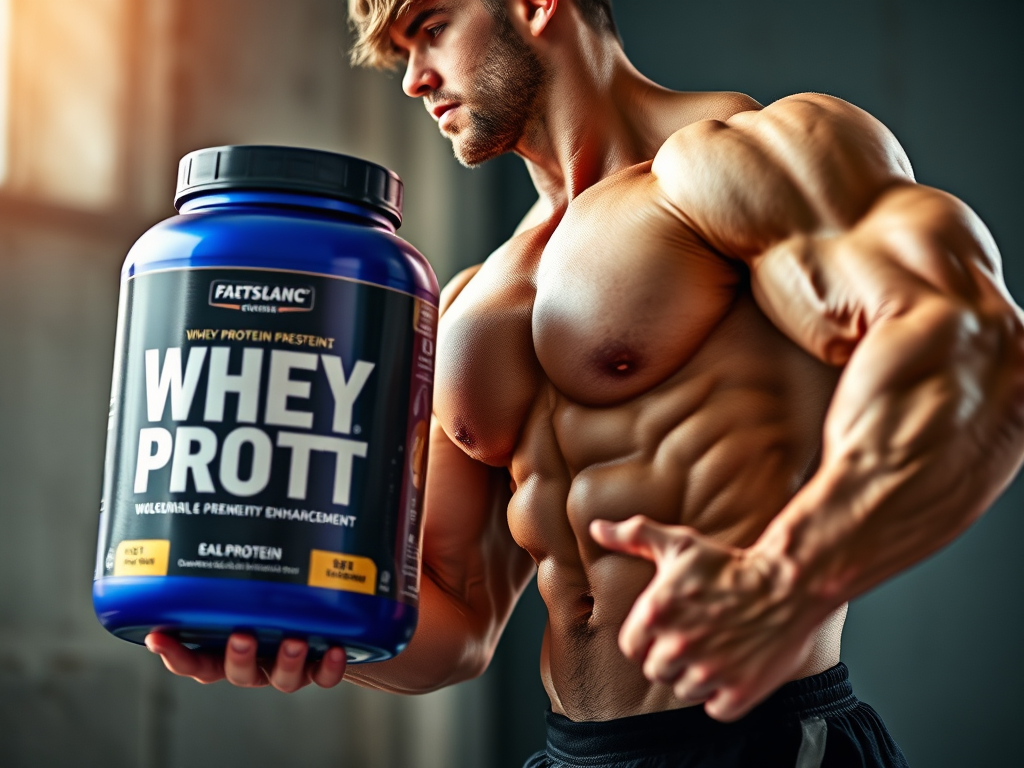
Unlocking the Power of Whey Protein: Proven Health Benefits
- Muscle Growth and Recovery: Research demonstrates that whey protein is exceptionally powerful for maximizing muscle protein synthesis—the vital process by which muscles repair and grow following intense exercise. A groundbreaking 2019 study published in the Journal of the International Society of Sports Nutrition revealed that consuming whey protein after workouts significantly enhances muscle recovery and fosters lean muscle mass development. Emphasizing the importance of timing and quality, this nutrient stands out as a game-changer for fitness enthusiasts aiming for optimal results.
- Effective Weight Management: Whey protein is a powerful ally in the quest for weight loss, enhancing feelings of fullness and protecting lean muscle mass during calorie deficits. Research published in The American Journal of Clinical Nutrition demonstrates that individuals who incorporated whey protein into their diet achieved significantly greater fat loss and muscle preservation.
- Enhanced Immune Function: Whey protein is packed with powerful immunoglobulins and lactoferrin, vital components that significantly elevate the immune system’s response. Research published in the Journal of Dairy Science highlights that whey protein supplementation can remarkably enhance the body’s defense mechanisms, particularly benefiting those with compromised immune systems. Boosting your immunity with whey protein is a smart strategy for maintaining optimal health and resilience.
- Blood Sugar Regulation: Whey protein is a powerful ally in stabilizing blood sugar levels by effectively slowing down the absorption of glucose. A groundbreaking study published in Nutrients in 2018 revealed that incorporating whey protein into your pre-meal routine significantly reduces postprandial blood sugar spikes, especially among individuals battling Type 2 diabetes.
- Enhanced Athletic Performance: A groundbreaking study published in the International Journal of Sport Nutrition and Exercise Metabolism revealed that whey protein supplementation dramatically enhances performance in both resistance and endurance training, significantly outpacing results observed in placebo groups.

When and Why Should You Consume Whey Protein?
Whey protein is not exclusively for bodybuilders or elite athletes; it offers remarkable benefits for a wide range of individuals, catering to diverse health and fitness goals.
- Post-Workout Recovery: Whey protein, especially in its isolate or hydrolysate forms, is the ultimate choice for post-exercise nourishment. With its rapid absorption, it provides crucial essential amino acids directly to your muscles, significantly enhancing recovery speed and minimizing soreness. Fuel your body effectively after every workout!
- Boosting Dietary Protein Intake: For those leading a hectic lifestyle or facing dietary restrictions, whey protein serves as a fantastic solution to effortlessly fulfill daily protein requirements without the hassle of cooking elaborate meals. However, it’s crucial to remember that whey protein is not a meal replacement; instead, it should be utilized as a valuable resource to support and effectively meet the body’s protein demands.
- Transform Your Weight Loss Journey with Whey Protein: Substitute those high-calorie snacks with a delicious whey protein shake to effectively curb hunger, boost satiety, and take control of your calorie intake. Experience the difference today!
- Medical Recovery: Individuals on the path to recovery—from surgeries, illnesses, or injuries—experience significant benefits from the highly digestible and nutrient-rich whey protein. This protein source not only enhances recovery but also supports overall health and vitality during the healing process.
How Much Whey Protein Do You Need?
Protein requirements can significantly differ based on various factors such as age, gender, activity level, and individual health goals. As a fundamental guideline:
- Sedentary individuals: 0.8–1.0 g/kg of body weight.
- Active individuals or athletes: 1.2–2.0 g/kg of body weight.
- During weight loss or muscle gain phases: Up to 2.2 g/kg of body weight.
For example, a 70 kg individual striving for muscle growth may require 105–140 g of protein daily. While whey protein can effectively supplement your diet, it’s crucial to prioritize whole foods such as eggs, fish, chicken, lean meats, full-fat dairy (if lactose intolerant), and cheese as your primary sources of protein.
What to Look for When Buying Whey Protein
- Protein Content: Ensure to inspect the label for a minimum of 20–25 g of protein per serving. For optimal results, consider opting for isolated whey protein – it’s highly effective for muscle recovery and overall performance!
- Essential Ingredients: Embrace products that are free from artificial sugars, fillers, and questionable additives, ensuring a healthier choice for you and your loved ones. Opt for natural, wholesome ingredients that nourish your body and promote overall wellness.
- Third-Party Testing: Seek out reputable certifications such as NSF Certified for Sport or Informed Choice to ensure the integrity and quality of your products. These certifications provide assurance that the items have undergone rigorous testing for safety and efficacy, giving you peace of mind in your purchasing decisions.
- Digestibility: For those who are lactose-intolerant, choosing isolate or hydrolysate protein is crucial. These options are specifically designed for optimal absorption, ensuring you get the nutrients you need without discomfort.
Myths About Whey Protein: Debunked
- Whey Protein and Kidney/Liver Health: Contrary to common misconceptions, there is no scientific evidence that whey protein damages healthy kidneys or liver. For individuals with pre-existing conditions, it is crucial to consult a healthcare provider prior to incorporating whey protein into your regimen to ensure safety and well-being.
- Whey Protein: Misconception as a Steroid: Contrary to common myths, whey protein is not a performance-enhancing drug but a powerful dietary supplement. Derived naturally from high-quality milk, it is essential for muscle recovery and growth, making it a favorite among fitness enthusiasts and athletes.
- Whey Protein and Fat Gain: Separating Fact from Fiction: Weight gain is predominantly influenced by total calorie intake rather than whey protein alone. When consumed in moderation and within your daily calorie limits, whey protein can actually accelerate fat loss and promote lean muscle development. Embrace whey protein as a tool for achieving your fitness goals, rather than fearing it as a contributor to weight gain.
Final Thoughts:
Whey protein is an effective and scientifically supported supplement for improving health, fitness, and overall well-being. However, it’s not a substitute for a balanced diet. Whole foods should always form the foundation of your nutrition, and supplements like whey protein should fill in the gaps.
For tailored advice, consult a qualified nutritionist or dietitian to identify the best whey protein type, quantity, and timing for your unique needs. With the right knowledge, whey protein can be a game-changer for your health and fitness journey.
Have questions about whey protein or other supplements? Let’s connect—I’m here to help you navigate the world of nutrition with evidence-based insights.


























 Simplify Your Wellness Journey