Category: eating disorder

  • The Oats Deception: Why Instant Oats Are a Digestive Disaster, Not a Health Food

    The Oats Deception: Why Instant Oats Are a Digestive Disaster, Not a Health Food

    Instant oats are not just over-hyped—they may be harming your gut, blocking nutrient absorption, and spiking your insulin. Learn the difference between real oats and processed ones, and what to eat instead.

    For years, you’ve been told to swap your eggs and bacon. You were also advised to replace fermented foods (dosa, idly & yogurt) with a “bowl of oats.” They said it’s heart-healthy, weight-loss friendly, good for diabetes, great for kids, and ideal for breakfast. That was never the full truth. And it’s time someone said it out loud.

    Instant oats are a heavily processed, blood sugar-spiking, and digestion-disrupting grain. They were falsely crowned as a ‘super-food’—thanks to one of the most successful food marketing strategies ever.

    Let’s Start with the Basics: Instant Oats vs. Steel-Cut Oats

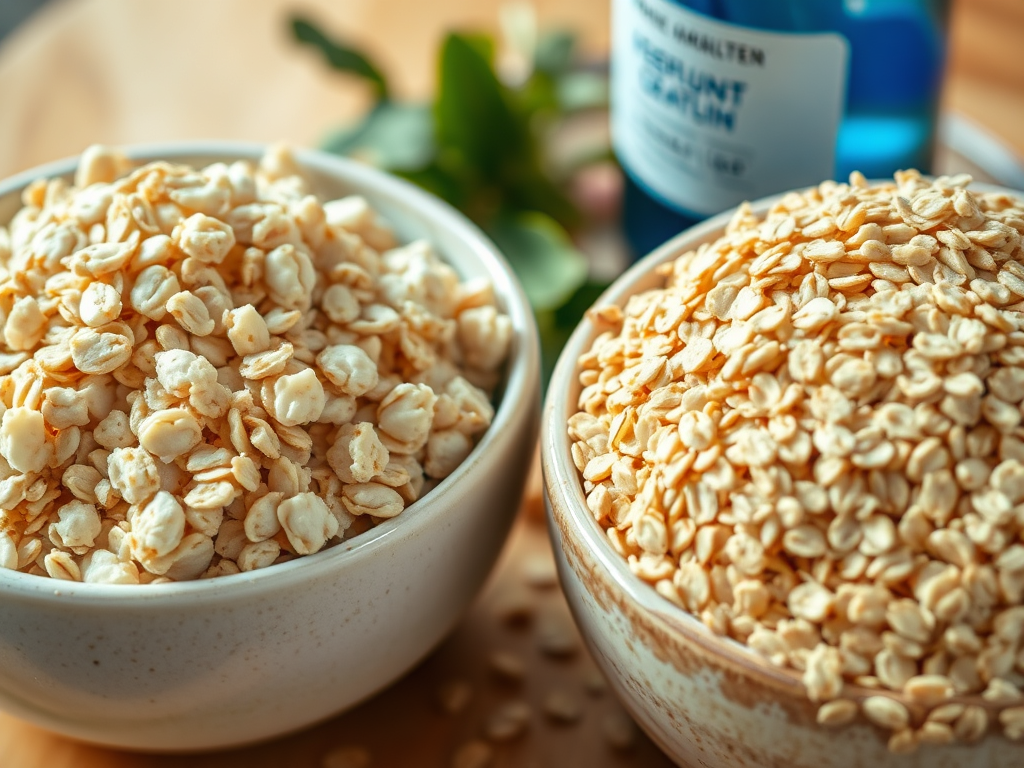
    Not all oats are created equal. Instant oats are pre-cooked, flattened, and dehydrated to save time—but that process strips away fiber, micronutrients, and structure. What you’re left with is a soft mush of fast-digesting carbs that spike your blood sugar like white bread.

    But It Gets Worse: Oats Contain Phytic Acid – The Anti-Nutrient

    Oats (including rolled and instant) contain phytic acid, a naturally occurring compound that:

    • Binds to minerals like iron, zinc, magnesium, and calcium
    • Blocks your body’s ability to absorb these nutrients properly
    • Interferes with digestion, especially in people with gut issues

    So if you think having oats with milk, nuts, or fruits is a nutrient-rich breakfast—think again. That phytic acid is literally canceling out a big chunk of those nutrients.

    The worst part:- Instant oats contain higher phytic acid activity than properly soaked & fermented grains. And let’s be honest—how many people are soaking their oats overnight and boiling them in bone broth? Practically none.

    The Digestive Damage of Instant Oats

    Let’s call it what it is. Instant oats are industrial sludge disguised as health food. Here’s how they mess with your gut:

    1. Fast digestion = insulin roller-coaster. You eat it, it spikes insulin, crashes energy, and leaves you hungry by 11 am.
    2. Poor fiber structure = bloating & gassiness. The quick-cooking process breaks down beta-glucans and fiber—making them irritants instead of supports.
    3. Anti-nutrients = malabsorption & gut irritation. Long-term consumption can lead to mineral deficiencies and IBS-like symptoms in sensitive individuals.

    But Why Was It Marketed as “Healthy”?

    Simple: Oats are cheap. Easy to process. Easy to flavor. Easy to mass-produce. So corporations did what they do best: –

    • Funded biased studies
    • Used “cholesterol-lowering” claims as a bait
    • Paired with celebrity endorsements
    • Created convenience-focused products for urban audiences

    Impact: – Millions are waking up every day to a sugar-loaded, gut-disrupting, mineral-blocking bowl of processed carbs—thinking it’s healthy.

    What to Eat Instead

    • Paneer stir-fry with ghee- 25g protein, healthy fats, zero sugar crash.
    • Greek yogurt + flax + walnuts + cinnamon.
      • Creamy, crunchy, and gut-friendly.
      • High in protein and omega-3s
    • Fermented Food (Dosa, Idly) + avocado slices
      • Great for satiety and blood sugar control
      • Can add turmeric and ginger for gut healing
    • Almond or coconut flour cheela with cheese filling- Grain-free, protein-rich, customizable.
    • Boiled eggs + sauteed spinach + butter
      • Zero carbs, full micronutrients load
      • Iron, zinc, choline, and healthy fats
    • Chicken keema with herbs and bell peppers
      • Spiced, flavorful, satiating
      • Can be prepped in bulk
    • Sardine or mackerel curry in coconut milk
      • Rich in omega-3s, B12, and selenium
      • Low-carbs and gut-healing
    • Omelets with cheese + mushrooms + ghee
      • Breakfast that fuels you all day
      • No bloating, no crash, no hunger pangs

    The Verdict: Throw Out the Packet

    Oats aren’t the enemy—but instant oats? That’s a total scam! If you’re genuinely committed to your health, fat loss, muscle gain, or simply feeling your best, start by ditching those processed bowls. Embrace real, nourishing food. You don’t have to fall for Western marketing myths to achieve true wellness. Just stop blindly trusting those colorful packets and make informed choices that empower your journey to health!
  • Part 2: How to Actually Eat Right – Building a Real High-Protein Diet Around Indian Culture (Not Instagram Fads)

    Part 2: How to Actually Eat Right – Building a Real High-Protein Diet Around Indian Culture (Not Instagram Fads)

    Forget what social media told you—here’s how to build a truly protein-rich Indian diet, whether you’re veg or non-veg. Backed by real nutrition, not fake influencers hype.

    If you’ve read Part 1, you already know the truth:

    The so-called “high-protein Indian diet” that influencers romanticize is a myth. Most of them don’t practice what they preach. They’re banking on your emotion, pride, and cultural attachment to sell you half-truths.

    But here’s the good news:

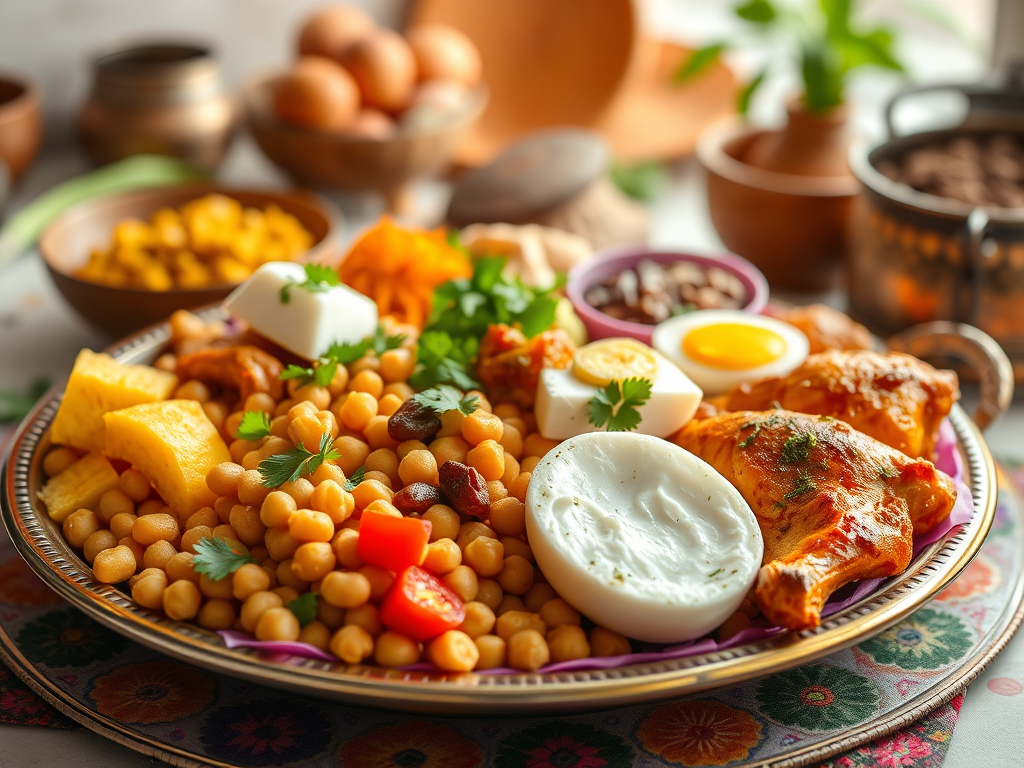
    You can build a powerful, protein-rich Indian diet—without falling for the noise. Whether you’re vegetarian or non-vegetarian, your heritage has plenty to offer. It has a lot to give when you actually understand what your body needs.

    The Foundation: Start With Protein Goals, Not Food Myths

    Before diving into what to eat, let’s set your baseline.

    • Goal: 1.2–2 grams of protein per kg of body weight (depending on activity level).
    • Example: For a 70 kg adult aiming to build or preserve muscle, target 90–120 grams/day.

    Now, let’s see how to build that the right way—with Indian foods that actually deliver.

    For Vegetarians: You Can Get There, But Not With Roti-Sabzi Alone:-

    Always prioritize consuming dairy products first for a rich source of protein, then shift your focus to grains. Remember, grains alone do not provide all the essential amino acids needed to be considered a complete protein source. Enhance your diet by balancing these elements effectively!

    • Paneer (100g): 18g protein
    • Tempeh (100g): 10g protein
    • Moong Dal (1 cup cooked): 14g protein
    • Chickpeas/Rajma (1 cup cooked): 10-12g protein
    • Greek Yogurt (300g): ~20g protein
    • Whey Protein Shake (1 scoop): 20–25g protein

    Sample Vegetarian Day Plan:

    • Breakfast: Greek yogurt + 1 scoop whey + handful of soaked almonds
    • Lunch: Paneer bhurji + 1 roti + mixed veg
    • Snack: Tempeh stir-fry
    • Dinner: Moong dal + curd + stir-fried veggies

    You don’t need to abandon culture—you need to choose strategically within it.

    For Non-Vegetarians: The Indian Diet Is a Protein Powerhouse—If Used Right

    Here’s where the real game changes. Indian cuisine includes plenty of protein-rich, affordable, accessible non-veg options—but influencers won’t highlight them because they don’t trend that much.

    • Eggs (1 large): 6g protein
    • Chicken breast (100g cooked): 20-25g protein
    • Fish (Rohu, Tilapia, etc. – 100g cooked): 20–25g protein
    • Liver (Goat/Chicken): High in protein + iron + B12
    • Prawns, mutton, organ meats: All excellent when not deep-fried

    Sample Non-Veg Day Plan:

    • Breakfast: 3 boiled eggs + Greek yogurt
    • Lunch: Grilled chicken breast + dal + salad
    • Snack: Omelets with 2 whole eggs + 2 whites
    • Dinner: Fish curry + sauteed veggies + 1 roti

    Combine that with even basic supplementation (like 1 scoop of whey), and you’re easily above 100g/day.

    Why This Works (And Influencers Diets Don’t)

    1. Real food > fancy fads: You’re not relying on overpriced “protein khakhras” or ₹3,000 PDF diet plans.
    2. Sustainable: These meals exist in your home, your neighborhood, your culture.
    3. Balanced nutrition: You’re not going extreme—no 0-carbs, no detox juice-only nonsense.
    4. Flexible: Whether veg or non-veg, there are options at every level.
    5. You’re not being emotionally manipulated. You’re following science, not sympathy reels.

    Final Takeaway: Culture Should Empower You, Not Limit You

    Stop blindly following individuals who lack genuine authenticity, promote empty trends, or fail to inspire meaningful change; seek out those who ignite passion, encourage critical thinking, and foster a community of growth.

    • Hide their supplements
    • Lie about their diet
    • Sell you overpriced “desi shred” courses & products.

    Real nutrition honors your roots while dynamically evolving to meet your unique needs. Indian cuisine can powerfully support your health goals. Whether you’re a passionate vegetarian or a devoted non-vegetarian, you must approach it strategically. Embrace a mindset free from nostalgia and emotion, focusing instead on logic, balance, and candid honesty for optimal results.

  • The Hidden Cost of Modern Living: How Our Lifestyle Choices Are Destroying Fertility

    The Hidden Cost of Modern Living: How Our Lifestyle Choices Are Destroying Fertility

    In today’s fast-paced world, we tirelessly chase success, push our limits, and indulge in convenience. Yet, in this relentless pursuit, we risk losing something profoundly vital—our ability to conceive and nurture life. The rising rates of miscarriages and alarmingly low sperm counts should make us pause and reflect: What is driving this crisis?

    It’s convenient to attribute these issues to genetics or mere bad luck, but the reality is far more complex. Our modern lifestyle—including our dietary choices, daily habits, persistent stress, and even the air pollution we contend with—is subtly undermining our reproductive health.

    As a nutritionist, I have witnessed this phenomenon firsthand. I encounter women in their late 20s and early 30s—seemingly vibrant and healthy—grappling with miscarriages. Meanwhile, men experience troubling declines in sperm quality, despite being at their peak. As we delve deeper, the culprits become clear: a poor diet, chronic stress, insufficient physical activity, and harmful environmental toxins.

    The scientific evidence is compelling. A 2022 study published in Human Reproduction Update reveals that global sperm counts have plummeted by over 50% in the past four decades. Additionally, the American Journal of Obstetrics & Gynecology highlights that lifestyle-related stress raises the risk of miscarriage by a staggering 42%. These numbers aren’t just statistics—they signify real lives, profound grief, and heartfelt struggles.

    So, what exactly is happening?

    • The Modern Diet (From Nourishment to Poison): Food has transformed from essential fuel to a source of slow destruction. Ultra-processed foods, sugar-laden snacks, trans fats, and pesticide-drenched produce have infiltrated our everyday meals. Instead of nourishing our bodies, these items wreak havoc on our hormones and jeopardize reproductive health.
      • Consider high sugar intake. It sends insulin levels skyrocketing. This leads to Polycystic Ovary Syndrome (PCOS) in women. It also negatively impacts sperm quality in men. Groundbreaking studies from Harvard T.H. Chan School of Public Health substantiate this alarming connection.
      • I once collaborated with a 34-year-old woman who had endured two heartbreaking miscarriages. Her diet was deemed “normal” by many. It was filled with cereals, bread, fast food, and sugary coffee beverages. However, it was transformed when we shifted her to a nutrient-rich, whole-food approach. Her new diet was loaded with omega-3s, antioxidants, and high-quality proteins. Miraculously, her hormones stabilized, and just six months later, she conceived naturally and carried to full term.
      • For men, the dangers of pesticides and chemicals in food are equally concerning. A pivotal 2018 study published in JAMA Network Open revealed significant findings. Men consuming high-pesticide foods experienced a 49% reduction in sperm counts. This is compared to those opting for organic choices.
    • What Can We Do?
      • Embrace whole, unprocessed foods—revitalize your diet with vibrant fruits, fresh vegetables, and quality proteins.
      • Eliminate excessive sugar and trans fats—they unleash chaos on hormonal balance.
      • opt for organic whenever possible—consciously reducing pesticide exposure for a healthier future.
    • Stress (The Silent Killer of Fertility): In our fast-paced world, stress is often celebrated as a sign of dedication. The long hours, relentless corporate pressure, and overwhelming social expectations create an exhausting race where the finish line remains elusive. The harsh reality? Chronic stress floods the body with cortisol, wreaking havoc on reproductive hormones. For women, this can lead to disrupted ovulation and a heightened risk of miscarriage. For men, elevated stress levels diminish testosterone and impair sperm motility, undermining fertility potential.
      • Take the story of a friend, a driven 32-year-old finance professional who dedicated years to ascending the corporate ladder. Countless late nights, high-stakes meetings, and the nagging stress of “what’s next?” overshadowed her personal aspirations. When she finally chose to embark on the journey to motherhood, she faced the terrifying reality of infertility. After a year filled with heartache from repeated failed attempts, she courageously re-assessed her lifestyle. By reducing work stress, prioritizing her health, and embracing mindfulness practices, she transformed her life. Within mere months, she joyfully conceived naturally, demonstrating the powerful link between stress management and fertility.
    • What Can We Do?
      • Set boundaries at work—your health is more valuable than a paycheck.
      • Engage in stress-reducing activities—yoga, meditation, walks in nature.
      • Prioritize sleep—a rested body is a fertile body.
    • The Sedentary Lifestyle (Moving Less, Reproducing Less): Our ancestors thrived by walking miles each day, embracing an active existence. Today, we often find ourselves sitting for hours—whether at desks, in cars, or on couches. It’s important to understand that exercise is not merely about weight loss; it plays a vital role in reproductive health. Movement enhances blood circulation, regulates hormones, and diminishes inflammation, all of which are essential to fertility. A groundbreaking study from the British Journal of Sports Medicine revealed that men who engaged in regular exercise boasted 33% higher sperm counts compared to their sedentary counterparts. Moreover, women partaking in moderate physical activity experience better ovulation cycles and significantly higher pregnancy success rates.
      • What Can We Do?
        • Move daily—even a simple 30-minute walk can spark positive changes.
        • Incorporate strength training—this builds muscle and balances hormones.
        • Combat prolonged sitting—take frequent breaks, stretch, and stay actively engaged.
    • Environmental Toxins (The Invisible Enemy): We are constantly bombarded by hazardous chemicals that sabotage our hormones and fertility—lurking in everyday plastic containers, personal care products, polluted air, and even our tap water.
      • Endocrine-disrupting chemicals (EDCs), prevalent in plastics and cosmetics, mimic estrogen and wreak havoc on our hormonal balance.
      • Air pollution has been alarmingly linked to declining sperm counts and increased miscarriage rates, threatening reproductive health.
      • Microplastics have made their way into human placentas, igniting concerns over their potentially devastating effects on fetal development.
    • What Can We Do?
      • Ditch plastic containers, especially for heating food.
      • Choose natural personal care products, free of parabens and phthalates.
      • Invest in an air purifier, especially in polluted cities.
    • The Pressure to Succeed: When Career Ambitions Come at a Cost: Society relentlessly urges us to work harder, push further, and climb higher. But at what cost to our well-being? Many couples today postpone family planning to chase career aspirations, only to face heart-wrenching fertility challenges down the line. While ambition fuels our success, we must recognize that fertility operates on a biological timeline that waits for no one.
      • What Can We Do?
        • Re-evaluate Your Priorities — Career success means little if it jeopardizes your health and happiness.
        • Plan Ahead — Gain a deeper understanding of your body’s fertility window to make informed choices.
        • Make Health a Non-negotiable Priority — Elevate your health to the forefront of your journey, rather than treating it as an afterthought.

    Final Thoughts: It’s Time to Take Back Control

    Miscarriages and declining sperm counts are not mere coincidences—they are clear indicators of the repercussions of our modern lifestyle. The empowering truth? We hold the keys to change.

    By embracing simple yet transformative choices, we can rejuvenate our fertility. These choices include consuming whole, nutritious foods, effectively managing stress, and staying physically active. Additionally, minimizing exposure to harmful toxins and re-evaluating our work-life balance are important steps. These actions safeguard the well-being of future generations.

    Fertility transcends the mere act of having children; it encompasses health, vitality, and the capacity to truly thrive. If we begin to regard it as such, we won’t just bring new life into the world. We will enhance our own quality of life in the process.

    Your health is invaluable. Your choices carry weight. The moment to take action is now.

  • Overnutrition: The Hidden Crisis of Ultra-Processed Foods

    Overnutrition: The Hidden Crisis of Ultra-Processed Foods

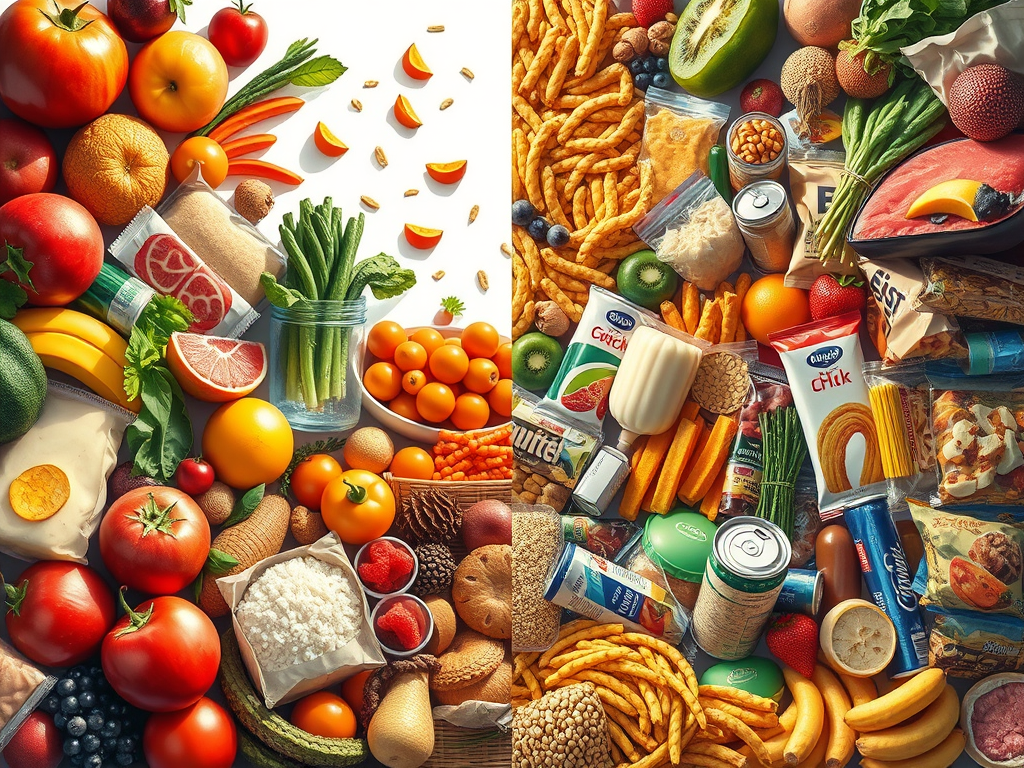
    When we hear the term “malnutrition,” our minds often conjure images of hunger and food scarcity. However, we are witnessing a new and alarming form of malnutrition—overnutrition, fueled by the excessive consumption of calorie-dense, yet nutrient-poor foods.

    Ultra-processed foods have become ubiquitous in our diets, leading to a surge in obesity, chronic diseases, and even troubling declines in cognitive health. Shockingly, the repercussions of these dietary choices are extending to future generations, culminating in a global health crisis that demands our attention.

    In this blog, we’ll delve into:

    ✅ How ultra-processed foods are reshaping our understanding of malnutrition

    ✅ The profound impact of overconsumption on both physical and mental health

    ✅ The long-term consequences of today’s poor diets on future generations

    ✅ Effective strategies to break the cycle of unhealthy eating habits

    Join us as we uncover the true crisis of modern nutrition and explore actionable steps towards a healthier future.

    Ultra-Processed Foods: The Silent Killer

    Ultra-processed foods, such as irresistible packaged snacks, sugary beverages, tantalizing fast food, and convenient ready-to-eat meals, are engineered for ultimate convenience and flavor. However, they come at a cost: a significant deficiency in vital nutrients, including fiber, essential vitamins, and crucial minerals. A groundbreaking study featured in The American Journal of Clinical Nutrition reveals that a staggering over 60% of daily caloric intake in affluent nations is derived from these ultra-processed foods, highlighting a concerning trend in our dietary habits.

    Why Are Ultra-Processed Foods So Addictive?

    • High levels of sugar, unhealthy fats, and excessive salt activate the brain’s reward pathways, driving us to crave even more unhealthy foods.
    • With a lack of fiber and protein, these items leave us feeling unsatisfied, which can lead to uncontrollable overeating.
    • Targeted marketing strategies specifically aimed at children and young adults reinforce the normalization of these foods, making them an ingrained part of our dietary habits.

    🚨 The result? A population that’s overfed but undernourished.

    • Obesity and Metabolic Disorders:
      • 📉 Obesity rates have tripled since 1975, with childhood obesity becoming a major crisis.
      • 📈 Processed foods lead to insulin resistance, increasing the risk of type 2 diabetes.
      • 🫀 High sodium and trans fats contribute to heart disease and hypertension.
    • Mental Health Decline:
      • 🧠 A study in The Journal of Neuroscience links high ultra-processed food consumption to increased depression and anxiety.
      • 🔥 These foods trigger chronic inflammation, which affects brain function.
      • ❌ Artificial additives disrupt gut health, which plays a crucial role in mental well-being.
    • Cognitive Decline and Memory Loss:
      • 📉 Diets high in processed foods lead to reduced brain function and memory problems.
      • ⚠️ The Lancet reported that people consuming excessive processed foods have a 25% higher risk of cognitive impairment.

    The Generational Impact: How Poor Diets Are Affecting Future Generations

    • Epigenetic Changes and Disease Risk:- 🔬 Research on nutritional epigenetics shows that a mother’s diet can alter a child’s DNA, increasing their risk of obesity, diabetes, and heart disease.
    • Developmental and Cognitive Challenges:- 📚 Low-quality diets during pregnancy and childhood can result in learning disabilities, attention disorders, and delayed cognitive development.
    • Declining Fertility Rates:- 💔 Studies in Reproductive Biology and Endocrinology suggest that processed food consumption negatively impacts sperm quality and reproductive hormones.

    🚨 The alarming truth: We are raising a generation with built-in health issues due to poor diets.

    How to Break the Cycle: Solutions for a Healthier Future

    • Increase Whole Food Consumption:
      • 🥦 Eat more fresh vegetables, lean proteins, whole grains, and healthy fats.
      • 🚫 Reduce intake of processed snacks, sugary beverages, and artificial ingredients.
    • Promote Nutrition Education:
      • 🏫 Schools should teach nutrition literacy to help children make better food choices.
      • 📢 Social media influencers and brands should advocate for real food over processed junk.
    • Implement Government Policies: –
      • 🔎 Stricter food labeling laws to highlight artificial ingredients and hidden sugars.
      • 💰 Taxation on sugary drinks and junk food to discourage excessive consumption.
      • 🚸 Ban junk food advertisements targeted at children.
    • Hold the Food Industry Accountable: –
      • ⚠️ Encourage brands to reduce artificial additives, unhealthy fats, and excess sugars.
      • 💡 Support companies that promote organic, whole-food-based alternatives.

    Final Thoughts: The Need for a New Perspective on Malnutrition

    Malnutrition is no longer solely defined by food scarcity; it now encompasses the overconsumption of nutrient-poor foods. The rise of ultra-processed diets is steering us towards a concerning reality where obesity, chronic diseases, and mental health issues are rampant among our youth.

    💡 What can you do today to reclaim your health?

    Read ingredient labels carefully and stay informed.

    Swap processed foods for whole, natural alternatives that nourish your body.

    Educate your family about the essential role of nutrition in leading a vibrant life.

    🛑 The food choices we make today will define the health destiny of future generations. Let’s break the cycle and commit to prioritizing real, nutrient-dense foods before it’s too late!

  • Binge Eating Disorder (BED): The Silent Battle Millions Face

    Binge Eating Disorder (BED): The Silent Battle Millions Face

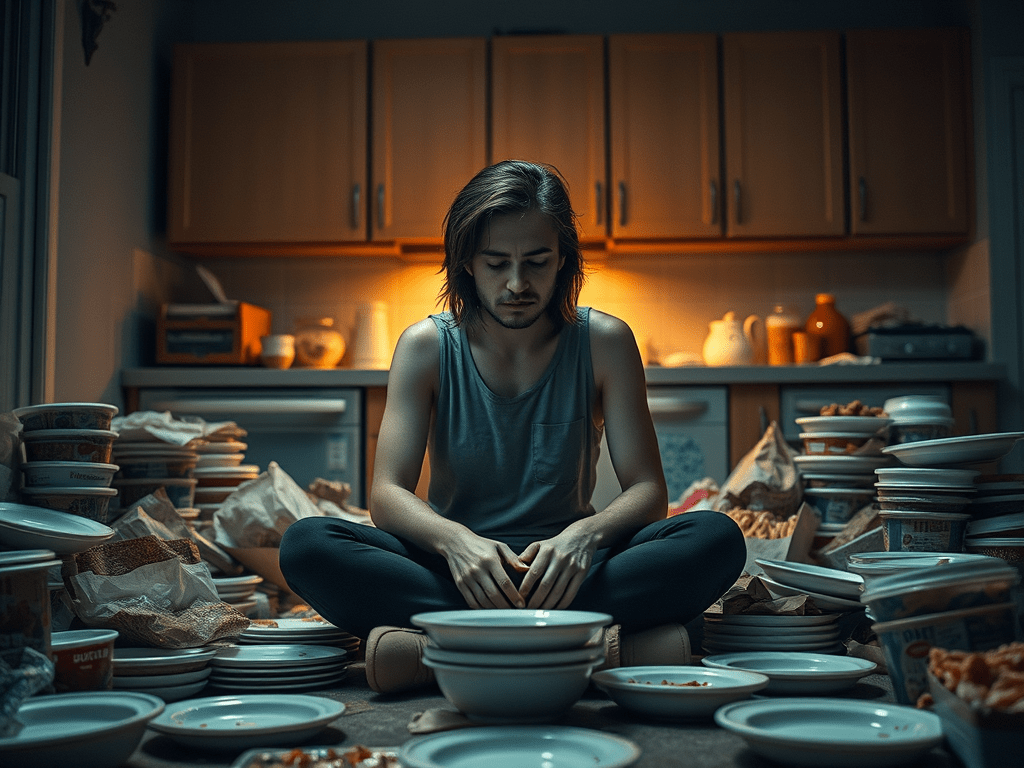
    “I used to tell myself this was the last time. That I’d never binge again. But every night, I found myself standing in front of the fridge, eating until I felt sick—then hating myself for it.”

    This used to be my reality: a relentless struggle with Binge Eating Disorder (BED), which I often turned to as a misguided coping mechanism for stress, PTSD, and emotional overwhelm.

    On the surface, I maintained a fit appearance, but beneath that facade lay a turbulent emotional cycle of stress, bingeing, and profound shame. Many individuals, like myself, suffer in silence, unaware that our tumultuous relationship with food actually stems from a diagnosable eating disorder. Often dismissed as simply a “lack of willpower,” BED is, in fact, a complex issue that warrants serious attention and understanding.

    In this blog, we will explore the depths of Binge Eating Disorder: what it truly is, the significant impact it has on both physical and mental health, the latest groundbreaking research findings, and insights from experts in the field. Additionally, we will discuss actionable steps for individuals like me on the journey to recovery, emphasizing that there is hope and healing available. Join us as we unravel the complexities of BED and empower ourselves towards recovery and wellness!

    What is Binge Eating Disorder?

    BED is the most common eating disorder but often goes unrecognized. It involves recurring episodes of eating large amounts of food, often rapidly and to the point of discomfort, with a sense of loss of control. Unlike bulimia, there are no purging behaviors—but the emotional toll is just as severe.

    Key Signs of BED:

    • Eating much more quickly than normal
    • Continuing to eat even when uncomfortably full
    • Feeling ashamed or guilty after binge episodes
    • Eating alone or in secret to hide the behavior
    • Repeated failed attempts to diet or stop bingeing

    People with BED often find themselves trapped in a vicious cycle: Emotional distress → Binge eating → Guilt and shame → More binge eating.

    How BED Affects the Body and Mind?

    BED is not just about weight gain—it has serious consequences on physical and mental health.

    • The Physical Toll:-
      • 📌 Obesity & Metabolic Issues: Up to 65% of individuals with BED develop obesity, diabetes, or metabolic syndrome.
      • 📌 Heart Disease & High Blood Pressure: Studies show BED increases cardiovascular risk by 30-50%.
      • 📌 Gastrointestinal Problems: Frequent bingeing leads to bloating, acid reflux, and digestive distress.
    • The Mental and Emotional Toll:-
      • 📌 Depression & Anxiety: Nearly 80% of BED patients experience co-occurring mental health disorders.
      • 📌 Low Self-Esteem & Social Isolation: The shame of bingeing often leads to self-hatred and withdrawal from loved ones.
      • 📌 Loss of Control & Emotional Eating: Many use food to cope with stress, trauma, or negative emotions, creating a cycle that’s hard to break.

    Why Do People Develop BED?

    • Brain Chemistry & Genetics:-
      • 🧠 Groundbreaking research from Harvard Medical School reveals that genetics significantly influence Bed Eating Disorder (BED), accounting for an astonishing 50-60% of the condition. This research underscores the critical role of genetics in shaping impulse control and hunger regulation, highlighting a biological basis for this complex disorder.
      • 🧠 Recent brain scans reveal significant abnormalities in the prefrontal cortex, resulting in diminished control over cravings and compulsions. This compelling evidence is evident in my grandfather and father, both of whom struggle to resist their cravings for specific foods, illustrating the powerful impact of brain function on dietary choices.
    • Psychological Triggers:-
      • 🛑 Emotional trauma, childhood neglect, or weight-related bullying.
      • 🛑 Dieting gone wrong—yo-yo dieting increases bingeing risk.
      • 🛑 High-stress environments where food becomes a coping mechanism.
    • Cultural & Social Pressures:-
      • 📱 The media glorifies thinness, making individuals feel they must restrict food.
      • 📱 Food insecurity—studies show people with a history of food scarcity are more likely to binge.

    Escape the Grips of BED: A Proven Guide

    • Structured Eating Habits: Eating at regular intervals prevented extreme hunger and bingeing.
    • Cognitive Behavioral Therapy (CBT): This helped retrain her thoughts about food and self-worth.
    • Mindful Eating Techniques: Learning to slow down, recognize fullness, and eat without guilt.

    This journey isn’t a straightforward path—setbacks are a natural part of the process, yet recovery is absolutely achievable if you maintain focus on the overarching vision and persevere despite challenges.

    What Do Experts Say?

    • Dr. Jennifer Thomas, Harvard Psychologist (Expert on BED):

    “BED isn’t about a lack of self-control. It’s a complex interaction between brain chemistry, emotions, and past experiences. The key to treatment is recognizing the disorder early and addressing both emotional and physical aspects.”

    • Dr. Brian Wansink, Food Psychologist:

    “People with BED often feel disconnected from their eating. Reconnecting with the body’s hunger cues through mindful eating can be a game-changer in recovery.”

    How Can BED Be Treated?

    • Cognitive Behavioral Therapy (CBT): The most effective therapy, reducing bingeing episodes by up to 80%.
    • Medical Treatment: FDA-approved Vyvanse (Lisdexamfetamine) can help regulate compulsive eating behaviors.
    • Nutritional Counseling: Working with a registered dietitian to establish balanced, structured meal plans.
    • Lifestyle Changes: Stress management, mindful eating, and emotional coping strategies.

    Hope & Healing: A Message to Anyone Struggling

    If you’ve made it this far, one undeniable truth stands out: Binge Eating Disorder (BED) is a genuine challenge, but it is absolutely treatable. Whether you see your own struggles reflected in my story or recognize these warning signs in someone you care about, it’s crucial to know that help is readily available. Recovery isn’t about “fixing” yourself—it’s about liberating yourself from the relentless cycle of guilt, shame, and loss of control.

    📢 Up next in our Eating Disorders Awareness Series: We’ll dive into Orthorexia Nervosa—when “healthy eating” transforms into an unhealthy obsession.

    💬 Have questions or personal experiences to share? We’d love to hear from you—drop your thoughts in the comments!