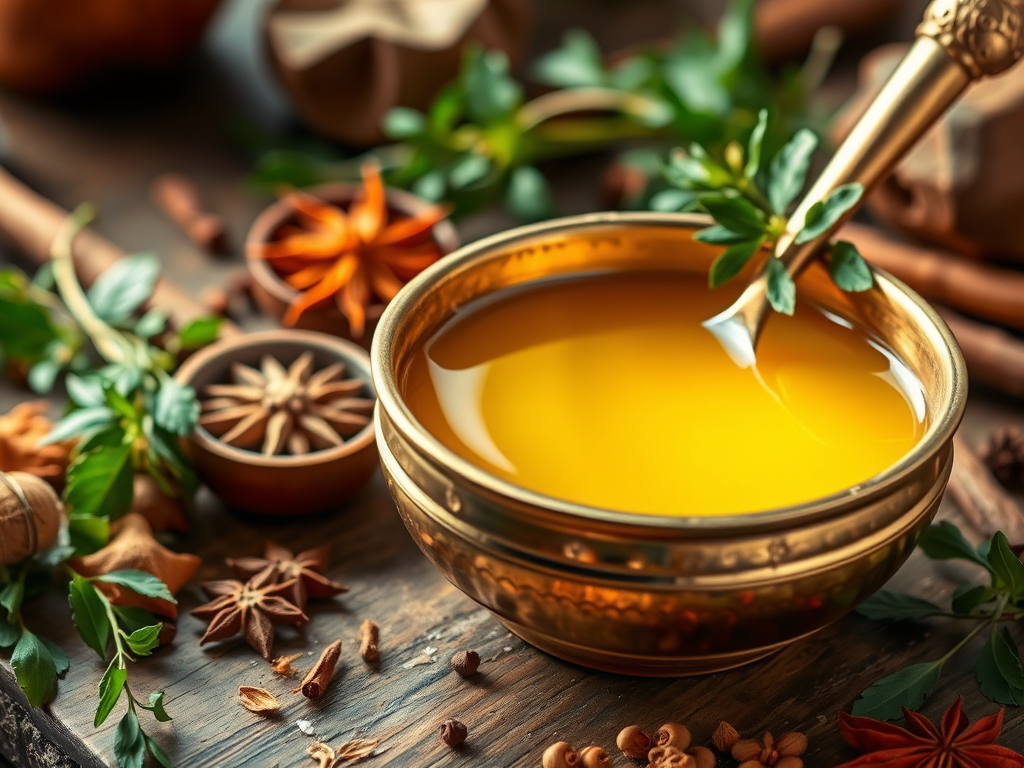
For decades, ghee — the golden fat of India — was wrongly blamed for everything from heart attacks to cholesterol spikes. As low-fat diets and chemically refined vegetable oils took over, this ancient super-food was pushed to the sidelines. But now, science is catching up with tradition. It’s time to explore why ghee isn’t the villain it was made out to be — and why it may just be the healthiest fat you’ve been missing out on.
🧈 What Is Ghee?
Ghee is clarified butter, made by gently simmering butter to remove water and milk solids. What’s left behind is a rich, aromatic fat that:
- Is lactose and casein-free
- Has a high smoke point (250°C)
- Is packed with fat-soluble vitamins (A, D, E, and K)
- Contains butyrate, CLA (conjugated Linolenic acid), and medium-chain fatty acids
🧠 The Western Fear: Where It All Went Wrong
In the 1950’s, researcher Ancel Keys launched the “diet-heart hypothesis,” claiming saturated fat causes heart disease. This led to a massive shift away from traditional fats like ghee, butter, and coconut oil — replaced by cheap vegetable oils like soybean, sunflower, and canola oil. But now, multiple studies have disprove this outdated theory:
- 2010 (American Journal of Clinical Nutrition) Found no significant link between saturated fat intake and heart disease.
- PURE Study (2017, The Lancet) Showed that people who consumed more fats (including saturated fats) had lower rates of stroke and all-cause mortality.
- BMJ Meta-Review (2020) Replacing saturated fats with carbs or refined oils showed no improvement in heart health — and sometimes even worsened it.
🌽 The Real Villain: Refined Vegetable Oils
Refined seed and vegetable oils like soybean, canola, and sunflower oil go through extreme industrial processing — including bleaching, deodorizing, and chemical solvent extraction (with hexane). These oils are:-
- High in omega-6 fatty acids, which trigger inflammation
- Easily oxidized when heated, producing toxic aldehydes
- Often reused in commercial kitchens, forming dangerous trans fats
- Linked to chronic diseases like:
- Obesity
- Type 2 Diabetes
- PCOS and Hormonal Imbalances
- Fatty Liver
- Heart Disease
The rise in these cheap oils coincides with a surge in modern lifestyle diseases.
🔥 Why Ghee Stands Apart
- High Heat Stability: – Ghee doesn’t break down into harmful compounds when cooked — making it ideal for Indian cooking.
- Gut Health Booster: –Ghee contains butyrate, a short-chain fatty acid that nourishes gut cells and lowers inflammation.
- Hormonal & Brain Support: – Rich in cholesterol and fat-soluble vitamins, ghee supports hormone production and brain function.
- CLA & Antioxidants: –Ghee from grass-fed cows contains CLA, linked to fat loss and better metabolic health.
- Free from Dairy Allergens: – Lactose intolerant? No worries. Ghee has zero casein or lactose.
🥄 How to Use Ghee Daily
- Use 1–2 teaspoons daily for cooking or finishing meals.
- Add to your dal, roti, or coffee for an energy boost.
- Swap refined oils in baking, roasting, or sauteing with ghee.
⚠️ Who Should Limit Ghee?
While ghee is generally safe and beneficial, some individuals should consume it cautiously, especially those with:-
- Acute pancreatitis
- Gallbladder issues or gallbladder removal
- Advanced heart disease with high LDL particle counts
Always consult a qualified nutritionist or physician for tailored advice.
🏆 Final Thoughts:–
The irony is striking: while India moved away from ghee under Western influence, the West is now embracing traditional fats like ghee, butter, and coconut oil as super-foods. Ghee is not just a cooking fat — it’s a symbol of wisdom, healing, and digestive vitality. It doesn’t belong in the category of modern, inflammatory seed oils. It belongs back in your kitchen — and your daily health routine.
 Master the Basics. Transform Your Health
Leave a comment