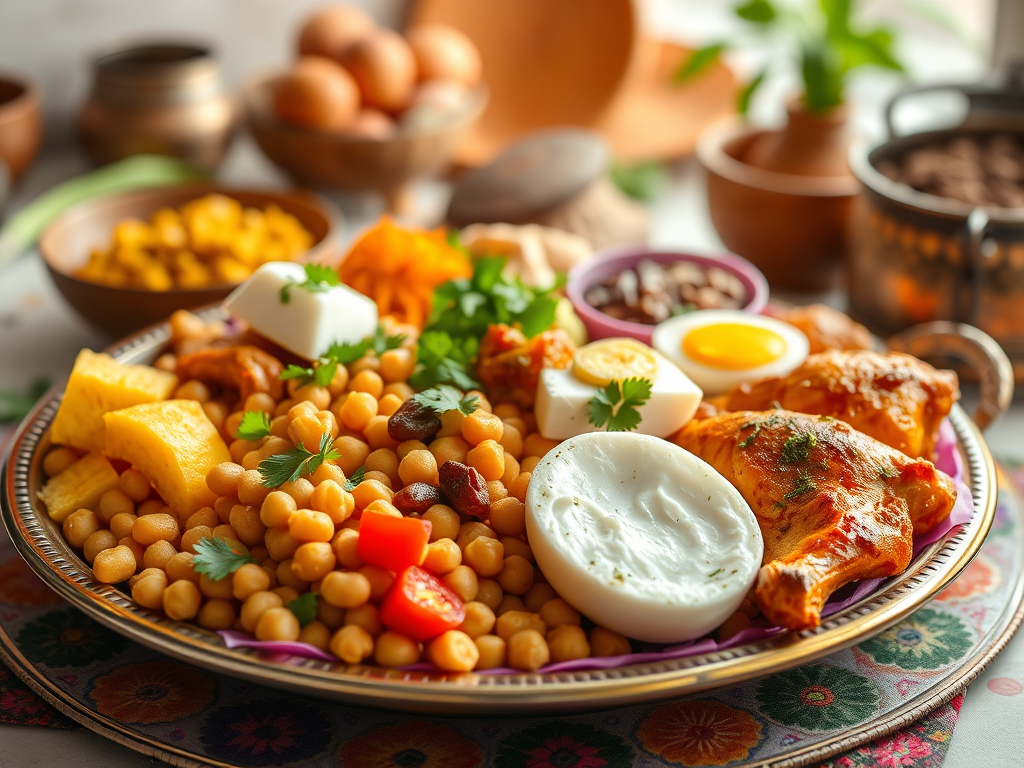
Forget what social media told you—here’s how to build a truly protein-rich Indian diet, whether you’re veg or non-veg. Backed by real nutrition, not fake influencers hype.
If you’ve read Part 1, you already know the truth:
The so-called “high-protein Indian diet” that influencers romanticize is a myth. Most of them don’t practice what they preach. They’re banking on your emotion, pride, and cultural attachment to sell you half-truths.
But here’s the good news:
You can build a powerful, protein-rich Indian diet—without falling for the noise. Whether you’re vegetarian or non-vegetarian, your heritage has plenty to offer. It has a lot to give when you actually understand what your body needs.
The Foundation: Start With Protein Goals, Not Food Myths
Before diving into what to eat, let’s set your baseline.
- Goal: 1.2–2 grams of protein per kg of body weight (depending on activity level).
- Example: For a 70 kg adult aiming to build or preserve muscle, target 90–120 grams/day.
Now, let’s see how to build that the right way—with Indian foods that actually deliver.
For Vegetarians: You Can Get There, But Not With Roti-Sabzi Alone:-
Always prioritize consuming dairy products first for a rich source of protein, then shift your focus to grains. Remember, grains alone do not provide all the essential amino acids needed to be considered a complete protein source. Enhance your diet by balancing these elements effectively!
- Paneer (100g): 18g protein
- Tempeh (100g): 10g protein
- Moong Dal (1 cup cooked): 14g protein
- Chickpeas/Rajma (1 cup cooked): 10-12g protein
- Greek Yogurt (300g): ~20g protein
- Whey Protein Shake (1 scoop): 20–25g protein
Sample Vegetarian Day Plan:
- Breakfast: Greek yogurt + 1 scoop whey + handful of soaked almonds
- Lunch: Paneer bhurji + 1 roti + mixed veg
- Snack: Tempeh stir-fry
- Dinner: Moong dal + curd + stir-fried veggies
You don’t need to abandon culture—you need to choose strategically within it.
For Non-Vegetarians: The Indian Diet Is a Protein Powerhouse—If Used Right
Here’s where the real game changes. Indian cuisine includes plenty of protein-rich, affordable, accessible non-veg options—but influencers won’t highlight them because they don’t trend that much.
- Eggs (1 large): 6g protein
- Chicken breast (100g cooked): 20-25g protein
- Fish (Rohu, Tilapia, etc. – 100g cooked): 20–25g protein
- Liver (Goat/Chicken): High in protein + iron + B12
- Prawns, mutton, organ meats: All excellent when not deep-fried
Sample Non-Veg Day Plan:
- Breakfast: 3 boiled eggs + Greek yogurt
- Lunch: Grilled chicken breast + dal + salad
- Snack: Omelets with 2 whole eggs + 2 whites
- Dinner: Fish curry + sauteed veggies + 1 roti
Combine that with even basic supplementation (like 1 scoop of whey), and you’re easily above 100g/day.
Why This Works (And Influencers Diets Don’t)
- Real food > fancy fads: You’re not relying on overpriced “protein khakhras” or ₹3,000 PDF diet plans.
- Sustainable: These meals exist in your home, your neighborhood, your culture.
- Balanced nutrition: You’re not going extreme—no 0-carbs, no detox juice-only nonsense.
- Flexible: Whether veg or non-veg, there are options at every level.
- You’re not being emotionally manipulated. You’re following science, not sympathy reels.
Final Takeaway: Culture Should Empower You, Not Limit You
Stop blindly following individuals who lack genuine authenticity, promote empty trends, or fail to inspire meaningful change; seek out those who ignite passion, encourage critical thinking, and foster a community of growth.
- Hide their supplements
- Lie about their diet
- Sell you overpriced “desi shred” courses & products.
Real nutrition honors your roots while dynamically evolving to meet your unique needs. Indian cuisine can powerfully support your health goals. Whether you’re a passionate vegetarian or a devoted non-vegetarian, you must approach it strategically. Embrace a mindset free from nostalgia and emotion, focusing instead on logic, balance, and candid honesty for optimal results.
 Simplify Your Wellness Journey
Leave a comment